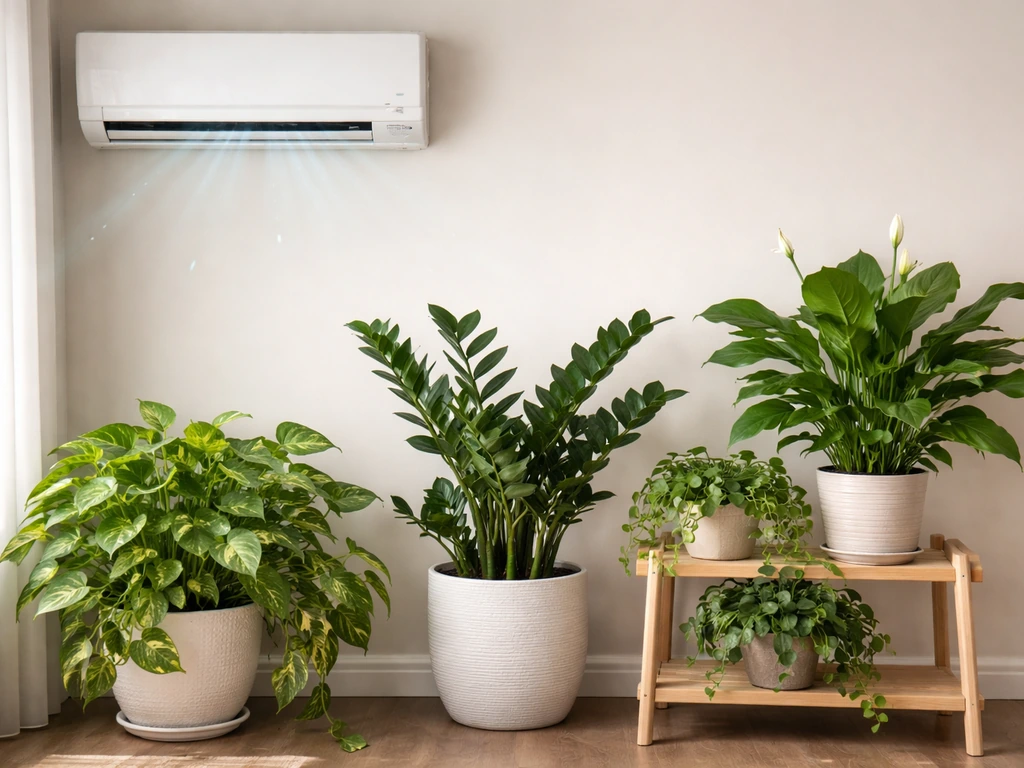
Most bedrooms sit in the low-to-medium light range, which rules out a lot of plants but still leaves you with excellent options. The best plants to grow in a bedroom right now are pothos, snake plants, ZZ plants, peace lilies, and heartleaf philodendrons. All five tolerate the lower light and drier air that most bedrooms have, they don't need constant watering, and none of them will punish you for a missed week. If you only want one recommendation: get a pothos. It's nearly impossible to kill, looks great trailing from a shelf, and actually thrives with neglect.
Plants That Can Grow in Bedroom: Best Picks by Light
Rachel Hartley
16 Jun 2026
How to check your bedroom light in 5 minutes

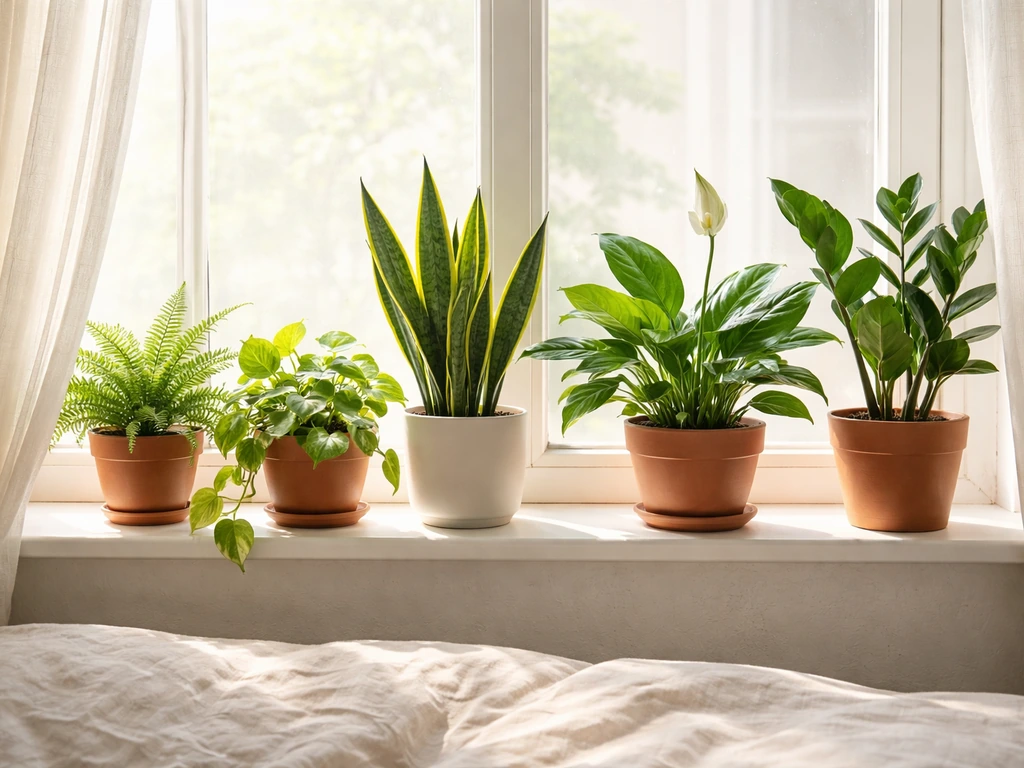
Before you buy anything, spend five minutes figuring out what light you're actually working with. Most people wildly overestimate how bright their bedroom is. 'It has a window' doesn't tell you much. What matters is the intensity of that light measured in foot-candles (fc) or lux. Wikipedia notes that 1 foot-candle is approximately 10.764 lux blank" rel="noopener noreferrer">foot-candles (fc) or lux. One foot-candle is roughly 10.76 lux, and those units are what extensions like Illinois and Missouri use to categorize plant-friendly light zones: low is typically under 75 fc, medium (average) runs around 75 to 200 fc, and bright indirect starts above 200 fc.
The fast way to measure this is with a free lux meter app on your phone. Apps like Photone use your phone camera to give you a real reading in lux or foot-candles, with plain-English labels like 'Bright indirect light' or 'Low light.' Open the app, hold your phone at the spot where the plant will actually sit (not right at the window), and take a reading in the middle of the day. That number tells you exactly what plant category you're shopping for. One thing worth knowing: moving your plant even two or three feet away from the window can cut the light reading dramatically, so measure at the actual placement spot, not the brightest corner.
If you don't want to bother with an app, use this quick rule. If you can comfortably read a physical book without turning on a lamp at midday, you're in medium light territory. If it feels dim or you instinctively reach for the light switch, assume low light and pick plants accordingly.
The best low-maintenance plants for bedroom conditions
These are plants that consistently work in bedrooms because they match the actual conditions: lower light than most living rooms, some temperature fluctuation if the AC runs hard at night, limited space, and an owner who isn't hovering over them daily. Each one listed here has been chosen because it forgives irregular watering, doesn't demand humidity, and stays manageable in a small or medium pot.
- Pothos (Epipremnum aureum): The single best beginner bedroom plant. Tolerates low to medium light, goes 1 to 2 weeks between waterings, and trails attractively from a shelf or nightstand. Nearly impossible to overwater if potted in a draining container.
- Snake plant (Sansevieria / Dracaena trifasciata): Thrives on neglect. Water it once every 2 to 4 weeks in low light. Stays upright, takes up minimal floor space, and handles the dry air that heating and AC create.
- ZZ plant (Zamioculcas zamiifolia): Stores water in its rhizomes, which means it laughs at forgetful watering schedules. Works well in genuinely low light corners. Slow-growing, so it won't outgrow a pot quickly.
- Peace lily (Spathiphyllum): One of the few flowering plants that genuinely tolerates low light. It droops dramatically when it needs water, which is actually helpful as a visual signal. Prefers slightly higher humidity, so it appreciates being near a humidifier.
- Heartleaf philodendron (Philodendron hederaceum): Very similar to pothos in ease and habit. Slightly more tolerant of higher humidity, trails nicely, and grows quickly enough to feel rewarding without becoming unruly.
- Chinese evergreen (Aglaonema): Handles low and medium light and comes in striking colors. Very forgiving with water and adapts well to the stable, warm temperatures most bedrooms maintain.
Top picks by light level: bright, medium, and low
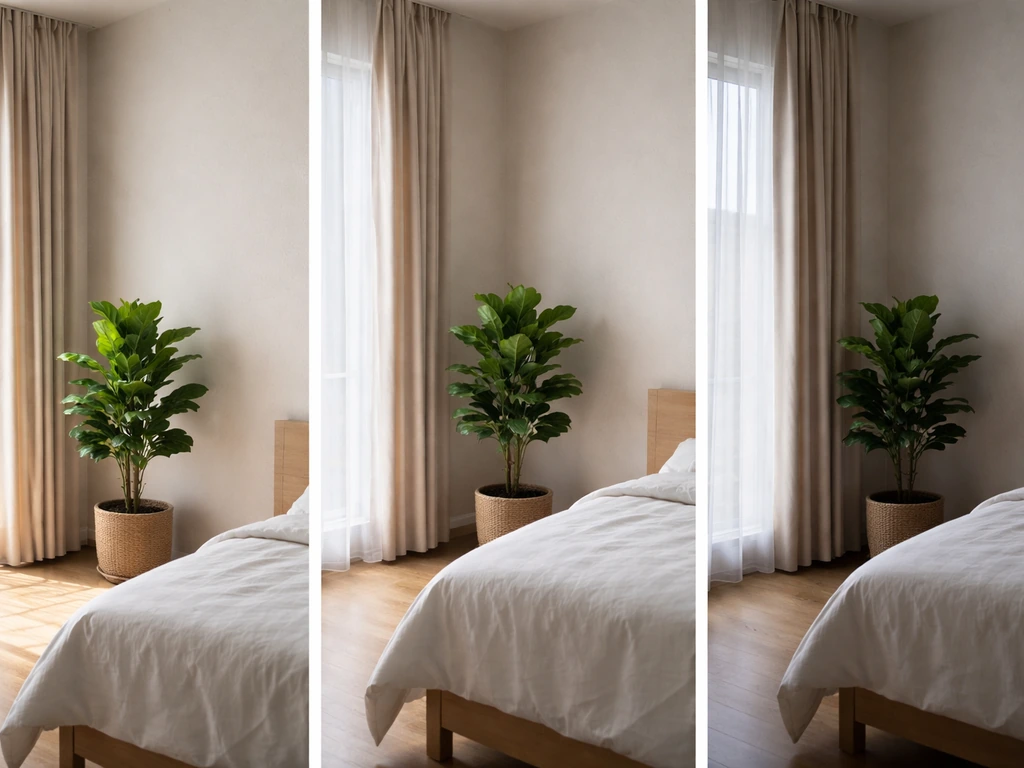
Your bedroom's light level should drive the decision more than anything else. Here's how to match the right plant to what you've got. If you’re planning a kitchen setup, the best plants to grow in a kitchen will depend on how much natural light your counters and windows actually get.
Bright light (south or west-facing window, 200+ fc)
A bright bedroom window opens up a wider set of choices. You can successfully grow smaller succulents and cacti on the windowsill, aloe vera (which doubles as a useful first-aid plant), spider plants, and even a small rubber plant (Ficus elastica). Spider plants produce offshoots you can propagate, making them a satisfying long-term project. If your window faces south and you're in the northern hemisphere, this is your best-case scenario for a bedroom plant setup.
Medium light (north or east-facing window, or a few feet from a bright window, 75 to 200 fc)
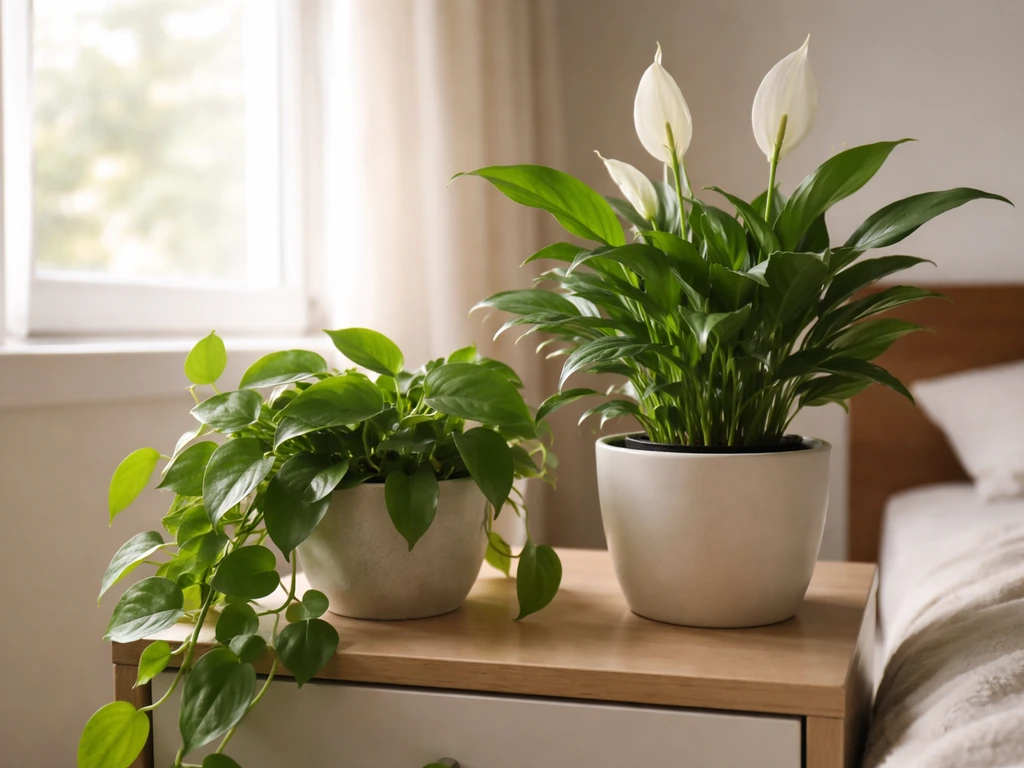
This is where most bedrooms land. Pothos, heartleaf philodendron, Chinese evergreen, and peace lily are all ideal here. Many of the low-light bedroom favorites also work in kitchen spots where light is limited, as long as you place them where they get the right brightness plants that can grow in kitchen. A small Boston fern can also work in medium light if you can keep moisture reasonably consistent, though it's more demanding than the others. Stick to the core five listed above and you'll have very little trouble.
Low light (no direct window, more than 6 feet from any window, under 75 fc)
Low light is where you need to be selective. The honest answer is that very few plants truly thrive in genuinely dark corners; they survive, but don't expect rapid growth. If you have a basement instead of a bedroom, look for plants that can grow in a basement since light and temperature swings can be even tougher there. If you want plants for a bathroom without windows, look for the same tough, low-light survivors and be extra careful with moisture and humidity. ZZ plant and snake plant are your strongest options here because both evolved in environments with seasonal dry spells and broken canopy light. Cast iron plant (Aspidistra elatior) is another option if you want something nearly bulletproof. Pothos and Chinese evergreen can also hang on in low light but will grow slowly and lose some color vibrancy.
| Plant | Light Level | Watering Frequency | Best Placement |
|---|---|---|---|
| Pothos | Low to Medium | Every 7 to 14 days | Shelf, nightstand, hanging |
| Snake plant | Low to Medium | Every 14 to 28 days | Floor corner, dresser top |
| ZZ plant | Low to Medium | Every 14 to 28 days | Low-light corner |
| Peace lily | Low to Medium | Every 7 to 10 days | Near window, away from AC vents |
| Heartleaf philodendron | Medium | Every 7 to 14 days | Shelf, windowsill adjacent |
| Chinese evergreen | Low to Medium | Every 7 to 14 days | Dresser, corner table |
| Aloe vera | Bright | Every 14 to 21 days | South or west windowsill |
| Spider plant | Bright to Medium | Every 7 to 10 days | Hanging near bright window |
| Cast iron plant | Low | Every 14 to 21 days | Dark corner, away from window |
Plants to avoid or be cautious about in bedrooms
Not every plant belongs in a bedroom, even if it's otherwise a good houseplant. A few things to watch out for:
- Toxic plants if you have pets or small children: Pothos, peace lily, and philodendron are all mildly to moderately toxic if ingested. If your cat chews on plants, go with spider plants, Boston ferns, or palms instead. The ASPCA list is the best quick reference.
- High-humidity plants: Maidenhair ferns, calatheas, and most orchids need consistently moist air that bedrooms with heating or central air simply don't provide. They're rewarding when conditions are right but frustrating in a dry bedroom.
- Plants that need bright sun: Succulents and cacti look like they belong in a cozy bedroom aesthetic, but if you don't have a genuinely bright south or west window, they'll slowly stretch, pale, and rot. A shaded windowsill will kill a cactus slower than overwatering but just as surely.
- Very large plants: A 6-foot fiddle leaf fig is not a bedroom plant for most apartments. Besides the space issue, fiddle leaf figs are famously dramatic about any change in light or airflow. Save those for a larger living space with stable bright light.
- Strong-scented flowers: Gardenias, hyacinths, and heavily fragrant blooming plants can disrupt sleep in an enclosed bedroom. This is a personal threshold, but it's worth considering before you put a blooming plant 2 feet from your pillow.
Simple care plan: watering, placement, and seasonal adjustments
Watering
The number one killer of bedroom plants is overwatering, not underwatering. If you're thinking about moving that strategy to a humid space, the best plant to grow in a bathroom is one that tolerates moisture without staying soggy best plant to grow in bathroom. Most low-to-medium light plants need water far less frequently than beginners expect because low light means slow growth, which means slow water use. The rule that works almost universally: stick your finger an inch into the soil. If it's still damp, wait. If it's dry, water thoroughly until it drains from the bottom, then leave it alone. Don't mist the leaves as a substitute for proper watering; it doesn't help most plants and just encourages fungal issues.
Placement
Put your plant as close to the window as its light requirement allows, but keep it away from direct cold drafts and AC vents. A plant sitting directly in the airflow of a vent will dry out and stress far faster than the light or watering schedule would predict. A few inches of distance from the glass also protects against radiant cold in winter if you're in a colder climate. Use a saucer under the pot so you can water properly without worrying about the furniture.
Seasonal adjustments
Since today is mid-June, your bedroom plants are entering their active growing season and will likely need water more frequently than they did in winter. If you set a watering schedule in February and haven't adjusted it, check your plants now because summer heat and longer days speed up soil drying. Conversely, come October and November, scale back watering again and stop fertilizing until late winter. Most bedroom plants want to rest over winter, and pushing them with fertilizer in low winter light just leads to leggy, weak growth.
Troubleshooting common bedroom plant problems and next-step fixes
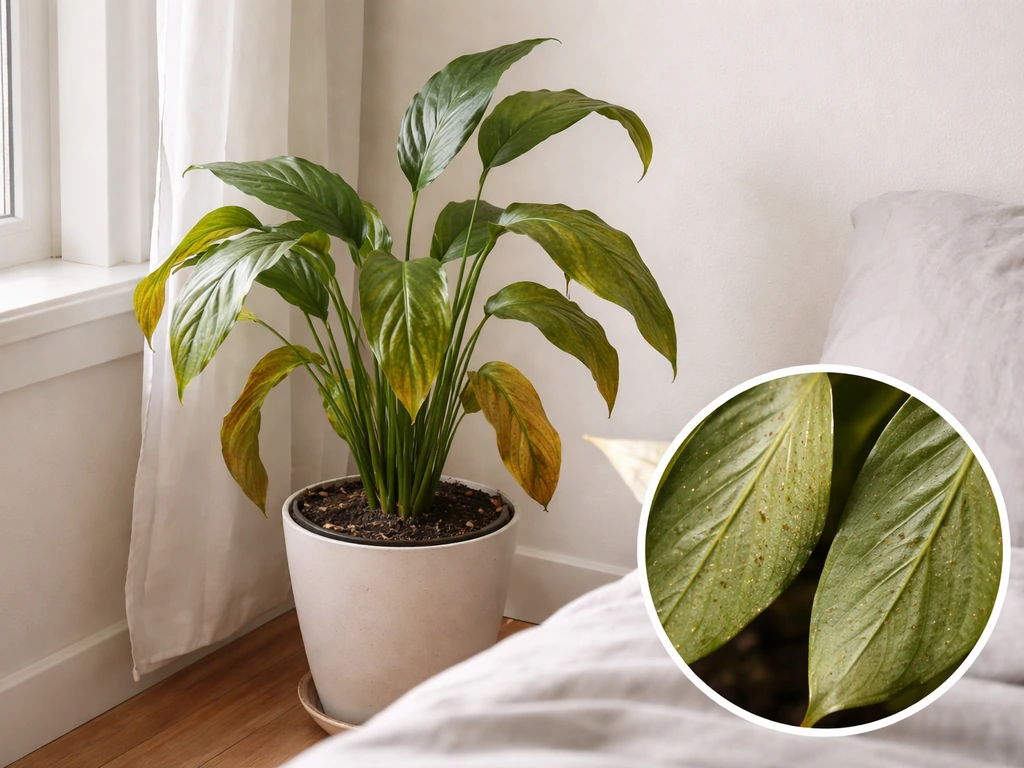
Most bedroom plant issues trace back to one of four causes: too little light, too much water, too little water, or a pest. Here's how to diagnose and fix the common ones quickly.
| Symptom | Most Likely Cause | Fix |
|---|---|---|
| Yellow leaves | Overwatering or root rot | Let soil dry completely, check roots, repot if mushy |
| Drooping leaves, dry soil | Underwatering | Water thoroughly, plant should recover in a few hours |
| Leggy, stretching stems | Insufficient light | Move plant closer to window or add a small grow light |
| Brown leaf tips | Low humidity or fluoride in tap water | Use filtered or room-temp water, mist if humidity is very low |
| Sticky residue on leaves | Scale or aphids | Wipe leaves with diluted neem oil or isopropyl alcohol |
| Tiny flying insects near soil | Fungus gnats from overwatering | Let soil dry out more between waterings, use sticky traps |
| Pale or washed-out leaves | Too much direct sun (for low-light plants) | Move plant back from direct window exposure |
| No new growth for months | Normal winter dormancy or too little light | Check light levels with app, consider a grow light bulb |
One quick upgrade worth mentioning: if your bedroom genuinely doesn't have usable natural light, a simple LED grow light bulb screwed into a lamp you already own can make almost any of these plants viable. You don't need an elaborate setup. A 10 to 15 watt full-spectrum LED bulb placed about 12 inches above the plant for 12 to 14 hours a day gives most low-light plants enough to stay healthy. This is the same logic that applies to growing plants in offices with no windows or in basement spaces; supplemental light changes what's possible.
Start with one plant, get it stable, then add more. A pothos on the nightstand or a snake plant in the corner is a completely achievable first step, and once you've kept one alive through a full season you'll have a much better feel for your bedroom's specific conditions. That real-world knowledge is worth more than any general guide, including this one.
FAQ
How close should my plant be to the window in a low-light bedroom?
Aim for the brightest spot that still avoids direct drafts. As a starting point, place the plant within about 6 to 18 inches of the glass (depending on heat and cold exposure), then watch it for new leaf growth. If leaves stretch or become pale, move it closer by a few inches and re-check after 2 to 3 weeks.
What potting mix helps bedroom plants avoid overwatering problems?
Use a fast-draining mix, ideally one formulated for houseplants or a mix that includes bark or perlite. If your soil stays damp for many days, switch to a chunkier mix, and consider a pot with drainage holes plus a saucer (not a decorative pot with no drainage).
Is it safe to run a humidifier in the bedroom with these plants?
It can be, but avoid creating persistent dampness around the leaves. Keep humidity moderate (for example, around typical home ranges) and improve air circulation. If you see fungal spots or lingering wet leaf surfaces, lower the misting and do not place plants directly under mist output.
Should I rotate my pothos or philodendron to keep it growing evenly?
Yes. Rotate the pot about a quarter turn every 1 to 2 weeks so the plant doesn't keep leaning toward the window. If you use a grow light, rotate less often, because even overhead light reduces directional growth, though occasional rotation still helps.
What are the signs my bedroom has enough light for these plants versus too little?
Enough light usually shows steady new growth and foliage that stays reasonably sized. Too little light shows slow growth, leggy stems, smaller leaves, and, for some plants, lighter or duller foliage. If growth stops for extended periods despite correct watering, reassess light at the plant’s actual placement spot.
Can I keep a bedroom plant on a nightstand if I water it from above?
Better to water carefully at soil level. Use a watering can with a narrow spout so water goes into the pot, then wait for drainage. Empty any excess in the saucer after 10 to 15 minutes to protect the nightstand and prevent roots from sitting in water.
How do I know whether to water during summer if I followed the ‘finger test’ rule?
Use the finger test plus a pot-weight check. In summer, soil can dry unevenly, so test 1 to 2 inches down near the edge and the center. Also lift the pot after watering and compare it a day or two later, if the pot feels heavy, wait longer, even if the top layer looks dry.
Should I mist leaves instead of watering for bedroom plants?
Generally no for these low-to-medium light plants. Misting doesn't reliably hydrate the roots and can raise the chance of leaf spots or mildew. If you want to increase comfort, focus on correct watering intervals, airflow, and, if needed, a humidifier used moderately.
Are LED grow bulbs enough if my bedroom window is blocked by another building?
Often yes, if you position the bulb correctly and run it consistently. Use a full-spectrum LED bulb and keep it close enough (commonly around 10 to 16 inches above the plant) so leaves receive meaningful intensity. Start with 12 hours per day, then adjust based on growth speed and leaf color.
Can these plants handle being near an AC or heater vent if I keep them away from drafts?
They tolerate indoor swings better than many plants, but vents can still desiccate the air and soil quickly. Even when the leaves are not in the direct blast, monitor how fast the pot dries and reduce watering frequency only after you confirm the soil is staying moist longer than it would with a vent exposed.
What pests should I look for in bedrooms, and how early can I catch them?
Check the underside of leaves and along stems for tiny specks or webbing (spider mites), sticky residue (some scales or aphids), and cottony clusters (mealybugs). Early signs include stippling on leaves, slowed growth, and leaves curling. Quarantine any new plant for at least a couple of weeks and inspect weekly.
Are succulents like aloe or cacti actually compatible with low-light bedrooms?
Only if you have a bright bedroom window, because most succulents need stronger light than the core low-light group. If your reading is truly low, they may survive but stretch, thin out, and rot from watering that’s timed for slower-growing low-light plants. For aloe and cacti, prioritize maximum window proximity and let soil dry out thoroughly between waterings.
How often should I fertilize bedroom plants given low light conditions?
If your plants are in low-to-medium light, fertilize less than you would in bright windows. A good approach is to fertilize only during active growth (spring through early fall) and follow a diluted rate, then stop when growth slows in late fall and winter. If plants go leggy or pale, adjust light first before increasing fertilizer.
What should I do if my peace lily stops flowering in the bedroom?
Most often, it is light level or watering timing. Peace lilies bloom best when they have enough indirect light and consistent moisture (not soggy). If leaves look healthy but flowers don’t return, move it slightly closer to the window and water based on soil dryness rather than a fixed calendar.
Next Article
Plants That Can Grow in Air Conditioned Rooms: Care Guide
Best plants for air conditioned rooms plus placement, watering, humidity tips, troubleshooting, and seasonal care to pre