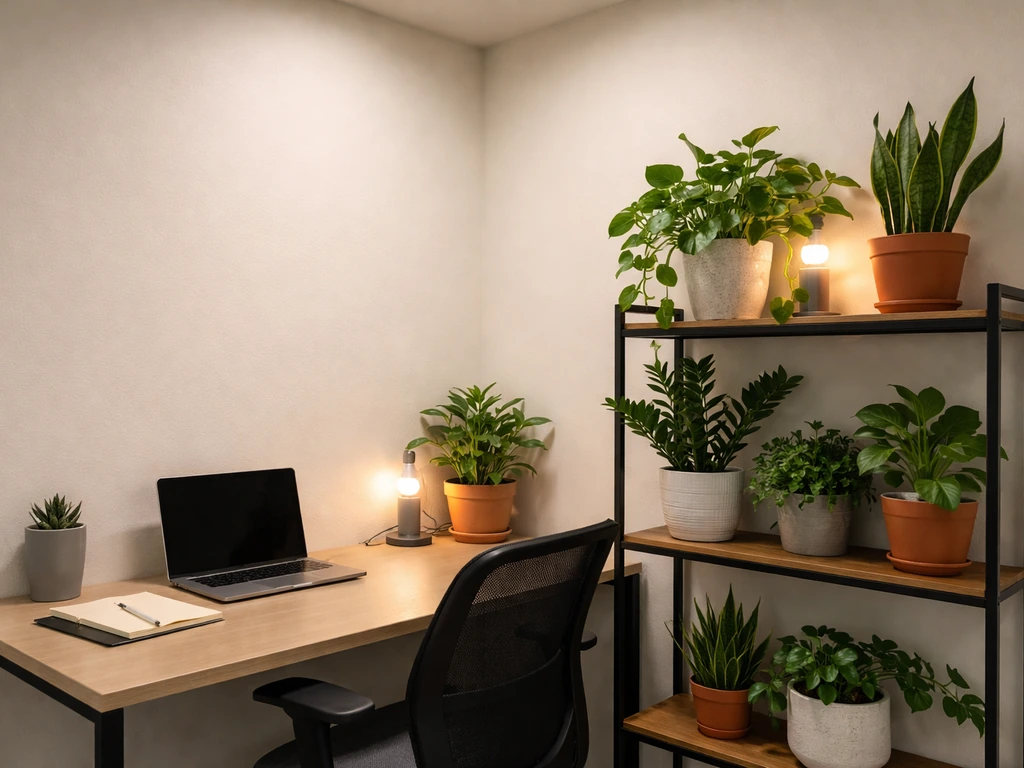
The best plants for most bathrooms are pothos, snake plant, ZZ plant, peace lily, and tropical ferns. These five handle the two defining bathroom conditions, low light and humidity, better than almost anything else you can buy. Which one you pick depends on how much light your bathroom actually gets and how steamy things get after showers. If you nail that match, bathroom plants are genuinely some of the easiest houseplants you can grow.
Best Plant to Grow in Bathroom: Low-Light and Humidity Picks
Rachel Hartley
27 Apr 2026

Figuring Out Your Bathroom's Light and Humidity First

Before you buy anything, spend two minutes actually assessing your bathroom rather than guessing. Light is measured in foot-candles (fc), and a free light meter app on your phone is accurate enough for this purpose. Hold it at the spot where you plan to put a plant at noon on a typical day. Under 25 fc is very low light, 25 to 100 fc is low light, and 100 to 200 fc is medium light. Most windowless bathrooms land in the very-low-to-low range. A bathroom with a frosted or clear window can easily hit 150 to 300 fc on a sunny day, which opens up more options.
Humidity is simpler to judge. If your mirror fogs up during showers and stays damp for 20 to 30 minutes, your bathroom is genuinely humid during use. If you have a strong exhaust fan that clears steam quickly, humidity returns to normal room levels fast. The practical difference: high-humidity bathrooms suit ferns and orchids, while average-humidity bathrooms suit the same plants as any other room. The one thing both types share is that the humidity fluctuates instead of staying constant, which matters for plant selection.
Best Low-Light Bathroom Plants
These are the plants that genuinely work in a typical bathroom with a small window or no window. They are not just "tolerating" low light as a marketing claim. These species have slower metabolisms in low light and match the reduced watering schedule that low light demands, which is what makes them survive where other plants collapse.
| Plant | Light Tolerance | Key Trait | One Gotcha |
|---|---|---|---|
| Pothos (Epipremnum aureum) | Very low to medium | Vines trail from shelves; almost unkillable | Yellows if kept soaking wet in low light |
| Snake Plant (Sansevieria) | Low to medium | Minimal watering needed; very upright | Slow in low light; don't overwater |
| ZZ Plant (Zamioculcas zamioculas) | Very low to low | Stores water in rhizomes; drought-tolerant | Toxic to pets; do not overwater |
| Cast Iron Plant (Aspidistra elatior) | Very low | Extremely forgiving; survives neglect | Slow grower; don't expect fast results |
| Heartleaf Philodendron | Low to medium | Fast trailing growth; tolerates shade | Wilts obviously when thirsty (good signal) |
Snake plant and ZZ plant are the two I'd recommend first for anyone with a windowless or dim bathroom. Penn State Extension specifically calls out snake plants as easy to maintain and needing minimal watering, and ZZ plants are listed by multiple extension services as genuine low-light performers. In both cases, letting the soil dry out between waterings is not optional; it is the rule. Low light slows growth and slows how fast soil dries, so watering less often than you think is almost always the right call.
Best High-Humidity Bathroom Plants (For Steamy Shower Rooms)
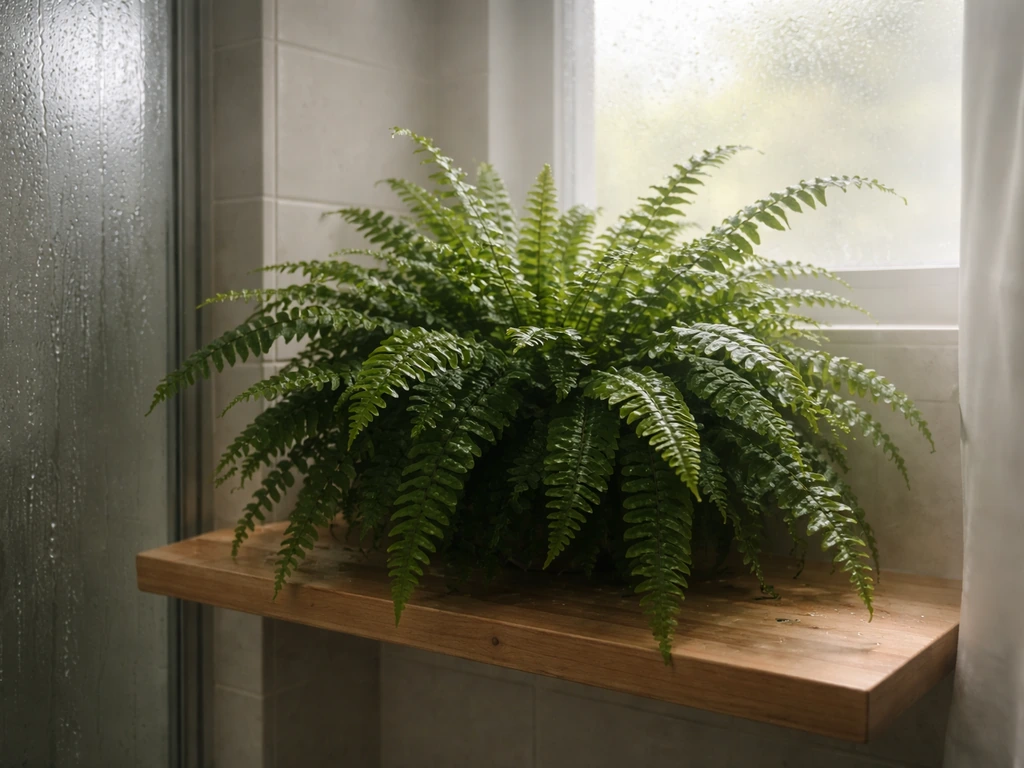
If your bathroom gets genuinely steamy, you can grow plants that struggle everywhere else in your home. These are some of the plants that can grow in a bedroom, too, if you match them to your light level. If you want plants that can grow in air conditioned room, pick varieties that tolerate typical indoor temperatures and keep them out of cold drafts.
If you also want greenery for counters and kitchens, look for plants that can handle those light and watering conditions too plants that can grow in a bedroom. The key is that these plants want consistent warmth with their humidity, not cold steam, so keep them away from cold drafts near windows or exterior walls during winter months.
- Boston Fern (Nephrolepis exaltata): thrives in high humidity and bright indirect light; if you have a window, this is your showpiece plant. Needs good air circulation to prevent fungal issues.
- Bird's Nest Fern (Asplenium nidus): a flatter, easier fern than Boston; more tolerant of low light and still loves steam. Great for shelves near the shower.
- Peace Lily (Spathiphyllum): one of the best all-rounders for steamy bathrooms with low to medium light; flags when it needs water by drooping slightly, which makes it beginner-friendly.
- Orchids (Phalaenopsis): counterintuitively easy in a humid bathroom with bright indirect light. The steam replaces misting. Let them dry between waterings and they reward you with long-lasting blooms.
- Calathea / Maranta: famous for needing humidity; finally thrive in bathrooms instead of struggling in dry living rooms. Need medium indirect light.
- Air Plants (Tillandsia): no soil at all; mount them on driftwood or a shelf and the shower steam does most of the watering work for you.
One important caveat for steamy bathrooms: wet leaves left damp for 8 to 12 hours or longer invite Botrytis (gray mold), especially if your bathroom runs cool. University of Maryland Extension identifies wet foliage, high humidity, and cool temperatures as the exact conditions that trigger this fungal problem. The fix is airflow. A small clip-on fan running for 30 to 60 minutes after showers makes a significant difference. If you can't do a fan, at least crack the door after showering.
Easy, Beginner-Friendly Picks (Low Maintenance, Forgiving)
If you have killed houseplants before and want to start small, these three are legitimately hard to kill in bathrooms and do not require close attention.
- ZZ Plant: stores water in underground rhizomes, so it survives if you forget to water for two or three weeks. Genuinely low light. Slow growing, but nearly bulletproof.
- Pothos: the most forgiving trailing plant you can buy. It tells you when it is thirsty (leaves get slightly limp), bounces back fast after watering, and works in almost any light condition above near-darkness.
- Snake Plant: handles low light, infrequent watering, and general neglect. The one thing that kills it is sitting in wet soil in a pot without drainage, so get a pot with a drainage hole and you're good.
For beginners, forget rigid watering schedules in bathrooms. Oklahoma State Extension makes this clear: watering frequency depends on light, humidity, temperature, pot size, and soil mix all at once. In a low-light bathroom where soil dries slowly, watering once every 10 to 14 days is often more than enough for snake plants or ZZ plants. If you are dealing with a basement space that stays dim, snake plants are also a reliable option. Stick your finger an inch into the soil. If it's still damp, wait.
Plants for Specific Bathroom Challenges
No Window at All
A truly windowless bathroom is tough for any plant long-term because photosynthesis requires light and there's no workaround. Your practical options are ZZ plant and cast iron plant, both of which survive at very low foot-candle readings but grow extremely slowly.
The honest answer here is that you'll likely need a small grow light, something as simple as a full-spectrum LED bulb in a clip lamp aimed at the plant for 10 to 12 hours a day, to keep any plant genuinely healthy. Missouri Extension confirms that supplemental lighting can substitute for window light when natural light is limited.
If you don't want a grow light, treat windowless bathroom plants as rotational: keep a healthier plant in a brighter room and swap it into the bathroom for two to three weeks at a time. The topic of plants for windowless bathrooms has its own set of nuances worth exploring separately.
Hard Water and Salt Buildup

If you water with tap water and see white crust forming on the soil surface or on clay pots, that's mineral salt buildup. UC IPM links this to brown leaf tips and margins. The fix from Colorado State Extension is straightforward: scrape off the white crust on the soil surface, then flush the pot slowly with water two or three times until it drains freely from the bottom. Do this every two to three months. Alternatively, collect and use filtered water or let tap water sit overnight before using it. Plants like calathea and peace lily are more sensitive to mineral buildup than pothos or snake plants.
Cold Drafts
Bathroom exhaust fans, cracked windows in winter, and exterior walls can create cold drafts that injure tropical plants. University of Maine Extension lists temperature shock from drafts as a direct cause of houseplant damage. Keep plants away from the direct airflow of exhaust fans and off windowsills in cold climates during winter. A spot on a shelf across the room from the vent is usually fine.
Small Spaces and Tight Shelves
For tiny bathrooms, think vertical. Trailing pothos or heartleaf philodendron in a small pot on a high shelf takes up zero counter space and looks intentional. Air plants mounted on the wall or set in a small holder take up almost no space at all. Snake plants in narrow, tall pots fit in corners. Avoid wide spreading plants like Boston ferns unless you have at least a medium-sized windowsill or shelf.
Setting Up Containers and Basic Care
Drainage Is Non-Negotiable
Every plant in this list needs a pot with drainage holes. Oklahoma State Extension is direct: never leave a houseplant standing in water. In a low-light, humid bathroom, wet soil has almost nowhere to go, and roots sitting in water lose access to oxygen and rot within days.
If you want the best plants to grow in a kitchen, use the same drainage rule and match plants to your room's light and watering needs best plants to grow in kitchen.
If you love the look of a decorative ceramic pot with no holes, use it as a cachepot: put your plant in a plain plastic nursery pot with holes, set that inside the decorative outer pot, and dump any water that collects in the outer pot after watering.
Watering Routine
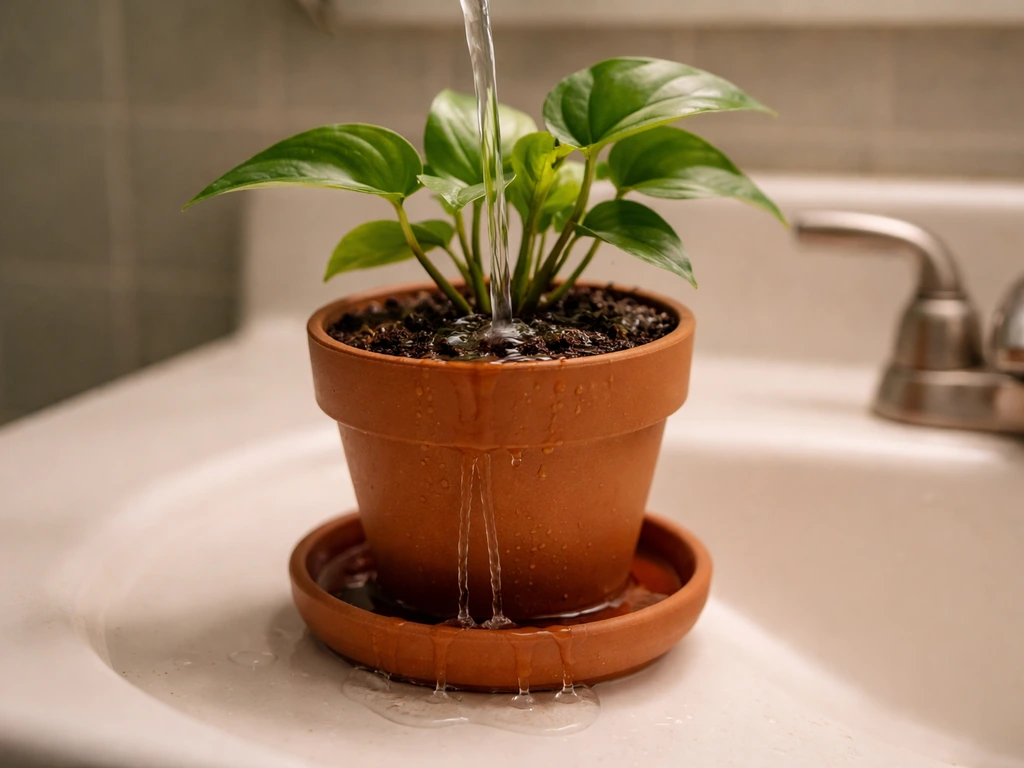
Water thoroughly when you water, pouring until water runs freely from the drainage holes, then do not water again until the top inch of soil is dry. In a low-light bathroom this often means watering every 10 to 21 days for most plants on this list. Adjust for the season: plants grow slower in winter and dry out slower, so water even less frequently from November through February. The two most common failures are watering on a rigid weekly schedule regardless of soil moisture, and keeping plants in pots without drainage.
Fertilizing
Bathroom plants in low light grow slowly and need minimal fertilizer. University of Maryland Extension recommends monthly applications of diluted liquid fertilizer during summer months as a general houseplant approach. For low-light bathroom plants, you can fertilize once a month from April through September at half the recommended dose and skip it entirely from October through March. Over-fertilizing in low light leads to salt buildup and root burn without actually producing more growth.
Container Material
Terracotta pots dry out faster than plastic because the clay is porous and breathes. In a humid bathroom, that faster drying can actually be helpful for plants prone to overwatering like snake plants and ZZ plants. For ferns and peace lily, which prefer more consistent moisture, plastic or glazed ceramic pots hold moisture longer and reduce how often you need to water.
Matching Plants to Your Bathroom Style
If your goal is visual impact, go with a large peace lily or a trailing pothos from a high shelf. Both are lush and green without requiring much effort. For a spa or tropical aesthetic, a bird's nest fern or a small orchid on the windowsill reads as intentional and elevated. For minimalist or modern bathrooms, a single snake plant in a sleek cylindrical pot is the classic choice because the architectural leaf shape complements clean lines. If you want multiple plants without clutter, air plants clustered on driftwood or a small tray create a cohesive look without taking up counter space.
If your goal is air quality or a feeling of freshness rather than aesthetics, peace lily and pothos are the practical picks. Both are commonly associated with removing volatile compounds from indoor air and they do it while tolerating bathroom conditions. For a bathroom that doubles as a relaxation space, calathea's striking leaf patterns add a design element that earns it a spot even though it requires a bit more attention than the beginner picks.
Common Mistakes and How to Fix Them Fast
| Mistake | What Happens | Quick Fix |
|---|---|---|
| Watering on a fixed schedule | Root rot in low-light humid conditions | Switch to checking soil; water only when top inch is dry |
| No drainage hole in pot | Roots sit in standing water and rot | Repot into a container with holes or use as a cachepot only |
| Ignoring airflow | Botrytis (gray mold) on wet leaves | Run a small fan after showers or leave door open to dry air |
| Placing plants near exhaust vents | Cold drafts damage tropical foliage | Move plant to opposite wall or a sheltered shelf |
| Using cold tap water directly | Leaf spotting; root shock on sensitive plants | Let water reach room temperature before watering |
| White crust on soil and browning tips | Salt buildup from hard water or over-fertilizing | Scrape crust, flush pot thoroughly with water two to three times |
| Fungus gnats appearing | Persistently damp soil in low-light conditions | Let soil dry completely between waterings; improve drainage |
| Expecting fast growth in low light | Disappointment; over-watering to compensate | Accept slow growth as normal; reduce fertilizer and watering frequency |
The single most common bathroom plant failure is overwatering combined with a pot that can't drain. Fix those two things and you solve probably 80 percent of bathroom plant problems before they start. If you have a windowless bathroom and want to go deeper on that specific challenge, it's worth thinking through the lighting workarounds in detail since the no-window case is genuinely its own category of problem.
Your Next Steps: What to Buy and Where to Put It
If you want to start today, here's a simple decision path. Bathroom with a window and steamy showers: get a bird's nest fern or peace lily, place it within two feet of the window, and run the exhaust fan after showering. Bathroom with a window but low steam: pothos or a snake plant on the windowsill or nearby shelf. No window: ZZ plant or snake plant with a simple clip-on LED grow light on a timer for 12 hours a day. This same approach applies to offices with no windows, where low light is the main limitation. Tiny bathroom with no counter space: air plants on a wall-mounted holder or a small trailing pothos on a high shelf.
Pick up your plant at a local nursery in a 4-inch or 6-inch nursery pot and acclimate it to your bathroom for a week by keeping the door open more than usual before moving it to its permanent spot. Spring and early summer are ideal times to introduce new plants since longer days give them the best chance to establish. From there, check soil moisture weekly, water thoroughly when needed, and give the leaves a wipe with a damp cloth every few weeks to clear dust that blocks the little light they do get. That's genuinely all it takes.
FAQ
Can I use bathroom plants that are marketed as “low-light” without measuring my light first?
Yes, but plan for slower growth and a less forgiving schedule. If a bathroom stays at very low light, you should choose plants that handle droughty, “dry out between waterings” conditions (snake plant, ZZ plant) and avoid frequent misting as a substitute for light. Also, keep water off the crown and soil surface for long periods, because low light plus consistently wet foliage raises mold risk.
What if my bathroom is humid during showers but dries quickly afterward?
Ferns and peace lily are the most likely to show stress if your humidity drops fast between showers, but they usually recover if you keep watering based on soil dryness rather than steaminess. A practical approach is to group ferns and peace lily together (slightly higher local humidity) and ensure airflow after showers so leaves do not stay damp for hours.
Will cold drafts in winter ruin ferns or peace lilies, even if I have good humidity?
If your bathroom runs cool, shift away from plants that need consistently warm, stable conditions. Even “humidity-loving” plants can struggle if they sit near exterior walls, leaky windows, or the path of an exhaust vent. Place plants on interior shelves away from cold drafts, and in winter reduce watering even further since soil takes longer to dry.
How do I know whether to water a snake plant or ZZ plant in a small bathroom?
Most bathrooms should be treated as low-watering environments. With snake plant and ZZ plant, water thoroughly only when the top inch is dry, then wait until the soil is dry throughout before watering again. The easiest mistake is to follow a calendar schedule, especially after moving a plant into a smaller pot where drying can change.
Are terracotta pots a good idea in humid bathrooms?
You can, but only if you match the plant to the pot and the bathroom conditions. Terracotta can work well for drought-tolerant plants because it dries faster, but in a humid bathroom you still need to confirm dryness before watering. If you choose glazed ceramic or plastic for ferns or peace lily, keep the drainage holes clear, because blocked holes recreate the “no drainage” failure mode.
Should I mist my bathroom plants to boost humidity?
Not reliably. Misting increases leaf wetness temporarily, and in a bathroom with weak exhaust it can increase Botrytis risk. If you want higher humidity, prefer strategies like an exhaust fan timer that runs long enough to clear steam, grouping plants, or using a humidifier in the room (not just misting leaves).
What should I do if the soil surface turns white, even though I’m not overwatering?
White crust on soil is often mineral salt buildup, but it can be confused with dry fertilizer residues. Check by scraping a small area: if it is gritty and returns after watering, flush the pot slowly until drainage runs freely, then pause and switch to filtered or rested water. Also, avoid over-fertilizing in low light, since salt accumulation can accelerate root stress.
Is it okay to keep a plant in a decorative ceramic pot without drainage holes?
Yes, and it is one of the fastest ways to prevent bathroom plant problems. If a plant came in a decorative pot without drainage, re-pot into a nursery pot with holes or use the cachepot method, then empty any collected water after each watering. Leaving a plant sitting in a decorative pot’s runoff is a common cause of root rot in humid rooms.
How do I set up a grow light for a windowless bathroom, and how much daily time is enough?
Schedule lighting around exposure, not just “turn it on.” Use a full-spectrum LED aimed at the plant, run it 10 to 12 hours a day for windowless setups, and place the light closer if growth is still sluggish. If the plant reaches toward the light or leaf color dulls, increase duration slightly before increasing intensity.
Can I rotate a plant in and out of a bright room to avoid using a grow light?
Yes, but rotate carefully. When you move a plant between a brighter room and a dark bathroom, do it gradually over 3 to 7 days (more time each day) to avoid sudden leaf drop. Also, remember that “windowless bathrooms” usually need a different watering approach because drying can be slower once the plant is adapted to low light.
What’s the best pot size to choose when starting bathroom plants?
Start small, but size matters. In very low light, a larger pot holds more wet soil and dries more slowly, which increases the risk of overwatering. For beginners, use the nursery pot size you bought or step up only one size, then water only after checking soil dryness.
How often should I clean bathroom plant leaves, and does it affect their health?
A good cleaning routine is gentle and periodic: wipe leaves with a damp cloth every few weeks to remove dust, and avoid polishing products that leave residue. Also, rinse or wipe off visible spots after leaf wetting events, because residue can trap moisture and reduce airflow across the leaf surface.
Where should I place plants relative to the shower and exhaust fan?
It depends on the steam pattern. If your bathroom fogs heavily and steam lingers, run the exhaust fan longer and keep plants farther from the shower zone so leaves are less likely to stay wet. If steam clears quickly, you can place most plants closer, but still avoid direct blasting from the vent.
Next Article
What Plants Can Grow in an Office With No Windows
Best low light plants for a no-window office, plus light checks, grow-light setup, and care tips to keep them alive.