
The west side of your house gets strong afternoon sun, which means heat, intense light from roughly noon onward, and often some wind exposure. That combination rules out shade lovers completely, but it's not just a 'plant anything sun-loving' situation either. The best plants for a west-facing bed or wall are ones that can handle peak-day heat without wilting, tolerate reflected warmth off siding or walls, and still look good doing it.
What Plants Grow Best on the West Side of a House
Rachel Hartley
1 Jul 2026
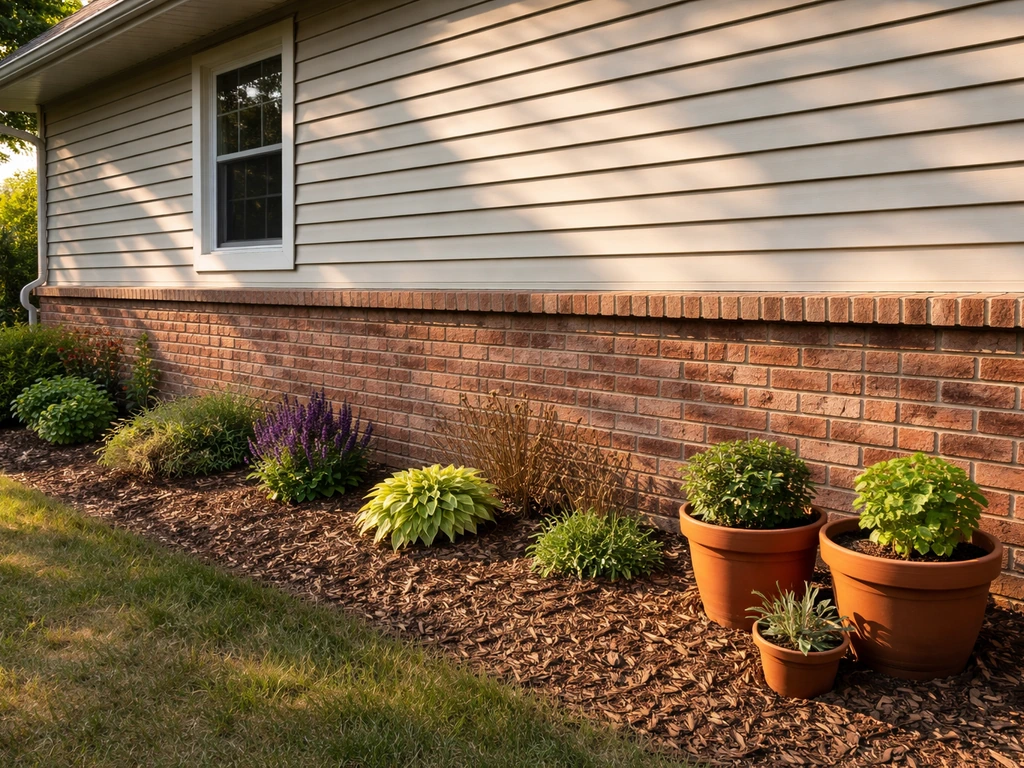
Think lavender, salvia, sedum, ornamental grasses, coneflower, black-eyed Susan, catmint, and shrubs like viburnum or spirea for most regions. For shadier west spots where a tree or overhang cuts the afternoon light, hostas, astilbe, and ferns do well. The details below help you match the right plants to what you're actually working with.
How much sun the west side actually gets
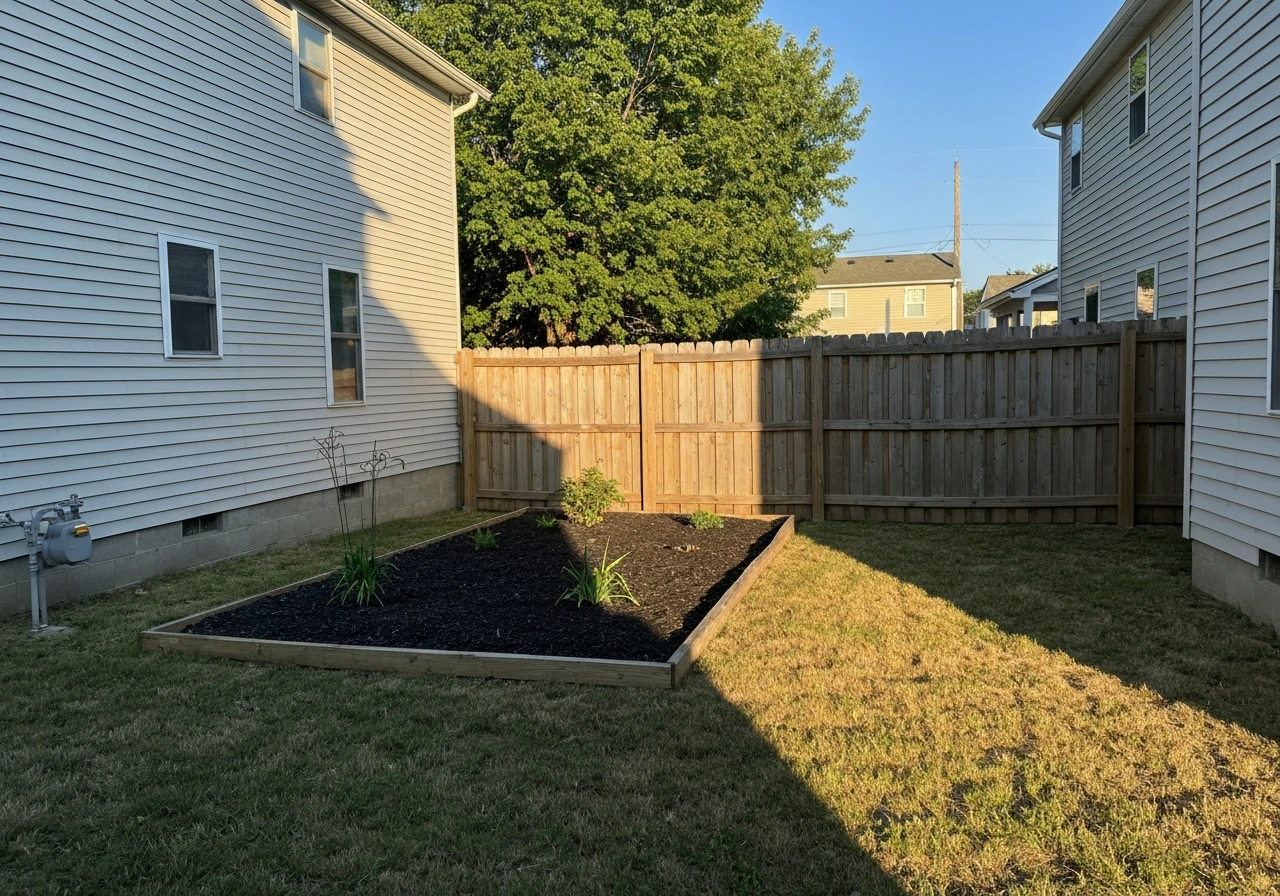
West-facing ground typically receives direct sunlight from early afternoon through evening, which in summer can mean 6 to 8 hours of direct sun. That puts most west beds firmly in 'full sun' territory, defined as six or more hours of direct sunlight per day. But that's not the whole story. The sun arriving in the afternoon is hotter and more intense than morning sun, and walls absorb and radiate that heat back at your plants. Near a light-colored or white wall, you also get reflected light that amplifies conditions further. Wisconsin Extension specifically flags the west side of white buildings as a high winter-burn risk zone for exactly this reason.
Your actual exposure can vary quite a bit depending on nearby trees, fences, or the depth of your roofline overhang. A big shade tree to the west can flip a full-sun bed into partial shade. The only way to know for sure is to check it yourself. Penn State Extension recommends going outside every hour starting at 7:00 a.
m. and marking which areas are in sun or shade, then adding up the total sun hours. The Michigan DNR suggests a similar sun-map approach: tally marks per hour in each area. You can also use apps like SunCast or Sun Scout, which use your phone's GPS and compass to map sun and shadow across your yard.
Do this check on a clear day in the current season since summer sun angles are very different from winter ones.
Once you have your hour count, it lands in one of three categories: more than 6 hours is full sun, 3 to 6 hours is partial sun or partial shade, and fewer than 3 hours is full shade. Most unobstructed west-facing beds fall into full sun. If something (a big tree, a fence, a neighboring structure) blocks that afternoon sun before 3 p.m., you're probably in partial shade territory.
Best plants for full sun west-facing areas
These are the plants that actually thrive with direct afternoon sun and the heat that comes with it. They've proven themselves in exactly the conditions a west-facing bed creates.
| Plant | Type | Why It Works on the West Side | Water Needs |
|---|---|---|---|
| Lavender | Perennial / shrub | Loves heat, drought-tolerant once established, fragrant | Low |
| Salvia (ornamental) | Perennial / annual | Heat-tolerant, long bloom season, attracts pollinators | Low–Medium |
| Sedum / Stonecrop | Succulent perennial | Extremely heat- and drought-tolerant, thrives in full sun | Very Low |
| Coneflower (Echinacea) | Perennial | Native, heat-tolerant, low maintenance once established | Low–Medium |
| Black-eyed Susan (Rudbeckia) | Perennial | Handles afternoon heat well, long bloomer, tough | Low–Medium |
| Catmint (Nepeta) | Perennial | Drought-tolerant, tolerates reflected heat, deer-resistant | Low |
| Ornamental Grasses | Perennial | Wind-tolerant, heat-tolerant, provide fall and winter structure | Low |
| Spirea | Deciduous shrub | Hardy, heat-tolerant, reliable bloomer | Low–Medium |
| Knock Out Rose | Shrub | Disease-resistant, handles afternoon sun well | Medium |
| Russian Sage | Perennial | Extremely heat and drought tolerant, airy texture | Very Low |
University of Missouri Extension calls out sedum specifically as an extremely heat- and drought-tolerant plant that thrives in full-sun settings in average soils. That's worth taking seriously. Sedum needs almost nothing once it's in the ground and looks great from July through frost. If you only plant one thing in a hot, dry west bed, start there. Ornamental grasses like Karl Foerster feather reed grass or blue oat grass are another no-brainer: they handle wind, heat, and drought while adding movement and structure through fall and winter when most perennials have died back.
Best plants for partial shade or afternoon-shade west-facing areas
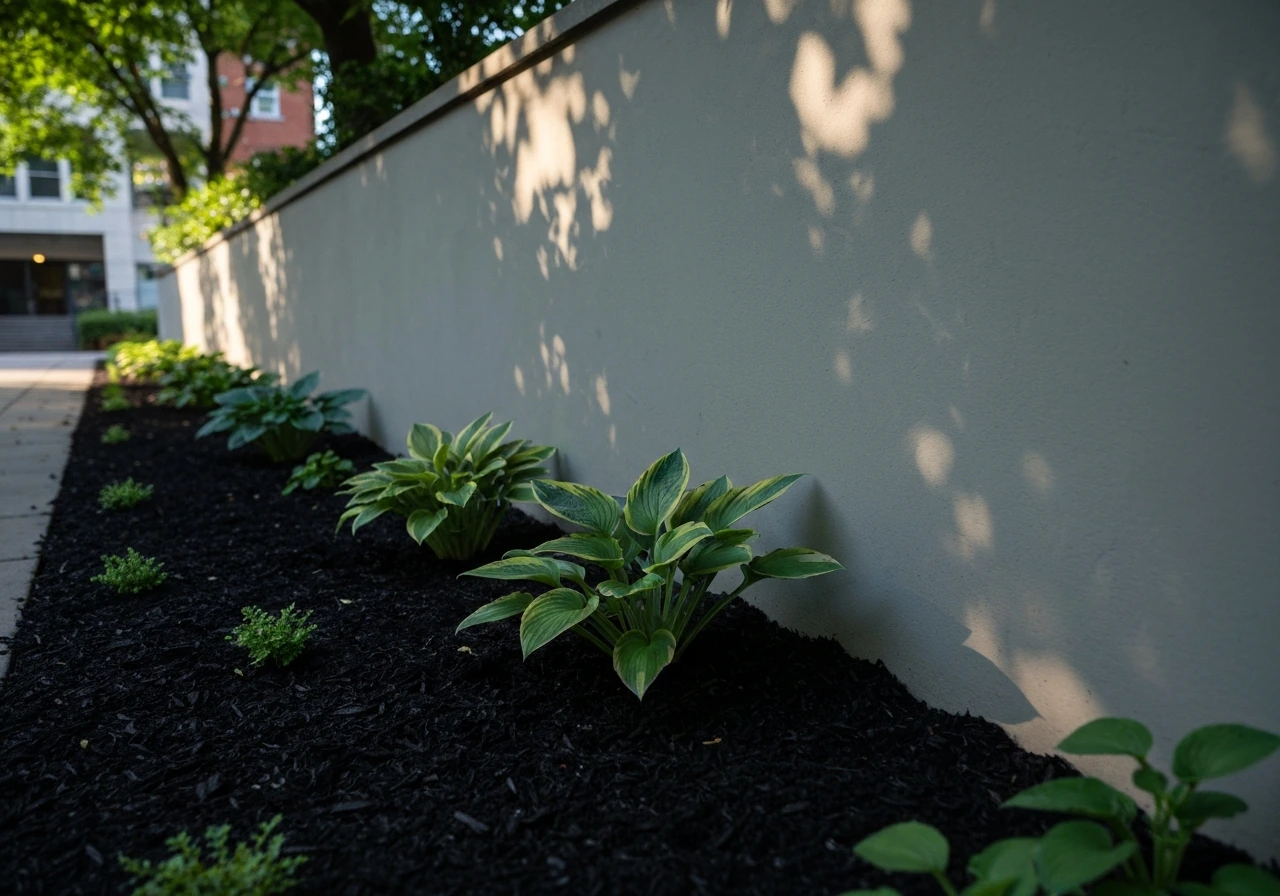
If a tree, fence, or large structure shades your west bed from the hottest afternoon hours, you're working with partial shade. That typically means 3 to 6 hours of sun, often in the morning rather than the brutal early afternoon. This is actually a pleasant growing condition that opens up a lot of options, including some plants that would cook in an unobstructed west bed. If you want to focus on slopes specifically, also see what plants grow best on a slope for related guidance.
- Hosta: thrives in dappled or filtered afternoon shade, wide range of varieties for size and color
- Astilbe: feathery summer blooms, prefers morning sun and afternoon shade, needs consistent moisture
- Coral Bells (Heuchera): tolerates partial shade well, colorful foliage, low maintenance
- Ferns (Japanese painted fern, ostrich fern): love the cooler, filtered light of a partially shaded west bed
- Bleeding Heart: prefers morning sun, afternoon shade, fades gracefully in summer heat
- Impatiens: classic partial-shade annual, reliable and colorful all season
- Begonias (wax or tuberous): handle filtered afternoon shade well, great for containers
- Lungwort (Pulmonaria): interesting spring bloomer for shaded west spots
- Sweet woodruff: low ground cover for spots with more shade than sun
The catch with partial-shade plants on the west side is moisture. Partially shaded beds near a house wall can still get very dry because the wall creates a rain shadow (roof overhangs block precipitation). Partially shaded beds near the house also benefit from choosing the best plants to grow next to house that can handle dry, wall-adjacent conditions. Check soil moisture regularly and water more than you think you need to, especially for astilbe and ferns which hate drying out.
Heat-, drought-, and wind-tolerant choices for west walls
Being right up against a west-facing wall creates a microclimate that amplifies everything: heat, dryness, and sometimes wind tunnel effects at corners. Plants in these spots need to handle all three without much help from you. University of Arizona Extension notes that soil evaporation and plant transpiration both increase sharply under heat and drought stress, so if your plants are already stressed from heat, dry soil will finish them off fast. UNR Extension recommends deep watering to encourage deep root systems that hold up better through hot, dry stretches.
- Yucca: nearly indestructible in heat and drought, structural statement plant for hot west walls
- Agave: similar to yucca, excellent for warm-climate west walls (zones 7+)
- Blue Oat Grass (Helictotrichon): handles wind, heat, and drought, stays tidy
- Prairie Dropseed: native grass, very drought-tolerant, fine texture
- Creeping Thyme: xeric ground cover for full-sun hot spots near walls
- Woolly Thyme: similar to creeping thyme, handles foot traffic and dry heat well
- Gaillardia (Blanket Flower): tough, heat-tolerant, blooms most of the season
- Lantana: outstanding heat tolerance, thrives in reflected light (treat as annual in zones below 8)
- Portulaca (Moss Rose): annual succulent, loves hot dry spots, basically thrives on neglect
- Viburnum: tolerates heat and some drought once established, good for taller west-side borders
Wind is a bigger issue than most gardeners expect on the west side. University of Minnesota Extension notes that windbreaks reduce wind speed and physical damage, and also alter local humidity and soil temperatures. If your west side catches prevailing winds (common in the Midwest and Great Plains), use taller, flexible plants like ornamental grasses or robust shrubs to act as buffers for more delicate plants behind them. Avoid staking new plants with rigid support that stops them from developing wind-resistant root systems. Also keep in mind that wind dramatically speeds up soil drying, so water needs go up in exposed west beds.
Seasonal picks: what to plant when on the west side
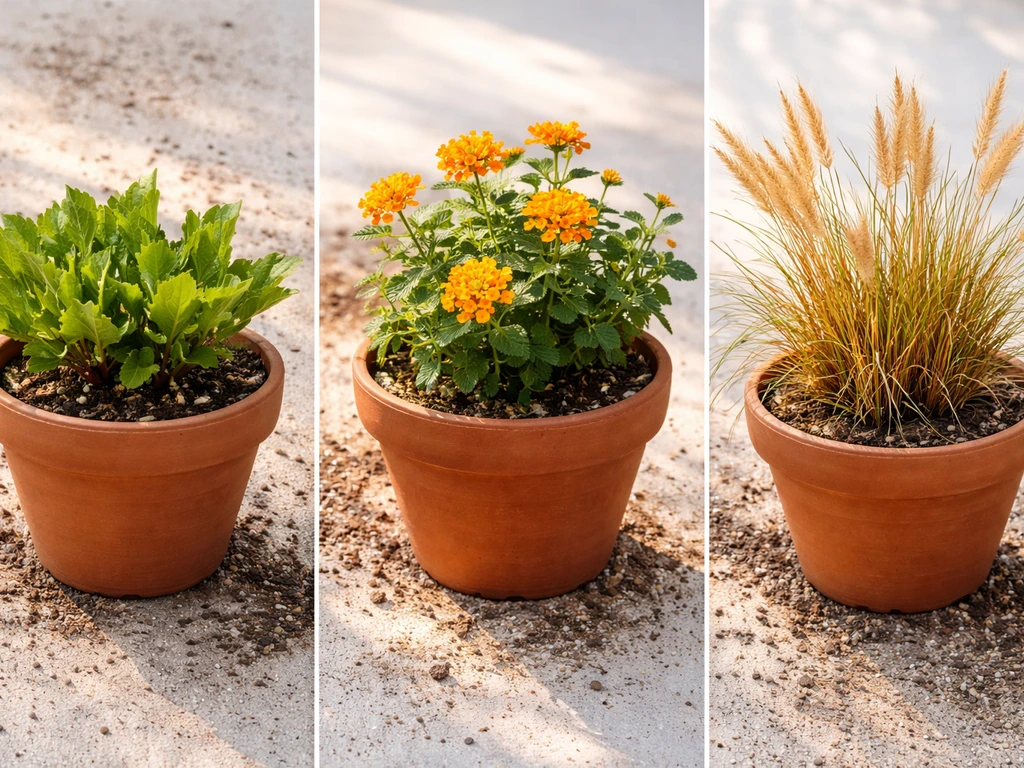
Spring
Spring is the best time to establish perennials, shrubs, and ornamental grasses on the west side. Roots have weeks or months to settle in before the hardest summer heat arrives. Plant lavender, salvia, coneflower, catmint, and ornamental grasses as soon as your last frost date has passed. Spring is also ideal for installing new shrubs like spirea or viburnum since they can focus on root development before summer flowering. If you're in a region with dry springs (Colorado, the Southwest, the Plains), water newly planted material regularly even if it looks fine, roots need consistent moisture to establish.
Summer
Summer is peak season for heat-tolerant annuals and drought-tolerant perennials on the west side. Lantana, portulaca, gaillardia, and ornamental peppers all hit their stride in summer heat. If you're planting new perennials in summer, do it in the cooler hours (early morning or evening) and water deeply immediately after planting. Expect new transplants to look rough for a week or two. Soil near west walls can dry out very fast in July and August. Check containers daily during heat waves; in-ground beds may need deep watering every 5 to 7 days in hot, dry conditions.
Fall
Fall is actually the second-best planting window for west-side perennials. Illinois Extension recommends planting perennials about six weeks before your first frost so roots establish before winter. Ornamental grasses, sedums, asters, and coneflowers planted in early fall tend to overwinter well and explode in growth the following spring. Avoid fertilizing newly planted fall material with anything high in nitrogen since it pushes tender new growth right before cold sets in. Fall is also when ornamental grasses and seed heads on rudbeckia and echinacea start earning their keep visually as the rest of the bed winds down.
Winter
Winter on the west side comes with a specific hazard: winter burn on evergreens. Wisconsin Extension flags the west and south sides of buildings, especially near white walls, as high-risk zones for this desiccation problem because of reflected heat and light. If you are also planting on the south side of your house, focus on heat- and drought-tolerant options that can handle intense sun and reflective warmth.
Utah State University Extension advises watering evergreens as long as the ground isn't frozen to prevent winter desiccation. Colorado State University Extension echoes this, noting that winter watering on south and west exposures is especially important when sunny, dry weather pulls moisture out of plant tissue. If you have evergreen shrubs (boxwood, holly, arborvitae) on the west side, keep watering through fall and whenever temperatures stay above freezing in winter.
Physical barriers or burlap wraps help on the most exposed corners.
For winter interest without much effort, leave ornamental grass clumps and the seed heads of coneflowers and black-eyed Susans standing. They provide structure, catch snow attractively, and feed birds through the cold months.
Containers vs. in-ground: matching the setup to the spot
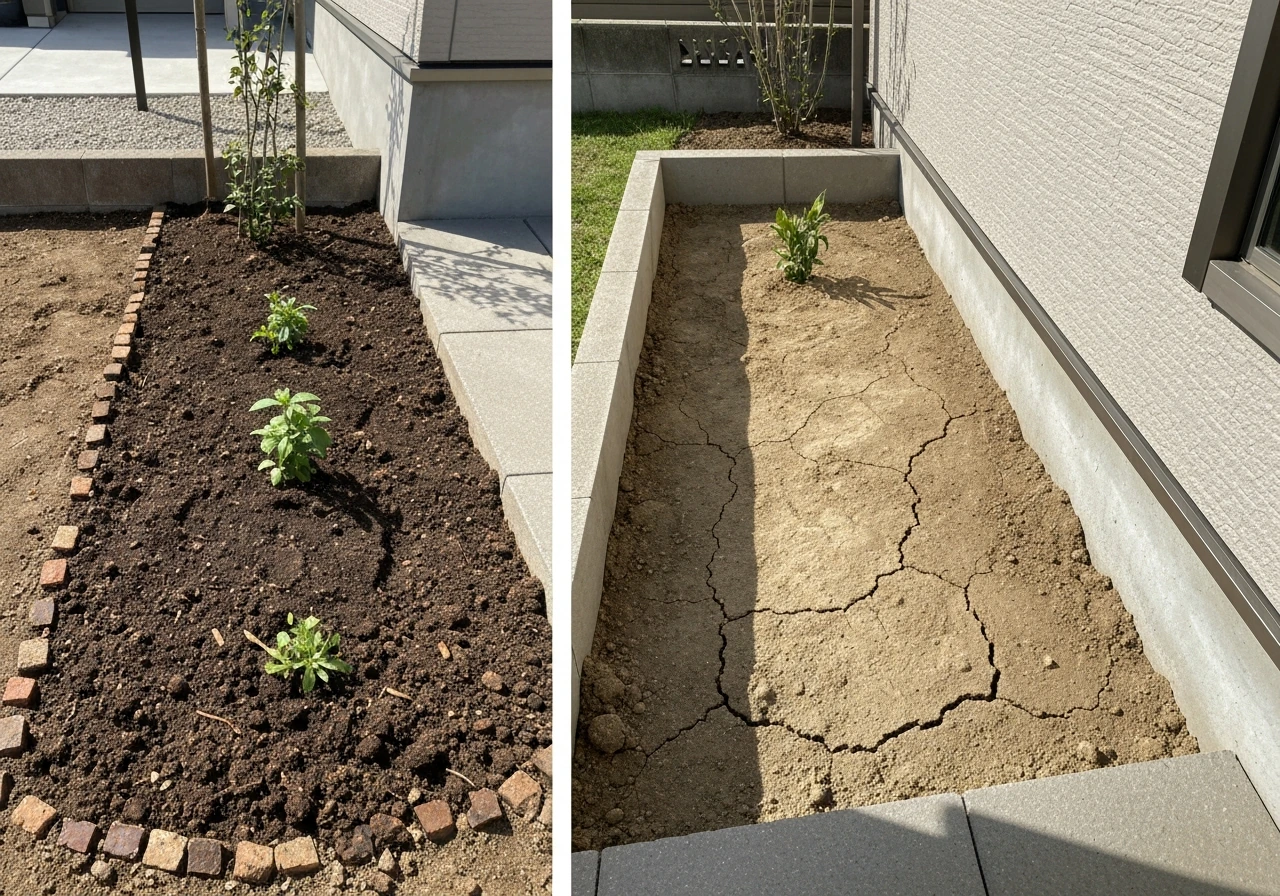
Both approaches work well on the west side, but they come with very different demands. In-ground planting gives roots more insulation from heat and better moisture retention, which matters a lot in a hot west bed. Once established, in-ground plants on the west side are relatively self-sufficient if you've chosen the right ones. Containers give you flexibility (move them as light changes, bring tender plants inside in winter) but require much more vigilance about watering.
Container soil on a west wall dries out shockingly fast. A black plastic pot sitting on a west-facing patio can hit 100°F or more in summer. Use light-colored or glazed ceramic containers to reflect heat, and pull pots slightly away from the wall to allow air circulation. WSU Extension recommends sticking your finger 2 to 3 inches into container soil before watering to check actual moisture.
UC Master Gardeners advise watering until water runs freely from the drainage holes, which ensures the whole root zone gets wet, not just the top inch. Oklahoma State University Extension notes that containers must have drainage to prevent root rot, which is non-negotiable on a hot west side where you may be watering daily in summer.
| Setup | Best Plant Choices | Key Considerations |
|---|---|---|
| In-ground, full sun | Lavender, sedum, ornamental grasses, salvia, coneflower, black-eyed Susan | Deep water to encourage deep roots; mulch to retain moisture |
| In-ground, partial shade | Hosta, astilbe, coral bells, ferns | Watch for dry soil in rain shadow near walls |
| Container, full sun | Lantana, portulaca, drought-tolerant succulents, ornamental pepper | Check soil daily in heat; use light-colored containers; ensure drainage |
| Container, partial shade | Begonias, impatiens, fuchsia | Consistent watering; avoid deep shade from wall overhangs |
| Against wall (tight space) | Climbing roses, clematis, wall-trained pyracantha, espalier apple | Allow airflow gap between plant and wall; watch for heat stress |
If you want to grow vegetables on the west side, containers or raised beds both work well for tomatoes, peppers, and herbs like basil and thyme, which love the heat. Just plan for consistent, deep watering because they'll drink heavily in the afternoon heat.
Easy wins and low-maintenance picks for beginners
If you want something that survives on the west side without much attention, these are the plants to start with. If you are wondering what to plant on a hillside, start by matching sun exposure and drainage to hardy, heat-tolerant options plants to start with. They're forgiving, widely available, and proven to handle the heat and dry spells that catch beginners off guard.
- Sedum 'Autumn Joy': plant it, water it in, mostly ignore it. Blooms late summer through fall, holds interest into winter as a dried seed head.
- Catmint (Nepeta 'Walker's Low'): cut it back after the first bloom flush and it blooms again. Drought-tolerant, deer-resistant, practically bulletproof.
- Black-eyed Susan: native, reseeds itself, handles heat and occasional drought without complaint.
- Ornamental grasses (Karl Foerster, Little Bluestem): plant once, divide every few years. Wind-tolerant and structural through all four seasons.
- Portulaca (annual): fill containers or bare spots in hot, dry west beds. Thrives on neglect in full sun.
- Knock Out Rose: the most forgiving rose you can plant. Disease-resistant, repeat-blooming, handles afternoon sun well.
- Russian Sage: almost impossible to kill once established, blue-purple color through late summer, very low water needs.
Your most important next step before buying anything is that sun-check. If you want the best plants to grow in front of house conditions, use that sun-check to narrow down which varieties will actually thrive where you are. Spend one clear day counting hours in your specific west bed, because a shaded west side needs completely different plants than an open one.
Once you know your actual hours, pick two or three plants from the matching list above, plant them in spring or early fall for best establishment, water deeply once a week for the first four to six weeks, and then let them settle in. The west side isn't forgiving of plants that don't belong there, but if you match the plant to the conditions, it's one of the most rewarding spots in the yard to grow in.
If you're thinking about the other sides of your house too, the conditions shift significantly. The east side tends to get gentler morning sun with afternoon shade, which opens the door for a different set of plants entirely. For the east side of a house, focus on plants that tolerate gentler morning sun and often enjoy afternoon shade. The south side is the hottest and brightest exposure of all, while the north side is the coolest and most shade-heavy. Each side has its own logic, and matching that logic to your plant choices is what makes the difference between a thriving bed and one that struggles every summer.
FAQ
If my west side gets sun only after 3 p.m., do I still need “full sun” plants?
Usually no. If afternoon sun starts after about 3 p.m. and the area cools down before evening, you can often treat it as partial sun. Do a real hour count, then prioritize plants that tolerate heat but need less peak-day intensity than true full-sun west exposures.
What plants are best for a west side that is both windy and gets reflected heat from siding?
Go with tough, flexible plants that handle drying and airflow. Ornamental grasses and robust shrubs are usually easier than soft perennials because their movement reduces wind damage and they tolerate faster soil drying near walls.
Can I grow roses or other flowers on the west side of a house?
Yes, but choose heat-tolerant varieties and plan for frequent deep watering during hot spells. Roses generally want consistent moisture, so in very exposed wall-adjacent spots they may struggle unless you can keep the root zone evenly moist.
How often should I water a west-facing bed after the first month?
In-ground beds often settle into a rhythm of deep watering about once every 5 to 7 days during hot, dry stretches, but the real trigger is soil moisture, not the calendar. Check the root zone a couple inches down, then water thoroughly when it’s drying out.
Do I need to mulch on the west side, and what kind?
Mulch helps a lot because west beds dry faster from wind and heat. Use a 2 to 3 inch layer, keep it slightly away from plant crowns, and consider organic mulch (like shredded bark) or gravel only if the plants you choose tolerate drier conditions.
Is winter watering still necessary for evergreen shrubs on a west exposure?
Often yes, as long as the ground is not frozen. Winter burn is driven by moisture loss when it’s sunny and dry, so watering before long dry stretches in mild winter weather can make a noticeable difference for evergreens on west-facing corners.
Should I use fertilizer on plants I just planted on the west side?
Be cautious, especially in fall. For new plantings, avoid heavy nitrogen until roots are established, and focus on watering and soil contact first. In spring, a light, balanced feeding may be fine, but follow the plant’s needs rather than feeding on a schedule.
How do I tell if my west-side plants are failing from lack of sun versus lack of water?
Heat stress from drying usually shows up as wilting plus dry, crispy edges, even when the plant gets some afternoon sun. Sun mismatch often looks like slow growth and sparse flowering without obvious droop patterns. The fastest check is to compare soil moisture where the plant is struggling and adjust watering immediately.
Will shade-loving plants ever work on the west side?
They only work if the afternoon sun is truly blocked for most of the day. If your west bed gets more than roughly 3 hours of direct sun, most shade lovers will eventually struggle. Use sun-checking and then select plants that tolerate partial shade and wall-associated dryness.
Are raised beds or containers easier than in-ground planting on the west side?
Neither is universally easier. Containers are more flexible but dry much faster, often requiring daily checks in heat waves. Raised beds can improve drainage and warm-up, but they still need consistent deep watering on hot west exposures.
What’s the biggest mistake people make when planting on the west side of a house?
Ignoring the “microclimate” created by the wall and corners. Plants right against west-facing siding can experience reflected heat, faster evaporation, and wind tunneling, so the same plant that works 3 to 5 feet away may fail when placed too close.
Next Article
Best Plants to Grow on the Side of a House: Guide
Pick the best plants for side-of-house strips: shade or sun, drainage, privacy, groundcover, climbers, and care tips by
