Most plants people call 'psychedelic' sit in a legal gray zone that depends entirely on where you live, what part of the plant you're growing, and what you plan to do with it. In the U.S., for example, a plant itself isn't always the thing that's scheduled, but the chemical compounds it contains can be, which means growing a plant 'just to look at it' doesn't automatically keep you out of trouble. Before you order seeds or stick anything in a pot, you need to know your jurisdiction's rules, understand the difference between possession and cultivation law, and figure out which plants actually fit your intent legally. This guide walks you through exactly that.
Legal Psychedelic Plants to Grow: How to Check Rules by Location
Rachel Hartley
6 Jun 2026
What 'legal psychedelic plant' actually means
The phrase 'legal psychedelic plant' gets thrown around loosely, and that looseness creates real problems. Legally speaking, there's no single category called 'psychedelic plant.' What matters is whether any compound the plant produces is listed on a controlled substance schedule, whether cultivation itself is addressed separately from possession, and whether your country, state, or city has its own overlay on top of federal law.
In the U.S., the Controlled Substances Act (21 U.S.C. § 812) schedules specific substances, not plants as a category. Peyote (Lophophora williamsii) is explicitly covered because mescaline is a Schedule I hallucinogen, and federal regulations (21 CFR § 1308.11) treat every compound, salt, derivative, mixture, and preparation of the plant and its seeds as Schedule I. The plant is the drug here. Cannabis is more complicated: the 2018 Farm Bill carved 'hemp' out of the marijuana definition for plants with delta-9 THC at or below 0.3% dry weight, making compliant hemp federally legal to grow with a license, while high-THC cannabis remains Schedule I federally even where states have legalized it.
There's also the analogue problem. Under 21 U.S.C. § 802(32) and § 813, a substance that is structurally or pharmacologically similar to a Schedule I or II drug can be treated as Schedule I if it's intended for human consumption. The DEA explains that under the Controlled Substance Analogue Enforcement Act (21 U.S.C. § 802(32) and § 813), analogues of Schedule I or II drugs can be treated as Schedule I when intended for human consumption. This means a plant that isn't explicitly named anywhere could still land you in trouble if a prosecutor argues its active compounds meet the analogue definition and you intended to use it. The phrase 'intended for human consumption' does a lot of work here.
Outside the U.S., definitions shift dramatically. In the Netherlands, psilocybin mushrooms are controlled but fresh 'magic truffles' occupy a different legal slot. In the UK, the Psychoactive Substances Act 2016 casts an extremely wide net over any substance that affects mental functioning, regardless of whether it's scheduled specifically. Canada, Australia, and individual EU member states each have their own frameworks. The bottom line: 'legal' is always a location-specific answer, not a property of the plant.
How to check what's legal where you are
This step is non-negotiable before you buy a seed packet. Here's a practical workflow to figure out your actual legal position.
- Start at the federal level for your country. In the U.S., check the DEA's Diversion Control Division controlled substance schedules page (DEA.gov) and the Electronic Code of Federal Regulations (eCFR) for 21 CFR § 1308.11. Search for the plant's common name AND its active compound. If either appears, the federal baseline is controlled.
- Check your state or provincial law. Many U.S. states have their own analogue acts or separate schedules. Some states have decriminalized certain substances that remain federally controlled. A few have moved in the opposite direction and added stricter rules. Your state legislature's website or a state-specific legal database is the place to look.
- Check your city or county. Local ordinances sometimes layer on top of state law. Denver, Colorado decriminalized personal use of psilocybin plants/fungi in 2019, for example, while surrounding jurisdictions did not.
- Distinguish possession from cultivation. These are often treated as separate offenses with different penalties. A plant you grew and never harvested may still be considered possession of a controlled substance if it contains scheduled compounds.
- Check whether a permit or license is required. For hemp in the U.S., growing even a compliant low-THC plant requires a state or USDA-approved license. Under 7 CFR Part 990, licensed producers must report to their state department of agriculture and comply with monthly and annual reporting requirements. Growing without a license, even at 0.0% THC, can be a violation.
- Look for exemptions. The Native American Church peyote exemption (21 CFR § 1307.31) is a narrow but real federal carve-out for bona fide religious ceremonial use by members. Some jurisdictions have specific exemptions for ornamental, research, or religious/spiritual uses. Read the actual statute or regulation, not just a summary.
- When in doubt, consult a local attorney who practices drug or agricultural law. Laws change frequently, and online summaries (including this one) lag behind legislative updates.
A common pitfall: assuming that because a plant is sold openly at a nursery or online, it must be legal to grow. Nurseries sometimes sell plants that are legal as ornamentals in seed form but that become legally ambiguous the moment you intend to process or consume them. Another pitfall is assuming state legalization overrides federal law when you're on federal land, crossing state lines, or involved in interstate commerce.
Plants that fit the spirit of the search, legally
Once you've done your legal homework, here's where most hobby growers land: a range of plants that are either genuinely legal to cultivate in most jurisdictions, or that carry cultural, spiritual, and sensory significance that fits what people are actually looking for when they search 'legal psychedelic plants.' Some produce mild effects; many are purely ornamental or used for tea and aromatherapy. None of the plants in this section are guaranteed legal everywhere, so treat this as a starting point for your jurisdiction-specific check, not a finished clearance.
Plants widely considered legal for ornamental or cultural use
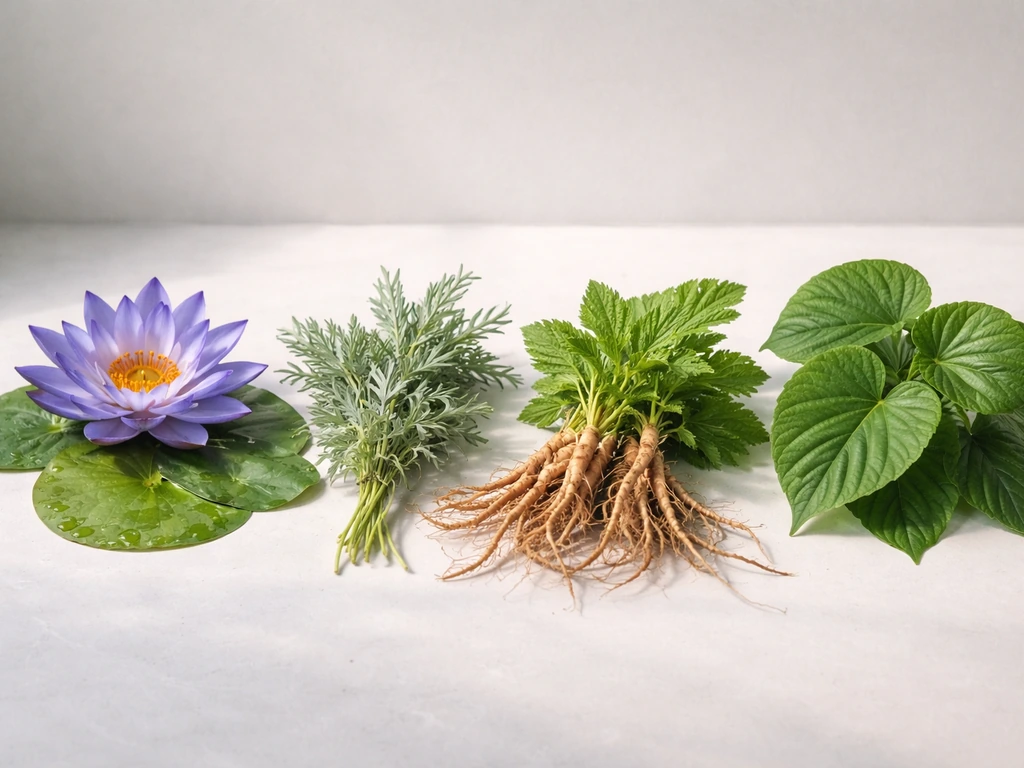
| Plant | Legal Status (U.S. general) | Primary Legal Use | Psychoactive? | Beginner Friendly? |
|---|---|---|---|---|
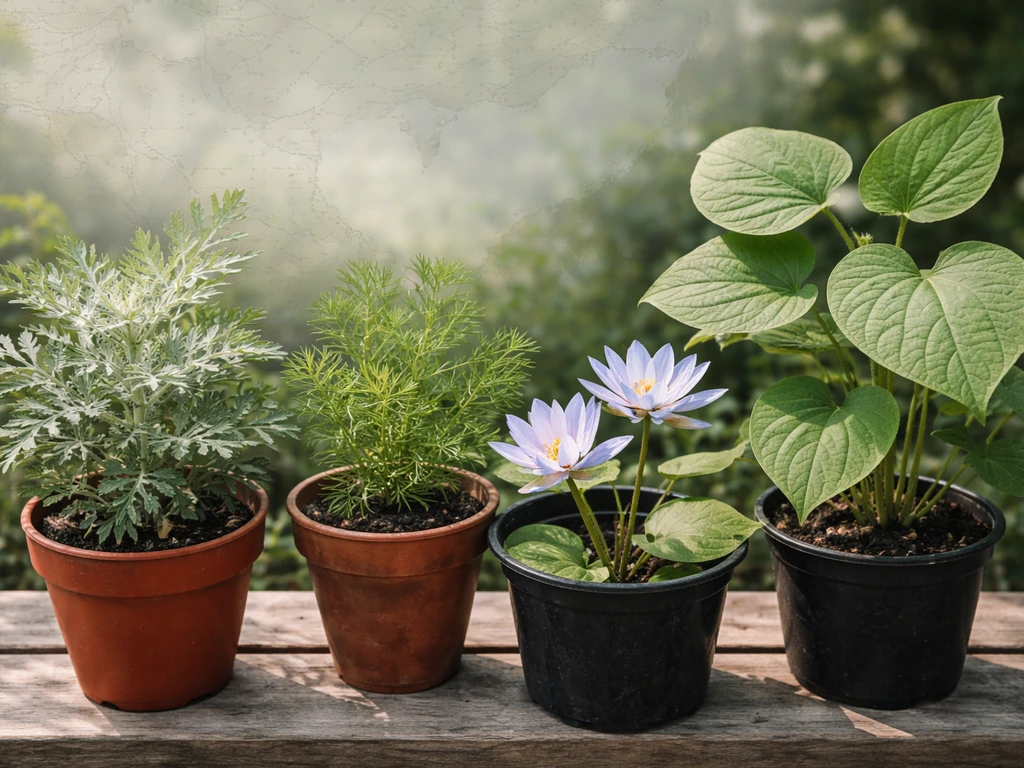
| Blue Lotus (Nymphaea caerulea) | Legal in most U.S. states (Louisiana exception) | Ornamental, tea, aromatherapy | Mildly relaxing, not hallucinogenic | Moderate |
| Catnip (Nepeta cataria) | Legal everywhere in the U.S. | Tea, ornamental, insect repellent | Mild relaxant for humans | Yes |
| Valerian (Valeriana officinalis) | Legal everywhere in the U.S. | Herbal sleep aid, ornamental | Sedative, not hallucinogenic | Yes |
| Kava (Piper methysticum) | Legal in most U.S. states | Ceremonial drink, relaxation | Mildly sedative/anxiolytic | Moderate |
| Mugwort (Artemisia vulgaris) | Legal in most U.S. states | Tea, lucid dream support, culinary | Mild, used in dreaming traditions | Yes |
| Syrian Rue (Peganum harmala) | Legal in most U.S. states (check yours) | Ornamental, dye plant, cultural use | Contains MAOIs; mildly psychoactive in quantity | Moderate |
| Salvia divinorum | Legal federally but controlled in many U.S. states | Ornamental (where legal) | Strongly psychoactive | Moderate (check state law first) |
| Low-THC Hemp (Cannabis sativa) | Legal federally with USDA/state license (0.3% THC cap) | Fiber, CBD, ornamental | Non-intoxicating at legal THC levels | Moderate (licensing required) |
Salvia divinorum deserves a specific note because it's federally unscheduled in the U.S. but controlled in more than a dozen states including Texas, Florida, Illinois, and Virginia. It's one of the clearest examples of why state law matters as much as federal law. Syrian Rue is another: it's sold openly as an ornamental and dye plant, but it contains harmaline and harmine, which are pharmacologically active MAO inhibitors. Growing it is legal in most places; combining it with other substances for consumption enters different legal and safety territory entirely.
If you're interested in the broader world of legal medicinal and culturally significant plants, this overlaps heavily with what's covered in guides on the best medicinal plants to grow and hallucinogenic plants you can grow, where some of the same species appear with different framing around use and intent.
Indoor vs. outdoor growing: what actually works
Most of the plants in this category are flexible enough to grow in containers, which makes them accessible for apartment dwellers and balcony gardeners. Here's how to think through the choice.
Indoor growing
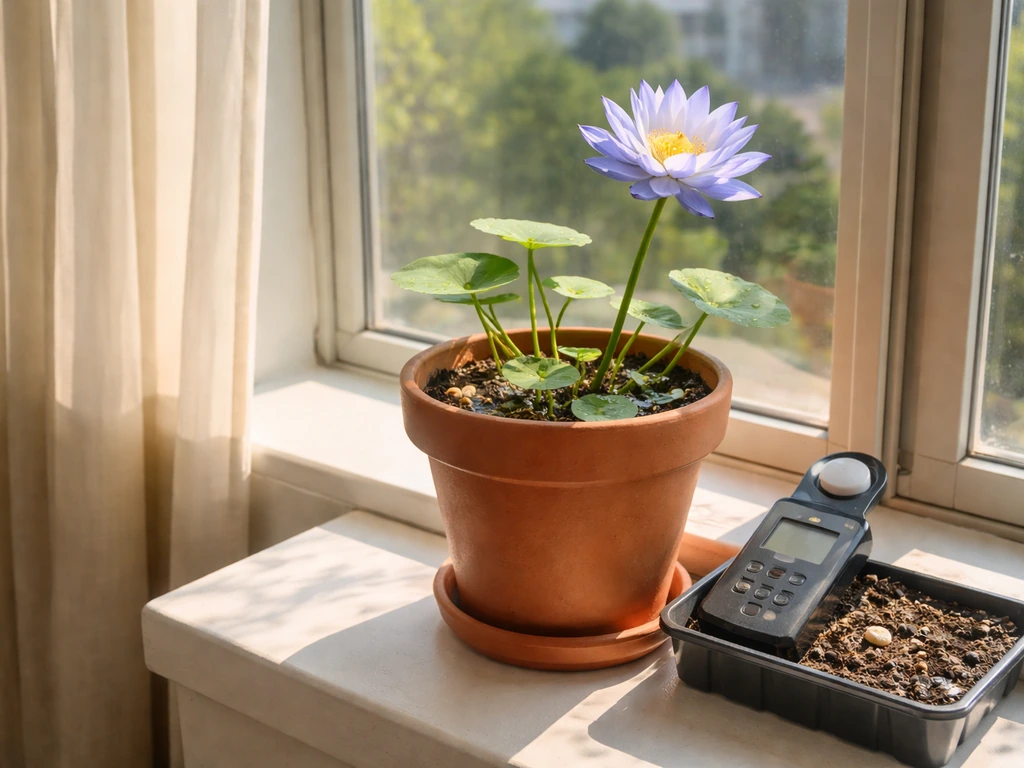
Blue lotus, mugwort, valerian, and kava all do reasonably well indoors given enough light. A south-facing window with 6 or more hours of direct sun is the minimum for most of them; a grow light set to 14-16 hours compensates if your windows are weak. Kava is the most demanding: it wants warmth (above 60°F at all times), high humidity, and indirect bright light. If you're in a dry climate or run central heating in winter, you'll fight it constantly without a humidifier nearby. Valerian and mugwort are the easiest indoor picks because they tolerate lower light and drier air better than most.
Container size matters more than most beginners expect. Valerian has a substantial taproot and does poorly in pots under 5 gallons once it's past the seedling stage. Kava wants at least a 7-10 gallon pot as a mature plant. Blue lotus is aquatic and grown in a container of water, not soil, which makes it genuinely unique in this group. A large ceramic or glazed pot (no drainage holes) or a half whiskey barrel filled with water and aquatic plant mix works well.
Outdoor and balcony growing
Outdoors, these plants are generally less fussy than indoors because natural light and airflow solve a lot of problems. Mugwort and valerian can become aggressively vigorous outdoors in good soil, so container growing on a balcony or patio actually gives you better control over spread. Syrian Rue is drought-tolerant and does well in hot, dry climates. Kava is strictly a warm-climate plant: it only works outdoors year-round in USDA zones 9-11 (think coastal Southern California, south Florida, or Hawaii). Everywhere else it needs to come inside before the first frost.
If you're on a balcony, wind is your main challenge. Most of these plants, especially valerian (which can reach 5 feet), need staking or a sheltered spot once they get tall. Use heavy containers to prevent toppling, and avoid placing tall plants right at the balcony edge where gusts are strongest.
When to plant by climate
Timing varies significantly depending on where you are and whether you're starting indoors or going straight to outdoor beds or containers.
| Climate / Region | Best Start Time (Indoors) | Transplant / Direct Sow Outdoors | Notes |
|---|---|---|---|
| Cold (USDA zones 3-5, e.g., Minnesota, Montana) | Late February to March (indoors) | After last frost: late May to early June | Mugwort, valerian, catnip survive here; kava not viable outdoors |
| Temperate (zones 6-7, e.g., Virginia, Missouri, Pacific NW) | March (indoors) | April to May after last frost | Wide plant selection works; Syrian Rue thrives in dry summers |
| Warm (zones 8-9, e.g., Georgia, Texas, Arizona) | January to February (indoors) or direct sow Feb-March | March to April | Blue lotus thrives in summer heat; kava possible in zone 9 with frost protection |
| Hot/Tropical (zones 10-11, e.g., South Florida, Hawaii) | Year-round possible | Any time; avoid peak summer heat for delicate species | Kava is fully outdoor here; blue lotus peaks June through September |
| UK / Northern Europe | March to April indoors | May to June after last frost | Valerian and mugwort naturalize well; blue lotus needs a warm summer |
| Australia (temperate south) | August to September (Southern Hemisphere spring) | October to November | Check state law in AU carefully; valerian and blue lotus are good choices |
If you're in the Northern Hemisphere and reading this in June, you're right at the window for direct sowing or transplanting most of these plants in zones 5 through 9. Mugwort, catnip, and valerian can go in the ground now and establish well before fall. Blue lotus can be started in a water container outdoors now and will bloom through summer. Kava can be transplanted outdoors in zones 9-11 right now; if you're in a cooler zone, start it in a pot you can bring inside when night temps drop below 55°F in fall.
Growing basics that actually matter
Light
Most of these plants want full sun to partial shade, meaning 4-6 hours minimum of direct sun. Blue lotus is a heavy sun feeder and needs 6-8 hours of direct light to bloom reliably. Kava prefers bright filtered light rather than harsh direct afternoon sun, especially in hot climates. Valerian and mugwort are adaptable and will tolerate partial shade, though they flower less abundantly with less sun.
Soil and water
Drainage is the single most common killer in this plant group. Kava, valerian, and mugwort all hate waterlogged roots. Use a well-draining mix with perlite added (about 20-30% perlite to potting mix by volume) for container growing. For many gardeners, the best aloe plant to grow is one that matches your climate and indoor light, like an aloe vera grown in a bright spot with well-draining soil.
Syrian Rue wants dry, even sandy soil and almost no fertilizer. Blue lotus is the exception: it grows in standing water with an aquatic soil mix or heavy clay at the bottom of the container. For kava, keep soil consistently moist but never soggy, water when the top inch dries out, and never let it sit in a saucer of water.
Fertilizing
Valerian and mugwort are light feeders; in decent garden soil they need almost nothing. In containers, a balanced slow-release fertilizer at the start of the season is usually enough. Kava responds well to a nitrogen-forward fertilizer during the growing season (spring through late summer), something like a 10-5-5 applied monthly. Blue lotus appreciates aquatic plant fertilizer tabs pushed into the soil at the base every 4-6 weeks during the growing season.
Common pests and problems
- Aphids: common on valerian and mugwort; knock off with a sharp water spray or apply insecticidal soap
- Root rot: the primary killer of kava and blue lotus in poorly drained containers; fix drainage before it starts
- Powdery mildew: mugwort is susceptible in humid conditions with poor airflow; space plants properly and avoid overhead watering
- Slugs: valerian seedlings are a target; use iron phosphate bait or copper tape around containers
- Kava leaf yellowing: usually a sign of overwatering, low magnesium, or cold stress; adjust watering first, then check nighttime temperatures
Staying compliant and managing risk
Growing any plant in this category means staying ahead of legal changes, not just checking once and assuming you're done. Laws around psychoactive plants move quickly. Several U.S. cities and states have passed ballot initiatives since 2019 expanding or restricting what's legal. The safest approach is to bookmark your state legislature's website and your country's official drug scheduling database, and check them once or twice a year.
A few risk management principles worth internalizing: First, intent shapes legality. Under federal analogue law (21 U.S.C. § 813), a plant's legal status can shift based on what you say you plan to do with it, how you market it, and how you use it. Growing Syrian Rue as an ornamental is a very different legal posture than growing it to prepare a psychoactive drink. Keep your stated and actual intent consistent with legal uses. Second, 'sold at nurseries' doesn't mean 'legal to grow at home' in all jurisdictions. Third, never transport these plants across state or national borders without verifying both the origin and destination jurisdiction's laws.
For U.S. readers specifically, the DEA's Diversion Control Division (DEA.gov) is the primary verification source for controlled substance status. For hemp cultivation, your state's department of agriculture is the licensing authority, and the USDA AMS website has current information on which state and tribal plans are USDA-approved. For hemp cultivation covered under an approved state or tribal plan, 7 CFR § 990.70 requires each plan participant to submit a monthly report to USDA by the first of each month with required contact information and producer status. For anything outside the U.S., start with your national health or home affairs ministry website, which typically maintains the official controlled substances list.
If you're growing plants with any psychoactive reputation, being thoughtful and discreet isn't paranoia, it's just practical. Don't advertise your grow on social media with language about effects or consumption. Label your plants botanically if you label them at all. Keep records of where you sourced seeds or cuttings, especially for hemp, where chain-of-custody documentation can matter for compliance purposes.
Your decision workflow from here
Here's the practical sequence to follow before you plant anything in this category.
- Pick your region: identify your country, state/province, and city or county. Local ordinances can override state law in either direction.
- Check the rules: look up your federal controlled substance schedule, your state/provincial law, and any local ordinances. Search both the plant name and its primary active compounds. Note whether cultivation specifically is addressed, not just possession.
- Choose a legal plant category: decide whether you're growing strictly ornamental plants, plants for tea and aromatherapy use, or plants in a legal gray zone where your intent and use matter. The cleaner your intent, the lower your risk.
- Pick your growing method: decide between indoor containers, outdoor beds, or balcony/patio containers based on your climate zone, available light, and the plant's requirements.
- Follow season-appropriate steps: use the timing table above to identify your planting window. If you're in the Northern Hemisphere in June, most species can go out now. Set a reminder to check legal updates once or twice per year as laws continue to evolve.
The plants that fit comfortably in this space, like mugwort, valerian, blue lotus, and catnip, are genuinely interesting to grow, have real cultural and botanical depth, and don't require you to navigate serious legal risk to enjoy them. If you want a safer starter list for home gardening, focus on widely grown ayurvedic-friendly herbs and spices that are typically easier to keep legal and easy to maintain ayurvedic plants to grow at home.
If you're searching for the best medicinal plants to grow in India, you can use a similar checklist to pick species that match your climate and local rules Plants that fit comfortably in this space. That's a pretty good place to start while you do the homework on anything more complicated.
If you're looking for the best herb plants to grow as a safer, everyday option, use this as a starting point then compare it against your local rules before ordering seeds. If you’re looking for a straightforward starter list, consider researching the top 10 medicinal plants to grow at home and then verify local rules for any psychoactive plants you choose.
If you're looking for the best mint plants to grow, focus on easy varieties and the growing conditions they need.
FAQ
If a plant is legal to grow, does it automatically mean it’s legal to harvest and use it?
Yes. Even if a species is generally legal, you can still create risk by harvesting or preparing it in a way your local law treats as “usable” or “drug-like” (for example, extracting active compounds, concentrating preparations, or distributing material). If your goal is cultivation without processing, confirm how your jurisdiction defines cultivation versus possession of prepared extracts or usable plant parts.
What’s the difference between cultivating a plant and preparing it for consumption legally?
Probably not. Laws often treat “possession,” “cultivation,” and “manufacturing or preparing” as separate offenses. A plant that’s permissible to keep may still be restricted when it’s intended for human consumption, shared with others, or converted into tea, tinctures, or concentrates. Check your local definitions for permitted uses.
Do I need a license or registration to grow legally, even for “gray zone” species?
A lot of places require a license or registration for certain controlled or hemp-related cultivation, even when the plant itself is not explicitly banned. If the rules hinge on THC concentration, you should also verify testing or reporting obligations and where they apply (home gardens, greenhouses, commercial lots, or all cultivation sites).
If my local nursery sells it, can I assume it’s legal to grow at home?
Not necessarily. A plant can be sold openly as an ornamental while still being regulated based on the exact compound profile, plant parts (roots versus seeds versus leaves), or intended use. Nursery availability is a weak legal signal unless you confirm your jurisdiction allows home cultivation of that specific plant and use case.
How do hemp THC thresholds affect legal psychedelic-plant cultivation?
Treat “hemp” rules as location-specific. If your area follows a stricter definition than federal hemp, you may need to buy only approved genetics, maintain documentation, and stay under thresholds for delta-9 THC at the time of testing. Growing the wrong strain can turn a compliant crop into a violation.
Is it safer to grow from seeds I buy, or can cuttings and trades create extra legal risk?
You should assume that sharing cuttings, trading seeds, or growing from non-original sources can complicate your compliance. Many jurisdictions focus on where material came from and what it was marketed as. Keep sourcing records, especially if you received genetics that were sold under one legal framing but perform differently.
What counts as “intended for human consumption,” and how can I avoid getting tripped up by intent rules?
Because analogue-style laws can turn on intent, you should avoid marketing or statements that imply psychoactive use, even if you believe your actions are “just experimentation.” Keep written intent consistent with any legal use you can substantiate (for example, ornamental, dye, or traditional herb use) and avoid promotional language online.
Is it legal to transport seeds or plants across state lines or into another country if it’s legal where I’m starting?
Correct. Using on federal property, crossing state or national borders with plants, or shipping plant material can trigger separate enforcement even if it’s legal where you live. Verify both origin and destination laws, and check carrier or customs rules for plant imports, seeds, and live specimens.
Are there special legal issues for growing these plants indoors, on balconies, or where neighbors can see them?
Indoor growing can increase practical and legal visibility issues, especially with cannabis-adjacent plants or anything that attracts attention. Also, container setups can inadvertently violate local nuisance rules (odors, tall plants visible from a street, or backyard adjacency). Confirm your local ordinances on growing conditions and any restrictions on public visibility or odor control.
Do zoning or HOA rules ever matter more than state or federal drug scheduling for these plants?
Yes. Many growers focus on plant legality but ignore zoning and home-occupation rules. Some cities restrict cultivation counts, plant height, greenhouse structures, or “drug manufacturing” indicators. Check local zoning and nuisance/household rules before scaling up.
If I want the lowest legal risk, how do I choose between “psychoactive reputation” plants and safer ornamental or tea-herb options?
For kava, valerian, mugwort, and related species, the bigger risk is usually legal status plus safe cultivation practices. Start with species that are clearly legal to cultivate in your area and avoid any “process it into an effect product” path until you confirm legality for preparation and possession of the finished material.
If something is not scheduled federally, does that guarantee it’s legal in my state?
It depends on the plant and your jurisdiction, but “unscheduled” at the federal level does not guarantee state-level legality. For example, some states control plants even when federal law does not list them. Always check both federal and state schedules, and then verify local restrictions that can add further limits.
How often do laws change, and what’s the best way to stay current so I don’t end up cultivating illegally later?
You should treat “updates” as a normal part of compliance. Set reminders to check the relevant drug scheduling database and your state or city changes once or twice per year, and after major news or ballot initiative results. Keep records of your plant purchases and cultivation start dates in case enforcement focuses on timing.
Next Article
Best Ayurvedic Plants to Grow at Home: Easy Guide
Best ayurvedic plants for home, with easy indoor and outdoor growing tips, timelines, and troubleshooting by season.