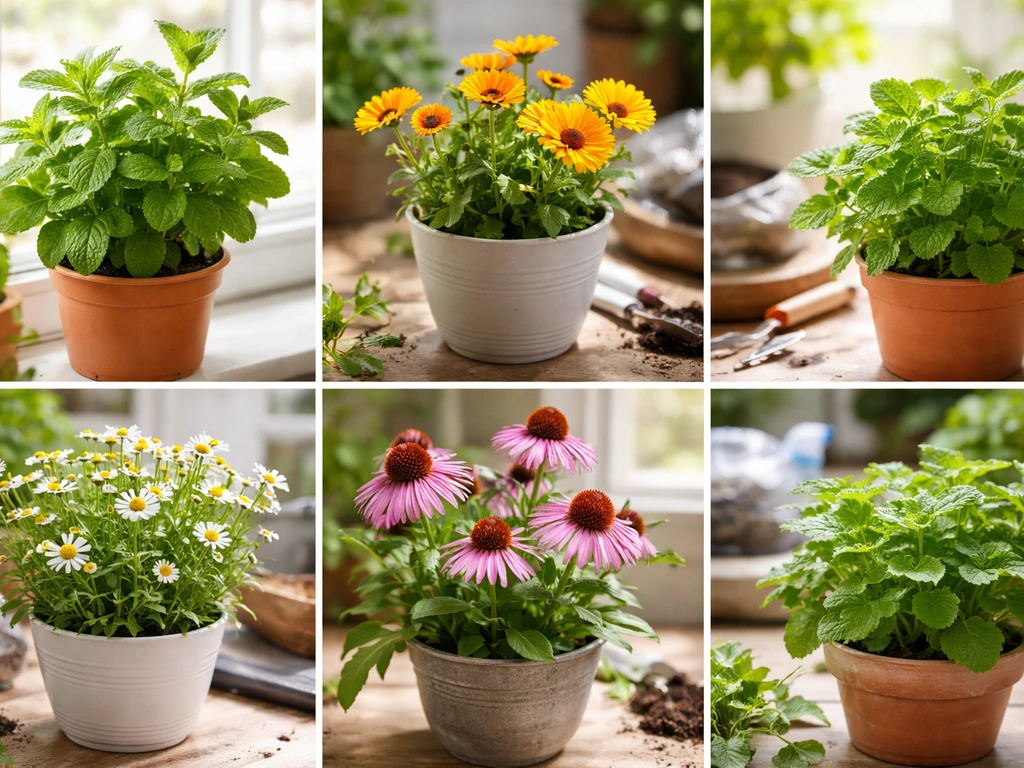
Spearmint and peppermint are the best mint plants to grow for most people. Spearmint is the go-to for cooking and cold drinks, peppermint is stronger and better for tea and medicinal uses, and both are tough, fast-growing perennials that thrive in containers or in the ground. The real trick with mint isn't getting it to grow, it almost grows itself, it's picking the right variety for what you actually want, and making sure it doesn't swallow your garden whole. If you want to round out your mint with the best medicinal plants to grow next, look for herbs that match your goals for digestion, calming, or seasonal support.
Best Mint Plants to Grow: Types, Setup, and Care Guide
Rachel Hartley
27 May 2026
Top mint varieties worth growing right now
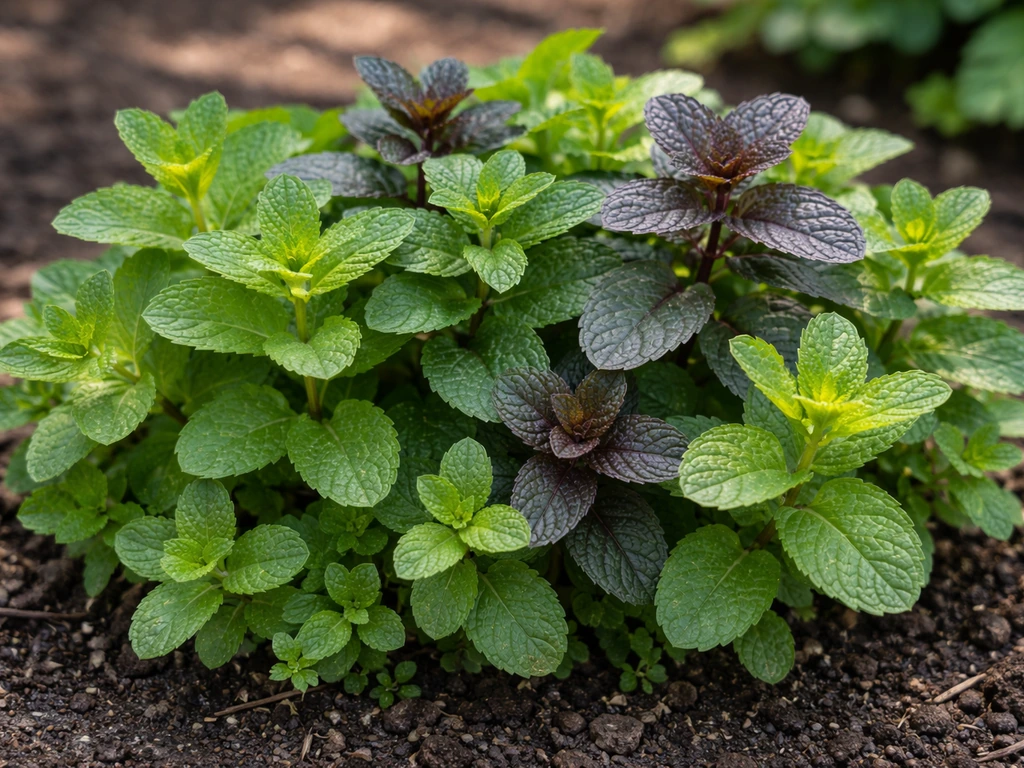
There are dozens of mint cultivars out there, but a handful cover almost every need. Here's the shortlist I'd actually recommend buying or propagating today:
| Variety | Flavor/Aroma | Best Use | Notes |
|---|---|---|---|
| Spearmint (Mentha spicata) | Lighter, slightly sweet, classic mint | Cooking, mojitos, mint sauce, iced tea | Most versatile; crinkled leaves; great for beginners |
| Peppermint (Mentha x piperita) | Bold, intense, cooling menthol | Hot tea, medicinal, baking | Higher menthol; very cold-hardy perennial |
| Apple Mint (Mentha suaveolens) | Soft, fruity, gentle mint | Fruit salads, mild teas, children's gardens | Fuzzy leaves; less aggressive spreader than spearmint |
| Chocolate Mint (Mentha x piperita 'Chocolate') | Mint with a faint cocoa/vanilla note | Desserts, hot chocolate garnish, novelty | Dark stems; really does smell like After Eight mints |
| Spearmint 'Moroccan' (Mentha spicata 'Moroccan') | Intensely sweet, very clean spearmint scent | Middle Eastern cooking, mint tea, cocktails | Best spearmint for culinary use; very fragrant |
| Pennyroyal (Mentha pulegium) | Sharp, medicinal, camphor-like | Ground cover, insect repellent | Low-growing; NOT for culinary use in quantity; avoid if pregnant |
| Pineapple Mint (Mentha suaveolens 'Variegata') | Mild, slightly fruity | Decorative, light teas, garnish | Variegated cream-and-green leaves; slower growing |
| Woolly Mint (Mentha x villosa) | Soft spearmint-like | Teas, fragrance garden, cold climates | Exceptionally cold-hardy; velvety texture |
If you're buying just one plant today, make it spearmint or Moroccan spearmint. If you want a dedicated tea herb, add peppermint. Everything else is a fun extra once you've got the basics covered.
Match your mint to what you actually want from it
For cooking and drinks
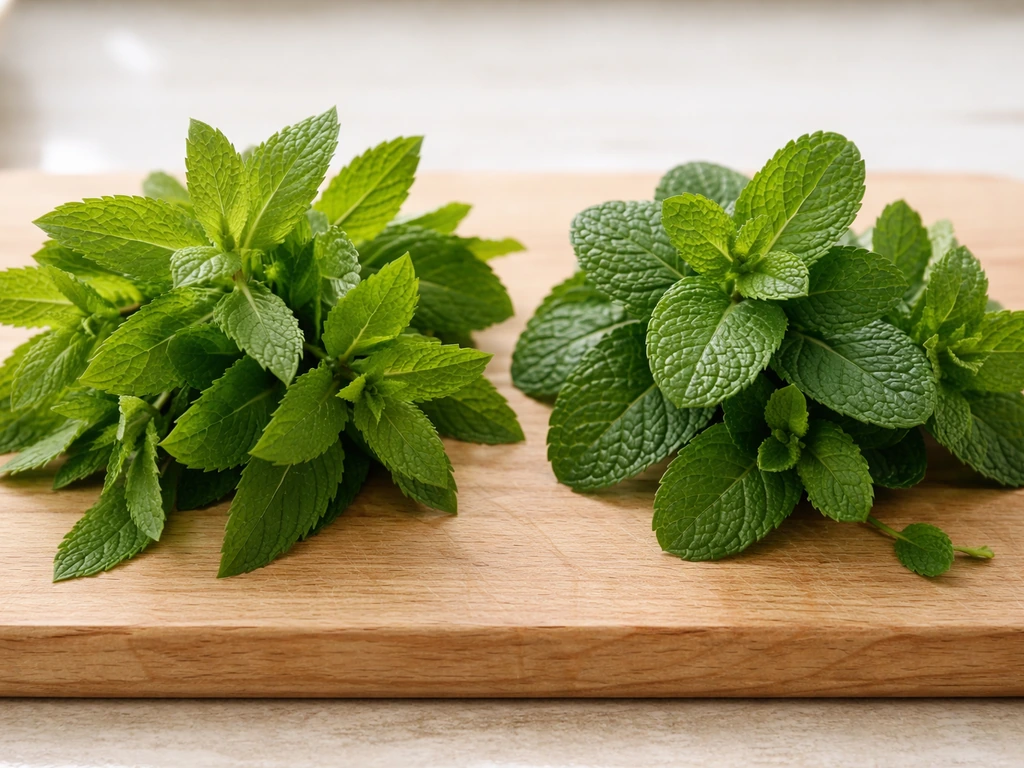
Spearmint is what most recipes mean when they say 'mint.' It has that lighter, slightly sweeter flavor that works in mint sauce, tabbouleh, mojitos, fruit salads, and cold drinks without being overpowering. Spearmint (Mentha spicata) has crinkled leaves and a lighter, slightly sweeter or milder mint aroma than peppermint, and it’s commonly used to flavor teas, cold drinks, and mint sauce that lighter, slightly sweeter flavor. Moroccan spearmint is a step up in intensity and is the variety used in traditional North African mint tea, if you drink a lot of that style of tea, it's worth tracking down. Chocolate mint is genuinely fun in desserts and hot chocolate, but treat it as a bonus plant rather than your main culinary mint.
For hot teas and medicinal use
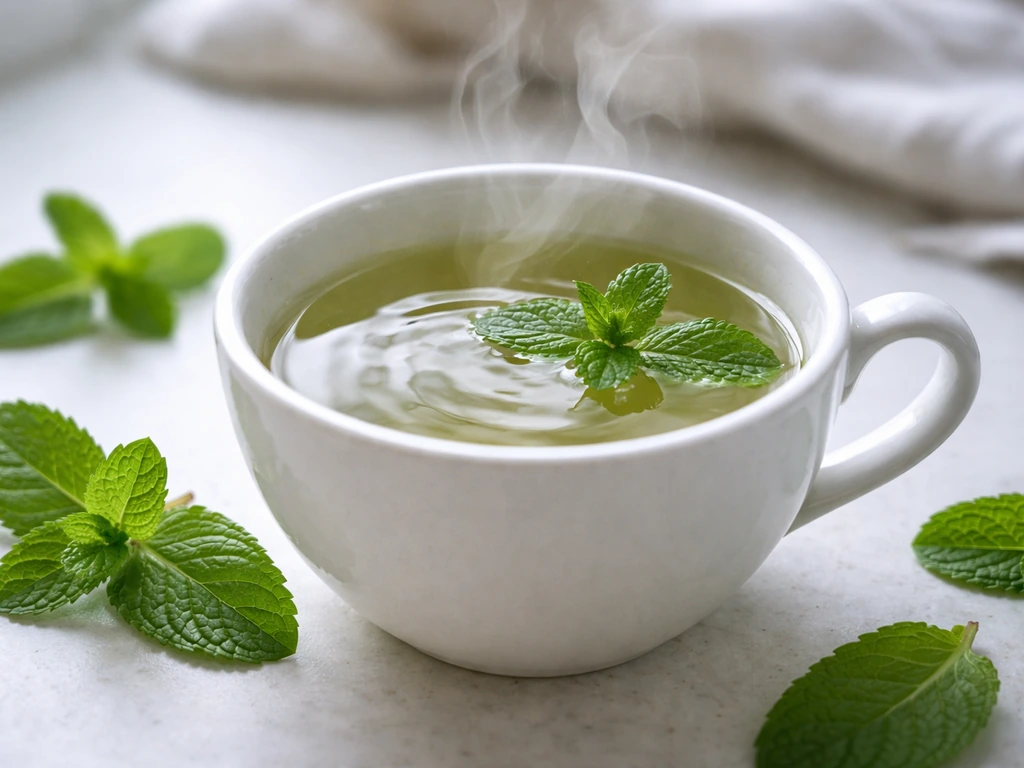
Peppermint is your plant. The higher menthol content gives it that deep cooling, slightly numbing quality that makes peppermint tea feel medicinal. It's also the most common mint in traditional herbalism for digestion and headaches. If you want more options beyond peppermint, consider building your own collection of top medicinal plants to grow at home traditional herbalism. If you're interested in growing herbs with proven traditional uses, peppermint sits comfortably alongside plants like chamomile and lemon balm as a household staple. If you want to expand beyond mint, include some of the best ayurvedic plants to grow at home for everyday herbal support. It's closely related to some of the best medicinal plants people grow at home, worth having even if you just want the occasional calming cup.
For fragrance and sensory gardens
Pineapple mint, apple mint, and chocolate mint all bring interesting scents to a fragrance garden or sensory path. Pennyroyal is worth growing as a low creeping ground cover near a path where it gets lightly brushed by foot traffic, the sharp scent releases when the leaves are disturbed and it naturally deters some insects. Just keep it away from kitchen use in any significant amount.
For low-maintenance, hard-to-kill growing
Honestly, almost any mint qualifies here. But apple mint and woolly mint are particularly forgiving, they handle some drought, tolerate a range of soils, and aren't as hair-trigger aggressive as spearmint. If you just want something green and useful that practically grows itself, apple mint in a pot on a porch is about as easy as it gets.
Container vs in-ground: how to stop mint taking over
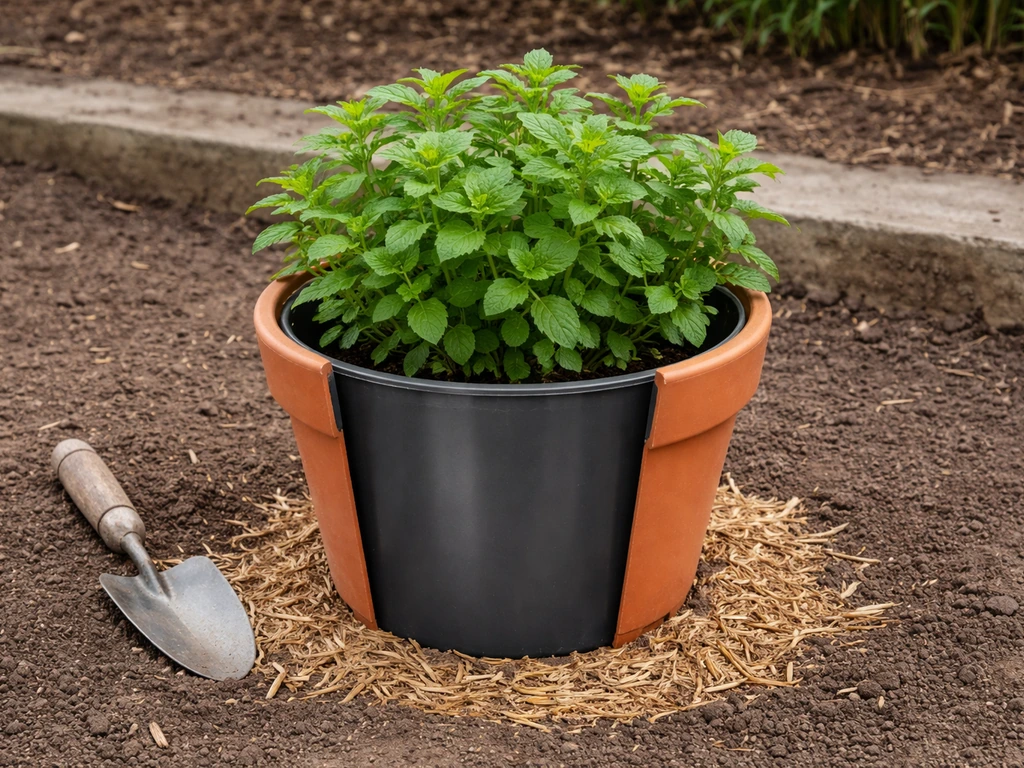
Mint spreads by underground rhizomes and will absolutely colonize your entire bed if you let it. I've seen mint planted in a corner of a raised bed completely take over within two growing seasons, pushing out everything else. The plant can reach 1 to 3 feet tall and spreads horizontally almost indefinitely if the conditions are good. This isn't a reason to avoid it, it's just a reason to be deliberate about how you plant it.
Growing mint in containers
Containers are the simplest solution and genuinely work well. A 12-inch pot gives one mint plant enough room to be productive without becoming unmanageable. Use a pot without drainage holes at the bottom if you want to slow it down slightly, but most mints actually prefer a freely draining mix. The main maintenance job is dividing the plant every 1 to 2 years when it gets root-bound and loses vigor. Just pull it out, split the root ball, discard the woody center, and replant the fresh outer sections. Containers also mean you can bring mint indoors for winter in colder climates, or move it to better light seasonally.
Growing mint in the ground
If you want mint in a bed, sink the container method is the most reliable approach: plant mint in a pot with the bottom cut out (or use a root barrier sleeve), sink it into the soil so the rim sits about an inch above ground level, and the container walls block horizontal rhizome spread. Check once or twice a season that runners haven't escaped over the rim. Alternatively, dedicate a contained area, between paving stones, against a wall, or in a raised bed just for mint, where takeover doesn't matter. Never plant mint loose in a mixed perennial border unless you want to spend years digging it out.
Controlling existing mint spread
If mint has already spread somewhere you don't want it, dig out as much of the rhizome network as you can, even small root fragments will regrow, so be thorough. Repeated cutting back to ground level through summer will weaken it over time. Covering the area with cardboard then thick mulch helps smother runners. It takes persistence but is very doable.
When and where to plant mint for your climate
It's late May right now, which is prime planting time for mint across most of the Northern Hemisphere. Here's how to think about timing and site based on where you are:
- Temperate climates (USDA zones 5–8, most of the UK and Europe): Plant now through early summer. Mint establishes fast in warm soil and will give you harvestable growth within 6–8 weeks. Peppermint and spearmint are reliably perennial here, dying back in winter and returning in spring.
- Hot, dry summers (zones 9–11, Southwest US, Mediterranean): Plant in containers so you can move them out of direct afternoon sun in peak summer. Mint can bolt or go bitter in intense heat above 90°F (32°C). Morning sun and afternoon shade is the sweet spot. Water more frequently—daily in very hot spells.
- Cold winters (zones 3–5, northern US, Canada, northern Europe): Hardy varieties like peppermint, spearmint, and woolly mint survive winters to well below freezing. Mulch the crown after the first hard frost to protect roots. In containers, move pots to an unheated garage or shed to prevent freeze-thaw root damage.
- Mild, wet climates (Pacific Northwest, coastal UK): Mint loves your climate. The main issue is fungal disease in persistently wet conditions—give plants good air circulation and avoid overhead watering.
- Indoors and apartments: Mint can grow on a south- or west-facing windowsill with at least 4–6 hours of direct light, but it tends to get leggy indoors without a grow light. Peppermint and spearmint both adapt reasonably well. Expect slower, smaller growth than outdoor plants.
How to actually grow mint well
Soil
Mint isn't fussy, but it performs best in moist, rich, well-draining soil with a pH between 6.0 and 7.0. For containers, use a good multipurpose compost or potting mix, adding about 20% perlite improves drainage and prevents waterlogging. Avoid heavy clay soil in the ground without amendment; it holds too much water in winter and can cause root rot.
Light
Full sun to partial shade. Mint grows well with 4 to 6 hours of direct sun and actually tolerates shade better than most herbs, it's one of the few useful culinary plants that works in a partially shaded corner. Full afternoon sun in hot climates can stress the plant and reduce flavor quality; morning sun with some afternoon protection is ideal.
Watering
Mint likes consistent moisture but hates sitting in water. If you're looking for a different kind of plant that thrives with less frequent watering, the best aloe plant to grow is one that suits your light and pot size. The top inch of soil should never be bone dry, check containers daily in summer heat. In the ground in temperate climates, established mint needs little supplemental watering unless there's a drought. Container mint dries out much faster than in-ground plants, so it needs more attention.
Feeding
Mint is not a heavy feeder. A slow-release balanced fertilizer worked into the potting mix at planting time, plus a liquid feed of diluted all-purpose fertilizer once a month through the growing season, is plenty. Overfeeding with high-nitrogen fertilizer pushes fast, lush growth that looks impressive but tastes weak and bland. Less is more with mint feeding.
Pruning, harvesting, and making more plants
Harvesting and pruning
Harvest mint regularly and it will reward you with bushy, productive growth. The key rule: harvest from the top, cutting stems back to just above a pair of leaves, which forces the plant to branch rather than grow tall and leggy. Never take more than about a third of the plant at one time. Once flower buds form, the leaves lose some of their flavor intensity, pinch out flower buds as soon as you see them to keep the plant in active leaf production. If it does flower, cut the whole plant back hard (to about 3–4 inches above soil) and it will flush with fresh new growth within 2–3 weeks.
Propagation
Mint is one of the easiest plants to propagate, which means you can turn one bought plant into many within weeks. The two simplest methods are stem cuttings and division. For cuttings: snip a 4–6 inch stem, strip the lower leaves, and place it in a glass of water on a bright windowsill. Roots appear within 1–2 weeks; pot up once they're about an inch long. For division: dig up an established clump, pull it apart into sections (each with some root and some shoots), and replant. This is also how you rejuvenate an old root-bound container plant. Both methods work best in spring and early summer, right now is perfect timing.
Troubleshooting common mint problems
Leggy, weak, or straggly growth
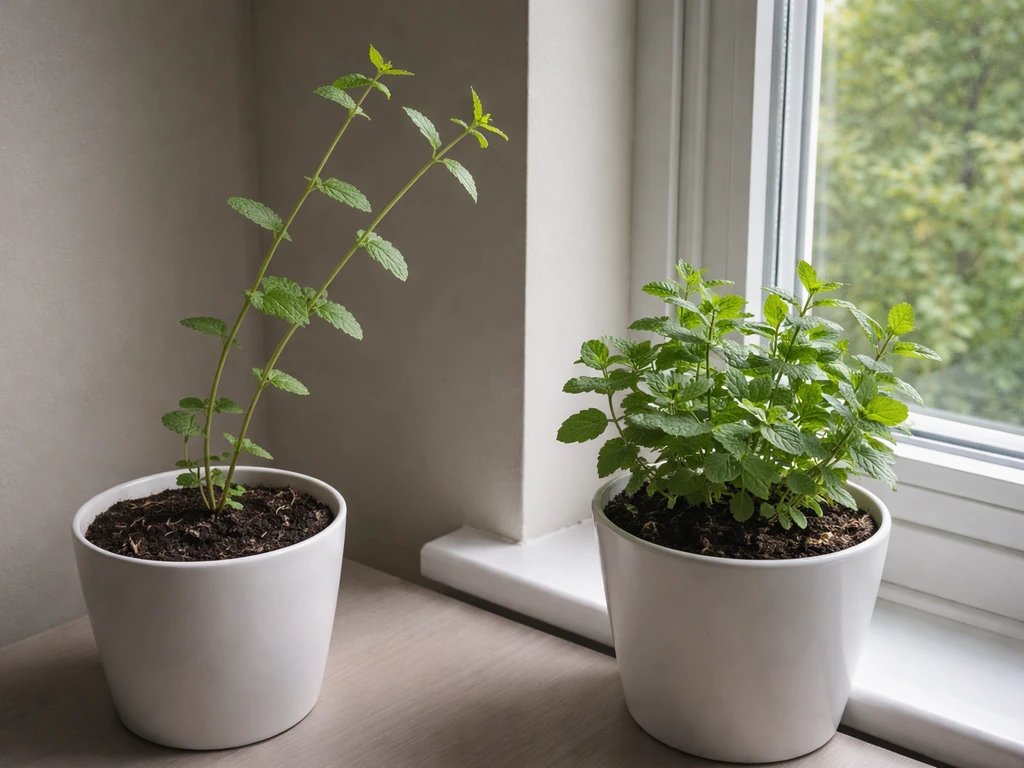
This is almost always a light problem. Mint stretching toward a window with long thin stems and widely spaced leaves needs more direct sun. Move it to a brighter spot, or add a grow light for indoor plants. Cutting it back hard and giving it more light simultaneously resets the plant nicely. Overwatering and overfeeding can also cause soft, weak growth.
Winter dieback
Mint is a perennial but the top growth dies back in cold winters, that's normal. Don't pull the plant up assuming it's dead. Mark the spot, cut stems to the ground, mulch heavily with straw or fallen leaves, and wait. New growth will emerge from the roots in spring once soil temperatures warm above about 50°F (10°C). In containers, the main risk is the entire root ball freezing solid in an uninsulated pot; wrapping pots in burlap or moving them to an unheated shelter prevents this.
Pests
Aphids and spider mites are the most common. Both can be knocked back with a strong blast of water from a hose, or treated with insecticidal soap spray. Mint's strong scent actually deters many pests, so serious infestations are uncommon on healthy plants. Mint flea beetles make tiny holes in leaves but rarely cause serious damage; just cut the plant back and let it regrow.
Mint rust
Mint rust is a fungal disease (Puccinia menthae) that shows as orange, then brown, then black powdery pustules on stems and leaf undersides. It's the most serious disease mint faces. The non-chemical approach that actually works: remove and destroy all affected plant material before the black resting spores form, because those spores contaminate the soil and persist. Don't compost affected material. If the whole plant is infected, remove it entirely, clear the area, and start fresh with a new plant in a different spot. Good air circulation and avoiding wetting foliage when watering helps prevent it.
Weak or bland flavor
Flavor in mint comes from volatile oils that concentrate in the leaves when the plant is grown in good light and not overfed. The most common cause of bland mint is too much shade or too much nitrogen fertilizer pushing watery, flavorless growth. Switch to a lower-nitrogen feed, increase sunlight, and harvest just before and during morning hours when the oil content is highest. Older plants that have been in the same container for years also lose punch, divide and refresh the soil to revive them.
What to plant today based on your actual setup
Here's how I'd approach it depending on your specific situation right now, at the end of May:
| Your Setup | Best Mint to Start | Key Action Today |
|---|---|---|
| Apartment windowsill (south/west facing) | Spearmint or chocolate mint in a 10–12" pot | Buy a transplant (not seed), place in brightest window, water every 1–2 days |
| Balcony container garden | Moroccan spearmint + peppermint in separate pots | Use deep pots (12"+ depth) to allow rhizome spread downward; start harvesting in 4–6 weeks |
| Raised bed gardener | Spearmint in a sunk container barrier | Cut base from a 2-gallon pot, sink into bed with 1" rim above soil; plant spearmint inside it |
| Full sun yard, temperate climate | Peppermint or spearmint in a dedicated bed section | Plant now; mulch around base to retain moisture; plan to cut back hard in midsummer |
| Shady corner of the garden | Apple mint or spearmint | Both tolerate partial shade well; expect slightly less intense flavor than sun-grown plants |
| Cold climate (zone 4–5) | Woolly mint or peppermint | Plant in ground now; mulch crown before first frost in fall; expect reliable spring return |
| Hot, dry summer climate (zones 9–11) | Spearmint in container | Position for morning sun only; water daily in heat; move under shade cloth above 95°F (35°C) |
| Want easy propagation from one plant | Any spearmint variety | Take stem cuttings now and root in water; you'll have multiple plants in 2 weeks for free |
The main thing to remember is that mint is genuinely forgiving. You don't need the perfect setup to grow it well, you just need to manage the spread, give it reasonable moisture and light, and harvest it often enough to keep it producing. If you're already growing other herbs or medicinal plants at home, mint fits naturally into that collection and earns its space fast. If you’re also curious about hallucinogenic plants you can grow, mint is a useful example of how to research local laws and safe growing practices before planting medicinal plants. If you are also exploring legal psychedelic plants to grow, you can build a similar thoughtful container setup for consistent results. Start with one variety that matches your main use, get confident with it, then branch out to the more interesting types like chocolate mint or pineapple mint once you've got the basics dialed in.
FAQ
What’s the best mint plant to grow if I want it for everyday cooking and drinks but not too strong or “medicinal” tasting?
Spearmint or Moroccan spearmint are the safest choices for general cooking, mojitos, fruit salads, and cold drinks, because their flavor is lighter and less cooling than peppermint.
Can I grow mint in a raised bed without it taking over everything?
Yes, but use a barrier every time. Either sink a pot with the bottom removed, or install a root barrier sleeve along all sides. Check the rim level, and inspect for escaped runners once or twice per season.
Is it okay to plant mint directly in the ground if my yard has a contained area near a walkway or wall?
It can work if the mint is isolated, for example between hardscape like paving stones or in a dedicated raised “mint zone.” Do not plant mint loose in a mixed bed, because even small underground rhizome fragments can regrow.
How do I stop mint from spreading without constantly digging it up?
The most reliable option is container growing or the sink-the-container method. If it’s already escaped, combine aggressive rhizome removal with repeated cutting to ground level, then smother with cardboard and thick mulch to starve and reduce new growth.
What size container should I use for the best results with mint?
A 12-inch pot is usually enough for one plant to stay productive and manageable. If the plant quickly becomes root-bound (often in 1 to 2 years), divide it and refresh the outer sections rather than only topping up the soil.
Should mint containers have drainage holes?
For most mints, freely draining containers are preferred. The article notes that skipping drainage holes can slow spread, but that can increase waterlogging risk, so if you do it, use a very fast-draining mix and monitor moisture closely.
Why is my mint growing tall and leggy indoors?
This is most often a light problem. Give it more direct light, or add a grow light, and cut it back hard at the same time you improve lighting to force fresh, compact regrowth.
How often should I water mint, especially in summer heat?
Keep the top inch of soil from drying out. Containers often need daily checks in hot weather, while in-ground mint usually needs less supplemental watering unless there’s a drought.
What causes bland mint leaves, and how can I fix it quickly?
Two common causes are too much shade and overfeeding with nitrogen. Increase light, reduce to lower-nitrogen feeding, and harvest during morning hours when the leaves tend to be richest in volatile oils.
Should I let my mint flower to get more leaves, or will flowering make it worse?
Once buds form, leaf flavor can drop. Pinch out flower buds as soon as you see them if your goal is maximum leaf production, or if it flowers anyway, cut the plant back hard to restart a fresh flush.
What’s the best way to harvest mint so it stays bushy?
Harvest from the top by cutting stems back to just above a pair of leaves. Avoid taking more than about one-third of the plant at a time, because heavier harvests can slow new growth.
When should I propagate or divide mint for the best success?
Spring through early summer is ideal, since the plant rebounds quickly and grows roots fast. If a container plant has lost vigor, division is also a rejuvenation step, not just a way to multiply plants.
How do I winterize mint in containers so the roots don’t freeze solid?
Insulate the pot or move it to a sheltered spot, so the root ball doesn’t freeze completely. Wrapping pots in burlap or bringing them to an unheated shelter can prevent total root-ball freezing.
What’s the most serious mint disease, and what should I do the moment I notice it?
Mint rust is the big one. Remove and destroy affected material before the darkest spore stage appears, because spores can persist in the soil, and don’t compost infected plant parts.
Are aphids, spider mites, or other pests common on mint?
They can show up, but severe infestations are uncommon on healthy mint because the strong scent deters many pests. If you see them, start with a strong water blast, then use insecticidal soap if needed.
Is pennyroyal safe to grow if I want mint-like leaves for the kitchen?
Be cautious. The article recommends it as a low creeping ground cover near paths for scent release, and to keep it away from kitchen use in any significant amount.
Next Article
Best Medicinal Plants to Grow: Indoor and Profit Picks
Top medicinal plants for home and profit, with indoor and outdoor picks plus start steps, timing, and what to avoid.