There are several plants commonly associated with hallucinogenic or psychoactive effects that you can legally grow in many parts of the world, including morning glories (Ipomoea tricolor), blue lotus (Nymphaea caerulea), mugwort (Artemisia vulgaris), Salvia divinorum, and certain cacti like San Pedro (Echinopsis pachanoi). The catch is that 'legally growable' depends entirely on where you live, and a few of these plants occupy a legal gray zone that shifts from one state, province, or country to the next. Before you order seeds or start a container setup, legality is the very first thing you need to pin down. If you are looking for specific legal options, use this guidance to narrow down legal psychedelic plants to grow in your area.
Hallucinogenic Plants You Can Grow: Legal, Safety, and How-To by Region
Rachel Hartley
4 Jul 2026
Legality and safety: what you need to know before you plant anything
The legal landscape around psychoactive plants is genuinely complicated, and the consequences for getting it wrong are serious. If you want a safer, legal alternative with clear cultivation targets, see the best medicinal plants to grow in india. Psilocybin (the active compound in 'magic mushrooms') is a Schedule I controlled substance in the US under the DEA's Controlled Substances Act, Schedule III in Canada under the Controlled Drugs and Substances Act, and restricted under the Misuse of Drugs Act 1971 in the UK, with additional blanket coverage under the Psychoactive Substances Act 2016. blank" rel="noopener noreferrer">Australia's Commonwealth Criminal Code prohibits possession, manufacture, and supply of psilocybin unless specifically authorized. South Australia's 2023 gazette amendments further tightened state-level controls. South Australia’s 29 June 2023 Gazette controlled-substances and poisons amendments list psilocybine (psilocybin) among the drugs covered by the amendments blank" rel="noopener noreferrer">South Australia’s 29 June 2023 Gazette amendments. The pattern is clear: psilocybin is tightly controlled in virtually every English-speaking jurisdiction.
Cannabis is similarly off-limits for cultivation in many places. The UK's Misuse of Drugs Act 1971 (Section 6) makes cultivation an offence regardless of quantity or personal-use intent. In the US, cannabis that exceeds the 0.3% THC threshold under 7 CFR § 990.27 is classified as Schedule I marijuana. Some US states have recreational cultivation allowances (typically 3 to 6 plants per adult at home), but federal law still conflicts. Always check both your national and local laws before proceeding.
The plants covered in this article are ones that are generally legal to cultivate in most US states, Canada, and parts of Europe and Australia, but you still need to verify this yourself because local ordinances change. If you are looking for a medicinal plant starter set, see our full list of the top 10 medicinal plants to grow at home. A good starting point is checking your country's national drug scheduling list, then your state or provincial law, and finally any municipal restrictions. If you are in the US, your state's department of agriculture or state legislature website will have the most current information. This article focuses on the garden horticulture side, not preparation or consumption, because misuse of any psychoactive plant carries real health risks including dangerous cardiovascular effects, psychosis in vulnerable individuals, and unpredictable interactions with medications.
The plants worth knowing about, organized by climate
Here is a realistic shortlist of plants that are commonly discussed in the context of psychoactive or psychoactive-adjacent growing, with notes on where each one actually thrives. If you are specifically looking for the best mint plants to grow, use your climate and local legality checks to narrow down the right options. Think of this as your candidate list, not a prescription. Cross-reference with your legal homework before purchasing.
Warm climates (USDA Zones 9 to 12, or equivalent)
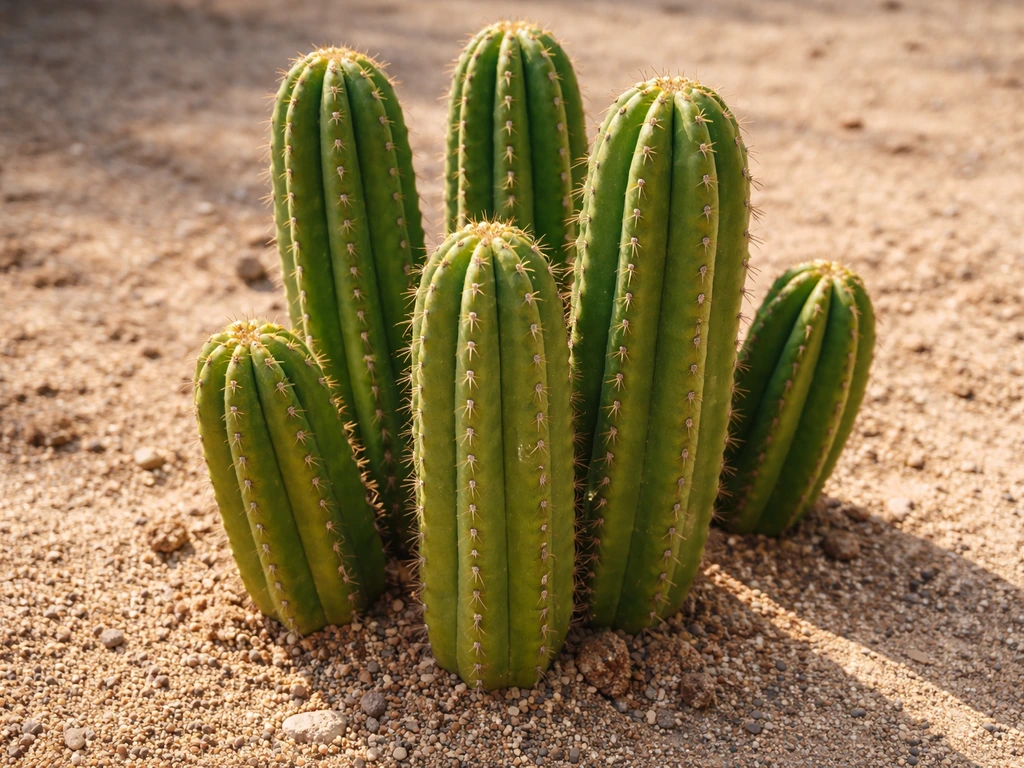
- San Pedro cactus (Echinopsis pachanoi): Originally from the Andes, this columnar cactus is legal to purchase and grow as an ornamental in most of the US, UK, Canada, and Australia. It is widely sold at garden centers. Growing it is not illegal in most jurisdictions, though processing it for consumption is another matter entirely. Thrives outdoors in Zone 9 and above; grows well in containers elsewhere.
- Blue lotus (Nymphaea caerulea): An aquatic plant with mild psychoactive-adjacent properties, associated with relaxation rather than strong hallucinations. Legal to grow in most countries as an ornamental water garden plant. Needs warm water (above 70°F / 21°C) and full sun. Best suited to Zones 10 to 12 outdoors; container water gardens work well in warmer climates.
- Salvia divinorum: A sage relative native to Oaxaca, Mexico. Legal to grow in many but not all US states (banned in over 30 states as of 2026), legal in Canada, and legal to grow (though not sell for consumption) in the UK. Needs humidity, indirect light, and frost-free conditions. Best as an indoor or greenhouse plant in most of North America.
Temperate climates (Zones 4 to 8)
- Morning glory (Ipomoea tricolor, especially 'Heavenly Blue'): Seeds contain lysergic acid amide (LSA), a compound related to LSD. The plant itself is completely legal to grow everywhere as an ornamental. You can find seeds at any hardware store or garden center. Hardy annual that thrives in Zones 3 to 10 with full sun.
- Mugwort (Artemisia vulgaris): Used in traditional herbalism and sometimes grouped with psychoactive-adjacent plants for its reputed dream-enhancing properties when used as a sleep herb. Fully legal, grows aggressively in Zones 3 to 9, and requires almost zero care. Treat it like a perennial herb.
- Syrian rue (Peganum harmala): Seeds are used in some traditional practices as a monoamine oxidase inhibitor. Legal to grow as an ornamental in most of the US and Canada. Drought-tolerant, does well in Zones 6 to 10, and handles poor soil better than most plants.
Cool and indoor-friendly options
- Catnip (Nepeta cataria): Mild human sedative/relaxant properties, fully legal everywhere, easy to grow indoors or out in Zones 3 to 9. A great low-stakes entry point if you are new to growing medicinal-adjacent herbs.
- Passionflower (Passiflora incarnata): Legal everywhere, mild anxiolytic properties, native to the southeastern US. Perennial in Zones 6 to 9, easily grown in containers in colder zones. A beautiful vine that serves double duty as an ornamental.
Growing conditions: light, soil, water, and containers
| Plant | Light | Soil | Water needs | Best container size |
|---|---|---|---|---|
| San Pedro cactus | Full sun (6+ hours) | Sandy, fast-draining cactus mix | Low; water monthly in winter, bi-weekly in summer | 10–15 gallon minimum for container growing |
| Blue lotus | Full sun | Aquatic soil or heavy clay submerged in water | Aquatic; keep water level stable | 20+ gallon water container or small pond |
| Salvia divinorum | Bright indirect light; no direct afternoon sun | Rich, well-draining, slightly acidic potting mix | Keep consistently moist; do not let dry out | 5–10 gallon; repot annually |
| Morning glory | Full sun | Average to poor; avoid overly rich soil | Moderate; drought-tolerant once established | 3–5 gallon for container; direct sow in ground |
| Mugwort | Full sun to partial shade | Any soil; tolerates poor and clay | Low; drought-tolerant | 5+ gallon or plant in ground with root barrier |
| Syrian rue | Full sun | Sandy, alkaline, dry | Very low; drought specialist | 5–7 gallon minimum |
| Passionflower | Full sun to part shade | Well-draining, average fertility | Moderate; water when top inch is dry | 5–10 gallon; needs trellis or support |
For apartment or small-space growers, morning glory, passionflower, Salvia divinorum, and a single San Pedro cactus are the most practical choices. Morning glory and passionflower can run up a balcony railing with a simple trellis. Salvia divinorum is compact enough for a windowsill setup if you can give it humidity (a pebble tray with water works well). San Pedro is a slow grower but genuinely low-maintenance in a terracotta pot near a south-facing window. Avoid blue lotus if you are in an apartment unless you have serious outdoor water garden space.
Propagation methods and when to plant
Timing matters a lot with this group of plants because they come from very different native environments. Here is how to approach propagation and seasonal planning for each one.
Starting from seed
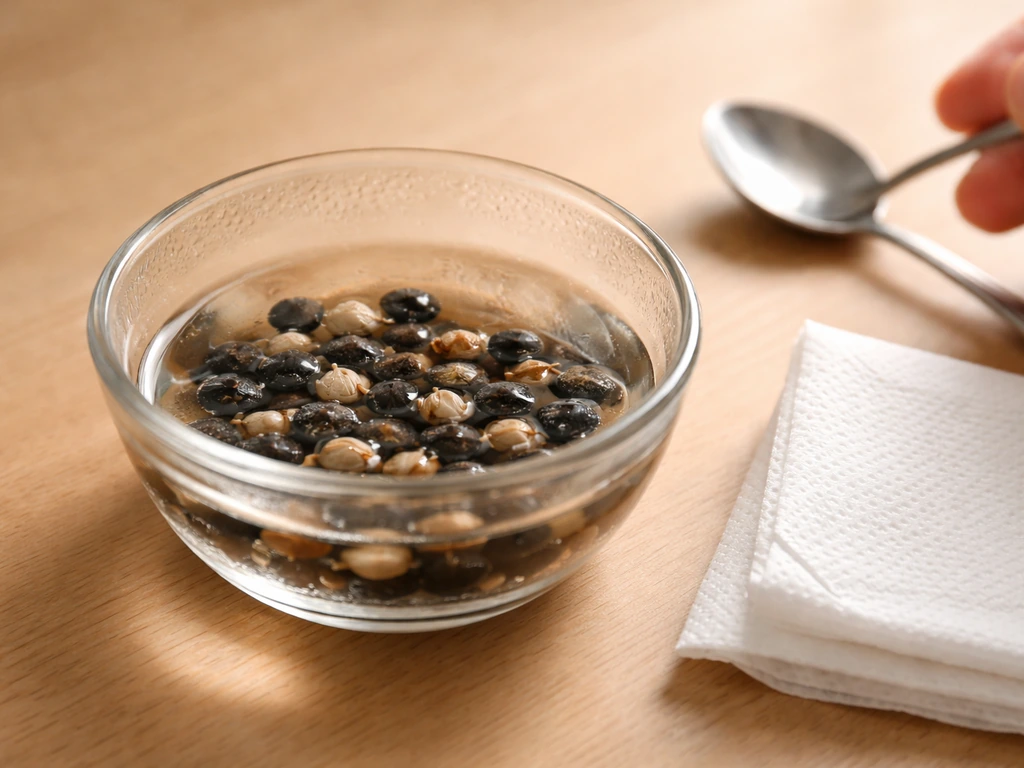
Morning glory and Syrian rue are the easiest seed-starters. Soak morning glory seeds in warm water for 12 to 24 hours before planting to improve germination (expect 70 to 80% germination rate after soaking). Direct sow outdoors after your last frost date, typically late April in Zones 5 to 7, early April in Zones 8 to 9. In Zone 4 and colder, start indoors 4 to 6 weeks before last frost and transplant carefully since morning glory dislikes root disturbance. Syrian rue seeds can be surface-sown in spring; they are slow germinators so expect 3 to 4 weeks before you see sprouts. Blue lotus seeds need stratification and warm water temperatures above 75°F to germinate well; start them indoors in late winter in a shallow container of warm water.
Cuttings and divisions
San Pedro cactus and Salvia divinorum both propagate easily from cuttings, and this is actually the preferred method for both. For San Pedro, cut a segment at least 6 inches long, let it callous over for one to two weeks in a dry shaded spot, then plant in dry cactus mix. Do not water for the first two weeks after planting. Expect rooting in 4 to 8 weeks. For Salvia divinorum, take 4- to 6-inch stem cuttings, remove lower leaves, and root them in a glass of water or moist perlite. They root in 1 to 3 weeks and are not fussy about rooting medium. Mugwort and passionflower can be divided at the root in early spring before new growth starts, which is the fastest way to get an established plant.
Seasonal planning by region
- Pacific Northwest (Zones 7 to 9): Start morning glory seeds indoors in March, transplant in May. San Pedro and passionflower can go outdoors late April through October, then overwinter indoors.
- Southeast US (Zones 8 to 10): Direct sow morning glory in March or even February. San Pedro can stay outdoors year-round in Zone 9b and 10. Blue lotus can overwinter in the ground in Zone 9 and above.
- Midwest and Northeast US (Zones 4 to 6): Treat San Pedro, Salvia divinorum, and blue lotus as container plants to bring indoors before first frost (typically October). Start morning glory indoors in April, direct sow in late May.
- UK and Northern Europe (Zone 7 equivalent): Mugwort and passionflower are the outdoor stars. Keep Salvia divinorum in a greenhouse or sunny indoor room year-round. Morning glory works as a summer annual from May to September.
- Southern Australia and New Zealand (Zone 9 to 10 equivalent): San Pedro, blue lotus, and morning glory all work well outdoors. Check state-level regulations carefully, especially in South Australia where controlled substances amendments have been updated as recently as 2023.
Day-to-day care, pests, and what to expect
Routine care
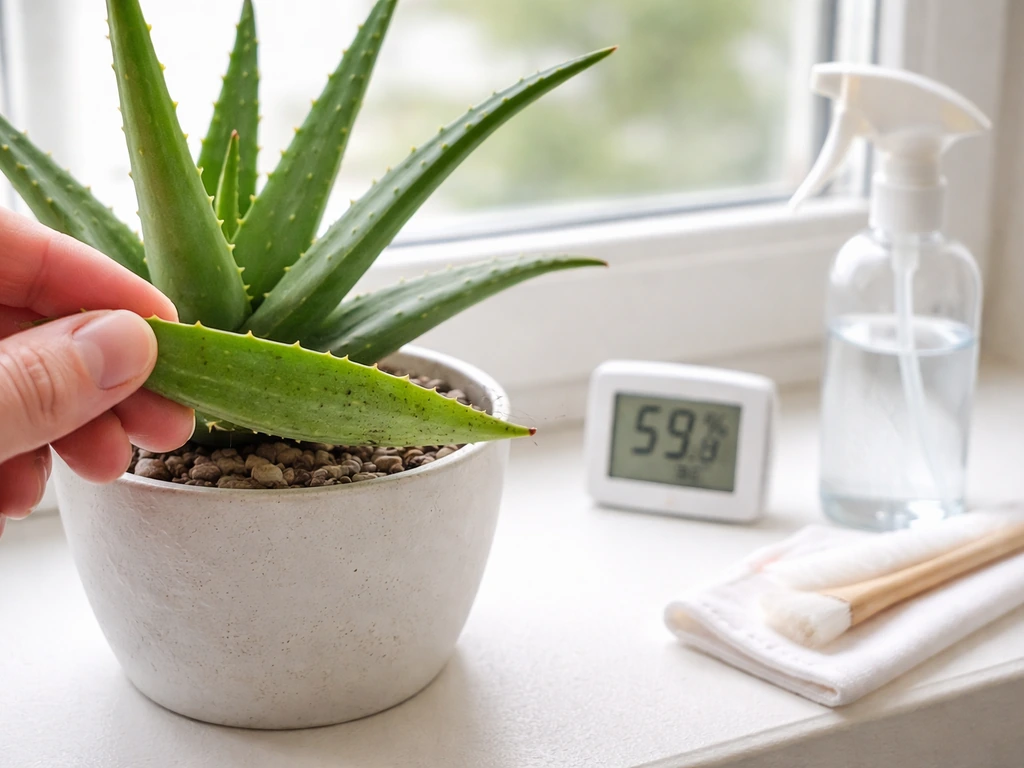
Most of these plants are actually less demanding than a vegetable garden. If you are looking for the best aloe plant to grow, choose one that matches your indoor or outdoor conditions and give it a bright spot and careful watering Most of these plants are actually less demanding. San Pedro cactus needs almost no attention between waterings. The main mistake people make is overwatering it, especially in winter when the plant is semi-dormant. A good rule of thumb: if you are unsure whether to water, wait another week. Salvia divinorum is the opposite, it needs consistent moisture and will droop dramatically when it dries out, though it usually recovers quickly once watered. Morning glory needs almost nothing once established but benefits from a light, low-nitrogen fertilizer at planting time. Too much nitrogen produces lush leaves with fewer flowers. Mugwort needs aggressive containment more than care; grow it in a pot or install a root barrier if planting in the ground because it spreads like mint.
Common pests and diseases
- Spider mites: the main threat to Salvia divinorum, especially indoors. They thrive in low humidity. Maintain 50 to 60% relative humidity and inspect leaf undersides weekly. Treat with insecticidal soap or neem oil at first sign.
- Mealybugs: common on San Pedro cactus. Look for white cottony clusters near areoles. Wipe off with a cotton swab dipped in rubbing alcohol.
- Aphids: morning glory and passionflower attract them in spring. A hard spray with the garden hose knocks most off. Ladybugs and lacewings take care of the rest if you are gardening outdoors.
- Root rot: the number-one killer of San Pedro and Syrian rue in containers. Always use fast-draining soil and ensure pots have drainage holes. Terracotta is better than plastic for cacti.
- Powdery mildew: affects mugwort and passionflower in humid, low-airflow conditions. Thin stems to improve airflow and avoid overhead watering.
Growth timelines
- Morning glory: germinates in 5 to 7 days after soaking; flowering begins 70 to 90 days from seed.
- San Pedro cactus: slow. Expect 12 to 15 inches of vertical growth per year under good conditions. Cuttings root in 4 to 8 weeks.
- Salvia divinorum: cuttings root in 1 to 3 weeks; plants can reach 3 to 4 feet indoors within a single season.
- Blue lotus: first flowers typically appear 90 to 120 days after germination.
- Mugwort: established plants (from division) are growing strongly within 4 to 6 weeks of spring planting.
- Passionflower: from root division, expect flowering in the first or second summer.
A word on harvesting and harm reduction
This article is not going to walk you through preparing any of these plants for consumption, and that is intentional. Many people who grow San Pedro, Syrian rue, morning glory, or Salvia divinorum are doing so as ornamental or botanical enthusiasts, full stop, and that is completely valid. For those interested in the pharmacological properties, the honest advice is this: the risk profile of these plants is not trivial. Morning glory seeds contain LSA but also other alkaloids that cause nausea and cardiovascular effects. Syrian rue's harmala alkaloids are MAOIs, meaning they interact dangerously with a wide range of foods and medications. Salvia divinorum produces intense, short-duration dissociative experiences that have caused accidents and psychological distress in documented cases.
If harm reduction is your frame, the most important steps are: verify legality in your jurisdiction before anything else, never combine plant preparations with medications without consulting a physician or pharmacist, never use alone, and treat any unfamiliar plant preparation as you would an unknown dose of a prescription medication. Organizations like DanceSafe in the US publish evidence-based harm reduction guides if you want to go deeper. From a practical gardening perspective, the growing and the using are two separate decisions, and this guide only covers the growing side.
Safer alternatives that still deliver a remarkable garden
If the legal complexity or health risk of the plants above puts you off, there are some genuinely beautiful, fully legal, and much safer options in the same neighborhood. These plants share visual or ethnobotanical ties to the psychoactive world without the regulatory headaches. Some of the most reliable options for a home herb garden are aromatic, medicinal, and beginner-friendly ayurvedic plants to grow at home.
- Datura (Jimsonweed, Datura stramonium): Ornamental and dramatic, with large trumpet flowers. Legal to grow as an ornamental in most places, but worth knowing it is highly toxic at any dose, so it is best treated as a purely visual plant. Not for anyone with children or pets.
- Angel's trumpets (Brugmansia spp.): Related to Datura, with hanging flowers in cream, yellow, or pink. Spectacular in a container on a warm patio. Same toxicity caution applies.
- Kava (Piper methysticum): Legal to grow in warm climates (Zone 10 to 12 outdoors, or greenhouse elsewhere). Mildly sedative effects, widely used as a beverage. Much gentler risk profile than most plants on the main list.
- Lavender and chamomile: If you are really just looking for relaxation-oriented plants that are zero legal risk, these medicinal classics are the obvious answer. Easy to grow in Zones 5 to 9 and 3 to 9 respectively.
- Calea zacatechichi (Dream herb): Legal in most of the US, traditionally used to enhance dream vividness. Grows as a tropical perennial in Zone 10 to 12, or as a container annual elsewhere.
For growers interested in the broader world of plant-based medicine and herbal growing, medicinal herb gardens often overlap meaningfully with this category. Building a garden with the best medicinal plants to grow can be a safer way to explore the same herbal interests without the same legal and health complications plant-based medicine and herbal growing. Plants like passionflower, mugwort, and kava sit comfortably in both camps and bring a lot of garden interest without the complexity. Similarly, if you are drawn to psychoactive-adjacent growing from an Ayurvedic or traditional herbal medicine angle, many of those traditions use plants that are completely unrestricted and well-studied.
Your practical checklist for getting started today
- Verify legality in your specific jurisdiction: check your national drug scheduling list, then your state/province, then any local ordinances. Do this before purchasing anything.
- Pick two or three candidate plants from the climate-appropriate list above that match your zone and growing method (container, indoor, or in-ground).
- Source seeds or cuttings only from reputable, legal vendors. Ethnobotanical seed suppliers in the US, UK, and Canada sell most of these legally for ornamental purposes.
- Set your planting date based on your last frost date and the propagation notes above. Use a frost date calculator for your zip code or postal code.
- Gather your supplies: the right soil mix is the most critical variable. Get cactus mix for San Pedro and Syrian rue, and a peat-based potting mix with added perlite for Salvia divinorum and passionflower.
- Start small. One San Pedro cutting in a terracotta pot or a packet of morning glory seeds along a fence is a completely satisfying starting point with zero infrastructure investment.
- Check in on your plants weekly, not daily. Most failures in this plant group come from overattention (especially overwatering) rather than neglect.
FAQ
How can I verify whether a specific hallucinogenic plant you can grow is legal in my city, not just my state or country?
Check three layers: your national drug-scheduling list (baseline legality), your state or provincial agriculture or controlled-substance rules (what’s explicitly allowed or banned), and then any municipal bylaws for “noxious weeds,” nuisance plants, or restricted cultivation zones. Even if the plant is legal statewide, local ordinances sometimes regulate particular genera (for example, invasive-spreading or seed-distribution rules).
Do “ornamental” or “medicinal” labels on seed or plant listings change the legality of growing hallucinogenic plants you can grow?
Not reliably. Retail listings may describe a plant for ornamental or traditional-use purposes, but that does not override controlled-substance law. Treat marketing language as descriptive only, then confirm legality by species and, if relevant, subspecies or hybrid (some laws target particular taxa).
What’s the safest way to avoid accidentally growing the wrong plant or variety when purchasing seeds or cuttings?
Verify by botanically correct name, photos of flowers and leaves, and the exact cultivar or subspecies if provided. “Morning glory” and “blue lotus” are common names that can refer to different species. If the seller cannot provide a clear scientific name, avoid the purchase because misidentification is a common reason people end up with an unintended species.
Are these plants safe to grow around children and pets, even if I follow the legal rules?
No, assume they are not pet-safe. Several of these plants contain alkaloids that can cause vomiting, agitation, drooling, or worse if ingested. Keep plants in locked areas, use physical barriers for climbing species, and label pots clearly so accidental contact does not lead to unplanned ingestion.
Do I need permits or special handling for transporting seeds or cuttings across borders?
Often yes, even when domestic cultivation is allowed. Customs and border controls may treat seeds or propagules as controlled items. Before shipping or traveling, check import rules for plant material and whether your destination restricts the species regardless of your intended use.
Why does the article recommend separating “growing” from “using,” and what’s the practical harm-reduction boundary?
Because the health risk comes from preparations and dosing, not the mere presence of a plant. As a practical boundary, do not extract, concentrate, smoke, brew, or attempt any consumption method. Also avoid any mixing with medications, since the most dangerous interactions depend on compounds taken in an active form.
Can I compost seeds or plant parts if I grow hallucinogenic plants you can grow legally?
Use caution. Some seeds can remain viable and spread later, and some jurisdictions regulate seed disposal or require secure containment. In practice, bag and trash or solar-sterilize plant waste rather than composting if the plant sets abundant seed or produces easily dispersible material.
What’s the most common gardening mistake that leads to plant failure or major maintenance problems with these species?
Overwatering, especially for San Pedro, and letting aggressive spread species escape containment. For example, mugwort can outcompete nearby plants if planted in-ground without a root barrier, and morning glory can become difficult to manage if it climbs where you cannot reach. Err on the side of controlled containers and conservative watering schedules.
If I want the “psychoactive-adjacent” look without the same legal complications, what safer approach should I take?
Focus on visually similar, widely legal ornamental vines and herbs (for example, climbing flowers, aromatic foliage, or native medicinal garden plants) and choose based on horticultural traits, not on acquiring compounds. When exploring alternatives, verify legality for the exact species and avoid assuming that “traditional use” automatically means unrestricted cultivation.
Next Article
Best Aloe Plant to Grow: Top Types for Home and Outdoors
Choose the best aloe for your climate and space with light, watering, soil, size, and repotting tips.