The best medicinal plants to grow are the ones that match your setup, your goal, and honestly, your willingness to pay attention. If you want a short answer: start with peppermint, calendula, chamomile, lemon balm, and aloe vera. Those five cover most situations, grow in containers or in the ground, and give you real, usable medicine within a single season. But the right pick for you depends on whether you're growing indoors under a grow light, outside in a raised bed, or trying to actually sell what you harvest. This guide walks through all three scenarios so you can pick your path and get started this week.
Best Medicinal Plants to Grow: Indoor and Profit Picks
Rachel Hartley
3 Apr 2026
Which direction is right for you?
Before you buy a single seed packet, figure out which of these describes you best. It changes everything about which plants to prioritize.
- Growing indoors (apartment, limited outdoor space, year-round access): Prioritize compact, low-light-tolerant herbs like peppermint, lemon balm, and aloe. You'll need a south-facing window or a basic grow light. Container size and humidity matter more than they do outdoors.
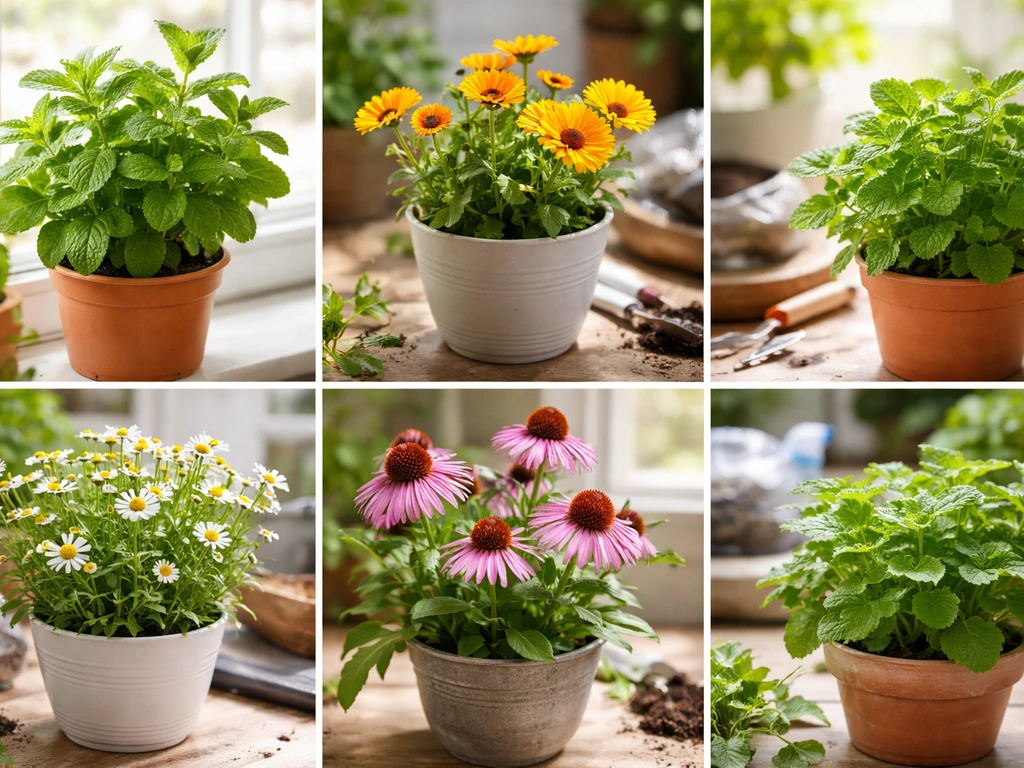
- Growing in a garden or containers outdoors (general home use): You have the most flexibility. Chamomile, calendula, echinacea, and lemon balm all thrive with minimal fuss. Start seeds indoors now if your last frost is still weeks away, or direct sow once temperatures are consistently above 50°F.
- Growing for profit (selling dried herbs, teas, tinctures, or cut flowers): You need high-yield, marketable plants with reliable demand. Peppermint, calendula, chamomile, and echinacea are your workhorses. Scale, harvest timing, and post-harvest handling become critical.
Best medicinal plants to grow indoors
Growing medicinal herbs indoors is absolutely doable, but you have to be honest about your light situation. Most medicinal herbs want at least 6 hours of direct sun per day. A south-facing window gets you close in spring and summer. In winter or in apartments with filtered light, a simple LED grow light (on a 14-16 hour timer) closes the gap quickly and cheaply.
Top indoor picks
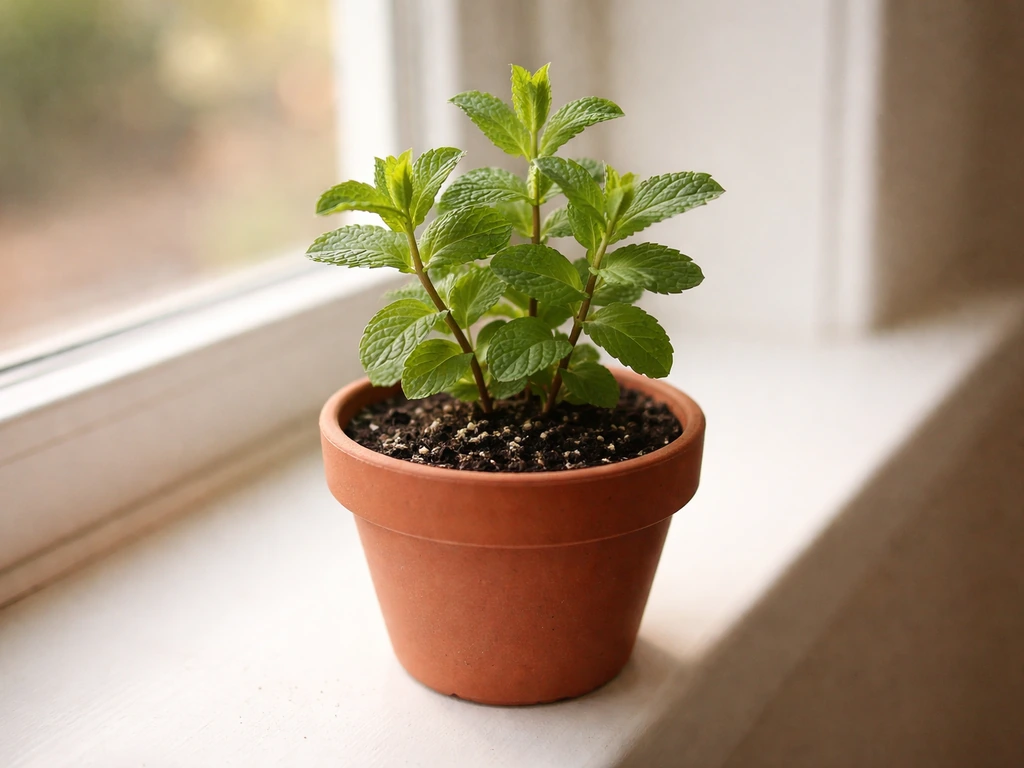
- Peppermint: One of the easiest indoor medicinal herbs. Grows fast, tolerates lower light than most, and can be harvested repeatedly. Keep it in a 6-8 inch pot and clip regularly to prevent legginess. Start from cuttings or divisions rather than seed for faster results.
- Lemon balm: Calm, lemony, and incredibly forgiving. It prefers full sun but genuinely tolerates light shade indoors, making it one of the more realistic indoor options. Great for teas and stress relief. Harvest the leaves before it flowers to get the best flavor.
- Aloe vera: The classic indoor medicinal plant for a reason. Almost no watering needed, thrives in a sunny window, and the gel from the leaves is immediately useful for burns and skin irritation. If you want to learn more about picking the right variety, check out this guide to the best aloe plant to grow.
- Holy basil (Tulsi): Medicinal, aromatic, and adaptable to containers. It wants warmth and good light, so pair it with a grow light in colder months. Used in Ayurvedic traditions for centuries and increasingly popular in wellness teas.
- Chamomile (German): Can be grown indoors in a deep container (at least 8 inches) with full sun or supplemental light. Compact enough for a windowsill if you manage the height.
Indoor setup tips that actually matter
Humidity is the indoor herb killer most people don't see coming. Heated or air-conditioned indoor air is usually much drier than herbs prefer. Misting your plants daily or grouping them on a tray of moistened pebbles raises humidity around the leaves without waterlogging the roots. The other big mistake is overwatering containers. Most indoor medicinal herbs want to dry out slightly between waterings. Always empty the saucer under the pot after watering so roots aren't sitting in standing water, which causes rot fast.
Best medicinal plants to grow for profit
If you're growing to sell, the economics have to work. That means picking plants that dry well, hold their value post-harvest, and have actual buyer demand at farmers markets, herb shops, or online. Here are the plants that check those boxes.
Calendula
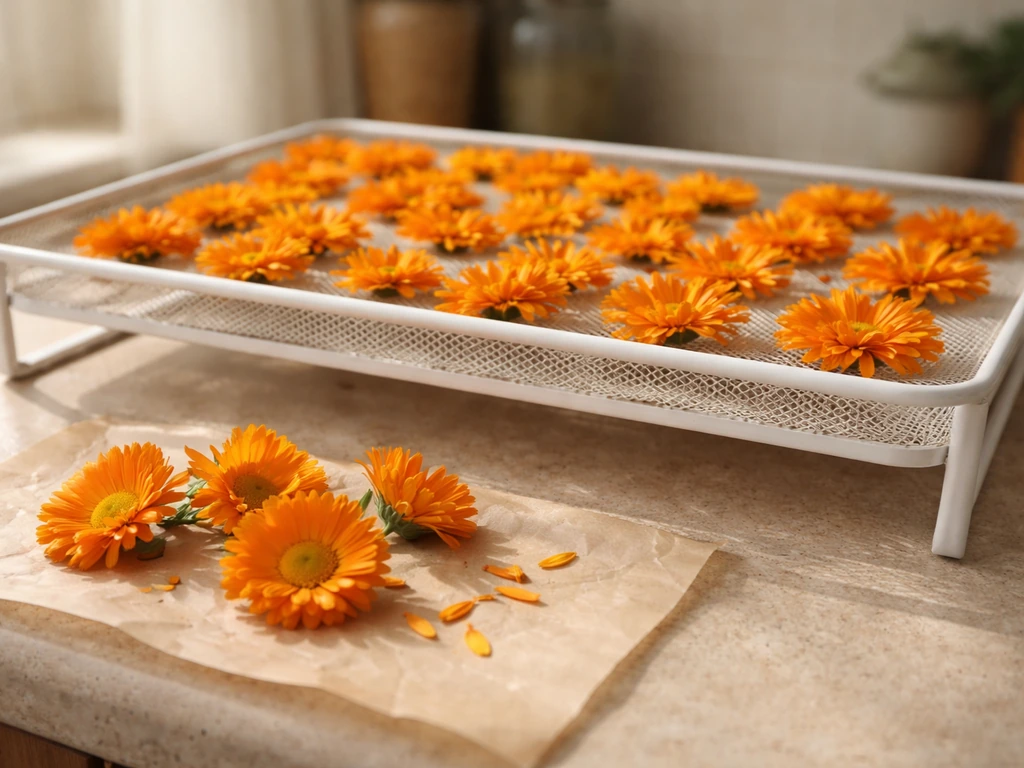
Calendula is probably the single best medicinal plant for small-scale growers looking to sell. The flowers are in constant demand for salves, oils, soaps, and teas. Expect roughly 1 pound of dried flower heads from a 60-foot row, so plan your bed size accordingly. Space plants 16 inches apart and harvest flower heads when the plant reaches full bloom. For cut flowers you want to sell fresh, harvest when flowers are just half open since they last longer that way. Dry in small batches immediately after harvest to preserve potency and color.
Peppermint
Peppermint oil and dried leaf are consistently marketable. At a commercial scale, peppermint averages around 68 pounds of essential oil per acre over a three-year period, but even at a smaller market-garden scale, dried peppermint sells well in bundles and teas. The key to quality oil or dried leaf is harvest timing: target about 10% bloom for best oil quality and yield. For dried leaf sold at markets, harvest before full bloom when volatile oil content is highest. Spearmint and peppermint both take about 60 to 70 days from transplant to first harvest.
Chamomile
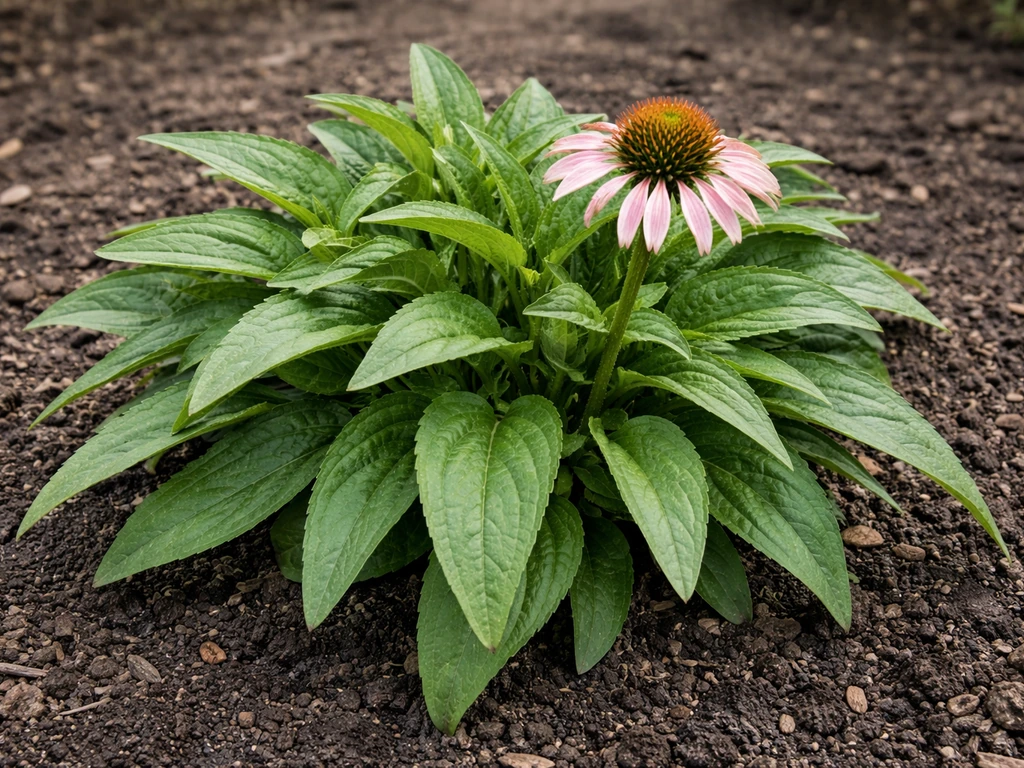
German chamomile is a high-volume flower producer that dries beautifully and has reliable demand for tea blends. Harvest open flowers in summer when near full bloom. Because the flowers open in succession, you'll be harvesting the same planting multiple times across a season, which is great for cash flow. It grows in full sun and tolerates light shade, and after frost risk passes you can transplant starts outdoors for a summer harvest.
Echinacea
Echinacea (coneflower) takes longer to establish but becomes a high-value perennial. Roots, flowers, and leaves all sell in different markets. It's drought-tolerant, native to much of North America, and the dried roots command premium prices. Patience is the trade-off: plan on at least two years before harvesting roots. The flowers sell in year one as cut flowers or dried.
Lemon balm
Lemon balm produces aggressively, which is exactly what you want when selling by weight. It spreads readily, so you'll get large harvests from a modest planting. Cut plants back to about half their height to push fresh, vigorous regrowth, giving you multiple harvests per season. Remove flowers before they go to seed or the plant will spread beyond your planting area.
Top overall medicinal plants for any garden or container setup
Whether you're working with a raised bed, a patio container setup, or a small backyard plot, these are the plants that consistently deliver. This isn't a comprehensive encyclopedia, it's a practical shortlist based on what actually grows reliably and gets used.
| Plant | Best for | Container friendly? | Difficulty | Primary use |
|---|---|---|---|---|
| Peppermint | Teas, tinctures, oil | Yes (contain it) | Easy | Digestive, headache relief |
| Calendula | Salves, teas, cut flowers | Yes (large pot) | Easy | Skin healing, anti-inflammatory |
| Chamomile | Teas, relaxation blends | Yes (8"+ deep) | Easy | Sleep, anxiety, digestion |
| Lemon balm | Teas, stress relief | Yes | Easy | Calming, antiviral |
| Aloe vera | First aid, skin | Yes (essential) | Very easy | Burns, wounds, skin |
| Echinacea | Immune support, cut flowers | Large containers only | Moderate | Immune boost, tinctures |
| Holy basil (Tulsi) | Teas, Ayurvedic use | Yes | Easy-moderate | Adaptogen, stress relief |
| Lavender | Aromatherapy, teas, sachets | Yes (well-draining) | Moderate | Anxiety, sleep, skin |
If you're interested in going deeper into Ayurvedic plants specifically, there's a solid companion resource on the best ayurvedic plants to grow at home that covers tulsi, ashwagandha, and others with more specific growing notes. And if you're based in South Asia or growing in a tropical climate, the guidance on best medicinal plants to grow in India is worth a look for region-specific picks.
Planting, care, and harvesting basics
Soil and containers
Most medicinal herbs want well-draining soil more than they want rich soil. A mix of quality potting mix with added perlite (about 20% by volume) works well for containers. In ground beds, avoid clay-heavy soils without amendment. The biggest container mistake is poor drainage. Make sure every pot has drainage holes and that you're not letting water pool in the saucer. Empty saucers after watering every single time.
Light and watering
Most medicinal herbs need 6 to 8 hours of sun per day outdoors. Indoors, a south-facing window or LED grow light set to 14-16 hours covers most species. Lemon balm is among the most shade-tolerant of the group, which makes it a good starting point if your space is dim. For watering, calendula needs about 1 to 1.5 inches of water per week in midsummer. Most other medicinal herbs want consistent moisture but hate soggy roots, so water when the top inch of soil is dry.
Harvesting and drying
Harvest timing determines quality. For leaves (mint, lemon balm), harvest before or at early flower stage when volatile oils are highest. For flowers (calendula, chamomile), harvest at or near full bloom. UNH Extension also notes common calendula uses, including preparations made from crushed stems, leaves, flowers, and buds for skin problems, and petals dried for flavoring such as teas For flowers (calendula, chamomile), harvest at or near full bloom.. For peppermint oil quality specifically, target about 10% bloom.
For drying, the target temperature is around 100°F to preserve color and flavor without destroying volatile compounds. At that temperature with good airflow, most herbs dry in 5 to 10 days with air-drying, though the full process can take 2 to 4 weeks depending on your setup and ambient humidity. High-moisture herbs like mint and lemon balm are prone to mold if dried too slowly, so prioritize good airflow and low humidity in your drying space. Dry calendula in small batches immediately after harvest. Don't store herbs before they're fully dry, but also don't over-dry them to the point where they crumble to dust. They should feel crisp but not disintegrate when crumbled.
Season and location: what to start right now
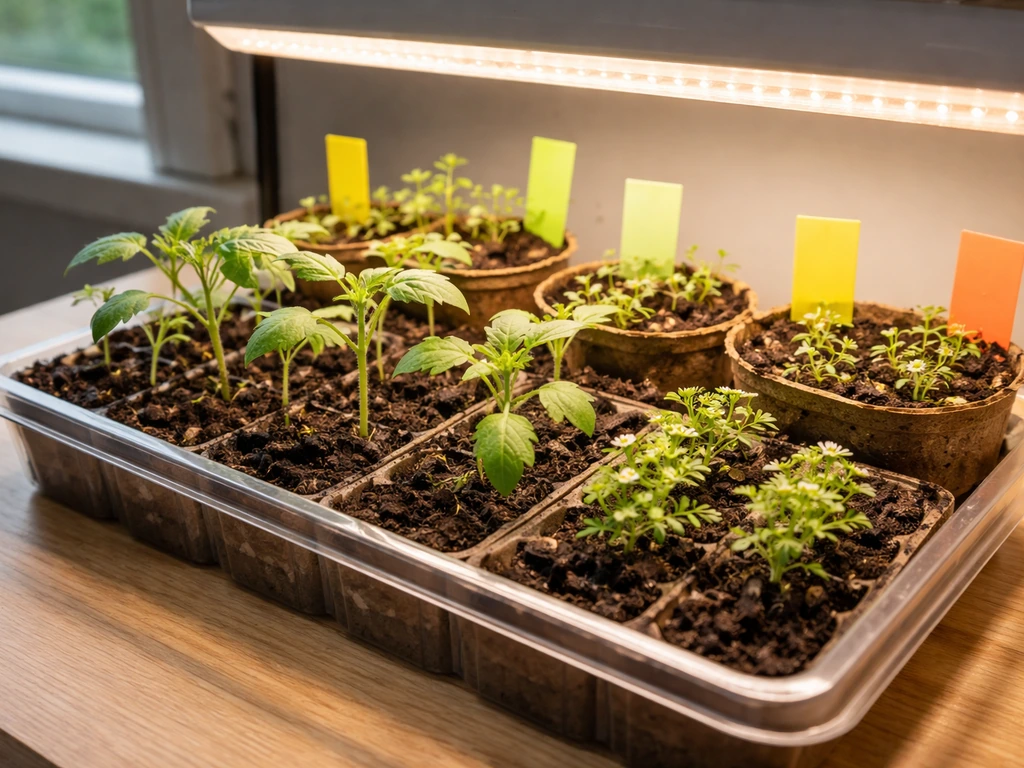
It's early April 2026. Here's what that means depending on where you are.
- Northern US and Canada (USDA zones 4-5, last frost late May): Start calendula, chamomile, and tulsi indoors now. A good regional planting calendar, like the MOFGA medicinal herb calendar used in Maine, recommends indoor starts for all three in a window from early to mid-April through mid-May. Transplant outside after your last frost date.
- Zones 6-7 (Mid-Atlantic, Pacific Northwest, parts of the Midwest): You may be able to direct sow cold-tolerant plants like calendula and chamomile now if nighttime temps are staying above 40°F. Otherwise, start indoors and transplant in 3-4 weeks.
- Zones 8-10 (Southeast, Southwest, Gulf Coast, California): You should be planting or already have transplants in the ground. Direct sow calendula and chamomile now. Mint and lemon balm can go in the ground or containers immediately.
- Indoor growers anywhere: Season doesn't matter much. Start peppermint, lemon balm, and aloe year-round. For flowering herbs like chamomile, use a grow light on a long-day schedule to trigger blooming.
If you're planning a broader herb garden alongside your medicinal plants, it helps to look at best herb plants to grow for a wider view of what pairs well and how to structure your space. And if mint is a priority for you (it should be, honestly), there's a focused guide on the best mint plants to grow that breaks down the differences between spearmint, peppermint, chocolate mint, and more.
Common mistakes and how to avoid them
The same problems come up over and over with medicinal herb gardens. Most of them are avoidable with a little forewarning.
- Letting mint take over: Mint is a runner. It will escape raised beds and containers if you're not clipping it back regularly. Keep it in a container and clip any growth that tries to root beyond the edge of the pot. This applies outdoors especially.
- Overwatering containers: The single most common killer of indoor and patio herbs. Most medicinal herbs tolerate drought better than soggy soil. When in doubt, wait another day.
- Harvesting too late: Calendula and chamomile drop quality fast once they go past peak bloom. Check plants every 2-3 days during flowering season.
- Drying too slowly: Lemon balm, mint, and other high-moisture herbs will mold before they dry if airflow is poor. Spread them thin, use a fan if needed, and keep humidity low.
- Growing the wrong thing for your zone: Lavender hates humidity and struggles in the Southeast without excellent drainage and airflow. Chamomile can bolt in extreme heat. Know your climate.
Beginner checklist: your first medicinal herb garden
- Pick one goal: home use, indoor growing, or for profit. Don't try to do all three at once.
- Choose two or three plants max for your first season. Peppermint, calendula, and chamomile are an excellent starter trio.
- Get your containers or bed space ready with well-draining soil before your starts arrive.
- Source starts locally at a nursery if possible (faster than seed for peppermint and lemon balm). Calendula and chamomile grow easily from seed.
- Set a phone reminder to check plants every 2-3 days during peak growing season.
- Set up a drying area with good airflow before your first harvest, not after.
Next-step checklist for growers ready to expand
- Add echinacea this season for a perennial that pays off in years two and three.
- Experiment with tulsi and lemon balm as complementary tea herbs alongside your core lineup.
- If selling, research your local farmers market rules for selling dried herbs and plants before scaling up.
- Consider a dedicated drying rack or food dehydrator if you're harvesting more than a few handfuls at a time.
- Look into the full range of plants covered in the top 10 medicinal plants to grow at home guide once you've got your core plants dialed in.
One last note: this guide sticks to safe, well-researched medicinal herbs. If you've come across mentions of plants with psychoactive properties in your research, it's worth knowing that the legal landscape varies significantly by state and country. There are resources covering both legal psychedelic plants to grow and a broader look at hallucinogenic plants you can grow if that's a direction you want to explore, but that's a very different category from the medicinal herb garden covered here. For most home growers and market gardeners, peppermint, calendula, chamomile, lemon balm, and aloe are where the real, practical value is.
FAQ
Can I grow these medicinal plants indoors and still harvest enough in the same season?
No, but you can get close. Peppermint and lemon balm are among the most dependable “start indoors, harvest sooner” options, because they regrow after cutting. If your goal is leaves for tea, focus on getting consistent light (south window or LED on a timer) and harvesting early at the first sign of buds, so plants don’t stall or get leggy.
How do I know when to water indoor medicinal herbs without overwatering?
A simple test is to press a wooden skewer into the pot to the first inch mark. If it comes out cool and dry at that depth, water; if it’s still cool and damp, wait. This matters most for container-grown herbs because even a day or two of standing moisture can trigger root rot, especially in dense potting mix without enough perlite.
What’s the best way to manage drainage in pots (and what are the warning signs I’m doing it wrong)?
For containers, choose pots with drainage holes, then use a saucer only as a temporary catch. Water thoroughly, wait 10 to 15 minutes, then empty the saucer completely. If you see algae, a sour smell, or persistent dampness around the pot rim, that’s a sign you are leaving too much moisture pooled under the roots.
If I’m selling, which of these should I prioritize first if I want the quickest cash flow?
Start by growing a single batch of each “marketable” category, flowers versus leaves versus roots. Calendula and chamomile are good first bets for flower customers, peppermint and lemon balm for tea and bundles, and echinacea only if you can wait through its establishment phase for roots (usually at least a couple years).
Why do some herbs mold while drying, and how can I prevent that at home?
Calendula and chamomile should be dried quickly after harvest, in small batches, with good airflow. Mint and lemon balm are more mold-prone, so avoid thick piles and drying in humid garages or closets. If you want a practical safeguard, set up a fan in the drying room and keep the space at consistently low humidity.
How should harvest timing work for aloe vera compared with mint and other leaf herbs?
Don’t harvest aloe like you would leaves from a mint patch. For aloe vera, take individual older outer leaves and let the plant recover, rather than stripping everything at once. Also, avoid washing the harvested leaves right before drying or processing, because excess surface moisture can encourage spoilage.
Can I plant these medicinal plants together in one bed, or do any of them need isolation?
You can, but only if you’re using separate growing zones or containers. Mint family plants (peppermint and lemon balm) spread or root aggressively, so mixing them in the same bed often leads to takeover. For in-ground gardens, use physical barriers or grow them in containers sunk into the soil.
What’s the best time of day and weather conditions to harvest for better quality?
For leaf quality, harvest before or at early flower stage, and aim for dry weather. Early morning harvest after dew has dried tends to reduce surface moisture and helps drying go faster. For flowers meant for tea or salves, pick when blossoms are near peak, then dry promptly to preserve color and scent.
How can I tell when my dried herbs are fully dry but not over-dried?
If your drying process is too slow, the herb keeps too much moisture, and potency and aroma drop. A practical cue is texture: the herb should feel crisp and break up easily when rubbed, without turning into fine dust immediately. If it turns to powder, it may have been overheated or over-dried.
What’s a realistic way to avoid “one-crop” risk when growing medicinal plants to sell?
Alone, each plant can be profitable, but the bigger risk is relying on one product form. Diversify across leaves (tea or dried bundles) and flowers (salves and blends), and only add echinacea roots if you have a buyer niche and patience for the multi-year timeline. That approach reduces revenue swings between seasons.
Which plant is most forgiving if my indoor light is weaker than ideal?
Lemon balm is your easiest entry when your space is dim, because it tolerates lower light better than most of the shortlist. It’s also productive under harvest-and-regrow management. If you only have a north-facing window or weak indoor light, still use a grow light, but lemon balm buys you more margin for error.
Next Article
Best Indoor Plants That Grow Tall: Top Picks & Care Guide
Best tall indoor plants by light, care and season, real heights, potting, pruning, pests, plus a quick picker's guide.