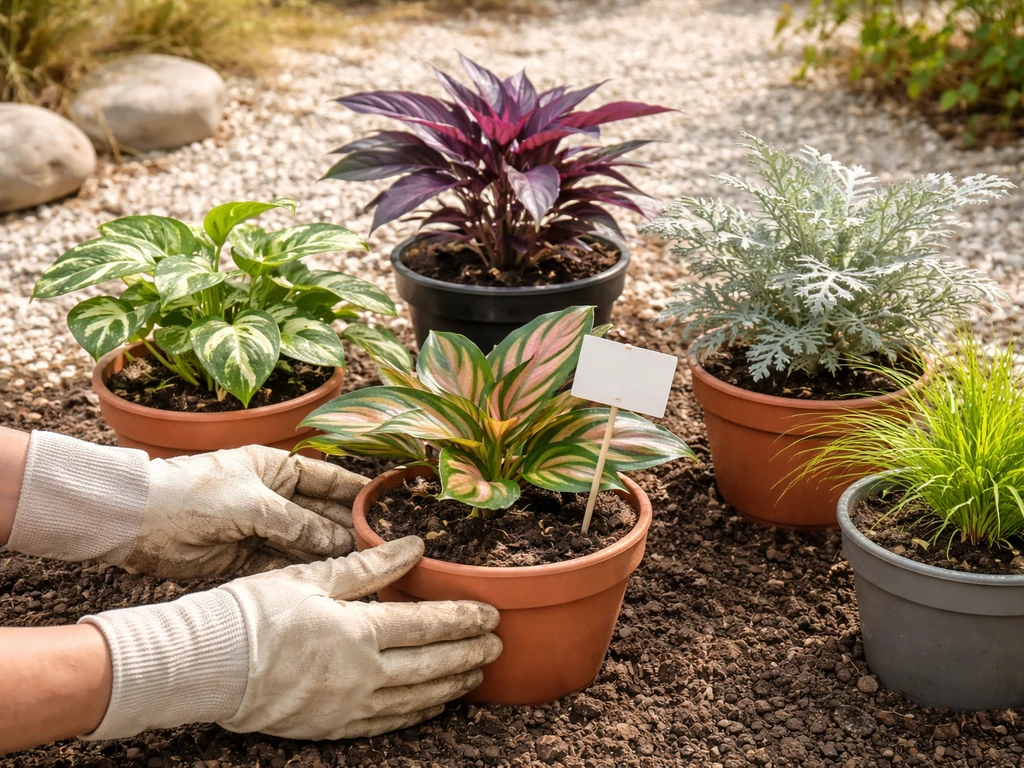
The best herb plants to grow right now are basil, mint, chives, parsley, thyme, oregano, and rosemary. Those seven cover almost every situation: containers or ground, beginner or experienced grower, culinary use or a little herbal medicine on the side. Which ones make the cut for your specific setup depends on your light, space, climate, and what you actually want to do with them. The rest of this guide helps you match the right herbs to your real conditions so you're not just planting optimistically and hoping for the best.
Best Herb Plants to Grow: What to Plant Now by Season
Rachel Hartley
11 Jul 2026
Quick start: pick herbs that match your space and goals
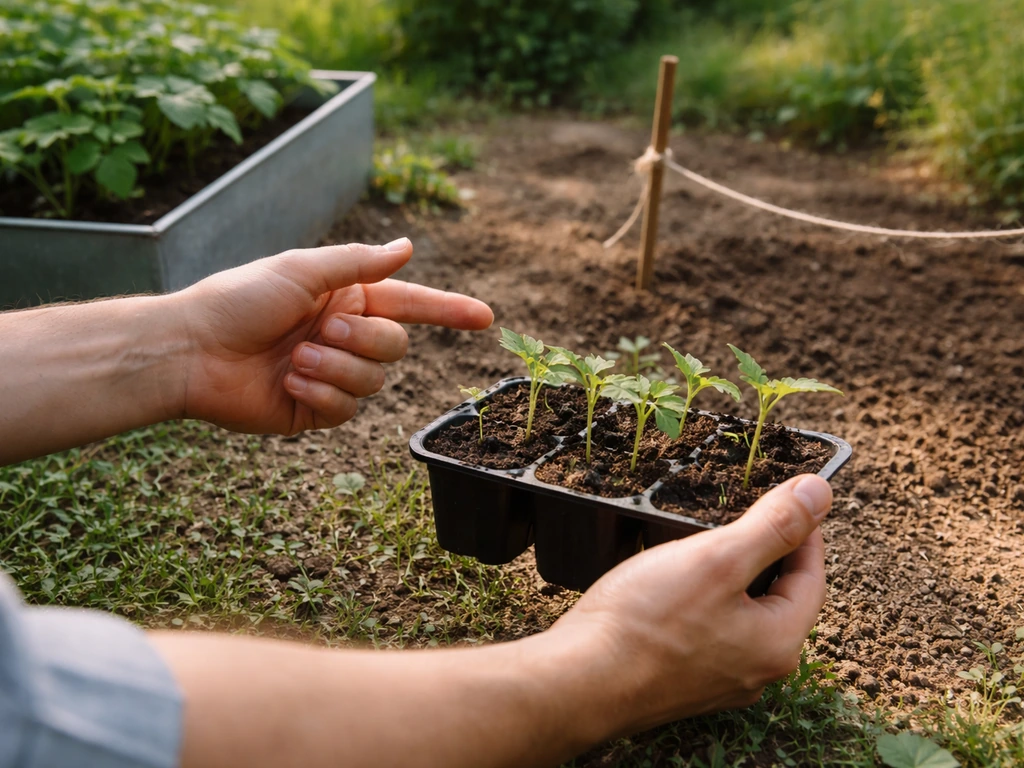
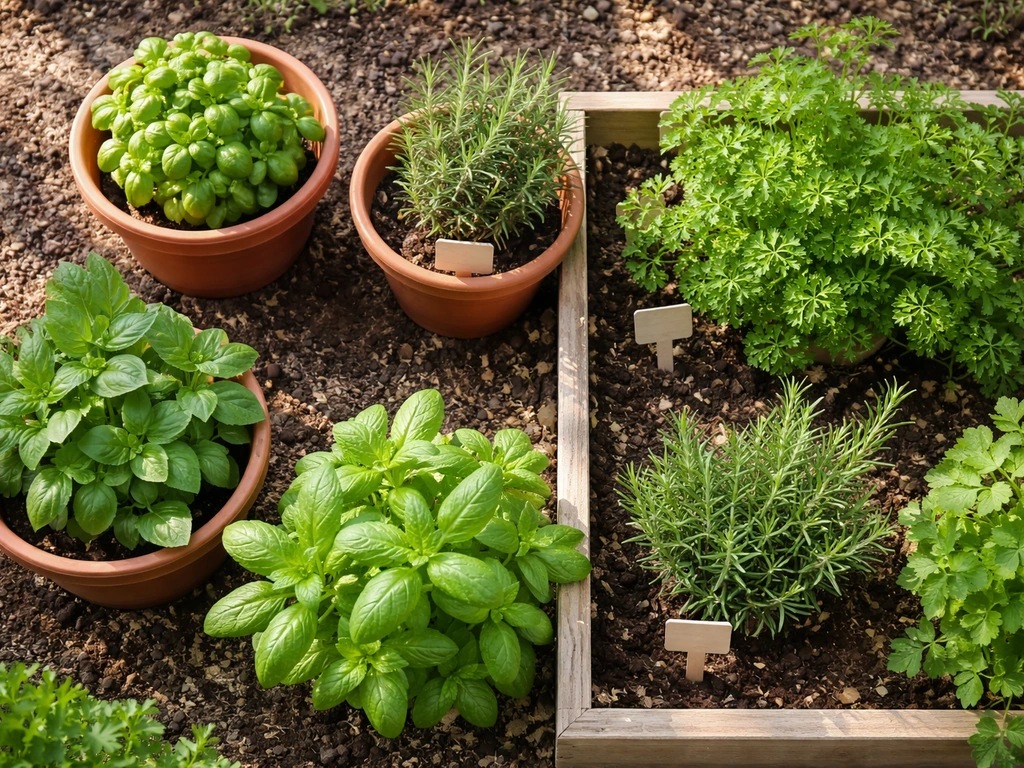
Before you buy a single plant, answer three questions: How much direct sun does your spot get? Are you growing in containers or in the ground? And what do you want from these herbs, mostly cooking, some herbal use, or just something that looks good and smells amazing? Your answers narrow the list fast.
For culinary herbs that pull double duty in the kitchen and look good doing it, go with basil, thyme, oregano, rosemary, and chives. If you're leaning toward herbal or medicinal use, mint, chamomile, echinacea, and lemon balm are worth adding to the mix. If you want to focus on the best medicinal plants to grow in India, look for hardy herbs suited to your light and climate herbal or medicinal use. If you want low-effort greenery on a windowsill or balcony, chives, mint (contained), and thyme are your most forgiving options. Below is a fast-reference shortlist to get you oriented before we go deeper.
| Herb | Best For | Space Needed | Sun | Skill Level |
|---|---|---|---|---|
| Basil | Cooking, pesto, summer dishes | Pot or bed | Full sun (6+ hrs) | Beginner |
| Chives | Cooking, low-maintenance greenery | Pot or bed | Full to partial sun | Very easy |
| Mint | Cooking, herbal tea, IBS support | Container only | Partial to full sun | Very easy |
| Thyme | Cooking, ground cover, drought spots | Pot or bed | Full sun | Very easy |
| Oregano | Italian cooking, Mediterranean dishes | Pot or bed | Full sun | Easy |
| Parsley | Cooking, garnish, companion planting | Pot or bed | Full to partial sun | Easy |
| Rosemary | Cooking, fragrance, drought-tolerant hedge | Pot or bed | Full sun | Easy |
| Chamomile | Herbal tea, calming, attractive flowers | Pot or bed | Full sun | Easy |
| Echinacea | Herbal/immune support, pollinator garden | Bed preferred | Full sun | Moderate |
| Cilantro | Cooking, timing-sensitive crop | Pot or bed | Full to partial sun | Moderate |
Best herb plants for containers and apartments
Good news if you're working with a windowsill, balcony, or fire escape: most herbs actually adapt well to container life as long as you get two things right, drainage and pot size. A container without a drainage hole is a death trap for most herbs. And size matters more than people think: too small and the soil dries out between waterings every few hours on a hot day; too large and the soil stays soggy and invites root rot. For most herbs, a 6 to 8 inch pot per plant, or a 12-inch pot for two or three herbs grouped together, is the sweet spot.
The best herbs for indoor and container growing are parsley, mint, chives, basil, oregano, cilantro, and thyme. Rosemary and sage work indoors too but need more light than most windowsills provide, so they do better outside on a sunny balcony or patio. Mint is particularly well-suited to containers because it is invasive in the ground but completely manageable in a pot. Just keep it in its own container rather than mixing it with other herbs, it will crowd everything else out.
For apartments with a south- or west-facing window, basil and chives are the most reliable performers. East-facing windows with a few hours of morning sun can support parsley and mint reasonably well. If your only light source is a north-facing window, consider a small grow light rather than fighting the battle with sun-hungry herbs.
- Always use a pot with drainage holes. No exceptions.
- Use a quality potting mix, not garden soil, which compacts in containers.
- Group herbs with similar water needs together in the same pot.
- Keep mint in its own container to prevent it from taking over.
- Terracotta pots dry out faster than plastic or glazed ceramic, which is great for rosemary and thyme but tougher for basil and parsley.
Best herbs by sun level and growing conditions
Sun availability is the single biggest factor in herb success. Most culinary herbs evolved in Mediterranean climates and want as much direct sun as they can get. But not every garden spot delivers that, and some herbs actually prefer a break from intense afternoon heat.
Full sun (6 or more hours of direct sun daily)
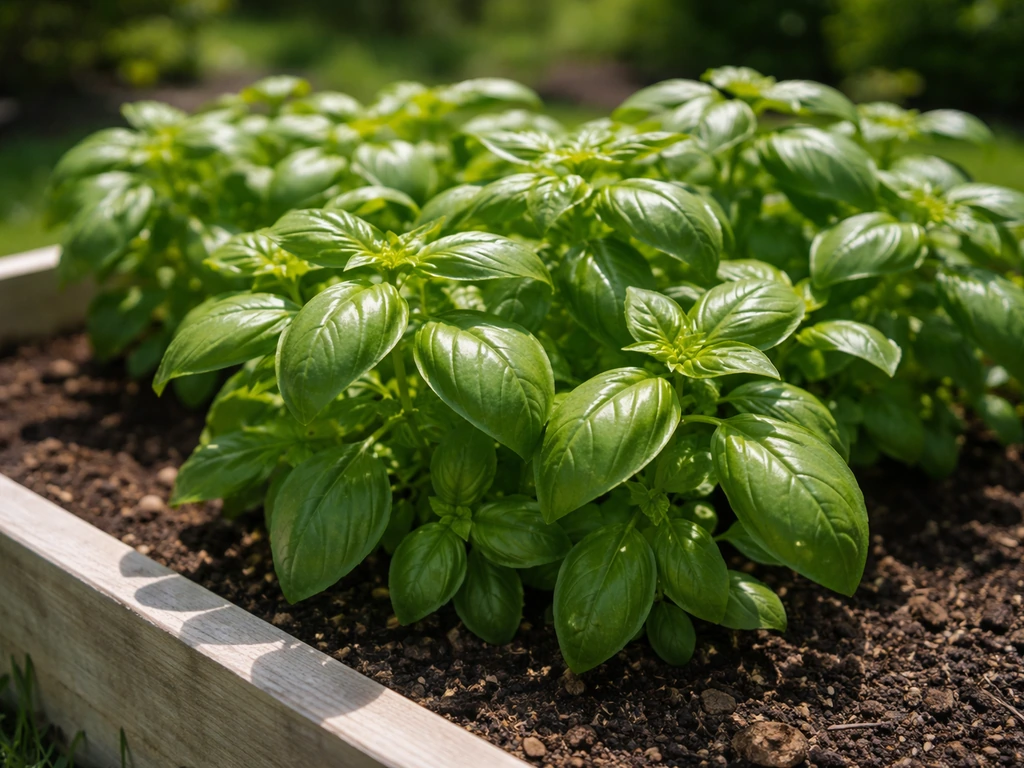
This is where the heavy hitters thrive. Basil needs full sun to produce the flavor compounds that make it worth growing; University of Maryland Extension specifically calls out 6 or more hours of direct summer sun as the baseline. Rosemary, thyme, oregano, and lavender all come from dry, sunny Mediterranean hillsides and will reward you with intense flavor and fragrance in full sun. Echinacea and chamomile also prefer full sun if you're growing for herbal use.
Partial sun or partial shade (3 to 6 hours)
Parsley, cilantro, mint, and chives all do fine with partial sun, and in hot climates like Texas or Arizona in July, they actually appreciate some afternoon shade to avoid bolting or burning. Cilantro in particular is notorious for bolting in long, hot days. If you're in the South or Southwest right now, partial shade in the afternoon can significantly extend your cilantro harvest window.
Dry vs. humid climates
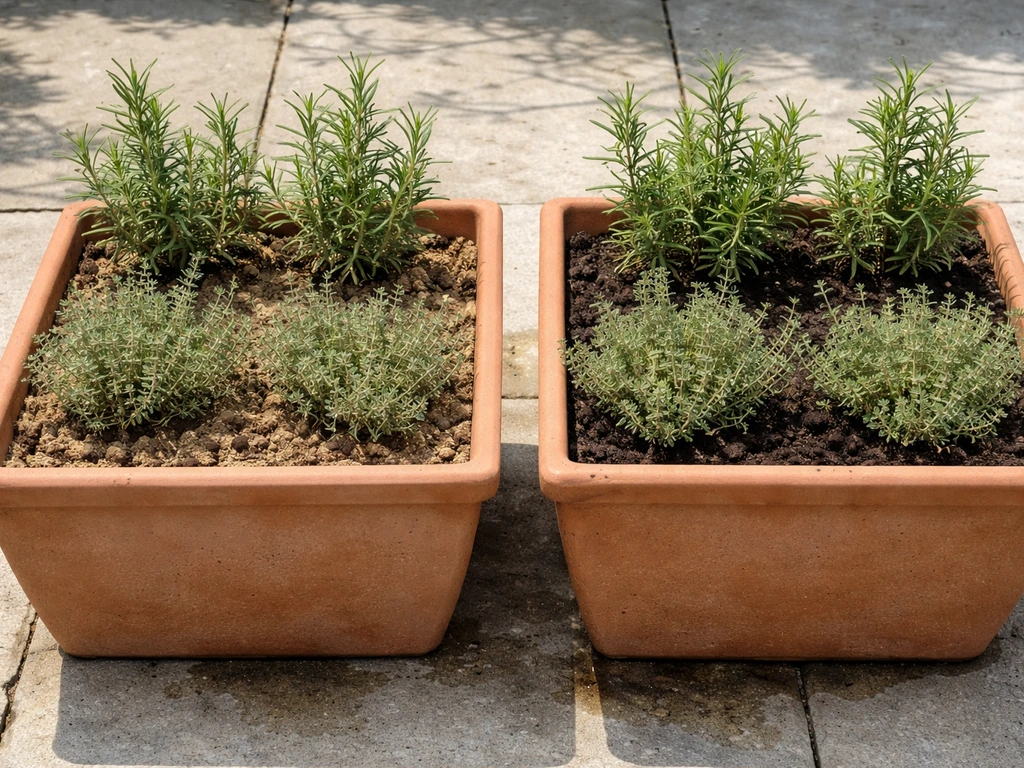
In dry climates, rosemary and thyme are almost unfairly easy. Rosemary is fairly drought tolerant once established, though new plants in their first year need watering during dry spells. In humid climates or the Southeast, these same herbs can develop fungal issues if airflow is poor; spacing them out and avoiding overhead watering helps. Basil, on the other hand, loves humidity and warmth, which is why it does so well in Southern summers, just watch for downy mildew in dense, poorly ventilated plantings.
What to plant now: season-by-season timing
It's mid-July 2026. Depending on where you live, your planting window right now looks very different. Here's how to think about timing by season and region.
Right now in mid-July: what to start today
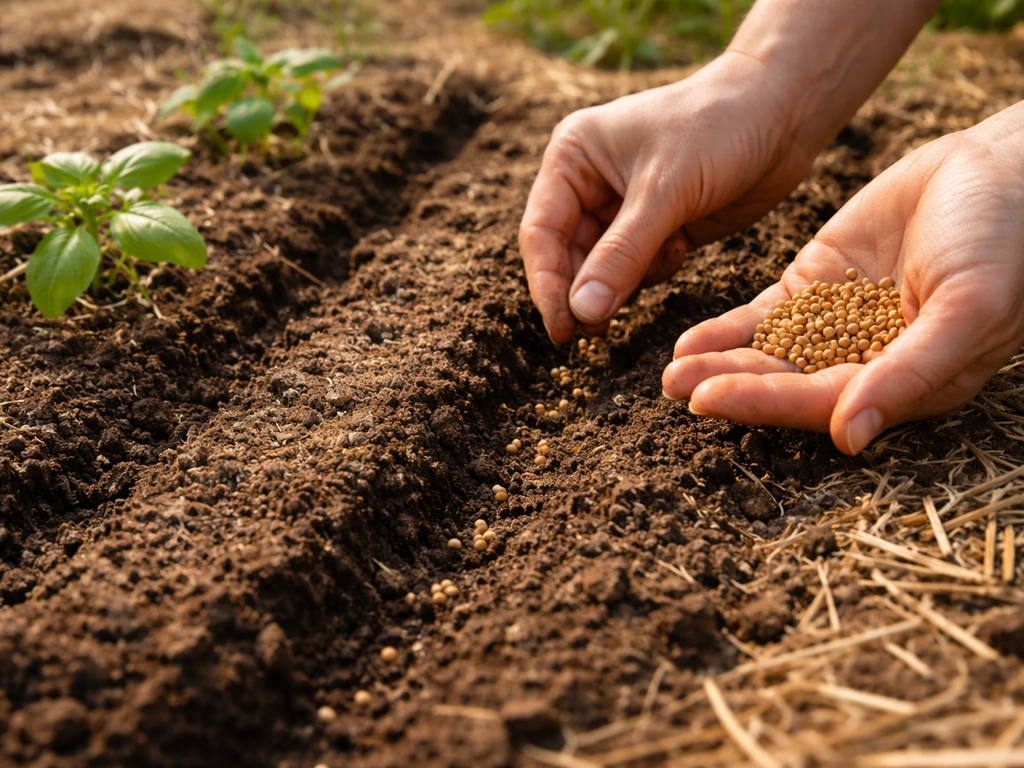
If you're in the Northern U.S. or Pacific Northwest, July is still a good time to start basil outdoors, it thrives in summer heat. You can also sow a succession of cilantro now, but keep in mind that cilantro planted in late June or early July tends to bolt quickly in the long hot days; if you're in a hot region, wait until late August or early September for a better fall harvest. Chives, parsley, and thyme can all be planted now as transplants for a harvest that extends well into fall.
If you're in the South (Texas, Florida, Georgia, the Carolinas), it's worth being honest: mid-July is rough for starting new herbs outdoors. Heat-sensitive herbs like cilantro and parsley will struggle. Focus on heat-lovers like basil, rosemary, and thyme now, and plan to start a fresh round of cilantro, parsley, and chives in late August or early September when temperatures begin to ease.
Fall planting (August through October)
Fall is genuinely one of the best times to start herbs in many regions. Cooler temperatures suit parsley, cilantro, chives, and mint perfectly. In mild-winter climates like California, the Pacific Northwest, and the Southeast, you can grow many of these herbs right through winter with minimal protection. Illinois Extension notes that most herb seedlings started indoors are ready to transplant in about 10 weeks, so if you want strong fall container herbs, start seeds in late July to early August.
Planning for succession harvests
For cilantro especially, stagger your plantings every 3 to 4 weeks from late spring through fall. This is the single most effective trick for avoiding the gap that happens when one planting bolts before the next is ready. Oregon State Extension recommends exactly this approach for a continuous leaf supply. The same logic applies to basil if you want to keep it productive all season without going to seed.
Beginner-friendly vs finicky herbs (and how to succeed with both)
Some herbs are genuinely hard to kill. Others need more attention, specific conditions, or careful timing. Knowing which is which saves you a lot of frustration.
Start here if you're new to growing herbs
Rosemary and chives are among the very easiest herbs for beginners according to NC Cooperative Extension. Some legal psychedelic plants to grow can also be cultivated carefully, but make sure you understand the local rules before you start grow herbs. Thyme is equally forgiving: it tolerates drought, neglect, and marginal soil better than almost anything else. Mint is effortless to grow but earns its reputation as invasive, so plant it in a dedicated pot and never let it touch open ground. Chives are probably the most bulletproof herb on this list: they regrow after cutting, tolerate partial shade, and survive mild neglect without complaint.
Herbs that need a little more attention
Basil looks easy but has a few failure modes. It hates cold (anything below 50°F can damage it), needs consistent moisture without waterlogging, and wants full sun to develop strong flavor. It also starts bolting in mid-summer if you don't pinch the flower spikes regularly. If you're curious about hallucinogenic plants you can grow, just make sure you understand local laws and choose reputable, safe sources. Pinch them as soon as you see them and you'll keep leaves coming for months. Cilantro is the other tricky one: it bolts in heat and long days, needs consistent watering (irregular watering speeds up bolting), and goes from seedling to flower faster than you expect in summer. Treat it as a cool-season crop or a very early or late-summer crop in most of the country.
Herbs worth growing for herbal and medicinal use
If medicinal or herbal uses are part of your goal, mint, chamomile, and echinacea are the most practical choices for a home garden. Peppermint has some evidence supporting its use for digestive issues including IBS symptoms. Chamomile is widely used for tea and relaxation, though clinical evidence for specific health claims is limited. Echinacea is popular for immune support during cold and flu season, with low to moderate evidence behind it. These are reasonable plants to grow for home herbal use, but treat them as wellness additions rather than medical treatments. For deeper exploration of medicinal plants, there's a whole world of options worth looking into separately. Once you have the right medicinal herbs growing well, you can focus on harvesting and using them safely at home medicinal plants.
Planting, soil, watering, and simple care routines
Seeds vs. transplants
For most herbs, buying transplants (small started plants) is the fastest and most reliable route, especially mid-season. But seeds are worth it for cilantro and parsley because those herbs don't love being transplanted and do better when direct sown. Parsley seeds are notoriously slow: germination takes anywhere from 2 to 5 weeks depending on seed freshness. Soak parsley seeds in warm water for up to 24 hours before planting and you'll cut that time down noticeably. Plant them about 1/4 inch deep in a moist seedling mix and keep them consistently damp.
Soil basics
Herbs grow best in well-drained soil. A good next step is to follow the same container and light logic when choosing the best aloe plant to grow for your home. For containers, always use a quality potting mix, not garden soil. For in-ground planting, if your soil stays wet for hours after rain, amend it with compost and coarse sand or plant in raised beds. Most Mediterranean herbs (rosemary, thyme, oregano, lavender) actively prefer lean, slightly gritty soil over rich, heavily amended beds. Basil and parsley, by contrast, appreciate a bit more fertility and consistent moisture.
Watering without killing your herbs
For containers, water only when the top inch of soil is dry. Don't water on a schedule; check the soil first. Illinois Extension is clear on this: water needs vary by herb, pot material, soil mix, and weather. After watering, if your pot sits in a drainage tray, empty it within 60 minutes. Virginia Tech Extension flags this directly: letting containers sit in standing water beyond an hour significantly increases root rot risk. For in-ground herbs, established plants like rosemary and thyme rarely need supplemental watering except in drought conditions. Basil and parsley want more consistent moisture but should never sit in soggy soil.
Fertilizing
Herbs don't need heavy feeding. A light application of balanced fertilizer (10-10-10 or a liquid fish emulsion) once a month during the growing season is plenty for container herbs. Over-fertilizing leafy herbs like basil can actually reduce flavor intensity. Mediterranean herbs like rosemary, thyme, and oregano prefer minimal fertilizer; too much nitrogen pushes soft, flavorless growth.
Propagating herbs you already have
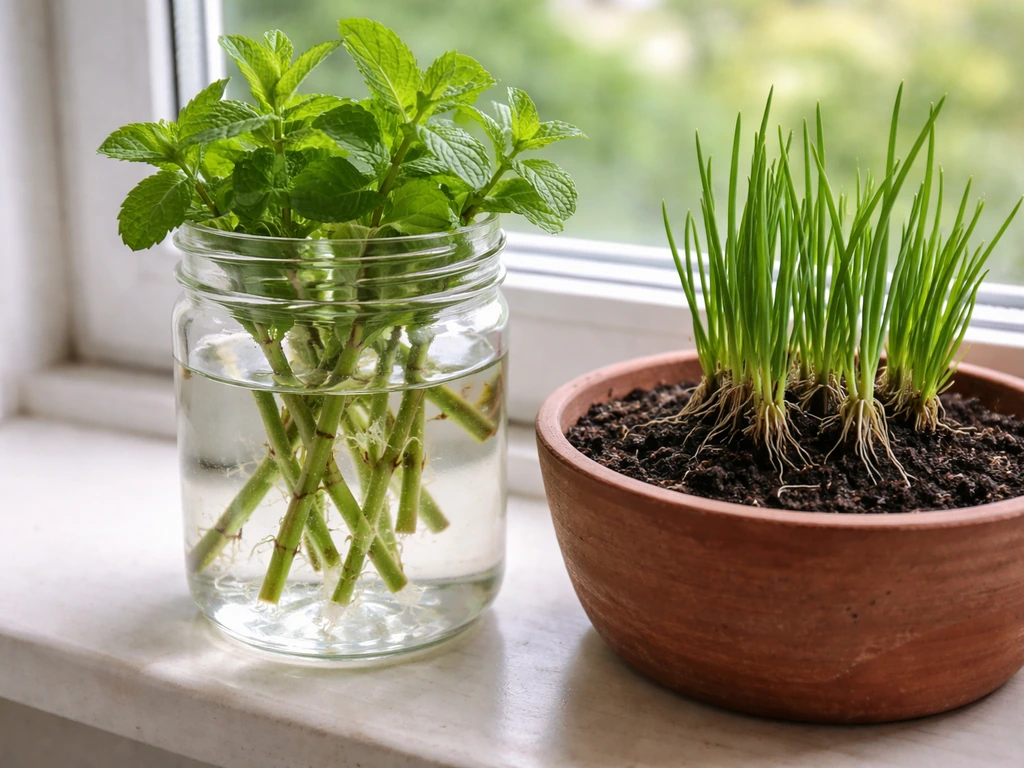
Mint can be propagated from stem or root cuttings, and its runners can be cut and potted up to make new plants. This is the easiest free plant you'll ever get. Chives can be divided every few years when the clump gets crowded. Rosemary and thyme propagate well from stem cuttings taken in late spring or summer.
If it doesn't grow: troubleshooting and replacements
Even experienced gardeners lose herbs. Here's how to diagnose what's going wrong and what to do about it.
Yellowing leaves, wilting, or leaf drop
These are the classic symptoms of overwatering or poor drainage. Texas A&M’s Texas Plant Disease Handbook notes that container root and stem rot problems are often promoted by poorly drained conditions and over-watering. Iowa State Extension points out that yellowing, browning, leaf drop, and wilting can all be caused by damaged roots from waterlogged soil, not underwatering as most people assume. Before you water more, check the soil: if it's still damp 2 inches down, hold off. If you suspect root rot, unpot the plant, inspect the roots (healthy roots are white or tan; rotted roots are brown, mushy, and smell bad), trim off any dead roots, and repot into fresh dry potting mix with clean drainage. Virginia Tech Extension recommends exactly this approach for rescuing overwatered container plants.
Bolting (going to flower and seed too fast)
Cilantro and basil are the most common culprits here. For basil, pinch flower spikes the moment they appear. For cilantro, bolting in summer heat is largely inevitable; your best strategy is to stagger plantings and plan for a fresh sowing every 3 to 4 weeks rather than trying to extend one planting indefinitely. Choosing slow-bolt cilantro varieties (labeled as such on seed packets) also helps.
Leggy, weak growth or pale color
This almost always means not enough light. Move the plant to a sunnier window or spot outdoors, or supplement with a grow light if you're indoors with limited windows. Weak growth can also result from pot-bound roots: if roots are circling the bottom of the pot or poking out the drainage holes, size up to the next pot.
Pests
Aphids are the most common herb pest, especially on basil and mint. A strong spray of water knocks most of them off. For persistent infestations, insecticidal soap or horticultural oil applied directly to affected areas is effective and safe for edible plants when used as directed.
When to replace instead of rescue
Sometimes the honest answer is to start fresh. Basil that has fully bolted and gone woody won't recover its flavor or lush leaf production. Cilantro that has gone to seed is done as a leaf crop (though you can let it fully mature and harvest coriander seeds). If a container herb has severe root rot and most of the roots are gone, replacement is faster and more reliable than trying to save it. Chives, thyme, and rosemary are the most resilient and worth rescuing; basil and cilantro are cheap to replace and fast to regrow.
FAQ
What’s the best herb plants to grow if I only have 4 to 5 hours of sun per day?
Prioritize partial-sun herbs, chives, mint (in its own pot), and parsley. You may still grow basil and thyme, but keep expectations lower, and consider a small grow light indoors to prevent thin, low-flavor growth.
Should I grow multiple herbs in one container, or plant each herb separately?
Keep mint separate in a dedicated pot. For everything else, you can group herbs with similar water needs, for example thyme with oregano, or basil with parsley. Avoid combining basil with drought-tolerant Mediterranean herbs because their watering needs conflict.
How do I prevent herbs from getting leggy indoors?
Legginess usually means insufficient light. Move the pot closer to the window, rotate it every few days, and if you see stretching, switch to a grow light. Herbs also often benefit from a slightly cooler night location to slow overly soft growth.
Is it better to water herbs from the top or the bottom?
For most herbs, watering from the top is fine as long as drainage is fast. If you have fungal issues or crowded plants, use gentler watering at the soil line and avoid frequent overhead watering, especially for basil in humid weather.
How often should I fertilize my herbs in containers?
Use a light feeding schedule, typically once per month during active growth, and skip fertilizer if plants look lush and dark green. If leaves become overly soft or flavor drops, back off, Mediterranean herbs usually need less than leafy culinary herbs.
What should I do if my basil is flowering even though I’m harvesting regularly?
Pinch or snip flower spikes as soon as you see them, that’s what keeps basil producing leaves. Also check that it gets enough direct sun and is not staying too cold, stress can trigger bolting even with regular picking.
Why did my cilantro stop producing and bolt so fast?
Cilantro is a cool-season crop, heat and inconsistent watering accelerate flowering. Plant in smaller batches every 3 to 4 weeks, and in hot climates aim for morning sun with afternoon shade if you want a longer harvest window.
Can I grow rosemary indoors year-round?
Sometimes, but it usually needs much more light than most windows provide. If your rosemary shows slow growth or drops needles, a grow light and better airflow help. If you cannot provide strong light, plan to move it outdoors to a sunny patio during warm months.
What potting mix should I use for the best herb plants to grow in containers?
Use a quality potting mix made for containers, not garden soil. For Mediterranean herbs like rosemary and thyme, a slightly grittier mix or adding coarse perlite improves drainage and reduces root-rot risk.
How can I tell early on whether my herb problem is overwatering versus underwatering?
If the soil feels wet several inches down, it’s likely overwatering or poor drainage, and yellowing, leaf drop, and wilting can still happen. If the soil is drying out quickly and the plant feels light and dry, underwatering is more likely. Check the root zone before changing your watering plan.
Are herb seeds worth it for everything, or only certain plants?
Seeds are best when the herb doesn’t like transplanting, notably cilantro and parsley. For many other herbs, transplants are faster and more reliable mid-season. If you do sow seeds for parsley, plan for slow germination and keep moisture consistent.
What’s the easiest way to propagate mint, and how do I keep it from taking over?
Use stem or root cuttings to start new plants, or pot up runners. Always keep mint in a container with a drainage hole, and never let it mix with other herbs in the same bed or planter.
Which herbs are most forgiving if I forget to water occasionally?
Chives and thyme are among the most resilient, and rosemary is fairly drought tolerant once established. Basil and cilantro are less forgiving because they prefer more consistent moisture and can decline quickly when conditions swing.
What are the most common herb pests, and what’s the safest first treatment?
Aphids are the most common, especially on basil and mint. Start by blasting them off with water, then monitor daily. If they return, use insecticidal soap or horticultural oil according to label directions.
Next Article
Hallucinogenic Plants You Can Grow: Legal, Safety, and How-To by Region
Legality and safety first, then garden-growing hallucinogenic plants by region with care, soil, propagation, and timelin