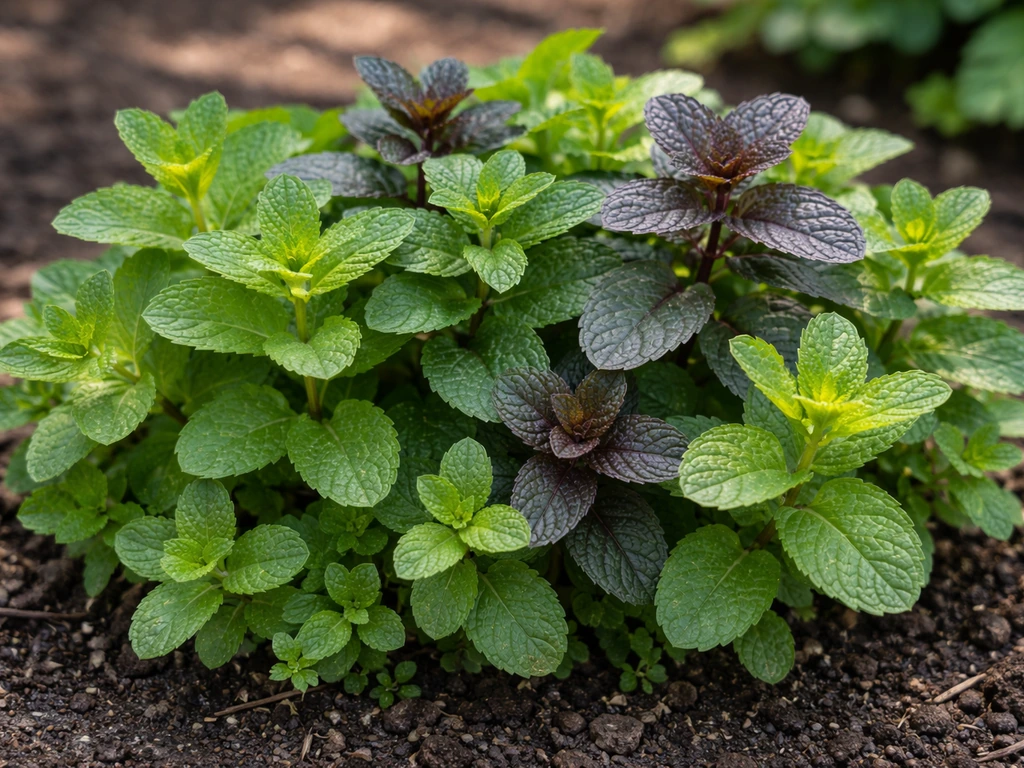
The best Ayurvedic plants to grow at home right now are tulsi (holy basil), ginger, turmeric, ashwagandha, and mint. These five give you the most reliable results across a wide range of home setups, whether you have a sunny windowsill, a balcony, or a backyard garden bed. Tulsi and mint thrive indoors in pots with six or more hours of light. Ginger and turmeric do well in large containers if you can keep them warm. Ashwagandha handles drier conditions better than most. The right choice for you comes down to your space, your sunlight, and honestly, how much attention you can realistically give a plant.
Best Ayurvedic Plants to Grow at Home: Easy Guide
Rachel Hartley
27 May 2026
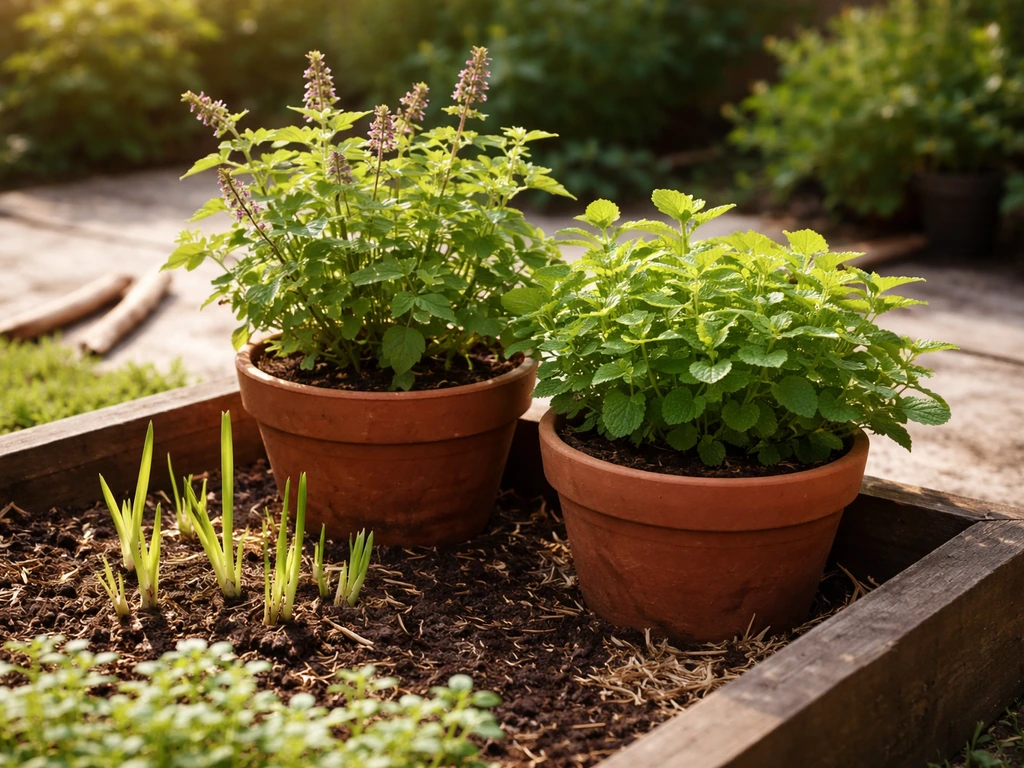
How to pick the right plants for your climate, space, and goals
Before you order seeds or buy starts, think through three things: light, temperature, and why you want to grow them. These are the actual decision drivers, not the plant list you saw on a wellness blog.
Light is the biggest filter. If you have a south- or west-facing window that gets six to eight hours of direct sun, you can grow almost anything on this list indoors. East-facing windows are borderline. North-facing windows work only for the most shade-tolerant options, and ginger is the one Ayurvedic herb that genuinely tolerates lower light, since it comes from humid, partly shaded tropical forests. If you're outdoors, full sun unlocks everything.
Temperature matters more than most guides admit. Ginger won't grow when soil temperature is below 68°F. Turmeric needs daytime temps reliably above 70°F and soil at least 55°F before you plant. Tulsi is happiest between 77°F and 95°F (25°C to 35°C). If you're in a cool climate, late May is usually the right time to start warm-season Ayurvedic plants outdoors, or you can start them indoors and move them out when nights stay warm. In warm climates like the Southeast, Gulf Coast, or Southern California, you can plant turmeric and ginger now and let them run through fall.
Your goal shapes the plant choice too. Want something to harvest weekly for teas and cooking? Start with tulsi, mint, or basil. Want to dig up roots for home remedies in 8 to 10 months? Plant ginger or turmeric now. Want a drought-tolerant shrubby plant with adaptogenic roots? Ashwagandha is your pick. If medicinal plants for Indian climate specifically is your focus, the core five listed here are the same ones recommended for Indian home gardens, with tulsi being considered nearly essential. For aloe, choose the best option for your light and container setup so it stays healthy and grows steadily best aloe plant to grow. If you are specifically looking for the best medicinal plants to grow in India, the core Ayurvedic herbs below are a great place to start.
Top Ayurvedic herbs for indoors in pots
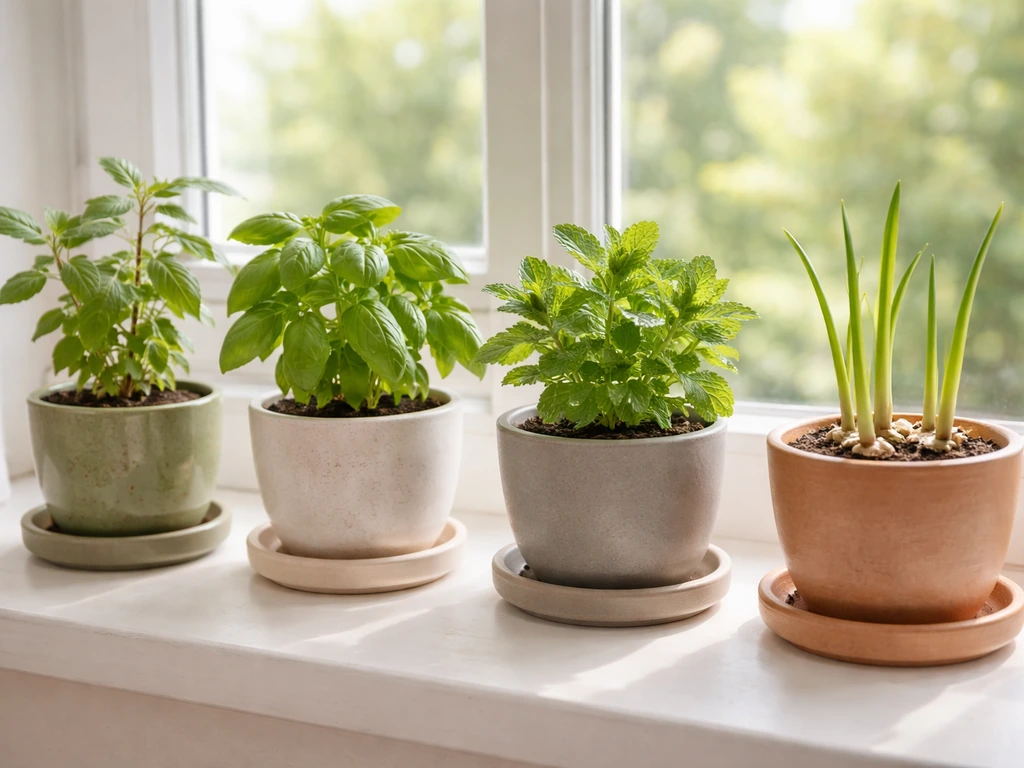
These are genuinely beginner-friendly and don't require a yard. They just need a warm spot with decent light and a container that drains.
Tulsi (Ocimum tenuiflorum)
Tulsi is the place to start. It grows in almost any soil type as long as conditions aren't waterlogged, highly saline, or strongly alkaline. Give it a 6-inch or larger pot, a well-draining mix, and a sunny window, and it will reward you with aromatic leaves within weeks. Keep it at room temperatures between 77°F and 95°F if possible. Pinch flowers off as they form to keep leaf production going, just as you would with culinary basil. Fresh leaves go straight into tea, and the plant has a long track record in traditional use for immunity and stress.
Holy basil vs. sweet basil (a quick note)
Tulsi is specifically Ocimum tenuiflorum, not the Italian sweet basil you'd use for pesto. Sweet basil (Ocimum basilicum) is a sibling herb and also excellent to grow at home, with a near-identical care routine: 6 to 8 hours of bright light, well-drained soil high in organic matter, and regular harvesting of young leaves before the plant bolts. Both make excellent indoor pot candidates. If you want the Ayurvedic plant specifically, look for 'Vana,' 'Kapoor,' or 'Krishna' tulsi varieties rather than standard basil.
Mint (Mentha species)
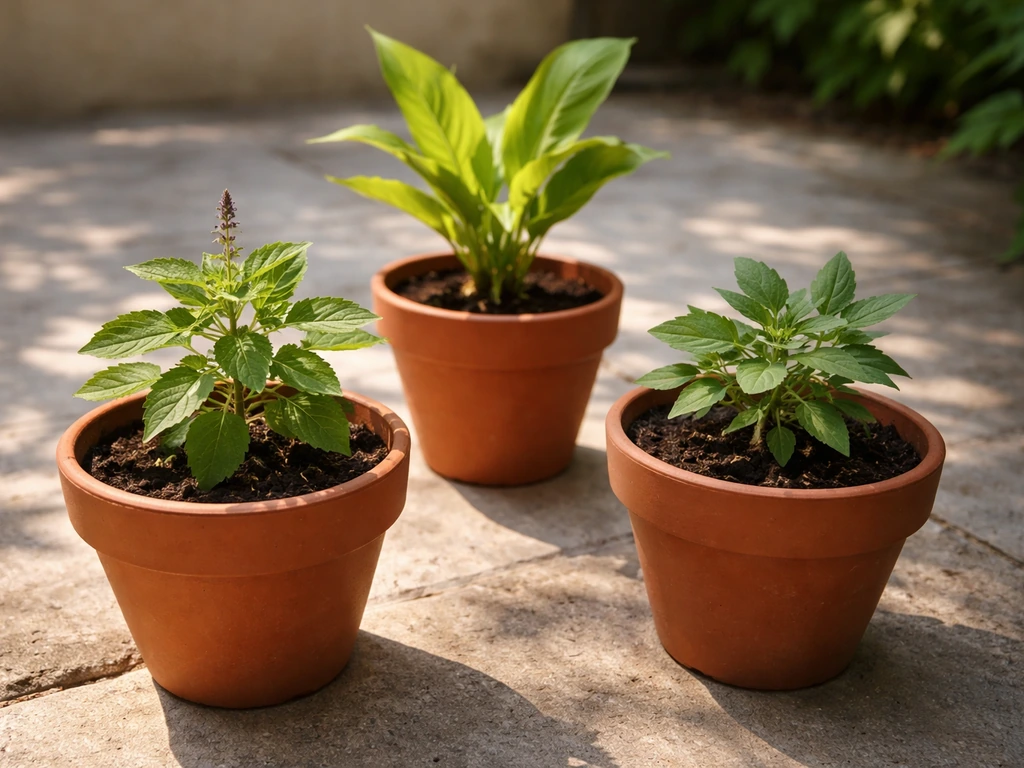
Always grow mint in its own container. It spreads aggressively if given open soil, and containment is the best long-term move. A standard 8- to 10-inch pot works well. Mint tolerates lower light better than tulsi and stays productive with consistent moisture. Spearmint and peppermint are the easiest; pudina (field mint) is the variety most commonly used in Ayurvedic cooking and remedies. Fertilize every one to three months during active growth and harvest by snipping stems just above a leaf node.
Ginger (Zingiber officinale)
Ginger is one of the few Ayurvedic plants that actually prefers filtered or indirect light, making it a strong indoor option in bright rooms or near east-facing windows. Use a 3- to 5-gallon pot with good drainage. Start from a fresh rhizome purchased from a grocery store or nursery, place it just below the surface with the buds facing up, and keep the soil temperature above 68°F. It will not sprout in cold soil, so if your floors are cool, set the pot on a heat mat. Keep it evenly moist but never sitting in water.
Ashwagandha (Withania somnifera)
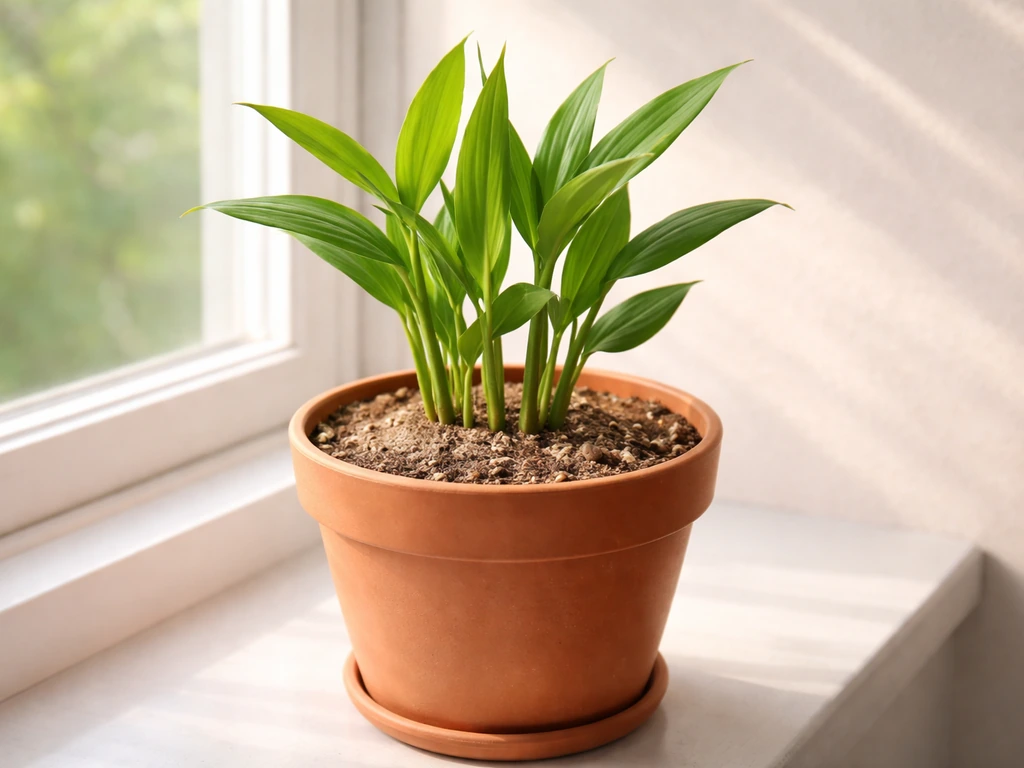
Ashwagandha is the outlier on this list because it prefers drier conditions and does not want to be pampered. It thrives in sandy or loamy soil with excellent drainage and full sun. Indoors, it needs the sunniest spot you have and goes into a pot that dries out quickly between waterings. It's a slow grower, and you're primarily growing it for the roots, which take the better part of a year to develop. Many home growers start it for interest and educational value as much as for harvest, which is completely valid.
Best Ayurvedic plants for outdoors by season and climate
It's late May 2026, which puts you at the ideal starting window in most of North America and Europe for the warm-season Ayurvedic plants. In the Southern Hemisphere, it's late autumn, so plant accordingly or hold warm-season crops until spring.
| Plant | Best Climate | Outdoor Season (N. Hemisphere) | Container or Ground |
|---|---|---|---|
| Tulsi | Warm/tropical, zones 8–12 in ground; annual elsewhere | May through September | Both; container preferred in cool climates |
| Mint | Wide range, zones 3–11 | Spring through fall | Container strongly recommended |
| Ginger | Humid subtropical/tropical, zones 8–12 | April/May start, harvest October–November | 3–5 gallon container or shaded garden bed |
| Turmeric | Warm subtropical/tropical, zones 8–12 | April/May start, harvest 8–10 months later | 12-inch+ pot per rhizome or garden bed |
| Ashwagandha | Dry, semi-arid, zones 7–12 | Late spring through summer | Container or sandy in-ground bed |
| Brahmi (Bacopa monnieri) | Moist/tropical, zones 8–11 | Spring through summer | Shallow container with moisture retention |
If you're in the Southeast US, Texas, Southern California, Florida, or Hawaii, you can grow turmeric and ginger outdoors now with minimal effort. In the Pacific Northwest, New England, or the UK, your best outdoor bet through summer is tulsi treated as an annual, mint, and ashwagandha in a sheltered sunny spot. Turmeric is feasible in containers you can move inside before the first frost.
For balcony growers specifically, the key is wind protection and enough container depth. Turmeric and ginger need 12 inches of depth minimum. Tulsi, mint, and ashwagandha are more flexible and grow well in standard balcony planters. Cluster your pots together to reduce moisture loss and buffer temperature swings, especially in upper-story balconies where wind exposure is higher.
Watering, soil, and light: the basics that actually matter
Soil mix
For most of these plants in containers, use an all-purpose potting mix that contains perlite or vermiculite for drainage. A practical ratio that works well is 2 parts potting soil, 2 parts peat moss or coco coir, and 1 part perlite. If you want to add compost, keep it to 15 to 40 percent of the total mix to avoid pH problems since many composts push pH above 7.0. Ginger and turmeric want richer, moisture-retaining mixes; ashwagandha wants the sandier end. Large pore spaces matter more than most people think: compacted, dense mixes suffocate roots and invite disease.
Watering
The single most common way to kill potted Ayurvedic herbs is overwatering. Pots with good drainage dry out faster than garden beds, so use that as your guide: let the top inch of soil dry before watering tulsi, mint, and basil. Ginger and turmeric like more consistent moisture but still shouldn't sit in soggy soil. Ashwagandha is drought-tolerant, so water it only when the top 2 inches are completely dry. When you do water, water thoroughly until it runs out the drainage hole. This saturates the root zone properly. Water in the morning so plants can absorb moisture before midday heat, and avoid letting pots sit in standing water in saucers.
Light
Tulsi, turmeric, and ashwagandha all want 6 or more hours of direct sun. Turmeric specifically is listed as a full-sun plant by extension research, despite its association with tropical canopy environments. Ginger is the exception: partial shade suits it well, especially in the afternoon. Indoors, a south- or west-facing window is your best asset. If you're relying on grow lights, aim for 14 to 16 hours of LED light at moderate intensity for leafy herbs, and 12 to 14 hours for root crops like ginger and turmeric.
Fertilizing
For herbs in active growth, fertilize every one to three months with a balanced all-purpose fertilizer or a diluted fish emulsion. More is not better here. Overfeeding leafy herbs like tulsi and mint pushes lush, soft growth that is more attractive to pests. For turmeric and ginger, a slow-release granular fertilizer worked into the potting mix at planting is the low-effort approach, topped up halfway through the season.
How long until you can harvest (and what you actually get)
Harvest timelines are probably the most practically useful thing to know before you choose what to grow. Here's what's realistic.
| Plant | Time to First Usable Harvest | What You Harvest | Common Home Use |
|---|---|---|---|
| Tulsi | 4–6 weeks from transplant | Fresh leaves year-round | Tea, tonic, topical |
| Mint | 4–6 weeks from cutting or transplant | Fresh stems and leaves | Tea, digestive remedy, culinary |
| Basil (sweet) | 3–4 weeks from transplant | Young leaves anytime | Culinary, herbal infusions |
| Ginger | 8–10 months for mature rhizomes; 3–4 months for baby ginger | Rhizome (root) | Tea, cooking, digestive tonic |
| Turmeric | 8–10 months for mature rhizomes | Rhizome (root); sometimes leaves | Golden milk, cooking, topical paste |
| Ashwagandha | 12+ months for roots | Dried root powder | Adaptogenic teas/tinctures (see safety note) |
| Brahmi | 6–8 weeks | Fresh leaves | Tea, topical oil, memory tonic |
Tulsi and mint are the instant-gratification picks. Buy a healthy transplant, put it in a sunny spot, and you can start harvesting within a month. Ginger and turmeric are the long game: plant in late spring (now, in most of North America), keep them warm and moist through summer and fall, then harvest when leaves yellow and die back, which lands around October to November in most temperate climates. The Almanac reports turmeric roots are ready to harvest about 8, 10 months after planting. You can dig a portion of the ginger rhizome earlier (around month 3 or 4) for young, tender ginger while leaving the rest to mature.
Common problems and how to fix them fast
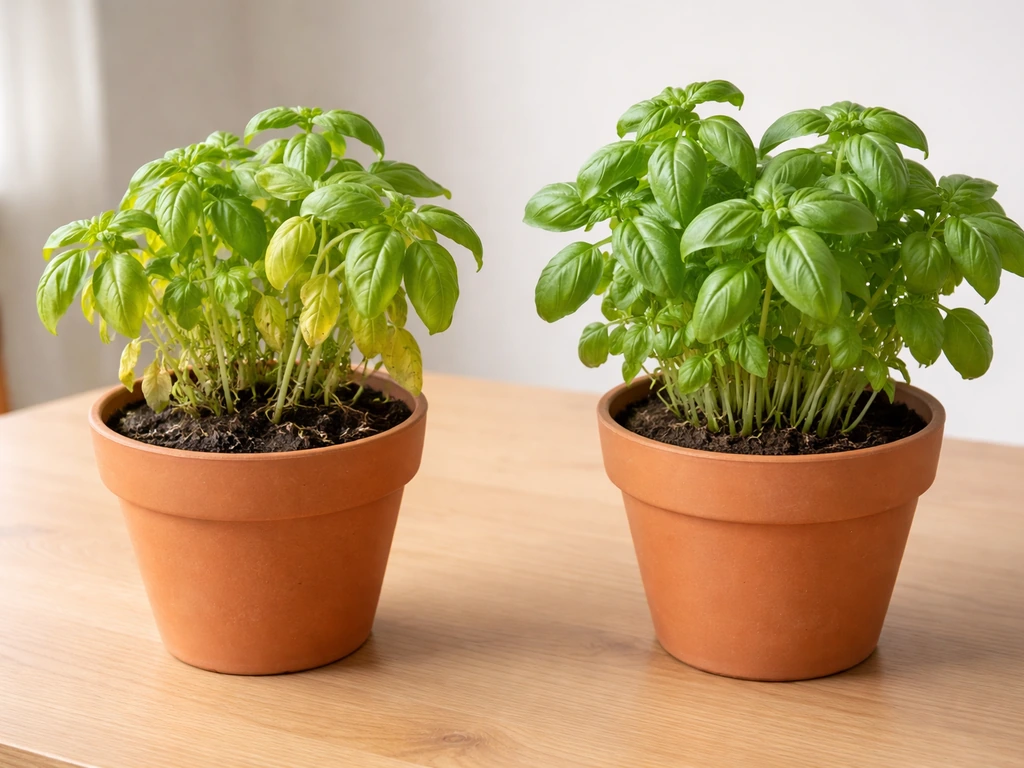
Overwatering
Yellowing leaves, mushy stems at the base, and a sour smell from the soil are the classic signs. Fix: stop watering immediately, tip the pot on its side for an hour to drain, and check whether the drainage holes are blocked. If root rot has set in, unpot the plant, trim off brown mushy roots with clean scissors, let the root ball air-dry for 30 minutes, and repot in fresh dry mix. Going forward, stick your finger an inch into the soil before each watering session.
Leggy, stretched growth
Long, weak stems reaching toward the light mean the plant isn't getting enough sun. Move it to a brighter spot or supplement with a grow light. For tulsi and basil, also pinch back the growing tips regularly, which forces the plant to branch rather than stretch. Leggy growth on tulsi specifically is almost always a light problem, not a nutrient problem.
Aphids and mealybugs
These are the two most common pest problems for indoor Ayurvedic herbs. Aphids cluster on new growth; mealybugs look like tiny cotton balls in leaf axils. First response for either: knock them off with a strong stream of water. Then apply insecticidal soap or neem oil spray, making sure to coat the undersides of leaves where they hide. For visible mealybugs, dab them directly with a cotton swab soaked in rubbing alcohol, which dissolves their waxy coating on contact. Repeat every 5 to 7 days until gone. Good air circulation around plants and avoiding overfeeding (which creates soft, attractive growth) goes a long way toward prevention.
Powdery mildew and downy mildew
Powdery mildew shows as white dusty patches on leaves and loves warm, still conditions with a dense canopy. Thin the plant by removing crowded leaves, improve air circulation, and treat early with a diluted neem oil spray or baking soda solution. Basil downy mildew is different: it's caused by a water-mold pathogen specific to basil, causes yellowing and grey fuzz on leaf undersides, and can devastate a plant quickly. If you see it, remove affected leaves immediately and move the plant to a drier, airier spot. Overhead watering encourages both conditions, so water at the base.
Slow or no growth
For ginger and turmeric specifically, slow or absent sprouting almost always means the soil is too cold. Both need soil temperatures above 68°F (ginger) or 55°F with 70°F+ air temperatures (turmeric) to break dormancy. A seedling heat mat under the pot usually solves this immediately. For other herbs, slow growth is usually a combination of low light and infrequent fertilizing.
Beginner setups, containers, and safety notes you need to read
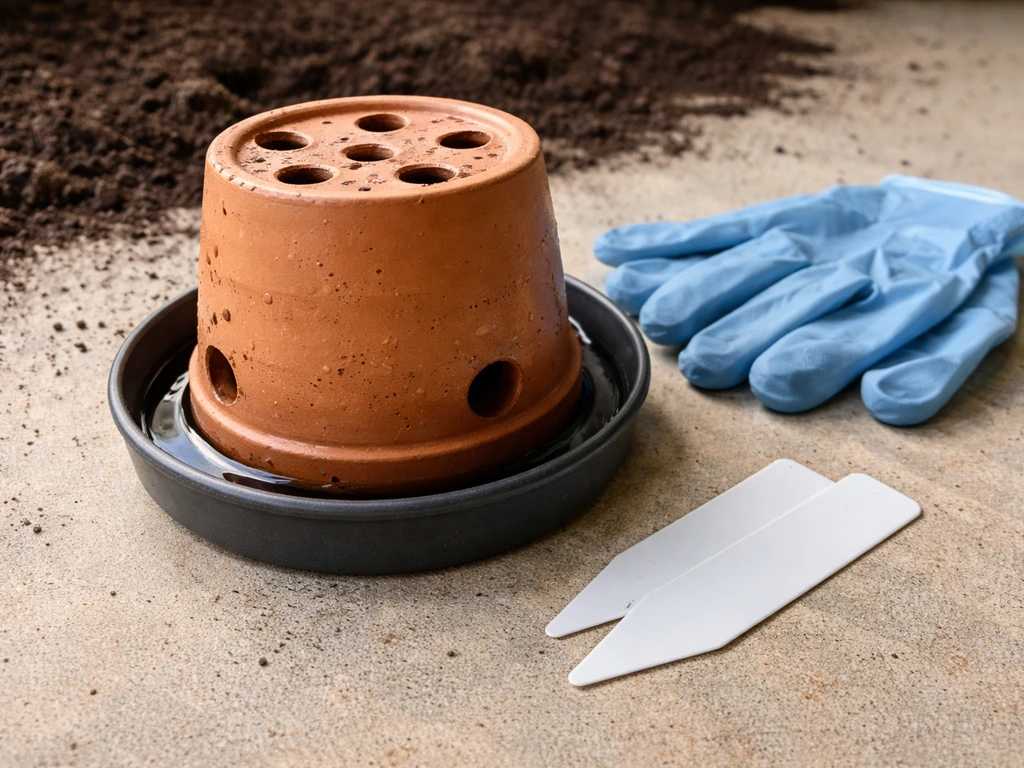
Container basics
Drainage holes are non-negotiable. Water thoroughly until it runs out the bottom: this is how you know the root zone is actually saturated rather than just the top inch being wet. For tulsi and mint, 6- to 8-inch pots work for starter plants; graduate to 10-inch pots as they mature. Ginger needs 3 to 5 gallons per planting, with a 14-inch pot fitting about three average rhizomes. Turmeric needs at least 12 inches wide and 12 inches deep per rhizome. Ashwagandha grows a deep taproot, so choose a tall container, at least 12 to 14 inches deep, even for a small plant.
Easy propagation methods
- Tulsi and basil: start from seed (takes 1 to 2 weeks to germinate in warm soil) or buy a nursery transplant for fastest results
- Mint: the easiest of all to propagate; snip a 4-inch stem, remove lower leaves, place in a glass of water, and roots appear in 7 to 10 days, then pot it up
- Ginger: plant a fresh rhizome from the grocery store or nursery, buds facing up, about 1 inch deep
- Turmeric: same as ginger; use a fresh or dried rhizome with visible buds, plant 2 inches deep
- Ashwagandha: grow from seed; sow in warm, well-draining soil and expect germination in 7 to 14 days
Safety: what you need to know before using anything medicinally
Growing Ayurvedic plants at home is genuinely rewarding, and using them for simple culinary purposes like tulsi tea, ginger in cooking, or turmeric in golden milk is low-risk for most healthy adults. Some people also grow hallucinogenic plants you can grow, but they need extra caution and more research before anyone considers using them medicinally. If you're curious about other legal psychedelic plants to grow, research local rules and avoid any look-alike species before planting. But a few important boundaries: ashwagandha is not recommended for people who are pregnant, about to have surgery, or who have autoimmune or thyroid disorders. Even with well-documented plants, ingesting concentrated forms (tinctures, powders, high-dose supplements) can interact with medications or cause side effects. Always confirm you have the right plant and the right plant part before ingesting anything. If you have pets, check pet toxicity before planting. If you're using any of these plants for a specific health condition, check with a qualified healthcare provider first. The goal here is growing healthy plants you can enjoy and use thoughtfully, not replacing medical care.
If you're just starting out, the most practical first setup is this: one pot of tulsi, one pot of mint in its own container, and a 5-gallon pot of ginger started now in a warm spot. That combination gives you weekly harvestable leaves within a month, a long-term root crop to look forward to in fall, and enough variety to figure out which plants you actually enjoy tending. From there, adding turmeric the following spring, or trying ashwagandha in a sunny outdoor bed, is a natural next step.
FAQ
Can I grow all these Ayurvedic plants in one big container or window box?
Some can, but it is usually a mistake. Ginger, turmeric, and ashwagandha have different watering and soil needs, and mixing them often leads to overwatering for the drought-tolerant types or drying out for the moisture-lovers. A practical approach is one pot per plant (or at most plants with similar light and moisture, like tulsi with sweet basil).
What pot size should I use for each beginner plant so it does not stall?
Use the minimum container sizes that match their root growth: tulsi and mint start well in 6- to 8-inch pots (mint wants containment), ginger typically needs a 3- to 5-gallon pot, turmeric needs at least 12 inches wide and 12 inches deep per rhizome, and ashwagandha prefers a taller container (about 12 to 14 inches deep) because of its taproot.
How do I keep ginger and turmeric from rotting if I am watering carefully?
Do two checks before watering: confirm the drainage hole is open and the pot is not sitting in water. Then test soil moisture by feel, let the correct depth dry (ginger and turmeric want more consistent moisture than tulsi, but never soggy). If you see mushy stems, sour soil odor, or dark brown root tissue, stop watering immediately and repot into fresh mix after trimming affected roots.
Is it okay to use supermarket ginger and turmeric, and what part do I plant?
Yes for ginger and turmeric, use fresh rhizomes purchased from a grocery store or nursery. Plant ginger rhizomes just below the surface with buds facing up. For turmeric, plant rhizomes in a warm period when the soil is not cold, and give enough space depth and width for the rhizome to expand.
Why is my tulsi flowering early, and should I remove the flowers?
Early flowering usually happens when the plant is under light stress, root-bound, or it has reached a growth phase quickly. You can pinch off flowers as they form to keep leaf production higher, but if flowering seems extreme and the plant is otherwise healthy, also review light duration and pot size because leggy or stressed growth often goes hand in hand with poor leaf yield.
What if my window only gets 4 to 5 hours of light, can I still grow anything?
With 4 to 5 hours, your options narrow. Ginger is the most tolerant of lower light among the main group, especially indoors in bright, indirect conditions. For tulsi and mint, you will likely get weak, leggy plants, so you will usually need grow lights to reach a dependable daily light duration.
How do I prevent mint from taking over without sacrificing harvest?
Keep mint in its own pot with a tight containment strategy. Even if the plant is on a balcony or patio, do not let runners touch soil in nearby planters. Snip stems regularly for frequent harvests, and refresh the potting mix periodically because mint can deplete nutrients faster in containers.
Do I need fertilizer, and how do I avoid overfeeding?
You do not need heavy feeding. For leafy herbs like tulsi and mint, fertilize modestly every 1 to 3 months during active growth, overfeeding can create soft growth that attracts pests. For ginger and turmeric, a slow-release approach at planting plus a mid-season top-up is typically easier than frequent liquid fertilizing.
What is the fastest way to troubleshoot yellowing leaves besides “water more” or “water less”?
Check the basics in this order: drainage first (are holes blocked, is it sitting in a saucer), then light (especially for tulsi and basil), then watering depth (use the finger test so you match the plant’s moisture needs). If yellowing is paired with mushy stems and odor, treat it as possible root rot and switch to an inspection and repotting response.
When harvesting ginger, can I take some rhizome early without ruining the whole plant?
Yes. You can harvest part of the ginger rhizome around month 3 to 4 for young ginger while leaving the remainder to mature. Take care not to damage too much of the root system, then cover and keep consistent warmth and moisture so the plant continues developing.
Are these plants safe if I have pets?
Not automatically. The article suggests verifying toxicity before planting, because many common house and garden plants can be harmful to cats or dogs. If you have pets, check the specific plant and variety, and keep pots on surfaces or in areas your pets cannot access.
If I start indoors, when should I move plants outside?
Move warm-season plants when nights stay consistently warm and the soil is not cold. Late May is often a good outdoor starting point in much of North America and Europe, but your decision should be based on soil temperature and night lows for ginger and turmeric. In cooler regions, use sheltered sunny spots or bring pots back indoors before frost.
Can I use grow lights, and what duration works for leaves versus roots?
If you rely on grow lights, set different schedules for different plant goals. For leafy herbs, a common target is 14 to 16 hours a day at moderate intensity. For root crops like ginger and turmeric, 12 to 14 hours is usually more appropriate.
Next Article
Best Mint Plants to Grow: Types, Setup, and Care Guide
Choose the best mint plants by climate and space, with setup, containment tips, and care for strong flavor.