If you want one answer: grow Aloe vera. It is the most forgiving, most useful, and easiest to find aloe for almost any home gardener. But if you have a small space, live somewhere with frost, or want something a little more interesting on a sunny patio, there are better picks than the standard Aloe vera. This guide walks through the top choices by situation, exactly how to keep them alive, and how to get started today. If you're still deciding, these are some of the best herb plants to grow for easy, low-maintenance flavor at home.
Best Aloe Plant to Grow: Top Types for Home and Outdoors
Rachel Hartley
30 Jun 2026
Choosing the "best" aloe for your setup
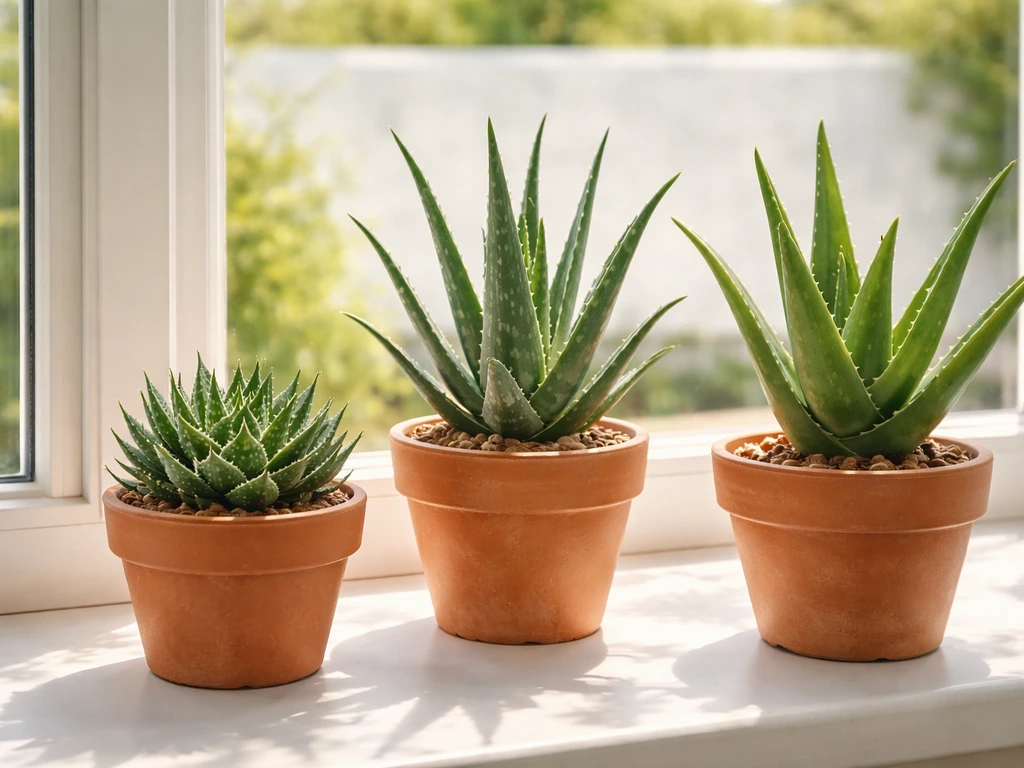
The reason "best aloe plant to grow" doesn't have one universal answer is that aloes range from compact 6-inch rosettes to sprawling outdoor specimens taller than your knees. The right pick depends on three things: where you live (specifically whether you can leave a plant outside year-round), how much light you realistically have indoors, and what you want from the plant. If you're growing for the gel, Aloe vera is the obvious choice. If you are specifically looking for the best medicinal plants to grow in India beyond aloe, you will want to focus on species that suit your climate and growing conditions. If you want a compact, patio-friendly plant that handles a light frost better than most, Aloe 'Blue Elf' is the one to grab. If you're growing indoors with limited light, you'll want a species that stays small and tolerates lower light without completely falling apart.
One important context: aloes are succulents, and the number one killer of aloes in home settings is overwatering combined with poor drainage, not neglect. If you're looking for hallucinogenic plants you can grow, be sure to research local laws and safety requirements before choosing any species. So whatever species you pick, the care fundamentals matter more than the variety itself. Keep that in mind as you read through the recommendations below.
Top aloe picks for different growers
Best for beginners: Aloe vera
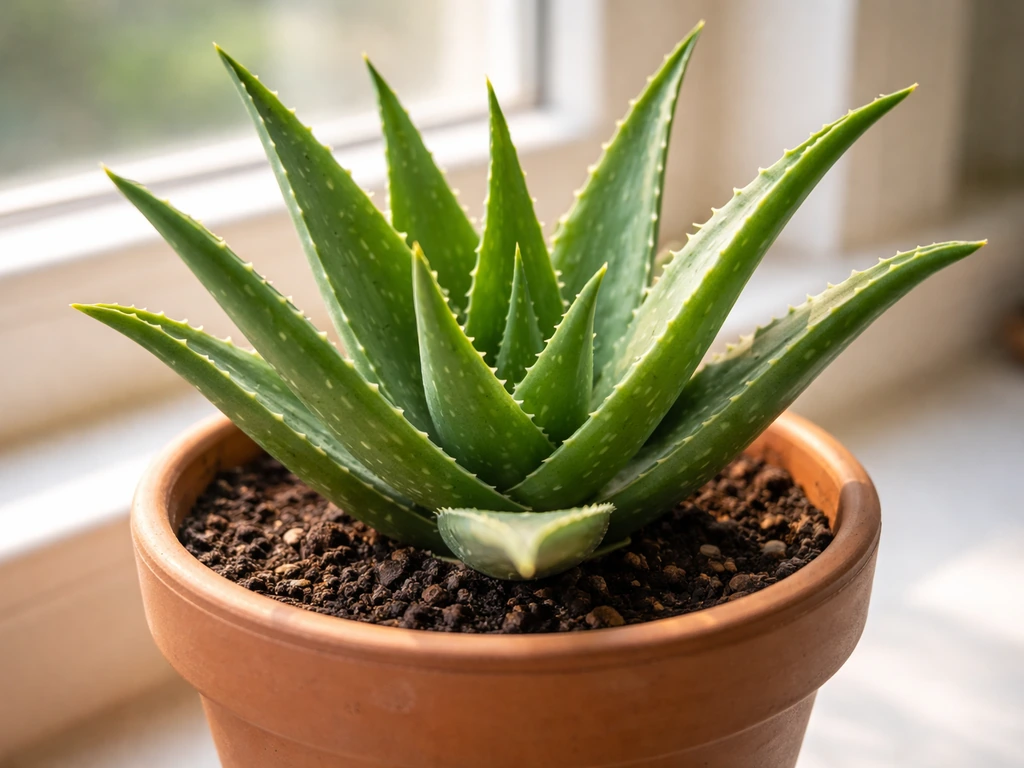
Aloe vera (Aloe barbadensis miller) is the default for a reason. It is widely available, well-documented, produces harvestable gel, and is genuinely hard to kill as long as you don't overwater it. It thrives in a sunny window (south or west-facing is ideal), tolerates some neglect, and will produce offshoots (pups) you can propagate easily. If you want to expand beyond aloe, look for the best mint plants to grow for your light and space offshoots (pups) you can propagate easily. Mature plants can reach 24 inches tall and 3 feet wide when grown outdoors, so if you're keeping it in a pot indoors, expect something more like 12 to 18 inches in a medium container. blank" rel="noopener noreferrer">It is frost-tender, hardy only in USDA zones 9 to 11, so in most of the US it lives as a houseplant or gets brought in before the first frost.
Best compact pick: Aloe 'Blue Elf'
Aloe 'Blue Elf' is a hybrid that stays low and wide rather than tall, reaching about 18 inches tall and up to 2 feet wide in a clumping form. It is excellent for containers, rock gardens, and small patios where you don't want a plant that outgrows its space. It is slightly more cold-tolerant than standard Aloe vera and handles hot, dry climates well. It produces upright orange flower spikes, especially in spring, and is a great pick if you're in the Southwest or Southern California. The one gotcha: like all aloes, it really needs full sun and excellent drainage. Users who move it to a shaded spot or let the soil stay wet quickly run into droopy, rotting leaves.
Best for indoors with limited light: Aloe 'Sunset' or Aloe aristata
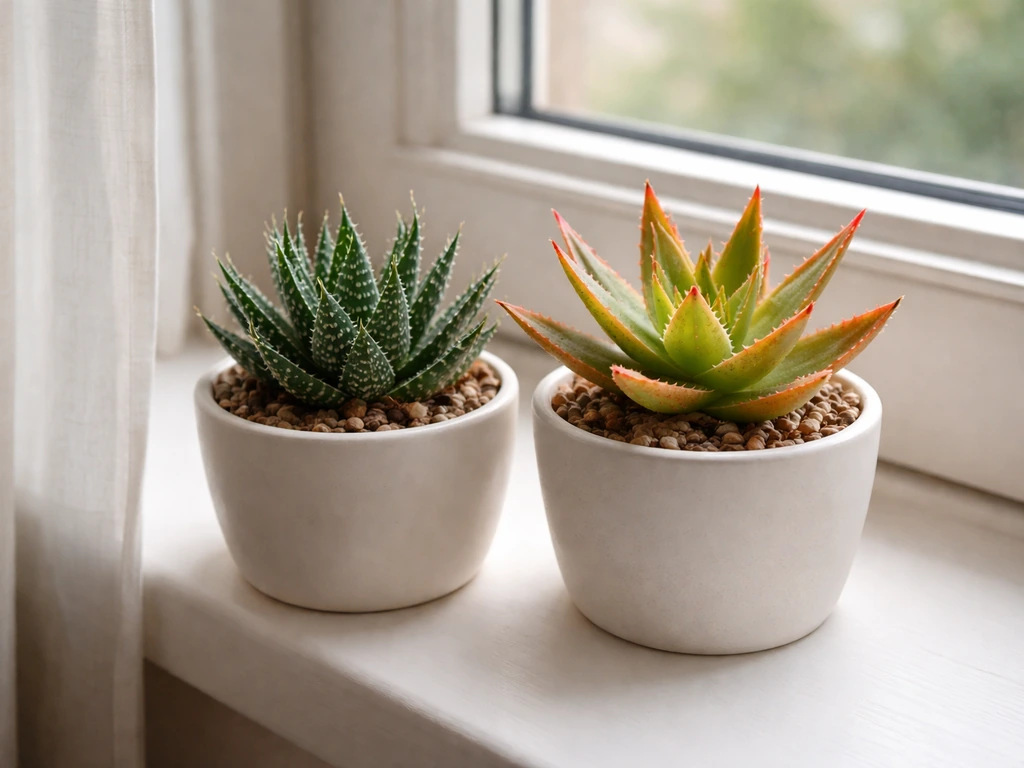
Aloe aristata (lace aloe) is one of the better options if your brightest window is a north or east-facing one. It stays very compact (usually 6 to 8 inches tall), is more tolerant of lower light than Aloe vera, and is cold-hardier (zones 7 to 10 in some references). It won't give you much harvestable gel, but it is nearly impossible to kill under normal indoor conditions. Aloe 'Sunset' is another compact cultivar with striking orange-red leaf color in full sun, though it fades to green in low light. If your primary goal is a low-maintenance indoor succulent that won't outgrow a windowsill, aristata is the call.
Best for outdoor year-round growing: Aloe 'Blue Elf' or Aloe vera (zones 9-11)
If you're in zones 9 to 11 (Southern California, Arizona, Texas Gulf Coast, Florida), both Aloe vera and 'Blue Elf' can go in the ground and largely take care of themselves once established. Aloe vera is the better choice if you want gel; 'Blue Elf' is better if you want something ornamental that won't get enormous. In zones 7 to 8, Aloe aristata or cold-hardy selections can survive outdoors with protection, but container growing gives you more control.
| Aloe | Best for | Mature size | USDA zones (outdoor) | Gel use? |
|---|---|---|---|---|
| Aloe vera | Beginners, gel harvest, indoor/outdoor | 12-18" indoors; up to 24" outdoors | 9-11 | Yes |
| Aloe 'Blue Elf' | Compact patio, containers, Southwest | 18" tall x 24" wide | 9-11 (some cold tolerance) | Minimal |
| Aloe aristata | Low-light indoors, small spaces | 6-8" tall | 7-10 | No |
| Aloe 'Sunset' | Colorful compact indoor/outdoor | 6-10" tall | 9-11 | No |
Light, watering, and soil
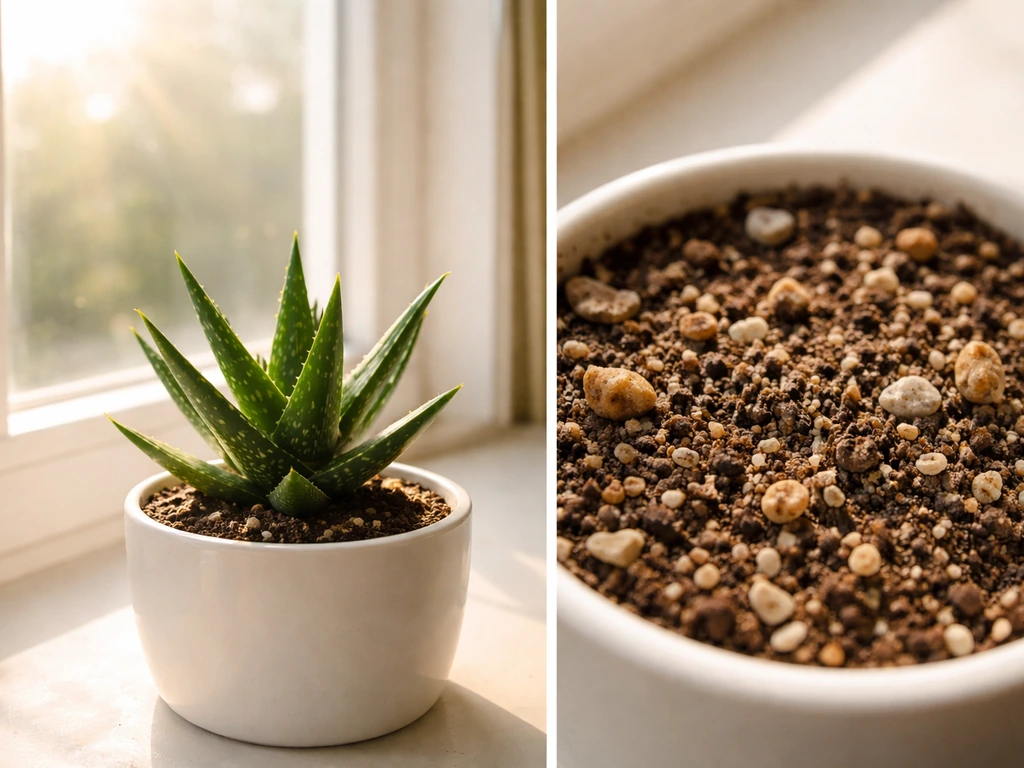
Light
Aloes need at least 6 hours of direct light per day to perform well. If you want to broaden beyond succulents, choosing some of the best ayurvedic plants to grow at home can add both practical benefits and low-fuss greenery to your space. A south or west-facing window is your best bet indoors. In low light, aloes stretch toward the light source (etiolation), leaves become pale and floppy, and flowering becomes essentially impossible. In its guidance on aloe light needs, Biology Insights notes that insufficient light can lead to light-starvation (blank" rel="noopener noreferrer">etiolation) symptoms and says grow lights can supplement when natural light is inadequate. If your only option is a north-facing window or a dim room, add a grow light positioned close to the plant (6 to 12 inches above) for several hours a day. Outdoors, full sun is ideal. In very hot climates like Phoenix in July, some afternoon shade can prevent sunscald on plants that were grown indoors, but established outdoor aloes generally handle full desert sun fine.
Watering
Water deeply, then wait. The most reliable watering rule for aloes: let the top half of the soil dry out completely before watering again. In a warm, bright indoor spot, that typically means watering every 2 to 3 weeks in summer and once a month or less in winter. Outdoors in summer heat, every 1 to 2 weeks if there's no rain. The way to check: stick your finger 2 inches into the soil. If it feels at all damp, wait. Overwatering shows up as soft, translucent, or yellowing leaves and is far more common than underwatering. Underwatering shows as wrinkling or curling leaves that feel thin and papery. If you see yellowing and soft leaves, stop watering entirely, let the soil dry completely, and check the roots for rot before resuming.
Soil
Never use standard potting mix alone. Aloes need fast-draining, gritty soil. Before growing anything psychedelic, make sure you understand the local rules, since legal status and cultivation permissions vary widely by location fast-draining, gritty soil. A reliable indoor mix is about 50 to 60% cactus/succulent potting mix combined with 20 to 30% perlite or pumice, plus some coarse grit if you have it. The goal is soil that drains within seconds of watering and doesn't stay moist for more than a day or two. Moisture-retentive soil in a glazed ceramic pot is probably the fastest path to a dead aloe. If you're in a bind and only have regular potting mix, add as much perlite as you can, ideally at least a 1:1 ratio.
Pot size, drainage, and repotting
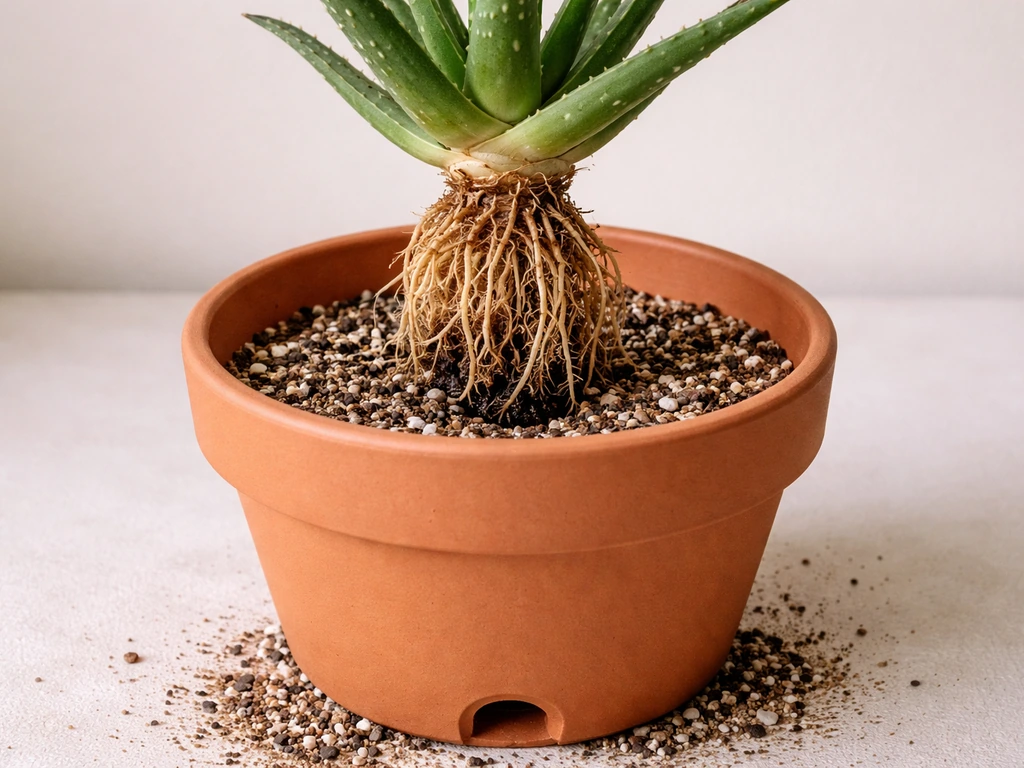
Drainage holes are non-negotiable. If your pot doesn't have a drainage hole, drill one or find a different pot. Terracotta is genuinely the best material for aloes because it is porous and helps soil dry out faster between waterings. Glazed ceramic and plastic pots hold moisture longer, which increases root rot risk. Size the pot to the plant: a container 1 to 2 inches wider than the plant's root ball is ideal. Going too large means excess soil that stays wet long after watering, which is a rot trap.
Repot when the plant is visibly root-bound, when you see roots growing out of the drainage hole, or when pups (offsets) are crowding the pot. For most indoor Aloe vera plants, that's every 2 to 3 years. When you repot, use fresh gritty mix, and here's an important detail: don't water immediately after repotting. Wait 5 to 7 days before the first watering. This gives any damaged roots time to callus and reduces rot risk. The same rule applies when you plant a pup: let it settle dry for about a week first.
Temperature limits, frost, and heat
Standard Aloe vera is frost-tender and will suffer damage below about 32°F (0°C). In USDA zones 8 and below, treat it as a container plant that comes indoors when temps drop toward freezing. If you're in zone 9 and get an unexpected light frost, covering the plant with a frost cloth overnight and uncovering it after sunrise usually prevents damage. Potted aloes are much easier to protect than in-ground ones: just bring them inside. Aloe 'Blue Elf' handles a light frost somewhat better than standard Aloe vera, making it a slightly safer outdoor choice in marginal climates. On the heat side, established aloes handle high temperatures well, but plants moved suddenly from indoors to intense outdoor sun (like a Texas summer patio) can sunscald. Acclimate them gradually over 1 to 2 weeks.
Using aloe gel: what's safe and what isn't
Topical use of the clear inner gel from Aloe vera leaves is generally considered safe and widely used for minor burns, sunburn, and skin irritation. To harvest it, cut a mature outer leaf at the base, slice it lengthwise, and scoop or squeeze out the clear gel. Use it fresh or refrigerate it for a few days.
Oral use is a different matter. Aloe latex and whole-leaf preparations contain anthraquinone compounds including aloin, which have been associated with toxicity concerns. The NIH's National Center for Complementary and Integrative Health specifically flags oral aloe latex and non-decolorized whole-leaf preparations as potentially unsafe, with particular warnings for pregnant or breastfeeding individuals. The Mayo Clinic similarly cautions against taking aloe latex or whole-leaf extract by mouth. Stick to topical use of the clear inner gel, and if you're considering any oral aloe product, talk to a doctor first.
On handling: the outer leaf skin of some aloe species can cause mild skin irritation in sensitive people. Wearing gloves when harvesting gel is a reasonable precaution, especially if you have sensitive skin. Keep aloe plants away from pets: aloe vera is toxic to dogs and cats if ingested.
Where to buy and how to get started
Where to buy
For Aloe vera, big-box garden centers and home improvement stores like Home Depot sell starter plants in quart-sized grower's pots, often in multipacks, which are an affordable way to start. If you're building a broader windowsill or patio medicine garden beyond aloe, these top 10 medicinal plants to grow at home are a great comparison for what to try next. Local nurseries are the best source for less common varieties like 'Blue Elf' or Aloe aristata, especially in the Southwest and South. Online nurseries and specialty succulent retailers are reliable for specific cultivars if you can't find them locally. Buying a small starter plant from a nursery is almost always faster and more reliable than growing from seed, and it's the method I'd recommend to anyone starting out.
Cuttings vs. pups vs. seed
The most reliable way to propagate aloe is from pups (offsets that grow at the base of a mature plant). Leaf cuttings almost never work reliably with aloe, unlike with some other succulents, so don't bother trying that route. To separate a pup, gently remove it when it has a few leaves of its own, let the cut end callus in a dry spot for 1 to 2 days, then plant it in your gritty mix and wait 5 to 7 days before first watering. Growing aloe from seed is slow (months to a usable plant) and not worth the effort when starter plants are inexpensive and widely available.
Quick troubleshooting checklist
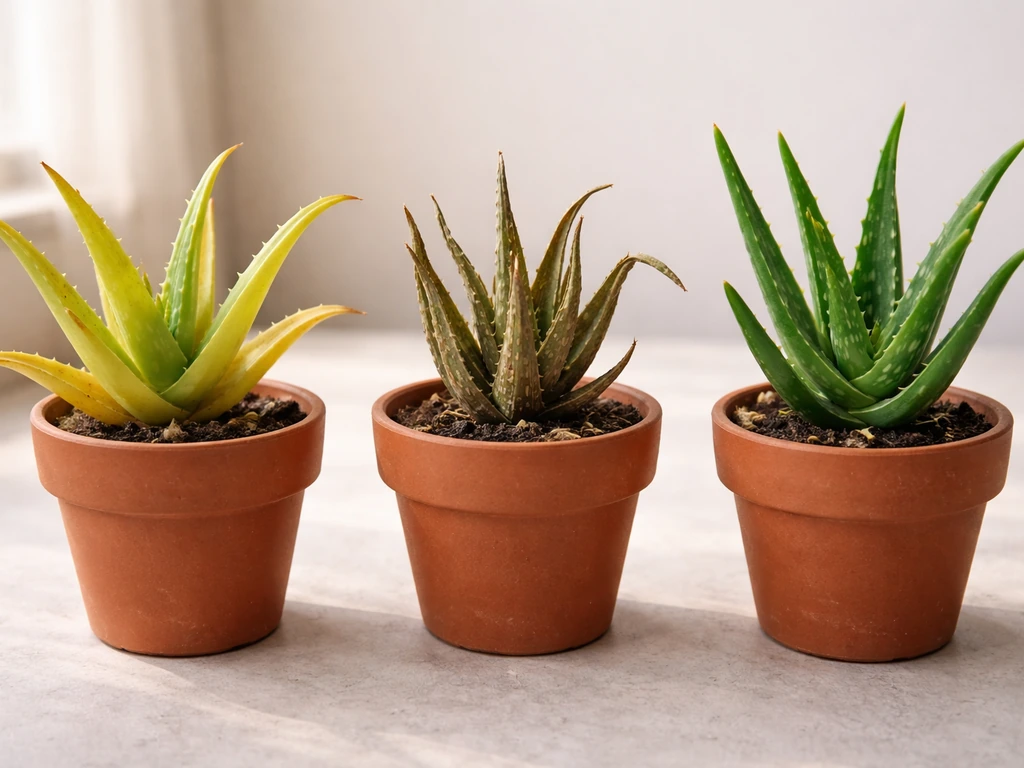
- Yellow, soft, translucent leaves: almost always overwatering or poor drainage. Stop watering, check roots for rot, repot in fresh gritty mix if needed.
- Wrinkled or curling leaves: underwatering. Water deeply and let drain completely.
- Leggy, pale, stretched growth: not enough light. Move to a brighter spot or add a grow light.
- Brown leaf tips: low humidity or sunscald if moved outdoors too quickly. Acclimate gradually.
- No pups after years of growing: plant may be pot-bound or nutrient-depleted. Repot and fertilize lightly in spring.
- No flowers indoors: normal for most home setups. Blooming requires strong light, mature plant (3 to 4 years minimum), and cool/dry dormancy period in winter.
If you're also interested in growing other plants for practical or medicinal use at home, aloe fits naturally alongside herbs and other medicinal plants as part of a home apothecary setup. One reason Aloe vera makes a good starting point is that it fits into the best medicinal plants to grow alongside practical drought-tolerant herbs. The care principles for aloe (drainage, light, avoiding overwatering) transfer well to many drought-tolerant herbs, so mastering aloe is a solid foundation for expanding into other useful plants.
FAQ
How do I choose the best aloe plant to grow if I’m not sure whether I have enough light indoors?
Start with the plant that matches your light first, then your goal. If you want gel and you can give at least 6 hours of direct light, Aloe vera is usually the best aloe plant to grow. If your brightest window is north or east facing or your room is dim, choose Aloe aristata because it stays smaller and tolerates lower light better, even though gel yield is limited.
Can I keep an aloe outdoors in a mild climate and still protect it from sun and cold?
Yes, but it must be intentional. Move the plant into full sun gradually over 1 to 2 weeks, especially if it was indoors, and expect some protective afternoon shade in very hot climates the first weeks to prevent sunscald. Also keep the soil fully dry between waterings, because cooler shaded conditions plus damp soil increases rot risk.
When should I repot my aloe, and should I water right after?
Most people should repot only when the pot becomes too tight, not on a calendar. A good trigger is roots circling or pushing out of the drainage hole, or when pups crowd the container. After repotting, wait 5 to 7 days before watering, and use fresh gritty mix to avoid lingering moisture around disturbed roots.
What should I do if my aloe leaves are turning yellow or getting soft?
If your aloe has yellowing and the leaves feel soft or translucent, treat it like an overwatering and rot situation. Stop watering immediately, let the soil dry completely, then inspect roots. If you find black or mushy roots, trim them with clean tools, replant in dry gritty mix, and wait about a week before the first watering again.
How can I tell the difference between underwatering and overwatering aloe?
If leaves are wrinkled or curling and feel thin and papery, it is usually underwatering, but check the soil first. Even “underwatered” aloes can be in compacted or moisture-retentive soil, so dry it out completely, then water thoroughly and let it drain until fully dry again. After that, water based on the soil-dryness test rather than a fixed schedule.
What pot size is safest for aloe in containers?
For indoor plants, pick a pot size close to the root ball. If the container is much larger, excess soil stays wet longer and raises rot risk. As a rule, choose a pot about 1 to 2 inches wider than the root ball, and always use a drainage hole.
What’s the best way to propagate aloe pups without killing the new plant?
Let the pup “settle dry” before watering. Separate when the pup has a few leaves of its own, then allow the cut to callus for 1 to 2 days (dry and shaded), and wait 5 to 7 days after planting before the first watering. This pause is key for preventing rot in the new roots.
Can I propagate aloe from a leaf cutting if I don’t have pups yet?
Avoid leaf cuttings for aloe, they tend to fail repeatedly. The most reliable method is using pups (offsets). If you only have a single plant with no pups yet, give it the correct light and drainage first, because pups often appear after the plant is established and healthy.
Will a grow light solve the problem if my aloe doesn’t get enough sun from my window?
If your windowsill is north-facing or your room is dim, a grow light is often the decisive factor. Place the light close (about 6 to 12 inches above the plant) and run it for several hours daily, since aloes stretch and stop flowering when light is insufficient. If you still can’t reach that direct-light level, choose a more compact, lower-light-tolerant type like Aloe aristata.
Is aloe gel safe to use on skin, and what about taking aloe by mouth?
Stick to the clear inner gel for topical use. Be cautious with aloe latex or whole-leaf ingestible products, and do not assume “natural” means safe to swallow. If anyone is pregnant, breastfeeding, or considering oral aloe products, talk to a clinician first because oral preparations can raise safety concerns.
Are there any handling tips or pet-safety concerns I should know before growing aloe?
Yes, some aloe plants can irritate sensitive skin, especially the outer leaf skin. Wearing gloves during harvesting is a practical precaution, and if you see itching or redness, rinse and discontinue use. Also keep aloe out of reach of pets, since ingestion can be toxic to dogs and cats.
Next Article
Legal Psychedelic Plants to Grow: How to Check Rules by Location
Step-by-step guide to verify local legality and grow permitted psychedelic-adjacent plants by season and region.