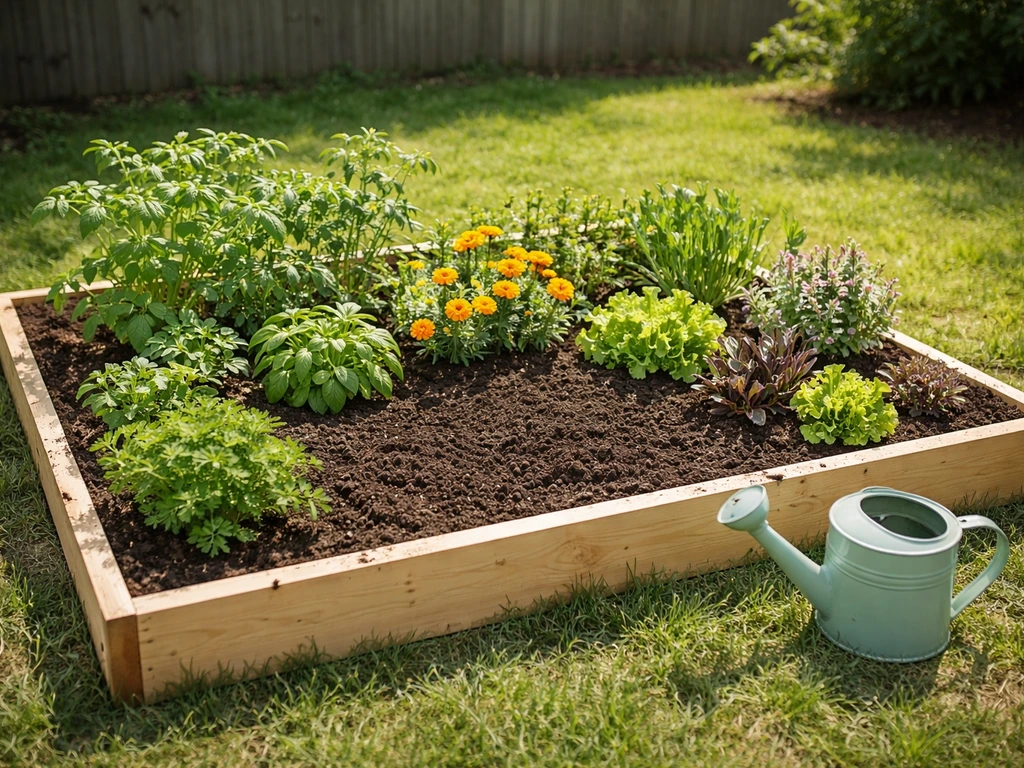
The outdoor plants that produce the strongest, most noticeable fragrance are English lavender, sweet alyssum, mockorange, garden phlox, star jasmine, honeysuckle, and fragrant petunias. If you want good easy plants to grow for fragrance, start with options like English lavender, sweet alyssum, and mockorange. Plant them in full sun with well-drained soil, place them close to where you spend time (near a door, patio edge, or walkway), and give them lean fertilization so they bloom hard instead of just growing leaves. That combination, more than any single plant choice, is what makes outdoor fragrance actually work.
Best Smelling Plants to Grow Outdoors: A Practical Guide
Rachel Hartley
27 Jun 2026
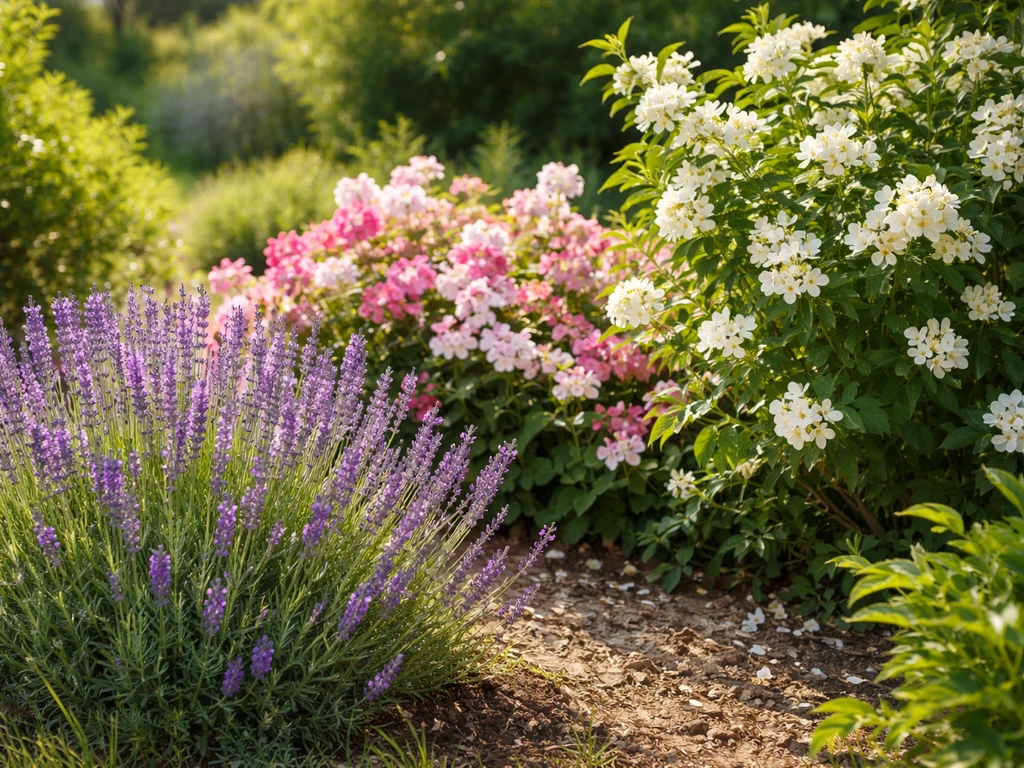
Quick picks by strongest fragrance types
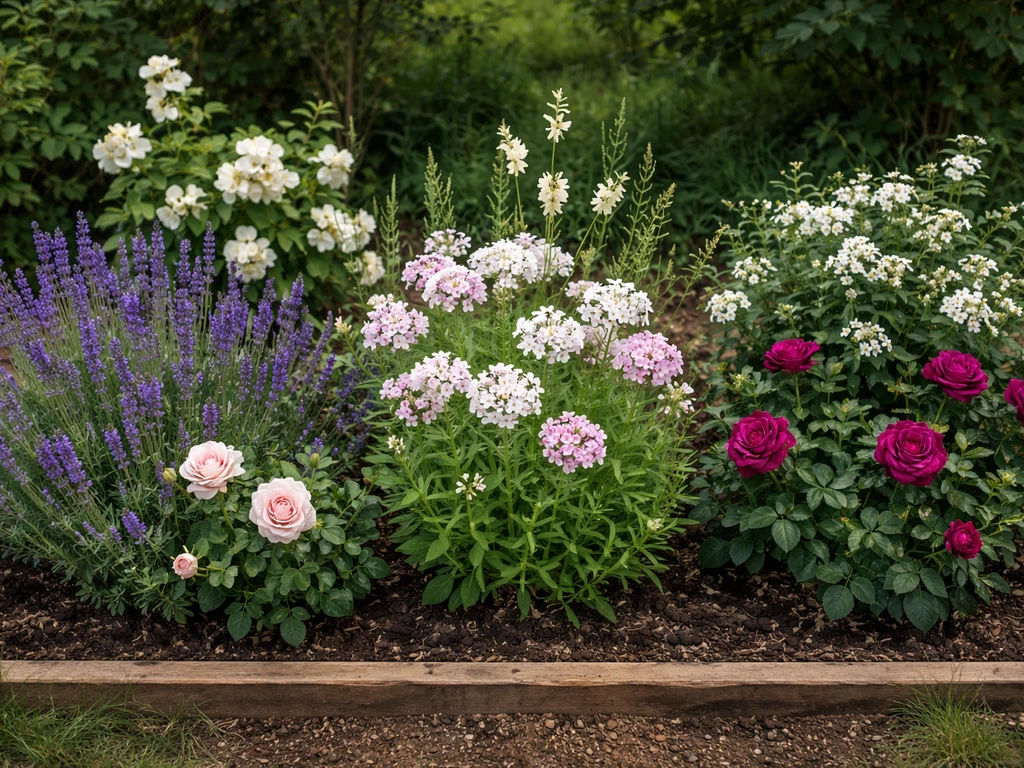
Different fragrance goals call for different plants. Here is how to match the scent you want to what you should actually grow.
| Fragrance Type | Best Plants | Notes |
|---|---|---|
| Sweet/perfume-like | English lavender, mockorange, garden phlox, fragrant roses | Strongest in warm morning air; lavender and mockorange are especially intense |
| Citrusy/herbal | Lemon verbena, scented geraniums, lemon thyme, sweet alyssum | Rub leaves to release; alyssum blooms honey-sweet all season |
| Night-blooming/evening scent | Four o'clocks, moonflower, night-blooming jasmine, fragrant daylilies | Open and peak after sunset; ideal near patios used in evenings |
| Climbing/vine fragrance | Star jasmine, honeysuckle (Gold Flame), sweet peas | Train over arches or fences near seating; scent carries 10–15 feet |
| Long-season/low-effort | Petunias, sweet alyssum, lavender | Bloom spring to frost with minimal deadheading; reliable all-summer scent |
If you only pick one plant from this list, make it English lavender or mockorange depending on your space. Lavender works in containers and tight spots; mockorange is a shrub that fills a large area with fragrance in late spring. Both are low-maintenance once established and consistently deliver.
Best outdoor fragrant plants for common regions
Climate matters a lot here. A plant that smells incredible in the Pacific Northwest can struggle to bloom in humid Gulf Coast summers, and vice versa. Here is how to think about your region.
Cool climates and northern zones (Zones 3–5)
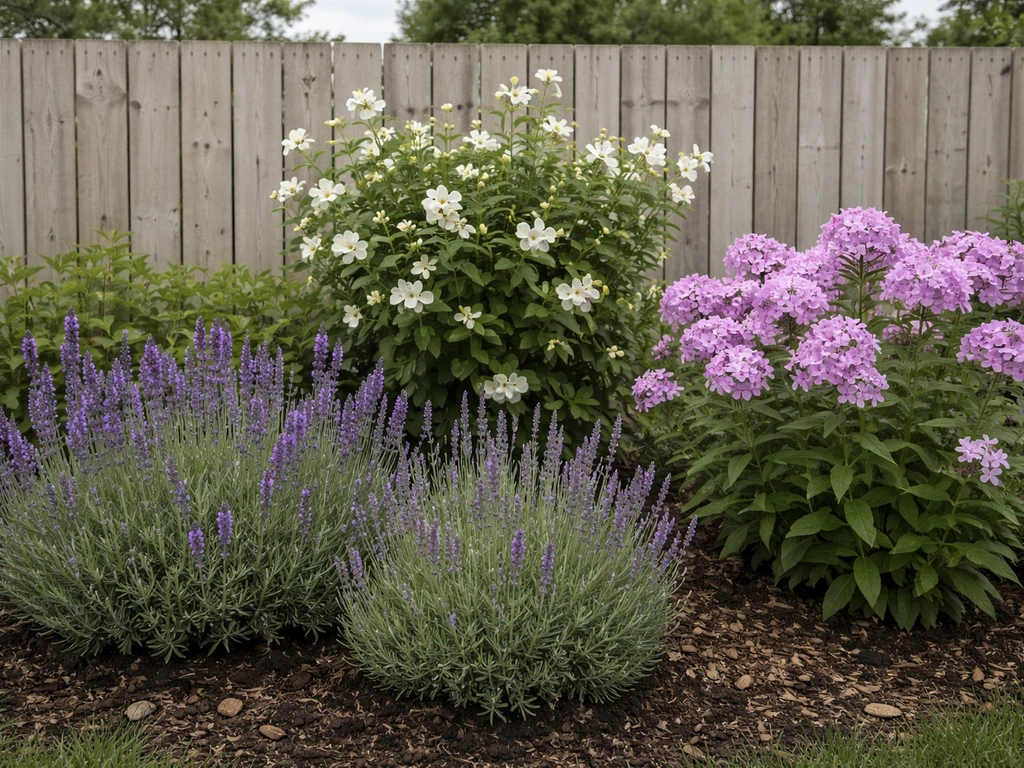
Lavender, mockorange, and garden phlox are your best bets. All three are cold-hardy and bloom reliably in short summers. Mockorange (Philadelphus) is especially rewarding because it produces a powerful jasmine-like scent in late spring even where summers are brief. Sweet alyssum is worth using as a gap-filler since it blooms from spring right up until a hard frost. Skip star jasmine in these zones as it needs winter warmth to survive.
Mid-Atlantic and Southeast (Zones 6–8)
This is prime territory for star jasmine, fragrant roses, honeysuckle, and garden phlox. Illinois Extension lists garden phlox as performing best in full sun and in moist, rich, high-organic-matter soil that is also well-drained garden phlox soil conditions.
Star jasmine thrives on a warm, sheltered wall or fence and blooms heavily in summer. Gold Flame honeysuckle (Lonicera) is listed as hardy to Zones 7–8 and climbs quickly with little fuss. Garden phlox does well here but needs good air circulation to avoid powdery mildew, which is more common in humid southeastern summers.
Garden phlox also benefits from well-drained soil and full sun, while too much shade and poor air circulation can increase mildew that reduces healthy blooming Volcano series garden phlox needs well-drained soil and full sun.
Southwest and arid climates (Zones 7–10)
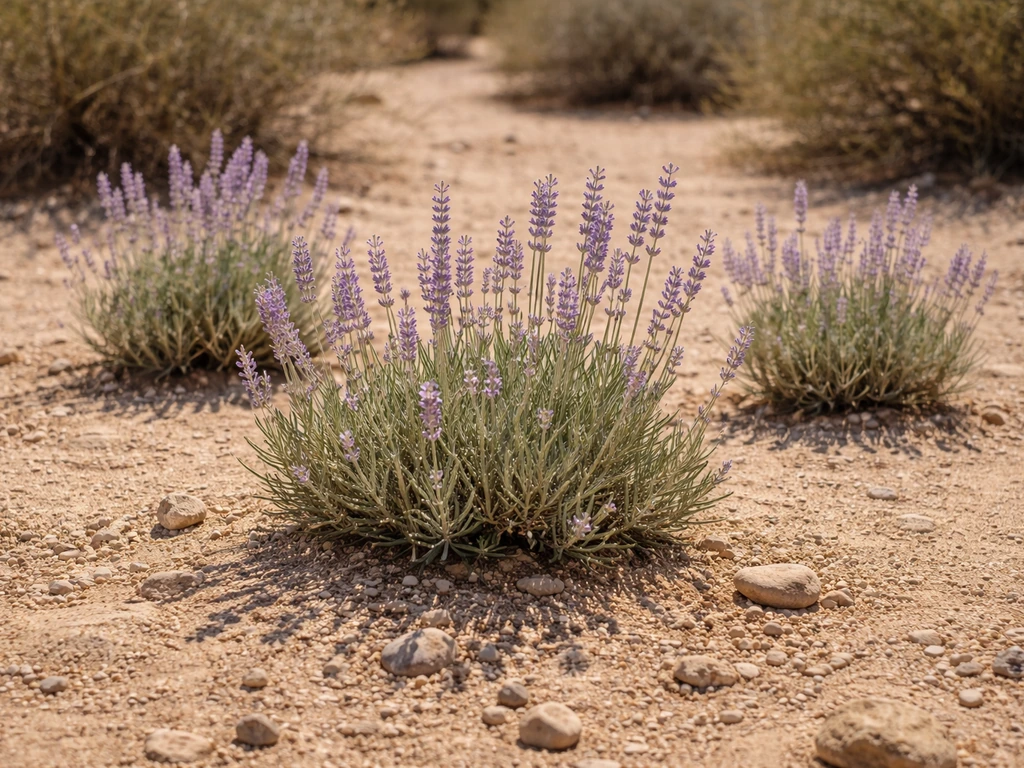
Lavender was almost made for the Southwest. It loves the dry heat, alkaline-leaning soil, and full sun. Spanish lavender varieties handle heat even better than English types. In hotter desert zones, focus on night-blooming plants like four o'clocks and moonflowers since daytime heat kills off sensitive scent compounds in many flowering plants. Evening plantings near patios give you fragrance when the temperature is actually tolerable.
Pacific Northwest and cool coastal areas (Zones 7–9)
The mild, humid climate here suits sweet peas, star jasmine on sheltered walls, and fragrant roses beautifully. Lavender grows well but needs excellent drainage since wet winters rot the roots. If you have a sheltered courtyard or walled corner, that is prime real estate for jasmine and roses since the RHS notes enclosed spaces trap fragrance longer than open yards.
Seasonal planting plan (spring, summer, and fall)
Getting the timing right means you have fragrance for as much of the year as possible rather than a single two-week bloom window. Here is how to stack your seasons.
Spring (March through May)
Plant lavender, sweet alyssum, and petunias outdoors after last frost. If you want which plants grow easily, these are solid, low-stress choices once you match them to your light and watering conditions Plant lavender, sweet alyssum, and petunias outdoors. This is also when mockorange hits its peak bloom, filling the yard with fragrance without any effort on your part. Plant sweet peas early in spring since they prefer cool soil and will burn out once summer heat arrives. Fragrant pansies are a good early-spring filler in cooler zones. For perennials like lavender and garden phlox, spring planting gives them a full season to establish before winter.
Summer (June through August)
Summer is when star jasmine, garden phlox, honeysuckle, and fragrant daylilies take over. Petunias and sweet alyssum continue from spring and will bloom right through the season if you deadhead them. In very hot climates (August in Texas or Arizona, for example), focus on evening-fragrant plants and water consistently since heat stress shuts down blooming fast. This is also the time to plant annuals like four o'clocks for late-summer evening scent.
Fall (September through November)
Sweet alyssum and petunias keep going until the first hard frost. This is a good time to plant bulbs like hyacinths and freesias for spring fragrance. In Zones 7 and warmer, you can plant lavender in early fall and it will establish before winter. Shear back any leggy sweet alyssum in late summer and it will rebloom fresh into fall. Garden phlox winds down but leaves behind a tidy perennial clump for next year.
Where to place them: sun, shade, soil, and drainage
Placement is the most underrated part of growing fragrant plants. A jasmine stuck in a shady corner with soggy soil will barely bloom. The same plant in a warm, sunny, sheltered spot on a south-facing wall becomes something you can smell from across the yard.
- Full sun (6+ hours): Required for lavender, petunias, garden phlox, sweet alyssum, and most fragrant shrubs. Scent output drops noticeably in partial sun because plants produce fewer blooms.
- Sheltered spots: Walled gardens, enclosed courtyards, and corners between buildings trap fragrance instead of letting it blow away. This is the RHS's top siting tip for maximizing perceived scent.
- Near doors and walkways: Place smaller fragrant plants (lavender, alyssum, scented geraniums) right at the edge of paths or beside entry doors so you brush past them or catch the scent naturally.
- Windward side of patios: If your patio gets a prevailing breeze from one direction, plant fragrant plants slightly upwind so scent drifts toward the seating area.
- Well-drained soil: This is non-negotiable for lavender, star jasmine, and sweet alyssum. Standing water kills the roots and prevents blooming entirely.
- Soil pH for lavender: Aim for pH 6.5 to 7.5. Adding organic matter can improve drainage in clay soils without pushing fertility too high.
- Garden phlox placement: Full sun with moist, rich, high-organic-matter soil. Keep it out of tight spots with no air movement since poor circulation invites powdery mildew.
Container vs in-ground choices for maximum scent
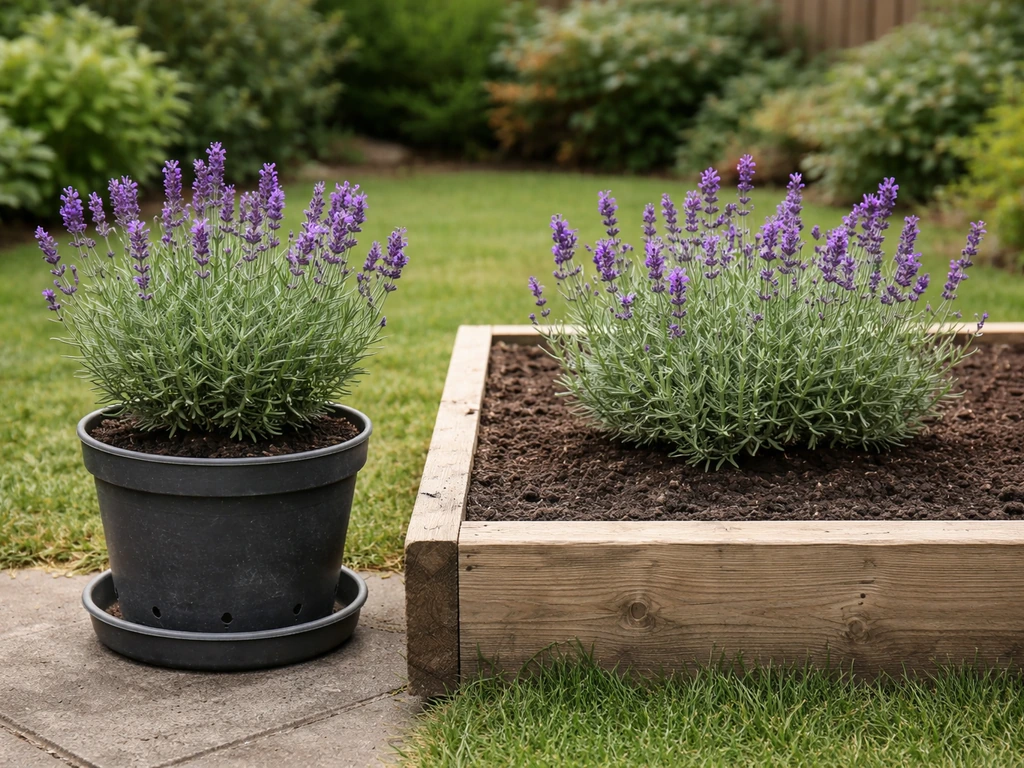
Both work well, but they suit different plants and different goals. Containers let you move fragrance exactly where you want it and are the best strategy for small patios, apartment balconies, or anyone who wants scent near a front door without digging a bed. In-ground planting gives perennials and shrubs the root space to become truly established and deliver stronger, more consistent fragrance over multiple years.
| Plant | Container | In-Ground | Notes |
|---|---|---|---|
| English lavender | Excellent | Excellent | Use a terracotta pot with drainage holes; pot mobility lets you move it into full sun year-round |
| Sweet alyssum | Excellent | Good | Spills beautifully over container edges; replace annually |
| Petunias | Excellent | Good | Hanging baskets and window boxes give eye-level fragrance |
| Mockorange | Poor | Excellent | Too large for containers; needs in-ground space to hit full fragrance potential |
| Star jasmine | Good | Excellent | Can grow in a large container on a trellis; in-ground establishes faster and blooms more heavily |
| Garden phlox | Poor | Excellent | Needs root space and air circulation; containers don't suit it well |
| Scented geraniums | Excellent | Good | Perfect for patio containers; bring indoors before frost in cold zones |
| Honeysuckle vine | Poor | Excellent | Vigorous climber; needs a fence or trellis and good root run |
For the strongest scent right at a patio or front door, the RHS specifically recommends containers of smaller fragrant plants placed near entrances so you catch the scent every time you pass. A pot of lavender or sweet alyssum next to the front door is one of the highest-impact, lowest-effort moves you can make.
Care tips to keep flowers and aroma coming
Here is where a lot of people lose their fragrance despite doing everything else right. The biggest mistake is fertilizing too heavily. Nitrogen-rich fertilizer pushes leafy growth at the expense of blooms, and fewer blooms means far less scent. This applies especially to sweet alyssum (Wisconsin Horticulture explicitly warns against heavy fertilization), lavender (which actually prefers poor, lean soil), and geraniums. Use a low-nitrogen or bloom-boosting fertilizer sparingly, if at all, for most fragrant plants.
- Deadhead regularly: Remove spent flowers on petunias, sweet alyssum, and garden phlox to keep the plant producing new blooms. UMN Extension confirms deadheading prolongs petunia blooming from spring until frost.
- Pinch and shear annuals mid-season: If sweet alyssum or petunias get leggy in midsummer, shear them back by about a third. They will resprout and rebloom within 2 to 3 weeks.
- Prune roses at the right time: Prune after blooming, not before. The University of Maryland Extension warns that excessive or mistimed pruning directly reduces bloom production and therefore fragrance.
- Water consistently but don't overwater: Drought stress stops blooming. Waterlogged roots kill plants. For lavender and jasmine, water deeply and then let the soil dry out between waterings.
- Skip heavy fertilizer for lavender: No fertilizer is the right amount for established lavender. Rich soil causes floppy, lush growth that blooms poorly and smells weaker.
- Give clematis and jasmine a balanced fertilizer (not high nitrogen): OSU Extension recommends a rose or tomato fertilizer range for clematis, which supports reliable flowering without excessive foliage.
- Improve air circulation around garden phlox: Space plants properly and avoid crowding. Poor airflow leads to powdery mildew, which stresses plants and cuts fragrance output significantly.
Practical troubleshooting: weak smell and common mistakes
If your fragrant plants are growing fine but you can barely smell them, one of these is almost certainly the cause.
The plant is blooming but the scent is weak
First check whether you bought a fragrant variety. Many modern hybrid petunias, roses, and phlox have been bred for color or disease resistance at the expense of scent. If your plant came from a discount bin with no variety name on the tag, it may just not be fragrant. Go back to named varieties known for scent: Wave or Supertunia petunias for fragrance, English lavender rather than French, old garden roses rather than modern hybrid teas.
The plant barely blooms at all
This usually comes down to too much shade, too much fertilizer, or wrong pruning timing. UMD Extension lists shady conditions, overly lush growth from excess nitrogen, and improper pruning as the top causes of poor flowering in roses, and the same logic applies across most fragrant plants. Move the plant or trim back overhanging branches to get full sun. Cut fertilizer back to a bloom-focused formula or stop fertilizing entirely.
The scent disappears in summer heat
High heat degrades the volatile compounds that create fragrance, especially in cool-season plants like sweet peas and lavender. This is normal. The fix is to either plant heat-tolerant night-blooming alternatives for midsummer (four o'clocks, moonflower) or catch the scent in early morning before temperatures peak. Lavender actually smells strongest when the sun warms it slightly, not during peak afternoon heat.
Lavender isn't blooming or keeps dying back
Almost always a drainage or soil fertility issue. Lavender roots rot in wet or clay soil, and rich amended soil encourages leafy growth over flowers. Plant it in gritty, lean, well-drained soil with pH between 6.5 and 7.5. If your soil is heavy, either plant in a raised bed or use a container with excellent drainage holes. Do not add compost to the planting hole.
Star jasmine or honeysuckle grows everywhere but smells faint
These vines need warmth and sun to trigger heavy bloom. Star jasmine placed in too much shade, or in a cool exposed location rather than a warm sheltered wall, will grow vigorously but bloom sparsely. The RHS is clear that star jasmine needs a warm, sunny, sheltered site. Move it to the sunniest, most protected wall you have, and give it a season to adjust.
Your next steps: a simple decision checklist
Before you buy anything, work through these four questions. Your answers point directly to the right plant from this guide. If you want the best easy to grow outdoor plants, prioritize reliable performers like lavender, mockorange, and star jasmine for your region.
- What fragrance vibe do you want? (Sweet and floral, herbal and clean, or evening/night scent) Match to the fragrance type table at the top of this article.
- How much sun does your space get? (Full sun 6+ hours, partial sun 3–5 hours, or mostly shade) Most fragrant plants need full sun. If you have partial sun, sweet alyssum, mockorange, and scented geraniums are your best options.
- Container or in-ground? If you're on a patio, balcony, or near a front door, start with containers of lavender, sweet alyssum, or scented geraniums. If you have a bed or border, add mockorange, garden phlox, or star jasmine for perennial structure.
- What is your climate zone and current season? In late June right now, you can still plant petunias, sweet alyssum, star jasmine, honeysuckle, and night-blooming annuals for summer fragrance. Perennials like lavender and garden phlox planted now will establish for strong fragrance next year.
If you are also thinking about which fragrant plants overlap with easy-care outdoor plants in general, many of the best options here, including lavender, sweet alyssum, and petunias, also rank among the most reliable low-maintenance choices for outdoor growing. The principles of placement, lean soil, and consistent deadheading apply regardless of which direction you come at the problem from.
FAQ
How close do I need to place these plants to actually smell them from a path or doorway?
For the strongest “step-out-and-smell-it” effect, place smaller fragrant pots (lavender, sweet alyssum) within about 2 to 3 feet of the entryway or walkway edge. If plants are in-ground, keep them along the side you approach most often, and avoid placing them where tall plants or shrubs block the airflow between blossoms and your nose.
Do I need to deadhead every fragrant plant, or are some low-maintenance enough to skip it?
Deadheading matters most for plants that keep reblooming, like sweet alyssum and fragrant petunias. For one-and-done spring bloomers (like mockorange), light cleanup after the main flush is usually enough, you do not need to deadhead every single flower. If you are unsure, deadhead only the spent blooms and let the plant finish any developing buds.
What soil pH and amendments should I use for the most reliable scent, especially lavender?
Aim for lean, well-drained soil and avoid digging rich compost into the planting hole. For lavender specifically, target roughly 6.5 to 7.5 and use gritty amendments (like coarse sand or perlite) if your ground stays wet. Compost and heavy organic mixes often reduce bloom intensity, which reduces fragrance.
If my plant is growing lots of leaves but not smelling strongly, what’s the first thing to check?
Check nitrogen and light before anything else. Over-fertilizing (especially high-nitrogen feed) shifts energy to foliage, and too much shade reduces flowering. Then verify pruning timing, because some flowering plants have buds that form on specific wood and the wrong trim can remove the scent-producing blooms.
Can I grow these in containers, and do they all need the same container care?
Yes, but not all containers are equal. Lavender often needs a potting mix that drains fast, use a gritty mix and ensure multiple drainage holes. Star jasmine and honeysuckle typically need larger pots and more consistent moisture. For best scent near doors, choose a manageable pot size you can move for sun exposure and watering control.
How do I keep fragrance from disappearing in hot weather?
In very hot climates, prioritize evening-fragrant options and plan watering to support consistent blooming. Also consider morning placement or morning check-ins, because many volatile scent compounds diminish during peak afternoon heat. Water deeply and avoid frequent light watering, which can stress plants and shut down flowers quickly.
Why does my lavender smell weak in the morning but stronger at other times?
Many fragrant plants release scent differently through the day. Lavender is often noticeable after the sun warms the plant, so you may smell more once it has had a bit of heat. If you want to maximize scent, place lavender where it gets sun earlier and consider a quick brush-by check when blossoms are fully open.
What’s the best way to choose between English lavender and French lavender for outdoor scent?
English lavender is generally the better “reliable scent” choice for most climates because it is more tolerant of a range of conditions and typically has more dependable bloom. In very hot areas, Spanish lavender types often handle heat better than English, but you still need excellent drainage to prevent root rot and weak flowering.
I bought a petunia labeled fragrant, but it barely smells. What could be wrong?
Modern hybrids can be bred for color or disease resistance, and some “fragrant” tags still do not guarantee strong scent. Confirm the variety name on the tag, choose named scent-forward cultivars when available, and make sure it gets full sun. Also avoid heavy fertilization, because petunias can produce lush growth with fewer or less fragrant blooms when nitrogen is too high.
Should I fertilize fragrant plants at all, or can I skip it?
For many of the best outdoor scent performers, you can do minimal feeding. Lavender and other lean-soil plants often prefer little to no fertilizer beyond what they receive from a balanced, light application. If you fertilize, use a low-nitrogen or bloom-focused product sparingly and stop once you see strong bud set to avoid lush, non-fragrant growth.
My garden phlox gets powdery mildew in humid weather. Will that ruin the scent?
Powdery mildew usually weakens the plant, which can reduce flowering intensity and therefore reduce fragrance. To protect scent, improve air circulation (spacing and pruning for airflow) and keep foliage dry when possible. If you consistently get mildew, consider moving to a site with more breeze or switching to a mildew-tolerant fragrant cultivar.
How long after planting should I expect fragrance to show up?
Some plants scent immediately once they bloom, but many perennials and woody shrubs improve over time. Lavender and garden phlox often become more reliable in their second season as roots establish. Mockorange and other shrubs may deliver a stronger, more consistent scent once established and well-watered the first year.
What should I do if star jasmine grows well but blooms poorly?
Star jasmine is a “site and warmth” plant. Make sure it is on a warm, sunny, sheltered wall or fence, not a cool exposed corner, and give it time to adjust after planting. If it has shade, it can produce lots of vine with fewer blossoms, so prioritize maximum sun and protection from drying winds.
Next Article
Best Easy to Grow Outdoor Plants for Beginners
Pick the best easy-to-grow outdoor plants by sun, soil, zone, wind, and season with care and quick troubleshooting.