The best plants to grow outside are the ones matched to where you actually live, how much sun your space gets, and how much time you realistically want to spend. For most people in late April, that means cool-season vegetables like lettuce, kale, and peas are wrapping up their prime window in warm zones while spring flowers like marigolds and zinnias are ready to go in the ground. If you want a simple starting lineup that works almost everywhere: marigolds, tomatoes (after last frost), basil, zucchini, and lavender. But getting this right for your specific yard takes about five minutes of honest assessment, and this guide walks you through exactly that.
Best Plants to Grow Outside: Easy Picks by Season and Zone
Rachel Hartley
25 Apr 2026
How to figure out which plants are actually "best" for your spot
Before you buy a single plant, you need to answer four questions about your outdoor space. Get these right and your success rate skyrockets. Skip them and you'll spend money on plants that struggle or die no matter how well you care for them.
- What's your USDA Hardiness Zone? This tells you the coldest temperatures your area typically hits in winter and which perennials can survive year after year. Look it up at the USDA's zone map using your zip code. It takes 30 seconds.
- How much direct sun does your planting area get? Count actual hours of direct sunlight on a clear day. Full sun means 6+ hours, part shade is 3-6 hours, and shade is under 3 hours. Most edibles and flowers need full sun, so this one filter eliminates a lot of mismatches.
- What's your soil like? Pick up a handful and squeeze it. Does it drain fast (sandy, crumbly), hold water heavily (clay, sticks together), or feel loose and rich? Most plants want something in between. You can fix poor soil cheaply with compost.
- Are you planting in the ground or in containers? Container gardening changes almost everything: soil volume, watering frequency, what you can grow, and how long plants last.
One important thing the USDA zone map doesn't tell you: your microclimate. A walled courtyard facing south can feel like a zone warmer than your official rating. A low-lying frost pocket in your backyard can lose plants that your neighbor one block away grows easily. Pay attention to spots on your property that stay warmer or cooler, dry out faster, or get hit harder by wind. These microclimates matter more than the official zone number on some individual planting decisions, especially if you're pushing the limits of what's supposed to survive in your area.
Also worth knowing: even a plant rated for your zone can get wiped out in a freakishly cold winter. USDA makes this clear in their own guidance. Zone ratings reflect average minimums, not worst-case years. If you're growing something at the absolute edge of its cold hardiness, keep that risk in mind and don't plant just one of it.
Best plants by climate and USDA zone

Here's a practical breakdown by zone grouping. If you're between zones (say, on the line between Zone 7 and 8), look at both lists and lean toward the warmer zone's picks for annuals and the cooler zone's picks for perennials you want to overwinter.
| Zone Group | Region Examples | Reliable Outdoor Plants |
|---|---|---|
| Zones 3-4 (Cold) | Northern Minnesota, Montana, Vermont | Hostas, coneflowers, black-eyed Susans, kale, peas, garlic, hardy roses |
| Zones 5-6 (Cool-Temperate) | Ohio, Kansas, Oregon Coast, mid-Atlantic | Tomatoes, zucchini, lavender, dahlias, basil, asters, ornamental grasses |
| Zones 7-8 (Warm-Temperate) | Mid-South, Pacific Northwest, coastal Carolinas | Crape myrtles, rosemary, peppers, figs, salvia, black-eyed Susans, sweet potato vine |
| Zones 9-10 (Warm/Subtropical) | Southern California, Gulf Coast, Arizona | Bougainvillea, citrus, tropical sage, peppers, sweet basil, agave, plumbago |
| Zones 11+ (Tropical) | South Florida, Hawaii | Hibiscus, papaya, gingers, heliconias, tropical vegetables year-round |
If you're in a mountain region, be careful with the official zone map. The USDA has noted that cold air drainage in valleys can mean your actual frost risk is higher than your zone number suggests, while a nearby slope might behave warmer. In those situations, talk to local nurseries and extension services. They know exactly what survives where you are.
What to plant right now, by season
Today is late April 2026, which puts most of the US in a productive spring planting window. Here's how to think about timing by season, with specifics for right now.
Spring (March through May): plant now if you haven't
If you're in Zones 6-8, late April is prime time. Your last frost has passed or is imminent, soil is warming up, and you can put warm-season crops in the ground: tomatoes, peppers, zucchini, cucumbers, and beans. Annual flowers like zinnias, marigolds, and sunflowers can go directly in the ground from seed now. In Zones 3-5, you may still have a couple of weeks before it's safe for frost-sensitive plants, but cool-season crops like lettuce, spinach, kale, and peas are perfect right now. In Zones 9-10, you're already past the ideal tomato-planting window and should focus on heat-tolerant crops like sweet potatoes, okra, and long-season peppers.
Summer (June through August): heat lovers and succession planting
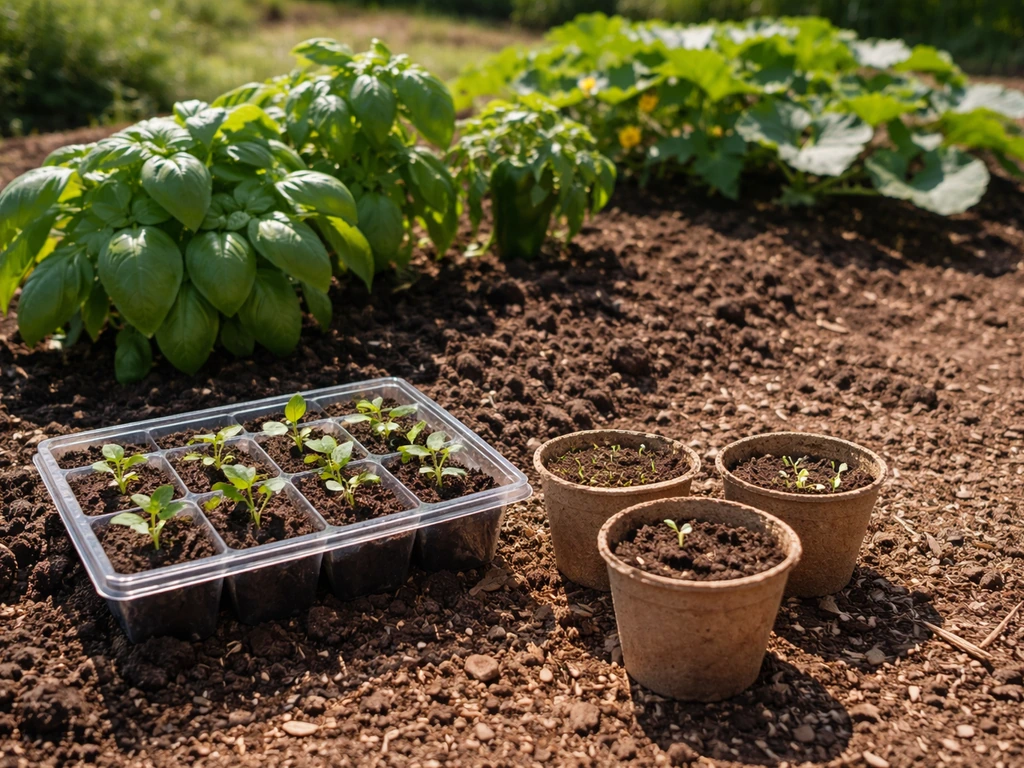
Summer is for plants that don't just tolerate heat, they need it. Basil, peppers, eggplant, sweet potatoes, squash, and melons hit their stride now. Keep sowing beans and cucumber every three weeks for a rolling harvest. In hot climates like August in Texas or Arizona, even heat-lovers can struggle. Focus on drought-tolerant ornamentals like lantana, portulaca, and salvias for color, and consider pulling cool-season edibles until fall.
Fall (September through November): second chances and perennial planting
Fall is an underrated planting season. Soil is still warm but air temps drop, which is perfect for cool-season crops making a comeback: broccoli, kale, lettuce, spinach, and carrots. It's also the single best time to plant perennials, trees, shrubs, and spring-flowering bulbs (tulips, daffodils, alliums). Roots establish through fall and winter so plants hit the ground running in spring. Don't skip this window.
Winter (December through February): plan and prep
In Zones 9-11, winter is actually a growing season. Greens, herbs, and root vegetables thrive. In colder zones, winter is for planning: ordering seeds, amending beds with compost, and starting seeds indoors in late winter (think late January for peppers, mid-February for tomatoes in most zones). It's also when garlic, planted in fall, quietly develops underground.
Easy, low-maintenance picks for beginners
If you want plants that forgive beginner mistakes, handle irregular watering, and still look or taste great, start here. If you want more ideas on what to start with, check which what are easy plants to grow outside for beginners based on your sun and zone. If you want a quick shortlist, the top 10 easy plants to grow are a great place to start, then match them to your sun and watering limits. If you are looking for good <a data-article-id="7470D31F-4CC7-4683-8C23-5D4DD4A4D4DF">easy plants to grow</a>, focus on beginner-friendly options and match them to your sun and watering conditions first. If you want an easy way to pick what will thrive outdoors, start with beginner-friendly plants and match them to your sun and watering conditions easy plants to grow outside. These are genuinely hard to kill with basic care.
- Zucchini: plant once, harvest constantly. One or two plants feed a family. Direct sow seeds in full sun after last frost and step back.
- Marigolds: full sun, almost any soil, repel some pests, bloom from late spring to frost. Deadhead occasionally and they keep going.
- Basil: grows fast, smells great, used in cooking constantly. Needs full sun and consistent moisture. Pinch flowers to extend harvest.
- Nasturtiums: direct sow from seed, edible flowers, thrive in poor soil, drought tolerant once established. They basically grow themselves.
- Kale: cold-hardy, nutritious, produces for months. Can handle light frost, which actually makes it sweeter.
- Black-eyed Susans: native wildflower, drought tolerant, full sun, comes back as a perennial in Zones 3-9. Pollinators love them.
- Lavender: once established, it practically ignores you. Full sun, well-drained soil, minimal water. Lives for years.
- Bush beans: direct sow in warm soil, harvest in 50-55 days, no staking needed. Great for small spaces.
The common thread with easy plants is that they tend to have straightforward needs: full sun, reasonable drainage, and consistent (but not obsessive) watering. If you match those conditions, beginner gardeners do just as well as experienced ones with this group. The plants people most often kill are the ones chosen for the wrong spot, not the wrong skill level.
Plants by purpose: what do you actually want from your garden?
Edibles: vegetables and herbs worth growing

For vegetables, prioritize what you actually eat. The most productive picks for space are tomatoes (determinate varieties for small spaces), zucchini, cucumbers, beans, lettuce, kale, and peppers. For herbs, basil, parsley, chives, cilantro, and thyme are practical kitchen workhorses. Perennial herbs like rosemary, thyme, sage, and chives are especially good investments because you plant once and harvest for years.
Fruiting plants worth the wait
Blueberries, strawberries, and raspberries are the most accessible fruiting plants for most gardeners. Strawberries produce in the first year. Blueberries take a couple of seasons to really produce but are extremely low maintenance once established. Dwarf apple and fig trees work in many climates (figs are surprisingly cold-hardy to Zone 7 in protected spots). If you have Zones 9+, citrus trees are one of the best outdoor investments you can make.
Flowers for pollinators
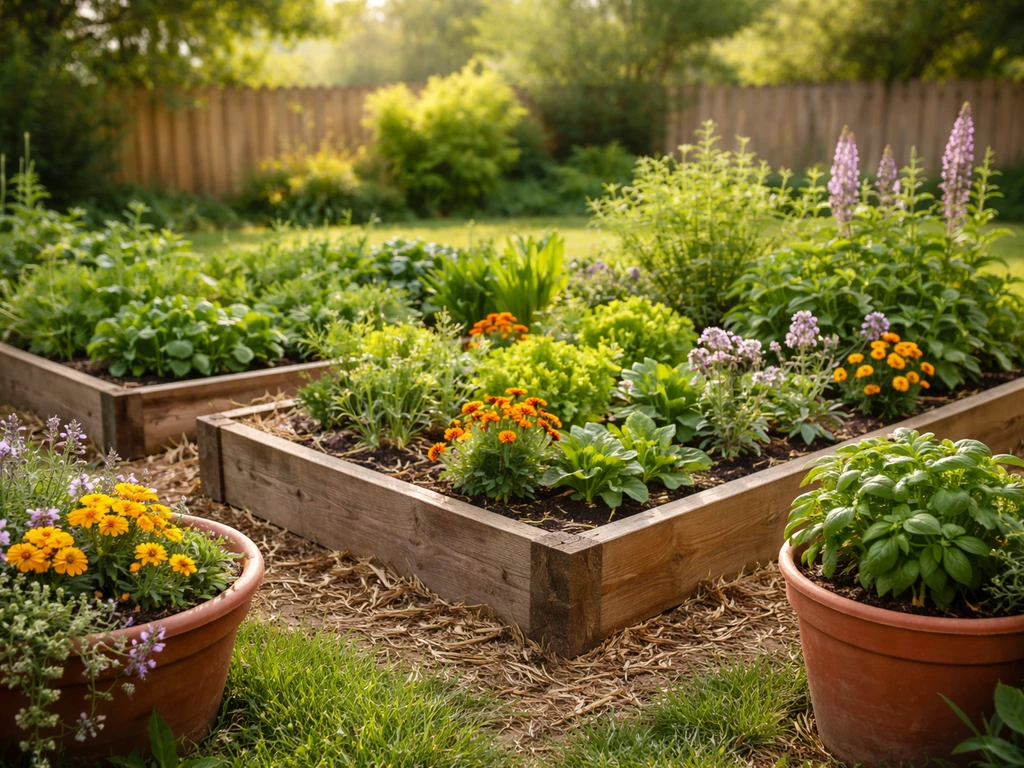
Pollinators, especially bees and butterflies, are also what make your vegetable garden produce. Some of the most effective pollinator plants are also the most beautiful and easiest to grow: coneflowers (echinacea), black-eyed Susans, lavender, salvia, marigolds, zinnias, and sunflowers. Native plants like coneflowers and native salvias are especially valuable because local bee populations have evolved with them. Aim for a mix that blooms in succession from spring through fall to keep pollinators coming all season.
Privacy, structure, and landscaping plants

For year-round privacy and structure, evergreen shrubs are your best option. Arborvitae, Holly, Boxwood, and Leyland cypress are common choices. For a faster-growing, softer look, ornamental grasses like Karl Foerster or Pennisetum create height and movement. In warmer zones, clumping bamboo (non-invasive varieties), oleander, and crape myrtles serve double duty as screening and ornamentals. For slopes and erosion control, creeping juniper and native groundcovers like creeping phlox are practical and low-maintenance.
Growing outside in containers: balconies, patios, and small spaces
Container gardening opens up outdoor growing for renters, apartment dwellers, and anyone with paved outdoor space. The rules change a bit: containers dry out faster (sometimes daily in summer heat), the soil volume limits root growth, and you have more control over soil quality from the start.
Best containers for outdoor growing are at least 12 inches deep for most vegetables and herbs, and 18-24 inches for tomatoes, peppers, and larger flowers. Drainage holes are non-negotiable. Use a quality potting mix, not garden soil, which compacts and suffocates roots in pots.
- Tomatoes: choose compact or patio varieties like 'Tumbling Tom,' 'Patio,' or 'Bush Early Girl.' Use a 5-gallon container minimum.
- Herbs: basil, parsley, chives, mint (keep mint contained, it's invasive in the ground), and thyme all thrive in 6-8 inch pots.
- Peppers: excellent container plants. One plant per 3-5 gallon pot, full sun, consistent water.
- Lettuce and greens: great in shallow containers (6-8 inches deep), do well in part shade in summer, which actually extends the season.
- Marigolds and petunias: classic patio flowers, full sun, bloom all season with deadheading.
- Strawberries: purpose-built strawberry planters work well, or use a window box. Compact everbearing varieties like 'Albion' or 'Seascape' are reliable.
- Dwarf citrus: Meyer lemon and calamondin in large containers (15-20 gallon) work on sunny patios in most climates; bring indoors in winter in cold zones.
One honest trade-off with containers: you'll water more often, sometimes every day in peak summer heat. If that's not realistic for your schedule, focus on drought-tolerant plants like lavender, sedums, or ornamental grasses in containers, or invest in a simple drip irrigation setup on a timer.
The basics that make everything else work
Soil: your single biggest lever
Most outdoor soil problems come down to drainage and organic matter. Clay soil drains poorly and suffocates roots; sandy soil drains too fast and holds no nutrients. The fix for both is the same: add compost. Work 2-3 inches of compost into your top 10-12 inches of soil before planting. Do this once a year and your soil improves season over season. In containers, always use a quality bagged potting mix, not native soil.
Sun and water: match these first, adjust everything else second
Sun is non-negotiable. You cannot compensate for a too-shady spot with better soil or more fertilizer. If a plant needs full sun and gets four hours, it will underperform. Gardenia.net notes that full sun is typically 3 to 6 hours of direct sunlight, and it distinguishes partial shade and less-than-3-hours direct-sun categories for plant lighting needs. Period. Water is more forgiving. Most outdoor plants want consistent moisture but not waterlogged roots. A simple finger test works: stick your finger 2 inches into the soil. If it's dry, water. If it's moist, wait. Deep, infrequent watering (soaking the root zone every few days) beats light daily watering because it trains roots to grow deeper and makes plants more drought-resilient.
Spacing: don't crowd
Every seed packet and plant tag lists spacing for a reason. Crowded plants compete for light, water, and nutrients, and they're much more vulnerable to fungal diseases because air can't circulate between them. It always looks sparse at planting time, but within six weeks you'll understand why the spacing matters. When in doubt, go bigger on spacing, not smaller.
Quick troubleshooting for common problems
| Problem | Likely Cause | Fix |
|---|---|---|
| Yellow leaves | Overwatering or nitrogen deficiency | Check drainage first. If soil is soggy, reduce watering. If dry, apply balanced fertilizer. |
| Leggy, stretched plants | Not enough light | Move to a sunnier spot or choose shade-tolerant varieties. |
| Wilting despite wet soil | Root rot from poor drainage | Improve drainage, reduce watering, repot container plants with fresh mix. |
| No flowers on vegetables | Too much nitrogen, not enough sun, or heat stress | Cut back nitrogen fertilizer, ensure 6+ hours of sun, and for heat stress wait for cooler temps. |
| Holes in leaves | Caterpillars or beetles | Inspect leaves (check undersides). Remove by hand or apply Bt for caterpillars, neem oil for beetles. |
| Plants look fine but nothing is growing | Soil too cold | Use a soil thermometer. Most warm-season plants stall below 60°F soil temperature. |
Your short list and next steps for this week
If you're in Zones 6-8 right now in late April, the smartest move is to get warm-season transplants (tomatoes, peppers, zucchini) in the ground this week if your last frost has passed, direct sow zinnias and marigolds in any sunny border, and start a herb container with basil, parsley, and chives. That combination gives you food, color, and pollinator support with minimal effort.
In colder zones (3-5), spend this week on cool-season crops (kale, lettuce, peas) and plan to transplant warm-season plants in the second or third week of May. In warmer zones (9-10), focus on heat-tolerant edibles like peppers, okra, and sweet potatoes, plus drought-tolerant ornamentals that won't need constant irrigation through summer.
The plants you choose matter less than choosing plants that genuinely fit your conditions. For great curb appeal, the best smelling plants to grow outdoors are usually aromatic herbs and flowering perennials that thrive in your sun and moisture conditions. A zucchini in full sun with decent soil practically grows itself. The same zucchini in a shady corner with waterlogged clay is a frustrating failure. Use the zone table and season guide above to filter your choices, pick plants from one or two of the purpose categories that match what you actually want, and keep your first season simple. A short list of five to eight well-matched plants beats an ambitious collection of twenty struggling ones every time.
FAQ
What’s the fastest way to figure out the right plants to grow outside for my yard?
Do a one-day sun check (observe your space in late morning, midday, and late afternoon) and note drainage after a rain. If water sits or puddles for more than a few hours, treat that spot as poorly drained and choose plants accordingly (or plan to amend/raise the bed).
Can I grow “best plants to grow outside” that are for my zone, even if my winter gets colder than average?
Yes, but only if you avoid the edge of hardiness, use mulch, and plant in the warmest micro-spot you have (south-facing wall, sheltered corner). For marginal plants, grow multiple individuals instead of just one, so you have backup if a cold snap hits.
How do I choose plants for a yard with mixed sun, like a shady front and sunny back?
Pick plants based on each location, not your overall yard. Create two mini-lists (full sun and part shade), then match plants by their light needs. Most failures happen because a plant’s light requirement was assumed, not measured.
What spacing mistakes are most common when planting outdoors for the first time?
The biggest one is underestimating how quickly foliage expands, which reduces airflow and increases fungal problems. If a tag says 18 inches and you have trouble visualizing it, go with 20 to 24 inches, especially for tomatoes, peppers, and leafy crops.
How often should I water outdoor plants if I’m trying to keep them easy to maintain?
Use the finger test, then water deeply only when the top couple inches are dry. In peak summer, many plants need less frequent but longer soaking, often 2 to 4 times per week depending on heat and soil, rather than daily sprinkles.
Are containers always harder than in-ground growing, and which plants handle container life best?
Containers dry out faster and can overheat, but many “forgiving” plants still work well. Lavender, rosemary (if you give excellent drainage), sedums, and ornamental grasses usually outperform plants that demand constant even moisture.
What’s the minimum container size that won’t stunt common outdoor plants?
For herbs and greens, aim for at least 12 inches deep. For tomatoes and peppers, 18 to 24 inches is the usual sweet spot. Smaller pots often lead to chronic wilting and weak yields even with good care.
How can I tell if my soil problem is drainage versus fertility?
If plants yellow or wilt while the soil stays soggy, it’s usually drainage. If the ground drains well but plants look pale and growth is slow, it’s often nutrient-related. Compost helps both cases, but poorly drained soil may also need raised beds or amended structure, not just extra compost.
Should I use compost every year, and how much is too much?
For in-ground beds, adding about 2 to 3 inches of compost annually is a safe default. Avoid piling compost against plant crowns, and do not skip drainage improvements if water still pools after rain.
Is it better to start seeds indoors or direct sow when planting outside?
Direct sow is usually simpler for crops like zinnias and marigolds. Start indoors when the season is short or the crop needs a long lead time, like many peppers. If you have uncertainty about frost timing, prioritize direct sow or wait until your last frost date is truly past for warm-season plants.
What’s the easiest way to plan for rolling harvests with outdoor vegetables?
Stagger sowing or transplanting on a schedule (for example, every 2 to 3 weeks for beans and cucumbers). Keep a note of dates, because heat changes growth speed quickly once summer arrives.
Do pollinator-friendly plants reduce pest problems?
They help indirectly. A steady bloom (spring through fall) supports beneficial insects, and diverse flowering plants can improve overall garden resilience. They do not replace basic pest prevention like correct spacing and watering, but they can make outbreaks less severe.
How can I add privacy outdoors without creating high-maintenance plants?
Choose evergreen shrubs that match your spacing and mature size, then commit to proper irrigation during establishment (first year). Overcrowding for privacy usually backfires later, because pruning becomes harder and airflow issues increase.
What should I do if a plant keeps failing even though it’s in the right zone?
Re-check the non-negotiables: sun hours, drainage, and spacing. One common fix is relocating the plant to a microclimate spot (warmer wall, better-draining bed) and adjusting watering frequency, rather than repeatedly replacing the same plant in the same conditions.
Next Article
Best Pot Plants to Grow Indoors: Practical Guide for Apartments
Best pot plants to grow indoors: apartment-friendly picks with light, pot, watering, difficulty and seasonal tips.