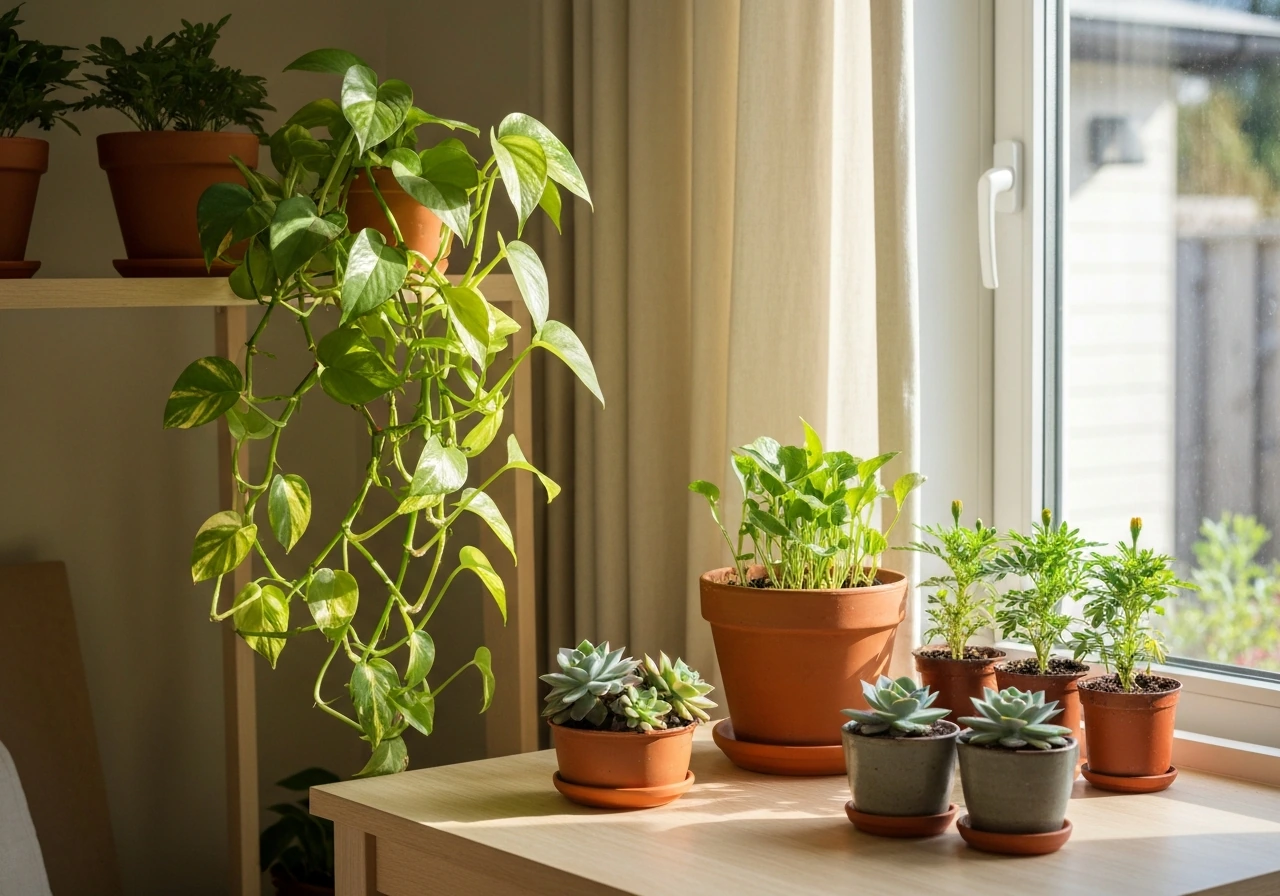
Right now, in late June, the easiest outdoor plants you can start today are marigolds, zucchini, basil, black-eyed Susans, and nasturtiums if you're in full sun, or impatiens, hostas, and ferns if your yard leans shady. Those are your fastest wins. But "easy" is genuinely different depending on where you live, how much sun hits your beds, and whether you're planting in the ground or in pots on a balcony.
Best Easy to Grow Outdoor Plants for Beginners
Rachel Hartley
21 Jun 2026
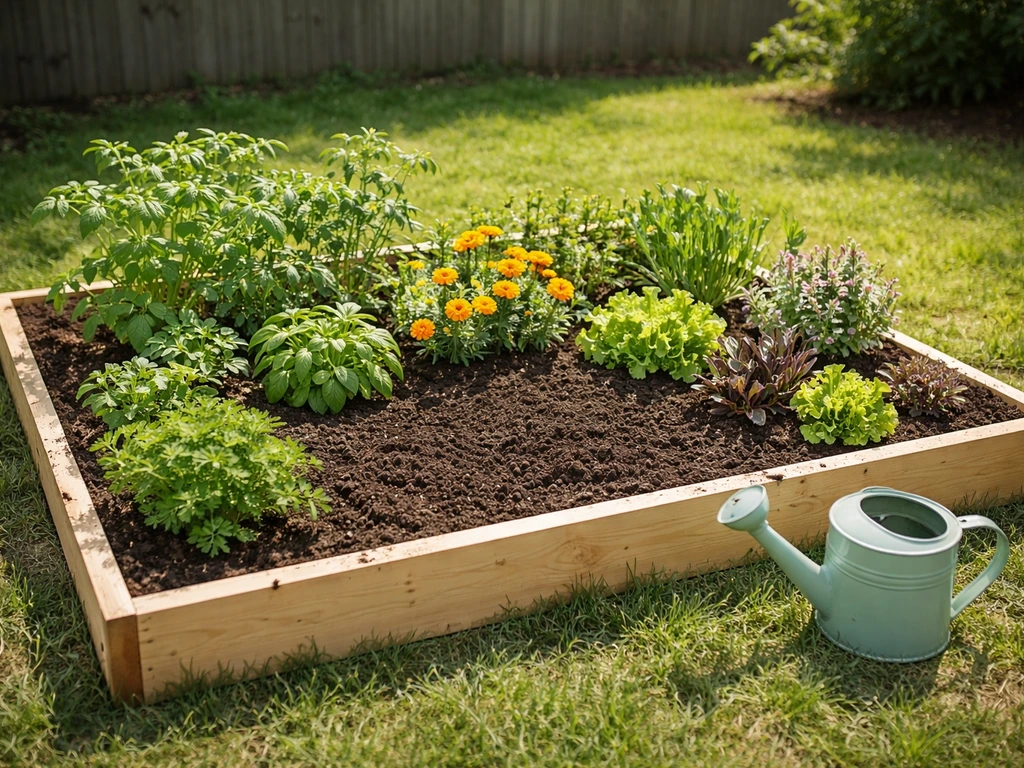
This guide helps you figure out which easy plants actually fit your setup right now, and gives you a simple care plan so they actually survive. If you want a quick list of the best plants to grow outside for your conditions, start by matching sun, soil drainage, and your hardiness zone.
How to figure out what "easy" actually means for your yard
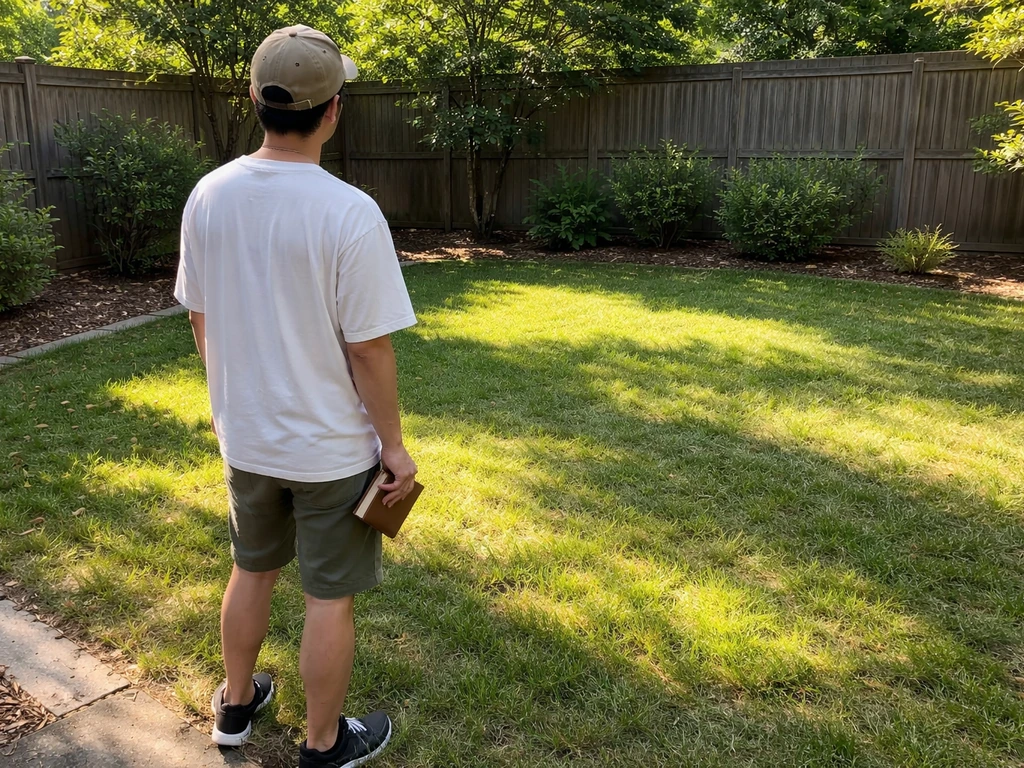
Before you pick a single plant, spend five minutes diagnosing your space. Buying a sun-loving lavender for a shady corner is one of the most common beginner mistakes, and it always ends the same way: a sad, leggy plant that barely survives. Here's what to check.
Sun and shade
Walk outside at three different times: morning (9am), midday (12pm), and late afternoon (4pm). Count how many hours of direct, unobstructed sun your planting spot gets. Full sun means 6 or more hours. Partial sun or partial shade means 3 to 6 hours. Shade means fewer than 3 hours. Most easy-grow plant lists are written assuming full sun, so if your spot is shady, knowing that upfront saves you a lot of dead plants.
Soil drainage
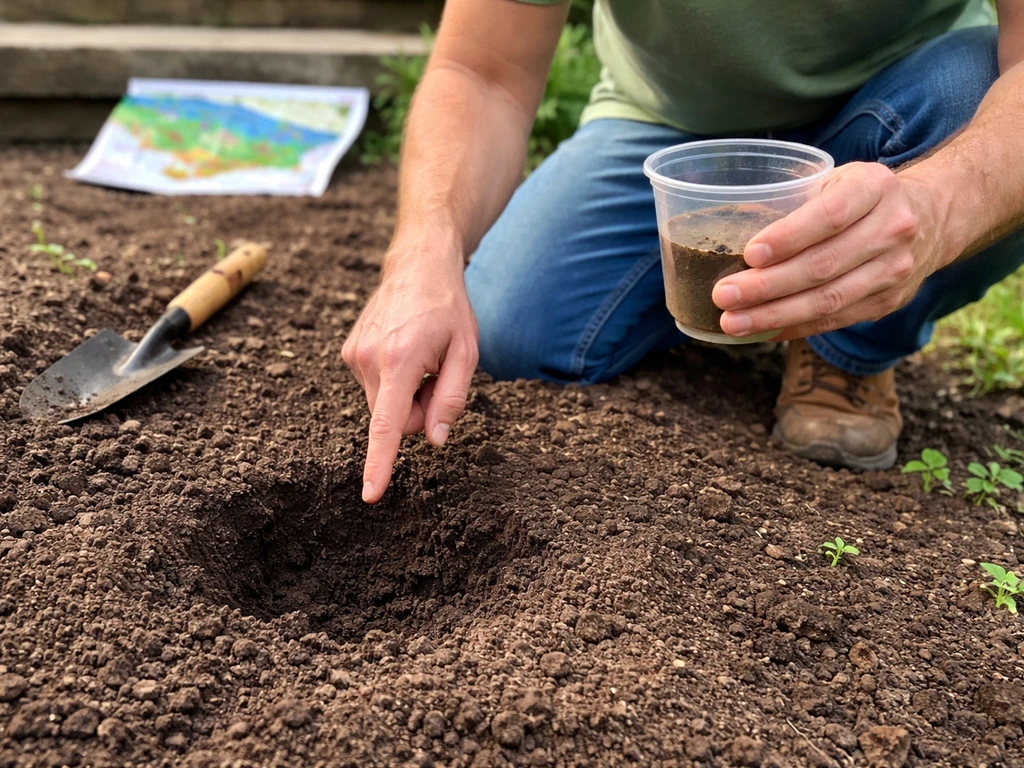
The fastest way to check your drainage is a blank" rel="noopener noreferrer">simple percolation test. Dig a hole about 12 inches deep, fill it with water, and watch. If the water drains in under an hour, you have good drainage and can grow almost anything. If it's still sitting there after 3 to 4 hours, you have drainage problems and need to either amend your soil with compost, build raised beds, or stick to plants that tolerate wet feet. Wet, compacted soil kills more "easy" plants than almost anything else.
Your hardiness zone
Your USDA hardiness zone tells you the average minimum winter temperature in your area, which determines which perennial plants can survive year to year. You can look it up instantly by entering your ZIP code into the USDA Plant Hardiness Zone Map search. For this guide, zone matters most for perennials. If you're growing annuals (which most beginner-friendly plants are), zone is less critical, but it still tells you your frost dates and how long your growing season is.
Wind and microclimates
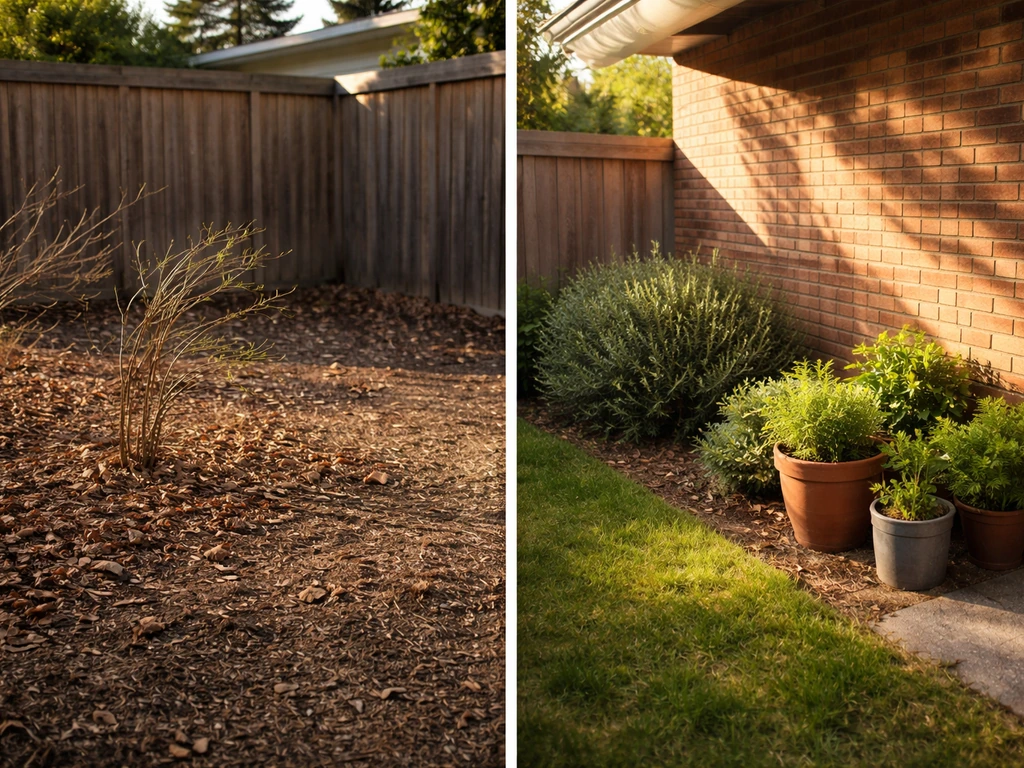
A south-facing wall that reflects heat can let you grow plants one zone warmer than your official zone. A low-lying area in your yard, on the other hand, is a frost pocket, because cold air sinks and pools in depressions. That spot might get frost two or three weeks later in spring than the rest of your yard. If you're planting in a low spot, choose cold-tolerant plants or wait a bit longer to put tender plants out.
In-ground vs. containers
In-ground planting is usually more forgiving on watering because soil holds moisture longer. Containers dry out fast, especially small ones in summer heat. If you're on a balcony or patio, choose plants rated for containers and expect to water more often. The upside: containers let you move plants to chase sun or escape extreme weather, which is a real advantage for beginners.
The best low-effort outdoor plants, organized by light and climate
These are plants that genuinely earn the "easy" label: they germinate reliably, tolerate some neglect, don't demand perfect soil, and give you visible results fast. If you want ideas right away, start with the easy outdoor plants by light and climate sections in this guide easy label. I've broken them out by light condition so you can go straight to what applies to your space.
Full sun (6+ hours of direct sun)
- Marigolds: Practically indestructible annuals that bloom from summer through frost. Direct sow or transplant now. They also deter pests, which is a bonus.
- Zucchini: The classic beginner vegetable for good reason. Plant seeds or starts now, and you'll be picking zucchini in 50 to 60 days. Works in zones 3 through 10.
- Nasturtiums: Thrive in poor soil, bloom prolifically, and the flowers are edible. Direct sow seeds now. Don't bother starting indoors, they prefer direct sowing.
- Black-eyed Susans (Rudbeckia): Native perennial that blooms all summer, survives drought, and comes back every year. Zones 3 to 9.
- Sunflowers: Fast, dramatic, and satisfying. Direct sow now. Mammoth varieties can hit 10 feet in a single season.
- Lavender: Thrives on neglect in hot, dry, well-drained spots. Best in zones 5 to 8. Do not overwater.
- Basil: Plant after all frost risk is gone (which it is right now in most of the US). Loves heat and full sun. Pinch flowers to keep producing leaves.
- Cosmos: Fast-growing airy flowers that bloom for months. Direct sow now and thin to 12 inches apart. Virtually zero maintenance.
Partial sun or partial shade (3 to 6 hours)
- Coleus: Grown for vivid foliage, not flowers. Thrives in part shade, looks great all season, and tolerates heat better than most shade plants.
- Begonias (wax begonias): Reliable, low-maintenance annuals that bloom from planting until frost. Excellent in partial shade.
- Mint: Aggressive spreader (keep it in a pot), but nearly impossible to kill. Great for beginners who want something that actually grows fast.
- Lettuce and spinach: Both prefer cooler temps and partial shade in summer. In late June, plant them in dappled shade where afternoon sun is blocked.
- Astilbe: Feathery perennial that thrives in part shade, especially in zones 3 to 8. Once established, very drought tolerant.
Full shade (fewer than 3 hours of sun)
- Hostas: The quintessential shade perennial. Huge variety in size and color, virtually maintenance-free, and returns reliably every year in zones 3 to 9.
- Impatiens: The classic shade annual for color. Bloom continuously from planting until frost. Easy from transplants.
- Ferns: Native ferns like ostrich fern or cinnamon fern are zero-maintenance once established in moist shade. They fill space beautifully.
- Bleeding heart (Dicentra): Gorgeous spring-blooming perennial for shade. Goes dormant in summer, so pair it with hostas to cover the gap.
Regional callouts worth noting
In hot Southern climates (zones 8 to 10, think Texas, Florida, Georgia), late June is already brutal, and some cool-season plants have bolted. Your best bets right now are heat-loving plants: portulaca, vinca, zinnias, sweet potato vine, and okra. In the Pacific Northwest, June is still cool and damp in many areas, which is ideal for starting kale, chard, and snap peas. In the Midwest and Northeast, you're in peak planting season right now. Plant everything on the full-sun list above. If you want good easy plants to grow, start by matching the light and climate you measured to a short list of low-effort options.
Easy outdoor plants for containers, pots, and balconies
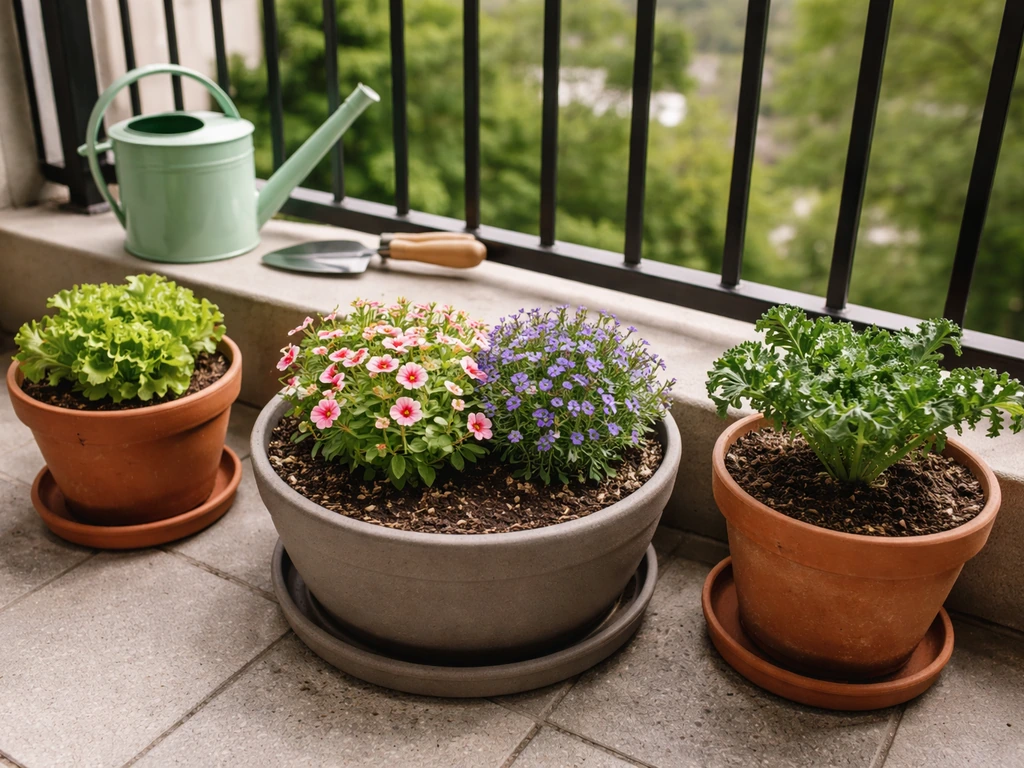
Container gardening is one of the best entry points for beginners because you control the soil completely, drainage is easier to manage, and you can move things around. If you want ideas that are easiest for beginners, a good place to start is a list like the top 10 easy plants to grow that do well in pots and planters Container gardening. The trade-off is watering: pots dry out fast in summer, sometimes needing water every day in a heat wave. Choose the largest container you can fit. A 12-inch pot is the minimum for most plants; 16 to 20 inches gives you a lot more flexibility.
| Plant | Container Size | Sun Needs | Key Trait |
|---|---|---|---|
| Petunias | 10"+ hanging basket or pot | Full sun | Blooms all summer, spills beautifully |
| Zinnias | 12"+ pot | Full sun | Fast-blooming, drought tolerant once established |
| Marigolds | 8"+ pot | Full sun | Pest deterrent, constant color |
| Herbs (basil, parsley, chives) | 6"–10" pot | Full to part sun | Useful, fast-growing, rewarding |
| Cherry tomatoes | 5-gallon minimum | Full sun | High yield in small space |
| Coleus | 10"+ pot | Part shade | Vivid foliage, no deadheading needed |
| Impatiens | 10"+ pot or window box | Shade to part shade | Continuous color with no effort |
| Strawberries | Strawberry pot or 10"+ container | Full to part sun | Edible, compact, kid-friendly |
For balconies exposed to wind, avoid tall or top-heavy plants like sunflowers or tall grasses unless you can stake them well. Petunias, herbs, and trailing sweet potato vine handle wind better than most. Use a high-quality potting mix (not garden soil, which compacts in containers) and make sure every pot has drainage holes.
What to plant now vs. what comes next: a season-by-season plan
Since today is late June, you're in the thick of prime planting season in most of the country. Here's how to think about the next 12 months so you always have something growing.
Right now (late June through July)
This is your window for heat-loving annuals and fast summer vegetables. Direct sow zinnias, marigolds, cosmos, and sunflowers now and they'll bloom by August. If you're in zones 5 through 7, you can still direct sow basil and bush beans and get a full crop before frost. In hotter zones (8 to 10), focus on okra, sweet potato vine, portulaca, and heat-tolerant herbs like rosemary and thyme. Don't start cool-season crops outdoors right now in most regions. They'll bolt in summer heat.
Late summer (August through September)
As temperatures start to moderate slightly, this is the time to sow cool-season crops for a fall harvest. Kale, spinach, lettuce, radishes, and arugula can all go in the ground 6 to 8 weeks before your first expected frost. In warmer zones, this is also when you start planting fall annuals like pansies and ornamental kale. Look up your average first frost date (most are October through November in zones 5 to 7) and count backward.
Fall (October through November)
Fall is actually the best time to plant spring-blooming bulbs (tulips, daffodils, alliums) and many perennials. Planting perennials in fall gives roots time to establish before winter, which means stronger plants next spring. Mums, ornamental grasses, and asters give you color right through the season. In zones 8 to 10, fall is the beginning of your prime growing season for vegetables.
Winter and overwintering
In zones 7 and above, pansies, kale, and snapdragons can overwinter outside with minimal protection. In colder zones, this is the time to plan. Order seed catalogs, sketch out next year's beds, and start seeds indoors from January onward for spring transplants. Hardy perennials like hostas, black-eyed Susans, and ornamental grasses just need to be cut back before spring growth.
The simplest care plan for low-maintenance success
Most easy plants fail not because of neglect but because of a few specific mistakes: planting at the wrong depth, overwatering, or skipping mulch. Here's the straightforward routine that keeps low-effort plants thriving.
Planting
Dig your hole twice as wide as the root ball but only as deep. Setting a transplant too deep is one of the most common killers. The top of the root ball should sit level with or just slightly above the surrounding soil. After planting, water thoroughly once, slowly, until water runs out the bottom of the pot or soaks the surrounding soil to a depth of 6 to 8 inches. If you’re looking for which plants grow easily, make sure you match them to your sun, soil drainage, and hardiness zone first. That first deep watering is critical for preventing transplant shock.
Watering
For in-ground plants, the goal is deep and infrequent watering. Most established plants in-ground need about 1 inch of water per week, either from rain or irrigation. Stick your finger 2 inches into the soil. If it's dry, water. If it's moist, wait. Shallow daily watering encourages shallow roots, which makes plants less drought tolerant over time. For containers in summer, check daily. A 10-inch pot can dry out in 24 hours in 90-degree heat.
Mulching
Mulch is the biggest single time-saver in a low-maintenance garden. A 2 to 3 inch layer of shredded wood mulch or straw around your plants keeps soil moist (cutting watering frequency by half), suppresses weeds, and regulates soil temperature. Keep mulch a few inches away from plant stems to prevent rot. One application in late spring or early summer lasts all season.
Feeding and fertilizing
For in-ground plants in decent soil, a single application of a balanced slow-release fertilizer (look for something like 10-10-10 on the label) at planting time is often all you need for the season. Annuals in containers need more frequent feeding because nutrients wash out with every watering. A liquid fertilizer every two to three weeks keeps container plants blooming strong. Perennials in the ground need minimal fertilizing once established.
Deadheading and minimal pruning
Deadheading (pinching off spent flowers) keeps most annuals blooming longer. It takes two minutes per plant every week or so. Petunias, marigolds, and zinnias especially benefit from it. For truly set-it-and-forget-it situations, choose self-cleaning varieties (often labeled on the plant tag) that drop spent blooms on their own. Basil needs one specific step: pinch off any flower stalks as soon as you see them, or the plant stops producing flavorful leaves.
Common beginner problems and quick fixes
Almost every problem a beginner encounters is one of a handful of issues. Here's how to diagnose and fix the most common ones fast.
| Symptom | Most Likely Cause | Quick Fix |
|---|---|---|
| Yellowing leaves | Overwatering or poor drainage | Let soil dry out. Check pot drainage holes aren't blocked. |
| Wilting despite wet soil | Root rot from overwatering | Reduce watering, improve drainage, repot if in a container. |
| Wilting in heat despite watering | Transplant shock or heat stress | Shade plant midday for a week. Keep roots consistently moist. |
| Leggy, stretched stems | Not enough light | Move to brighter location or choose shade-tolerant plants. |
| Holes in leaves | Slugs or caterpillars | Check under leaves at night. Hand-pick or use slug bait around base. |
| Sticky residue, curled leaves | Aphids | Blast with water hose or spray with diluted neem oil. |
| White powder on leaves | Powdery mildew | Improve air circulation, avoid wetting leaves, remove affected growth. |
| No blooms | Too much nitrogen or not enough sun | Cut back fertilizer, move to sunnier spot, or deadhead spent flowers. |
| Plant died after transplanting | Transplant shock or planting too deep | Water thoroughly at planting, plant at correct depth, harden off before transplanting. |
Aphids are probably the pest you'll encounter most as a beginner. They cluster on new growth and undersides of leaves. A strong blast of water from the hose knocks them off and breaks their feeding cycle. Do it three days in a row and most infestations clear up without any chemicals. Slugs are the night predators: if you find holes with no visible insects during the day, go out with a flashlight after dark and you'll find them.
Where to get seeds and starts, and how to pick the right ones
For the fastest results in late June, buy transplants (starts) rather than seeds for most plants. A 4-inch pot of marigolds or a six-pack of impatiens is already 4 to 6 weeks ahead of where a seed would be. You'll get flowers or harvests weeks sooner. For plants that absolutely prefer direct sowing (nasturtiums, sunflowers, zucchini, beans, cosmos), seeds are fine and actually preferable since they don't transplant well.
Where to buy
- Local garden centers and nurseries: Best source for transplants right now. Plants are already acclimated to your regional climate, and staff can advise on local timing. Check for clearance on summer annuals in late June as stores make room for fall inventory.
- Big box stores (Home Depot, Lowe's, Walmart): Convenient and affordable for common annuals and vegetables. Quality varies. Avoid anything with yellowing leaves, leggy stems, or roots visibly circling out of the pot bottom.
- Online seed companies: Best for seeds, especially if you want uncommon varieties. Reliable companies include Johnny's Selected Seeds, Baker Creek, Burpee, and Territorial Seed. Order now for fall planting.
- Farmers markets and plant swaps: Great for locally-grown starts from gardeners who know your specific climate. Often cheaper than nurseries.
How to pick a healthy transplant
- Choose compact, bushy plants over tall, stretched ones. Leggy plants were grown in low light and will struggle.
- Look for dark green leaves with no yellowing, spots, or sticky residue.
- Check the root zone: tip the plant out of its pot. Healthy roots are white or tan. Brown, mushy roots mean overwatering.
- Don't always pick the one already in bloom. A plant with buds but not yet open blooms will transplant better and bloom longer.
- Hardened-off plants (labeled as such, or kept outdoors at the store) adjust faster than greenhouse-only plants.
If you're buying seeds for direct sowing right now, check the days-to-maturity on the packet against your expected first frost date. A variety that takes 90 days to mature might not make it if your first frost comes in October and you're planting in late June. Look for fast-maturing varieties (under 60 days) for anything you're starting from seed this late in the season.
Once you've got your plants selected and in the ground, the most important thing is just to check on them in the first two weeks. Water consistently, watch for any of the warning signs above, and give them time to settle in. Most beginner-friendly plants want to thrive. Give them the right spot and basic care, and they'll do the rest.
FAQ
If my yard gets only 2 to 3 hours of sun, what “easy” plants can I still grow successfully?
At that light level, switch the goal from “full-sun bloomers” to partial-shade growers, like hostas and ferns, and prioritize plants that tolerate low light. If you want flowers, place them in the brightest spot you have, avoid deep shade under trees, and expect fewer blooms. A balcony can help, because reflective walls and less canopy can raise usable light.
How often should I water marigolds, basil, or zucchini in-ground compared with containers?
In-ground, use the 2-inch finger check and target about 1 inch of water per week total (rain plus irrigation). For containers, don’t rely on a schedule, check daily in heat, because a medium container can dry out in a day at peak temperatures. Water containers early in the morning to reduce evaporation and leaf stress.
What’s the right watering method right after transplanting so I don’t shock the plant?
After planting, water slowly and deeply just once at the start, until moisture reaches well below the root zone (aim for the depth of the surrounding soil, roughly 6 to 8 inches). Then wait and reassess, instead of watering lightly every day. Light frequent watering keeps roots near the surface and increases failure later.
Can I use garden soil in pots to save money?
Avoid garden soil in containers. It compacts, drains poorly, and can suffocate roots in a pot even if it seems fine in the ground. Use a quality potting mix designed for containers, and make sure each pot has drainage holes.
My plants are wilting but the soil is wet. What does that usually mean and what should I do first?
Wet soil plus wilting often points to drainage or root stress, especially if the bed stays soggy. Re-check the percolation in that area, remove standing water, and if possible adjust to raised beds or amend with compost to improve structure. Overwatering can cause roots to lose oxygen, which looks similar to drought wilting.
How deep should I plant seedlings or transplants, and what’s the best way to avoid planting too deep?
Set the root ball level with the surrounding soil or slightly above it. A quick way to avoid depth mistakes is to measure the root ball height when the plant is in its pot, then compare it to the hole depth. If you plant too deep, the stem and crown can stay wet and rot, or the plant can struggle to re-grow roots.
Do I need mulch if I’m already watering correctly?
Mulch still helps, even if you’re careful with watering. It reduces evaporation, moderates soil temperature, and helps prevent weeds that compete for moisture. Keep mulch a few inches away from plant stems to avoid rot and fungal issues.
Is there a simple fertilizer plan for beginners, especially for container plants?
In-ground, many plants do well with a single balanced slow-release application at planting (then minimal feeding after they establish). Containers usually need more nutrition because water washes nutrients out, so use a liquid fertilizer every 2 to 3 weeks during the growing season, and follow the label rate to avoid salt buildup.
Should I deadhead everything, or are there “low-effort” options that don’t require weekly work?
Deadheading helps many flowering annuals, especially marigolds, petunias, and zinnias. If you want less maintenance, look for self-cleaning varieties on the tag, since they drop spent blooms on their own. Basil is different, pinch off flower stalks quickly so the plant keeps making flavorful leaves.
How can I tell whether a pest issue is worth treating or just tolerating?
Start by checking how widespread the damage is on new growth and undersides of leaves. For aphids, a strong hose spray repeated for a few days often clears them without chemicals. If slugs are the issue, focus on nighttime checks and basic controls rather than constant daytime inspections, because you may only see the damage.
When is it better to buy transplants instead of starting from seed for late June planting?
For most plants, transplants give you a head start, usually making flowers or harvests weeks earlier than seed. If a plant prefers direct sowing and doesn’t transplant well (examples include nasturtiums, sunflowers, zucchini, and beans), seeds are often the smarter choice. Check days-to-maturity against your first frost date before buying seeds.
How do I choose varieties that won’t fail before frost if I’m starting from seed late in the season?
Compare the seed packet’s days-to-maturity with your expected first frost date, then choose varieties that mature fast enough for your timeline. As a rule of thumb from the article approach, if you’re planting from seed late, prioritize options under 60 days. If your target plant needs 90 days or more, it likely won’t finish in time.
What should I do if my plants look fine for a few days, then suddenly decline in the second week?
This is usually a settling and watering issue. Re-check soil moisture (don’t guess), confirm the planting depth wasn’t too deep, and look for early warning signs like wilting paired with soggy soil or wilting paired with dry potting mix. In the first two weeks, consistent monitoring matters more than adding fertilizer.
Next Article
Good Easy Plants to Grow: Easy Picks for Any Season
Season and location based guide to good easy plants to grow indoors and outdoors with low care tips and quick wins.