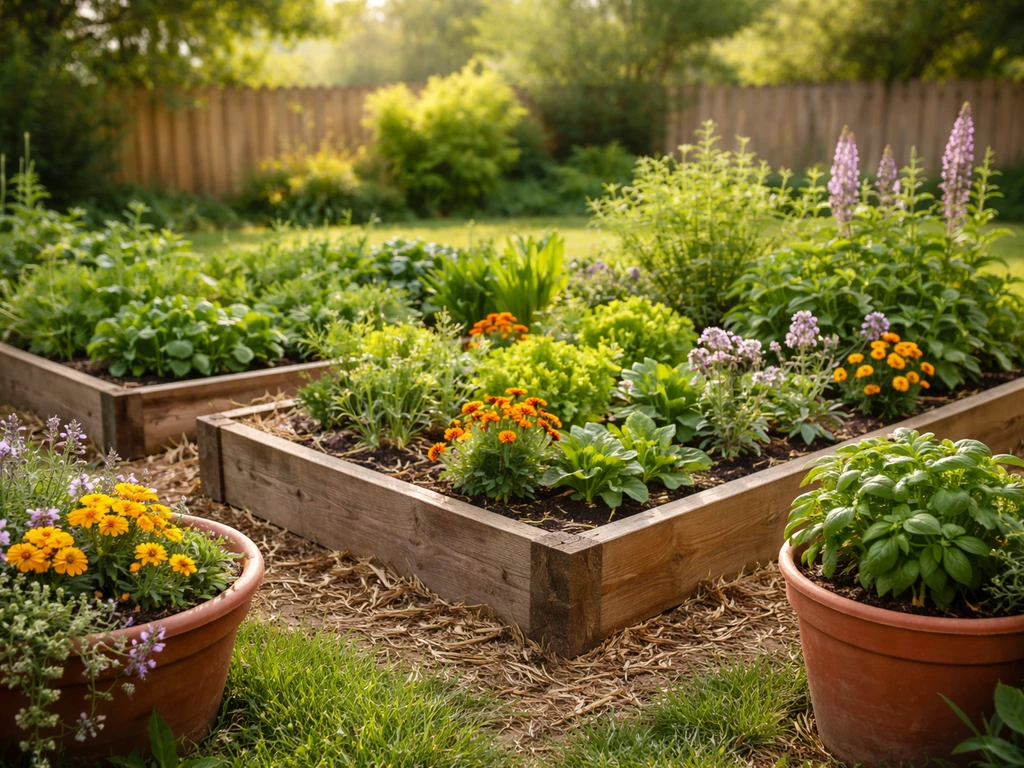
The easiest outdoor plants to grow are radishes, bush beans, basil, zucchini, marigolds, hostas, and native groundcovers like creeping thyme. Once you know your climate and growing conditions, you can narrow down to the best plants to grow outside for your yard. Those are your starting points. But "easy" depends almost entirely on where you live and what month it is right now. A plant that thrives effortlessly in a Georgia summer will fail in a Minnesota spring. So before you grab a handful of seeds, spend two minutes matching your situation to the right picks, and you'll save yourself a season of frustration.
What Are Easy Plants to Grow Outside? Beginner Guide
Rachel Hartley
17 May 2026
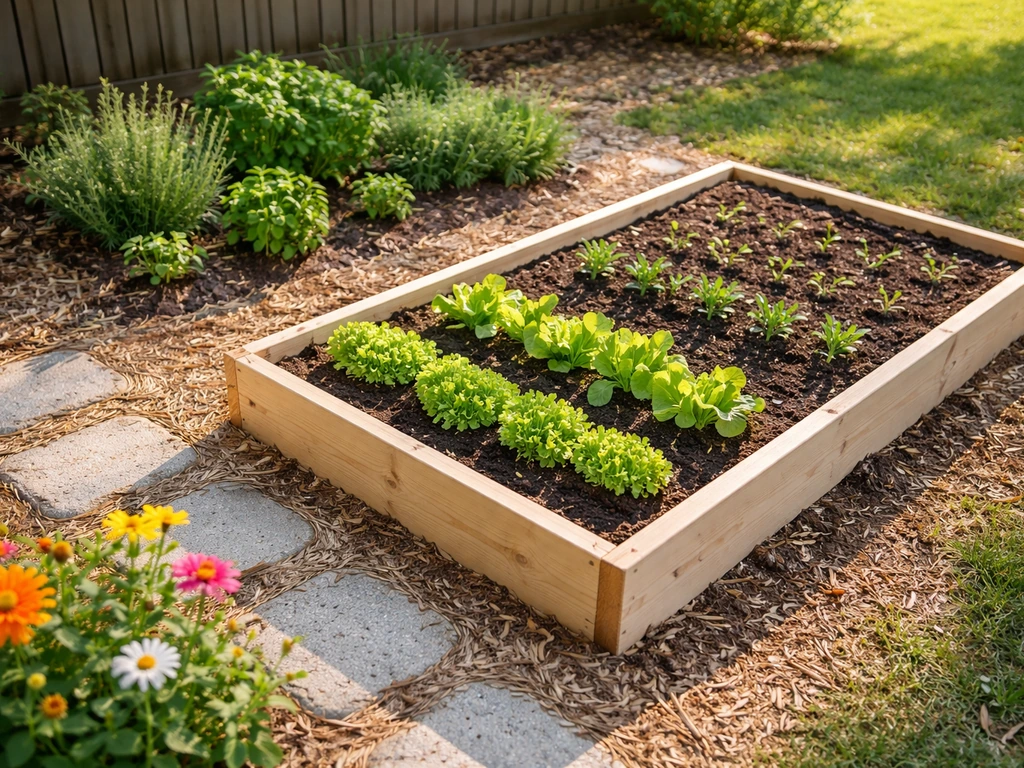
How to choose truly "easy" outdoor plants for your climate
The word "easy" gets thrown around a lot in gardening, but in practice it means one specific thing: a plant that succeeds without heroic effort in your actual conditions. That requires getting four things right before you pick a single plant.
First, know your USDA Hardiness Zone. The zone system is built around average annual extreme minimum winter temperatures in 10-degree increments, and it tells you which perennials and shrubs will survive your winters. USDA Plant Hardiness Zones are based on the blank" rel="noopener noreferrer">average annual extreme minimum winter temperature, measured in 10°F increments. Look yours up at the USDA map or just Google your zip code plus "hardiness zone." It takes under a minute. UK gardeners use the RHS hardiness scale instead, where H5 through H7 ratings indicate reliably cold-hardy plants. The RHS also advises checking a plant's hardiness rating and aiming for about H4 in the old system, or H5, H7 (and roughly USDA Zones 1, 8a), to be more confident of full hardiness in cold conditions blank" rel="noopener noreferrer">RHS hardiness ratings (H4, H5–H7) and USDA Zones 1–8a.
Second, know your frost dates. The last spring frost date is the earliest it's safe to put cold-sensitive plants outside. The first fall frost date tells you how long your growing window is. The USDA and NRCS track these at multiple temperature thresholds (32°F, 28°F, and 24°F) because different plants die at different cold levels. A light frost advisory at 33-36°F won't kill basil the same way a hard freeze will. Search "last frost date" plus your city, and write both dates on a sticky note in your garage.
Third, count your sun hours. Stand in your yard at noon and look honestly at how much direct sun each spot gets. Six-plus hours per day is "full sun," and most vegetables, herbs, and annual flowers need that to thrive. Three to six hours is part shade, which opens up hostas, ferns, impatiens, and some herbs like mint and cilantro. Less than three hours and you're in deep shade territory, where your options narrow sharply.
Fourth, decide what you want out of it. Food and herbs, low-maintenance color, or just something that survives while you're traveling? That question narrows your list fast. Once you've answered those four things, picking an easy plant becomes straightforward.
Top easiest outdoor plants by category (starter picks)
Here's a quick reference before we dig into each category. These are the plants that consistently reward beginners with minimal inputs across most of North America and the UK. Use this as your shortlist when you're standing in a nursery and need a fast answer.
| Plant | Category | Sun Needed | Good For | Beginner Pitfall |
|---|---|---|---|---|
| Radish | Vegetable | 6+ hours | Fast harvest, spring/fall | Planting in heat (they bolt) |
| Bush beans | Vegetable | 6+ hours | Summer harvest, no staking | Cold soil under 60°F kills seeds |
| Zucchini | Vegetable | 6+ hours | Huge harvests, large spaces | Overwatering causes rot |
| Basil | Herb | 6-8 hours | Culinary use, container-friendly | Any frost kills it instantly |
| Chives | Herb | 4-6 hours | Perennial, nearly indestructible | None, really |
| Marigold | Flower | 6+ hours | Color, pest deterrent | Waterlogging |
| Nasturtium | Flower | 4-6 hours | Edible, thrives in poor soil | Rich soil = leaves, no blooms |
| Creeping thyme | Groundcover | 6+ hours | Low-traffic areas, drought-tough | Poor drainage |
| Hosta | Perennial | 2-4 hours | Shade gardens, bold foliage | Slugs in wet seasons |
| Black-eyed Susan | Perennial | 6+ hours | Native, drought-resistant | Overcrowding over time |
Easiest outdoor vegetables and herbs to grow
Radishes: fastest payoff in gardening
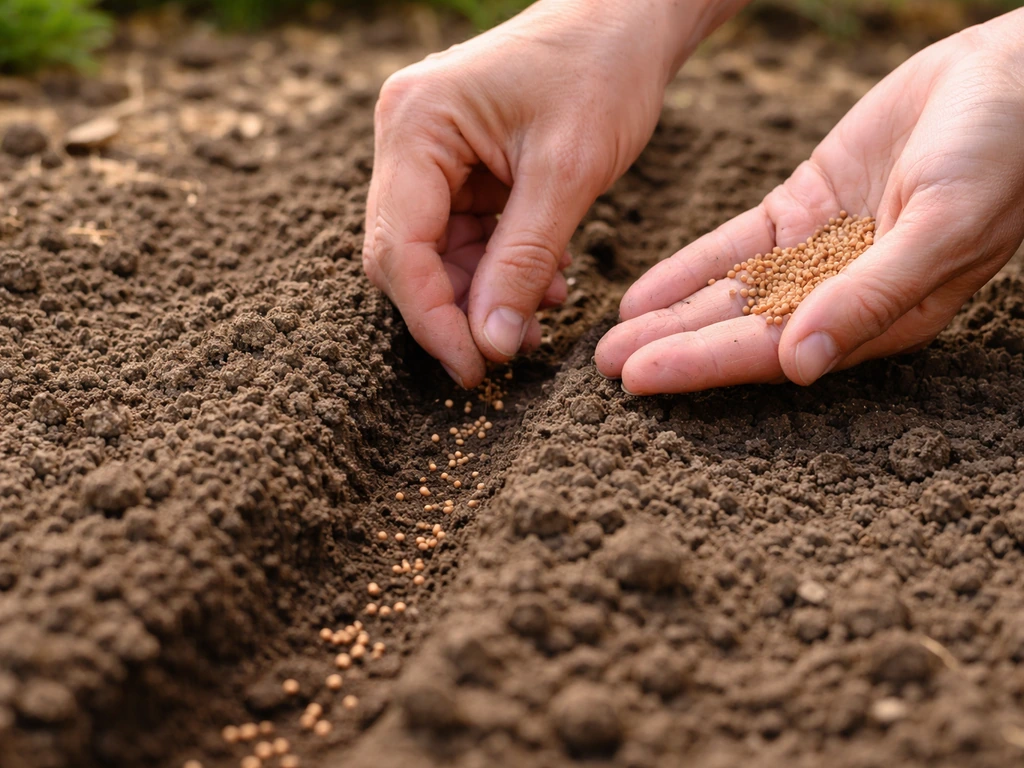
Radishes are genuinely the easiest vegetable you can grow outdoors, and they mature in just 25 to 35 days. You direct-seed them as soon as the soil can be worked in spring, no transplants needed. In a place like Minnesota, that's early April through early May for a spring crop, then again August 1 through September 1 for fall. They need at least 6 hours of sun per day (8 to 10 hours is better), and you just thin the seedlings to about 2 inches apart once they sprout. The main mistake beginners make is planting them in summer heat, which causes them to bolt straight to seed without forming a root.
Bush beans: the beginner's summer vegetable
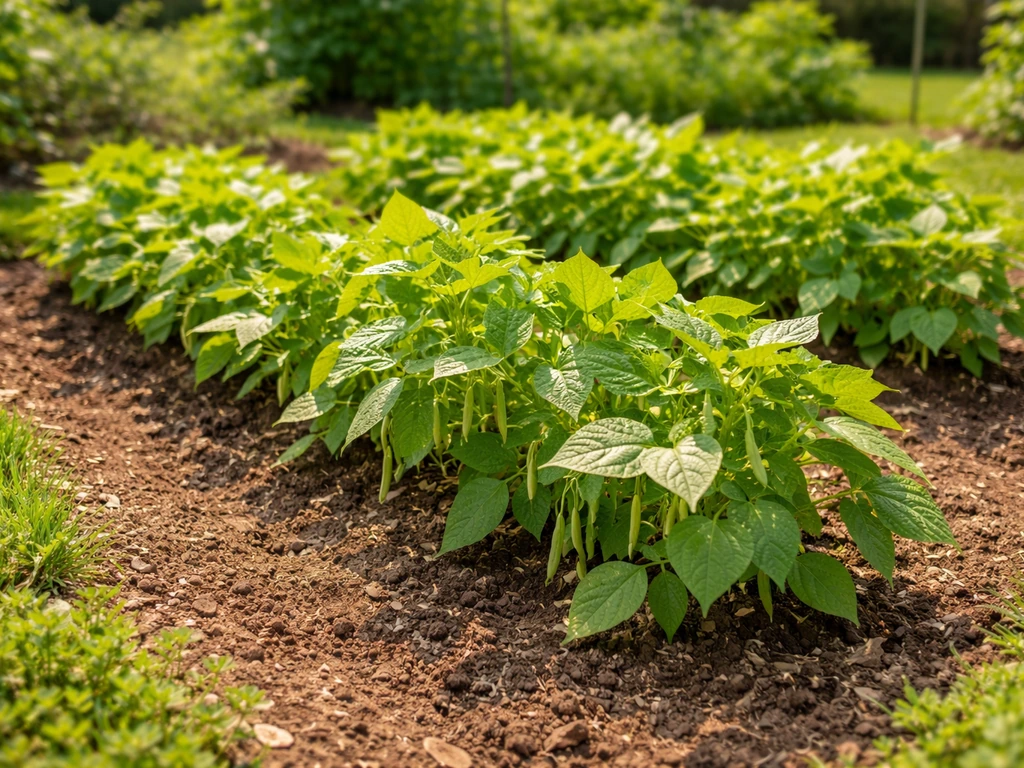
Bush beans are reliable, productive, and dead simple to start from seed. Plant them directly in the ground about 1 inch deep after the soil temperature climbs above 60°F. They take 50 to 60 days to mature, require no staking (unlike pole beans), and if you sow a new row every 10 days or so through midsummer, you get a continuous harvest instead of one giant glut. The failure mode here is impatience: cold soil below 60°F will rot the seeds before they germinate. Wait for warm soil, and bush beans almost always deliver.
Zucchini: almost too easy
There's a running joke among gardeners that you have to lock your car in August to stop neighbors from leaving zucchini on your seat. That's how productive these plants are. Sow seeds directly after your last frost date, give them full sun and 3-foot spacing, and stand back. The one thing to watch is water at the base, not on the leaves, to prevent powdery mildew and stem rot.
Basil: the herb that rewards minimal effort
Basil needs at least 6 to 8 hours of bright sun and well-drained soil. Seeds germinate in just 5 to 7 days, but because the seeds are tiny and tricky to sow evenly, most beginners are better off buying a small transplant from a nursery and potting it up or planting it in the ground after the last frost. Once it's established, thin or space plants to 6 to 12 inches apart after they develop two to three pairs of true leaves. Pinch off any flower spikes as soon as you see them, and the plant keeps producing fresh leaves all summer. One hard frost ends it immediately, so bring it inside before temperatures drop.
Chives: the perennial herb you plant once
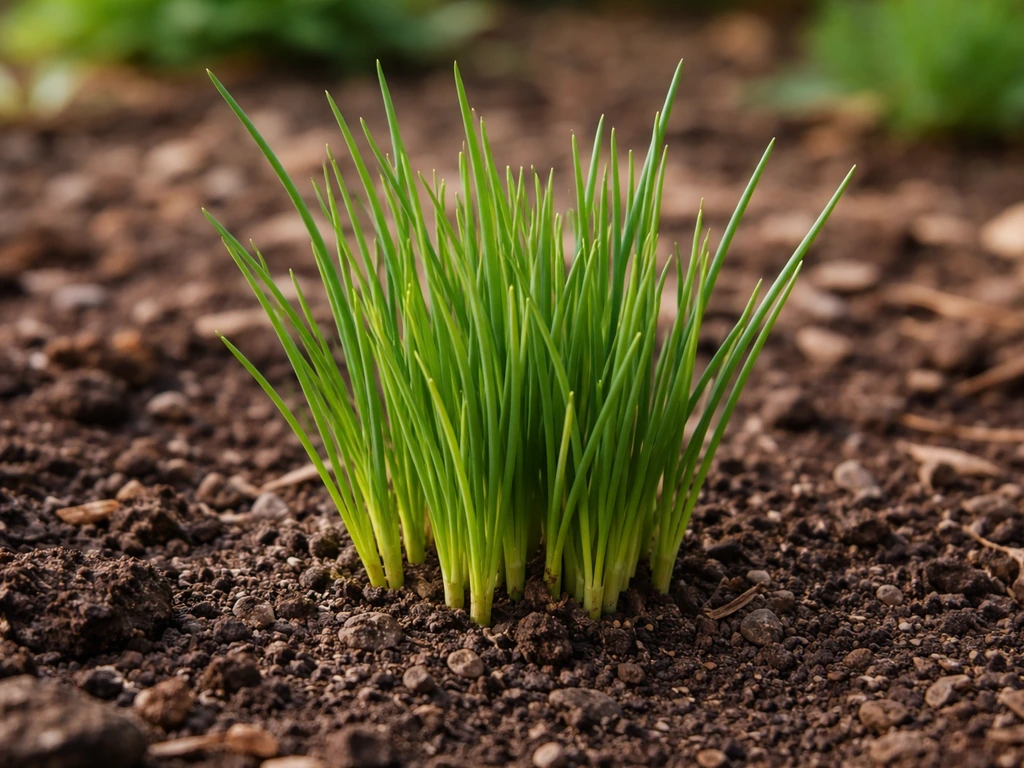
Chives are about as close to a no-maintenance outdoor herb as exists. Plant a clump in spring, in full to part sun, and they come back every year. They're edible, they flower pretty in late spring, and they're almost impossible to kill. If you want one herb that requires zero fuss, this is it.
Easiest flowers and groundcovers for low-maintenance color
Marigolds: tough, cheerful, and useful
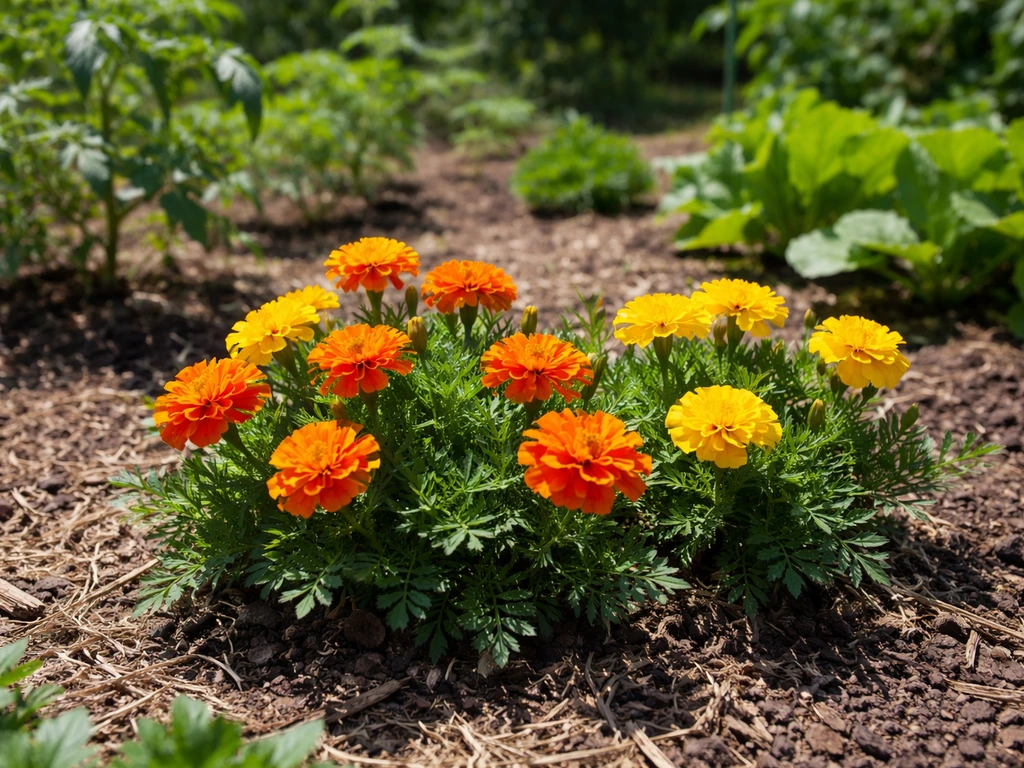
Marigolds are the go-to beginner annual flower for good reason. They tolerate heat, bloom all summer in full sun, and reportedly deter some pest insects when planted near vegetables. Buy transplants from a nursery after your last frost date, space them 10 to 12 inches apart, and deadhead the spent blooms every week or two to keep new flowers coming. They do not like sitting in waterlogged soil, so make sure your bed drains well.
Nasturtiums: thrives on neglect
Nasturtiums are one of those rare plants that actively do better in poor, lean soil. Rich, fertilized soil pushes them to produce lots of leaves and almost no flowers. Direct-seed them after your last frost in a sunny to partly shady spot, barely cover the seeds, and water them in. They'll bloom for months without any deadheading, and both the flowers and leaves are edible with a peppery flavor. Great for containers too.
Creeping thyme: the groundcover that handles everything
If you want to fill a sunny, low-traffic area with something that stays low, smells great when brushed, and comes back every year, creeping thyme is a top pick. It's drought-tolerant once established, handles foot traffic better than most groundcovers, and produces a flush of tiny pink or purple flowers in early summer. Plant it in well-drained soil in full sun and basically forget about it. It will not survive waterlogged conditions, so avoid low spots in the yard.
Impatiens: the answer for shady spots
If your outdoor space is shaded and you want color, standard impatiens are the classic answer. They flower prolifically in part to full shade with minimal care, just regular water and some slow-release fertilizer at planting. Note that New Guinea impatiens can handle more sun. Buy transplants rather than trying to start from seed, plant after your last frost date, and they'll bloom until fall.
Easiest trees, shrubs, and perennials for beginners
Hostas: the no-fail shade perennial
Hostas are the most reliably low-maintenance perennial for shaded or partially shaded spots. They come back every year, grow in a huge range of sizes and leaf colors, and ask almost nothing from you beyond adequate moisture. The main threat is slugs during wet seasons, which chew ragged holes in the leaves. A ring of diatomaceous earth around the base or a beer trap nearby takes care of them. Plant hostas in spring or early fall, give them decent soil, and they'll improve every year for decades.
Black-eyed Susans: native, tough, and colorful
Black-eyed Susans (Rudbeckia) are native North American perennials that bloom in late summer, tolerate drought and poor soil, and attract pollinators. They're essentially zero-maintenance once established. Plant nursery starts in spring in a sunny spot, water them through their first season while they establish roots, and then largely ignore them. They'll self-seed mildly over time, so divide clumps every few years if they get crowded.
Knockout roses: the shrub for beginners who want roses
Traditional roses are famously high-maintenance. Knockout roses are the opposite: disease-resistant, repeat-blooming, and forgiving of imperfect care. Plant them in full sun, give them decent soil, water at the base (not on leaves), and prune them back by about a third in early spring. That's genuinely most of the annual care.
Native trees worth starting with
If you're planting a tree, native species adapted to your region are almost always easier than ornamentals. Eastern redbud (Zones 4-9), serviceberry (Zones 2-9), and native dogwood are all compact, low-maintenance, and wildlife-friendly. Buy a small nursery specimen, dig a hole twice as wide as the root ball but only as deep, and water it weekly through its first summer. After that, most established native trees need almost no intervention.
Simple planting, watering, and maintenance routines
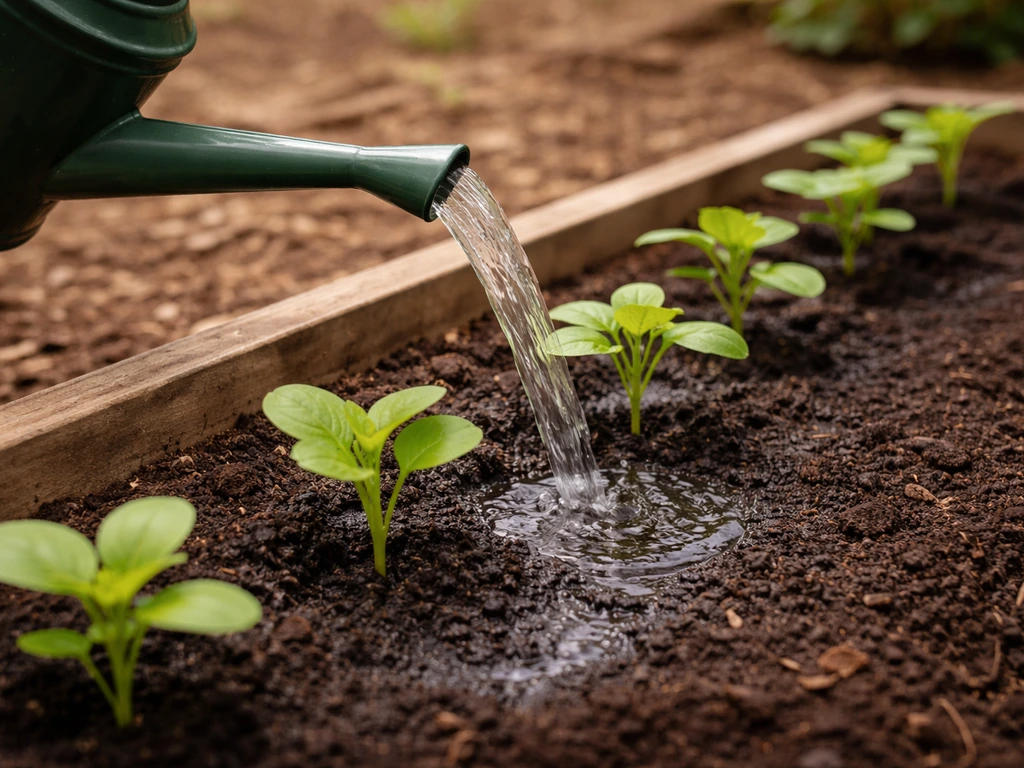
Most beginner plant failures come down to a few repeatable mistakes: planting too early (cold soil), overwatering, or poor soil that drains badly. Here's a straightforward routine that prevents all three.
Before you plant
- Check your last frost date and don't plant frost-sensitive crops or flowers before it, no matter how tempting warm days feel.
- Test your soil drainage by digging a hole 12 inches deep, filling it with water, and watching how fast it drains. It should drop about 1 inch per hour. Standing water after an hour means you need raised beds or containers.
- Mix a 2-3 inch layer of compost into your planting area. This improves both drainage in clay soils and moisture retention in sandy soils, which is the rare amendment that solves opposite problems.
- For containers, use a quality potting mix, not garden soil, which compacts in pots and suffocates roots.
Seed vs. transplant: when to use each
Direct sowing works well for radishes, beans, nasturtiums, and zucchini. These plants dislike having their roots disturbed and germinate quickly anyway. Transplants from a nursery are better for basil, tomatoes, peppers, marigolds, and impatiens, either because starting from seed takes too long, the seeds are difficult to handle (basil), or the plants need a head start indoors well before your last frost date.
Watering: the rule that saves beginners
Water deeply and less frequently rather than shallowly every day. For most outdoor plants in summer, that means a deep soak two to three times per week rather than a daily sprinkle. The goal is to encourage roots to grow downward toward consistent moisture, not stay near the surface chasing light daily watering. Stick your finger 2 inches into the soil before watering. If it's still damp, wait. If it's dry, water thoroughly until it runs out the bottom of containers or soaks visibly into the ground.
First 2-4 weeks routine
- Week 1: Water newly planted seeds or transplants every day or every other day until they show signs of establishment (new growth or roots holding the plant firmly).
- Week 2: Reduce to every 2-3 days, checking soil moisture before watering.
- Week 3-4: Shift to your normal schedule (deep water 2-3 times per week for most summer plants). Weed around your plants weekly so they don't compete for nutrients.
- Once a month: Deadhead spent flowers on marigolds and similar annuals. Pinch basil flower spikes. Check plants for pests or disease spots.
Quick next steps: match plants to your season, sun, and space
It's mid-May 2026, which means most of North America is right at or just past the last frost date, and you have a full growing season ahead. Here's exactly what to do in the next few days.
- Look up your USDA hardiness zone and last frost date for your city. If your last frost date has passed, you're clear to plant frost-sensitive plants outdoors now.
- Walk your yard or balcony and count sun hours in the spot you want to plant. Anything under 4 hours rules out vegetables and most flowers, but opens up hostas, ferns, and impatiens.
- Choose 2-3 plants from this guide rather than trying to grow 10 things at once. If you want food: start with radishes (fastest) or bush beans (most satisfying). If you want color: marigolds in sun, impatiens in shade. If you want low-effort perennials: hostas or black-eyed Susans.
- Visit a local nursery this week while transplant selection is at its best for the season. Buy transplants for basil, marigolds, and impatiens. Pick up seed packets for radishes, beans, and nasturtiums.
- Prepare your soil or containers before you plant: amend with compost, check drainage, and label what you're growing and the date you planted so you can track days to maturity.
- Follow the first 2-4 week watering routine above and resist the urge to over-tend. Most easy plants fail because of overwatering or overcomplicating, not neglect.
If you're comparing options beyond this list, it's worth thinking about what "easy" means to you specifically: easiest for fragrance, easiest for a specific region, easiest for sheer volume of harvest. If you specifically want the best smelling plants to grow outdoors, look for fragrant herbs and flowers like creeping thyme and basil. If you want the best easy to grow outdoor plants, match them to your climate and seasonal timing first easiest for a specific region. Those angles each point toward different picks that go deeper than this starter guide. But for most beginners standing outside in May wondering where to start, radishes, bush beans, marigolds, and a basil transplant on your sunniest windowsill edge will get you growing with confidence in under a week.
FAQ
What are the easiest outdoor plants to grow if I’m not sure my sun exposure yet?
Start with plants that tolerate a range of light, then fine-tune later. Chives and impatiens handle part shade well, and marigolds do best in sun but can still bloom reasonably in lighter spots. If you’re uncertain, pick a spot and observe it for a full day, then commit within 1 to 2 weeks. This avoids the most common mistake, choosing a “sunny” corner that is actually shaded during afternoon hours.
Which easy plants should I choose for containers if I have no garden bed?
Choose direct-sow crops that don’t like root disturbance, and herbs that respond well to potting. Radishes, bush beans (use a compact variety if available), nasturtiums, and creeping thyme all work well in containers if drainage is excellent. Basil is easier from a nursery transplant in a pot, and you’ll get better success if you use a potting mix designed for vegetables or herbs, not garden soil. Make sure container size is adequate, small pots dry out too fast for basil and beans.
What should I do if it gets colder than expected after I plant warm-season “easy” plants?
Treat unexpected cold as a timing and protection problem, not a lost cause. For basil, zucchini, and beans, use row cover or a cloche when nights drop near frost levels, and remove it during daytime if temperatures rise to prevent overheating. For a quick decision aid, wait to transplant or sow until your soil is warm enough for beans (around 60°F) and be ready to cover during cold snaps, especially in the first weeks after last frost.
Is it better to start from seeds or buy transplants for easy outdoor plants?
It depends on whether the plant resents root disturbance and how long it takes to size up. Direct sow is usually simplest for radishes, beans, nasturtiums, and zucchini because germination is fast and roots aren’t interrupted. Transplants tend to be easier for basil, impatiens, and marigolds since you avoid fiddly seed starting and shorten the time before you see results. If you want the most reliable beginner win, use transplants for anything that needs weeks of warm growth before it performs.
How do I prevent “easy plants” from failing due to watering problems?
Overwatering is a common hidden killer, even for beginner-friendly plants. Check moisture by pushing a finger about 2 inches into the soil before watering, and only water when it feels dry at that depth. Water at the base for plants prone to leaf problems, like zucchini and basil, to reduce mildew risk. In containers, make sure there is drainage, and don’t let pots sit in saucers with standing water.
Can I mix edible plants and flowers in the same area without extra care?
Yes, and it often makes maintenance easier because you can manage watering and soil once for the whole area. A low-effort pairing is radishes or beans with marigolds and nasturtiums, since their light and watering needs are broadly similar. Keep in mind that basil prefers well-drained soil and bright sun, so place it where it won’t be shaded by taller plants as they grow. This reduces the “everything looks fine until mid-season” problem.
What’s the easiest way to choose plants that will do well in my specific region?
Use a simple filter: hardiness plus timing. First, confirm your USDA zone (or your local equivalent) for perennial survival, then align planting with your frost dates for annuals and vegetables. If you are in a cold spring area, prioritize cool-season fast growers like radishes and choose warm-season plants only after soil warms. If you are in a hot summer area, avoid sowing heat-sensitive crops in peak heat unless you plan for shade cloth or quick harvest varieties.
Are there any “easy” plants that I should avoid for certain yard conditions?
Yes. Avoid creeping thyme in waterlogged low spots, it struggles with standing moisture even if it seems to be “thriving” temporarily. Don’t expect basil to handle hard frost, it ends quickly, so plan to replace or bring it in before temperatures drop. If your yard is persistently wet, skip plants that are prone to mildew unless you can improve drainage or water only at the base.
How do I handle pests and diseases on beginner-friendly plants without getting overwhelmed?
Focus on the most likely issues by plant type. For hostas in wet seasons, watch for slugs early and use a targeted method like traps or a barrier around the base rather than broad sprays. For zucchini, prevent leaf and stem problems by watering at the base and keeping foliage from staying wet. For most beginner flowers like marigolds and rudbeckia, consistent watering during establishment is usually the only “proactive” step needed.
What should I plant first if I want results within a week or two?
Pick fast-maturing, quick-germinating plants. Radishes are the standout for speed, they can be ready in about a month and you’ll see sprouts within days. Nasturtiums and bush beans also germinate quickly once soil is warm, and you can harvest leaves and flowers from nasturtiums relatively early. If you want “instant-looking” color, buy marigold or impatiens transplants after last frost and plant them right away for blooms sooner than seed-starting options.
Next Article
Best Plants to Grow Outside: Easy Picks by Season and Zone
Seasonal, zone-by-zone outdoor plant picks by sun and soil, with easy care basics for edibles, flowers, and privacy.