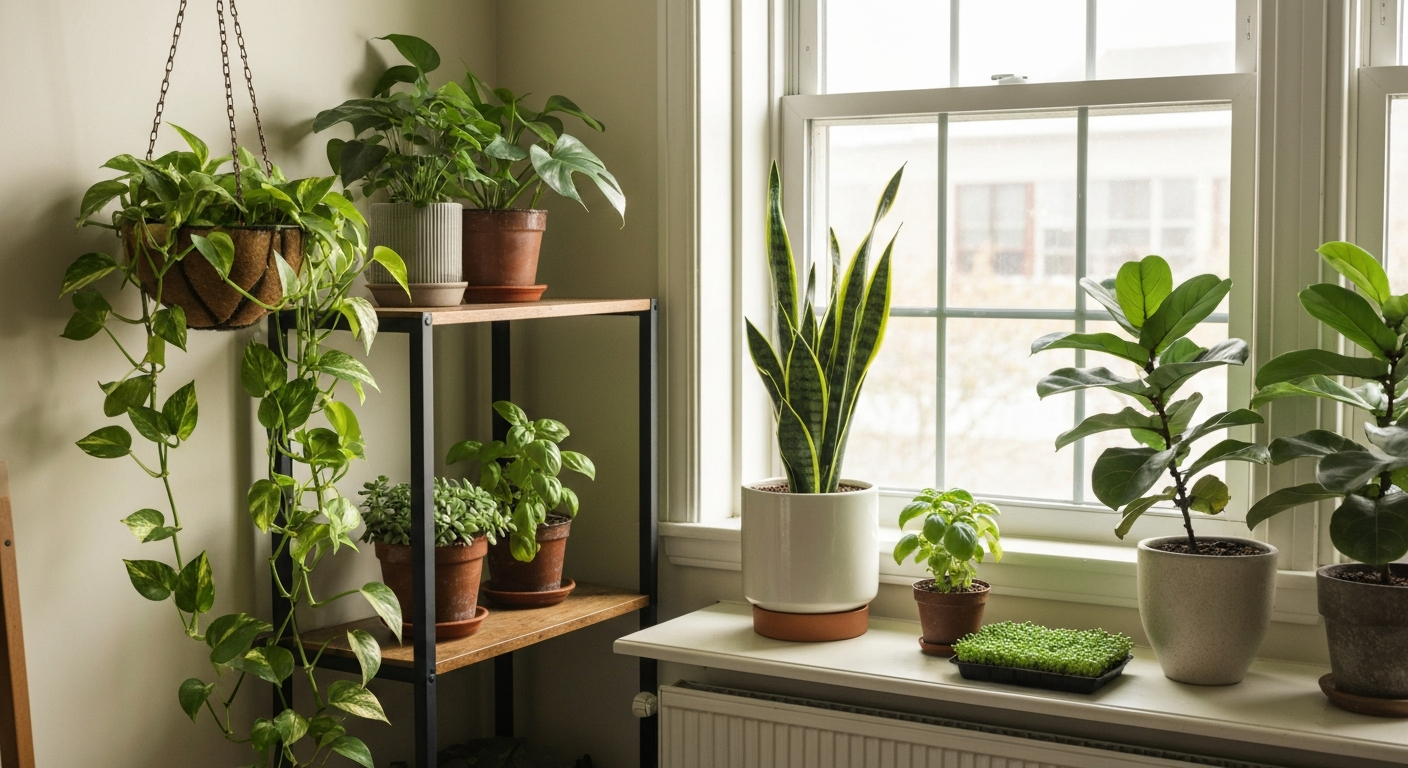
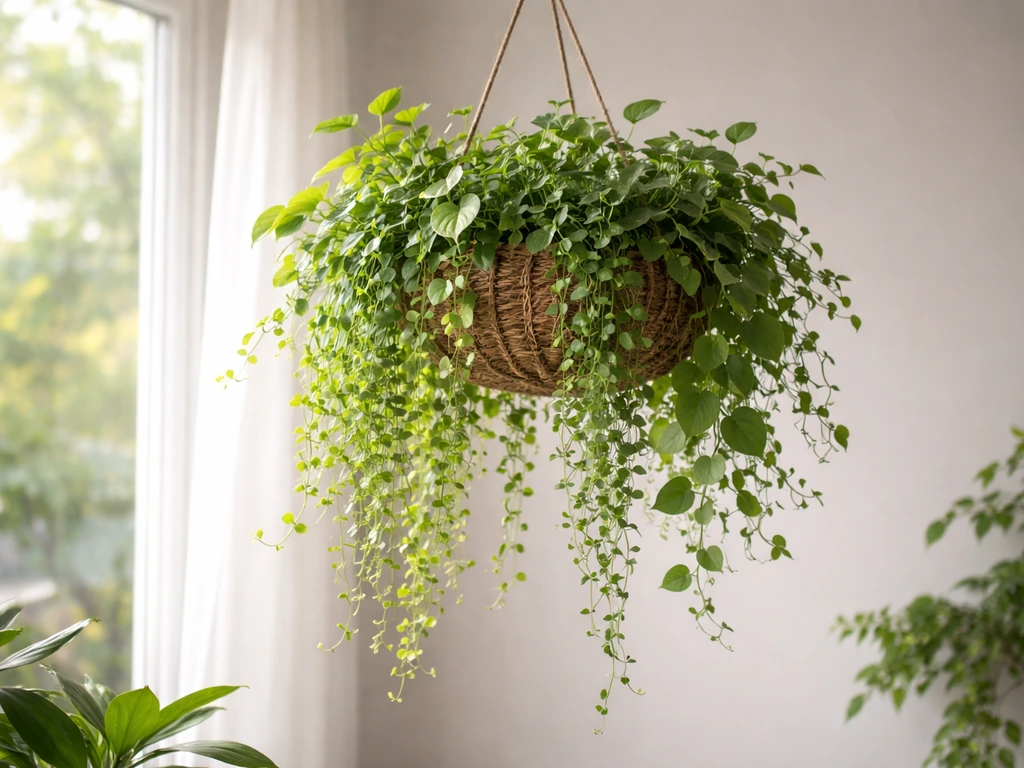
The best plants for hanging planters are trailing or compact varieties that won't outgrow the basket, can handle the exposure of being suspended in open air, and match your actual light conditions. For full sun, petunias, calibrachoa, lantana, and ivy-leaved pelargoniums are hard to beat. For shadier spots, try trailing begonias, fuchsias, or herbs like mint and parsley. For something edible, strawberries, lettuce, and trailing nasturtiums are genuinely practical in a hanging planter. The single biggest mistake people make is picking plants without thinking about how fast a hanging basket dries out, but once you nail the watering rhythm, almost any of these will thrive.
What to Grow in Hanging Planters: Best Plants by Light
Rachel Hartley
18 Jun 2026
Best hanging planter plants by light level
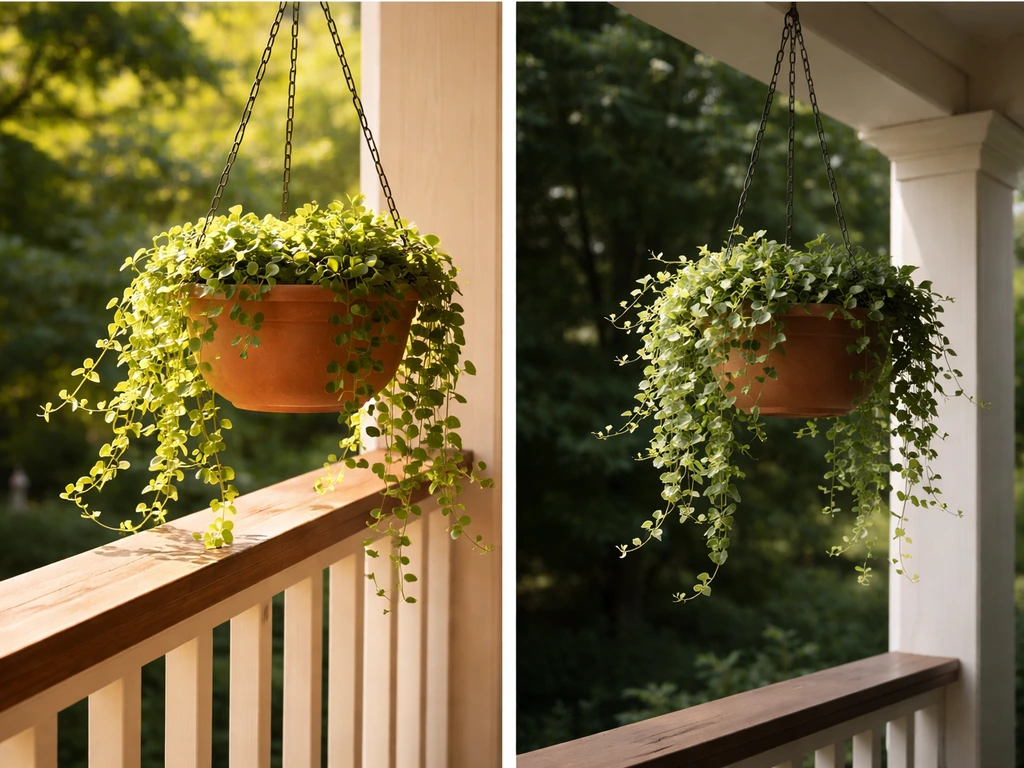
Light is the first filter. A plant that needs 8 hours of direct sun will sulk in a north-facing porch, and a shade lover will crisp up fast if you hang it on a south-facing fence in July. Before you buy anything, clock roughly how many hours of direct sun that hook or bracket gets.
| Light Level | Hours of Sun | Best Plant Picks |
|---|---|---|
| Full sun | 6–8+ hours | Petunias, calibrachoa (million bells), lantana, ivy-leaved pelargoniums, trailing verbena, portulaca |
| Part sun / part shade | 3–5 hours | Fuchsias, trailing begonias, impatiens, nasturtiums, herbs (mint, parsley, basil), lettuce, kale |
| Low light / shade | Under 3 hours | Trailing ivy, spider plants, pothos (indoors/covered areas), ferns, creeping jenny |
Calibrachoa is the overachiever in the full-sun category. It needs 8 or more hours of direct sun and is self-cleaning, meaning spent flowers drop on their own without deadheading. Ivy-leaved pelargoniums (often sold as trailing geraniums) are another full-sun workhorse, but they simply will not flower in shade. If your spot is in between, morning sun and afternoon shade, fuchsias and trailing begonias are your go-to picks. Begonias handle bright indirect light well and bring real color without needing full sun all day.
Easy, beginner-friendly options
If you want something that won't punish you for missing a watering or forgetting to fertilize for a few weeks, stick to these proven low-maintenance picks.
- Calibrachoa (million bells): self-cleaning, no deadheading needed, blooms from spring through frost
- Petunias (self-cleaning/compact varieties): modern varieties like Supertunia and Surfinia types need minimal pinching and rebound well after drying out once
- Trailing verbena: drought-tolerant once established, low-fuss, great in full sun
- Lantana: tough as nails in heat, attracts pollinators, handles drought well—great if you're prone to forgetting
- Creeping jenny (Lysimachia): nearly indestructible trailing foliage plant, works in part shade, adds color contrast as a filler
- Spider plant (indoors/covered patios): basically thrives on neglect, handles irregular watering without complaint
For most beginners, a single-plant basket is smarter than a mixed planting. When you put five different species in one basket, they often have conflicting water and fertilizer needs, and the stronger one crowds out the rest. Start simple, get your watering routine dialed in, then experiment with mixed plantings once you're confident.
Edible picks: herbs and compact veggies
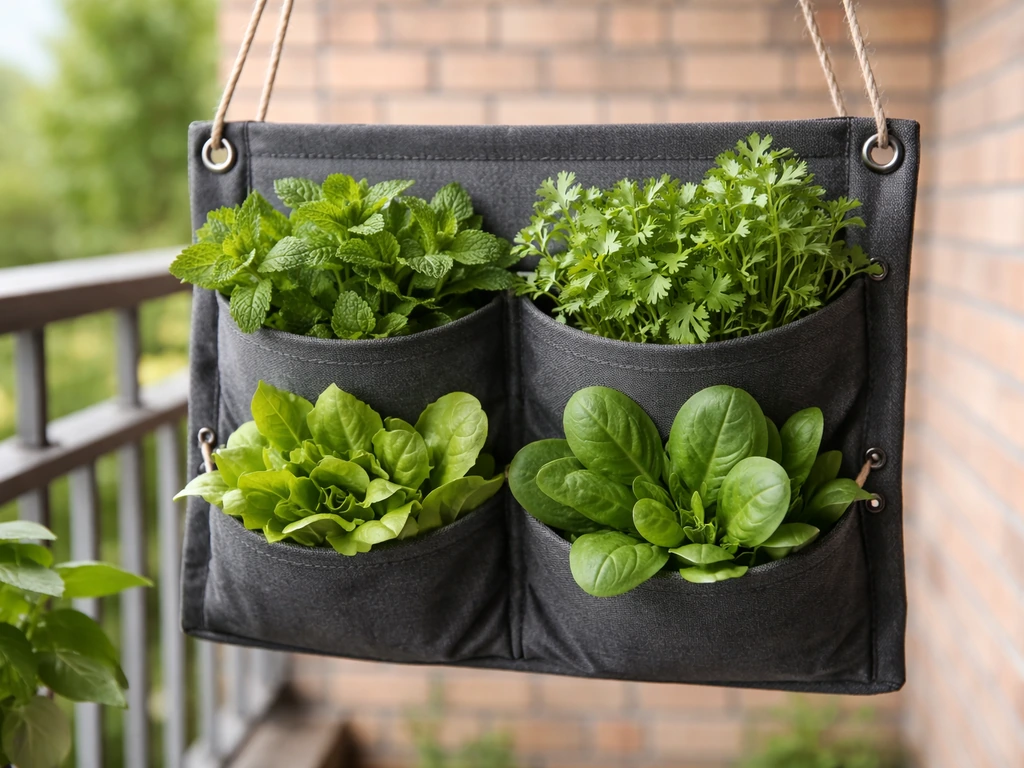
Hanging planters are genuinely useful for food crops, they get good airflow, keep plants off the ground away from pests, and fit in small spaces. best plants to grow in gutters hanging planter. The key is picking compact or trailing types, not sprawling or deep-rooted ones.
Herbs that work well
- Mint: aggressive grower that benefits from the contained space of a basket; prefers part shade
- Parsley: compact, likes 3–5 hours of sun, useful and pretty
- Basil: loves heat and sun, makes a great summer hanging planter herb; succession-sow every 3–4 weeks for continuous harvest
- Cilantro: fast-growing but bolts in heat—plant in spring or fall, not midsummer
- Trailing nasturtiums: edible flowers and leaves, cheerful orange and yellow blooms, part sun to full sun
Compact veggies worth trying
- Lettuce and spinach: cut-and-come-again crops that only need 3–5 hours of sun; plant new successions every 3–4 weeks for ongoing harvests
- Kale: compact varieties handle part shade and actually taste better after a light frost
- Strawberries: day-neutral or everbearing types are the ones to choose; fit about 4 plants in a 12–14 inch basket; fertilize monthly until they start blooming
- Cherry tomatoes (dwarf/patio types only): they need full sun and a bigger basket (at least 12 inches), but varieties like 'Tumbling Tom' are bred specifically for hanging planters
Leafy crops like lettuce and herbs are genuinely easier in hanging planters than fruiting crops like tomatoes or peppers. Fruiting crops need more light, more water, more fertilizer, and more root space. Lettuce, by contrast, tolerates partial shade and you can harvest it within weeks of planting. If you're new to edible hanging planters, start with herbs or a lettuce mix before committing to strawberries or tomatoes.
Flowering and trailing plants for instant visual impact
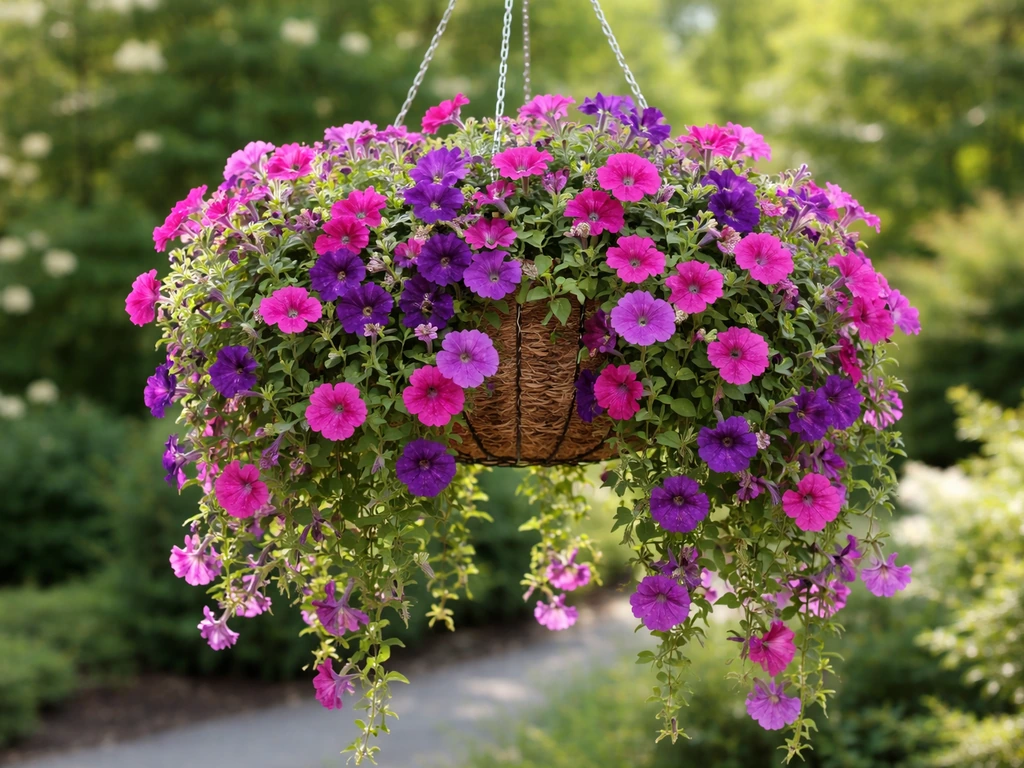
This is where hanging planters really shine. A well-chosen trailing plant can cover the entire basket, cascade a foot or more below it, and bloom non-stop for months. These are the picks that make people stop and ask what you're growing.
- Trailing petunias: classic choice, enormous color range, bloom from late spring until frost; in full sun they need water once or even twice daily in summer heat, and weekly fertilizer keeps them going
- Calibrachoa: smaller flowers than petunias but incredibly prolific; no deadheading, full sun, fertilize every two weeks with a water-soluble fertilizer
- Fuchsia: stunning drooping flowers, perfect for shaded or north-facing spots; avoid heavy all-day shade as it reduces flower production noticeably
- Ivy-leaved pelargoniums: drought-tolerant and heat-resilient once established, elegant trailing habit, full sun only
- Lantana: cheerful multi-colored clusters, attracts butterflies, handles heat and occasional drought—excellent if you're in a warm climate
- Trailing verbena: lacy texture, soft colors, full sun, handles heat reasonably well
- Portulaca (moss rose): incredibly drought-tolerant, loves full sun and heat, closes at night but opens brilliantly during the day
Deadheading makes a real difference with petunias, fuchsias, and pelargoniums, removing spent flowers stops energy going into seed production and keeps the blooms coming. Calibrachoa and modern self-cleaning petunia varieties are the exception; they shed spent blooms on their own. If you don't want to deadhead, those are your best bets.
What to grow now: seasonal recommendations
It's mid-June, which means you're squarely in summer territory across most of the US and UK. Here's what makes sense right now, and how to think about the season shift ahead. In the next sections, you will find specific plant ideas for each season, starting with what to grow in railing planters right now what to grow now.
Summer (now through early fall)
This is peak season for sun-loving, heat-tolerant plants. Right now, petunias, calibrachoa, lantana, trailing verbena, and portulaca are all excellent choices and readily available at garden centers. If you want ideas tailored to your planter setup, check what to grow in wall planters for the best plant choices. In cooler climates (Pacific Northwest, UK, northern US), fuchsias and trailing begonias will also perform brilliantly through summer.
In hot climates, think Texas, Arizona, or the Southeast, lean toward lantana, portulaca, and vinca, which handle intense heat without collapsing. Basil and strawberries are also in their prime right now. Hold off on lettuce, spinach, and cilantro unless you can keep the basket in a shadier, cooler spot; those crops bolt fast in summer heat.
Fall into winter
As temperatures drop in September and October, swap summer annuals for cold-tolerant options. Pansies and violas are the classic winter hanging basket plants, they're frost-hardy to varying degrees and bloom even in cold weather. Ornamental kale and trailing ivy hold structure and color through winter. In mild climates (coastal California, the UK, USDA zones 8 and above), winter baskets can look genuinely lush. In colder zones, don't put baskets outside until after the last frost date in spring, fuchsias and other frost-sensitive plants will be killed by even a light freeze.
Soil, potting mix, and drainage
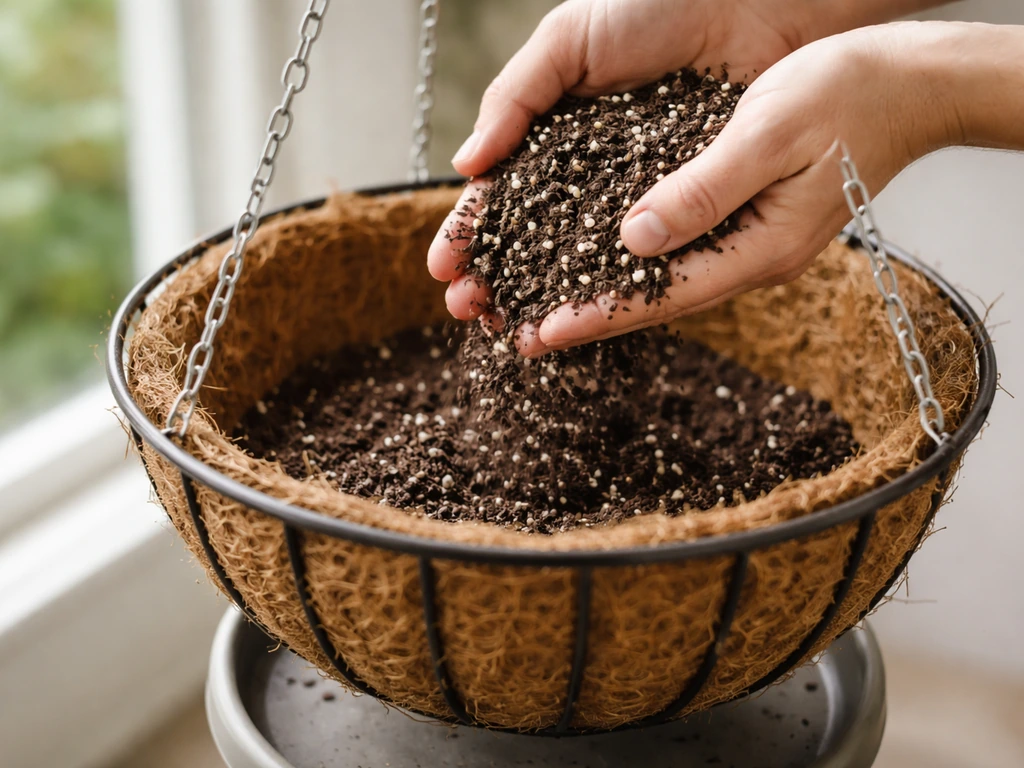
Never use garden soil in a hanging planter. It compacts, drains poorly, and will suffocate roots. You need a lightweight potting mix, typically peat or coco coir-based with perlite mixed in. The perlite (or coarse sand or lava rock) is the drainage-promoting component; peat and coir are the water-retaining components. Both matter. Roots need air as much as water, and compacted or waterlogged mix kills plants just as reliably as drought does.
Coco fiber (coir) liners are a practical choice for wire hanging baskets because they allow air circulation and drainage on all sides while keeping the potting mix in place. If you're using a solid plastic pot with drainage holes, make sure those holes are large enough and unobstructed. Proper drainage is just as important as how much water you add, a basket sitting in a plug of wet mix will rot roots even if you barely water it.
One useful shortcut: mix water-retaining gel crystals into your potting mix when planting. They absorb water and release it slowly, which buys you extra time between waterings, genuinely helpful for hanging baskets that dry out faster than any other container type. Just don't overdo it; too many crystals and the mix turns into a soggy gel that compresses roots.
Watering and fertilizing so plants don't dry out
Drying out is the number one killer of hanging baskets, and it happens faster than most people expect. Hanging planters are exposed on all sides to wind and sun, which pulls moisture out quickly. A basket in full summer sun may need watering once or even twice a day. The test is simple: stick your finger into the top inch of mix. If it's dry, water now. Don't wait for wilting, by the time petunias are drooping, the roots are already stressed.
When you water, do it properly. Fill the top of the container with water and let it run out the bottom. That's not overwatering, that's how you make sure the entire root zone gets moisture and pushes out any salt buildup from fertilizer. A water wand makes this much easier for baskets hung at head height or above.
Clay, fabric, and unglazed ceramic pots dry out significantly faster than plastic or glazed ones. If you're using a natural-material basket and struggling to keep up with watering, switching to a plastic-lined version or adding a water-retaining liner can make a real difference.
For fertilizing: hanging baskets need regular feeding because nutrients wash out every time you water. Use a water-soluble fertilizer every one to two weeks at the recommended rate, or apply it at half-strength more frequently. Don't apply fertilizer to wet leaves, it can cause leaf burn. If fertilizer does land on foliage, rinse it off. A slow-release granular fertilizer mixed in at planting can provide a baseline, but in a high-drain hanging planter it runs out faster than the label suggests, so supplement with liquid feeding during the growing season.
Choosing plants based on your climate and planter size
Planter size matters more than most people realize. A small 8-inch basket dries out in hours on a hot day and can only support one or two small plants. A 12–14 inch basket is the practical minimum for most flowering annuals or edibles, it holds enough potting mix to buffer moisture and gives roots actual room to grow. Strawberries need at least that size: plan on fitting about four plants in a 12–14 inch basket. Large 16-inch baskets are genuinely easier to maintain because they dry out more slowly and support mixed plantings well.
Climate shapes which plants will thrive versus limp along. In warm climates (zones 8–10, think Southern US, coastal areas), lean toward heat-tolerant plants: lantana, portulaca, calibrachoa, and vinca. Petunias can struggle in extreme heat, they need at least 6 hours of sun but may fade or go sparse in peak August heat in the South. In cooler climates (zones 3–6, upper Midwest, Pacific Northwest, UK), fuchsias, trailing begonias, and lobelia are reliable summer performers that would cook in Southern heat. Trailing geraniums (Geranium procurrens) specifically prefer cool summer areas with moist, well-drained soil, they're not the right pick for hot, dry summers.
Growth habit is the last piece. A trailing plant like calibrachoa or ivy-leaved pelargonium will cascade over the sides and look intentional. A mounding or compact plant like a bush basil or dwarf kale sits more upright and fills the basket from the top. Mixed baskets often use both: a trailing plant to spill over the edges and a compact upright variety in the center. If you're choosing just one plant, match the habit to the viewing angle, trailing for eye-level or above, compact or mounding for table-top or low hooks.
Hanging planters share some of the same plant logic as railing planters and wall planters, where vertical exposure and wind are similar challenges. The main difference is that hanging baskets are exposed on all sides, which makes drainage and wind-drying even more pronounced than in a railing box or wall-mounted container. Keep that in mind when comparing plant advice across different container types.
FAQ
Can I grow vegetables in hanging planters if I only have partial sun?
Yes, but choose fast, shade-tolerant crops like lettuce, arugula, or herb mixes, and expect smaller harvests. Fruiting crops (tomatoes, peppers, cucumbers) usually need sustained bright light plus consistent watering and fertilizer, so partial sun often leads to slow growth and poor yields.
What’s a safe way to start with a single plant basket without it taking over?
Pick a trailing plant or a compact variety labeled for containers (not “spreading” or “groundcover” types), then verify the mature spread. If you’re unsure, use one plant in a larger (14 to 16 inch) basket, which gives it room to cascade without crowding itself or drying out too fast.
How do I prevent hanging basket plants from drying out between waterings?
Use a lightweight potting mix, confirm drainage holes are clear, and consider a coco coir liner for wire baskets. For timing, rely on the finger test (top inch dry), not the calendar, and in very hot or windy spots add moisture buffering like a small amount of water-retaining gel crystals mixed into the potting mix.
Do I need to deadhead hanging plants like petunias and fuchsias?
Some varieties need it, others don’t. Petunias, fuchsias, and pelargoniums generally benefit from removing spent blooms to keep flowering. Calibrachoa and many modern petunia types are self-cleaning, so deadheading is optional and can be skipped if you don’t mind a slightly messier look.
Why do my plants look healthy at first but then start declining mid-summer?
The most common cause is a watering rhythm that doesn’t match the basket’s fast drying in heat and wind, even if you water “regularly.” Also check for nutrient washout, hanging baskets usually need feeding every one to two weeks during active growth, and not enough light can show up as late-season decline too.
How often should I fertilize hanging planters, and how do I avoid leaf burn?
Plan on fertilizing every one to two weeks with water-soluble fertilizer during the growing season, because nutrients leach out with frequent watering. Never apply fertilizer to wet leaves, and if any gets on foliage, rinse it off to prevent burning.
What potting mix ingredients are actually worth using in hanging planters?
Aim for a peat or coco coir-based potting mix plus a drainage-promoting component like perlite (or coarse sand or lava rock). The goal is airy root space. If your mix is heavy or waterlogged, roots can suffocate even if you aren’t letting the basket fully dry.
Are coco coir liners always the right choice for hanging baskets?
They’re especially helpful for wire baskets because they hold mix in place while allowing air circulation and drainage on all sides. For solid plastic pots with drainage holes, you may not need a liner, but you should still ensure the holes are large and unobstructed for proper runoff.
Can I mix different plants in one hanging basket without them fighting each other?
You can, but only when their light, watering frequency, and fertilizer needs align. If you want a mixed basket, use a trailing plant to spill over the edges and a compact plant in the center, and avoid pairing a thirsty crop with a drought-tolerant ornamental.
What basket size should I choose if I want strawberries or multiple edibles?
For most flowering or edible setups, 12 to 14 inches is a practical minimum, because it holds enough mix to buffer moisture. Strawberries typically need about four plants in a 12 to 14 inch basket, and smaller baskets dry out too quickly to support consistent fruiting.
How do I handle season changes if my hanging basket is still full of summer plants?
In early fall, you generally need a transition plan rather than waiting. Swap heat-loving annuals for cool-tolerant options (like pansies or ornamental kale) as temperatures drop, and in colder zones keep baskets outdoors only after the last frost date to avoid killing frost-sensitive plants.
Is it okay to keep a hanging planter outside year-round in cold climates?
Often no, unless the plants are frost-hardy and you match the climate. If you’re in a cold zone, avoid leaving baskets outside before the last frost date in spring, even a light freeze can damage fuchsias and similar frost-sensitive varieties.
How can I tell whether my plant choice matches my exposure (north, south, east, west)?
Before buying, estimate the actual hours of direct sun the hook or bracket receives, then match plants to that. A shade-lover will crisp up in unexpected south-facing summer sun, and a full-sun plant will sulk in a north-facing location even if the area looks bright.
Which plant types are best if I’m away often or I miss waterings sometimes?
Choose more forgiving, heat-tolerant plants and reduce thirst stress by using liners, appropriate potting mix, and basket size. In practice, some of the most resilient options include calibrachoa, lantana, and portulaca, but you still need to confirm your setup does not dry out multiple times daily.
What’s the fastest way to troubleshoot a hanging planter that won’t thrive?
Check these in order: drainage (water runs out freely), root mix quality (light, airy, not garden soil), watering speed (finger test top inch), light match (direct sun hours), and then fertilizer schedule. If all are correct and the plant still struggles, the plant is likely mismatched to the temperature or sunlight intensity of your specific spot.
Next Article
Best Pot Plants to Grow Indoors: Practical Guide for Apartments
Best pot plants to grow indoors: apartment-friendly picks with light, pot, watering, difficulty and seasonal tips.