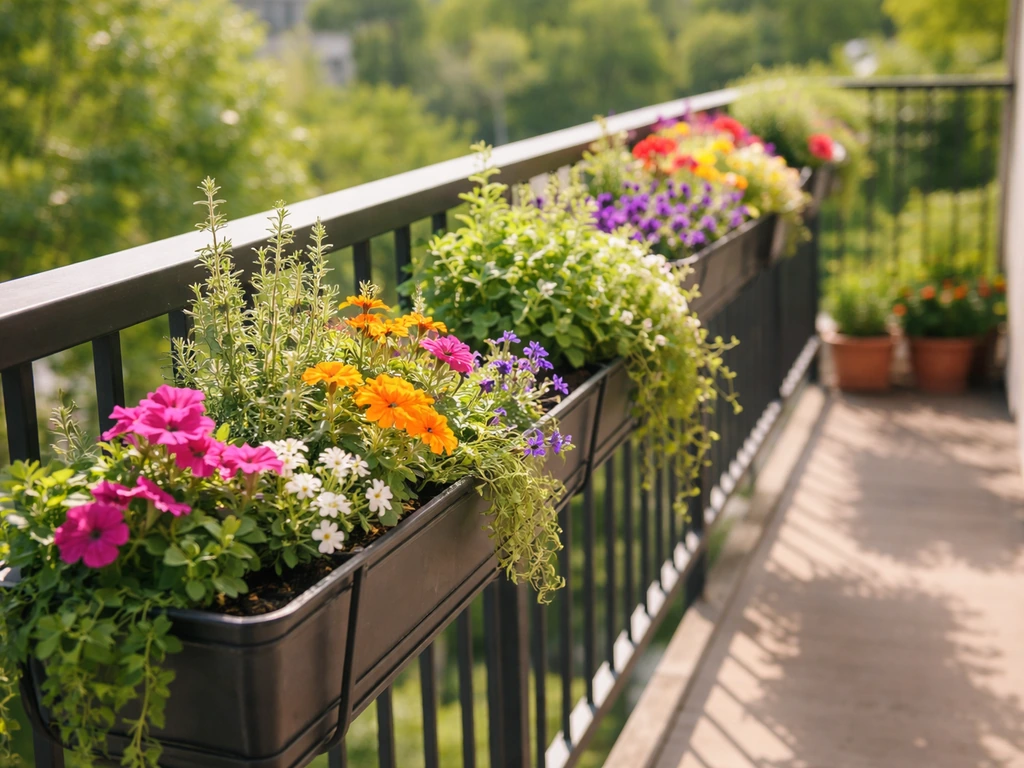
For most railing planters, your best all-around picks right now (mid-summer) are trailing herbs like thyme and oregano, compact flowers like calibrachoa, petunias, and lantana, plus low-growing edibles like lettuce or basil if you have at least 6 inches of depth. The key is matching plant size to root space: most railing planters run 4 to 8 inches deep, which rules out tomatoes and peppers but works perfectly for herbs, salad greens, strawberries, and a wide range of ornamental annuals. Get that match right and railing planters are genuinely easy. Get it wrong and you'll be fighting drought stress all summer.
What to Grow in Railing Planters: Easy Picks by Sun and Season
Rachel Hartley
7 Jul 2026
How to choose plants for your railing planter
Before you pick a single plant, spend two minutes honestly assessing four things: sun, wind, depth, and drainage. These four factors determine everything else.
Sun exposure
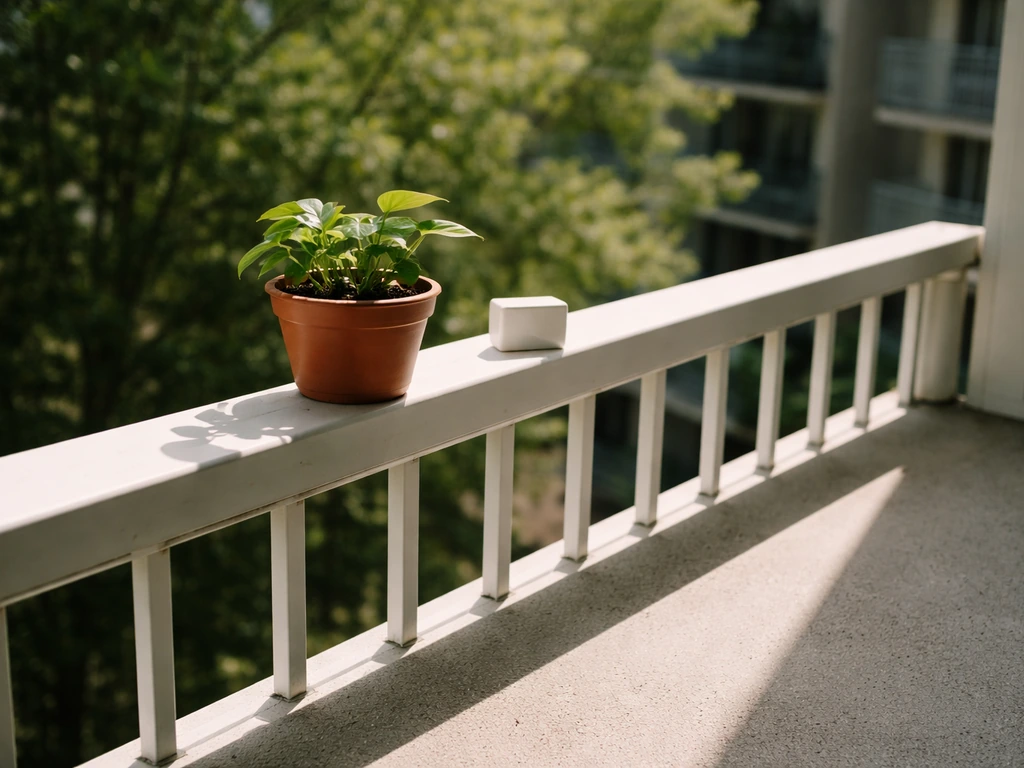
Count the actual hours of direct sun your railing gets. Six or more hours means you're in full-sun territory and can grow almost anything on this list. Three to five hours is partial shade, which is ideal for herbs like parsley and chives (chives prefer 6 to 8 hours but tolerate less), and for impatiens, begonias, and leafy greens. Under three hours pushes you toward shade-tolerant foliage plants, ferns, and coleus. Also notice the direction: a south-facing railing in July is brutal and dries containers fast, while a north-facing one stays cool and moist.
Wind exposure
Railings on upper-floor balconies or fire escapes can be genuinely windy, and wind is a container killer because it speeds up evaporation dramatically. If your railing is exposed, stick with low-growing, mounding plants rather than tall upright ones that catch wind like a sail. Calibrachoa, thyme, and compact marigolds handle wind well. Tall salvias and snapdragons in a wind tunnel get battered and dry out twice as fast. On sheltered ground-floor porches, wind matters less and you have more options.
Container depth and what it means for plant selection
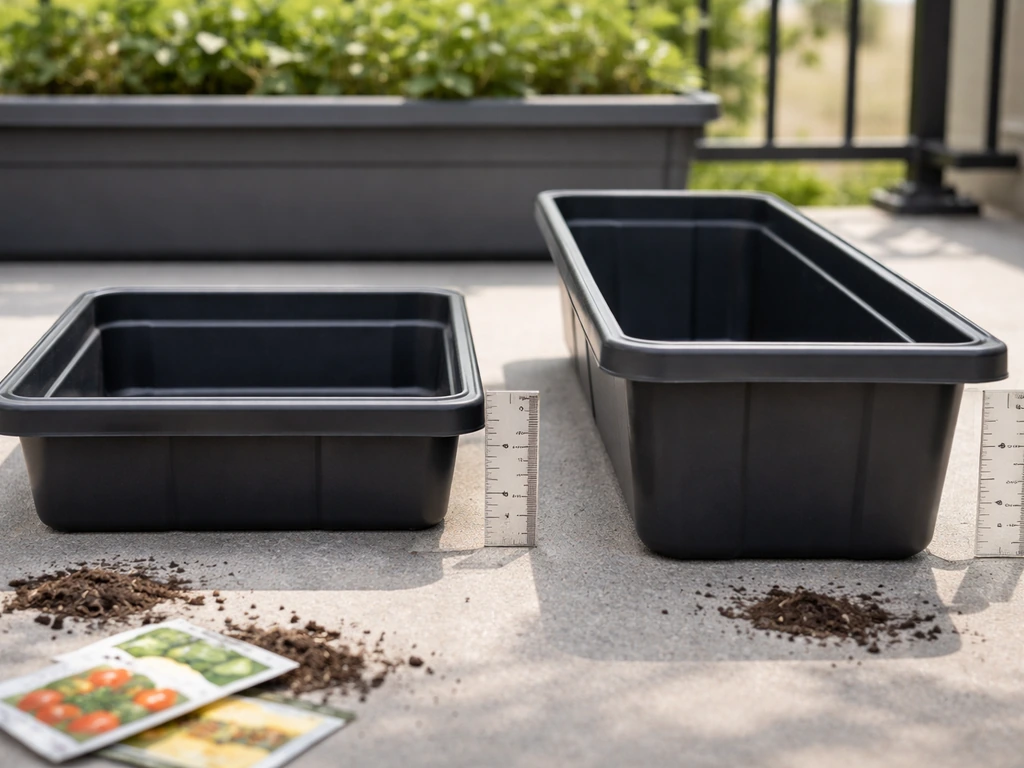
This is the most important physical constraint. According to UW-Madison Extension guidance, small crops like leaf lettuce, spinach, radishes, cilantro, and green onions need containers at least 4 to 6 inches deep with about 2 gallons of volume. Larger plants like tomatoes, peppers, cucumbers, and eggplant need at least 12 to 18 inches deep and 5 gallons minimum. Most off-the-shelf railing planters fall in the 5 to 8 inch depth range, which firmly puts you in the herbs-and-greens camp for edibles, not the tomato-and-pepper camp. Ornamental annuals like petunias and calibrachoa are shallow-rooted enough to thrive in that same 5 to 8 inch range.
Drainage
Railing planters must drain freely. If yours has a built-in water reservoir or you're using a saucer, be careful: roots sitting in standing water rot fast. University of Maryland Extension is clear on this point, recommending that you empty any saucers or catch trays after watering rather than letting water pool underneath. If your planter doesn't have drainage holes, either drill some or line the bottom inch with coarse gravel to create a buffer, though real holes are always better.
Fast picks for easy, low-maintenance railing planters
If you want results without a lot of fuss, these plants are proven performers in railing-style containers. They handle heat, tolerate some missed waterings, and don't outgrow their space quickly.
- Calibrachoa (Million Bells): Trails beautifully over railing edges, blooms from spring to frost, handles heat and wind. Needs full sun. Very low maintenance once established.
- Petunias (Wave or Supertunia types): Fast-growing, colorful, drought-tolerant once established. Deadhead spent blooms occasionally for continuous flowering. Full sun.
- Lantana: Thrives in heat and full sun, needs almost no deadheading, attracts pollinators, and is genuinely hard to kill in summer. Great for hot south- or west-facing railings.
- Creeping thyme or common thyme: Grows in 4 to 6 inches of soil, handles wind and drought, and you can actually cook with it. Full sun to partial shade.
- Sweet alyssum: Low, spreading habit, fragrant white or purple flowers, tolerates partial shade. Excellent filler around taller plants.
- Portulaca (Moss Rose): Thrives in shallow containers in blazing sun. Near-zero maintenance in dry climates.
- Chives: Hardy, edible, attractive purple flowers, tolerates light shade. One of the easiest herbs for any railing planter.
- Coleus: The go-to for shady railings. Spectacular foliage, almost no care, just keep it from drying out completely.
Season-by-season planting ideas
blank" rel="noopener noreferrer">Railing planters are small enough that you can swap them out completely each season, which is actually one of their best features. Here's how to think about each season. To get ideas for what to grow in hanging planters, start by matching plants to your light and container depth.
Spring (March through May)
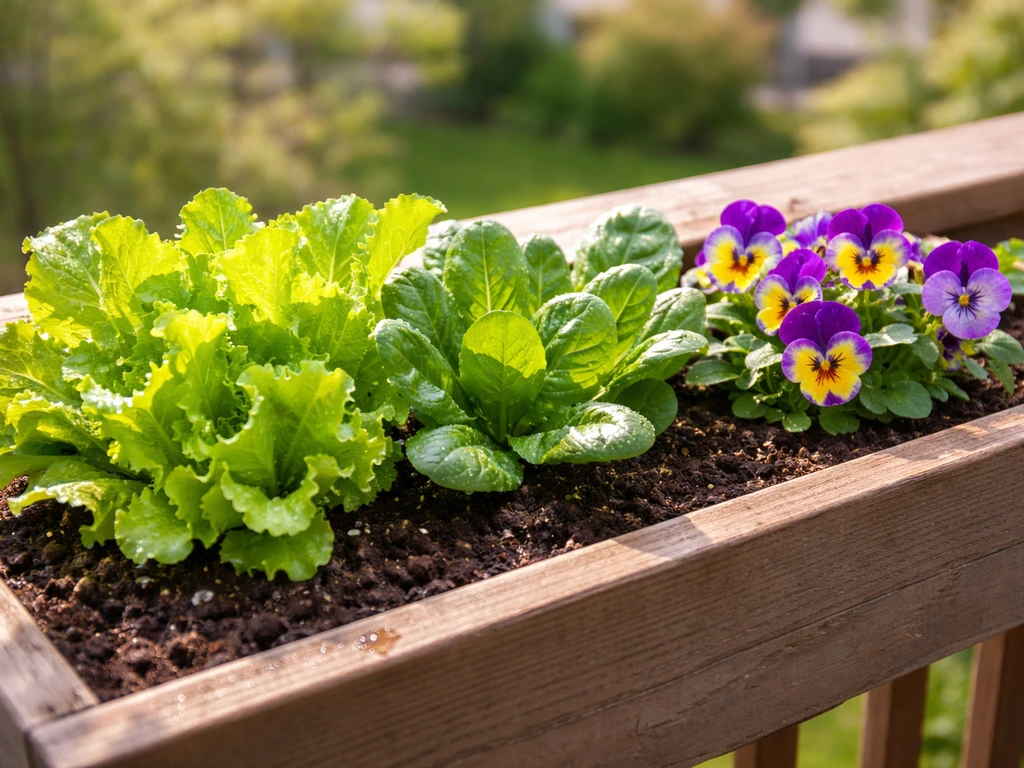
Spring is prime time for cool-season crops and early annuals. Load up on lettuce, spinach, pansies, snapdragons, and violas. These plants love the mild temperatures and won't bolt as quickly as they would in July heat. Start basil after your last frost date because it sulks in cold soil. In warmer climates like the Carolinas or Gulf Coast, spring is also a good window for cilantro and radishes before summer heat shuts them down.
Summer (June through August)
This is where heat-lovers shine. Swap out any bolted cool-season greens and replace them with lantana, calibrachoa, portulaca, basil, and trailing verbena. In hot climates like Texas or Arizona, even petunias can struggle in direct midday sun in August, so shift those to a shadier rail or swap for heat-hardened options like vinca or purslane. Right now in early July 2026, you're in peak summer planting mode for most of the country, and any of the ornamentals above can go in immediately.
Fall (September through November)
Fall is underrated for railing planters. As temperatures drop back below 80°F, cool-season crops come back. Replant with kale, spinach, arugula, and lettuce for a second harvest. Ornamentally, switch in ornamental kale, mums, pansies, and dusty miller. These hold well into the first frost and look great. In the mid-Atlantic and Southeast, fall plantings can last through November and beyond.
Winter (December through February)
In Zone 7 and warmer, you can keep pansies, ornamental kale, and even some hardy herbs like rosemary and thyme going through winter. In colder zones, the honest answer is that most railing planters should be emptied and stored. Container roots are fully exposed to freezing air on all sides, which is much more damaging than in-ground roots. Penn State Extension recommends choosing plants that are rated one to two USDA hardiness zones colder than your actual zone if you want them to survive winter in a container. If you're determined to overwinter plants, use the largest planter you have, wrap it in burlap or bubble wrap, and move it to a sheltered wall.
Best edible and herb options for railing planters
Railing planters are genuinely useful for herbs and shallow-rooted edibles. Railing planters also work great as wall planters when you mount them securely and match plants to the available root depth Best edible and herb options for railing planters. The key is staying within the depth limits of your container. Here's a practical breakdown:
| Plant | Minimum Depth Needed | Sun Requirement | Notes |
|---|---|---|---|
| Leaf lettuce | 4–6 inches | Partial shade to full sun | Bolts in heat; best in spring and fall |
| Spinach | 4–6 inches | Partial shade | Cool-season only; great for shaded railings in spring/fall |
| Radishes | 4–6 inches | Full sun | Fastest return; 25–30 days to harvest |
| Cilantro | 4–6 inches | Partial shade | Bolts fast in heat; grow in spring or fall |
| Green onions / chives | 4–6 inches | Full sun to partial shade | Chives prefer 6–8 hours sun but tolerate less |
| Basil | 6–8 inches | Full sun | Heat-lover; pinch flowers to keep producing |
| Thyme / oregano | 4–6 inches | Full sun | Drought-tolerant; handles wind well |
| Strawberries | 8 inches | Full sun | A 12-inch diameter container fits 3–4 plants; needs winter protection in cold zones |
| Parsley | 6–8 inches | Partial shade | Slow to start but very productive once established |
| Mint | 6 inches | Partial shade | Grows aggressively; keep it in its own container |
Strawberries deserve a special mention because they trail attractively over railing edges and produce real fruit in a modest container. For example, Gardening Know How notes that strawberry containers should provide enough root space and recommends container sizes suitable for growing strawberries in pots strawberries deserve a special mention. A 12-inch diameter planter can support 3 to 4 plants. In cold climates, Iowa State Extension recommends burying the container and covering it with at least 6 inches of straw for winter protection, which is worth knowing before you invest in plants.
Avoid tomatoes, peppers, cucumbers, and most brassicas in standard railing planters. They need 12 to 18 inches of depth and at least 5 gallons of volume. You can grow a compact cherry tomato in a deep bucket-style railing planter if you have one, but in a typical narrow rail box you'll end up with stunted, stressed plants that produce almost nothing.
Ornamental options: flowers and foliage that look good and fit the container
Railing planters are essentially a design feature as much as a growing space, and the right ornamentals make them look intentional and full from the first planting. The classic formula is one upright plant, one mounding plant, and one trailer, but in a narrow railing planter you often only have room for two layers: a mounding center and a trailing edge. Here are the best performers by light level.
Full sun railings
- Calibrachoa: The single best trailer for a sunny railing. Blooms nonstop, comes in every color, handles heat and wind.
- Lantana: Mounding, heat-tolerant, attracts butterflies. Use as the upright center element.
- Portulaca: Extremely shallow-rooted, almost thrives on neglect in hot sun. Great filler.
- Vinca (Catharanthus): Glossy leaves, continuous blooms, thrives in heat and humidity. Very low maintenance.
- Marigolds (dwarf types): Compact, cheerful, and they actually repel some pests. Look for 'Durango' or 'Bonanza' series.
- Trailing verbena: Cascades nicely over railing edges, tolerates heat and some drought.
Partial shade railings
- Impatiens: Classic partial-shade performers. Keep the soil consistently moist and they bloom continuously.
- Begonias (wax or Dragon Wing): Tough, long-blooming, and handle both shade and some sun.
- Sweet alyssum: Fragrant, low-growing, fills gaps beautifully.
- Bacopa: Trailing, delicate white flowers, thrives in filtered light.
- New Guinea impatiens: Handles more sun than standard impatiens; big colorful flowers.
Shade railings
- Coleus: The star of the shade railing. Incredible foliage variety, fast-growing, easy to find at any garden center.
- Ferns (Boston or Kimberly Queen): Lush, trailing habit, make a shaded railing look intentional and tropical.
- Heuchera (Coral Bells): Compact mounding foliage plant in colors from lime green to deep burgundy. Tolerates significant shade.
- Lobelia: Trailing or upright, intense blue or purple flowers, prefers cool shade.
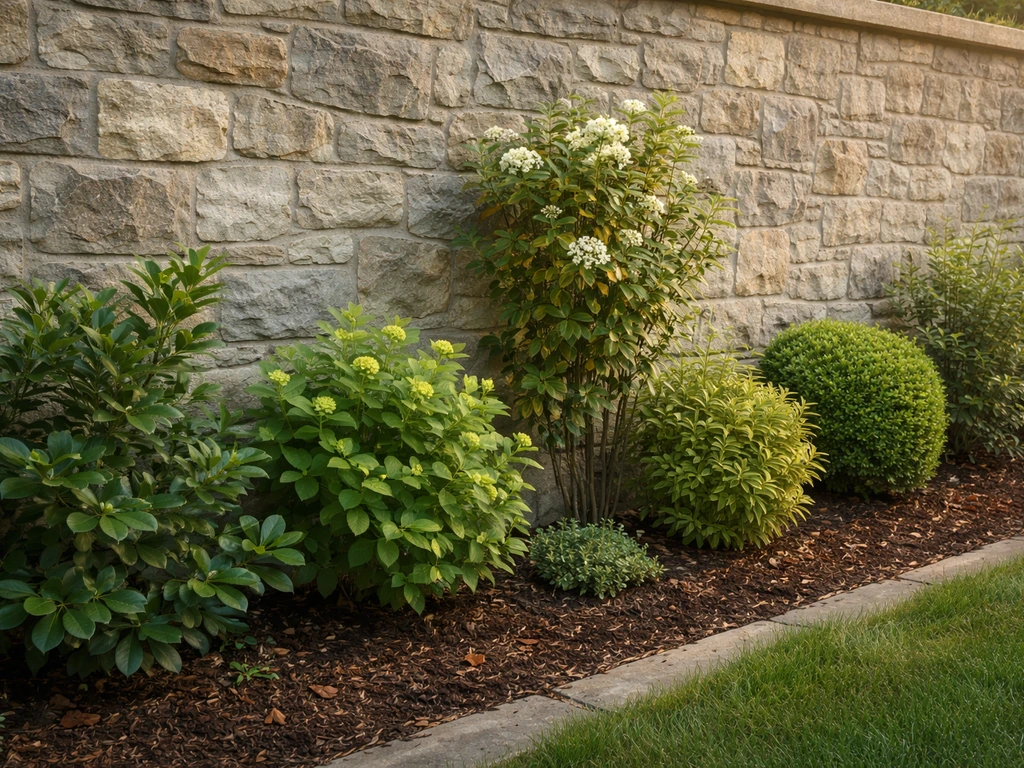
If you're also thinking about vertical growing on walls nearby, the same light-matching principle applies. Plants suited for wall planters or hanging planters often overlap with railing choices, so it's worth considering the full picture of your outdoor space when you shop. If you want wall-side greenery, the best shrubs to grow against a wall can help you create a low-maintenance, anchored look.
Watering, soil, and spacing tips that make railing planters actually work
Use a lightweight potting mix, not garden soil
Never fill a railing planter with straight garden soil. It compacts, drains poorly, and adds unnecessary weight to your railing. Use a quality commercial potting mix. For railing planters where weight is a concern (most upper-floor balconies), look for mixes that incorporate perlite or coir. UGA Extension guidance on container mixes warns against formulations that hold excessive moisture in wet conditions, which is a real issue in rainy climates. If your mix feels dense or waterlogged after a rain, work in some extra perlite.
How to know when to water
Railing planters dry out faster than ground-level containers because they're exposed to wind and sun on multiple sides. The reliable method: push your finger an inch into the soil. If it's dry at your fingertip, water thoroughly. Both OSU Extension and Illinois Extension recommend this finger-test approach over watering on a fixed schedule, because temperature and wind change how fast containers dry out. In peak summer heat, a sunny railing planter may need water every single day. A shaded one might go two to three days. Check daily until you know your planter's rhythm.
Water deeply, then let it drain
When you water, go slow and thorough until water runs out the drainage holes. Shallow watering only wets the top inch of soil, which encourages shallow roots and leaves the root zone dry. After watering, if there's a catch tray underneath, empty it within an hour or two. Roots sitting in standing water will rot, even on plants that otherwise like moisture.
Fertilize regularly because containers lose nutrients fast
Every time you water a container heavily, nutrients leach out through the drainage holes. Illinois Extension recommends fertilizing most container plantings about every two weeks, or at half strength with every watering if you use a liquid fertilizer. A slow-release granular fertilizer worked into the top inch of soil at planting is a good starting point, but liquid feeding every two weeks through the growing season will keep plants performing well, especially heavy bloomers like petunias and calibrachoa.
Don't overcrowd the planter
It's tempting to pack a railing planter full for immediate impact, but overcrowding creates competition for water and nutrients, and plants end up weaker and less productive than if they'd had more space. If you want the easiest setup, learn how to choose the best plants to grow in gutters and match them to your sun and drainage. For herbs, one plant per 4 to 6 inches of container length is a reasonable rule. For ornamental annuals, follow the spacing on the plant tag and resist the urge to add 'just one more.' A container that looks slightly sparse at week one will fill in by week three and look better all season long than an overcrowded one that stresses out by mid-July.
Weight matters more than you think
Wet potting mix is heavy. Before you fill a railing planter on a balcony or fire escape, check the weight rating on your railing hardware. A 24-inch railing planter filled with wet soil can easily weigh 20 to 30 pounds. Using lightweight mix, limiting planter length, and choosing plastic or foam containers over clay or ceramic all help keep the weight manageable. This is a real safety issue on older balconies, not just a convenience thing.
FAQ
Can I grow tomatoes or peppers in a railing planter if I add extra potting mix?
A standard railing planter usually can’t support deep-rooted crops sustainably. If you see “5 to 8 inches deep” on your planter, treat it as an herbs and greens container and choose plants that naturally stay compact, like thyme, oregano, lettuce, basil, strawberries, or compact annuals. If you want something tomato-like, use a deep, bucket-style container instead of a narrow rail box.
What if my railing planters are part of a wider wall or balcony planting plan, can I mix railing plants with wall planters?
Yes, but only if your plants get enough direct light to stay healthy and if the mix still drains quickly. The easiest approach is to plant shallow-rooted or trailing options in the rail planter and reserve the wall-side area for taller anchors. Keep the same rules for drainage and root depth, and avoid repeating the “same plant everywhere” approach, which can create a patchy look if some spots are shadier.
How do I choose plants for a very windy railing if I already know my sun hours?
Wind changes everything, even if the sun hours are good. For exposed railings, prioritize low mounding and trailing plants that can handle drying out, and avoid tall, upright picks that get whipped. Also place the planter where it gets some barrier benefit if you can, like near a railing post or a solid wall edge.
My railing planter has a saucer that fills with water, what should I do?
If water is pooling, the first fix is to eliminate standing water, not just water less. Empty any saucers or catch trays promptly after watering. If your planter truly lacks drainage holes, drill holes if possible. If you can’t, use the gravel-buffer approach, but plan on more frequent checking for soggy mix because the risk is higher in rainy weeks.
How often should I water railing planters in summer?
It depends on how fast the mix dries in your specific spot. Use the finger test (about an inch down) rather than a schedule, then water thoroughly until drainage starts. In peak summer, you may need daily check-ins on sunny, windy rails, while shaded or sheltered rails might stretch to every few days.
What’s the best way to fertilize railing planters, and how do I avoid overfeeding?
It can, especially if the fertilizer is too strong or you’re watering lightly. Heavy blooms often benefit from feeding, but containers also leach nutrients quickly, so use half-strength or a balanced liquid fertilizer at a regular interval, or start with a slow-release fertilizer and then adjust with liquid feeding. If leaves yellow while soil is still moist, scale back and check drainage and light first.
Why do my railing planters look great for a couple of weeks and then stall?
Overcrowding is a common reason container plants look good briefly and then decline. For the easiest setup, keep spacing according to the plant tag and, for herbs, use roughly one plant per 4 to 6 inches of planter length. If you want quicker fullness, choose plants that naturally spread or trail rather than cramming multiple similar-sized plants.
How can I tell if my potting mix is holding too much water after heavy rain?
Yes, and it helps prevent soggy mix and root problems during storms. After a rainy period, check drainage holes and feel the mix near the bottom. If it stays wet for a long time, you likely need a lighter potting mix or more perlite, and you may need to adjust watering so you are not adding more water when the potting mix is still saturated.
How do I know if a railing planter will be too heavy for an upper-floor balcony?
Because the railing is a structural constraint, not just a planting choice. Check the maximum load rating on your railing hardware if it’s available, and consider that a filled 24-inch planter with wet mix can become heavy quickly. Use lightweight potting mix, keep planter length reasonable, and choose lighter container materials when you have a balcony situation.
Should I keep the same plants in railing planters through winter, or replant each season?
For winter, the biggest decision is whether you’re treating the plants as annuals or trying to overwinter. If you’re in a colder zone, plan to empty and store most railing planters because roots are exposed on all sides. If you insist on overwintering, use the largest available planter, protect with insulation, and move it to the most sheltered wall you have.
Next Article
Best Shrubs to Grow Against a Wall: Pick Your Match
Curated wall shrubs for sun, shade, tight spaces, and privacy, with planting, spacing, care, and damage-proofing tips.