The best plants to grow up an obelisk are sweet peas, clematis, climbing roses, black-eyed Susan vine, and runner beans. Each one works for a slightly different situation: sweet peas and runner beans are fast-growing annuals that cover a 6-foot obelisk in one season, while clematis and climbing roses are perennials that come back bigger each year. Which one you should grow depends on whether your obelisk is in the ground or a pot, how much sun you get, and what month you're starting from.
Best Plants to Grow Up an Obelisk: Top Picks by Season
Rachel Hartley
5 Jun 2026

What an obelisk is actually good for
An obelisk is a vertical support, typically 4 to 8 feet tall, with a narrow footprint and some kind of open framework that a plant can thread itself through or be tied onto. That narrow footprint is the key point. Unlike a fence or a wall, an obelisk takes up almost no horizontal space, which makes it ideal for borders, containers, and tight spots where you still want height and structure.
It works best with plants that climb in one of two ways: twining (the stem wraps around the support as it grows) or scrambling (the plant produces long flexible stems that you tie in yourself). Plants with thick rigid canes or clinging aerial roots are less well suited because they need a flat surface rather than thin uprights.
The other thing an obelisk does well is give you control. Because most obelisks are freestanding, you can position them strategically, move a container-grown one to better light, or use them as a focal point in a bare bed while slower plants establish nearby. If you're already thinking about covering a fence, a wall, or a chain-link structure, the approach is different enough that a fence-specific guide will serve you better for those situations. If you want to cover a chain-link structure, look for the best plants to grow on a chain link fence so they can latch on and thrive.
The best plants for obelisks and why they work

Here are the top picks, organized by what you're trying to achieve. Each one is chosen because its growth habit actually suits the obelisk format rather than just tolerating it.
Sweet peas (Lathyrus odoratus)
Sweet peas are the single best choice for a first obelisk. They climb by tendrils that grip thin supports naturally, they bloom in roughly 10 to 12 weeks from seed, and they smell extraordinary. They do prefer cooler weather, so in most of the US they're a spring or fall crop. In USDA zones 7 and above, you can sow them in fall for winter-to-spring flowering. They max out around 6 feet, which is perfect for a standard obelisk, and they die back cleanly at the end of the season with no cleanup headache.
Clematis
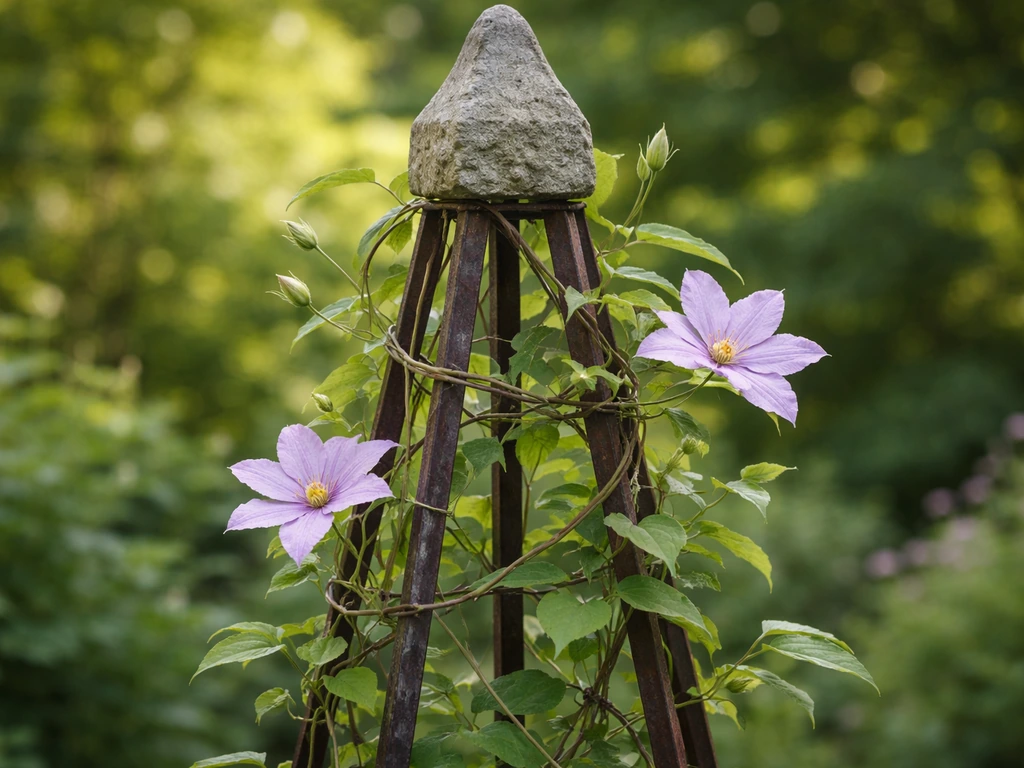
Clematis is the go-to perennial for an obelisk. It twines its leaf stalks around supports, which means it grabs thin uprights well. The key is choosing the right type: Group 2 and Group 3 clematis stay manageable (usually 6 to 10 feet) and respond to annual pruning, which keeps them from overwhelming the structure. 'Jackmanii' and 'Ville de Lyon' are tried and tested obelisk varieties. Plant them so the crown sits about 2 inches below soil level, which protects the plant if it's hit by clematis wilt. They prefer sun on their flowering tops but cool roots, so mulch heavily around the base or pair them with a low groundcover.
Black-eyed Susan vine (Thunbergia alata)
This is the best pick for hot-summer gardeners who want quick coverage. It's a twining annual (grown as one in most zones) that goes from transplant to a fully covered 6-foot obelisk in about 8 weeks in warm conditions. The orange, yellow, or white flowers with dark centers bloom prolifically from midsummer through first frost. It thrives in full sun and heat, which makes it ideal for gardeners in zones 8 to 11 looking for summer colour. In zones 5 and 6, start it indoors 6 weeks before last frost and transplant when nighttime temps stay above 55°F.
Runner beans and climbing French beans

If you want something edible, runner beans are the answer. They twine enthusiastically, grow fast (8 to 12 feet in a season), and produce reliably if you keep picking. The catch is they need full sun and consistent watering once they start podding. 'Scarlet Emperor' is a classic with attractive red flowers that doubles as an ornamental. Climbing French beans like 'Blue Lake' are slightly less vigorous but easier to manage on a smaller obelisk. Both are warm-season annuals: sow direct after last frost or start indoors 3 weeks before transplanting.
Climbing roses
A climbing rose on an obelisk looks spectacular but requires more commitment. Roses don't self-cling, so you're tying in regularly throughout the season. They also need an obelisk that's robust enough to handle wind load from a fully leafed-out plant, so thin wire obelisks aren't ideal. Opt for a compact repeat-blooming climber like 'Warm Welcome' or 'Darcey Bussell' trained as a climber, which stay under 8 feet and flower repeatedly. This is a better choice for someone prepared to spend 10 minutes every couple of weeks training, and it's a long-term plant that will outperform the annuals in years two and three.
Nasturtiums (climbing types)
Climbing nasturtiums like 'Tall Mixed' or 'Jewel of Africa' are the best option for beginners, low-fertility soil, and gardeners who want edible flowers. They scramble rather than twine, so you'll do some light tucking and tying, but they're almost impossible to kill. They prefer poorer soil and will produce fewer flowers if you over-fertilize. Great for containers. Avoid them in very hot climates (zones 9 and 10 in summer) as they sulk in heat above 90°F.
| Plant | Type | Climbing method | Height | Sun | Best for |
|---|---|---|---|---|---|
| Sweet peas | Annual | Tendrils | 5 to 6 ft | Full sun / part shade | Cool seasons, beginners, scent |
| Clematis (Group 2/3) | Perennial | Leaf-stalk twining | 6 to 10 ft | Full sun / part shade | Long-term obelisk planting |
| Black-eyed Susan vine | Annual (tender) | Twining stem | 5 to 8 ft | Full sun | Hot summers, fast coverage |
| Runner / climbing beans | Annual | Twining stem | 8 to 12 ft | Full sun | Edible crops, vigorous coverage |
| Climbing rose (compact) | Perennial | Scrambling (tie-in) | 6 to 8 ft | Full sun | Long-term, formal look |
| Climbing nasturtium | Annual | Scrambling (light tie-in) | 4 to 6 ft | Full sun / part shade | Beginners, containers, edible |
How to plant and train your obelisk climber
Position the obelisk before you plant. Pushing it in after a plant is established damages roots and disrupts new growth. For in-ground plants, push legs or stakes at least 12 inches into the soil, and on windy sites go deeper. Check it's level and secure before you do anything else.
Plant at the base of the obelisk, not right against the upright. For most plants, 4 to 6 inches from the leg is ideal. If you're growing multiple plants around a single obelisk (a common look with sweet peas or nasturtiums), space them evenly around the base, usually 3 to 4 plants for a standard 18-inch-diameter structure. For a single climber like clematis, one plant placed slightly off-center works perfectly.
Tying in without damaging the plant
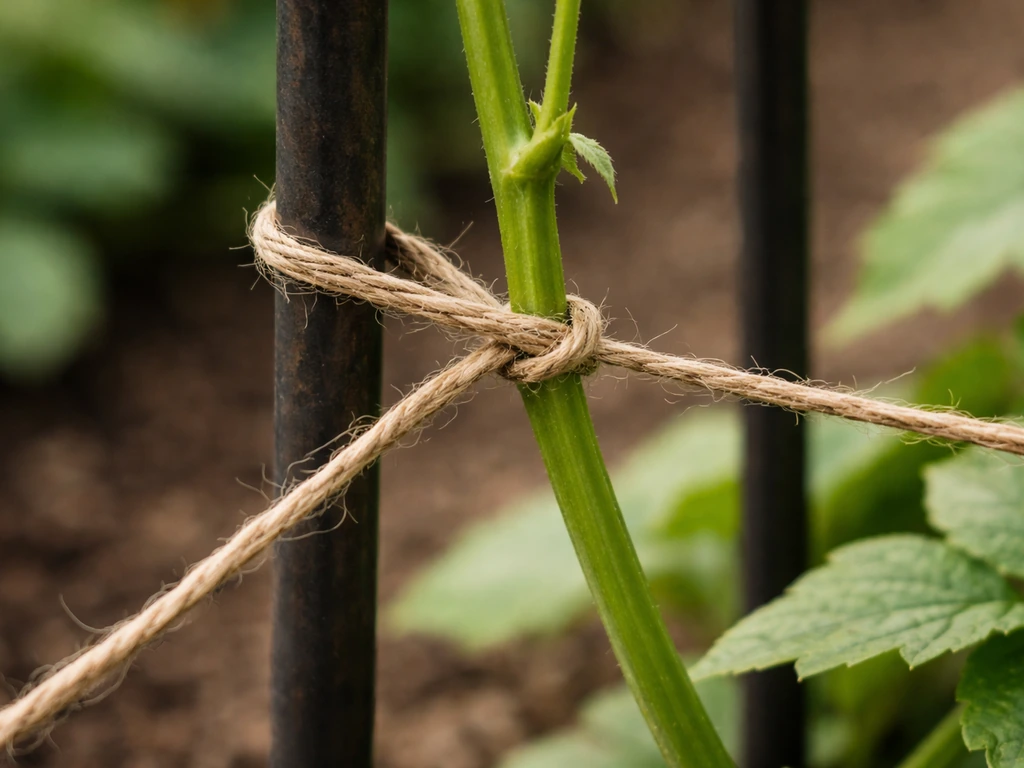
Start tying in when stems reach about 6 inches and can be guided without snapping. Use soft garden twine, fabric ties, or purpose-made plant clips. Never use wire or metal ties because they cut into stems as they thicken, creating a weak point where the stem can break. Each tie should loop around both the stem and the support with some slack, enough that you could slip a pencil between the tie and the stem. This gives the stem room to grow without being constricted. Check ties every few weeks and loosen any that are starting to look tight.
For twining plants like clematis and beans, you're mainly guiding the leading shoot in the right direction when it first starts growing. After that, they handle themselves. For scramblers like roses and nasturtiums, you'll be doing more active tucking of stems through the framework every week or two. The goal isn't to pin every shoot down, it's to keep the overall shape balanced so the plant doesn't become top-heavy on one side.
Container vs in-ground: what actually changes
You can absolutely grow all of these plants in containers, but the rules change significantly. The main constraints are soil volume, water, and nutrition. If you want to grow these climbers more efficiently, consider swapping soil for LECA for better aeration and easier watering in containers best plants to grow in leca. A container limits how much root space the plant has, which directly caps how big it gets and how much support it needs from you.
For container obelisks, use a pot that's at least 12 inches in diameter for annuals like sweet peas or nasturtiums, and at least 18 to 24 inches for perennials like clematis. Any smaller and the plant will dry out faster than you can water it, and root restriction will stunt growth. Always use pots with drainage holes, and make sure those holes are actually clear. Containers with insufficient drainage are the most common cause of sudden plant death in container obelisk setups.
Watering in containers should continue until water flows freely from the drainage holes. That's the signal that the whole root zone is wetted, not just the top few inches. In summer heat you may need to do this daily for active climbers. In-ground plants need watering during establishment (the first 4 to 6 weeks) but generally cope better with dry spells once roots have spread.
Nutrients deplete quickly in containers because there's less soil volume to buffer from. If you're using a standard potting mix without slow-release fertilizer, feed every two weeks with a balanced liquid fertilizer once growth is active. If your mix includes slow-release granules, watch for the point mid-season when growth slows or leaf colour fades, and top up at that point. In-ground plants in decent soil need less frequent feeding, especially perennials in their second year and beyond.
What to plant now and what to wait on
It's early June 2026. Here's how to think about timing based on where you are.
Zones 5 to 7 (most of the Midwest and Northeast US)
You're in the sweet spot right now. Direct sow runner beans and climbing beans at the base of your obelisk this week, they'll be up in 7 to 10 days. Transplant black-eyed Susan vine or nasturtium seedlings immediately. For clematis and climbing roses, June planting is fine as long as you water well through the first few weeks. Sweet peas are past their best start time for this season in most of these zones, wait until September for a fall sowing or plan them as a priority for next March.
Zones 8 to 9 (Southeast, Texas, California)
June heat means sweet peas are done until October. Focus now on black-eyed Susan vine, climbing beans if you have reliable irrigation, and heat-tolerant nasturtiums. In coastal California, all of these work well through summer. In Texas and the Deep South, anything going in the ground in June needs daily watering for the first three weeks and afternoon shade protection until established. Clematis struggles in zones 9 and above without specific heat-tolerant cultivars like 'Duchess of Edinburgh'.
Zones 3 to 4 (Northern US, Canada)
June is your prime planting window. Get everything in now. Sweet peas can still go in this week in zone 3 and 4 since summers are shorter and cooler, they'll perform well through July and August. Beans, nasturtiums, and Thunbergia are all good choices. Clematis and roses are excellent long-term investments here; choose cold-hardy cultivars rated to your zone.
Common failures and how to fix them
The most common reason an obelisk plant fails is not the plant itself. Here are the failure patterns worth knowing before you start.
- Choosing a plant that's too vigorous: A wisteria or Virginia creeper will overwhelm a standard garden obelisk within two seasons. These plants need much larger structures. Stick to the size-appropriate picks in this guide.
- Planting too close to the upright: Stems jammed against a metal or wood leg get damaged and don't train well. Keep that 4 to 6 inch gap from the leg at planting.
- Tying too tight too early: Young stems are fragile. Ties put on when a plant is establishing restrict water and nutrient flow. Wait until the stem is actively growing upward and use soft, loose ties.
- Not enough light: Climbers described as tolerating shade still need at least 4 hours of direct sun for good flowering. If your obelisk spot gets less than that, expect leggy growth and few flowers. Nasturtiums and clematis handle part shade best; beans and Thunbergia really need full sun.
- Container drying out: This kills more container obelisk plants than anything else. Check soil moisture daily in warm weather. If the pot is drying out within 24 hours, it's too small or you need to add a water-retaining gel to the potting mix.
- Skipping early training: The first two or three weeks after planting are when you shape the plant. If you let stems sprawl on the ground, they develop awkward habits that are hard to correct. Start guiding upward from week one.
- Pets and plant choice: English ivy is sometimes suggested for obelisks but it's toxic to dogs and cats. If you have pets with access to the area, skip it and choose sweet peas, nasturtiums, or beans instead.
Your next steps
Start by identifying your two main constraints: container or in-ground, and full sun or part shade. If you’re planning the same idea around a mailbox, choose climbers and upright growers that tolerate your local sun and wind best plants to grow around mailbox. If you have full sun and want immediate results this season, black-eyed Susan vine or runner beans are your quickest wins right now.
If you're thinking long-term, buy a Group 3 clematis this week and get it planted before July heat peaks. For containers, sweet peas in an 18-inch pot with a 5-foot obelisk is about as satisfying as container gardening gets, just know it's a cool-season project so plan it for fall if you're in a warm zone.
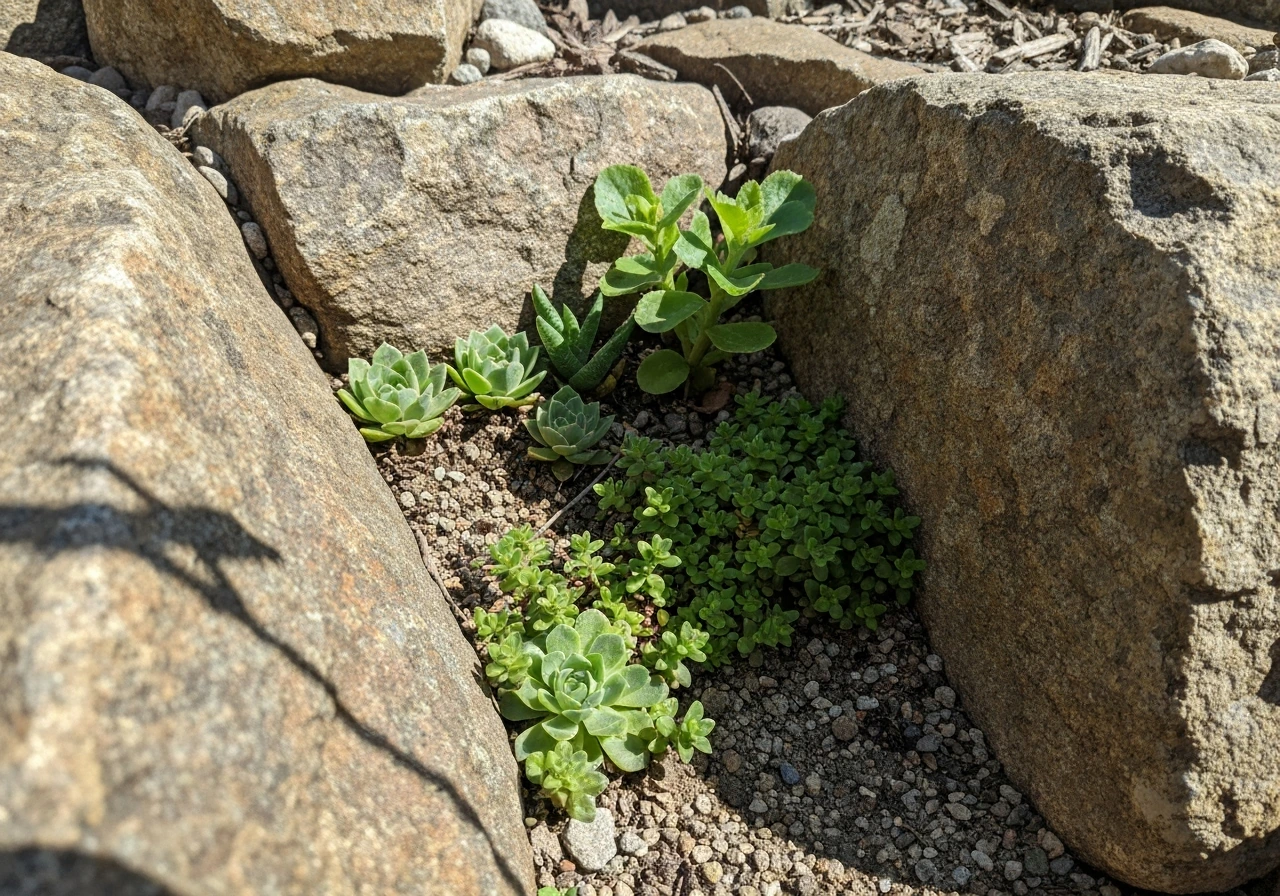
Once your obelisk planting is established, you might find yourself looking for other ways to add vertical interest or fill different kinds of structures in the garden. If you are trying to grow plants between rocks, pick climbers and trailing varieties that can latch onto the small gaps. The principles for choosing climbers are broadly similar whether you're working with an obelisk, a fence, or a mailbox post, but the specific plant lists shift based on how much permanent coverage you want and how much training you're willing to do.
FAQ
How do I choose between twining and scrambling plants for my obelisk?
If you want the plant to naturally wrap the support with minimal intervention, pick twining types like clematis and beans. If you do not mind tucking stems through the framework, scrambling plants like roses and nasturtiums can still work, but they require more frequent guiding to keep the look balanced.
What should I do if my obelisk is very windy?
For wind, prioritize sturdier obelisks and plants with a lighter early growth habit. With roses and fully leafed climbers, tie the obelisk firmly in place before planting, and expect to re-check training ties every week during gusty weather so stems do not get pulled off alignment.
Can I grow clematis or climbing roses on an obelisk in a container?
Yes, but size matters more than with annuals. Use a deeper, wider pot (at least 18 to 24 inches for clematis) so the root system stays cool and hydrated, and plan on more frequent feeding than in-ground since container nutrients wash out faster.
My plant keeps breaking at tie points, what am I doing wrong?
Usually the tie is too tight or the material is cutting into the stem. Switch to soft ties or purpose-made clips, ensure each tie has slack (you should be able to slide something thin between tie and stem), and check after rapid growth spurts because stems thicken quickly.
How many plants should I put around one obelisk without crowding?
For many obelisks, a common rule is 3 to 4 plants spaced evenly around the base for a full look, or one off-center plant for a single heavy climber like clematis. If you see leaves shading each other at midday, reduce the number next season or move the starting positions farther from the legs.
What if my obelisk is planted in partial shade, will the ‘best plants’ still work?
Some plants tolerate less light but change performance. Beans and sweet peas need more sun for best flowering, while clematis can do well if the flowering area gets sun and the roots stay cooler, so use mulch or a low companion to protect the base.
How can I prevent clematis wilt on an obelisk?
Planting depth helps, keep the crown protected, and water consistently so the plant does not swing between dry and saturated. If you notice sudden wilting of one stem, remove it promptly to reduce stress on the crown and avoid leaving diseased tissue in place.
What is the best way to start training early without snapping stems?
Wait until stems are long enough to guide (about 6 inches) and flexible, then lead only the growth tip at first. For twining plants, guide the initial direction and stop over-manipulating, since they will attach naturally as they extend.
Do I need to fertilize annual climbers differently than perennials?
Yes. Annuals like runner beans and nasturtiums benefit from steady feeding once active growth begins, especially in containers, while perennials like clematis usually need less frequent feeding in established years. If leaves get dark and lush but flowers drop, reduce feeding rather than increase it.
What’s a good strategy if I want an obelisk that looks good year after year?
Use a long-term structure plant like a Group 2 or Group 3 clematis or a compact repeat-blooming climber as the anchor, then add short-lived “season starters” around its base (cool-season plants in spring or annual fillers in summer). This avoids the problem of relying on one annual that disappears when its season ends.
Can I grow these plants if I start after peak summer heat?
If it is already very hot, prioritize heat-tolerant climbers and plants that establish quickly with reliable irrigation, such as heat-friendly nasturtiums or black-eyed Susan vine in appropriate climates. Sweet peas are usually a bad match for midsummer starts, so shift to fall or next spring rather than forcing them.
What are the most common container obelisk failure points?
Poor drainage is the biggest one, then inconsistent watering. Make sure drainage holes are open, water until liquid runs freely to confirm the whole root zone is wet, and do not let containers sit in saucers where excess water can re-enter the pot.
Next Article
Best Plants to Grow Between Rocks: Picks and Care Guide
Choose best plants for rock crevices with step-by-step planting, soil mix, drainage, and seasonal care plans.