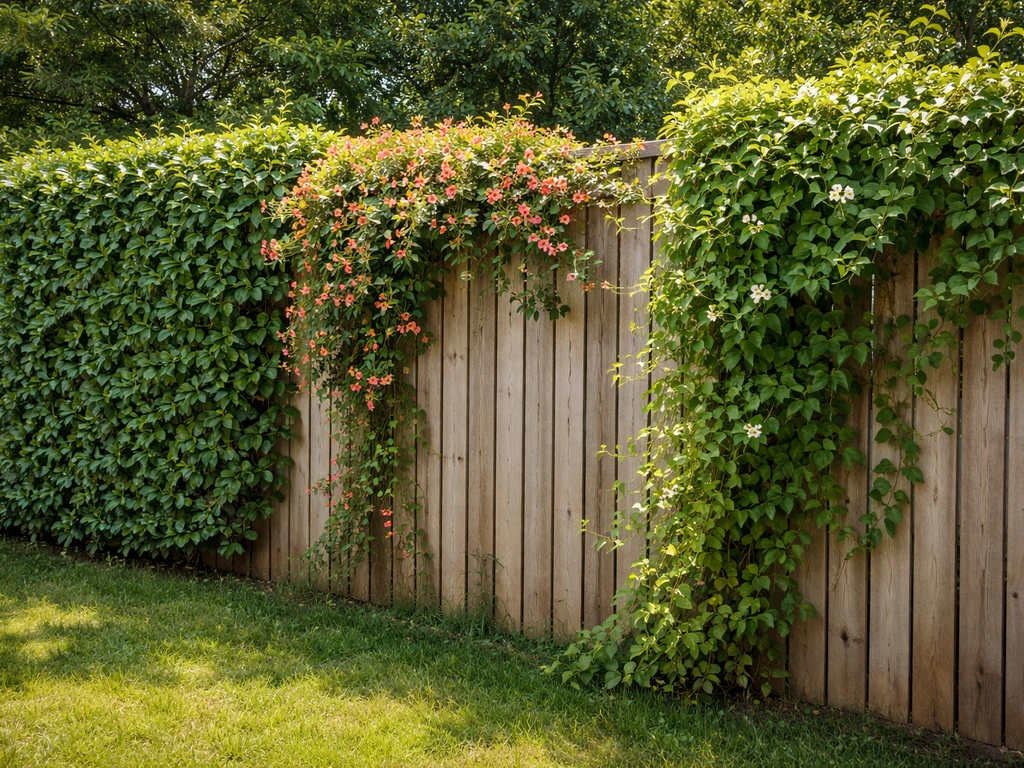
The best plants to grow on a chain-link fence are fast-twining vines that can thread their stems or tendrils directly through the 2-inch diamond mesh: native species like American wisteria, passionflower, and trumpet vine for bold coverage; annual workhorses like scarlet runner bean and morning glory for quick seasonal screens; and perennial evergreens like Carolina jessamine or English ivy if you want year-round greenery. Which one wins for you depends on whether you're after privacy fast, flowers, food, or just something that won't die the first hard winter.
Best Plants to Grow on a Chain Link Fence: Quick Guide
Rachel Hartley
29 Apr 2026
How chain-link fence changes what will grow well
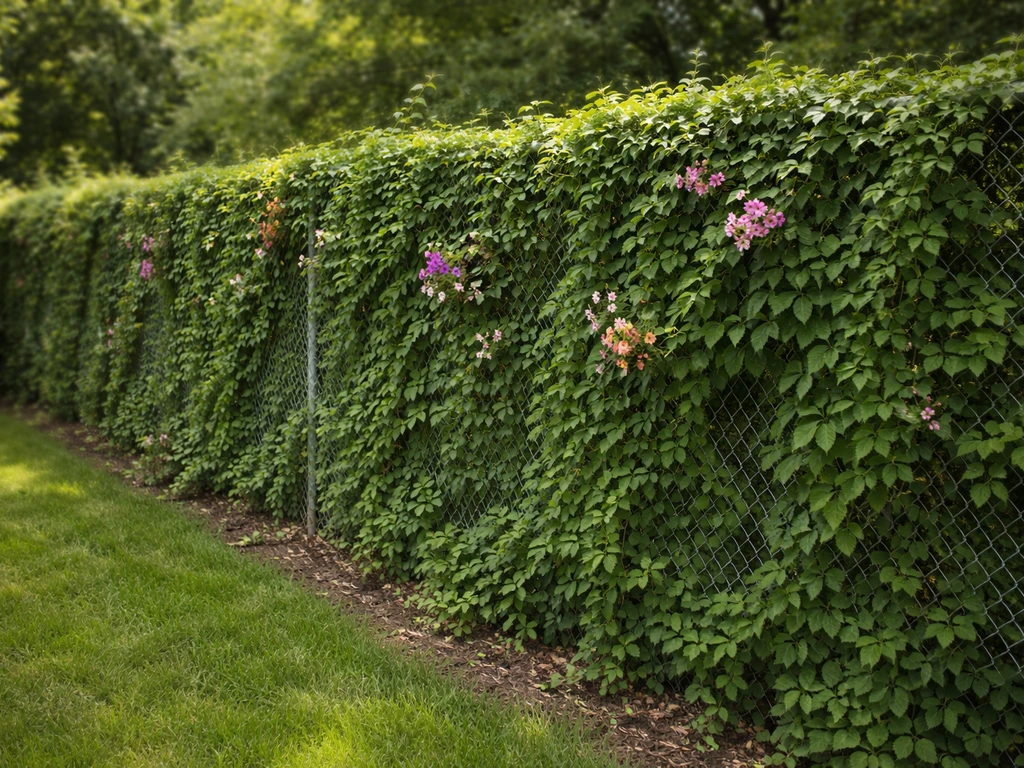
Chain-link is genuinely one of the easier structures to cover with plants, but it has a few quirks you need to know about before you pick anything. The standard mesh is a 2-inch diamond opening, which is just right for twining stems and grabbing tendrils. That means vines that climb by twining (morning glory, runner beans, hops) or by tendrils (passionflower, clematis) will latch on and climb with almost no help from you. Adhesive climbers like English ivy use microscopic root-like holdfasts to grip the substrate, and while they'll eventually colonize chain-link, they're slower to establish than true twiners on wire.
The metal itself matters too. Most residential chain-link is galvanized steel, which can last 20 years or more. Vinyl-coated chain-link lasts even longer and is gentler on tender stems. That's worth knowing because you're about to train plants to live on this structure for years, and you want the fence to outlast the plant establishment period. One real gotcha: metal wire gets hot. In a south- or west-facing exposure in a hot climate, bare galvanized wire sitting in full afternoon sun can heat enough to scorch young stems pressed against it. If your fence runs that direction, give new transplants a few days of shade cloth or plant them a few inches back so tendrils find the wire naturally rather than pressing stems flat against it from day one.
Chain-link also doesn't give you the solid backing that a wood or masonry fence does, so privacy comes from the plant density, not the structure. Fast-filling vines that leaf out densely (trumpet vine, hops, scarlet runner bean) will screen a fence in one season. Slower perennials need two to three years before coverage is genuinely thick. Set expectations accordingly, especially if privacy is the main reason you're doing this.
Best climbing vines for chain-link fences (fast coverage + low fuss)
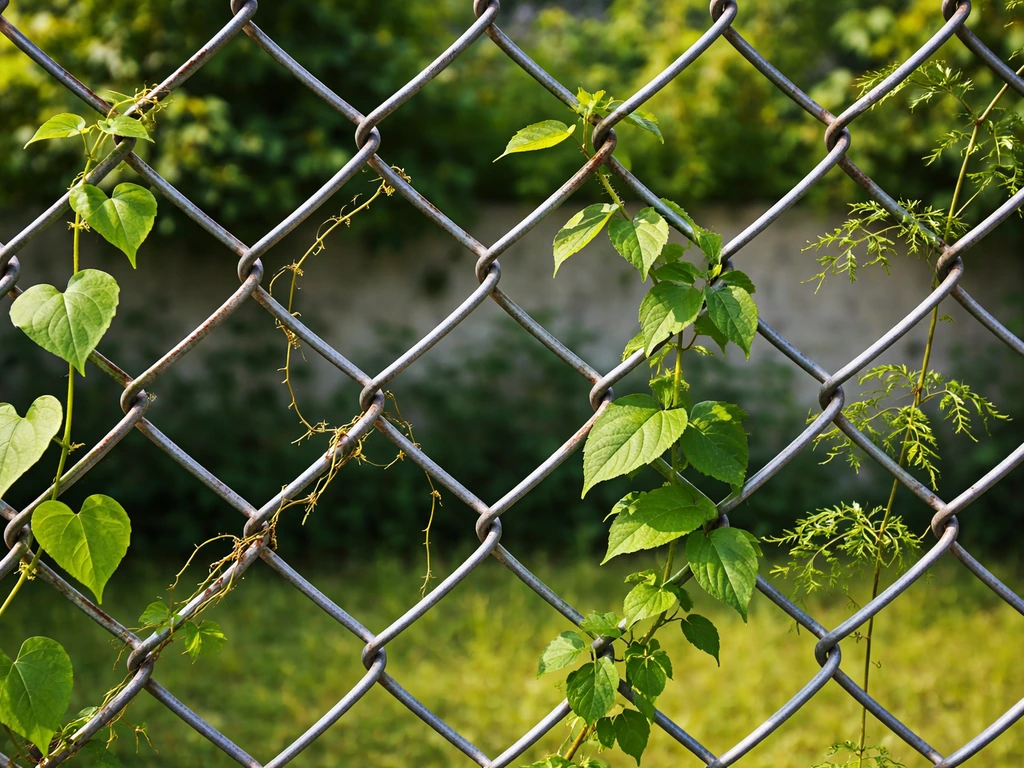
These are the vines I'd plant today if I needed solid coverage without a lot of hand-holding. Each of them handles the 2-inch mesh naturally and is available at most garden centers in late spring.
| Plant | Type | Speed | Sun | Hardiness | Best for |
|---|---|---|---|---|---|
| Morning glory (Ipomoea tricolor) | Annual twiner | Very fast (8–10 ft in one season) | Full sun | Annual, all zones | Quick seasonal screen, low cost |
| Scarlet runner bean (Phaseolus coccineus) | Annual twiner | Fast (10–15 ft in one season) | Full sun | Annual, all zones | Fast screen + edible beans |
| Trumpet vine (Campsis radicans) | Perennial, aerial rootlets | Fast once established | Full sun to part shade | Zones 4–9 | Bold flowers, hummingbirds, privacy |
| American wisteria (Wisteria frutescens) | Perennial twiner | Moderate (3–4 years to full coverage) | Full sun | Zones 5–9 | Fragrant spring flowers, long-lived |
| Passionflower (Passiflora incarnata) | Perennial tendril climber | Moderate-fast | Full sun to light shade | Zones 6–10 | Exotic flowers, wildlife habitat |
| Hops (Humulus lupulus) | Perennial twiner | Very fast (20–25 ft/season) | Full sun | Zones 3–8 | Dense summer privacy, cold hardy |
| Clematis (various) | Perennial tendril climber | Moderate | Sun to part shade (cool roots) | Zones 3–9 depending on variety | Showy flowers, manageable size |
| Carolina jessamine (Gelsemium sempervirens) | Perennial twiner | Moderate | Full sun to part shade | Zones 7–9 | Evergreen, yellow spring flowers |
Morning glory and scarlet runner bean are the beginner picks: cheap from seed, germinate fast, and will cover a 6-foot fence section in a single summer. They die at frost, so there's nothing to manage over winter, which is honestly a benefit if you're not sure you want a permanent plant in that spot. Trumpet vine is the go-to perennial for full-sun fences in Zones 4–9, but be honest with yourself about containment: it spreads by underground runners and will come up in your lawn. Hops is the cold-climate version of that same aggressive speed: spectacular summer coverage, dies back cleanly to the ground each winter, and comes back harder the following year.
Flowering climbers vs evergreen options (seasonal beauty + year-round structure)
This is the core trade-off most readers need to think through. Flowering climbers like clematis, passionflower, trumpet vine, and wisteria give you a serious showstopper for weeks at a time, then go quiet (or go dormant completely). Evergreen options like English ivy, Carolina jessamine, and evergreen clematis varieties hold their leaves year-round and keep the fence looking covered even in January. Neither is objectively better. It depends on what you're looking at through your window in February.
Flowering climbers worth choosing
Clematis is probably the most rewarding flowering vine for chain-link because the tendrils grip mesh instinctively and the variety range is enormous (early bloomers, repeat bloomers, large-flowered and small-flowered types, Zones 3–9). The one counterintuitive care requirement: clematis likes its roots shaded and its top in the sun. Mulch heavily at the base and plant a low perennial in front of the fence to keep roots cool. American wisteria is a better choice than Asian wisteria for fences because it's less aggressive, blooms reliably without years of coaxing, and won't rip a chain-link post out of the ground the way the Japanese species can. Passionflower blooms from midsummer into fall with dramatic flowers that pollinators absolutely swarm, and it produces edible maypop fruits as a bonus.
Evergreen options that hold structure
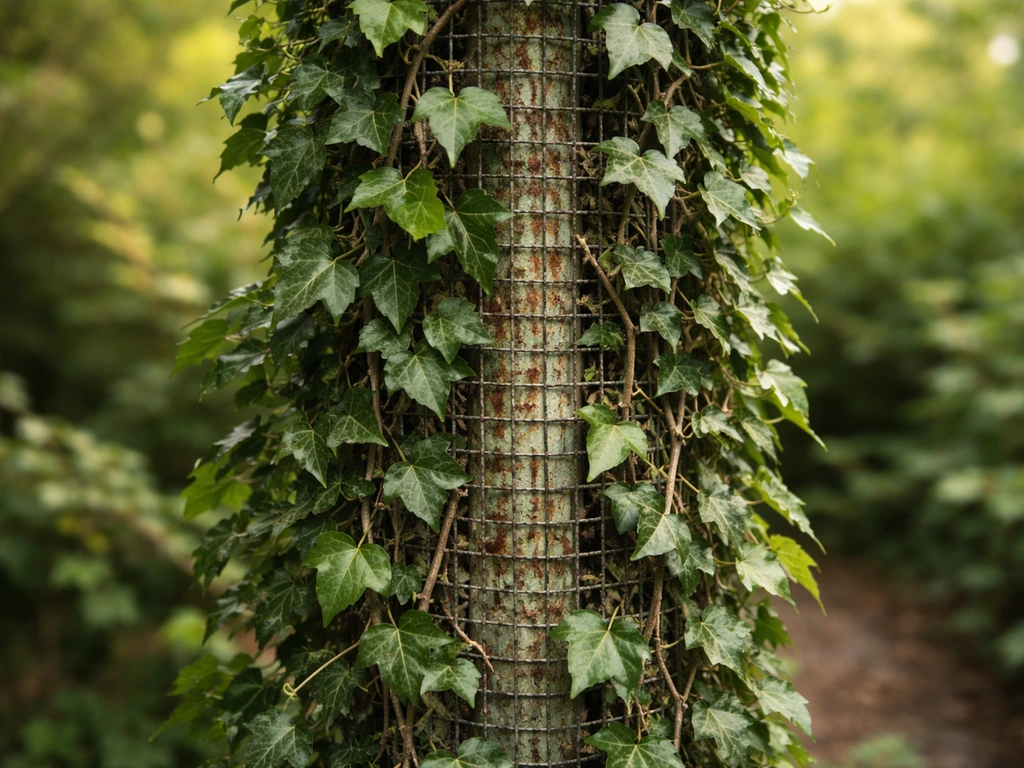
English ivy gives you dense, year-round coverage and handles shade better than almost any other fence climber. The trade-off is real though: in warm climates (Zone 7 and south) it can escape into natural areas and become invasive. The U.S. government’s Invasive Species Information Center also classifies English ivy (Hedera helix) as an invasive species English ivy can escape into natural areas and become invasive. If you're in the Pacific Northwest, the Southeast, or the Mid-Atlantic, consider a native evergreen alternative instead. Carolina jessamine is a good substitute for Zones 7–9: it's evergreen, has fragrant yellow flowers in late winter and early spring, and stays manageable. For colder climates, evergreen clematis (Clematis armandii) is stunning in Zones 7–9 but check your local hardiness before planting it north of that. One practical note: ivy's adhesion to chain-link comes from aerial rootlets that establish gradually, so expect one full season before it starts climbing reliably rather than just flopping.
Edible and pollinator-friendly plants for fences (fruit, herbs, and habitat)
Chain-link fences are underused for food production, and that's a mistake. Several edible plants are natural climbers that thrive on this structure, and you can often double up the fence's function without any extra infrastructure.
- Scarlet runner bean: Produces showy red flowers (excellent for hummingbirds) and large edible beans. Direct sow after last frost, harvest pods when young and tender. A single fence section can give you several pounds of beans.
- Cucumbers: Bush varieties don't climb, but vining types like 'Spacemaster' or 'Straight Eight' will train easily through chain-link. Tie loosely at first; the tendrils take over once they're established. Great for a south-facing fence.
- Pole beans: Same approach as runner beans, lighter vines, and you'll get beans all summer with regular harvesting. Cherokee Trail of Tears and Kentucky Wonder are both reliable.
- Blackberries and thornless raspberries: Not technically vines, but canes train extremely well along chain-link when tied horizontally. Thornless varieties like 'Apache' or 'Chester' are much more manageable at fence height. You get privacy, fruit, and habitat in the same plant.
- Nasturtium: An easy annual that sprawls and climbs loosely through wire. Flowers and leaves are both edible (peppery flavor), and the blooms attract predatory insects that protect the rest of your garden.
- Passionflower (Passiflora incarnata): Maypop fruits are genuinely edible and enjoyed by wildlife. The plant is also a larval host for Gulf fritillary and zebra longwing butterflies, so if you're building pollinator habitat, this is one of the highest-value fence plants available in the Southeast and mid-South.
If your main goal is wildlife and pollinator support rather than food, native trumpet vine and native passionflower together cover an enormous range of species: hummingbirds, sphinx moths, butterflies, and native bees all use them heavily. Florida Native Plant Society notes blank" rel="noopener noreferrer">Passiflora incarnata as a larval host for Gulf Fritillary and Zebra Longwing butterflies. Combine them with a few nasturtiums for season-long color and you've built real habitat from a chain-link fence.
Planting, training, and maintenance tips that actually work
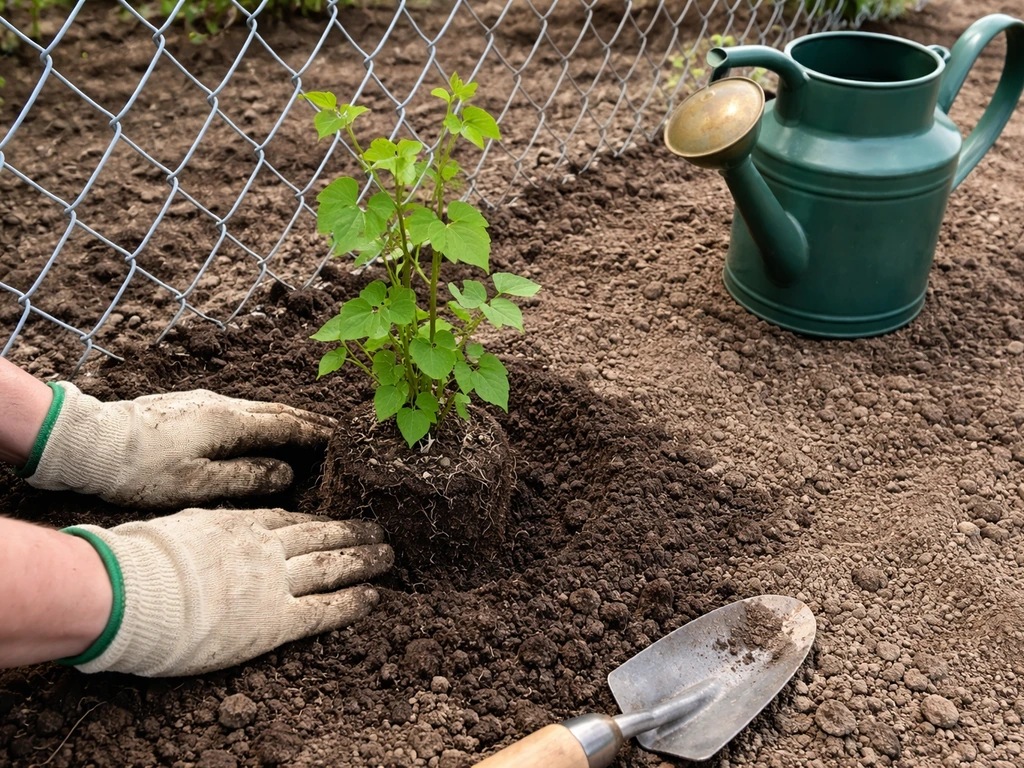
Getting new plants established
Plant at least 12 inches away from the fence base, not right up against it. The soil immediately under a fence line is often compacted, poorly drained, and nutrient-poor. Give the plant good soil to establish its roots, then let stems find the fence naturally over a few weeks. For container-grown vines, loosen the root ball, amend the planting hole with compost, and water deeply three times the first week. After that, water deeply once a week for the rest of the first season unless you're getting regular rain.
Training vines onto the mesh
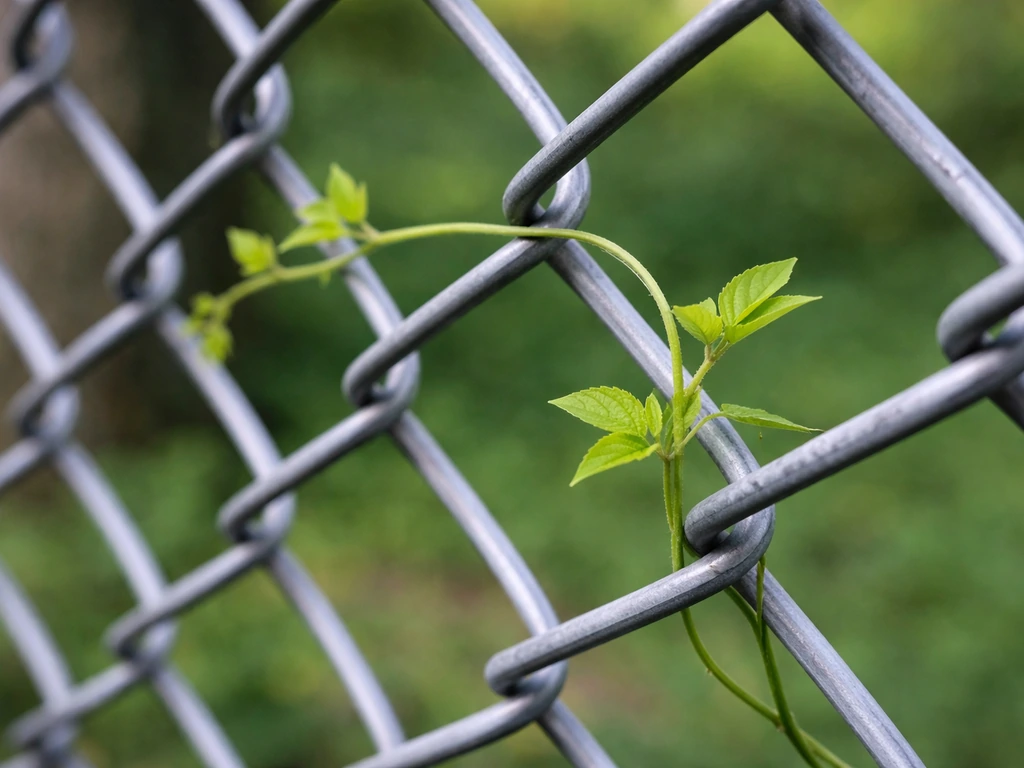
Most twiners and tendril climbers need a little guidance the first week or two. Gently weave new growth through the diamond openings of the mesh every few days until the plant takes over on its own, which usually happens once growth is above about 18 inches. Use soft plant ties or strips of pantyhose, never wire or anything that can cut into the stem. For horizontal coverage (like training blackberry canes), tie canes to the fence at roughly 18-inch intervals using stretchy plant ties. New canes will fill in the spaces within a season.
Keeping growth under control
This is where most fence plantings fail. Trumpet vine, hops, and wisteria in particular will outgrow a residential fence in two to three years if you don't prune them back hard each year. In a Reddit discussion, gardeners also warn that trumpet vine runners can damage structures in some yards, so plan for aggressive containment and regular checks blank" rel="noopener noreferrer">Trumpet vine, hops, and wisteria in particular will outgrow a residential fence in two to three years if you don't prune them back hard each year.. Best plants to grow around a mailbox are ones that stay tidy and do not overtake the space, so pruning is key. The best approach is one major annual cutback (late winter or early spring before new growth starts) plus periodic trimming through the season to remove stems wandering where you don't want them. For trumpet vine specifically, dig out any root suckers that appear in the lawn promptly. They spread by underground runners and are much easier to remove when small. For annual vines, simply cut plants down at frost and compost them.
Common failure modes to avoid
- Planting in dry, compacted fence-line soil without amending: the vine survives but never thrives and looks sparse for years.
- Choosing a twiner and then forgetting to guide it for the first few weeks: it winds around itself or the nearest post instead of spreading across the fence.
- Planting an aggressive species (trumpet vine, Asian wisteria, English ivy in warm zones) without a containment plan and then feeling overwhelmed two years later.
- Underwatering in the first season: even drought-tolerant perennial vines need consistent moisture while establishing their root systems.
- Skipping the annual cutback: overgrown vines get woody, stop blooming well, and can eventually stress the fence posts.
Localizing recommendations by climate and season (what to plant now)
It's late April 2026, which puts most of the US and Canada in prime planting window for vines. Soil has warmed, frost risk is dropping fast in most zones, and nurseries have the best selection of the year right now. Here's how to think about your specific situation.
| Climate / Region | Best picks right now | Timing notes |
|---|---|---|
| Cold climates, Zones 3–5 (Upper Midwest, New England, mountain West) | Hops, clematis (Zone 3+ varieties), morning glory, scarlet runner bean, pole beans | Direct sow annuals now after last frost. Plant perennial vines as soon as ground is workable. Hops is the best perennial option for cold hardiness and speed. |
| Moderate climates, Zones 6–7 (Mid-Atlantic, Pacific Northwest, parts of Midwest) | Clematis, American wisteria, passionflower, trumpet vine, cucumber vines, nasturtium | Ideal planting window open now. All of these can go in the ground this week. Water well for the first 4 weeks. |
| Hot, humid climates, Zones 8–9 (Southeast, Gulf Coast, inland South) | Passionflower, Carolina jessamine, trumpet vine, blackberries, scarlet runner bean, nasturtium | Plant early in the day, water deeply. By May in Georgia or Louisiana, heat stress on new transplants is real. Get them in the ground now, not in June. |
| Hot, dry climates, Zones 8–10 (Southwest, California inland valleys) | Trumpet vine, passionflower (in partial shade), native clematis species, nasturtium (as annual) | Mulch heavily (3–4 inches) at the base to retain soil moisture. Avoid English ivy; it struggles without humidity. Morning glory and nasturtium do surprisingly well with drip irrigation. |
| Shaded fences (north-facing or under tree canopy) | Clematis (especially small-flowered varieties), English ivy (where non-invasive), climbing hydrangea | Accept slower growth. Don't force sun-lovers like trumpet vine or morning glory into dense shade; they'll sulk and not bloom. |
If you're in a zone or climate not listed above, the general principle holds: fast-twining annuals (morning glory, scarlet runner bean) are safe starting points almost everywhere in late April, while perennial choices should be matched to your hardiness zone and your honest assessment of how much water you're willing to provide in the first summer. If you're wondering about the best plants to grow up an obelisk, use similar climbing logic, but prioritize sturdy, vertical stems that can handle the height. If you've been thinking about plants for other fence or structure types, the decision logic for a standard wood fence runs a bit differently from chain-link, as does choosing climbers for a vertical structure like an obelisk, where height matters more than lateral spread.
One last thing worth saying directly: the best plant for your chain-link fence is the one you'll actually water the first season and prune once a year after that. If you mean growing in Leca specifically, the best choices will be moisture-tolerant plants that can handle a soilless clay setup best plant for your chain-link fence. A morning glory you seed yourself this week will outperform an expensive wisteria you plant in June and ignore through a dry August. Start simple, get one section covered reliably, then expand from there.
FAQ
Can I grow vines on chain-link fences even if the ground is poor or the area is hard to water?
Yes, but start only if you can provide a support method. True twining and tendril climbers can latch onto the diamonds, but many people fail by planting too close to the fence line where compacted soil stays wet or dry. Put containers or roots at least 12 inches from the fence base, then weave new growth through the mesh for the first 1 to 2 weeks so it starts climbing before wind and heat pull it away.
Which chain-link climbers are least likely to “flop” before they take hold?
Avoid plants that are mainly adhesive creepers if you need fast reliability. Ivy will eventually grip chain-link, but expect a delay of about a full season before it consistently climbs. If you want coverage sooner, choose twiners or tendril climbers (for example, clematis, passionflower, trumpet vine) and plan on light training during establishment.
Will I have privacy in winter, or do I need evergreens?
In general, yes, but keep expectations realistic. Most fast twining vines die back at frost, and perennials will re-sprout in spring, so winter coverage depends on whether you choose evergreen options. If you want leaves in January, prioritize evergreen clematis types or Carolina jessamine (warm to moderate climates) rather than frost-killing annuals.
How many vines should I plant for real privacy on a 6- to 10-foot chain-link section?
If your goal is privacy, the biggest mistake is relying on a single plant. A dense screen usually comes from multiple plants spaced so their foliage overlaps. As a practical starting point, plant 1 vine per roughly 4 to 6 feet of fence section, then adjust based on how aggressive the variety is and how quickly you want to thicken the canopy.
What changes if I’m in a colder zone, or my winters are harsher than the typical recommendations?
Yes, but it changes what “best” means. Use hardier perennials that match your zone, and be stricter about watering the first season. In colder areas, prefer vines that reliably re-emerge after winter dieback (for example, hops) and avoid frost-tender species that may not come back, even if they look great in late spring.
Are there vines I should avoid if I don’t have time to prune aggressively?
Yes, but you should control the risk of overgrowth. Aggressive spreaders like trumpet vine, hops, and wisteria can expand beyond the fence line through underground runners, even if they look contained on the wire. Plan on at least one annual major pruning plus periodic root or sucker removal in adjacent lawn areas.
What should I do if my chain-link fence gets intense afternoon sun?
For hot, sunny exposures, you’ll get better establishment by planting a few inches farther from the fence and using temporary shade cloth for new transplants for a few days. This reduces stem scorching from hot wire, and it helps tendrils find the mesh naturally instead of being forced into contact immediately.
Do I need to train the vines, or will they climb without help?
Plan for a training period, not permanent wiring. Weave growth through the diamonds gently for the first couple of weeks, use soft plant ties or fabric strips, and avoid wire that can girdle stems. Once growth is above about 18 inches, many vines will climb on their own.
Can I grow edible climbers on chain-link, and what’s the main downside?
Food climbers can work well, but pick varieties that match your pollination and harvest goals. For example, scarlet runner bean can provide quick summer coverage and edible pods, but it requires consistent warmth and watering in its first season. Also, consider how close you are to paths, because fruiting vines can increase mess and attracts wildlife.
I have an existing plant on the fence. Can I add new vines or fix a bad placement?
If you already have an existing vine or ivy on the fence, you can revise the planting plan rather than ripping everything out. For tendril climbers, you can often direct new growth through the mesh while pruning back unwanted stems. For ivy, expect slower re-climbing after heavy pruning, so do gradual reduction and give it time to re-establish holdfasts.
Next Article
Best Plant to Grow on a Fence: Top Picks by Type
Choose the best fence plant by material and sun exposure, with spacing, training, planting steps, and maintenance tips.