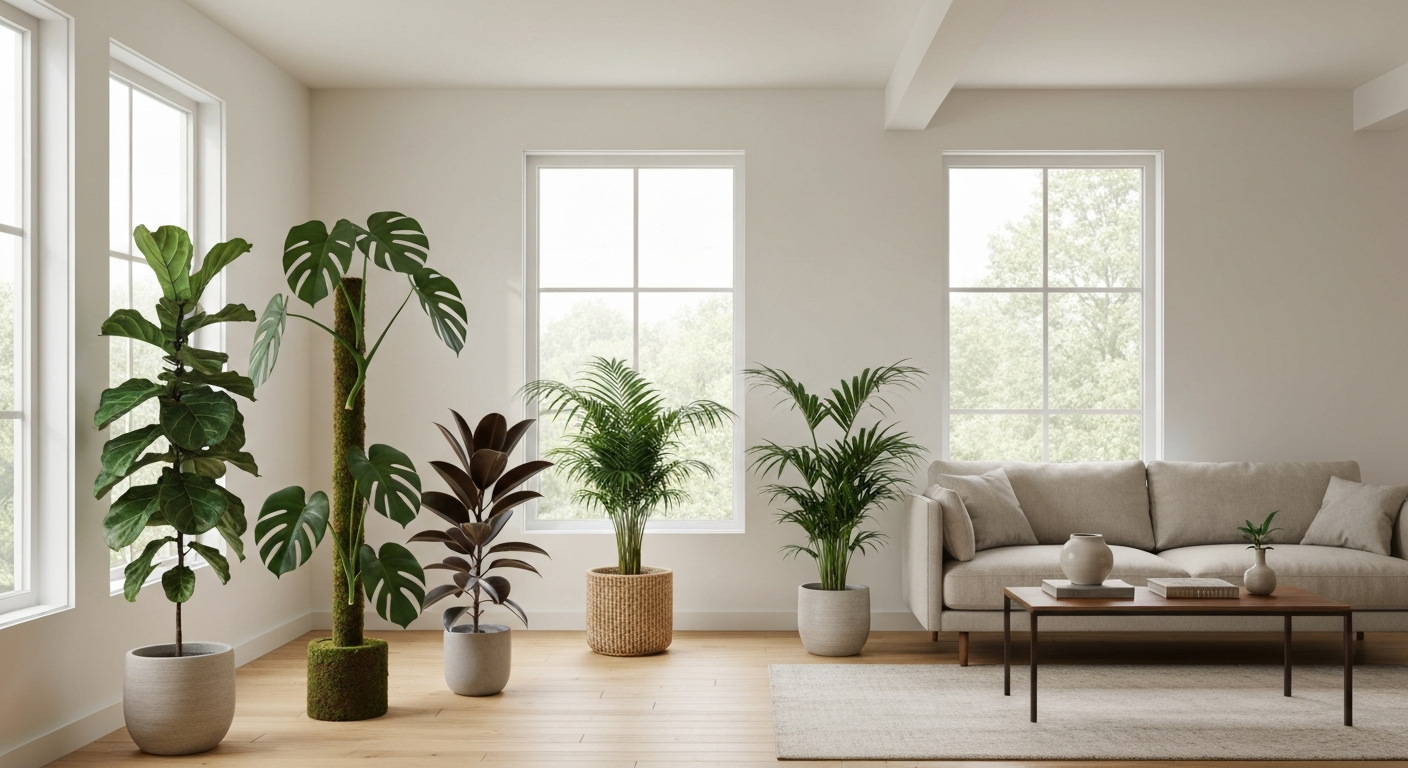
The best plants to grow in containers are ones that match your actual conditions: how much light you get, how often you'll water, and how much root space you can realistically provide. That said, some plants are reliably great in pots regardless of your skill level. Tomatoes, herbs like basil and mint, peppers, lettuce, petunias, geraniums, and tropicals like elephant ears all thrive in containers when given the right setup. This guide walks through exactly which plants to choose, how to pair them, and what to do first.
Best Plants to Grow in Containers: Easy Pairings and Care
Rachel Hartley
6 Apr 2026
How to pick the right container plants
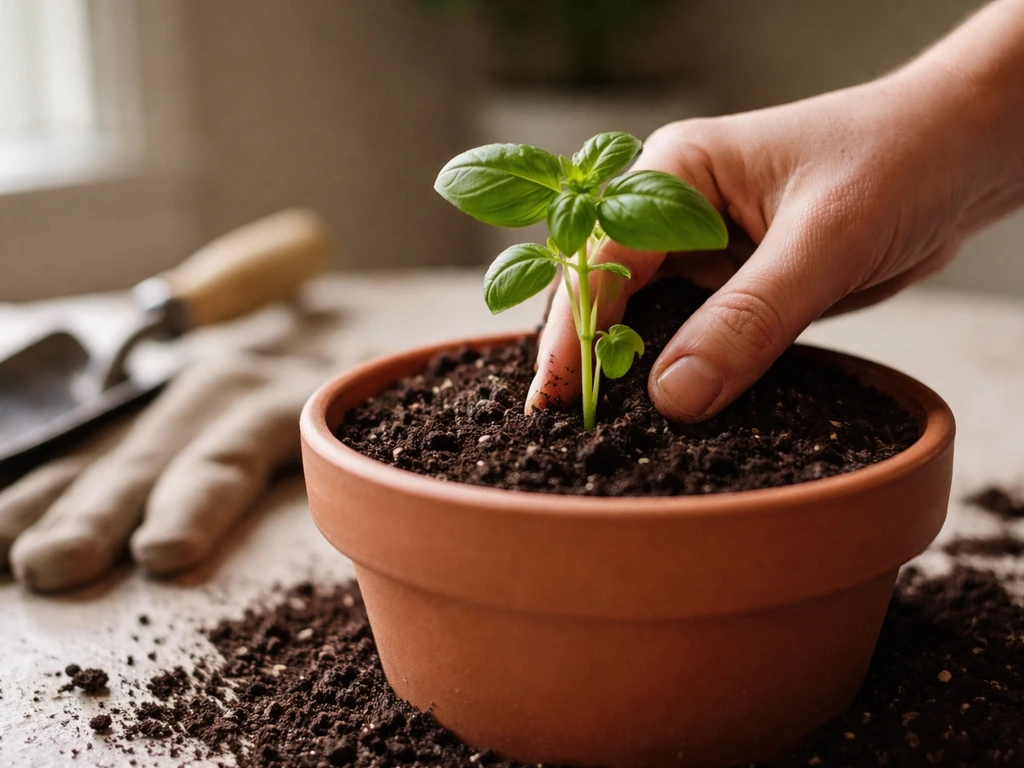
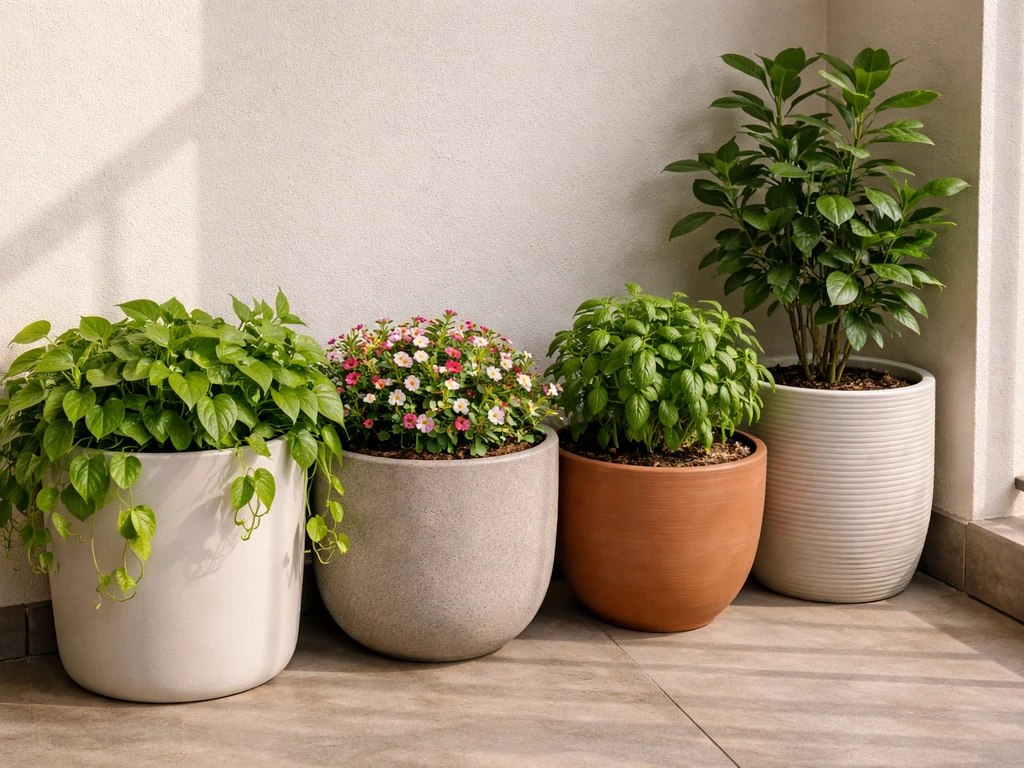
Four things determine whether a plant will thrive in a container or just survive in one: light, water, space, and root depth. Get these right and almost anything works. Get them wrong and even the hardiest plant will limp along.
Light is non-negotiable. A south-facing balcony that gets six or more hours of direct sun can grow tomatoes and peppers. A north-facing apartment window can grow ferns and pothos but will kill a sun-loving herb. Be honest about what you actually have before you buy anything.
Watering in containers is more demanding than in-ground gardening because roots can't chase moisture deeper into the soil. How often you water depends on wind exposure, temperature, humidity, container size, the potting mix you use, and even the plant's growth stage. A fruiting tomato in August in Texas will need water twice a day in a small pot. A succulent in a terracotta pot on a shaded porch might need water once a week. There's no universal schedule; you learn to read the plant and the pot.
Root space is where most beginners go wrong. The container needs to accommodate the plant's full mature root system, not just where it starts. Colorado State University Extension puts it plainly: the size of the container should accommodate the roots of the plants when fully grown. For mixed plantings, aim for a container that's at least slightly larger than the combined rootballs of everything going in. A pot that's too small stunts growth, dries out faster, and leads to nutrient depletion in weeks.
One more thing worth knowing: skip the layer of gravel at the bottom of your pot. It's a common old-school tip, but NC State Extension is clear that putting rocks or gravel beneath your potting mix does not improve drainage. It actually creates a perched water table that keeps the mix above it wetter longer. Just use a good potting mix and make sure your container has drainage holes.
Best container plants for beginners
If you're just getting started, pick plants that forgive inconsistent watering, don't need precise fertilizing schedules, and don't require a lot of fuss. These are the ones I'd hand to a first-timer with confidence.
- Pothos: virtually unkillable indoors, tolerates low light, irregular watering, and neglect. Perfect for apartments.
- Snake plant (Sansevieria): handles low light and infrequent watering. One of the few plants that actually prefers to be ignored.
- Mint: aggressive grower that thrives in containers (and honestly should stay in one so it doesn't take over a garden bed). Keep it moist and it'll reward you endlessly.
- Geraniums (Pelargonium): great outdoor patio plant that blooms all season, tolerates some drought, and is easy to deadhead for continuous flowers.
- Cherry tomatoes: more forgiving than large-fruited varieties. 'Tumbling Tom' and 'Patio' types are bred for pots.
- Marigolds: nearly impossible to kill, deter pests, and look great in any outdoor container.
- Lettuce and spinach: fast-growing, shallow-rooted, and done before summer heat hits. Ideal for a first edible container garden.
The honest beginner trap is overwatering. When in doubt, stick your finger two inches into the potting mix. If it still feels moist, wait. More container plants die from root rot than from drought.
Best edible container plants
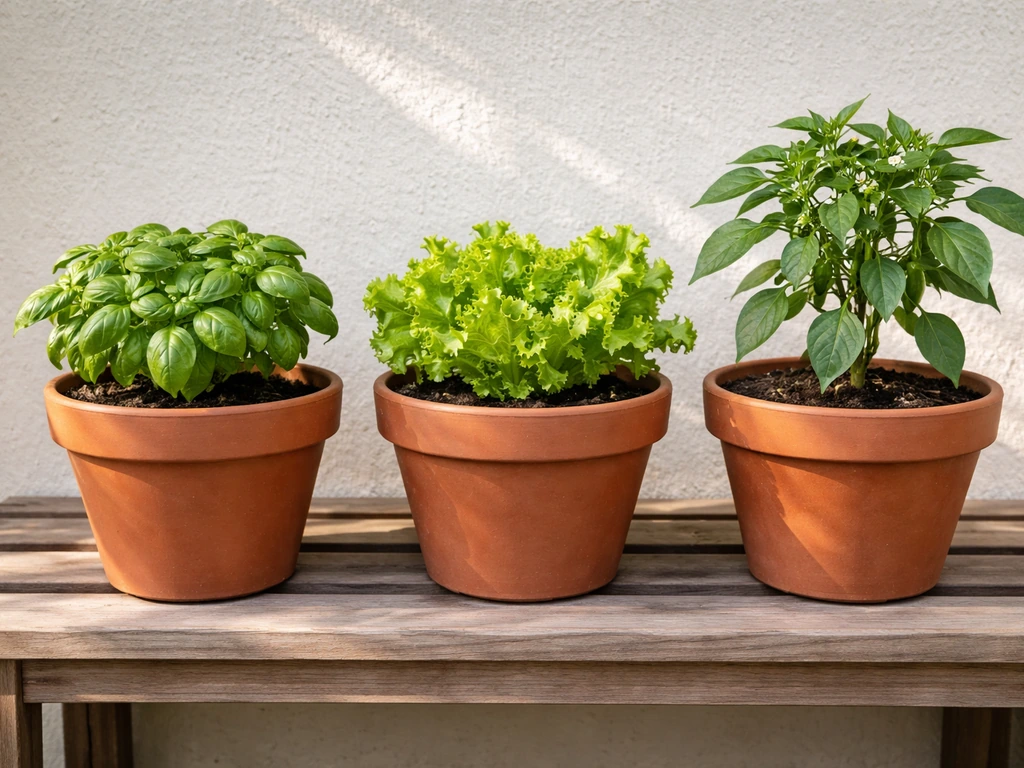
Growing food in pots is genuinely practical, especially if you're short on ground space. The trick is matching the plant's root depth to your container. Shallow-rooted crops like lettuce, radishes, and herbs can do well in 6-to-8-inch deep pots. Deep-rooted crops need more room: OSU Extension recommends at least 12 inches of depth for carrots, for example. Here's a breakdown of what works well and what size container to use.
| Plant | Minimum Container Depth | Container Size (Volume) | Notes |
|---|---|---|---|
| Basil | 6 inches | 1–2 gallons | Pinch flowers to keep producing |
| Lettuce/Spinach | 6–8 inches | 1–2 gallons | Great for cool seasons, bolts in heat |
| Cherry Tomatoes | 12 inches | 5+ gallons | Needs support stake or cage |
| Peppers (sweet or hot) | 12 inches | 3–5 gallons | Loves heat; great for south-facing patios |
| Carrots | 12+ inches | 3–5 gallons | Choose shorter varieties like 'Chantenay' |
| Kale/Chard | 8–10 inches | 2–3 gallons | Cold-tolerant; great for fall/winter pots |
| Strawberries | 6–8 inches | 1–2 gallons per plant | Hanging baskets work great |
| Mint | 6 inches | 1–2 gallons | Keep contained; spreads aggressively |
If you want to go deeper into specific container types for edibles, growing plants in buckets is a practical approach that works well for tomatoes, peppers, and potatoes because buckets give you enough root depth without spending a lot on decorative planters.
One thing that surprises people: herbs like rosemary, thyme, and oregano actually prefer to dry out slightly between waterings. Group them together and keep them away from water-hungry crops like basil, which likes consistently moist soil. Mixing incompatible water needs in the same pot is one of the fastest ways to lose plants.
Best flowering and foliage plants for containers
If your goal is color and visual impact, containers give you a lot of flexibility to change things up by season. The key is layering: use a tall thriller in the center or back, a spreading filler around it, and a trailing spiller over the edge. This "thriller, filler, spiller" formula works for almost any container combination.
Spring and summer bloomers
- Petunias: prolific bloomers that trail beautifully over pot edges. Wave petunias especially are hard to beat for summer color.
- Geraniums: long-season bloomers in red, pink, white, and coral. Handle heat and drought better than most.
- Calibrachoa (Million Bells): looks like a tiny petunia, trails well, and blooms non-stop without deadheading.
- Lantana: incredible heat tolerance, attracts butterflies, and thrives in sunny spots where other plants wilt.
- Impatiens: one of the best options for shady spots; reliable color in low-light conditions.
- Elephant ears (Colocasia): dramatic tropical foliage in a big pot. Creates instant impact.
Fall and cool-season options
- Ornamental kale and cabbage: vibrant purple, white, and green foliage that gets more colorful as temps drop.
- Pansies: cold-hardy and cheerful; can handle light frost and often bloom right into winter in mild climates.
- Chrysanthemums: the quintessential fall container plant. Buy them already budded for instant color.
- Ornamental grasses: add texture and movement; most are drought-tolerant and low maintenance.
For foliage impact year-round indoors, pothos, philodendrons, peace lilies, and ZZ plants are reliable. If you have a patio with filtered light, ferns, hostas (in cooler climates), and caladiums give lush tropical texture without needing full sun.
Container plant combinations that grow well together
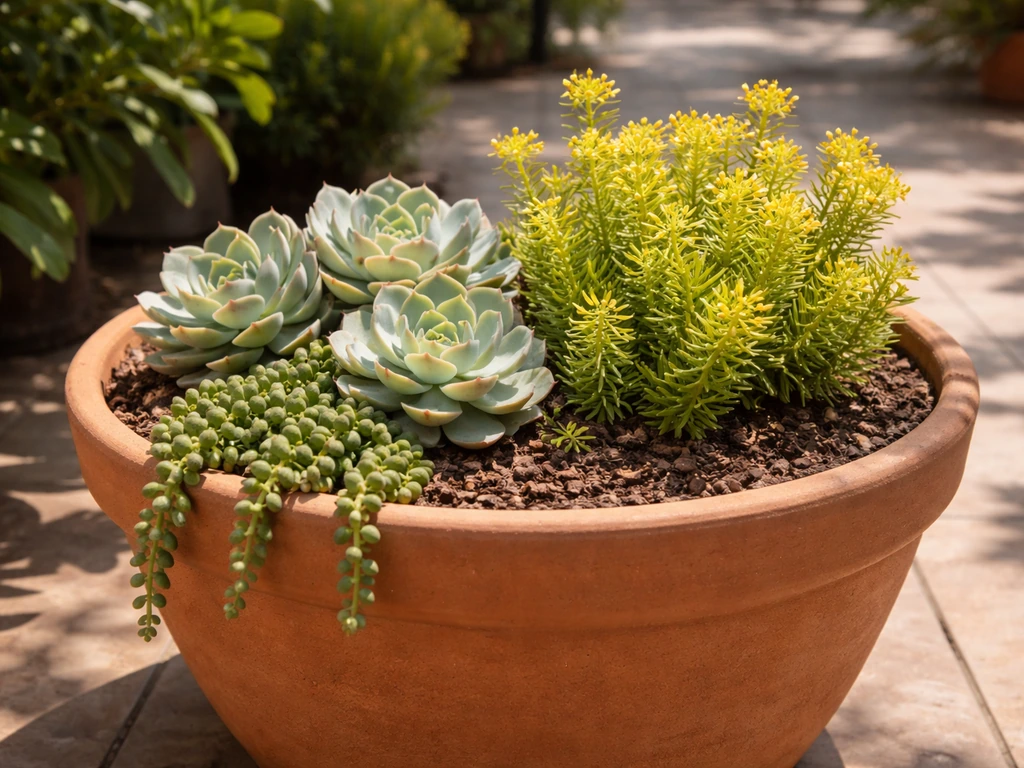
The most common pairing mistake is grouping plants that look good together but have completely different water or light needs. A drought-tolerant succulent next to a moisture-loving fern will end in one of them dying regardless of how you water. Match cultural needs first, aesthetics second.
Here are some tried-and-true combinations that work because the plants share compatible light, water, and space requirements.
| Combination Name | Plants Included | Light Needed | Water Needs | Container Size |
|---|---|---|---|---|
| Summer Sun Thriller | Upright salvia + trailing petunia + sweet potato vine | Full sun (6+ hrs) | Moderate, consistent | 12–14 inch pot |
| Herb Kitchen Garden | Basil + parsley + chives | Full sun (6+ hrs) | Moderate, consistent | 8–12 inch pot |
| Mediterranean Mix | Rosemary + thyme + oregano | Full sun (6+ hrs) | Low, let dry between | 10–12 inch pot |
| Shade Porch Combo | Impatiens + fern + caladium | Partial to full shade | High, keep moist | 12–14 inch pot |
| Pollinator Pot | Lantana + marigold + zinnia | Full sun | Low to moderate | 12 inch pot |
| Cool Season Veggie Mix | Lettuce + spinach + radish | Partial sun fine | Moderate, consistent | 8–12 inch wide, 8 inch deep |
If you're working with vertical space, some excellent options can climb trellises set into large containers. Climbing plants grown in containers like sweet peas, black-eyed Susan vine, and climbing nasturtium can add serious visual impact to a balcony or small patio without taking up much floor space.
One underrated combination: growing herbs near a small water feature or aquarium. If you keep fish or have an aquarium setup, you can actually leverage that system. Certain plants grow directly out of aquarium water, pulling nutrients from the water and providing natural filtration. It's a surprisingly productive use of a small indoor space.
Season and location guidance: what to grow right now
It's early April 2026. Depending on where you are, you're in one of a few distinct windows, and what you plant this week matters a lot.
If you're in a warm climate (USDA zones 8–11: Southeast, Texas, Southern California, Arizona)
You're already past the last frost and moving into warm-season territory fast. Now is the time to get tomatoes, peppers, basil, and warm-season annuals like zinnias and marigolds into containers outdoors. If you haven't started tomatoes yet, buy transplants rather than starting from seed. By May in these zones, heat-sensitive crops like lettuce will bolt, so get cool-season greens in now for a final push before you switch to heat-tolerant crops. For container lettuce, aim for slightly acidic soil, around pH 6.0, 6.5, as recommended by the University of Georgia Cooperative Extension lettuce prefers slightly acidic soil (pH 6.0–6.5).
If you're in a transitional climate (zones 5–7: Mid-Atlantic, Midwest, Pacific Northwest, Upper South)
You're likely near or just past your last frost date. Outdoors, focus on cool-season crops (lettuce, spinach, peas, kale) and cold-tolerant flowers (pansies, snapdragons). Start warm-season crops indoors now and plan to move them outside in late April or early May once nights stay above 50°F consistently. This is the sweet spot for container gardening in these zones: you can have a cool-season pot producing now and a warm-season pot ready to swap in.
If you're in a cold climate (zones 3–4: Northern Plains, upper Midwest, New England, Canada)
Keep warm-season crops indoors for now. Focus on indoor herbs (basil near a south-facing window, mint on any bright windowsill) and cold-hardy annuals you can move outside on warm days. Your outdoor container season typically kicks off in late May. Use this time to prep containers, source good potting mix, and start seeds indoors.
Indoor containers (any climate)
Indoors right now, any season works for tropical foliage plants. Pothos, snake plants, peace lilies, and philodendrons don't care what month it is. If you want edibles indoors, a south or west-facing window can support basil, chives, and small pepper plants year-round with supplemental grow lights. Some gardeners also explore aquaponics-style setups, and plants that grow on top of an aquarium can make use of the warm, humid microclimate above a fish tank, which works well for moisture-loving plants like pothos and peace lilies.
Quick start: container setup and care checklist
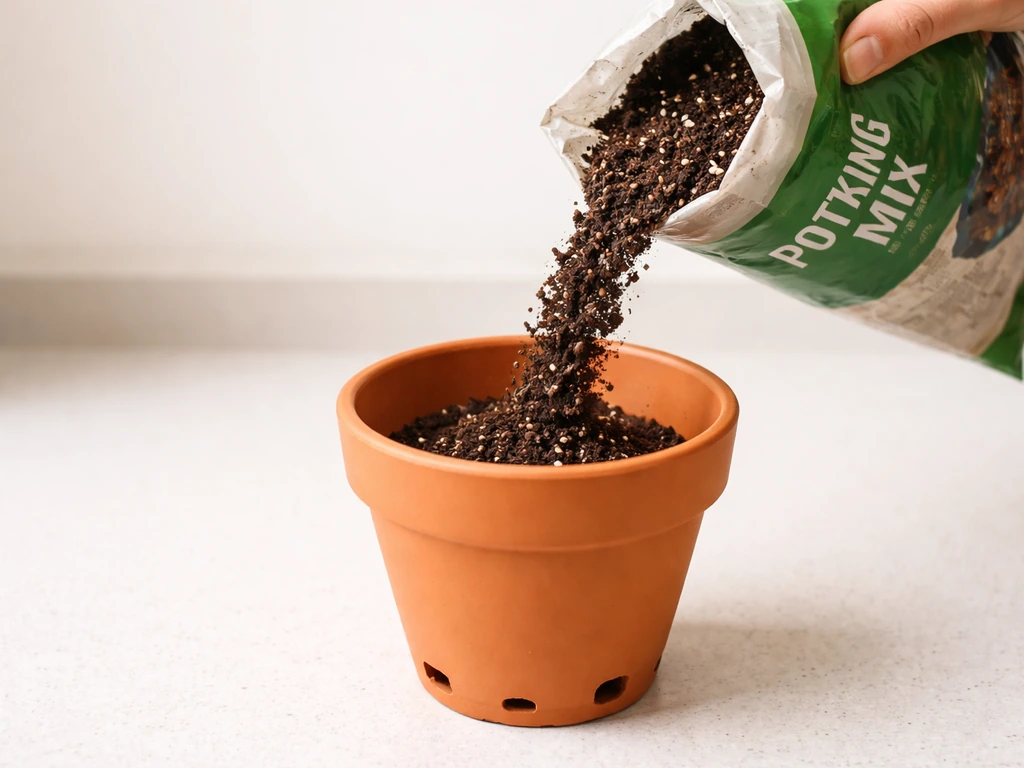
Before you plant anything, run through this list. It takes 20 minutes and prevents the most common failures.
Container and soil setup
- Choose a container with drainage holes. No exceptions. Standing water kills roots.
- Skip gravel at the bottom. It doesn't help drainage and creates a soggy zone in the mix above it.
- Use a quality potting mix, not garden soil or topsoil. Garden soil compacts in pots and kills drainage. If your potting mix is dry and dusty, wet it with warm water before planting and let it hydrate fully.
- Size the pot to the plant's mature roots. For a single tomato plant, that means at least 5 gallons. For lettuce, a shallow 8-inch pot works fine.
- For 5-gallon bucket setups (great for tomatoes, peppers, and potatoes), choosing what to grow in 5-gallon buckets has specific variety recommendations that save you from picking the wrong cultivar.
- If using large tubs or half-barrel planters, growing plants in tubs covers sizing and planting density for those bigger containers specifically.
Watering and feeding
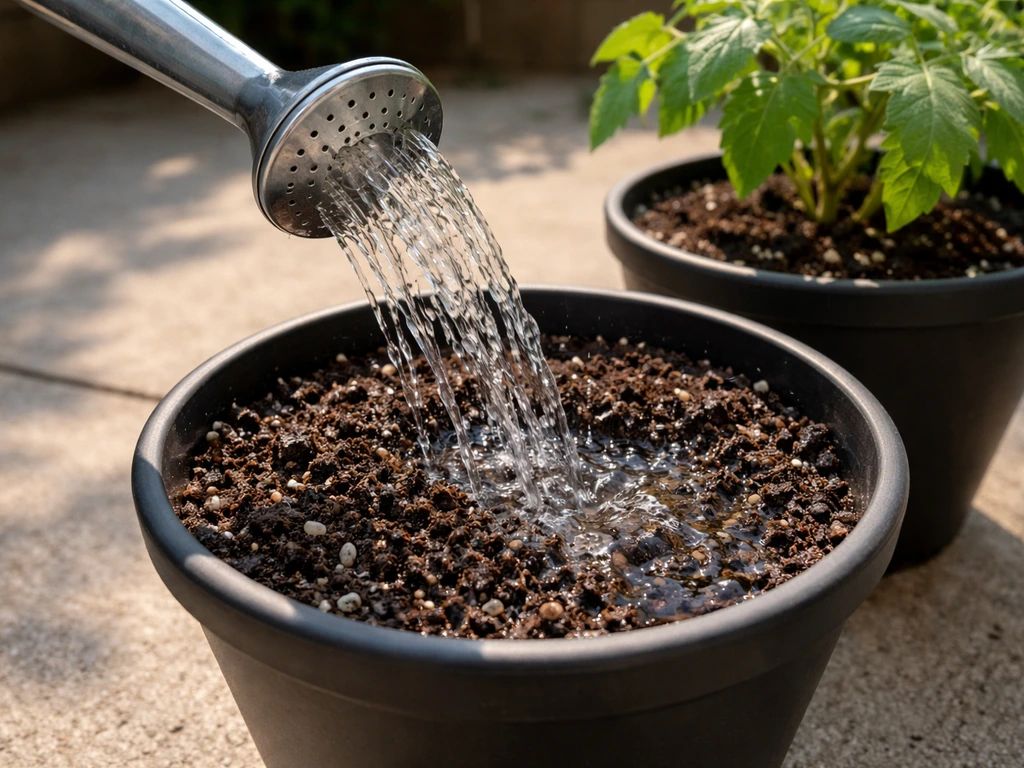
- Water when the top 1–2 inches of potting mix feel dry. For most outdoor pots in warm weather, that's every 1–2 days. For succulents or Mediterranean herbs, it might be once a week.
- Water thoroughly until it drains out the bottom. Light, frequent watering encourages shallow roots.
- Start fertilizing about 4–6 weeks after planting with a balanced, water-soluble fertilizer. Potting mix nutrients deplete faster than in-ground soil because of frequent watering.
- For fruiting crops (tomatoes, peppers), switch to a lower-nitrogen, higher-phosphorus fertilizer once flowers appear to encourage fruit set over leafy growth.
- Watch for signs of overwatering: yellowing lower leaves, soggy soil, and a sour or mildew smell from the pot. These mean root rot may already be starting.
Ongoing care
- Deadhead spent flowers regularly on bloomers like petunias, geraniums, and marigolds to keep them producing.
- Pinch herb plants (basil especially) before they flower to keep leaves coming. Once basil bolts, leaf production drops fast.
- Rotate pots occasionally if they're receiving uneven light, so all sides of the plant get sun exposure.
- Repot when you see roots escaping from the drainage holes or circling the inside of the pot. Pot-bound plants stop growing and become very hard to keep watered.
Container gardening rewards attention more than skill. Once you've got a few successful pots under your belt, scaling up is easy. Start with one or two proven plants, nail the basics of drainage and watering, and add more variety each season. The plants listed here are genuinely hard to fail with if you give them the right container, the right light, and honest watering habits.
FAQ
Can I use regular garden soil in my containers?.
Use a potting mix, not garden soil. Garden soil compacts in containers and reduces both oxygen to roots and drainage, which raises the risk of root rot, even if your container has holes.
How should I water when I first pot up plants?.
After planting, water deeply until it runs from the drainage holes, then stop. The goal is full root-moisture on day one, not a constant damp surface that invites fungus and rot.
What if my container has a tray or saucer under it?.
Yes, but only if the pot has real drainage holes and you use enough mix. Saucer-based setups can still work, just avoid leaving water sitting in the saucer for more than about 15 to 30 minutes after watering.
How do I choose the right container size if I’m unsure of mature growth?.
Don’t size plants by their label size. Estimate mature root spread and root depth, then add a little breathing room for mixed plantings (slightly larger combined rootballs). Small pots dry out and exhaust nutrients far faster.
What should I do if my container mix stays wet too long?.
If your potting mix stays wet for many days, skip fertilizing for a bit and let it dry slightly between waterings. Check drainage holes, confirm you did not create a perched water pocket with rocks, and consider refreshing the top inch of mix with fresh potting mix.
My topsoil looks dry, but my plant seems fine, when should I water?.
A simple rule is to re-check moisture 2 to 3 inches down, not just at the surface. If the top layer looks dry but the deeper mix still feels cool and moist, wait before watering again.
How do I tell if my plant needs fertilizer or just better watering?.
Most container problems come from overwatering and insufficient drainage, not lack of fertilizer. Start with a balanced container fertilizer at a light dose, then adjust based on growth (slower growth with pale leaves can indicate underfeeding).
Can I overwater rosemary, thyme, or oregano like other herbs?.
Stick with the “dry between” herb approach only if you provide bright light and a fast-draining mix. Even drought-tolerant herbs can suffer if the pot stays soggy or if they sit in cool, humid conditions for long stretches.
What’s the best way to mix plants in one container without clashing water needs?.
Group by water needs first. If you want mixed pots, choose plants with overlapping requirements, or use “mini-zones” by separating them with a physical divider and different soil moisture levels (keeping the potting mix compatible to avoid wicking problems).
How do I deal with salt buildup in container soil?.
Usually, yes. Many container plants are sensitive to sudden salt buildup. If you see crusty white deposits on soil or pot edges, flush thoroughly with water until it drains out, then resume a light fertilizing routine.
When should I repot or refresh the potting mix?.
Repot or top-dress before the plant becomes rootbound. Signs include roots circling the pot, water running straight through too quickly, and noticeably reduced growth even with correct light. For herbs and leafy greens, refreshing the mix can help without full repotting.
How can I match plants to a balcony or window that gets mixed light?.
Use the light you truly have, not the light you want. North-facing and bright-shade conditions often work better for ferns, pothos, peace lilies, and ZZ plants, while tomatoes and most fruiting crops need several hours of direct sun.
How do I protect container plants from early cold snaps?.
Warm-season crops need night stability. If nights are still cool, protect containers with a frost cloth, move them indoors overnight, or wait to swap in heat-lovers until nighttime temperatures stay reliably above your comfort threshold.
Do I water on a schedule or based on plant size and stage?.
It depends on the plant, but many common container plants benefit from consistent moisture during establishment. After roots establish (often a few weeks), you can fine-tune watering based on your light, heat, and container size rather than sticking to a calendar.
What container mistakes hurt edible crops the most?.
For most edibles, start smaller and scale up after you see predictable harvests. If you’re growing carrots, prioritize depth (around a foot or more) and use a mix that stays loose, since compact mix leads to forked or stunted roots.
Why do my plants dry out faster than expected in containers?.
To keep containers from drying too fast, move to larger pots, use a high-quality mix with good water-holding capacity, and adjust by wind exposure. Hanging planters and small decorative pots often need more frequent monitoring than people expect.
Next Article
Best Indoor Plants That Grow Tall: Top Picks & Care Guide
Best tall indoor plants by light, care and season, real heights, potting, pruning, pests, plus a quick picker's guide.