The best climbing plants for containers are sweet peas, clematis, black-eyed Susan vine, nasturtium (trailing/climbing types), passionflower, climbing roses (compact varieties), jasmine, hops, pole beans, and cucumbers. Which one is right for you depends on your light situation, climate zone, pot size, and how much fussing you want to do, but most people with a balcony or patio and a 12–16 inch pot can have a proper climbing vine thriving within a single season.
Best Climbing Plants to Grow in Containers: Quick Guide
Rachel Hartley
21 May 2026
How to choose a climber for your container
Before you pick a plant, nail down four things: light, climate, available space, and honestly how much maintenance you'll commit to. Get those four right and almost any vine on this list can work. Get them wrong and you'll be fighting the plant all season.
Light
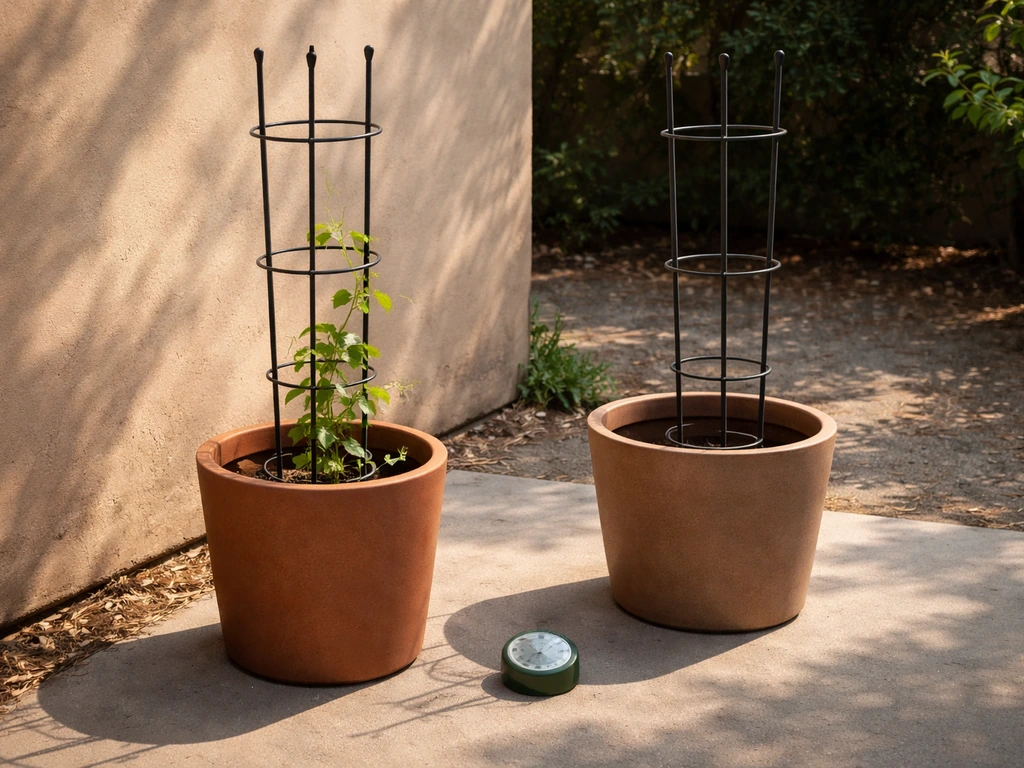
Full sun (6+ hours direct) opens up the widest selection: jasmine, climbing roses, black-eyed Susan vine, passionflower, cucumbers, pole beans, and hops all want full sun and will struggle without it. Part shade (3–5 hours) suits clematis (especially large-flowered hybrids), sweet peas, and nasturtiums well. For bright indoor spots with no direct outdoor sun, stick to climbing philodendron, pothos trained up a pole, or mandevilla kept as a patio plant brought inside over winter.
Climate and hardiness
Containers freeze through much faster than ground soil, which means your USDA zone is almost irrelevant for overwintering tender climbers in pots. A jasmine that's root-hardy in the ground to Zone 7 may die in a container at the same location if left outside unprotected. Plan for one zone colder than where you live when deciding whether to overwinter a climber outdoors or bring it in. In hot climates (Zones 9–11, think Southern California, Florida, coastal Texas), tropical climbers like mandevilla, bougainvillea, and passionflower are the stars. In colder zones (4–7), focus on annuals that you replant each spring, or pick hardy perennial climbers like clematis and hops that can be insulated and overwintered.
Space and container size
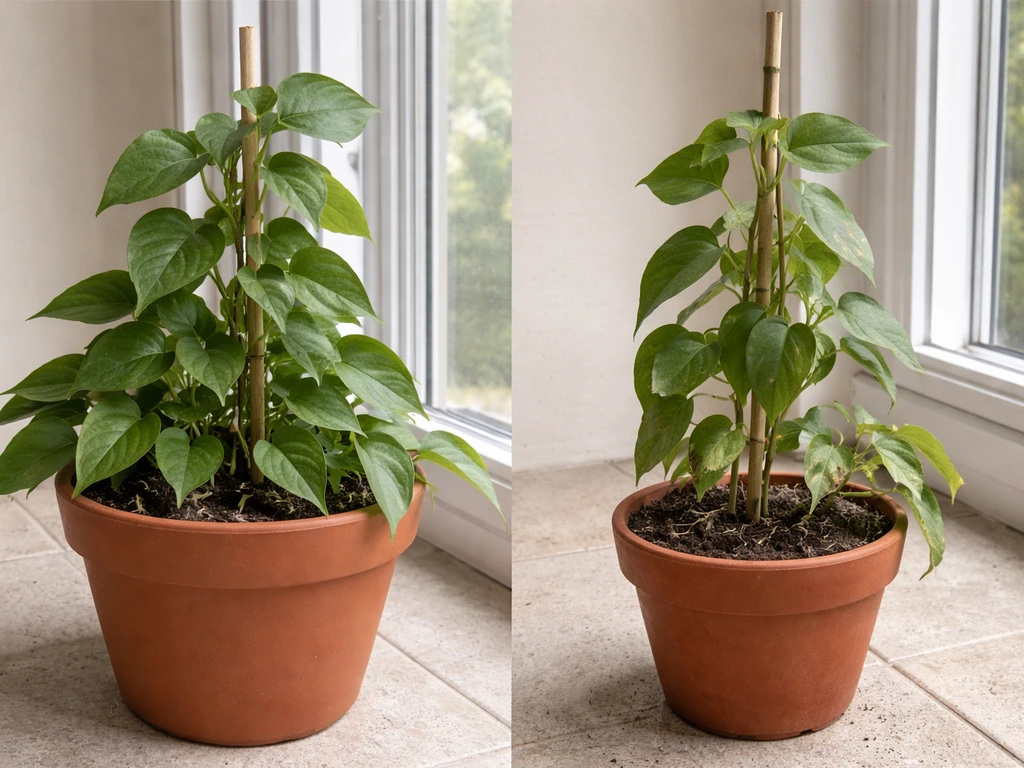
A container that's too small starves the roots and dries out daily. One that's massively oversized stays wet too long and invites root rot. Match the pot to the plant: compact annual vines (sweet peas, nasturtiums, black-eyed Susan vine) work fine in 10–12 inch pots. Vigorous perennial climbers like clematis, hops, passionflower, or a climbing rose need at least a 15–20 gallon container, that's roughly an 18–20 inch diameter pot. Edible climbers like pole beans and cucumbers need generous root room too, so aim for 5 gallons minimum per plant, which is why growing beans in 5-gallon buckets is such a popular approach.
Maintenance tolerance
Climbers in containers need more frequent watering and fertilizing than the same plant in the ground, that's just the nature of container growing. If you're low-maintenance, choose fast-growing annuals (sweet peas, beans, nasturtiums) that you replant each year without worrying about overwintering. If you're happy to put in regular care, perennial climbers like clematis or passionflower reward you with years of structure and increasingly impressive flowering.
The shortlist: best climbing plants by situation
| Plant | Best for | Light | Min. pot size | Annual or Perennial | Goal |
|---|---|---|---|---|---|
| Sweet pea | Beginners, cool climates, scent | Full sun to part shade | 10–12 in | Annual | Ornamental, scented |
| Black-eyed Susan vine (Thunbergia) | Beginners, hot summers, fast cover | Full sun | 10–12 in | Annual (tender perennial) | Ornamental |
| Nasturtium (climbing) | Edible flowers, beginners, small pots | Full sun to part shade | 10 in | Annual | Ornamental, edible |
| Clematis | Long-term structure, part shade, patios | Part shade to full sun | 15–20 gal | Perennial | Ornamental |
| Jasmine (star or common) | Scent, warm climates, evening fragrance | Full sun | 12–15 in | Perennial (tender) | Scented, ornamental |
| Passionflower | Bold tropical look, wildlife, warm zones | Full sun | 15 gal | Perennial (tender) | Ornamental, edible fruit |
| Compact climbing rose | Long-term structure, cut flowers | Full sun | 15–20 gal | Perennial | Ornamental |
| Mandevilla | Tropical balconies, heat lovers | Full sun | 12 in | Tender perennial | Ornamental |
| Hops | Fast cover, edible, cool climates | Full sun | 15 gal | Perennial | Ornamental, edible/medicinal |
| Pole beans | Edible harvest, kids, fast results | Full sun | 5 gal per plant | Annual | Edible |
| Cucumbers | Edible harvest, summer crops | Full sun | 5–7 gal per plant | Annual | Edible |
| Climbing philodendron / pothos | Indoors, low light, beginners | Bright indirect light | 8–10 in | Perennial (houseplant) | Ornamental, foliage |
If you only have a small balcony
Go with sweet peas in spring or black-eyed Susan vine in summer. Both will fill a 10-inch pot, climb a simple bamboo tee-pee or a railing-mounted wire panel, and give you colour fast. Sweet peas have the bonus of that incredible scent. Neither requires much fuss beyond regular watering.
If you want something to come back every year
Clematis is the best all-around perennial container climber for most temperate climates. It's dramatic when it blooms, it doesn't mind part shade, and once established in a big pot it just gets better. Hops are the best pick if you want extremely fast coverage and a plant with edible/craft value too. Both need large containers (15 gallons plus) and good overwintering care in cold zones.
If you want to eat what you grow
Pole beans and cucumbers are the most productive edible climbers for containers. They're easy, fast, and incredibly satisfying. Plant pole beans as soon as your last frost date passes and you'll be harvesting within 60 days. Cucumbers need heat so wait until the soil and air are consistently warm. Both work well in large pots, tubs, or buckets, the bigger the container the better your harvest.
Support systems that work in pots
The single most important rule: put the support in before you plant. This is genuinely critical. If you push a trellis or obelisk stake into a pot after the plant is established, you will shred the root system and set the plant back weeks. Get the structure in first, then plant around it.
Choosing the right support
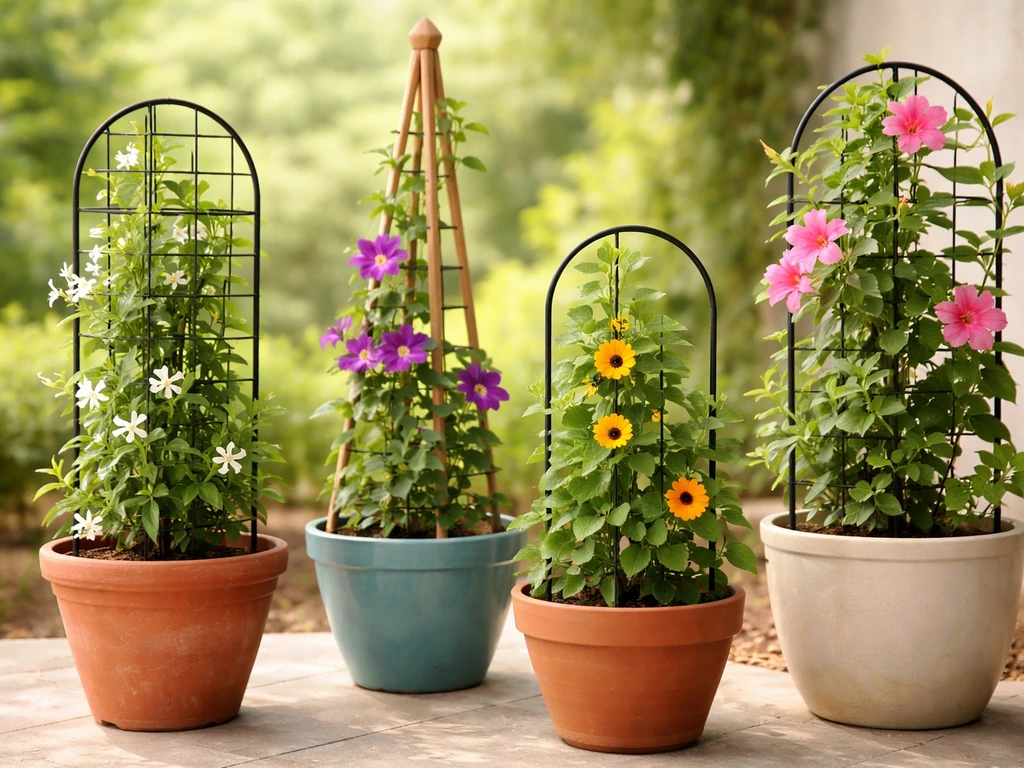
- Obelisk or tripod: The most stable free-standing option for large pots. An 18–24 inch diameter pot can hold a metal or wooden obelisk firmly. Great for clematis, sweet peas, and beans. The base legs sit in the soil and the weight of the pot holds everything steady.
- Bamboo tee-pee: Three or four bamboo canes tied at the top. Cheap, effective, and ideal for annuals like sweet peas, beans, and black-eyed Susan vine. Push canes at least 6–8 inches into the soil.
- Single bamboo or fiberglass rod: For compact vines or indoor climbers like pothos or philodendron trained up a moss pole. Also works for single-stem cucumbers or beans.
- Wall-mounted wire panels or grids: If your pot sits against a wall, fence, or balcony railing, fix a grid panel to the wall above the pot and let the vine grow up into it. This is the best setup for climbers needing a flat, wide support like jasmine, climbing roses, or passionflower.
- Railing-mounted trellis: Purpose-built for balconies. Hooks over the railing and provides a climbing surface. Keep the pot weighty enough that wind won't tip it.
Training the vine onto the support
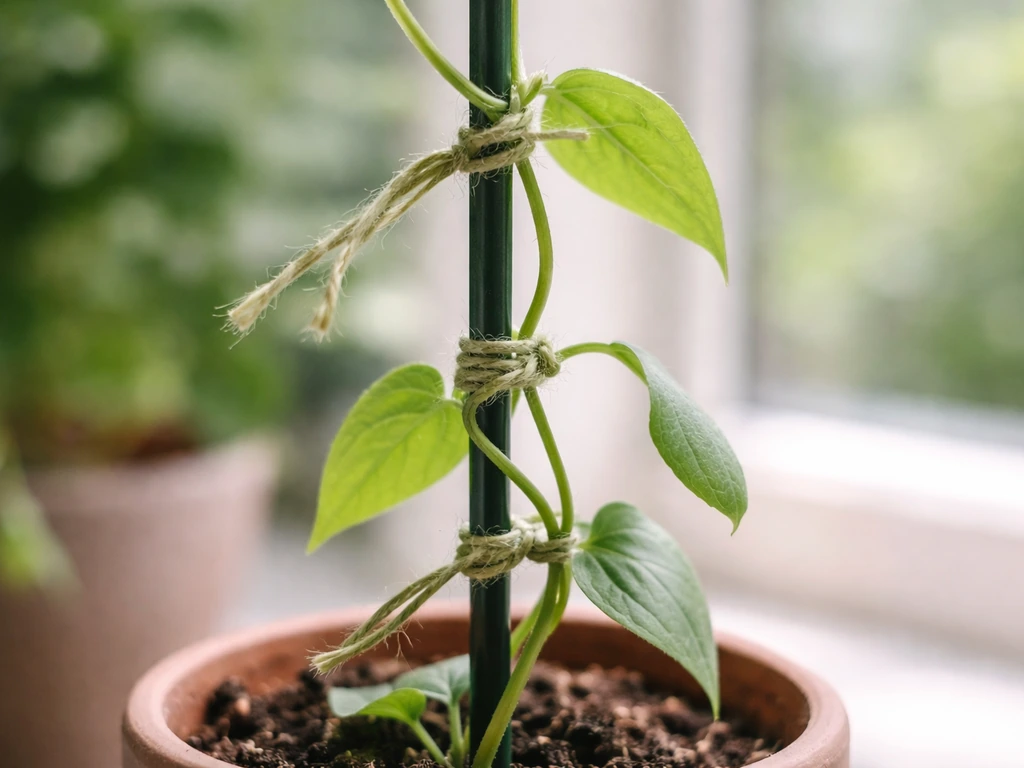
Most vines need a little help getting started. Loosely tie the first few stems to the support using soft garden twine or silicone plant clips, never wire directly against a stem. Once the vine finds the structure it usually takes over on its own. Twining vines like clematis, hops, and beans wrap around any vertical element naturally. Roses and jasmine don't self-attach, so you'll need to tie them in periodically throughout the season.
Setting up your pot for success
Container choice and size
Bigger is almost always better for climbing plants. A larger soil volume holds moisture more evenly, doesn't overheat as fast in summer, and gives roots the room they need to support vigorous top growth. For most perennial climbers, a 15–20 gallon pot (18–20 inch diameter) is the practical minimum. For annuals and compact vines, you can get away with 10–12 inches. Material matters too: terracotta breathes and dries out faster (which is great for drainage, tricky in heat), while plastic and glazed ceramic hold moisture longer. In a windy spot or on a balcony, heavier containers in glazed ceramic or stone are more stable.
Soil mix
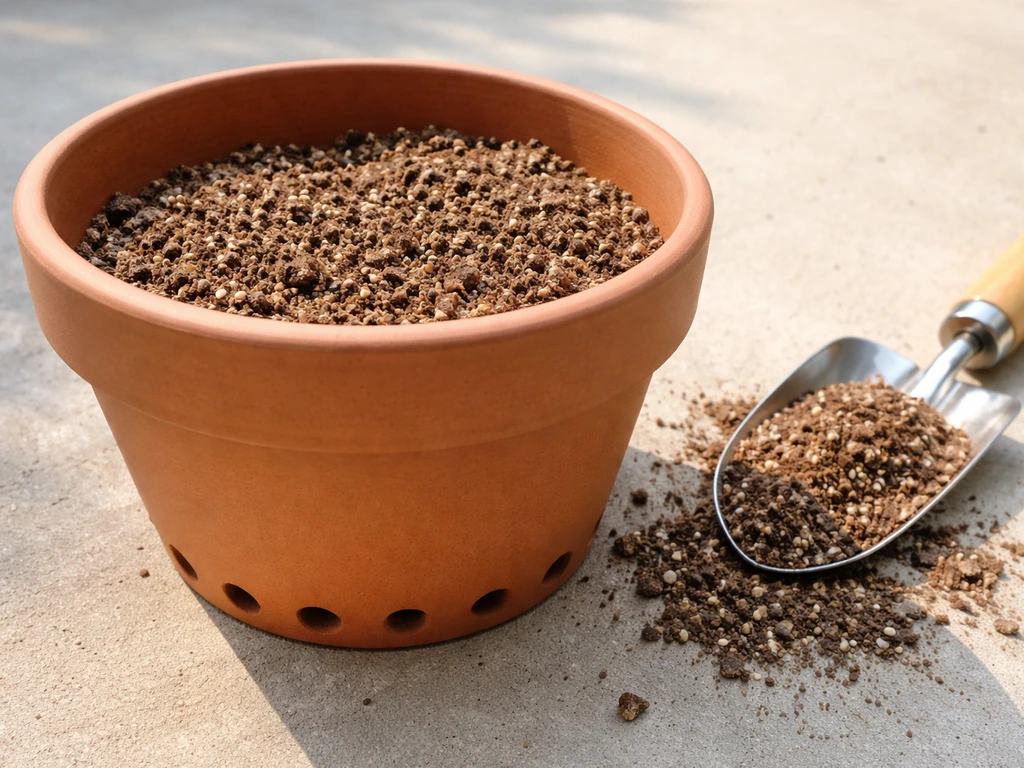
Don't use straight garden soil in a container. Seriously. Garden soil in a pot compacts, drains poorly, and creates the anaerobic, waterlogged conditions that kill roots. If you want to use some garden soil as a base, mix 1 part garden soil with 1 part peat moss (or coir) and 1 part perlite or coarse builder's sand. Better yet, use a high-quality container potting mix and add 20–25% perlite for extra drainage. For edible climbers like beans and cucumbers, a vegetable-grade potting mix with some added compost gives you better nutrient availability.
Drainage
Every pot needs drainage holes, no exceptions. If you're using a decorative pot without holes, either drill some or use it as a sleeve around a smaller drilled pot. Elevating pots slightly on feet or pot risers lets water drain freely and improves airflow to the bottom of the container, which reduces the risk of root rot.
Keeping your climbers alive and growing
Watering
Container climbers dry out much faster than in-ground plants, especially in summer heat with a large leafy vine transpiring moisture all day. Best plants to grow on top of an aquarium are usually aquatic-friendly climbers that won’t rot when kept near humidity and splashes container climbers. In hot weather, daily watering is normal for larger pots and non-negotiable for small ones. Stick your finger 2 inches into the soil, if it's dry, water thoroughly until it drains from the bottom. Don't let pots sit in standing water in saucers for extended periods. Self-watering containers or adding water-retaining granules to the mix can buy you an extra day or two between waterings.
Feeding
Container plants get nutrients flushed out every time you water, which means regular feeding is essential. For ornamental flowering climbers like clematis, roses, and jasmine, use a balanced liquid fertilizer every 2 weeks during the growing season, then switch to a low-nitrogen, high-potassium feed (like a tomato fertilizer) once flower buds form to encourage blooming rather than just leaf growth. For edible climbers like beans and cucumbers, feed with a vegetable fertilizer every 2 weeks. For foliage climbers indoors, a balanced liquid feed once a month during the growing season is usually enough.
Pruning and training to keep things contained
Without pruning, most vigorous climbers will outgrow a container fast and look messy. Pinch out the growing tips of sweet peas and beans when they reach the top of the support to encourage lateral branching and more flowers or pods. For clematis, follow the Group 1/2/3 pruning rules (Group 3 is the easiest, cut back hard to about 12 inches above the pot each late winter). Climbing roses should have old and crossing stems removed in late winter and long canes tied in regularly during the season. For hops, cut the entire plant back to the base each autumn, it dies back naturally anyway.
Dealing with wind and heat
Wind is the enemy of container climbers on balconies and rooftops. It snaps stems, desiccates leaves, and can topple pots. Use heavy containers, secure supports well, and in very exposed spots, consider windbreak netting or choosing a sturdier low-profile vine. Overheating is a summer problem with dark-coloured pots: roots bake in a black plastic pot sitting in full sun. Switch to light-coloured or glazed pots in hot climates, or wrap the pot in jute or shade cloth to insulate the root zone.
Common problems and how to fix them
The vine isn't climbing
Usually this just means it needs help getting started. Manually guide the leading stem toward the support and secure it loosely. If the plant is struggling to put out new growth at all, the issue is likely a root, nutrient, or light problem rather than a structural one.
Leggy, sparse growth with few leaves or flowers
Leggy growth almost always means not enough light. Move the pot to a sunnier position before assuming fertilizer is the fix. If the plant is in its correct light conditions and still looks sparse, check whether it's root-bound, if roots are circling the base or poking out the drainage holes, pot up to the next size container.
Pests
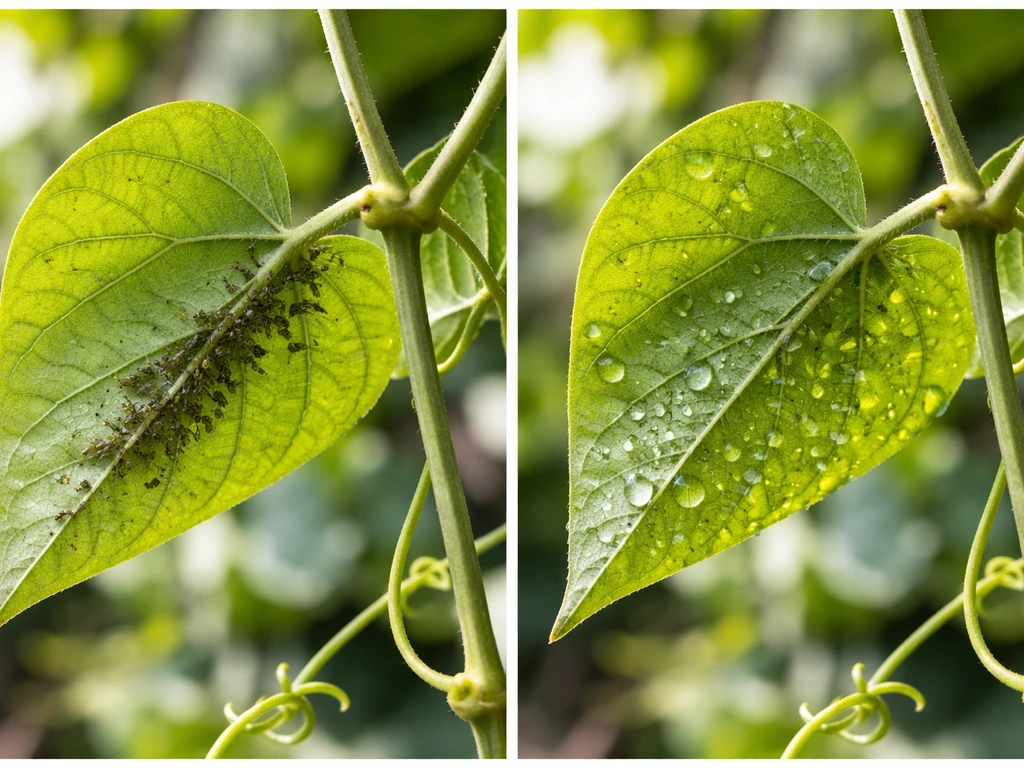
Aphids are the number one container climber pest, especially on sweet peas, roses, and beans. Blast them off with a strong jet of water, or use insecticidal soap spray. Spider mites show up in hot, dry conditions (especially on jasmine and cucumbers indoors or in sheltered spots), increase humidity and use a miticide if needed. Vine weevil is the sneaky container killer: you don't notice until the plant collapses because the larvae eat roots. If you suddenly lose a healthy-looking plant, check the soil for white grubs and treat the potting mix.
Root crowding
Perennial climbers in containers will eventually become root-bound. Every 2–3 years in late winter or early spring, remove the plant, trim back the outer 2–3 inches of root mass, refresh the potting mix, and replant in the same container or move up one size. This is when you can also divide hops rhizomes or rejuvenate a clematis root system.
Winter damage and cold kills
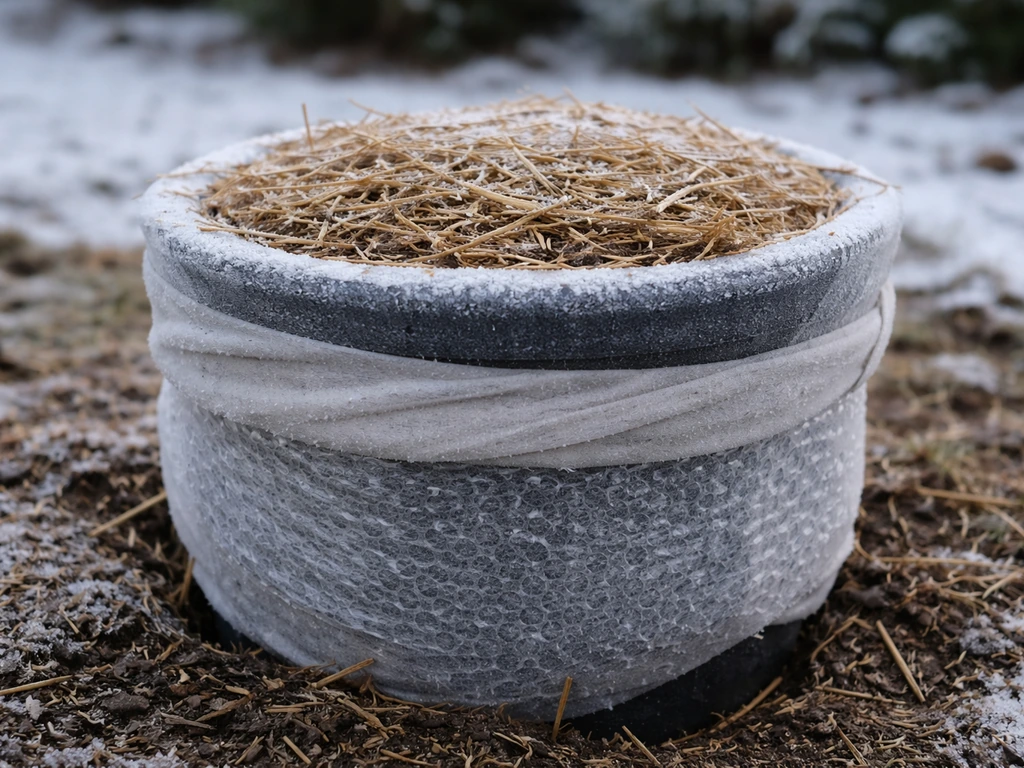
The main risk in winter is the soil mass freezing solid, which kills roots even in supposedly hardy plants. Keep the soil just moist during winter, completely dry soil in a frozen pot is lethal. Insulate containers by wrapping them in bubble wrap, hessian, or moving them to an unheated garage or shed where temperatures stay just above freezing. Don't let pots sit in waterlogged soil over winter either, as saturated frozen soil expands and can crack ceramic pots.
Seasonal plans by region
Here's how to think about timing depending on where you are. These are practical starting points, not hard rules, always check your local last frost date.
| Region / Zone | Spring (plant out) | Summer | Autumn | Winter |
|---|---|---|---|---|
| Zones 3–5 (Upper Midwest, Mountain West, New England) | Plant annuals after last frost (mid-May to early June). Start sweet peas indoors 6 weeks before last frost. | Water daily in heat. Train and feed every 2 weeks. | Bring tender perennials inside before first frost. Cut back hops and clematis. | Overwinter pots in unheated garage. Keep soil barely moist. |
| Zones 6–7 (Mid-Atlantic, Pacific Northwest, Midwest) | Plant from mid-April. Sweet peas can go out in early March in PNW. | Watch for drought stress. Deadhead flowering climbers regularly. | Overwinter clematis and roses outside with pot insulation. Bring in jasmine and mandevilla. | Wrap pots or move to shelter. Water lightly every 3–4 weeks if soil dries. |
| Zones 8–9 (Pacific Coast, Inland South, PNW lowlands) | Plant year-round for tropicals. Sow beans and cucumbers from March–April. | Passionflower, bougainvillea, and mandevilla at their peak. Water generously. | Second planting of sweet peas and cool-season annuals from September. | Most perennial climbers stay outside. Protect from rare frosts with fleece. |
| Zones 10–11 (Southern Florida, Hawaii, Southern Texas) | Any time of year for tropical climbers. Avoid planting beans in peak summer heat. | Shift containers to part shade during extreme heat. Watch for spider mites. | Ideal for planting vigorous tropicals — bougainvillea, passionflower, mandevilla. | No overwintering needed. Prune and refresh soil annually in late winter. |
Your next steps: a simple decision path
- Check your light: count hours of direct sun at your planting spot. Full sun = 6+ hours. This single factor eliminates half the wrong choices immediately.
- Pick your goal: do you want flowers and scent, fast green cover, or something edible? Match the goal to the shortlist above.
- Choose your pot: buy the largest container your space and budget allow. For perennial climbers, nothing smaller than 15 gallons. For annuals, 10–12 inch minimum.
- Get the support first: buy or build your trellis, obelisk, or bamboo tee-pee before you go to the nursery. Install it in the pot before you plant.
- Fill with the right mix: use quality potting mix with added perlite, not garden soil.
- Plant now if it's spring or early summer in your zone. If it's late summer or autumn, plant cool-season annuals (sweet peas) or established perennials with time to root before frost.
- Set a feeding reminder: every 2 weeks during the growing season for outdoor climbers, once a month for indoor foliage vines.
- Mark your autumn date: know your first frost date and plan to bring tender perennials in or insulate pots at least 2 weeks before that date.
If you're new to container growing in general and want to explore what else works well in pots beyond climbers, there's a whole world of options from herbs and vegetables to trailing flowers, everything from large tubs to standard 5-gallon buckets can be productive with the right plant match. If you are comparing the best plants to grow in tubs, start by matching the plant to your light, temperature, and available container size large tubs. If you want the best plants to grow in 5 gallon buckets, choose climbers that match your light and bucket size 5-gallon buckets. If you are also looking for aquatic options, check which plants do best growing in or out of an aquarium setup best plants to grow out of aquarium. The principles are the same: right container, right mix, right plant for your conditions.
FAQ
My climbing plant looks fine, then suddenly wilts or collapses in a container. What should I check first?
It usually happens when the pot stays wet too long or the roots cannot breathe. First check that the container has drainage holes and that the mix includes perlite (aim for 20 to 25%). Then verify the watering rhythm by doing a finger test 2 inches down, and only water again when that depth is dry, not when the top surface looks dry.
Can I install or adjust the trellis after my climber is already growing?
For most container climbers, you should not use a solid trellis that touches the plant’s stem or crowns. Put the structure in before planting, and leave a small gap so stems can move without rubbing. If you must re-position later, do it gradually by tying the vine to the new spot rather than pulling the plant across the pot.
I live near the edge of my plant’s hardiness zone. Is bringing it indoors enough to keep it alive?
Yes, but treat “tropical” as a different winter management plan, not a climate guarantee. If you cannot keep the pot above freezing and mostly frost free, choose a hardy option like clematis or hops, or plan to treat the plant as an annual by replanting each spring. For borderline areas, wrapping plus moving to a sheltered spot is still not the same as keeping the root zone from fully freezing.
I’m fertilizing regularly, but my climber is not flowering. What usually causes this in containers?
If your container is small, the fastest way to solve a nutrient problem is often not more fertilizer, it is correcting watering and pot size. Container vines get flushed nutrients every time you water, so use the feeding schedule (every 2 weeks for most flowering climbers) but also make sure you are not overwatering, which can wash nutrients away and starve roots of oxygen. When in doubt, reduce nitrogen if you see lots of leaves but few flowers or pods.
How often do I need to tie a climbing plant to the support in a container?
It depends on the vine type and your training method. Twining climbers (clematis, hops, pole beans) usually need guidance only at the start, after that they self-wrap. Roses and jasmine tend not to grab consistently, so expect to tie in new canes every couple of weeks during active growth.
What soil mix is best for container climbers, especially for beans and cucumbers?
The best potting mix is one that stays airy as it dries and then rehydrates evenly. A reliable approach is a quality container mix plus perlite for drainage, and for edibles add compost for nutrient availability. Avoid straight garden soil, because it compacts and can hold water in a way that suffocates container roots.
Should I mulch the top of the container to reduce watering?
Use mulch with caution but generally yes, it can help. For containers, a thin layer over the top can reduce surface drying and limit splashing soil, but keep mulch away from the crown or stem base to prevent rot. Dark mulch in hot sun can also heat the pot, so in summer prioritize light-colored mulch or a breathable material.
My climber is taking a long time to start growing. How long should I wait before panicking?
It is very common for new container climbers to look slow for 2 to 3 weeks. Check three things: light (leggy usually means insufficient sun), pot size (root restriction is real), and whether the support caused root disruption (support installed after planting can set plants back). If stems are not gaining any length at all after a few weeks, reassess light first, then check for root-bound conditions.
What is the safest pruning approach for container climbers when I do not know the plant type?
Choose pruning based on what you are growing and when it flowers. Many container roses need removal of dead or crossing stems in late winter, clematis depends on its group, and sweet peas are pinched to encourage branching. If you do not know the plant type or clematis group, do a light cleanup only until you can confirm the correct pruning timing.
How can I tell if the problem is overwatering versus underwatering in containers?
Overwatering in containers often looks like yellowing leaves and slow growth, not always obvious puddling. Make sure excess water can drain freely, then adjust the watering frequency based on depth (2 inches down). If the mix stays wet for more than a few days in warm weather, consider repotting into a better-draining mix and verify that the pot is not sitting in a full saucer of water.
How do I know when my perennial climber in a pot is root-bound and needs refreshing?
Do a repot even if you are not changing plant size once the roots are circling or you see roots coming out of drainage holes, typically every 2 to 3 years for perennials. When you trim the outer roots, keep the cuts clean, refresh the mix, and water thoroughly after replanting. This timing also helps reset nutrient supply without waiting for a noticeable decline.
What pests should I watch for most in container climbers, and how do I catch them early?
Start checking for pests early, especially on fast-growing vines. For aphids, a strong water jet is often enough, and insecticidal soap is best for light infestations. If a plant suddenly collapses with no obvious above-ground pests, inspect the soil for vine weevil larvae, because treatments may need to target the potting mix, not just the leaves.
I have a windy balcony. Should I switch plants, or are there fixes that work with the same climbers?
Not always. In wind-exposed balconies, the issue is less plant choice and more stability of the pot and support. Use a heavier container, secure the trellis to a stable anchor, and consider a windbreak netting if the area is very exposed. A sturdier, low-profile climber can also reduce toppling risk compared with long cane varieties.
Next Article
Best Plants to Grow in Buckets: Seasonal Picks by Zone
Zone and season picks for the best bucket plants, plus size, soil, drainage, care tips, and quick troubleshooting.