The best nursery plants to grow right now are the ones that match your actual conditions today, not the ones on the prettiest display table. For a beginner in a sunny apartment, that might be a pothos or a basil plant. For someone with a backyard in zone 7 in late June, it's probably tomatoes, peppers, zinnias, or a perennial like coneflower. The mistake most people make at a nursery is buying what looks good instead of what fits their light, space, and climate. This guide walks you through the whole decision, from choosing your plants to walking out with the right ones.
Best Nursery Plants to Grow Now: Safe Picks by Zone and Season
Rachel Hartley
29 Jun 2026
How to choose the right nursery plants for your space
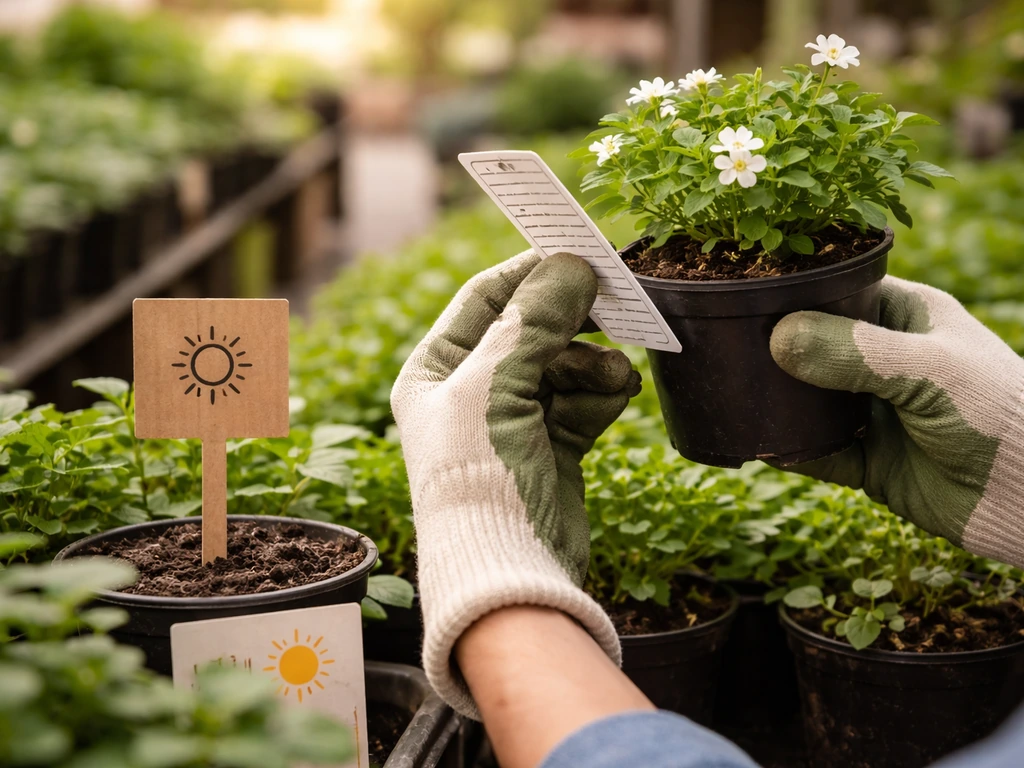
Before you even walk through the nursery door, you need honest answers to three questions: How much light does my space actually get? What's my climate zone? And am I planting in the ground or in a container? Everything else flows from there.
Light: be brutally honest with yourself
The RHS defines full sun as more than six hours of direct sun per day at midsummer. That's the real benchmark. If your garden bed gets four hours, it's part shade, no matter how bright it feels to you. Indoors, a south-facing window might hit 1,000 to 2,000 foot-candles of light on a clear day, while a north-facing room corner might only reach 25 to 50. Most flowering plants and vegetables need that bright, sunny window or a grow light to compensate. Choosing the best classroom plants to grow starts with matching each plant to the light level you can provide plants need that bright, sunny window or a grow light. Plants labeled for 'medium light' can handle east or west-facing windows reasonably well. If you're not sure, spend a day watching where the sun actually lands.
Zone: find yours before you buy
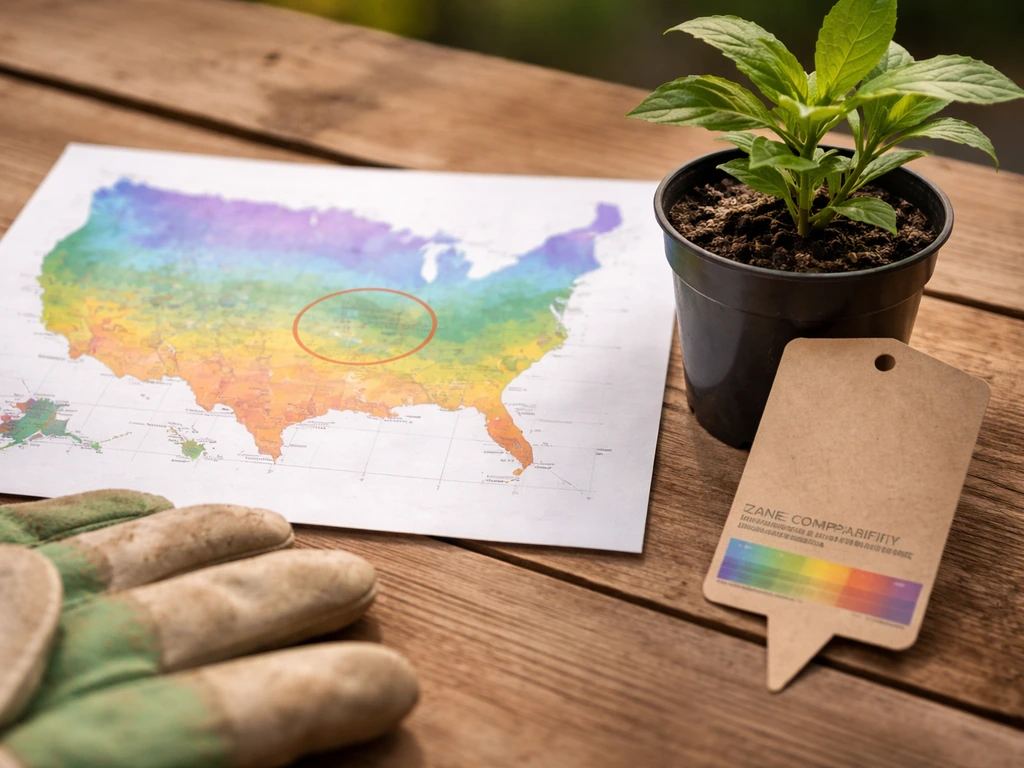
In the US, the USDA Plant Hardiness Zone Map is the standard reference. You enter your ZIP code and get your zone, which tells you the average annual minimum winter temperature for your area. That matters most for perennials and shrubs you're buying to overwinter. For annuals and vegetables, the zone matters less than your frost dates. In the UK, the RHS uses its own hardiness ratings from H1a (tropical) to H7 (very hardy), which you'll see on plant labels at UK garden centres. Whatever system you're in, look for the zone or hardiness rating on every plant tag before you buy.
Soil and drainage: the part people skip
Most garden plants do best in soil with a pH between 6.0 and 7.5. That range keeps nutrients available and soil microbes active. Outside that window, plants start struggling even if you're watering and fertilizing correctly. Blueberries and rhododendrons are classic exceptions, preferring strongly acidic soil around pH 4.5 to 5.5. A simple soil test (usually under $20 from your local extension service or garden center) tells you where you stand and what to amend. If you're planting in containers, skip garden soil entirely. It compacts in pots, blocks air from roots, and invites disease. Use a quality potting mix with perlite or vermiculite already blended in.
Best nursery plants for easy success (beginner-friendly picks)
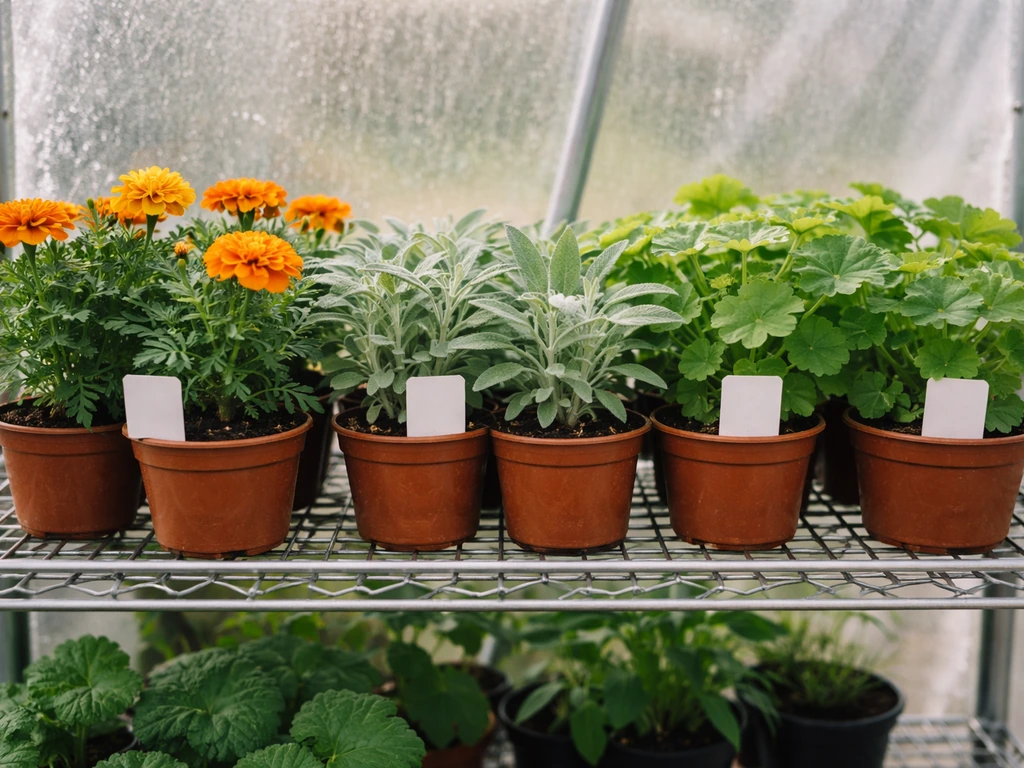
If you're new to this or just want reliable wins, stick to plants that forgive irregular watering, bounce back from neglect, and thrive across a range of conditions. These are the ones I'd hand to anyone walking into a nursery for the first time.
- Marigolds: Nearly indestructible annuals that bloom all summer, repel some pests, and grow well in containers or beds. Buy them already budded and they'll flower within days.
- Zucchini or summer squash: If you have any outdoor space, this is the fastest-gratification edible you can buy as a started transplant. One or two plants will feed you.
- Coneflower (Echinacea): A tough perennial for zones 3 to 9 that handles heat, drought, and poor soil better than most. Pollinators love it.
- Pothos (Epipremnum aureum): The best starting houseplant. Grows in low to medium light, tolerates missed waterings, and visually tells you when it's thirsty.
- Basil: A fast-growing herb that does double duty as food and fragrance. Keep it in a warm sunny spot and it rewards you for weeks.
- Black-eyed Susan (Rudbeckia): Another tough perennial or annual depending on cultivar, blooms heavily in summer, handles full sun and dry spells well.
A quick note on buying size: for beginners, buying a slightly larger, already-established transplant beats starting from a tiny plug. Yes, it costs a little more, but you'll have fewer losses and faster results while you're still learning the rhythm of watering and care.
Best indoor nursery plants (low-maintenance houseplants)
The indoor plant section of a nursery can be overwhelming. The trick is matching the plant to the light you actually have, not the light you wish you had. For specific suggestions, look at the best plants to grow in a dorm room based on how much light your space gets matching the plant to the light you actually have. Most houseplant failures come down to putting a sun-loving plant in a dim corner or drowning a succulent in a pot with no drainage.
| Plant | Light Needed | Watering Style | Best For |
|---|---|---|---|
| Pothos | Low to medium | Allow to dry slightly between waterings | Beginners, low-light rooms |
| Snake plant (Sansevieria) | Low to bright indirect | Very infrequent, drought-tolerant | Forgetful waterers, low-light spaces |
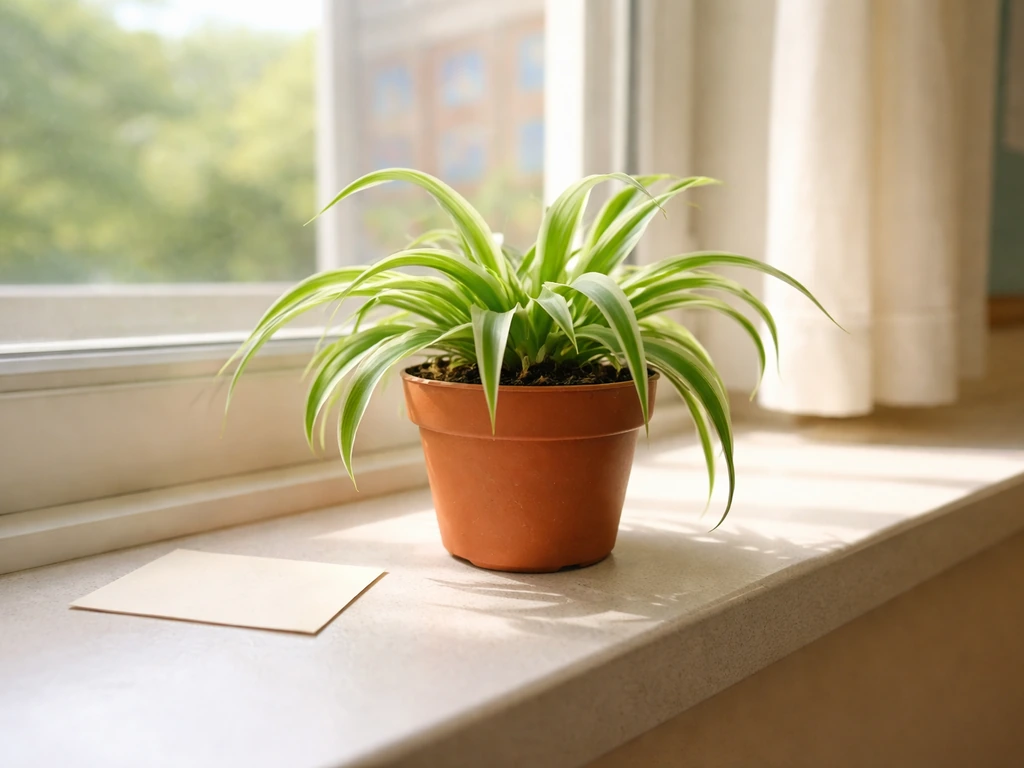
| Spider plant | Medium to bright indirect | Moderate, tolerates some drought | Hanging baskets, kids' rooms |
| Peace lily | Low to medium | Water when soil feels dry at top | Low-light apartments, offices |
| Rubber plant (Ficus elastica) | Bright indirect | Allow top inch to dry between waterings | Statement plant in well-lit rooms |
| ZZ plant (Zamioculcas) | Low to medium | Very drought-tolerant | Dim rooms, low-maintenance households |
| Monstera deliciosa | Bright indirect | Moderate | Statement plant, well-lit living areas |
If you're growing in an apartment or dorm, these plants are excellent starting points. If you want the best plants to grow in an apartment, start with low-maintenance options that match your window light growing in an apartment. The same principles apply whether you have a studio or a house: assess your windows first, then choose your plant. East or west-facing windows are your friends for medium-light plants. A south-facing window opens up more options. North-facing rooms really do need to stick with the low-light champions like pothos, ZZ plant, and snake plant.
Best outdoor nursery plants by season and region
It's late June 2026, which means the growing calendar looks different depending on where you are. In most of the US, you're mid-summer now. In parts of the UK and northern Europe, summer has just properly arrived. Here's how to think about what to buy right now versus what to hold off on.
US: what to buy and plant in late June
If you're in zones 5 to 7 (think the mid-Atlantic, Midwest, Pacific Northwest), late June is still great for planting tomatoes, peppers, and warm-season flowers like zinnias and sunflowers if you buy established transplants rather than starting from seed. Zones 8 to 10 (the South, Southwest, Southern California) are a different story. July and August in Texas or Arizona means extreme heat stress on new transplants. If you're in those zones, focus on heat-tough plants like portulaca, sweet potato vine, or heat-adapted peppers, and plan your main planting push for late summer into fall when temps drop. Zones 3 to 4 in the northern US and Canada are in peak summer planting right now. Make the most of it.
UK and Northern Europe: what to plant now
Late June in the UK is prime time for summer bedding plants, outdoor tomatoes in sheltered spots, courgettes, climbing beans, and perennials like lavender, salvia, and hardy geraniums. Look for RHS H4 or H5 rated plants if you want something that will reliably come back next year without special protection. Avoid planting tender exotics (H1a, H1b ratings) outdoors unless you have a sheltered microclimate or you're planning to bring them in before the first frost.
Top outdoor picks for late June across most temperate climates
- Tomatoes (established transplants): Still worth buying as started plants through late June in most zones.
- Zinnias: Fast-flowering summer annuals that thrive in heat and full sun.
- Lavender: Perennial that loves sun and tolerates drought. Buy an established pot for faster results.
- Coneflower (Echinacea): Hardy perennial, late-summer bloomer, great wildlife value.
- Salvia: Huge range available; most are tough, drought-resistant, and loved by bees.
- Ornamental grasses: Plant now for structural interest that peaks in late summer and fall.
- Climbing beans or pole beans: Direct sow or transplant now in most zones for a late-summer harvest.
Best edible and medicinal nursery plants (herbs and vegetables)
Nurseries in late June are stocked with edible plants you can get into the ground or a container right now and harvest from within weeks. Herbs especially are one of the best-value purchases at any nursery because they're useful, compact, and highly productive in small spaces.
Herbs worth buying right now
- Basil: Needs warmth and sun. Buy a big pot, keep it in the kitchen window or outside in full sun, and harvest regularly to prevent bolting.
- Mint: Grows aggressively. Always plant mint in a container rather than in the ground unless you want it everywhere.
- Rosemary: Perennial in zones 7 and above, drought-tolerant, excellent in containers.
- Thyme: Hardy, low-growing, great in pots or as edging. Handles some drought.
- Lemon balm: Easy to grow, mildly medicinal (calming herb), works in containers or beds.
- Chamomile: Annual herb with daisy-like flowers used for calming teas. Grows easily from a small transplant.
- Echinacea (coneflower): Both ornamental and medicinal. The roots and aerial parts are used in herbal medicine. A great dual-purpose perennial.
Vegetables still worth planting in late June
- Tomatoes: Buy established transplants, not seedlings. Look for ones with thick stems and no yellowing.
- Peppers (sweet and hot): Love heat and perform well well into fall in most zones.
- Cucumbers: Fast-growing and very productive if given warmth, sun, and something to climb.
- Summer squash or courgette: One of the fastest-to-harvest vegetables available as a transplant.
- Swiss chard: Tolerates heat better than lettuce, productive, and nutritious.
- Kale: Can be planted now in cooler zones; in warm zones, wait until late summer for a fall crop.
Best plants for containers, balconies, and small yards
Container gardening changes the rules a bit. The plants need to tolerate restricted root space, more frequent watering, and temperature fluctuations that can be more extreme than in-ground conditions. The pot itself matters too. Drainage is non-negotiable. If water can't escape the bottom, roots will rot, full stop. Always use a quality potting mix rather than garden soil, and pick a container with at least one good drainage hole.
Top container plant picks for late June
| Plant | Container Size | Sun Requirement | Notes |
|---|---|---|---|
| Tomatoes (patio/dwarf varieties) | At least 15-gallon pot | Full sun (6+ hours) | Look for varieties bred for containers: 'Tumbling Tom', 'Patio', 'Balcony' |
| Herbs (basil, thyme, rosemary) | 6 to 12-inch pot per plant | Full sun to partial sun | Group together for a kitchen herb planter |
| Marigolds | 8 to 12-inch pot | Full sun | Low maintenance, pest-deterrent, long-flowering |
| Portulaca (Moss rose) | Small to medium pot | Full sun, heat-tolerant | Ideal for hot balconies with no shade |
| Dwarf peppers | 3 to 5-gallon pot | Full sun | Compact varieties work great on balconies |
| Fuchsia | Hanging basket | Partial shade | Excellent for shaded balconies, trailing habit |
| Strawberries | Strawberry planter or 12-inch pot | Full sun to partial sun | Productive in containers; try 'Albion' or 'Seascape' for repeat fruiting |
For balconies and small yards, think vertically. Climbing beans, cucumbers, and even small-fruited squash can be trained up a trellis or railing, giving you a productive garden in a 12-inch-wide strip. If you're on a high-rise balcony, check wind exposure before buying tall, top-heavy plants, since wind will stress them far more than heat or irregular watering.
What to look for at the nursery (a practical checklist)
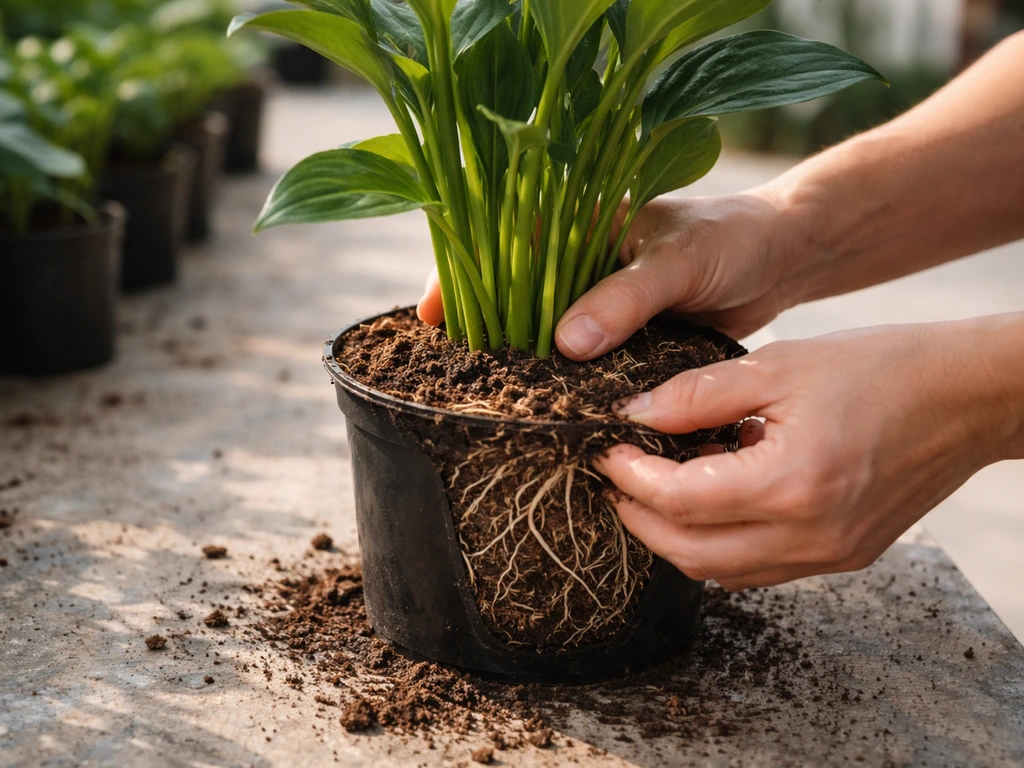
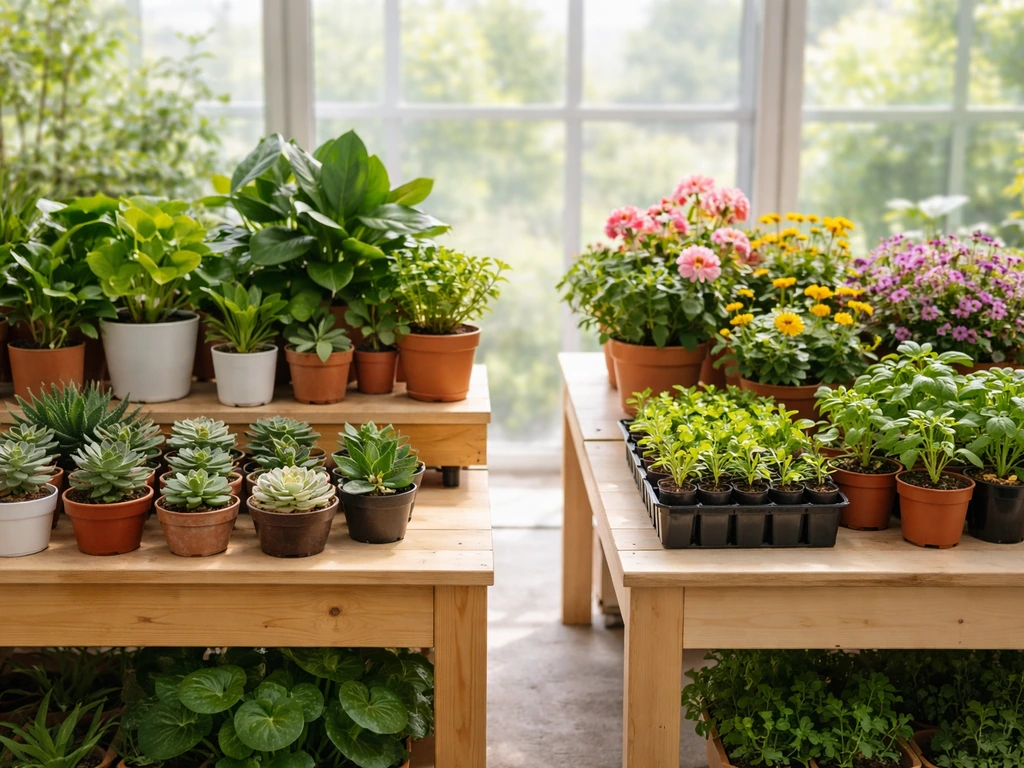
The quality of the plant you buy matters as much as the species you choose. A stressed, rootbound, or diseased transplant is fighting an uphill battle from day one. Here's what to check before you put anything in your cart.
- Look at the stems, not the flowers. Thick, green, upright stems signal a healthy plant. Leggy, pale, or floppy stems mean it's been starved of light.
- Check the roots. Tip the pot gently. A few roots showing at the bottom is fine. A dense mat of circling roots means it's rootbound and stressed.
- Inspect the leaves. Yellow leaves (except at the very base) often signal overwatering or nutrient deficiency. Spots, webbing, or holes mean pests or disease.
- Read the label carefully. Look for the cultivar name, hardiness zone or RHS rating, and mature size. Generic labels with no zone information are a red flag.
- Avoid plants that are already in full bloom. Counterintuitive, but a plant in bud or just beginning to bloom will establish better than one already at peak flowering.
- Choose the right size. A 4-inch pot herb will catch up to a 6-inch one within weeks and usually costs half as much. For trees and perennials, a slightly larger size (one-gallon vs quart) gives a meaningful head start.
- Ask about recent watering. Nursery plants can sometimes be overwatered or sitting in soggy conditions. Give the soil a gentle squeeze at the edges to feel for excess moisture.
Your quick 'tell me X, I'll recommend Y' framework
If you're still unsure what to buy, run through these quick scenarios to find your starting point.
- Low light indoors, want low maintenance: Start with pothos, snake plant, or ZZ plant. These are the most forgiving plants in low-light conditions.
- Sunny apartment or balcony, want to grow food: Buy a dwarf tomato or pepper in a 15-gallon pot, plus a basil in a 6-inch pot on the sill.
- Outdoor garden, zones 5 to 7, late June: Tomatoes, zinnias, coneflower, and lavender are all safe bets right now.
- Outdoor garden, zones 8 to 10, late June: Focus on heat-tolerant ornamentals like portulaca and salvia. Plant edibles in late August for a fall harvest.
- UK or northern Europe garden, late June: Summer bedding, outdoor tomatoes in sheltered spots, lavender, hardy salvias, and climbing beans.
- Total beginner, any space: Marigolds outdoors or pothos indoors. Both will build your confidence fast.
- Want food AND ornamentals in one pot: Try a 'thriller, filler, spiller' container with a dwarf pepper (thriller), basil (filler), and trailing nasturtium (spiller). Edible and attractive.
- Classroom or shared space with minimal care: Spider plants or peace lilies. Both handle low light and infrequent watering and thrive with minimal attention.
The best plant you can grow is genuinely the one you'll actually look after in the space you actually have. For a classroom, the best plant is usually a low-maintenance option that tolerates bright indirect light and occasional missed watering best plant to grow in a classroom. Start there, get a few wins, and expand from there. A well-chosen pothos or a thriving container tomato does more for your confidence than a wishful fig tree slowly dying in the wrong climate.
FAQ
How do I decide between buying seedlings or starting from seed at the nursery right now?
If you want reliable results this season, prioritize established transplants or larger seedlings, especially for heat-sensitive or frost-sensitive crops. Starting from seed is riskier because it takes time to reach harvest size, and late June timing varies a lot by zone (and indoor setups have different light intensity).
What should I check on a nursery plant to avoid buying something already stressed?
Inspect the leaf color and look for tiny pests or stippling on the underside, check that the plant has new growth (not just old leaves), and gently feel the root mass if you can. If it’s rootbound in the pot or the stems are leaning despite having support, it often struggles after transplanting
Do I need to re-pot nursery plants when I bring them home?
Not always, but do it when the plant is clearly pot-bound, when the nursery pot has poor drainage, or when you’re moving from a temporary starter pot. For container gardening, use a quality potting mix and confirm there is at least one unobstructed drainage hole before settling the plant in place
How can I tell whether my space is “full sun” versus “part shade” if I don’t measure light?
Use a simple observation method: watch where direct sun hits your space for 2 to 3 days, then count rough hours of direct sun at your current season. If you only get direct light for around 4 hours, treat it as part shade for most label guidance, even if the area feels bright
What’s the safest way to handle a “medium light” plant in a room that might be dim?
Give it the best window spot you have first (east or west is usually the most forgiving for medium-light plants), rotate the pot weekly, and avoid overwatering. If growth slows and leaves stretch, move it closer to the light or add a small grow light rather than increasing fertilizer
How do I water differently for container plants compared with in-ground plants?
Containers dry out faster and swing more with heat and wind. Check moisture by feel before watering, and water thoroughly until excess drains, then stop. Avoid frequent “small sips,” which keep roots in a damp, low-oxygen zone and raise rot risk
What soil pH issues are most likely to show up after buying the “wrong” plant for your yard?
If you plant something that prefers acidic soil (like blueberries or rhododendrons) into neutral or slightly alkaline ground, you may see yellowing leaves, weak growth, and poor flowering even with proper watering. A soil test helps you decide whether to amend the soil or switch to a plant that matches your existing pH
Can I grow the same nursery plants outdoors if I’m not in the exact recommended zone?
Sometimes, but you need to treat the mismatch as a risk factor. For perennials and shrubs, zone matters for winter survival, so consider microclimates (shelter from wind, warmer walls, protected spots) or plan to use temporary protection. For annuals and vegetables, frost timing is usually the bigger constraint than zone
What should I do if my balcony or small yard gets strong wind?
Wind stresses tall plants, dries soil quickly, and can tear tender leaves. Choose sturdier, shorter varieties, anchor pots securely, use a trellis that can resist gusts, and consider windbreak placement before you buy
How do I choose container plants for a tiny balcony so they don’t fail from day one?
Prioritize heat and drought tolerance, use potting mix (not garden soil), and ensure drainage holes are clear. Match the plant to how much direct sun the balcony receives, then plan for more frequent watering during hot spells
What nursery plants are usually easiest for beginners who keep forgetting to water?
Look for plants labeled as tolerant of irregular watering and aim for those that match your actual light. Succulents and low-light champions vary by species, but the general win for beginners is choosing a plant that doesn’t require consistently damp soil and placing it where it can photosynthesize
If a plant looks healthy at the nursery, why does it sometimes decline after I transplant it?
Most declines come from shock in the new location, overwatering due to a slower-drying root zone, or insufficient light after moving. Confirm drainage first, keep the soil slightly moist (not wet) until it establishes, and avoid fertilizing heavily right away
When should I hold off on buying tender plants outdoors even if the nursery is selling them now?
If your nights are still cool enough for frost risk, or your local forecast suggests a late cold snap, delay tender outdoor planting or plan to protect with cloches or bring plants indoors. This is especially important in cooler regions where temperatures swing quickly even during peak summer
What’s a practical way to expand after my first successful nursery purchase?
Start with one reliable plant that matches your light and watering rhythm, then add a second with similar care requirements. Once that’s established for a few weeks, you can try a higher-demand plant, but only if your lighting setup and schedule can handle it
Next Article
What Is the Best Plant to Grow in a Classroom?
Choose the best classroom plant for your light and schedule with safety tips, setup steps, and quick troubleshooting.