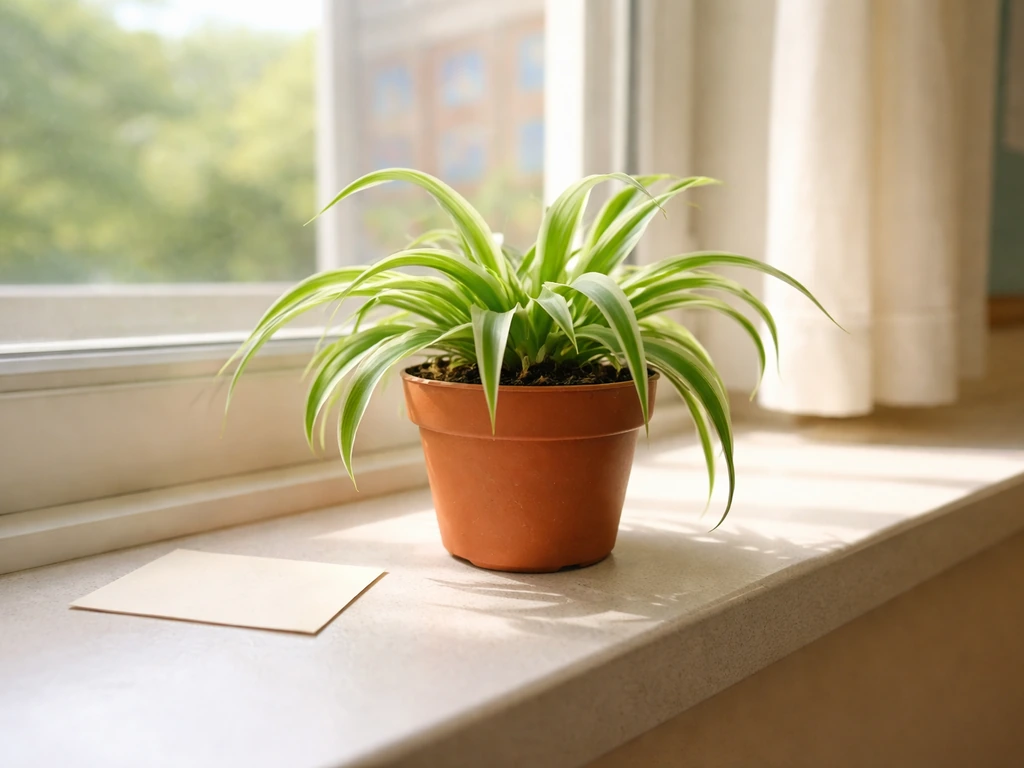
The single best plant to grow in a classroom is the spider plant (Chlorophytum comosum). If you want to use your apartment as your growing setup instead, you can apply the same light and watering principles to choose plants i can grow in my apartment. It tolerates low light, forgets about missed waterings, produces visible baby plantlets that students actually get excited about, and it's confirmed non-toxic to cats, dogs, and kids. If your classroom has a decent window, pothos is a close second. Between those two, you can handle almost any classroom situation.
What Is the Best Plant to Grow in a Classroom?
Rachel Hartley
26 Jun 2026
Best overall classroom plant choices
Most classroom plants fail not because the teacher doesn't care, but because the plant was the wrong pick for the environment. Classrooms are tough: variable light, inconsistent watering, a three-week winter break with no one around, and curious kids who may poke, pull, or chew something they shouldn't. If you want an easy, reliable shortlist, start with the best classroom plants to grow for your specific light and schedule. You need something that genuinely tolerates neglect without looking terrible.
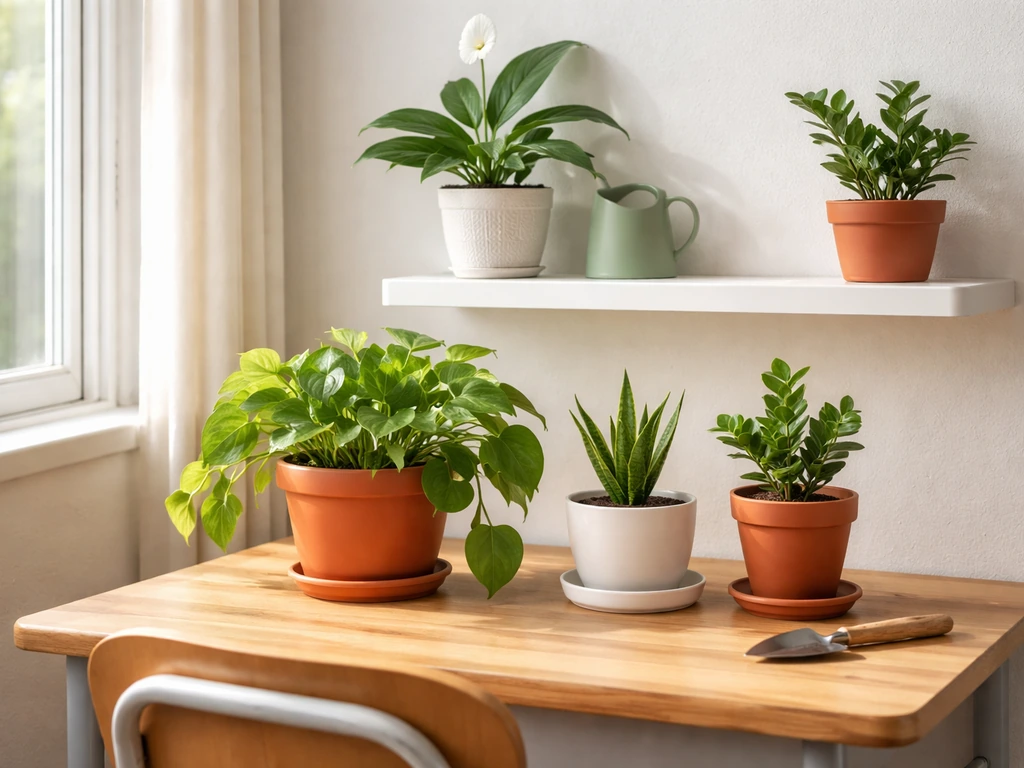
Here are the five best options that hold up to real classroom conditions, all of them low-risk and kid-friendly: Best plants for a dorm room follow the same idea: match the light you actually get and pick easy-care varieties best plants to grow in dorm room.
- Spider plant (Chlorophytum comosum): The top pick. Handles low-to-moderate indirect light, bounces back from drought, grows fast enough that students see progress within weeks, and produces hanging baby plants (spiderettes) that make great lesson props. Non-toxic to pets and kids.
- Pothos (Epipremnum aureum): Nearly unkillable trailing vine that thrives in moderate indirect light and forgives irregular watering. Grows visibly fast. Keep it out of reach of very young children since it's mildly irritating if chewed.
- Snake plant (Dracaena trifasciata, formerly Sansevieria): Ideal for low-light rooms or classrooms with no reliable watering schedule. Can go two to three weeks without water. ASPCA lists a non-toxic entry for this species.
- ZZ plant (Zamioculcas zamiifolia): Handles neglect better than almost anything. Slow grower, but virtually indestructible. Avoid if students frequently handle plants since the sap is a mild irritant.
- Aloe vera: A practical choice for science lessons (medicine, plant anatomy). Needs a bright window and almost no watering. Keep soil bone dry between waterings.
For most classrooms, especially elementary and middle school, spider plant is the recommendation you can feel confident about. Pothos edges it out only if you want faster, more dramatic visible growth and have a slightly brighter room.
Light and location planning
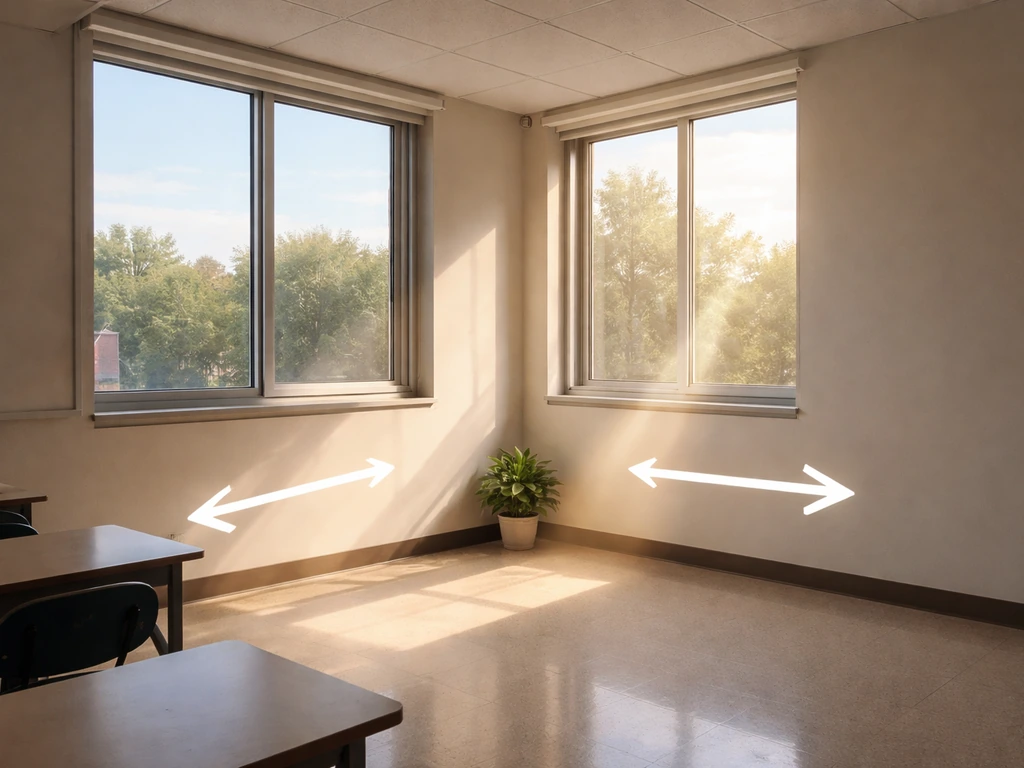
Before you buy anything, figure out what kind of light your classroom actually gets. This is the single factor that matters most. A plant that's perfect for a south-facing window will look terrible and leggy within a month in a north-facing room with no direct sun.
Check which direction your windows face. South and west-facing windows get the most light and are suitable for pothos, spider plants, and aloe. North and east-facing rooms (or rooms with no windows at all) are genuinely low-light environments. In those spaces, snake plant and ZZ plant are your best bets. Spider plant can survive low light but will grow slower and lose some of its striping. Pothos can adapt but will stretch toward the light and look leggy if conditions are too dim.
Avoid placing any plant directly in a south-facing window where leaves touch glass in summer. The heat magnifies and can scorch leaves fast. Set plants back 2 to 3 feet from the glass and let them get bright indirect light rather than direct sun beating through a window.
If your classroom has no windows at all (some interior rooms do), a grow light on a timer set for 12 to 14 hours per day will keep spider plants and pothos alive and growing. LED grow strips are inexpensive and draw very little power, making them a realistic classroom option even on a limited budget.
Easy-care routines that actually work in a classroom
The biggest killer of classroom plants is overwatering, not neglect. Teachers often water on a Monday-Wednesday-Friday schedule out of habit, but the plant doesn't need it that often. Most of the five plants listed above want to dry out between waterings. The rule to follow: stick your finger an inch into the soil. If it's still damp, leave it alone. If it's dry, water thoroughly until water drains out the bottom.
Drainage holes are non-negotiable. A pot without drainage will waterlog roots within a week if someone waters on any kind of regular schedule. If you want to use a decorative pot that doesn't have holes, use it as an outer sleeve and keep the plant in a plain nursery pot with holes inside it. When you water, lift the inner pot out, water over a sink, let it drain fully, and drop it back in.
For soil, use a standard indoor potting mix for spider plants, pothos, and snake plants. Aloe needs a cactus-specific mix or you can add extra perlite (about 30 to 40 percent by volume) to a regular potting mix. Avoid garden soil entirely in containers because it compacts, drains poorly, and invites fungus gnats.
A realistic classroom watering schedule for most of these plants is once a week in spring and fall, every five days in warm weather when the heat is on and air is dry, and every 10 to 14 days in winter. Snake plant and ZZ plant can stretch to every two to three weeks year-round. The plants are much more forgiving of missing a watering than of getting too many.
Fast-growing vs long-term: what timeline should you expect?
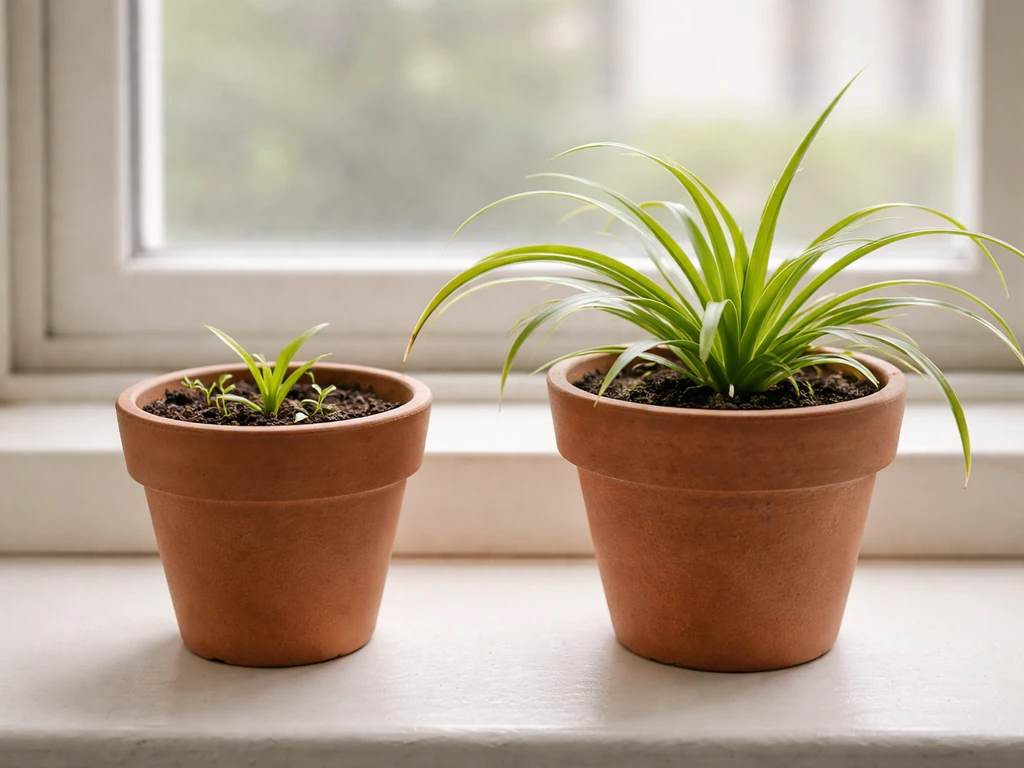
If you're starting a plant at the beginning of a school semester and want students to see something happen, that timeline matters. Here's a realistic breakdown:
| Plant | Visible Growth Timeline | Best For |
|---|---|---|
| Spider plant | Spiderettes in 4 to 8 weeks under good light | Any semester, all grade levels |
| Pothos | New leaves every 1 to 2 weeks in good light | Fast-payoff science or art projects |
| Snake plant | 1 to 2 new leaves per month | Long-term classroom fixture, year 2+ |
| ZZ plant | Very slow, mainly for décor and durability | Permanent classroom plant, low expectations |
| Aloe vera | New offsets in 6 to 12 weeks | Science lessons, moderate-term projects |
Spider plant and pothos are clearly the winners for any classroom where students are supposed to observe plant growth as part of the curriculum. Spider plants in particular produce spiderettes that hang off the mother plant on long runners, which kids find genuinely cool. You can root the babies in water glasses on a windowsill, which doubles as a simple propagation experiment.
For long school breaks, snake plant and ZZ plant are better fits since they won't die over a two-week holiday. If your school runs a year-round calendar, this matters less. If you have a standard September-to-June school year with a long winter break, think about which plant will survive two to three weeks with no water and no care before you commit.
Safety and practicality: what to avoid around kids
This is where a lot of well-meaning plant choices go sideways. Some popular, beautiful houseplants are genuinely dangerous in spaces with children or animals. The ASPCA also notes that even commonly sold houseplants can be problematic for pets and recommends verifying specific plants before bringing them into your home or classroom popular, beautiful houseplants are genuinely dangerous in spaces with children or animals. Peace lily is a perfect example: it looks great, tolerates low light, but it's toxic if ingested and can cause significant irritation. It doesn't belong in an elementary classroom. Same goes for lilies in general, philodendron, and dieffenbachia.
Keep the following practical safety rules in mind when setting up any classroom plant:
- Stick to confirmed non-toxic species: spider plant is ASPCA-listed as non-toxic to cats and dogs, and is the safest choice overall for classrooms with animals or young children who might touch or chew leaves.
- Avoid spiny or thorny plants (cacti, certain succulents) in rooms with younger kids or high-traffic areas. A knocked-over cactus is a genuine injury risk.
- Pothos is mildly irritating if chewed but is not severely toxic. Keep it on a shelf out of easy reach in elementary classrooms.
- Even non-toxic plants can cause mild stomach upset if a child eats enough leaf material. Place all plants out of casual reach and explain to students that plants are for looking, not eating.
- If a school has a classroom pet (hamster, guinea pig, rabbit), confirm the plant is safe before bringing it in. ASPCA's poison control database is the fastest way to check any specific plant.
- Avoid heavily fragrant flowering plants if any students have allergies or asthma. Stick to foliage-only options when in doubt.
The general principle: if you're unsure, spider plant solves the safety problem almost entirely. It's the one plant on this list that checks every box for safety, durability, and visual interest simultaneously.
Best picks by classroom constraints
Not every classroom has the same resources or situation. Here's how to match the plant to your specific constraints:
Tight budget
Spider plants propagate freely. Ask a colleague, parent, or local plant group for a cutting or spiderette and pot it up for free. Pothos cuttings root in a glass of water in one to two weeks and cost nothing if someone donates a stem. Both plants are also widely available at hardware stores for under five dollars in a 4-inch pot.
No green thumb, zero confidence
Snake plant. Water it once every two weeks, put it anywhere with some ambient light, and it will be fine. It's the plant that experienced gardeners give to people who say they kill everything. ZZ plant is equally forgiving but grows even slower.
Short school year or frequent field trips
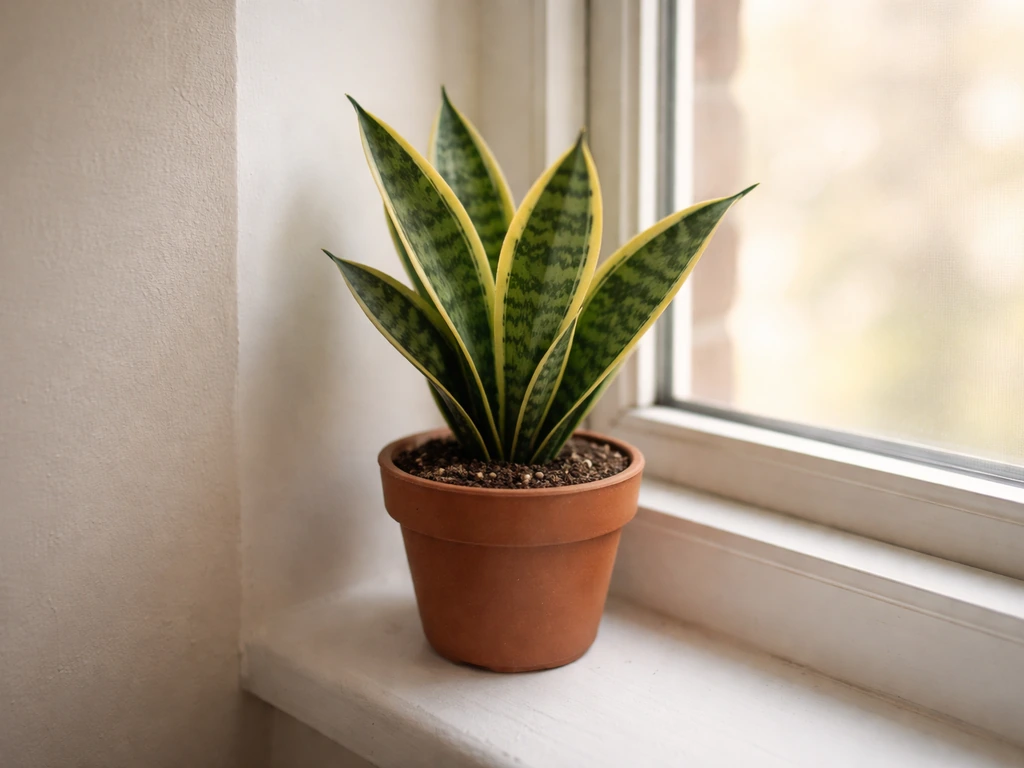
Snake plant or ZZ plant. These two can survive a three-week break with no watering. If you're leaving for summer and want to take the plant home, spider plant and pothos travel well. For field-trip weeks where no one will water, move any moisture-sensitive plants away from heat vents before you leave and skip the last watering.
Limited counter or desk space
Use a 4 to 6-inch pot. Smaller containers dry out faster (meaning you do need to water slightly more often), but they fit on window ledges without crowding. A spider plant in a 4-inch pot still produces spiderettes and looks great. Pothos can trail down from a small pot on a high shelf, which takes zero desk space.
Curriculum-connected growing
If you want the plant to do actual teaching work, spider plant propagation (rooting spiderettes in water), pothos cuttings in water, and aloe anatomy lessons are all legitimate classroom activities. Fast-sprouting seeds like radishes, beans, or wheatgrass can complement a permanent classroom plant if you want something students can plant and harvest within a single unit. These make great companion projects alongside a long-term plant.
Step-by-step setup and troubleshooting
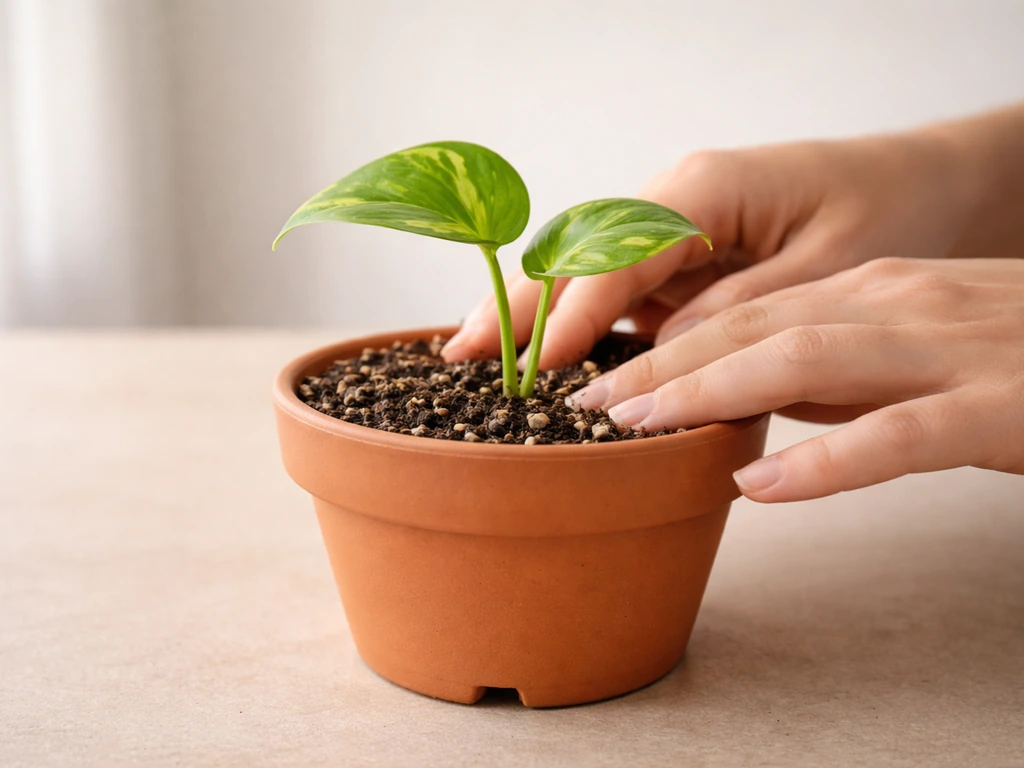
Initial setup
- Choose a pot with at least one drainage hole. For most classroom plants, a 4 to 6-inch pot is ideal to start. Larger pots hold more moisture and increase overwatering risk.
- Fill the pot about two-thirds with indoor potting mix. For aloe, use cactus mix or add extra perlite.
- Place the plant so the root ball sits about half an inch below the rim to allow easy watering without overflow.
- Fill in around the roots with more mix, pressing lightly to remove air pockets. Do not pack the soil tight.
- Water once immediately after potting until water runs freely from the drainage hole. Let it drain completely before placing in its final spot.
- Set the pot in its chosen location near a window, at least 2 to 3 feet back from the glass to avoid direct sun and heat.
- Wait until the top inch of soil is dry before watering again. This usually takes 5 to 10 days depending on pot size, light, and temperature.
Troubleshooting common classroom problems
Yellow leaves are almost always a sign of too much water or poor drainage. Check the pot for drainage holes, feel the soil (if it's wet and has been wet for days, you're overwatering), and cut back the watering frequency. Remove yellowed leaves with clean scissors.
Leggy, stretched growth with wide gaps between leaves means the plant isn't getting enough light. Move it closer to the window or add a grow light. This is especially common with pothos and spider plant in north-facing classrooms.
Tiny flies hovering around the soil are fungus gnats. They thrive in moist potting media. The fix is simple: let the soil dry out more completely between waterings. Fungus gnats need consistently moist soil to breed, so cutting back watering breaks the cycle within a week or two. If the problem persists, an insecticidal soap or neem-based drench applied to the soil can help. Check with your school's facilities policy before using any sprays indoors.
Crispy brown leaf tips on spider plants are usually caused by fluoride in tap water or low humidity, not a disease. Switch to filtered or distilled water if your tap water is highly treated, or simply trim the brown tips with clean scissors and don't worry about it.
If you spot sticky residue on leaves or tiny moving dots, isolate the plant immediately from any others. This points to scale, mealybugs, or spider mites. Wipe leaves with a damp cloth and apply insecticidal soap per label directions. Inspect weekly until clear.
What to do at the end of the school year
If you can't take the plant home for the summer, find someone who can. Spider plants and pothos are easy to gift as cuttings or spiderettes at the end of the year, which also makes a nice student takeaway activity. Snake plants and ZZ plants can survive a summer in a classroom if someone checks in once a month, but most plants won't handle three months unwatered in a hot room with no air conditioning running.
If you're starting fresh next fall rather than carrying plants over, that's a perfectly valid approach. Buy a fresh spider plant in September, use it all year, propagate babies in spring, and send them home with students at the end of the year. Repeat. It costs almost nothing and the plant always looks its best.
For teachers who want to expand beyond one plant once they've got the basics down, the same principles that work in a classroom translate well to other small-space growing situations like dorm rooms and apartments, where light and care constraints are similarly tricky. Starting simple and building confidence with one reliable plant is always the right move before adding more.
FAQ
What is the best plant to grow in a classroom if kids might forget to water for a few weeks?
Choose snake plant or ZZ plant, since they can tolerate long gaps better than spider plant or pothos. If you still want student-friendly visible growth, spider plant is usually the best compromise, but plan for slower growth during the break.
Is spider plant still the best choice for a classroom that has fluorescent lights but little to no window light?
It can survive, but it will grow slowly and may lose some striping. For truly low-light rooms, a simple LED grow light on a timer (about 12 to 14 hours daily) is the reliable upgrade, then spider plant stays a strong “best pick”.
How do I tell quickly whether my watering problem is causing yellow leaves?
Lift the pot to feel weight, if it’s light and dry, water as planned. If it’s heavy and the soil stays damp for days, reduce watering and confirm the pot has real drainage holes, yellowing is often the first sign of chronic waterlogging.
Can I use a decorative cachepot with a plant inside?
Yes, but treat it like an outer sleeve. Keep the plant in a separate inner nursery pot with drainage, then remove it when watering so excess water can drain fully before you put it back.
What pot size is best for classroom plants so they don’t dry out too fast?
For most classrooms, a 4 to 6 inch pot is a practical sweet spot. Smaller pots dry out quicker, which increases the odds someone will overcorrect and water too often.
If my classroom is south-facing, is it okay to put a plant directly on the windowsill?
Only if the leaves are not pressed against the glass. Even when the plant tolerates bright light, summer heat can scorch. Use a gap of about 2 to 3 feet from the glass or reposition so the plant gets bright indirect light.
What should I do if the plant looks leggy, but I don’t want to add grow lights?
Move it closer to the brightest available area, even if that’s a different desk or shelf. Leggy growth usually means insufficient light, so closer placement often fixes it faster than changing watering.
What is the easiest way to start the year with noticeable plant progress for students?
Use spider plant or pothos, then start with propagations at the beginning of the semester. Root spider plant spiderettes in water for a visible propagation lesson, and root pothos cuttings so students can see new roots quickly.
If I need something safe for children and pets, is spider plant the only option I should consider?
Spider plant is the safest single choice on your list, but the key is avoiding plants known to be toxic when ingested. If you want a second option, pothos is generally the close runner-up for classroom suitability, yet you should still supervise handling and prevent chewing.
Are fertilizer and repotting necessary for classroom plants to stay healthy?
Usually no at the “keep it alive and growing” level, the bigger wins are light, drainage, and correct watering. If you notice slow growth after the plant is established, use a very light indoor plant feed only during the growing season and follow the label, avoid overfeeding which can worsen leaf issues.
What should I do if I see fungus gnats around the soil?
Let the soil dry more between waterings, since gnats need consistently moist media. If you keep watering on a schedule without checking soil dryness, the problem often returns quickly, and you may need an approved treatment per your school’s facilities rules.
If a plant gets pests like scale or mites, can I keep it with the rest of the classroom plants?
Isolate it immediately. Sticky residue or moving dots can spread, so separate the plant, wipe leaves, and treat per label directions, then inspect weekly until it’s clear.
Next Article
Best Classroom Plants to Grow: Easy Picks for Any Room
Best classroom plants to grow: low-fuss picks by light, watering habits, size, and safety, with care rules and fixes.