The 10 best plants to start growing right now in June 2026 are: basil, cherry tomatoes, pothos, snake plant, zucchini, mint, marigolds, lettuce (for cool climates or shaded spots), lavender, and peace lily. If you're looking for common plants to grow, start with easy staples like basil, lettuce, and marigolds that do well in a wide range of conditions. That list covers every major growing context: indoor shelves, outdoor beds, and balcony containers. It also spans all three reasons most people grow things: food, flowers, and low-effort greenery. The rest of this guide helps you figure out which of those 10 are actually right for your setup today, and exactly what to do with each one on day one. If you want the best plant to grow for your situation, start by matching it to your light and how much time you can spend each week.
Top 10 Plants to Grow: Beginner Picks by Season and Light

How to pick your own top 10 based on your space, light, and season
Before you order seeds or load up a cart at the garden center, answer three questions honestly: Where will this plant live? How much real light does that spot get? And how much time do you want to spend on it each week? Everything else flows from those answers.
June is a fantastic starting month almost everywhere. In warm climates (USDA zones 8–12, think Texas, Florida, Southern California), you're heading into peak summer, which means heat-lovers like basil, tomatoes, and zucchini are in their prime planting window right now. In cooler climates (zones 3–6, think the Upper Midwest, New England, the Pacific Northwest), June is actually your green light to plant most warm-season crops because frost risk has passed. If you're in a marginal zone or at elevation, check your last frost date first, but for most of the US and UK, June is go time.
Light is the variable that eliminates options faster than anything else. A spot that gets six or more hours of direct sun daily is full sun. Four to six hours is part shade. Less than four hours, or only bright indirect light, is low-light or shade. Be honest here: most people overestimate how much sun their space gets. A south-facing window with no obstructions is different from a north-facing apartment window with a building across the street. Match the plant to the light you actually have, not the light you wish you had.
Season also tells you what to expect. Plants started in June outdoors in most climates will hit their stride in July and August. That means a cherry tomato planted now realistically gives you fruit in 60 to 80 days, so late July through September. Basil you plant this week will be ready to harvest in three to four weeks. Pothos and snake plants indoors have no season at all: start them any day of the year.
Indoor, low-light, and apartment-friendly top picks
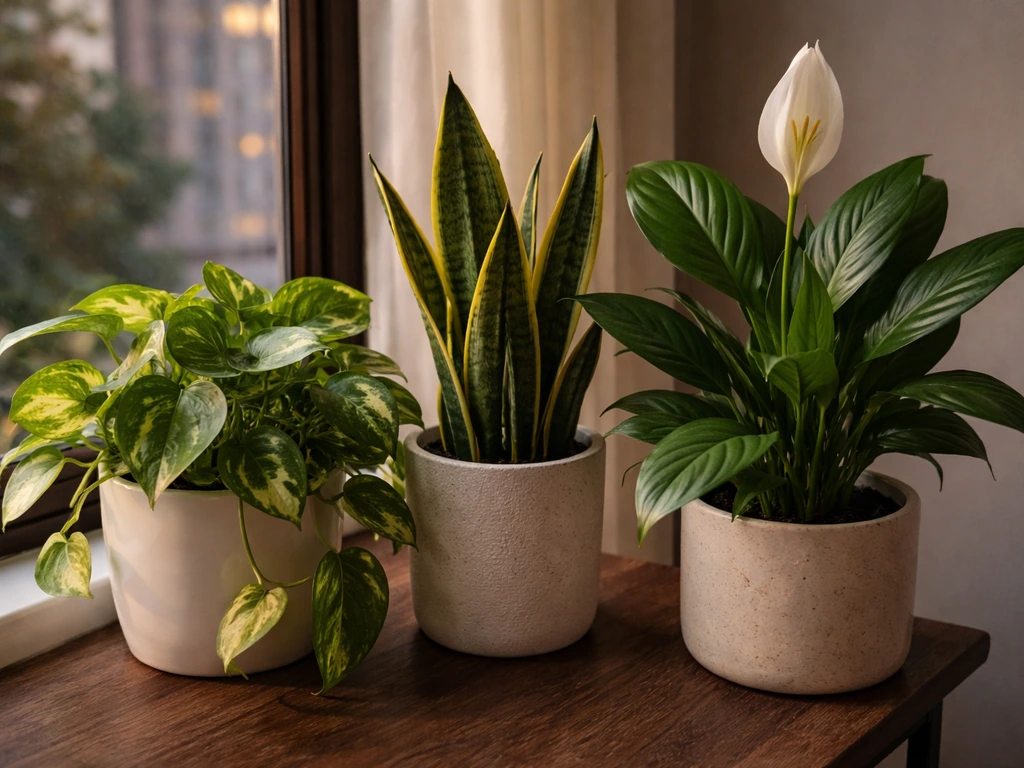
If you're working with an apartment or a home where most windows face north or east, don't try to force sun-hungry plants into a losing battle. These three earn their spot on any indoor list because they genuinely tolerate less-than-ideal conditions and forgive occasional missed waterings, which the RHS specifically calls out as the mark of a truly beginner-safe houseplant.
Pothos
Pothos is the closest thing gardening has to a guaranteed win. It grows in low light, it tolerates drought, and it tells you it's thirsty by drooping slightly before any real damage is done. Trail it from a shelf, let it climb a moss pole, or just keep it in a pot on a desk. It does nothing dramatic, but it doesn't die on you either. For apartments, that's exactly what you want.
Snake plant (Sansevieria)
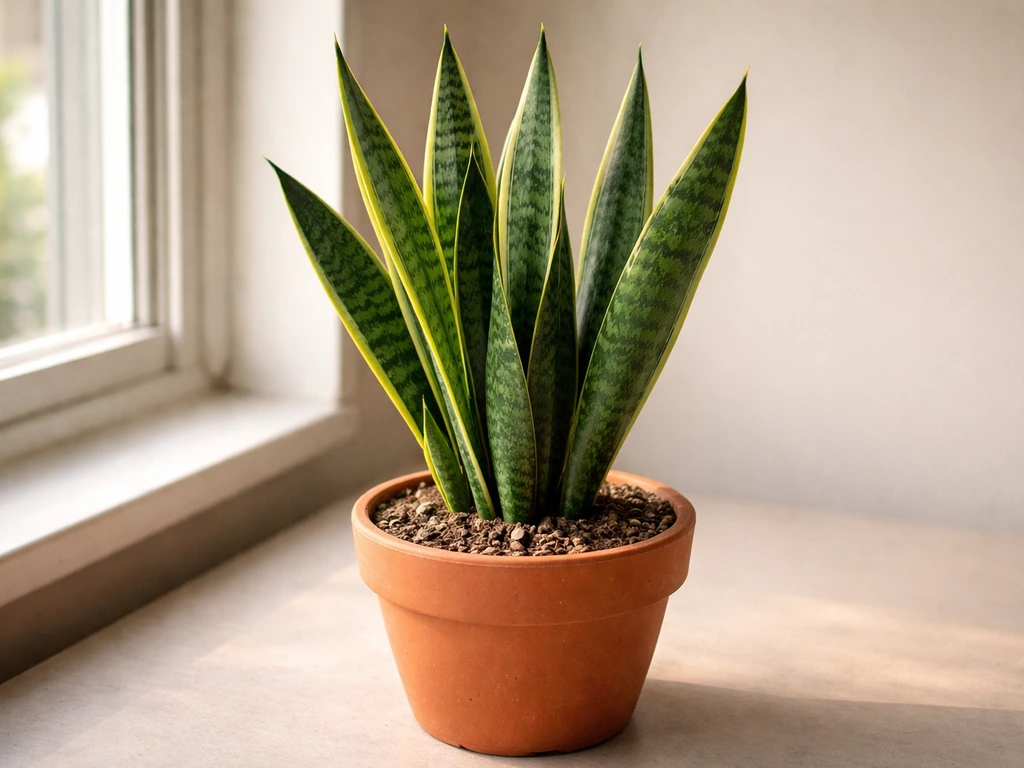
Snake plants thrive on neglect in a way that feels almost offensive to other plants. They handle low light, go weeks without water, and look architectural enough to pass as decor. The one thing that kills them is soggy soil, so plant in a well-draining mix and don't water on a schedule. Lift the pot: if it feels light, water it. If it still feels heavy, leave it alone. OSU Extension recommends this exact pot-lifting check as a reliable moisture test for houseplants.
Peace lily
Peace lilies are one of the few flowering plants that genuinely perform in low light. They produce elegant white blooms and lush dark foliage, and like pothos, they droop visibly when they need water, which makes the care routine almost self-explanatory. Keep them out of direct sun (it scorches the leaves) and away from cold drafts. Good for bathrooms, hallways, or any dim corner.
Outdoor easy winners by climate: warm vs. cool
Outdoor recommendations split pretty cleanly by climate. The dividing line is roughly whether you're heading into summer heat or still enjoying mild growing temperatures in June.
Warm climates (zones 7–12): basil, cherry tomatoes, zucchini, marigolds
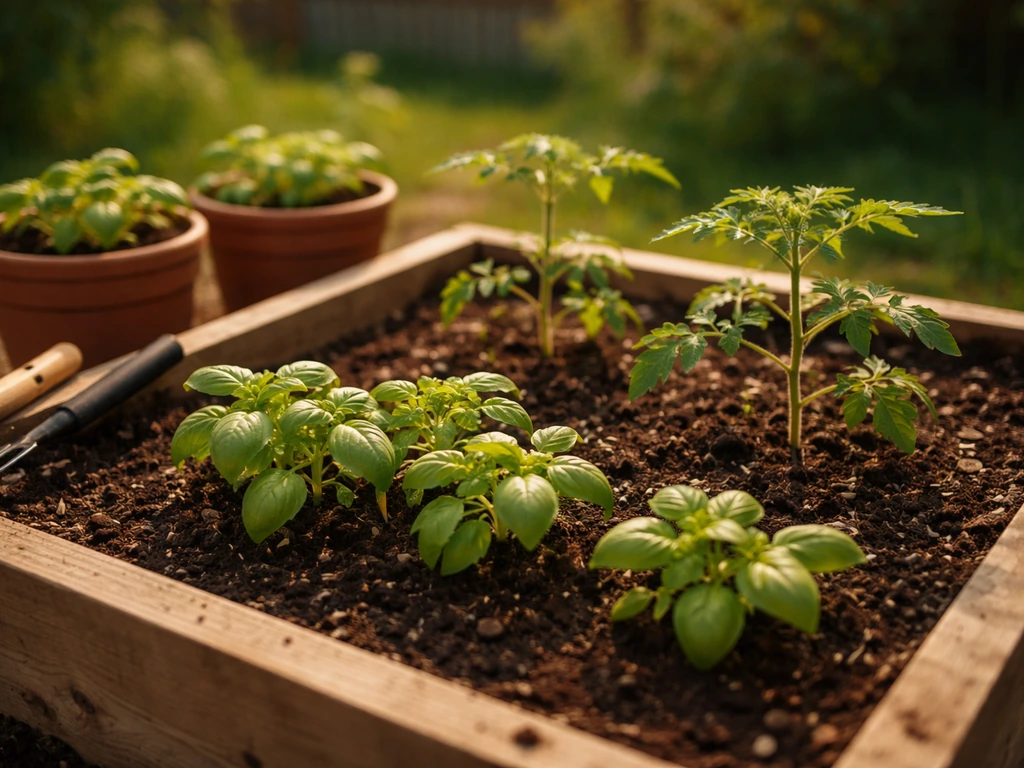
Basil loves heat and full sun. Plant it now and you'll be harvesting leaves in three to four weeks. Cherry tomatoes (varieties like 'Sungold' or 'Sweet 100') planted in June in warm zones will fruit through summer and into fall. Zucchini is almost aggressive in its productivity: one or two plants fed the whole neighborhood jokes aren't far off the truth. Marigolds pull double duty as pest deterrents and pollinators attractors, and they bloom nonstop from June through frost.
Cool climates (zones 3–6) and the UK: lettuce, lavender, mint
In cooler regions, June is your prime growing season before heat stress sets in. Lettuce planted now will mature in four to six weeks and can be cut-and-come-again for months if you harvest the outer leaves. Lavender thrives in cool, dry summers and well-drained soil: plant it in full sun and almost ignore it once established. Mint is borderline invasive in its enthusiasm, which makes it ideal for beginners who worry about killing things. Keep it in a container to control the spread.
Container and balcony-friendly plants that don't demand much
Container growing works for almost every plant on this list, with one non-negotiable rule: drainage. Pots without drainage holes are plant death traps. UMN Extension is blunt about this: plants sitting in water with no way to drain are essentially doomed. Every container you use needs holes at the bottom, and after watering, let the excess drain completely before the pot goes back on a saucer.
The best container picks from this list are basil (a 6-inch pot works fine), cherry tomatoes (go for a 5-gallon minimum, bigger is better), mint (a medium pot actually does you a favor by containing it), marigolds (small pots, big color payoff), pothos, and snake plant. Lavender also does well in containers as long as the pot has good drainage and you use a gritty, well-draining mix. When you pot any of these up, water thoroughly right after planting, slowly enough that the compost absorbs it evenly rather than runs straight through, which is the RHS approach to getting container plants off to a strong start.
The full top 10: quick-care routine for each plant
| Plant | Light | Water | Soil | Timeline to results | Difficulty |
|---|---|---|---|---|---|
| Basil | Full sun (6+ hrs) | Deeply, let top inch dry between waterings | Rich, well-draining | 3–4 weeks to first harvest | Easy |
| Cherry tomatoes | Full sun (6–8 hrs) | Deep watering; check 2 inches down for dryness | Fertile, well-draining | 60–80 days to fruit | Easy–Moderate |
| Pothos | Low to bright indirect | When soil is dry 1–2 inches down | Any well-draining mix | Grows continuously, no 'event' | Very easy |
| Snake plant | Low to bright indirect | Only when pot feels light (every 2–6 weeks) | Gritty, very well-draining | Slow grower; no seasonal target | Very easy |
| Zucchini | Full sun (6+ hrs) | Deep, consistent; check 2 inches down | Rich, moist, well-draining | 50–60 days to harvest | Easy |
| Mint | Part to full sun | Keep moist; don't let dry out completely | Moist, rich soil | 2–4 weeks to usable leaves | Very easy |
| Marigolds | Full sun | Moderate; let soil dry slightly between waterings | Average, well-draining | 6–8 weeks to full bloom | Very easy |
| Lettuce | Part shade to full sun | Consistent moisture; don't let dry out | Rich, cool, moist | 30–45 days to harvest | Easy |
| Lavender | Full sun (6+ hrs) | Infrequent; drought-tolerant once established | Sandy, alkaline, very well-draining | Blooms first summer if planted now | Easy |
| Peace lily | Low to medium indirect | When leaves just start to droop slightly | Well-draining potting mix | Blooms sporadically year-round | Easy |
A note on watering across all of these: the single most reliable watering method is to check soil moisture before you water rather than watering on a fixed schedule. For vegetable gardens, UMN Extension recommends sticking your finger about two inches into the soil: if it's dry at that depth, water deeply. For herbs, WVU Extension emphasizes watering deeply and then waiting until the soil has dried out before watering again. That deep-and-dry cycle builds stronger root systems than frequent shallow watering does.
Food, flowers, or foliage: match your plant list to your actual goal
The reason 'top 10 plants to grow' means something different to everyone is that people grow plants for wildly different reasons. Narrowing down what you actually want out of this helps more than any list.
- Growing for food: Prioritize basil, cherry tomatoes, zucchini, mint, and lettuce. All five produce edible yield within one growing season, and most within weeks. If space is tight, basil and mint in small pots on a windowsill give you the fastest return.
- Growing for beauty and color: Marigolds and lavender are your workhorses. Both bloom prolifically, both attract pollinators, and both are nearly impossible to kill once established in the right soil. Peace lily adds indoor floral interest with minimal effort.
- Growing for easy, low-maintenance greenery: Pothos and snake plant are the answer. They don't produce food or dramatic flowers, but they improve any space visually, tolerate neglect, and build your confidence as a grower before you take on anything more demanding.
- Growing for all three: Pick two from each category. A realistic starter set that covers all the bases: cherry tomatoes (food, outdoor), basil (food, container), marigolds (flowers, outdoor), pothos (foliage, indoor). That's four plants, manageable for a beginner, and you'll have something to harvest, something blooming, and something green all at once.
Common beginner mistakes and how to avoid them fast
Most plant failures come down to four mistakes. Knowing them upfront saves you a lot of frustration.
Overwatering (the number one killer)
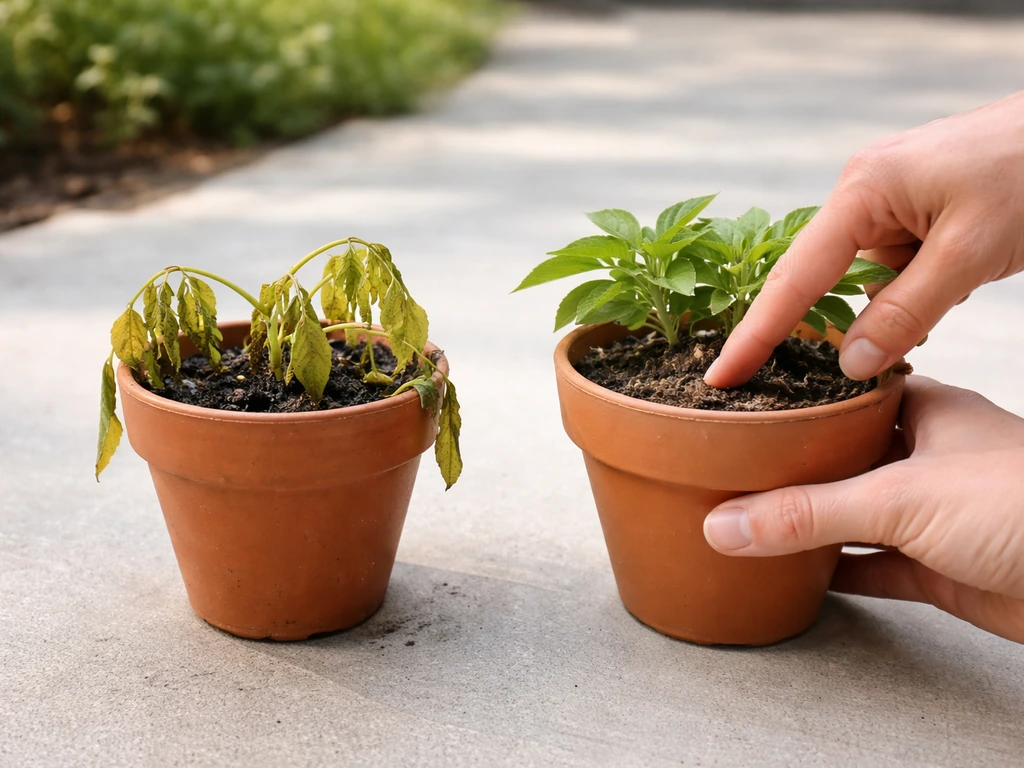
More plants die from too much water than too little. The fix: always check before you water. Finger test for outdoor beds and herbs (dry two inches down means water time). Pot-lifting for indoor plants: if it still feels heavy, skip it. And always, always use pots with drainage holes.
Wrong light placement
A tomato on a shaded balcony will disappoint you. A pothos in a south-facing window in July will scorch. Match the plant to the spot, not the other way around. If your best outdoor spot only gets four hours of sun, swap tomatoes for lettuce or herbs, which handle part shade better.
Starting too many plants at once
It's tempting to try everything in June because everything is available and you're excited. Resist. Three to five plants you pay attention to will outperform ten plants you ignore. Under-potting is related: a cherry tomato crammed into a 1-gallon pot won't fruit well. Give plants the space they need.
Skipping the soil
Garden soil pulled from the yard is usually too dense for containers and often carries pests or disease. Use quality potting mix for containers. For outdoor beds, amend with compost before planting. This one-time step at the beginning makes everything else easier for the rest of the season.
Timing mismatches
Planting lettuce in July in Atlanta or Phoenix is setting yourself up for failure: it bolts (goes to seed and turns bitter) in heat. Planting basil in a cool UK June during a cold snap will stall it completely. Know your climate's rhythm. In hot regions in June, focus on heat-tolerant plants now and save cool-season crops like lettuce for fall. In cool climates, June is your window for everything.
How to choose your final 1–3 plants and build a simple planting plan
Don't try to grow all 10. Here's a practical filtering process to get to a starter set you'll actually succeed with.
- Identify your growing space first: indoor shelf or windowsill, outdoor bed or yard, or container on a balcony or patio. This eliminates irrelevant options immediately.
- Assess your real light level: full sun (6+ hours direct), part shade (4–6 hours), or low light (under 4 hours or only indirect). Full sun outdoors opens the entire list. Low light indoors narrows you to pothos, snake plant, and peace lily.
- Decide on your goal: food, flowers, or foliage (or one from each). Pick one plant per goal to keep it manageable.
- Check your June climate: if you're in a warm zone, lean toward basil, tomatoes, zucchini, and marigolds. If you're in a cool zone or the UK, add lettuce and lavender to your shortlist. If you're strictly indoors, season doesn't matter much, so pick by light and goal.
- Commit to 1–3 plants for your first month. A reasonable starter combination for most people: one edible (basil or cherry tomato), one flowering or outdoor ornamental (marigold or lavender), and one low-maintenance indoor plant (pothos or snake plant).
- Write down one action for each plant this week: buy the pot, get the soil, pick up a seedling. Give each plant a specific home before you bring it home, not after.
If your setup doesn't fit neatly into any of these categories, adjust by swapping within the same 'type': can't grow tomatoes because you only have a small balcony? Swap to cherry tomatoes in a 5-gallon grow bag. Can't grow lavender because your outdoor space is shaded? Swap to mint, which handles part shade well. The list is a starting point, not a prescription. The real goal is getting something in the ground (or a pot) this week while the season is in your favor, and building from there.
Whether you end up growing one plant or all ten, the pattern that works is the same: right plant, right light, right watering habit. Nail those three things with even one plant this June and you'll have the confidence and the knowledge to expand your list next season. That's how most experienced gardeners built their plant knowledge, one successful choice at a time. If you are not sure where to start, use this guide to choose the right plants for your light, space, and season plant knowledge.
FAQ
What’s the simplest way to pick between these 10 plants if I only have one or two spots to grow?
Start with the light test first. If your spot is 6+ hours of sun, prioritize basil, cherry tomatoes, or zucchini. If it’s 4-6 hours, choose lettuce or marigolds. If it’s under 4 hours or mostly indirect light, pick pothos or snake plant (and peace lily if you want flowers). Then choose based on your time, food needs, and comfort with watering.
Can I grow cherry tomatoes and zucchini together in containers, or will one take over?
They can, but plan on separate pots because they have different spacing and water demand. A cherry tomato needs a larger container (5 gallons minimum) and consistent deep watering, while zucchini is especially heavy-feeding and can outgrow nearby plants quickly. If you must share space, use one large pot per plant and ensure the soil stays evenly moist but never soggy.
How do I avoid bolting with lettuce during June heat?
If June temperatures climb fast where you live, lettuce may bolt sooner even if you plant in time. Use partial shade in afternoons, keep the soil consistently lightly moist, and consider choosing cut-and-come-again harvesting (remove outer leaves) so the plant can keep producing longer. If you can’t provide shade, plan to shift lettuce to cooler parts of the season.
Is mint actually beginner-friendly if it can spread, and how do I keep it under control?
Yes, mint is beginner-friendly if you contain it. Grow it in a dedicated container with drainage holes, and don’t let it share soil with other plants in an outdoor bed. For best control indoors, keep the pot on a tray, and harvest regularly so it stays productive instead of getting leggy.
What pot size should I use for peace lily and pothos compared with the vegetables?
Pothos and peace lily do not need huge containers to stay healthy, but they do need drainage and a stable soil moisture routine (still not on a fixed schedule). Use a pot only slightly larger than the root ball. For vegetables, err larger because root mass drives yield, especially for tomatoes.
How often should I water these plants if I’m not using a schedule?
Use a “check first” routine, then water deeply. Outdoors, test about two inches down for vegetables and herbs, if it’s dry, water thoroughly. Indoors, use the pot-lifting method for plants like snake plant and pothos, and for peace lily water when the soil surface begins to dry but before the pot feels light. The goal is deep root access, not frequent small sips.
My windows face north, is it worth trying basil or lavender anyway?
Usually no. Basil and lavender both want strong light, north-facing windows commonly under-deliver. If you only have north light, choose pothos, snake plant, or peace lily instead. If you’re determined to grow herbs indoors, consider moving the planters closer to the brightest window you have and expect slower growth.
What’s the most common reason these beginner plants fail, besides watering too much?
Poor drainage and wrong potting setup. Many failures happen when containers have no drainage holes or when soil stays wet around the roots. Also watch for over-fertilizing, especially with lettuce and herbs, which can lead to weak growth and faster trouble when conditions swing.
Can I start these plants from seed right now in June, or should I buy transplants?
For warm-season crops like cherry tomatoes and zucchini, transplants often reduce risk if temperatures are still variable, especially near the edge of a growing zone. For fast herbs and many flowers, seeds can work, but heat and germination timing matter. If you’re unsure, start with transplants for tomatoes or zucchini and use seeds for basil, marigolds, or lettuce where conditions match.
How do I know if my snake plant is getting the right amount of light?
Snake plant tolerates low light, but you’ll see signs of stress if it’s too dark or if it’s watered too often. In low light, growth may slow, that’s normal. If leaves start to collapse or soil stays wet for long periods, reduce watering and confirm the mix is gritty and drains quickly.
If I want flowers, which plant on this list is most reliable in dim conditions?
Peace lily is the best bet for blooms in low light. Keep it out of direct sun to prevent leaf scorch and avoid cold drafts. If you have brighter light outdoors or in a sunny spot, marigolds will give nonstop color through the season.
What should I do if my balcony only gets part sun, 4 hours, and I still want tomatoes?
Don’t force tomatoes into inadequate light. Replace cherry tomatoes with crops suited for part shade, like lettuce or certain herbs, or switch to a compact tomato approach only if you can place the pot where it truly gets the needed hours daily. The practical rule is match the plant to your actual sun, not your expectation.
How can I “start small” so I don’t waste money on the wrong plants?
Pick 1 plant that matches your light and 1 plant that matches your time tolerance. For example, pothos or snake plant for low light plus a sun-compatible crop if you have at least 4-6 hours. That way you build momentum while reducing the chance that one wrong choice (like a sun-hungry plant in shade) derails the season.
Top Plants to Grow: Pick the Best Ones for Your Space
Choose the top plants to grow for your light, space, season, and goals, with easy care tips and troubleshooting.
