The best plant to grow right now is whichever one actually matches your light, your space, your season, and how much time you realistically want to spend. That sounds obvious, but most people skip that step and buy something that looks great at the garden center, then watch it die in three weeks. This guide skips the abstract plant encyclopedia approach and gives you a direct path: figure out your conditions, pick from the best-matched options, and start immediately.
Best Plant to Grow: Pick the Right One for Your Space
Rachel Hartley
5 Apr 2026
How to choose the best plant for your exact conditions
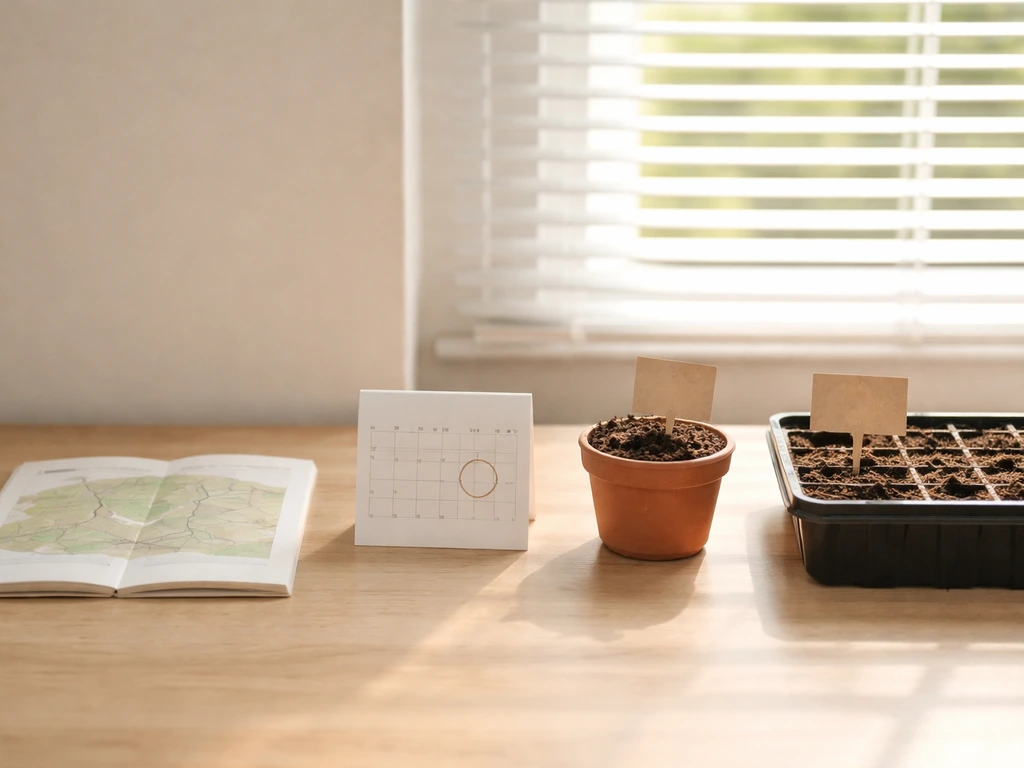
Before you pick a single plant, you need four quick pieces of information: your growing zone, your current season and frost timing, your available light, and your space type (ground bed, container, or indoor). Getting these right takes about ten minutes and eliminates 90% of bad plant choices.
Start with your USDA hardiness zone. The USDA Plant Hardiness Zone Map is the standard tool for determining which perennial plants are most likely to survive your location's extreme minimum winter temperatures. USDA also notes that the hardiness zones on the map are based on a 30-year period and the average annual extreme minimum temperature, not the absolute lowest temperature ever observed extreme minimum winter temperatures. Look up your zone using the interactive map at the USDA website, or download a copy for offline reference. If you're in Zone 9b, you're making very different choices than someone in Zone 5a, and knowing this up front saves a lot of frustration.
Next, check your frost dates. The Old Farmer's Almanac offers a frost dates calculator where you enter your ZIP code and get your average last spring frost and first fall frost estimates based on nearby weather station data. As of early April 2026, a lot of northern gardeners are right at or just past their last frost date, which makes this the best possible window to start warm-season crops outdoors. Southern and coastal gardeners are already well into spring planting. This timing matters enormously for outdoor picks.
Then measure your actual light. This is the step almost everyone skips, and it's the one that causes the most failures. A spot that looks bright to your eyes might deliver far less usable light than a plant needs. Use a smartphone lux meter app (Scientific American has confirmed these apps measure lux reasonably well for practical gardening purposes) to take a reading in your space. Low light is roughly under 1,000 lux; indirect bright light runs 1,000 to 10,000 lux; direct sun through a south-facing window can hit 10,000 to 50,000 lux or more. Match that number to your plant's requirement and you will avoid the single most common houseplant failure.
Finally, be honest about your space and your time. A small balcony in pots is a container garden, not an outdoor bed, and that changes which plants work. An apartment bedroom with a north-facing window is a low-light indoor situation, full stop. And if you can give your plants about five minutes of attention every few days, you want something genuinely low-maintenance, not something that needs daily misting. Once you know these four things, the recommendations below will give you a specific plant you can buy today.
Best low-maintenance plants (beginner-friendly options)
If you're new to growing things, or you've killed plants before and want a confidence builder, start here. These plants tolerate inconsistent watering, survive in a range of light conditions, and don't need fertilizer, pruning, or complicated setups to stay alive.
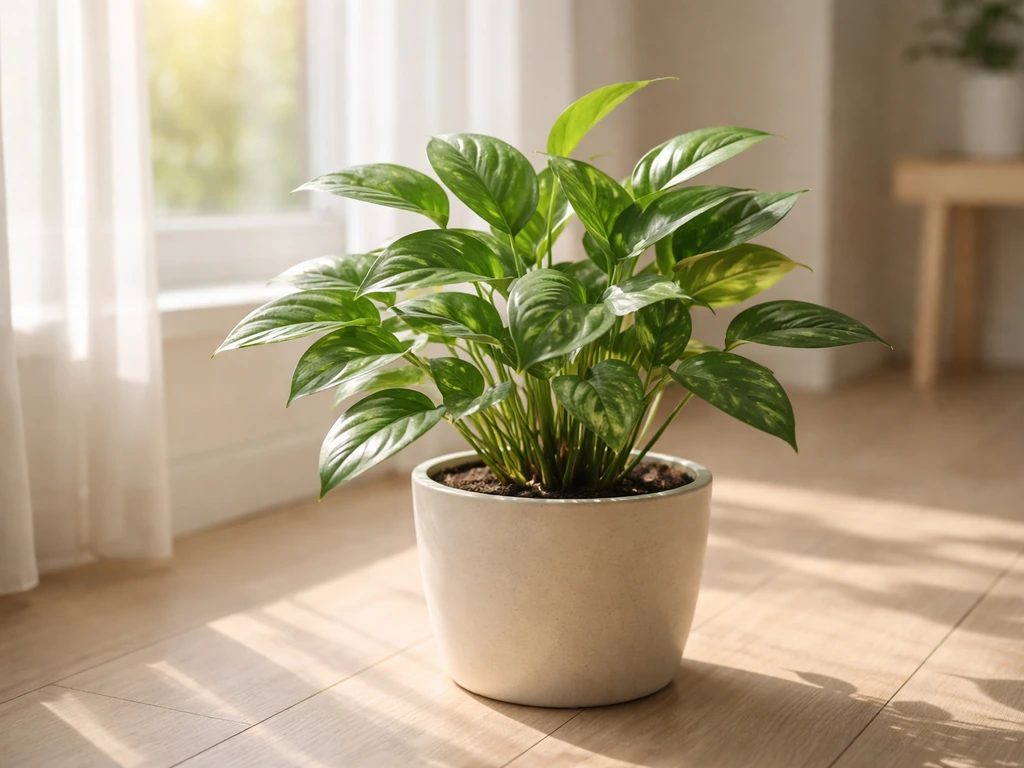
- Pothos (Epipremnum aureum): Grows in low to bright indirect light, tolerates skipped waterings, trails beautifully in pots or hangs. One of the most forgiving plants in existence.
- Snake plant (Sansevieria / Dracaena trifasciata): Thrives on neglect, tolerates dim corners, and only needs water every 2 to 6 weeks depending on season. Nearly impossible to kill through inattention.
- ZZ plant (Zamioculcas zamiifolia): Stores water in its rhizomes, handles low light, and looks sharp in modern spaces. Water it once a month and it will outlast most houseplants you own.
- Mint (any variety): Outdoors or in a container, mint grows aggressively with minimal care. Cut it back, and it comes back. Give it a pot so it doesn't take over your garden bed.
- Radishes: The ultimate beginner vegetable. Seed to harvest in 25 to 30 days, grows in a pot or garden bed, tolerates cool weather, and rarely fails if you give it six hours of sun.
The pattern with all of these is that they reward benign neglect more than they reward fussing. If you've been nervous about starting, pick one of the top three for indoors, or radishes if you want something edible outside. You'll build the habit of checking on a plant and develop a feel for watering without the stress of a high-maintenance specimen.
Best indoor houseplants for apartments and containers
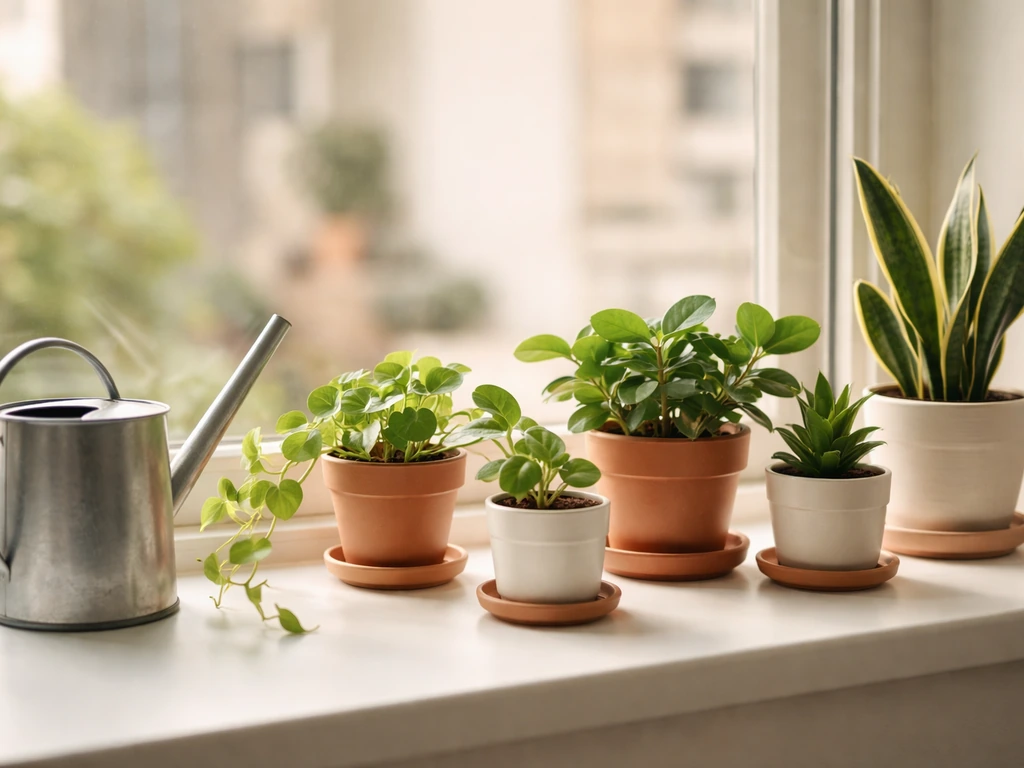
Indoor and apartment growing comes down almost entirely to light and container setup. If you think about common plants to grow indoors, the same names keep appearing because they genuinely work across a wide range of conditions. Here's how to match them to what you actually have.
| Plant | Light Needed | Container Size | Best For |
|---|---|---|---|
| Pothos | Low to bright indirect (500–10,000 lux) | 6–10 inch pot | Any room, shelves, hanging baskets |
| Peace lily | Low to medium indirect (500–5,000 lux) | 6–10 inch pot | Low-light rooms, offices |
| Spider plant | Bright indirect (2,000–10,000 lux) | 6–8 inch pot | Hanging planters, shelves near windows |
| Herbs (basil, chives, parsley) | Bright to direct (5,000–50,000 lux) | 6–8 inch pot per plant | South-facing windows or grow lights |
| Dwarf cherry tomato | Full direct sun or grow light (15,000+ lux) | 5-gallon container minimum | Sunny balconies, grow tents |
| Rubber plant (Ficus elastica) | Bright indirect (3,000–10,000 lux) | 8–12 inch pot | Statement plant, living rooms |
For apartments with limited natural light, pothos and peace lily are your most reliable choices. For a kitchen windowsill with decent southern exposure, chives or a small basil plant give you food plus greenery. If you're setting up containers on a balcony that gets full sun, a dwarf tomato variety in a five-gallon bucket can produce real fruit from April through September in most zones. The container size matters: cramped roots mean stunted plants, so when in doubt, go one pot size bigger than you think you need.
Best outdoor plants by season and region
It's early April 2026 right now, which puts most of North America at or just after the last frost for southern and mid-Atlantic regions, and right at the frost transition for northern zones. Here's how to read the current moment by region:
Southern US (Zones 8–11): Texas, Florida, Gulf Coast, Southwest
You're already past spring planting and heading into heat. Prioritize heat-tolerant vegetables like sweet potatoes, okra, Southern peas, and peppers. If you're in zone 9 or 10 and it's already warming fast, skip cool-season crops like lettuce (they'll bolt in weeks) and go directly to warm-season edibles. Lantana, bougainvillea, and native salvias are outstanding low-water flowering choices for this region and season.
Mid-Atlantic and Midwest (Zones 5–7): Virginia to Ohio, Kansas to Illinois
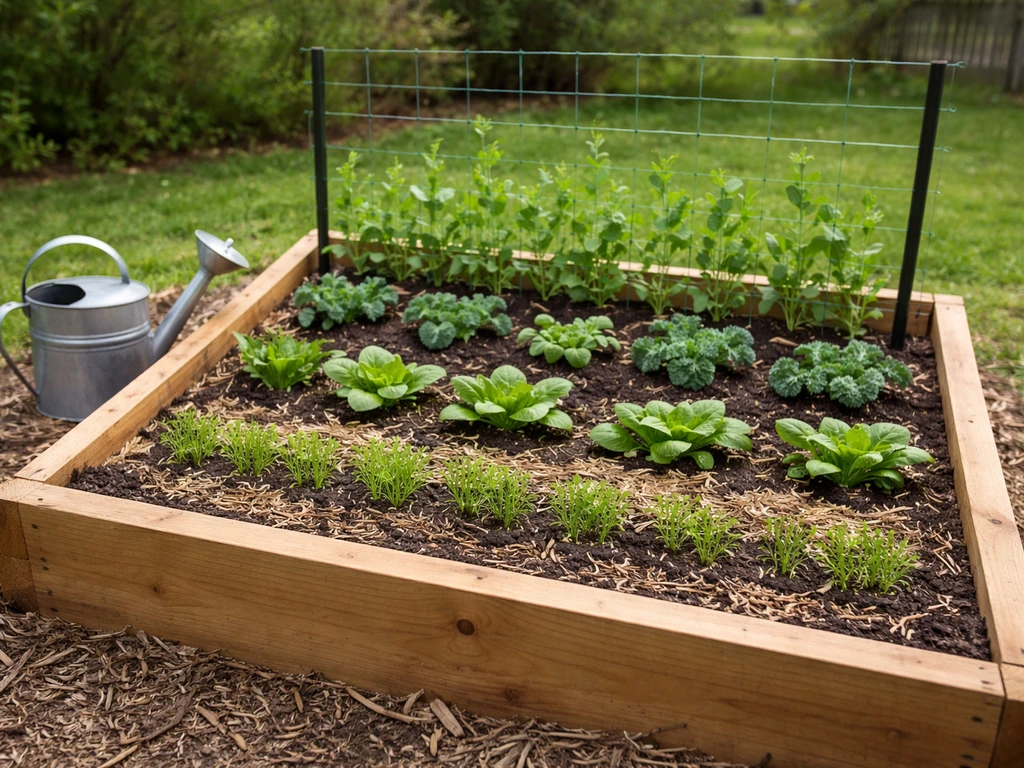
Right now is your prime window. Last frost dates for most of this zone fall between mid-April and mid-May. You can direct-sow cool-season crops like peas, spinach, kale, and carrots immediately. Start warm-season transplants (tomatoes, peppers, cucumbers) indoors now if you haven't, or wait until after your last frost date to buy established starts from a nursery. Daffodils are finishing, and now is the time to get summer bulbs like dahlias and gladiolus in the ground.
Pacific Northwest and Northern California (Zones 7–9b)
April is ideal for brassicas, root vegetables, and leafy greens outdoors. The mild, wet spring is perfect for lettuce, arugula, broccoli, and Swiss chard. Strawberries planted now will establish well before summer heat. Native plants like Oregon grape and ceanothus are low-water, low-maintenance, and well-suited to the region.
Northern US and Canada (Zones 3–5): Minnesota, New England, Prairie Provinces
If you're still seeing frost risk through early May, start everything indoors. Tomatoes, peppers, and squash started under grow lights right now will be ready to transplant in 4 to 6 weeks. For outdoor direct sowing, spinach and peas can handle a light frost and can go in now if your soil is workable. Hardy pansies are the right choice for outdoor color at this stage.
Best plants to grow for specific goals
Your goal shapes the pick as much as your climate does. Here's a breakdown of the best options by what you actually want out of your garden.
Food: vegetables and edible crops
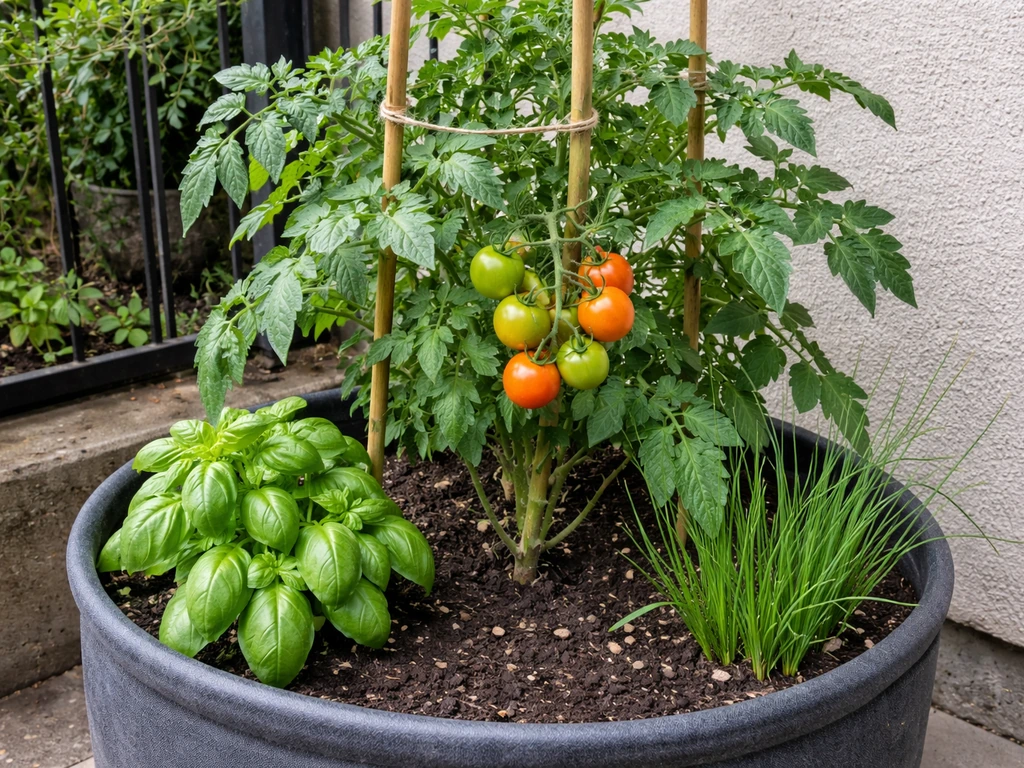
If you want to grow food, tomatoes are the classic choice for a reason: they're deeply rewarding, grow well in containers or beds, and produce heavily if given enough sun (at least 8 hours daily). For fastest return, radishes (25 days), lettuce (45 days), and bush beans (50 days) deliver harvests before summer even starts. If you're researching what plants to grow specifically for food production in a small space, lettuce cut-and-come-again varieties are hard to beat: you sow, they grow, you snip leaves and they regrow from the same plant.
Herbs: flavor and function
Basil, chives, rosemary, and thyme are the workhorses of a culinary herb garden. Basil needs heat and direct sun, so it's a summer herb. Chives are perennial, cold-hardy, and almost maintenance-free. Rosemary thrives in dry, warm conditions and will overwinter in zones 7 and above. If you only grow one herb, make it chives: they regrow from the same clump year after year, require nearly zero care, and taste great on almost everything.
Flowers and aesthetics
For cut flowers and visual impact, zinnias are the easiest annual you can grow. Direct-sow them after your last frost, give them sun and reasonable water, and they'll bloom continuously from July through frost. For perennial color that comes back every year, coneflower (Echinacea) is productive, drought-tolerant, native to much of North America, and attracts pollinators. Marigolds deserve a mention too: they repel certain pests, bloom all season, and grow in almost any soil.
Medicinal and functional herbs
Echinacea, calendula, lemon balm, and chamomile are the most approachable medicinal herbs for a home garden. Calendula is especially easy: it's a cool-season annual that can be direct-sown in early spring, blooms quickly, and has genuine skin-soothing properties. Lemon balm is a perennial in zones 4 to 9, grows like a weed (container it to control spread), and makes excellent tea. These plants overlap with the flower category, giving you both aesthetics and utility from the same plant.
Common mistakes and quick troubleshooting when a plant won't thrive
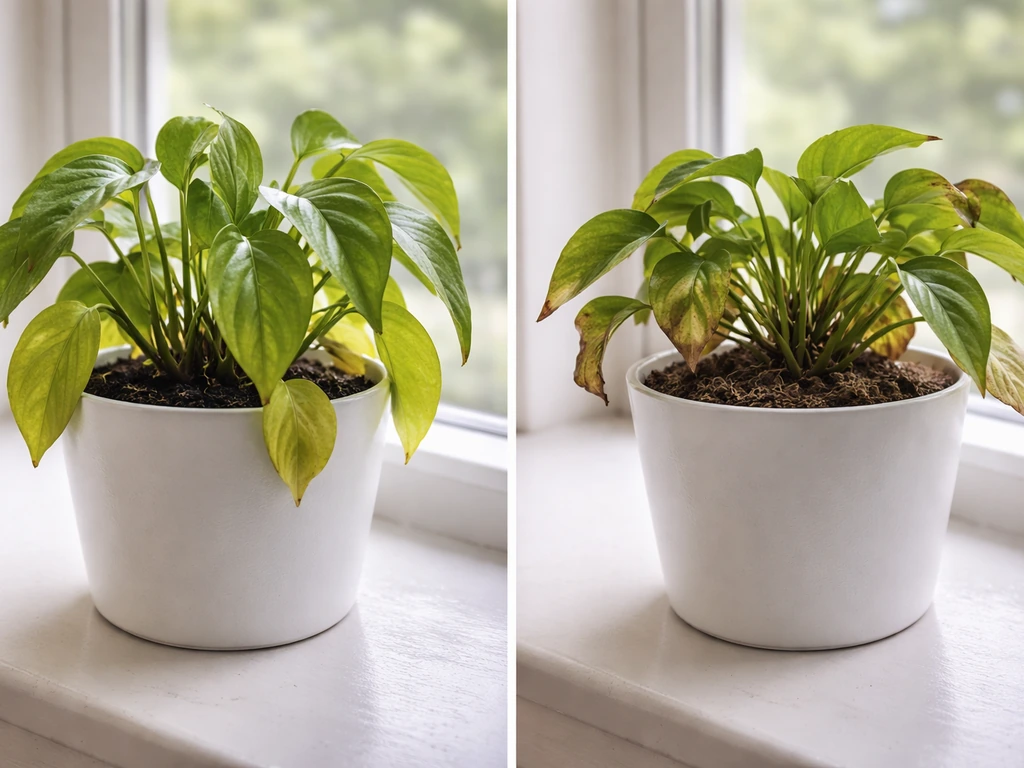
Most plant failures come down to a short list of predictable problems. Knowing them ahead of time means you can catch issues early instead of watching a plant slowly decline and wondering why.
Overwatering is the number one killer of houseplants. UConn Extension research confirms that improper watering is the main cause of houseplant demise, and overwatering keeps the potting media saturated in a way that displaces oxygen and contributes directly to root death. The fix is simple: don't water on a schedule, water when the top inch or two of soil is dry. Stick your finger in the soil. If it's still moist, wait. And never let a pot sit in a saucer full of water for more than 30 minutes after watering.
According to UC IPM research, houseplant decline is most commonly linked to improper watering (in both directions), improper fertilization, root diseases, poor sanitation, and adverse environmental conditions including low light and low humidity. That list is actually reassuring: almost all of it is fixable if you catch it early. Low humidity is the sneaky one, especially in winter with forced-air heating. A small pebble tray with water under the pot or grouping plants together helps significantly.
Root rot deserves its own mention because it's easy to prevent and hard to reverse. University of Wisconsin Extension advises keeping plants from sitting in drainage water and ensuring good soil drainage to prevent root rot. If you pull a plant out of the pot and see black, mushy roots, cut them off with clean scissors, repot into fresh dry mix, and hold off on watering for a week. The plant may recover if you catch it in time.
For outdoor plants, the most common mistakes are planting too early (before the last frost), not hardening off transplants before putting them outside, and underwatering during the establishment phase. Transplants need consistent moisture in their first two to three weeks, even if the species is drought-tolerant once established.
| Symptom | Likely Cause | Quick Fix |
|---|---|---|
| Yellow leaves (indoor) | Overwatering or low light | Let soil dry out; move closer to light source |
| Drooping despite wet soil | Root rot | Unpot, trim black roots, repot in fresh mix |
| Leggy, stretched stems | Insufficient light | Move to brighter spot or add a grow light |
| Brown leaf tips (indoor) | Low humidity or fluoride in tap water | Use filtered water; add humidity tray |
| No flowers on outdoor plant | Too much nitrogen or not enough sun | Reduce fertilizer; ensure 6+ hours direct sun |
| Wilting transplant outside | Transplant shock or underwatering | Water deeply daily for first two weeks; shade if needed |
A simple plan: what to buy now and how to start
Here's a direct decision path based on your situation. Pick the description that fits you best and follow the action steps.
If you're indoors with low to medium light
Buy a pothos or snake plant from any garden center or big box store. Get a pot with drainage holes that is one size larger than the nursery pot it comes in. Fill with standard indoor potting mix, not garden soil. Set it in your brightest available spot. Water when the top inch of soil is dry, typically every 7 to 14 days in spring. That's it. You should not need to fertilize until summer, and even then a diluted liquid fertilizer once a month is plenty.
If you're indoors with bright light or a south-facing window
Start a kitchen herb pot. Buy a 6 to 8 inch pot and plant one herb per container (they compete if crowded). Chives and parsley tolerate a bit less light than basil, so match the herb to your actual lux measurement. Water when the soil surface dries out. Harvest regularly by snipping stems, which encourages new growth rather than suppressing it.
If you have outdoor space and want food fast
If you're curious about the top plants to grow for quick outdoor harvests, the honest answer in April is: lettuce, spinach, and radishes if you're in zones 5 to 7, and tomato transplants plus beans if you're in zones 8 and above. Buy seed packets or starts at your local nursery today. Prepare a bed or fill containers with a quality vegetable mix. Plant, water in well, and mulch lightly to retain moisture. Set a twice-weekly watering reminder until plants are established.
If you want low-effort outdoor color
Buy zinnia seeds and marigold transplants. Direct-sow zinnias after your last frost date (check with the frost calculator mentioned earlier). Plant marigolds now in warmer zones, after frost in northern areas. Both tolerate most soil types, need at least six hours of sun, and require very little beyond initial watering to establish. Deadhead spent flowers every couple of weeks to keep them blooming through fall.
If you want a longer-term perennial investment
Plant a coneflower (Echinacea) or chive clump now. Both come back every year, require minimal maintenance once established, and get better with age. When you look at the top 10 plants to grow for long-term garden value, perennials like these nearly always make the list because of how little you need to do after year one. Plant in a sunny spot, water for the first season, and let them do their thing.
Whatever you choose, the most important step is simply starting. A plant in a pot today, even an imperfect choice, teaches you more in one season than any amount of reading. Pick the option that fits your light and space right now, buy it this week, and adjust next season based on what you learned. That's how every good gardener got good at it.
FAQ
What’s the best way to recover a plant that’s already dying, even if I picked the right plant type?
Not always. If your plant is struggling, the first step is to check whether light is too low or watering is off. Look for symptoms that match the most common causes: yellow, soft leaves and consistently damp soil usually mean overwatering, while pale new growth and stretching usually means insufficient light. Then adjust one variable at a time (light or watering), and wait 7 to 14 days to judge the result before changing anything else.
How can I tell if my measured light is actually good enough for the plant I chose?
For indoor plants, use your lux reading as the primary guide, then sanity-check it with what the plant is doing. If a plant requires “bright light” but you measure low-light conditions, you’ll often get slow decline even when you water correctly. A practical rule: if it’s under 1,000 lux, choose true low-light plants, or plan to add a grow light and position it close enough to hit the target range (not across the room).
Should I change what I grow or how I water when seasons shift indoors?
Yes, and it’s a major edge case. Many plants tolerate lower light temporarily, but they usually need more light in winter because growth slows and water needs drop. If you keep watering on the same schedule year-round, the plant can fail in winter even though it looked fine earlier. In practice, reduce watering frequency in winter and rely on the “top inch dry” check.
If I’m busy, can I water plants on a fixed schedule instead of checking soil moisture?
Don’t. A schedule often causes trouble because soil dries at different speeds based on season, temperature, pot size, and whether the plant sits near a heat vent or window. Instead, check moisture directly: stick a finger into the soil. If the top inch is dry, water thoroughly until it drains, then empty the saucer after 30 minutes.
What should I do if my chosen plant is in a decorative pot without drainage holes?
If the pot doesn’t have drainage holes, you’re increasing the risk of root rot immediately. For most of the “best beginner plants” mentioned, the fix is to repot into a container with drainage and use a true indoor potting mix (not garden soil, which compacts indoors). If you must use a decorative cachepot, keep the nursery pot inside and ensure excess water can fully drain out.
How do I avoid the most common mistake of watering too much when a plant looks wilted?
Overwatering can still be a problem even if the plant looks “thirsty.” Check two things before watering outdoors or indoors: soil dryness and soil odor. Dry, crumbly soil means you can water, while soggy soil plus a sour smell suggests root issues. Also avoid frequent small sips outdoors, they can keep roots in overly wet conditions during cool weather.
How much does container size and plant spacing really matter for the “best plant to grow” choice?
Yes, especially for herbs and balcony container plants. Overcrowding reduces airflow and makes the soil stay damp longer, which increases disease risk and can stunt growth. A simple decision aid: if mature size will touch other plants, give each plant more space now, or choose a smaller variety and reduce the number of plants in one container.
Should I fertilize immediately after buying a plant or starting seeds?
Start with the basics, then use the plant’s behavior to refine. If you want low maintenance, most of the “set it and learn it” choices rely on correct light and correct watering, not heavy fertilizing. A good next step is to skip fertilizing for at least the first several weeks after purchase or planting, then add diluted fertilizer only when the plant is actively growing.
What’s the right way to harden off transplants before moving them outdoors?
Usually, you should harden off transplants gradually when nights are near the outdoor target temperature and frost risk has passed. A common mistake is moving plants outside abruptly, which triggers leaf damage and slow recovery. Use short outdoor exposures that increase over several days, then keep initial watering consistent for the first 2 to 3 weeks.
When should I inspect roots instead of just adjusting watering?
If you see consistent yellowing plus damp soil, assume watering is the issue first. If soil is drying out normally but leaves still decline, check light level and consider whether the plant is suffering from a root problem. For root rot, the most reliable action is to inspect roots, remove black or mushy sections with clean scissors, repot into fresh dry mix, and pause watering for about a week to let things stabilize.
What should I do if my local forecast keeps changing near the last frost date?
If your region is near the frost transition, hedge by using short timing decisions rather than guesswork. For example, start cool-season crops that tolerate light frost when soil is workable, and delay warm-season plants until after the last frost. You can also use a simple season extender (row cover or cloche) to reduce risk without fully changing your plant plan.
Next Article
Best Indoor Plants That Grow Tall: Top Picks & Care Guide
Best tall indoor plants by light, care and season, real heights, potting, pruning, pests, plus a quick picker's guide.