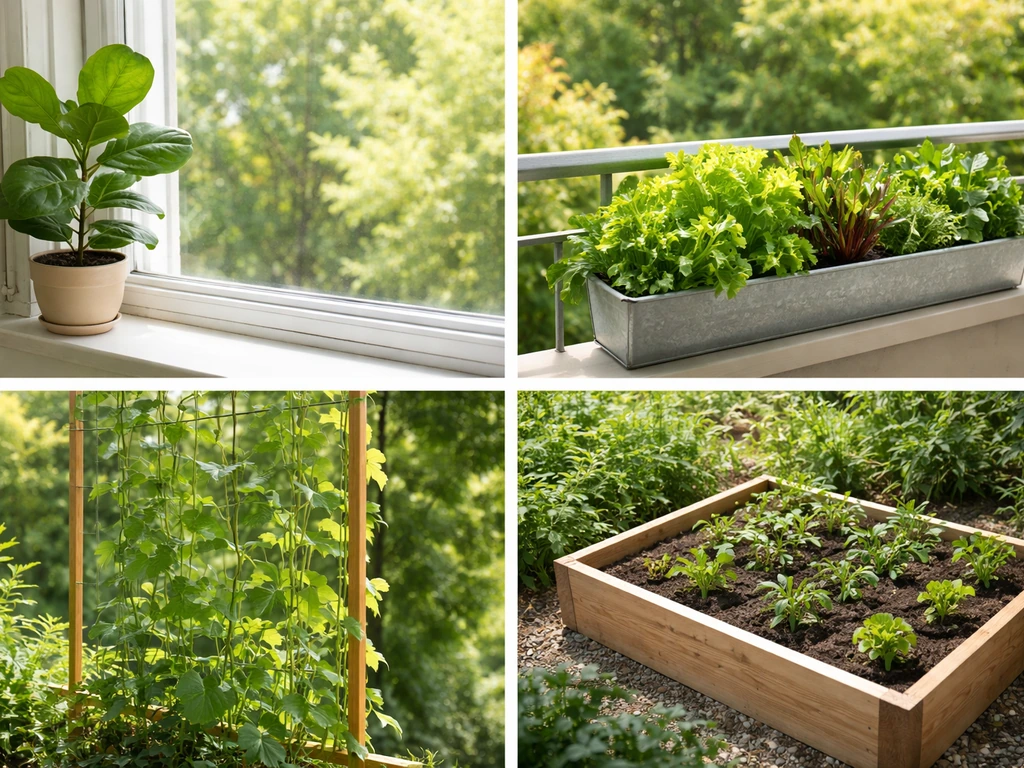
The top plants to grow right now depend on three things: where you live, what kind of space you have, and what you actually want out of the experience. If you want a quick starting list, this guide shares the top 10 plants to grow for different spaces and skill levels. If you're indoors with low light, a snake plant or ZZ plant will outlast almost anything else. If you're outside in late spring with a patch of ground, lettuce, peas, radishes, and basil are all ready to go this week. And if you want something fast and hard to kill, radishes give you a harvest in 25 days. Everything below is sorted by situation, so find yours and start there. If you're looking for inspiration, start with common plants to grow for your space and climate.
Top Plants to Grow: Pick the Best Ones for Your Space
Rachel Hartley
19 May 2026

How to pick the right plants for your space and climate
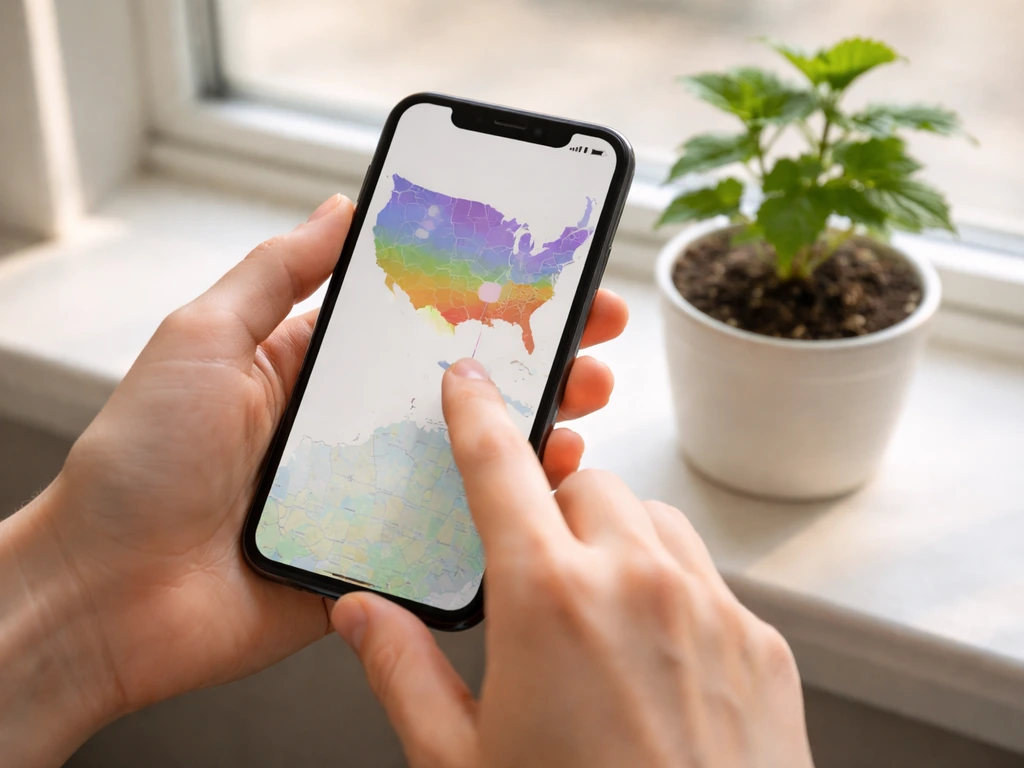
Before buying anything, spend two minutes on the USDA Plant Hardiness Zone Map. Enter your ZIP code and you'll see which zone you're in. This tells you which perennials can survive your winters and sets the baseline for everything else. Zone numbers run cold to warm, so Zone 4 is much colder than Zone 9. It's the standard growers use for a reason, and it takes about 60 seconds to look up.
Once you know your zone, check your frost dates. The Old Farmer's Almanac has a free Frost Dates Calculator where you enter your ZIP and get your average last spring frost and first fall frost dates. That window between those two dates is your outdoor growing season. Everything else, from when to sow seeds to when to bring pots inside, revolves around it. A frost date is officially defined as a day where temperatures drop to 35°F or lower, so it's not just a hard freeze you're watching for.
One thing most guides skip: your microclimate matters. If your yard sits in a low spot where cold air pools, you might lose plants that survive a few blocks away. Conversely, a south-facing wall or a patio with lots of concrete can act as a small heat island, letting you push a zone warmer than your official number suggests. Pay attention to where frost hits hardest in your yard versus where it doesn't. That knowledge is worth more than any zone map.
After zone and timing, think through your actual space. Ask yourself these questions before you buy:
- Indoors or outdoors? (Container plants need drainage holes and dry out faster than ground plantings)
- How many hours of direct sun does your space get? Count honest hours, not approximate ones
- Do you want to eat it, look at it, or just keep something alive with minimal effort?
- How much time weekly can you realistically give to watering and maintenance?
- Are you starting from seed (longer but cheaper) or buying transplants (faster, easier)?
Answering those questions will narrow your list from hundreds of options to maybe ten. Everything after this point is built around those filters.
Top easy houseplants for low-light and bright-light homes
Most apartments and offices fall into the low-light category whether people realize it or not. A room with windows but no direct sun hitting the floor counts as low light. The plants below are sorted honestly by what they actually tolerate, not what catalog descriptions optimistically claim.
Low-light winners (north-facing windows, interior rooms, dim corners)
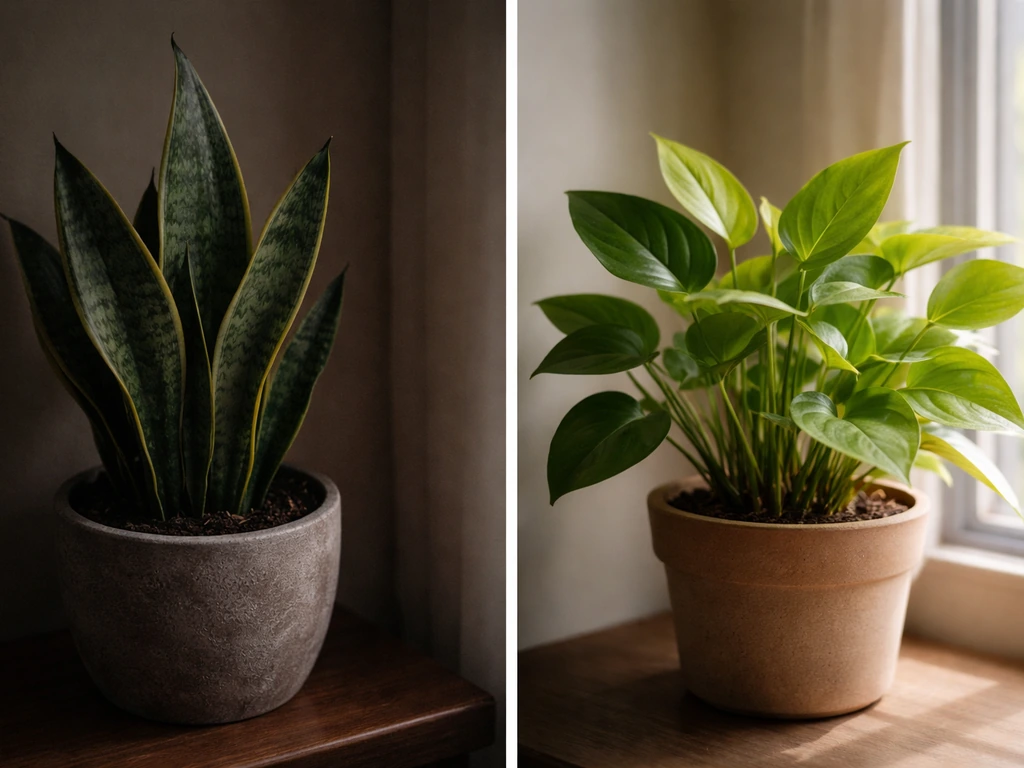
- Snake plant (Sansevieria): One of the most forgiving plants in existence. Acclimating easily to low light conditions, it handles neglect, inconsistent watering, and poor light better than almost anything. Water it once every two to three weeks and leave it alone.
- ZZ plant (Zamioculcas zamiami): Thrives at around 1,000 to 1,500 foot-candles, which is dim by most plant standards. Its waxy leaves store water, so it's extremely drought-tolerant. This is the plant for someone who travels or forgets.
- Heart-leaf philodendron: Grows in as little as two hours of bright indirect light per day, though it will slow down in lower conditions. Vines attractively, tolerates irregular watering, and tells you when it's thirsty by drooping slightly before bouncing back.
Bright-light picks (south or west windows, sunrooms, well-lit kitchens)
- Pothos: Technically tolerates low light but genuinely thrives with a few hours of indirect bright light. Fast-growing, trails beautifully, and nearly impossible to kill.
- Basil (indoors): Needs more than 10 hours of light per day to perform well indoors, so this one really does need a sunny south-facing window or a grow light. It's a commitment, but fresh basil at arm's reach is worth it.
- Spider plant: Handles a range of conditions but rewards brighter indirect light with faster growth and those satisfying trailing babies. Great for hanging baskets near windows.
The honest rule for houseplants: most losses come from overwatering, not underwatering. Yellow lower leaves and leaf drop usually signal too much water. Wilting with gray-green color usually means too little. When in doubt, wait another few days before watering rather than adding more. Your instinct to water is almost always premature.
Top outdoor plants matched to the current season
It's mid-May 2026. If you're in most of the continental US, you're right at or just past last frost, which means you're in prime spring planting territory for cool-season crops and the very beginning of warm-season plantings. Here's how to think about it by season.
Right now: late spring (May, most US zones)
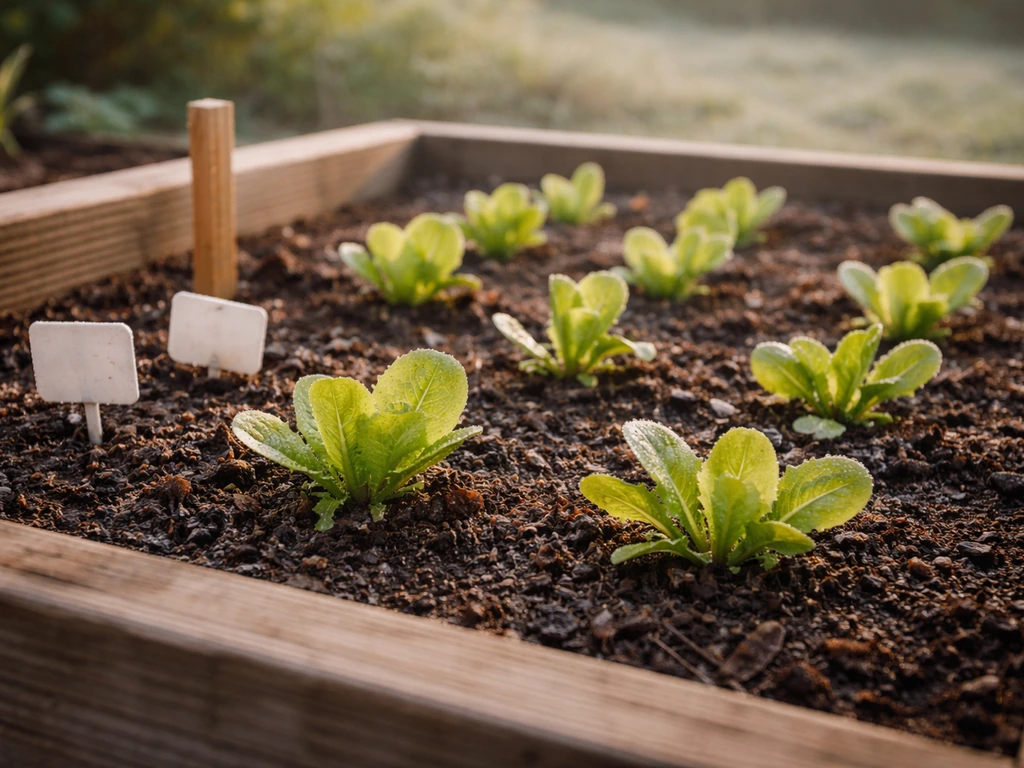
- Lettuce: Days to maturity range from 40 to 80 days depending on the type. It tolerates light frost, so you can still start it now even if you had a late spring. Direct-sow or transplant this week.
- Peas: Cool-season crop that needs soil and air temps below 80°F. Most varieties take about 60 days. If you're in a warmer zone, you may already be at the tail end of pea season, so check your average temps before planting.
- Radishes: Fast, satisfying, and beginner-proof. Seedlings emerge in about 10 days and are ready to harvest in 25 to 35 days. Full sun preferred (at least 6 hours). Succession plant every 10 days for a continuous harvest.
- Marigolds: Tough, cheerful, and insect-deterring. Direct-sow after frost and they'll bloom all summer with almost no care.
- Tomato transplants: If you're past last frost and your soil is above 60°F, plant tomato transplants now. Starting from seed at this point is too late in most zones without a long growing season.
Summer (June through August, warmer zones)
- Zucchini and summer squash: Fast, productive, almost comically easy in warm weather. One or two plants is usually enough.
- Sunflowers: Direct-sow after last frost and they handle heat well. Low maintenance, dramatic height, and birds love the seeds in fall.
- Zinnias: Full-sun annuals that thrive in summer heat and bloom continuously when deadheaded. One of the best low-effort color plants for summer.
Fall (September through October, most zones)
- Kale and spinach: Cool-season crops that taste better after light frost. Direct-sow 6 to 8 weeks before your first fall frost date.
- Pansies: Hardy annual that handles cold well. Plant in fall for late-season color that often survives into early winter in zones 6 and above.
- Garlic: Plant cloves in fall (October to November depending on zone) for summer harvest. One of the easiest long-season crops.
Best container and balcony plants (spillers, climbers, and compact picks)
Container gardening opens up possibilities for anyone without a yard, but it also changes the rules significantly. Containers dry out faster than ground soil. They restrict root growth. They need drainage holes at the bottom (no exceptions, and don't add a layer of gravel inside because it actually worsens drainage and wastes root space). When you water, apply enough so it flows out the drainage holes, then stop. Check the top 1 to 2 inches of potting mix before each watering: if it's dry, water. If it's still moist, wait.
Spillers (trail over the edge of containers)
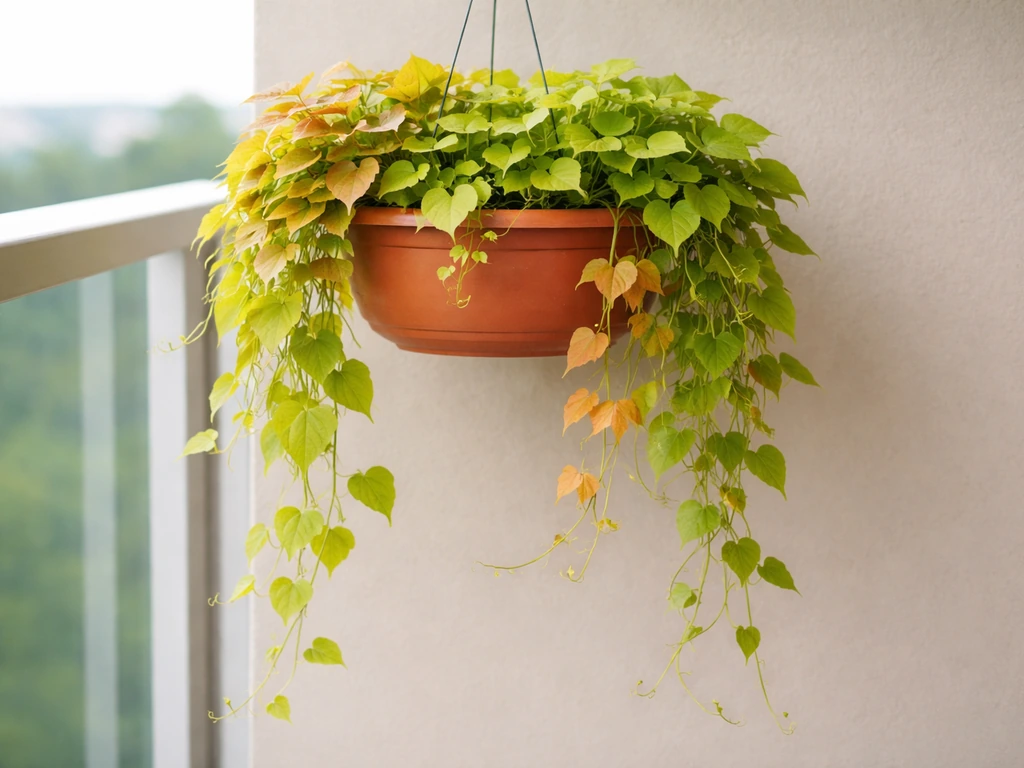
- Sweet potato vine: Aggressive, colorful, and heat-tolerant. Fills in fast and drapes dramatically over pot edges.
- Trailing nasturtium: Edible flowers, easy from seed, handles poor soil well. A great double-duty spiller for balconies.
- Creeping Jenny: Chartreuse foliage that adds contrast to any mixed container.
Climbers (use vertical space on balconies and trellises)
- Scarlet runner beans: Fast-growing, beautiful red flowers, and edible beans. Give them a trellis or vertical string to climb.
- Morning glory: One of the easiest climbers from seed. Blooms prolifically from midsummer. Note: can self-seed aggressively.
- Climbing peas: Perfect for spring containers with a small trellis. Cool-season, so plant now in most zones.
Compact picks (stay manageable in tight spaces)
- Dwarf basil: Stays tidy and bushy, perfect for a small herb pot on a sunny windowsill or balcony railing.
- Cherry tomatoes (patio variety): Specifically bred for containers. 'Tumbling Tom' and 'Patio' varieties work well in 12+ inch pots with good drainage.
- Lettuce mix: Shallow-rooted, fast, and you can harvest outer leaves continuously. Works in window boxes, small troughs, or any container at least 6 inches deep.
One container-specific note: because you water frequently, nutrients wash out fast. Use a slow-release fertilizer mixed into your potting mix at planting, and supplement with a liquid feed every two to three weeks during the growing season. Ground garden soil used in containers tends to compact and drain poorly. Use a quality potting mix instead.
Fast-growing and low-maintenance plants for beginners
If you're new to growing things or just want a win this week, prioritize speed and resilience over variety or impressiveness. The plants that will disappoint you least are the ones that give fast feedback and tolerate beginner mistakes.
| Plant | Time to Results | Light Needed | Beginner-Proof Factor |
|---|---|---|---|
| Radish | 25–35 days to harvest | Full sun (6+ hrs) | Very high: sow direct, thin, water, done |
| Lettuce | 40 days (loose-leaf) | Partial to full sun | High: tolerates light frost, harvest as you go |
| Snake plant | Grows slowly but won't die | Low to bright indirect | Extremely high: thrives on neglect |
| ZZ plant | Slow grower but bulletproof | Low to medium indirect | Extremely high: drought-tolerant, very forgiving |
| Basil (from transplant) | 3–4 weeks to usable size | Full sun (10+ hrs or grow light) | Medium: needs heat and light, sensitive to cold |
| Sunflower | 60–80 days to bloom | Full sun | High: direct-sow, water regularly, minimal fuss |
| Nasturtium | 6–8 weeks to flower | Full sun to partial shade | Very high: tolerates poor soil, self-seeds |
Radishes are genuinely the fastest edible you can grow outdoors. Sow them now, thin the seedlings once they get their second set of leaves, and you'll be pulling them from the ground before June. If you want the easiest indoor plant on earth, the ZZ plant or snake plant will still be alive in two years with minimal intervention. Start with those before moving to anything more demanding.
Food, herbs, and edible landscaping top picks
Growing food is more accessible than most people think, and you don't need a large garden to do it. The key is matching the plant to your current timing and conditions rather than just growing what sounds appealing.
Herbs worth growing right now
- Basil: Direct-sow outdoors once soil hits 60°F (which is now in most zones). Indoors, germination takes 5 to 7 days and you'll have transplant-ready seedlings in 3 to 4 weeks. Needs real light, 10+ hours. Pinch flowers as they form to extend harvest.
- Cilantro: Easy and quick to grow from seed. It bolts (flowers and sets seed) fast in heat, so succession-plant every 2 weeks for continuous harvest. In hot climates, grow in part shade to slow bolting.
- Chives: Perennial in most zones, low-fuss, and useful constantly. Direct-sow or divide an existing clump. One of the best herbs for beginners because it essentially takes care of itself.
- Mint: Grows aggressively. Keep it in a container so it doesn't take over your garden. Extremely forgiving of neglect and partial shade.
Vegetables with the best return on effort
- Lettuce: Easy cool-season crop, 40 to 80 days depending on type, light frost tolerant. Harvest outer leaves and the plant keeps growing. Works in containers too.
- Peas: Cool-season, about 60 days, needs temps below 80°F. Plant now in most northern zones while conditions are still right. Vining types keep producing longer if you pick pods every day or two at harvest.
- Radishes: 25 to 35 days to harvest, full sun, succession plant every 10 days. Genuinely the easiest vegetable reward.
- Cherry tomatoes: More forgiving than large-fruited types and faster to produce. In containers, use patio-bred varieties. In the ground, almost any cherry variety works well.
Edible landscaping worth considering
- Strawberries: Need full sun for maximum fruit production. June-bearing types give one big harvest; everbearing types produce smaller amounts across the season. Annual thinning improves yields significantly.
- Nasturtiums: Edible flowers and leaves with a peppery flavor. Looks good in borders, trails in containers, and requires almost zero effort.
- Kale: Doubles as an ornamental in mixed borders with its textured foliage. Tough, productive, and actually tastes better after a frost.
Hardiness, watering, and the failure points that actually kill plants
Most plant failures come down to a short list of avoidable mistakes. Here's what actually kills plants and how to stop it before it starts.
Overwatering is the number one killer
Don't water on a schedule. Water based on what the plant and soil are telling you. For houseplants, let the top inch or two dry out before watering again. Yellowing lower leaves and leaf drop usually mean roots are sitting in too much moisture. Wilting with gray-green color usually means too dry. For containers outdoors, check the top 1 to 2 inches of potting mix and water until it flows freely from the drainage holes, then stop. Never let pots sit in standing water.
Drainage problems cause slow death
Every container needs drainage holes. Not optional, not improvised with gravel at the bottom (that actually makes drainage worse, not better, and wastes root space). If a pot doesn't drain, roots rot. That's the whole story. When choosing containers, match the size to the plant: a small plant in a huge container leaves too much unused wet soil around the roots, which also encourages rot. WVU Extension also notes that container depth and size should accommodate mature roots, and that watering needs vary with factors like light, wind, temperature, humidity, and pot or media volume match the size to the plant.
Mismatching plants to your zone and season
A perennial that's rated for Zone 7 will likely die in Zone 5 winters, no matter how good your care is. Check your USDA zone before buying perennials. For annuals and vegetables, the frost date is what matters more than zone. Planting basil before soil hits 60°F or putting out tomato transplants before your last frost date almost guarantees failure. That two-minute frost date check saves a lot of dead seedlings.
Light requirements that are frequently ignored
"Full sun" means 6 to 8 hours of direct sun, minimum. Radishes, tomatoes, basil, and strawberries all need this. Putting them in 3 or 4 hours of light means weak, unproductive plants. Count your actual sun hours before choosing a spot, especially outdoors where buildings, trees, and fences create more shade than most people account for. Indoors, most rooms qualify as low light. A bright room with indirect light is medium. Direct sun through a south or west window is the only way to grow most edibles inside without a grow light.
Pest and salt issues that sneak up on you
Fungus gnats are common in containers and indoor pots, especially when potting mix stays wet. blank" rel="noopener noreferrer">Heavy larvae populations cause yellowing, dropping leaves, and stunted growth. The fix is simple: let the top inch of soil dry out between waterings and the gnats lose their breeding ground. On salt buildup from fertilizer: if you see brown leaf tips, reduced growth, or wilting despite adequate watering, soluble salt accumulation could be the culprit. Flush the soil thoroughly with plain water every month or two to clear it out.
The practical summary: check your zone, look up your frost dates, match the plant to your real light conditions, use containers with drainage holes, and water based on soil moisture rather than a fixed schedule. Do those five things consistently and you'll sidestep 90% of the problems most beginners run into. If you want to go deeper into narrowing your specific plant list, browsing by best plant to grow for your goal or what plants to grow by season are good next steps for getting even more targeted with your picks. Browsing by best plant to grow for your goal can quickly narrow down the right options for your space and conditions.
FAQ
How do I choose the top plants to grow if I’m not sure my light is “low,” “medium,” or “full sun”?
Do a simple 3-day check. Place the plant where you plan to keep it, then note whether any direct sun hits the leaves and for how long. If you get no direct sun on the floor for most of the day, treat it as low light. If you see bright light but no leaf-level direct sun, treat it as medium. For edibles, only count hours when sunlight directly reaches the plant, not just the room.
What should I do if my plants keep dying even after I stop following a watering schedule?
Check whether the problem is drainage and pot size. If a plant stays wet for days or sits in a tray with water, root stress can cause leaf drop and stunting even with “correct” watering timing. Confirm drainage holes are open and empty any outer decorative cachepot after watering. Then verify the container is not oversized for the root ball.
Can I grow cool-season plants in summer if I’m late to planting?
Often yes, with adjustments. Look for varieties labeled heat-tolerant (especially lettuce) and expect slower growth during peak heat. Provide afternoon shade or use a microclimate trick like a wall-side location where temperatures don’t spike as high. Start earlier in the day to reduce heat stress, and consider succession planting rather than one big sowing.
Do USDA zones still matter for vegetables and annuals?
Zones matter less for vegetables than frost timing. Use the last spring frost and first fall frost to decide when to sow and transplant. Zones are most useful for perennials, where survival across winter temperatures is the main constraint.
What’s the fastest way to prevent container nutrient problems as plants grow?
Plan on feeding sooner than you would in-ground. Containers wash nutrients out quickly, so mix a slow-release fertilizer into potting mix at planting, then add a liquid feed every 2 to 3 weeks during active growth. If growth stalls despite regular watering, check for salt buildup as well and flush the soil occasionally with plain water.
Why do I get fungus gnats even when my plants seem healthy?
Gnats indicate consistently wet topsoil. Let the top inch of potting mix dry between waterings, since that interrupts the larvae environment. Also avoid watering from the top every time if you can, instead water thoroughly but allow the surface to dry. If your mix stays wet because of dense soil or lack of airflow, switch to a quality potting mix designed for containers.
Is it okay to use gravel or stones at the bottom of a pot to improve drainage?
No. It reduces effective drainage by creating a perched water layer. The right fix is simple: choose a pot with true drainage holes and use a well-draining potting mix. Water until it flows out the holes, then stop, and never leave the pot sitting in a puddle.
How do I know when my “full sun” outdoor spot is actually enough?
Count direct sun hours where the plant leaves would receive light. Many gardens have less usable sun than expected due to shade from fences, trees, and building edges. If you measure only 3 to 4 hours of direct sun, expect weak growth for sun-loving crops and consider shade-tolerant plants instead.
What’s the safest way to start top plants to grow for a first-time indoor gardener?
Pick slow-to-die plants and make one change at a time. ZZ and snake plants are forgiving, but even they need you to let the top inch or two dry before watering. Use pots with drainage and avoid frequent small sips. If you see yellowing lower leaves, pause and reassess moisture rather than adding water sooner.
Should I thin seedlings, and when does thinning become necessary?
Yes for many direct-sown crops because crowding reduces airflow and growth. For radishes, thin once seedlings have their second set of leaves, leaving the spacing the variety needs. Thinning also improves harvest timing, since plants won’t compete as they mature.
What’s the best next step if I already know my zone and frost dates but still can’t decide what to plant?
Start with a goal-based shortlist, then filter by timing and light. Choose 1 fast crop and 1 long crop, and match them to your remaining window before heat or cold hits. If you’re unsure, prioritize plants that provide quick feedback, since beginner mistakes are easier to correct when you can see results within weeks.
Next Article
What Plants to Grow: Pick the Right Ones for Your Space
Get the right plants to grow for your space with light, soil, containers, vertical options, and a season-ready checklist