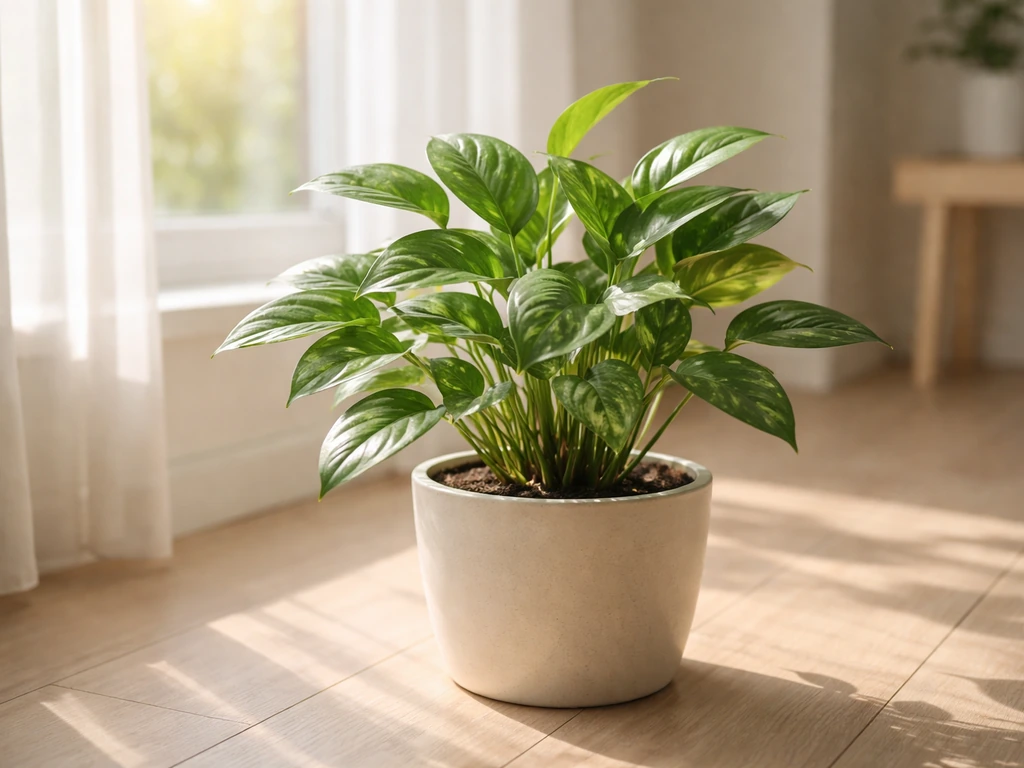
The right plants to grow depend on four things: where you live, what time of year it is, how much space you have, and what you actually want out of your garden. That sounds obvious, but most plant lists skip all of that and just tell you to grow tomatoes. This guide works differently. It walks you through each decision point so you can land on specific plants that will actually survive and produce in your exact situation, starting today, April 12.
What Plants to Grow: Pick the Right Ones for Your Space
Rachel Hartley
12 Apr 2026
How to choose the right plants for your space
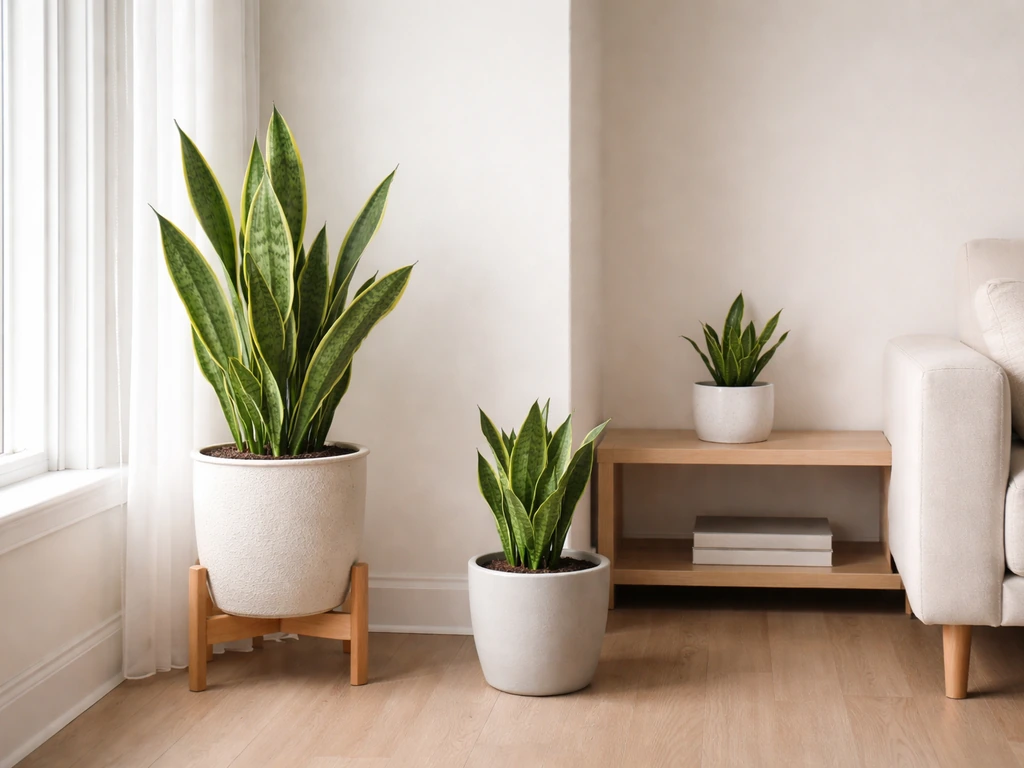
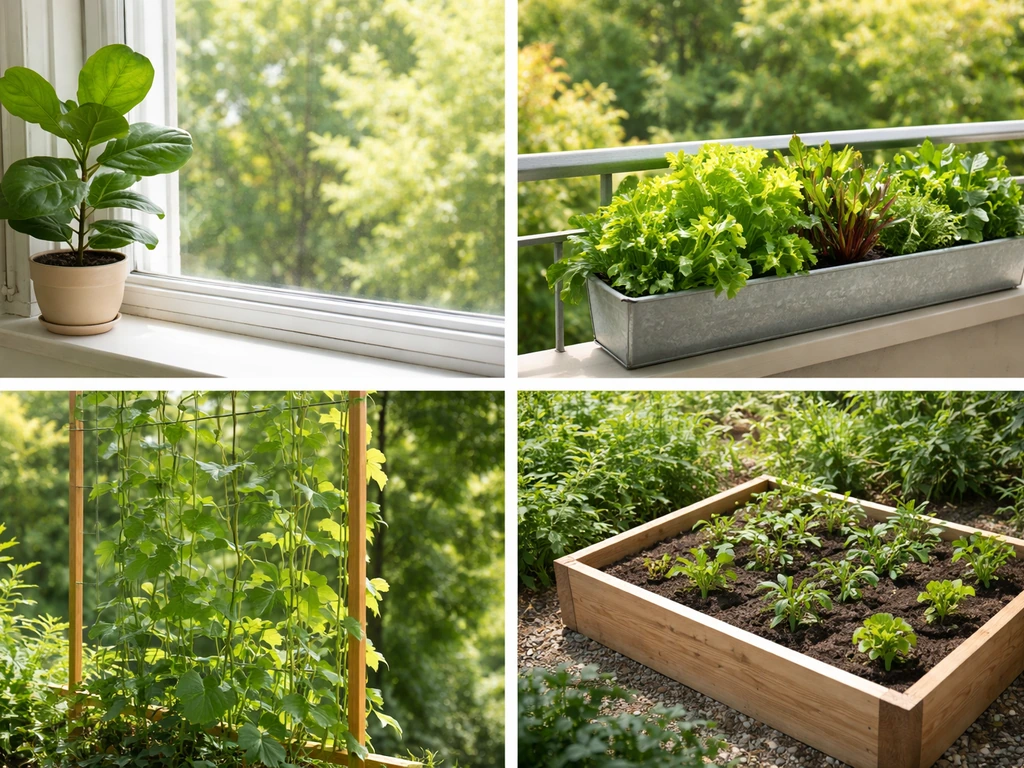
Before you buy anything, answer three questions: How much light does my growing area get? How much room do I have (horizontally and vertically)? And what do I want to harvest or enjoy? Light is the non-negotiable. Fruiting crops like tomatoes, peppers, melons, and squash need at least 8 hours of direct sun per day. Leafy greens like lettuce, spinach, and kale can get by with around 6 hours. If you're working with a shady balcony or a dim windowsill, those fruiting crops will disappoint you every time, no matter how carefully you water them.
Space shapes your plant list just as much as light does. A 10-gallon container on a patio can support one tomato plant or a dense mix of herbs. A 4x4 raised bed can carry a full salad garden. If you're indoors, your ceiling height and window orientation matter more than square footage. The good news: once you know your constraints, narrowing down to the best plant to grow for your specific situation becomes much more straightforward.
For perennial plants, especially anything you want to survive winters outdoors, check the USDA Plant Hardiness Zone Map. It's the standard tool for knowing which perennials are likely to thrive where you live. One important nuance: if your zone recently shifted on the map, don't panic and rip things out. Plants near the edge of their hardiness range can be injured not just by cold but by winter sun causing rapid internal temperature swings, so zone is a guide, not a guarantee either way.
What plants grow in: soil, containers, hydroponics, and indoors
Ground soil
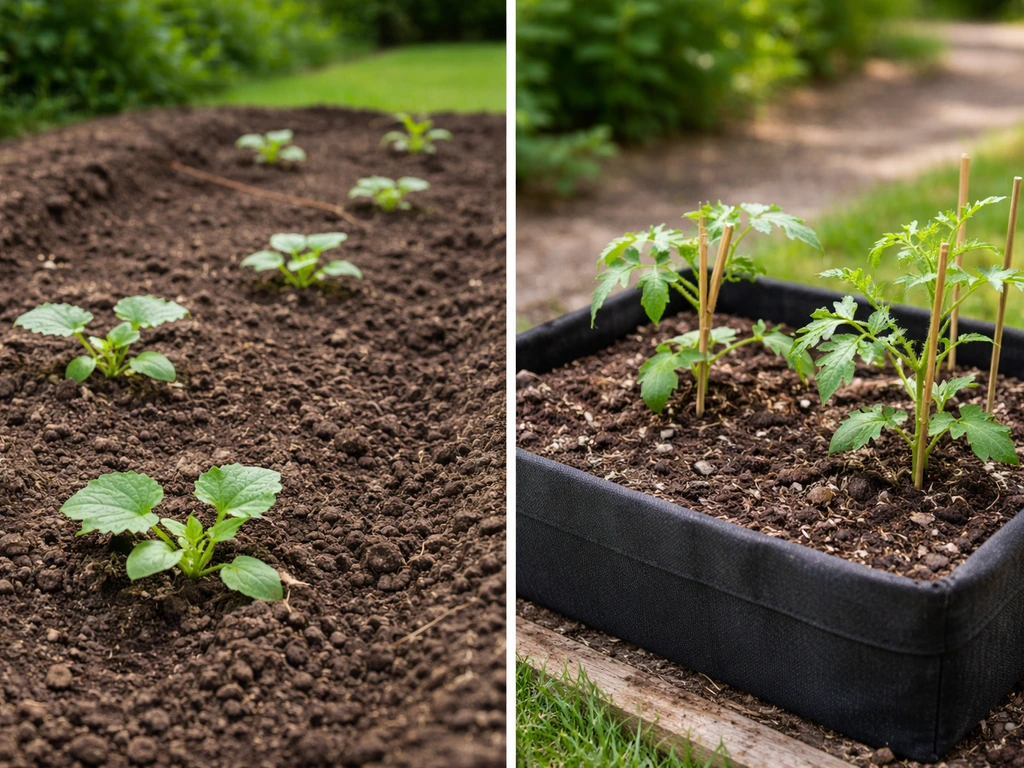
In-ground growing gives plants the most root room and the most forgiving watering schedule. It's ideal for sprawling crops like squash, corn, and fruit shrubs, and for perennials that need to establish deep root systems. The trade-off is that you're working with whatever soil your yard has, which may need amendment. Get a basic soil test before your first season if you haven't already.
Containers
Containers are the most flexible growing method, and they're more capable than most beginners expect. Most vegetables do best in containers holding 2 to 5 gallons and at least 12 inches deep. Always use a commercial potting mix, not soil dug from your yard, which compacts and drains poorly in pots. Make sure your container has drainage holes at the bottom so excess water can escape. One thing that doesn't help drainage: putting rocks or gravel in the bottom of a pot. Research consistently shows this actually raises the water table inside the container rather than lowering it. If your container has no drainage holes, try double-potting: grow your plant in a smaller draining pot set inside the decorative one, and pull it out to drain after watering. Pour off any water that collects in saucers, because sitting in water causes root rot fast.
Hydroponics
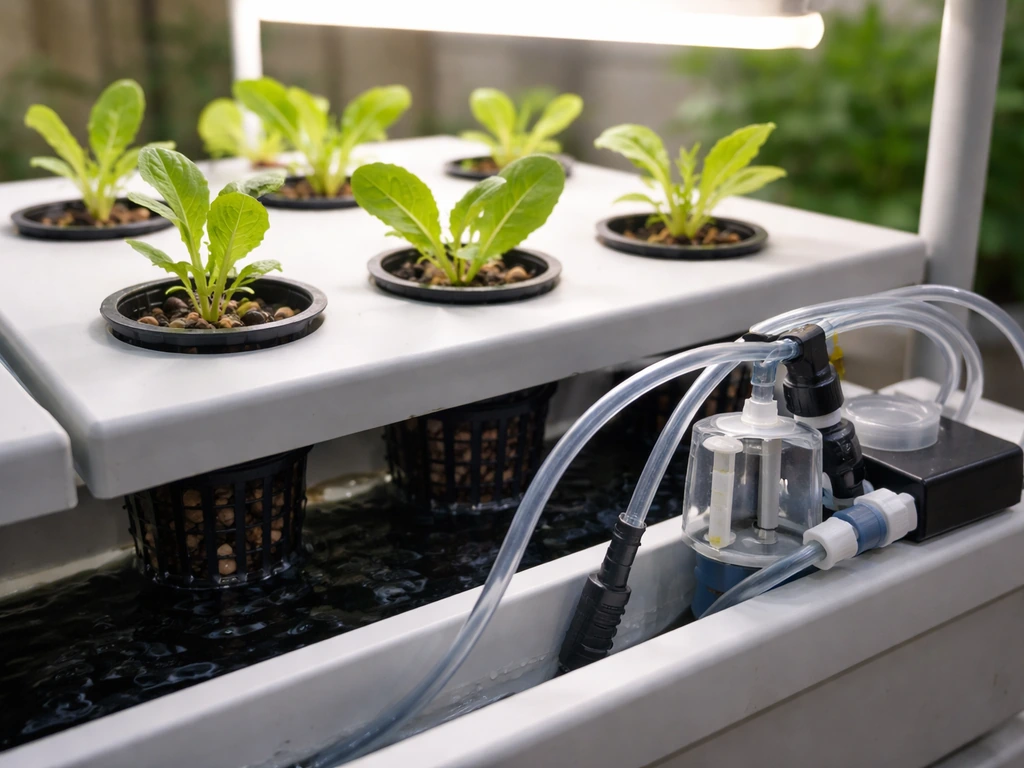
Hydroponics is excellent for leafy greens, herbs, and even peppers if you're willing to manage the system. The most important variables are pH and electrical conductivity (EC). Keep your nutrient solution pH between 5.0 and 6.5, with most sources targeting the 5.5 to 6.5 range as a practical working goal. EC should run 1.5 to 3 dS/m. If pH drifts outside that range, nutrient lockout happens, meaning the plant can't absorb what's in the water even if it's there. Dissolved oxygen above 6 ppm is the other target to aim for in deep water culture systems. Lettuce, basil, and spinach are the most rewarding beginner hydroponic crops because they grow fast, tolerate minor swings, and reward frequent harvest.
Indoor growing substrates
Indoor plants in pots do best in a well-draining potting mix designed for their category, whether that's a cactus mix for succulents, a peat-based mix for tropicals, or a bark-heavy orchid mix. The biggest indoor growing failure isn't the wrong soil, it's overwatering. Excess moisture causes wilting and yellowing of lower and inner leaves, symptoms that look exactly like underwatering and trick people into watering more. If the soil is wet and your plant is wilting, stop watering and let it dry out.
Plants that grow inside: light, humidity, and beginner-friendly picks
Indoor growing success depends on matching a plant to your actual light conditions, not the light you wish you had. A south-facing window in the northern hemisphere gives the most light. East or west windows give moderate light. North-facing windows are genuinely low light. If you don't have enough natural light, fluorescent tubes can bridge the gap for low- to medium-light plants. For basil specifically, you need either a south-facing window with at least 6 hours of sun or fluorescent lights positioned about 6 inches above the plant running 14 to 16 hours a day.
Humidity is the other indoor variable people underestimate. Central heating and cooling drop indoor humidity to 10 to 30%, while tropical plants prefer 70 to 90%. That gap explains why peace lilies and ferns look crispy in winter. A pebble tray with water under the pot, a small humidifier, or grouping plants together all help. Most indoor plants do fine at daytime temperatures of 65 to 75 degrees Fahrenheit with a drop of about 10 degrees at night.
One practical safety note before you stock your indoor garden: some very popular houseplants, including pothos and peace lily, are toxic to pets and children. If you have either, check the toxicity profile of any plant before bringing it inside. Your local extension center can help identify plants if you're unsure what you already have.
| Plant | Light Needed | Humidity Tolerance | Beginner Friendly? | Notes |
|---|---|---|---|---|
| Pothos | Low to medium | Average indoor OK | Yes | Toxic to pets |
| Peace lily | Low to medium | Prefers higher humidity | Yes | Toxic to pets/children |
| Snake plant | Low to bright indirect | Very tolerant | Yes | Extremely forgiving |
| Fern (e.g., Boston) | Low to medium preferred | Needs higher humidity | Moderate | Mist regularly |
| Basil | Bright (6+ hrs or grow light) | Average | Yes with light | Harvest often to keep producing |
| Spider plant | Medium | Average indoor OK | Yes | Great for hanging baskets |
Plants for small spaces and growing down
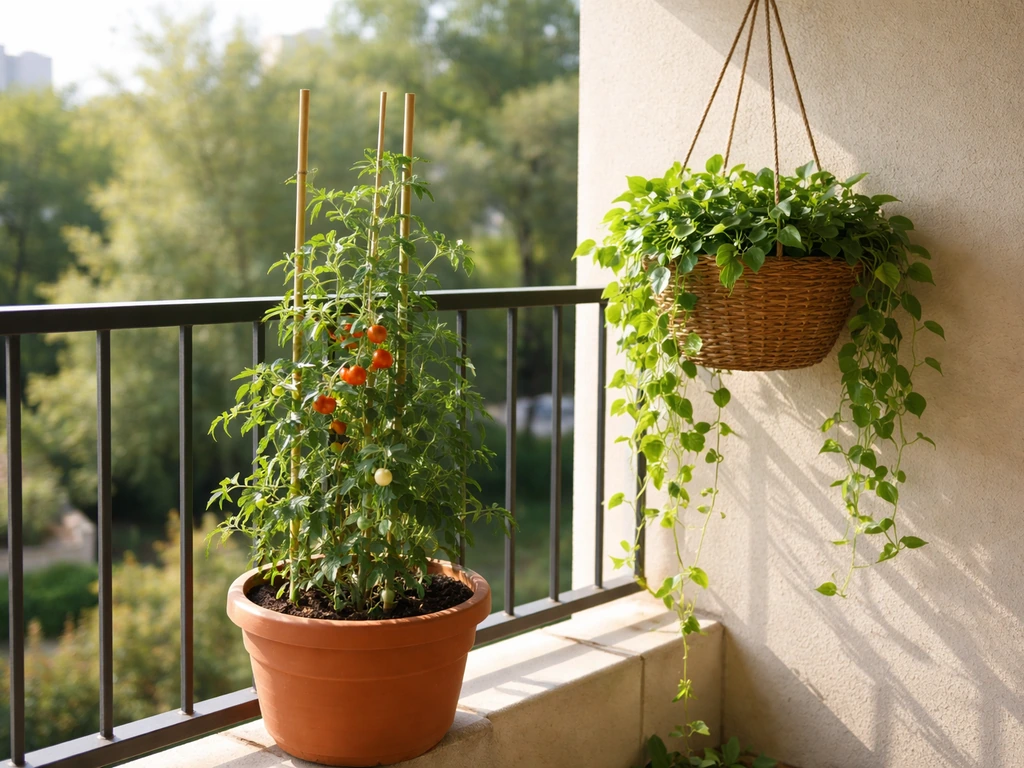
"Growing down" is a real strategy, not just a trendy phrase. Hanging baskets, wall pockets, and trailing plants all use vertical and overhead space that would otherwise go to waste. Strawberries, cherry tomatoes, trailing nasturtiums, and sweet potato vine all cascade beautifully from hanging containers. Cucumbers, pole beans, and indeterminate tomatoes are natural climbers that want to go up, not out, making them ideal for small footprints when given a trellis or stake.
For tomatoes especially, a trellis or stake in the container is worth the effort on multiple fronts. It supports the plant, improves airflow around the leaves, and keeps fruit off the ground where it would rot or attract pests. Common training systems include the stake-and-weave (also called basket weave), overhead trellis, and cage. For container growing, a sturdy cage or a single stake with ties works well. When pruning, leaving the sucker just below the first flower cluster helps manage the plant's shape and reduces fungal disease risk by keeping foliage open to air circulation.
Vertical gardening also pairs well with the idea of exploring top plants to grow in confined urban spaces, where wall-mounted planters and stacked pocket systems let you grow a surprising amount of food or color in just a few square feet. If you're working a balcony or patio, prioritize compact or dwarf varieties labeled for container use, and use a trellis or railing as your vertical support.
- Pole beans: grow up a 6-foot stake or trellis, produce heavily in a small footprint
- Cucumbers: train up a vertical trellis, keep them off the ground to prevent disease
- Indeterminate cherry tomatoes: stake or cage, prune to one or two leaders
- Trailing strawberries: hang from baskets, fill in quickly
- Nasturtiums: cascade from containers, edible flowers and leaves
- Sweet potato vine: dramatic trailer for hanging baskets or window boxes
Seasonal timing: what to plant now and what to stagger next
It's mid-April. In most of the US, that means you're in the prime window for cool-season crops outdoors and approaching the transplant window for warm-season crops in warmer zones. Lettuce, spinach, kale, radishes, and peas can go in the ground or containers right now in most temperate zones. In the South and Southwest, you may already be pushing past the cool-season window, so focus on getting heat-tolerant herbs like basil in the ground after your last frost date when soil temps hit at least 60°F.
For tomatoes and peppers started indoors, the rule of thumb is 3 to 4 weeks of indoor growth before transplanting after frost-free dates. If you haven't started them yet, now is a reasonable time to start seeds indoors in the northern half of the country, with outdoor transplanting following in May or early June.
Succession planting is the move for leafy greens. Rather than planting all your lettuce at once and getting a glut followed by nothing, sow a small amount every 10 to 14 days. Radishes can be sown in 7-day intervals. This keeps you harvesting continuously instead of eating salad twice a day for two weeks and then waiting. The top 10 plants to grow for continuous production all benefit from this staggered approach.
| Crop | Plant Now (April) | Succession Interval | Warm Season Follow-Up |
|---|---|---|---|
| Lettuce | Yes, direct sow | Every 10–14 days | Switch to heat-tolerant varieties or go hydro indoors |
| Spinach | Yes, direct sow | Every 2–3 weeks | Bolt-resistant varieties for late spring |
| Radishes | Yes, direct sow | Every 7 days | Pull before summer heat |
| Basil | Start indoors now | Single planting, harvest often | Transplant outdoors post-frost |
| Tomatoes | Start indoors now | One main planting | Transplant May–June depending on zone |
| Cucumbers | Wait until after frost | One planting, trellis | Direct sow in May–June |
| Pole beans | Wait until soil is 60°F | Every 3 weeks for succession | Productive through summer |
Food, medicine, and aesthetics: matching plants to your goal
What you want to get out of your garden should drive your plant list as much as your light and space conditions. These three goals call for very different choices.
Growing food
If food production is the goal, prioritize high-yield-per-square-foot crops: lettuce, spinach, kale, cherry tomatoes, pole beans, cucumbers, and herbs. Herbs punch well above their weight, because a single basil plant harvested correctly (pinching off flower buds before they open, trimming back to leaf nodes) can supply your kitchen all season. Basil takes about 70 days to full maturity but you can start harvesting leaves much earlier. Harvest frequently to keep it producing rather than letting it go to seed.
Growing medicinal herbs
Medicinal herb gardens are approachable even for beginners. Lavender, echinacea, lemon balm, chamomile, and calendula are all relatively easy to grow and well-documented in traditional use. Most prefer full sun and well-drained soil or containers. The common plants to grow for medicinal purposes overlap heavily with ornamental choices, which is a nice bonus: echinacea and calendula both look great in a border while being genuinely useful.
Growing for aesthetics
If you're growing primarily for looks, your best return on effort comes from plants with a long bloom window or strong structural interest. Zinnias, marigolds, and cosmos are annuals that bloom from summer through frost with minimal care. For perennial interest, black-eyed Susans, coneflowers (echinacea), and ornamental grasses return year after year with very little input once established. For containers and indoor spaces, trailing pothos, snake plants, and peace lilies give year-round visual impact with low maintenance.
Your quick-start decision checklist
Here's how to turn everything above into a plant list you can act on today. Work through these five questions and your list will narrow itself.
- How many hours of direct sun does your space get? Under 4 hours: stick to shade-tolerant greens and indoor plants. 4–6 hours: leafy greens, herbs, flowers. 6+ hours: anything including fruiting crops.
- Are you growing in ground, containers, or indoors? Containers need 2–5 gallon pots with drainage holes and commercial potting mix. Indoors means matching plant to real light levels, not wishful ones.
- What's your frost situation right now? If you're past last frost: transplant warm-season crops. If you still have frost risk: cool-season crops outdoors, start warm-season seeds indoors.
- What do you want: food, medicine, or beauty? Food: lettuce, tomatoes, basil, pole beans. Medicine: lavender, calendula, echinacea, lemon balm. Aesthetics: zinnias, marigolds, snake plant, ornamental grasses.
- How much time can you realistically spend? Low maintenance: snake plant, pothos, marigolds, lettuce. Higher involvement: tomatoes, basil, hydroponics systems.
Three starter lineups based on situation
| Situation | Plant Now | Add in 4–6 Weeks |
|---|---|---|
| Apartment with south window | Basil under grow light, pothos, snake plant | Cherry tomato in 5-gallon pot, trailing nasturtium in hanging basket |
| Patio/balcony with 6+ hours sun | Lettuce in containers (succession sow), herbs in 2-gallon pots | Cherry tomatoes on trellis, pole beans up railing, cucumbers |
| Ground bed, full sun | Lettuce, spinach, radishes (direct sow now) | Tomatoes, peppers, basil transplants after frost; pole beans in May |
Pick the lineup closest to your situation, adjust for your zone and light, and start with just two or three plants if this is your first season. Getting three plants to thrive teaches you more than struggling with twelve. Once you have a handle on what works in your space, you can confidently expand into the full range of what your conditions will support.
FAQ
My balcony is shady most of the day, what plants to grow instead of tomatoes?
If your area gets less light than the plant needs, choose the plant category that matches your actual light rather than trying to “fix” it with watering. Leafy greens (like lettuce, spinach, and kale) are the most forgiving for moderate light, while tomatoes and peppers usually underperform in shade even with good care. If you can add light, fluorescent is mainly a supplement, for best results keep the bulb close (around 6 inches for basil) and run a consistent daily schedule.
Can I mix multiple vegetables or herbs in one container?
Yes, but only if you size them correctly and plan for continuous moisture and nutrition. Herbs in containers are usually happier at the 2 to 5 gallon scale mentioned in the guide, but heavy feeders like cherry tomatoes typically need closer to the upper end and a regular feeding routine. Another mistake is overcrowding multiple plants in one pot, you can do it for a dense herb mix, but don’t combine a large fruiting plant with smaller herbs unless you have plenty of container depth and space for each.
How do I know whether my plants need water versus nutrients?
Use the simplest test that matches the system: in soil and potting mix, check moisture by feel 1 to 2 inches down before watering. In hydroponics, rely on measuring pH and EC rather than guessing from plant appearance. A common mistake is adding nutrients when pH is off, because plants cannot take up what’s present if nutrient lockout is happening.
What should I do first if my hydroponic leafy greens look stressed?
For hydroponics, start with a stable target for pH and EC and adjust gradually. If pH drifts out of the 5.0 to 6.5 band, correct it, then wait and re-check before making multiple changes. Also ensure dissolved oxygen stays high in deep water culture (aim above 6 ppm), because low oxygen can cause root stress even if pH and EC look “okay.”
I’m on the edge of my plant’s hardiness zone, how do I help it through winter?
Hardiness zone is about survival, not perfect performance. If you are at the edge, protect plants from winter sun swings and drying winds by using mulch on the soil surface and considering shade cloth or burlap on the sun-exposed side during cold snaps. Avoid removing everything just because it survived the last winter, edge-zone plants often need extra protection for consistent returns.
My indoor plant is wilting and the soil is still wet, what should I do?
Overwatering is the most frequent indoor killer, especially when soil stays wet for days. If the mix is wet and the plant wilts or yellows, stop watering and let the potting mix dry back before the next watering. If you want a quick preventive step, confirm the container has drainage holes and use the correct mix for the plant type, cactus and succulents generally need a faster-draining blend than tropicals.
Do container tomatoes really need a trellis or stake, and when should I install it?
For tomatoes grown in containers, training is not just about saving space, it also prevents fruit from touching soil and improves airflow. Insert the stake or cage early so you don’t damage roots later, and tie stems loosely as the plant grows. If pruning for shape, keep the sucker just below the first flower cluster as described, then leave enough airflow through the foliage to reduce fungal issues.
How do I succession plant without ending up with more salad than I can eat?
For beginners, start with a short list and a stagger plan that matches crop speed. The guide suggests sowing leafy greens every 10 to 14 days and radishes every 7 days, but the practical adjustment is to choose harvest windows you can manage, if you take vacations or travel, extend the interval slightly rather than planting everything at once.
Why are my spring seeds slow to sprout, what should I check first?
Don’t rely on “looks” after planting to judge success for cool-season crops. For direct sowing in spring, focus on planting at the right time (timed to your last frost and soil temperatures) and keep moisture steady during germination. If growth is slow, the issue is often temperature rather than seed quality, using row cover can help when nights are still cold.
Which common houseplants to avoid if I have pets or small children?
If you have pets or kids, toxicity is a real constraint on plant choice. Before buying, verify each plant’s toxicity status and also consider placement, even “pet-safe” plants can be chewed, so keep trailing or low-hanging plants out of reach if your household has curious animals. The peace lily and pothos examples are common, so treat those as a prompt to double-check anything similar in your shopping list.
Next Article
Best Plant to Grow: Pick the Right One for Your Space
Choose the best plant for your space using light, season, climate, and goals, with setup and troubleshooting steps.