The most common plants people successfully grow fall into two camps: easy houseplants like pothos, snake plants, and spider plants, and outdoor/edible staples like tomatoes, lettuce, herbs, and zucchini. If you're brand new, start with one from each group. Right now in June 2026, if you're in most of the US, you're in prime time for warm-season vegetables outdoors and still have a full growing window ahead. Indoors, there's no bad season to start a snake plant or pothos. Pick your situation, match it to the right plant, and you'll have something growing and thriving within weeks.
Common Plants to Grow: Easy Picks by Climate and Season
Rachel Hartley
10 Jun 2026
What 'common plants to grow' actually means
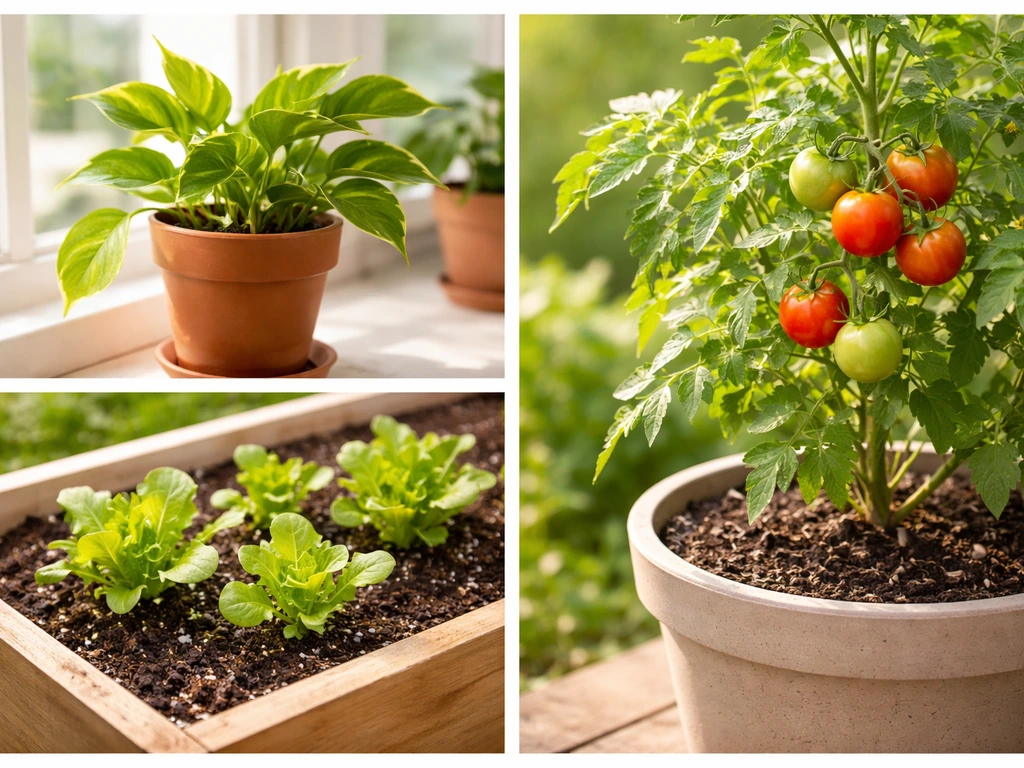
When people search for common plants to grow, they're usually looking for one of two things: low-maintenance houseplants that won't die if they forget to water for a week, or reliable outdoor plants (edibles or ornamentals) that actually produce results without expert-level care. The good news is there's real overlap. 'Common' in gardening circles just means widely grown, forgiving, and well-documented. These aren't boring choices. They're common because they work.
On the indoor side, the heavy hitters are pothos, snake plants (Sansevieria), spider plants, peace lilies, and ZZ plants. Texas A&M AgriLife Extension lists snake plants and spider plants specifically as beginner favorites because they tolerate indirect light and go a long time between waterings. On the outdoor side, tomatoes, lettuce, basil, zucchini, and green beans dominate beginner gardens for good reason: they're fast, rewarding, and covered by extension service guides in every state. If you want a quick list of the best top plants to grow outdoors, start with fast, beginner-friendly crops like tomatoes, lettuce, basil, and zucchini. Flowering ornamentals like marigolds, zinnias, and black-eyed Susans round out the list for people who want color without edible crops.
Choose by your actual situation
Before you pick a plant, nail down your real constraints. Where are you growing? What's your space like? Be honest here because this decision determines everything else.
Indoors vs. outdoors
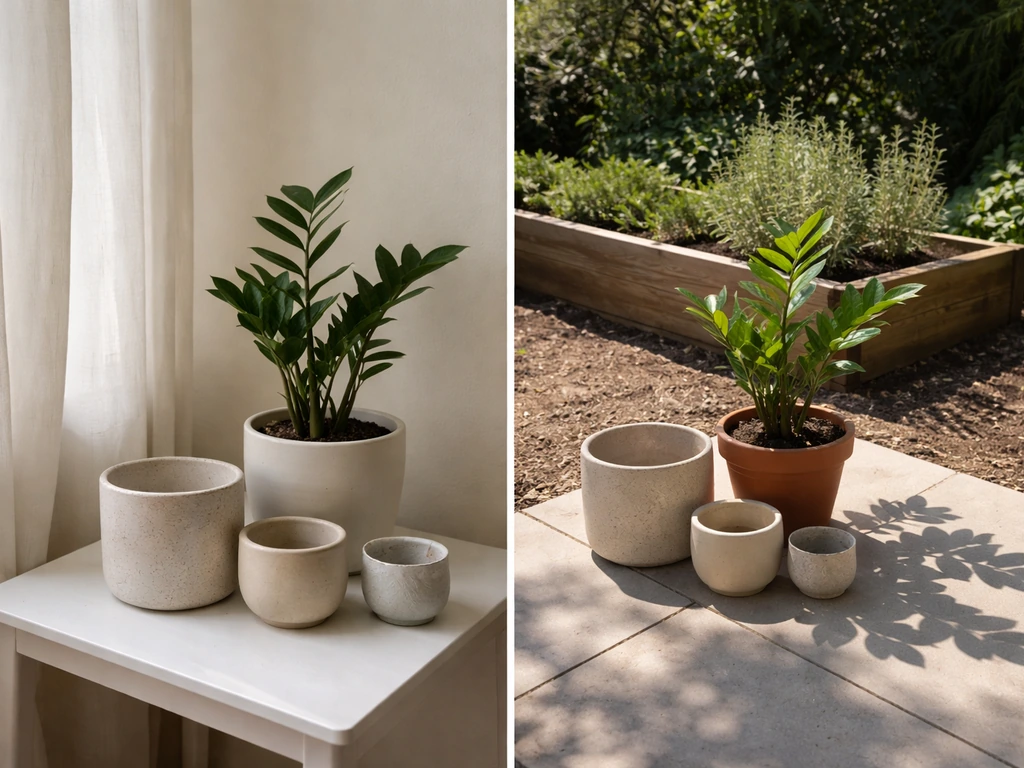
Indoors means you're working with artificial or window light, controlled temps, and containers. Your best options are low-to-medium light tolerators: pothos, snake plants, ZZ plants, and peace lilies. All four handle the dim corners of apartments. If you have a bright south or west-facing window, add succulents, herbs like basil, or even a small pepper plant. Outdoors gives you more options but ties you to your local climate. Right now in June, most US regions are past their last frost date, which means warm-season crops are the move.
Containers vs. in-ground
Containers work almost anywhere: balconies, patios, kitchen counters. The main rule: always use pots with drainage holes. OSU Extension is emphatic on this point because excess water with nowhere to go is the number one cause of root rot. Use a well-draining potting mix, not garden soil (which compacts and stays too wet in pots). For vegetables in containers, CSU Extension's container guide suggests at least 12 inches of depth for lettuce and 18 or more for tomatoes. In-ground growing gives roots more space and typically needs less frequent watering, but you're dealing with your actual soil quality and pest pressure.
Limited space
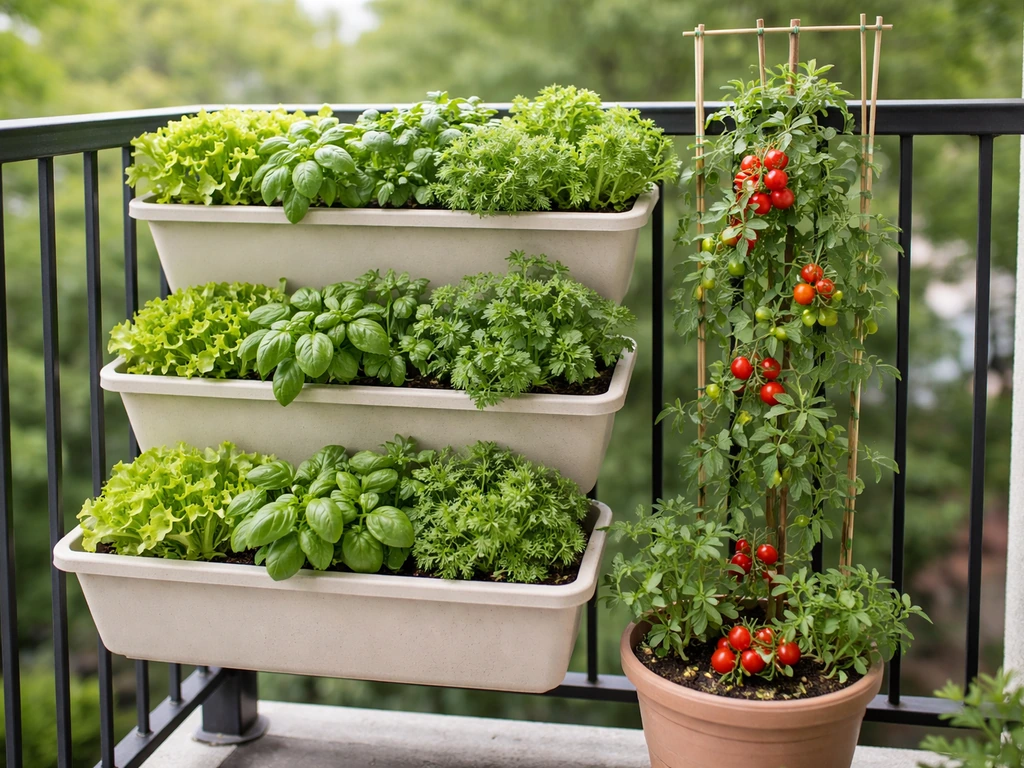
Small space? Go vertical or go compact. Lettuce, herbs, and cherry tomatoes are the best-performing crops per square foot for small gardens or balcony setups. One 12-inch pot of basil will supply a family all summer. A window box of lettuce gives you salad greens in 45 days. Skip space hogs like full-size pumpkins, indeterminate large tomatoes (in containers), and sprawling zucchini unless you have real ground to dedicate to them.
Season-by-season and climate: what to plant right now
It's mid-June 2026. Here's how to read the moment depending on where you are in the US:
| Region / Climate | Plant now (June) | Plan for next (late summer/fall) |
|---|---|---|
| Northeast / Midwest (Zones 5–6) | Tomatoes, peppers, squash, beans, basil | Lettuce, kale, spinach (direct sow late July–August) |
| Southeast / Gulf Coast (Zones 8–9) | Heat-tolerant herbs (rosemary, thyme), sweet potatoes | Tomatoes, peppers again in late August–September |
| Pacific Northwest (Zones 7–8) | Tomatoes (if started indoors), beans, lettuce, zucchini | Brassicas for fall (start now), garlic in October |
| Southwest / High Desert (Zones 7–9) | Basil, beans, squash — early June planting still viable | Fall crops in September; skip peak July heat for new starts |
| Mountain West / Higher Elevation (Zones 4–6) | Cool-season crops finishing; warm-season just starting | Succession lettuce and greens through July |
UAF Cooperative Extension's approach to timing is worth internalizing: work backwards from your local average last frost date to calculate when to start seeds. For most of the continental US, that last frost is behind you now, so for spring-started crops like tomatoes, you should already have transplants in the ground. If you're behind, buy starts from a nursery instead of seeds. You'll still get a full harvest season.
For fall planning, UMD Extension's vegetable calendar shows that crops like lettuce and spinach have a distinct second planting window in late summer. Direct-sow lettuce about 6 to 8 weeks before your average first fall frost. In the mid-Atlantic that's often late July or early August. Look up your first fall frost date and count backwards.
Sun, shade, soil, and water: matching the plant to the spot
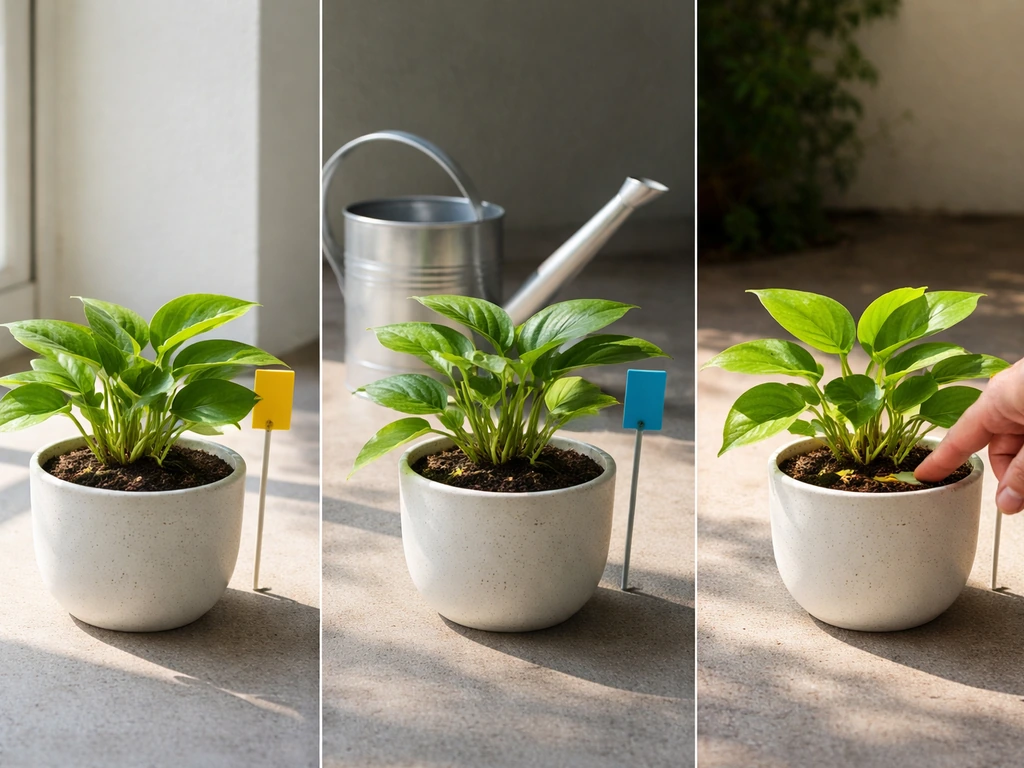
Light is the most important variable and the one beginners most often get wrong. OSU Extension frames it clearly: light is the primary driver of plant success, and mismatches show up as scorched or yellowing foliage, leaf drop, or slow death. Before you buy anything, observe how much direct sun your growing space gets.
| Light condition | Best indoor picks | Best outdoor/edible picks |
|---|---|---|
| Full sun (6+ hrs direct) | Succulents, cacti, herbs on a south window | Tomatoes, peppers, squash, basil, marigolds, zinnias |
| Part sun / part shade (3–6 hrs) | Pothos, spider plant, peace lily | Lettuce, kale, parsley, impatiens |
| Low light (less than 3 hrs) | ZZ plant, snake plant, cast iron plant | Very limited outdoors; ferns in deep shade |
For water needs, the rule of thumb that saves most beginners is this: overwatering kills more plants than underwatering. University of Maine Extension says it plainly. For succulents and cacti, UMN Extension recommends letting the soil dry out completely between waterings and fertilizing only once or twice during late spring and summer. For tomatoes, USU Extension suggests deep, infrequent watering at 1 to 2 inches per week rather than light daily sprinkles. For indoor plants in winter, OSU Extension advises watering lightly and only when the potting mix is dry, because lower light means slower growth and slower water uptake.
Soil matters most in containers. Use potting mix, not garden soil. In the ground, most common garden plants tolerate average soil if it drains reasonably well. Adding compost before planting dramatically improves both water retention and drainage, which sounds contradictory but is genuinely how good soil structure works.
Beginner care basics for the most common picks
Here's practical, no-frills care for the plants most worth starting with right now. Think of this as a starting point, not a complete profile.
Pothos and snake plants (indoor)
Both need indirect light and well-drained potting mix. Water pothos when the top inch of soil feels dry; water snake plants even less frequently (every 2 to 4 weeks in summer, less in winter). Don't feed them heavily. A balanced liquid fertilizer once a month in spring and summer is enough. No fertilizer in winter when growth slows.
Tomatoes (outdoor)
If you're starting from seed, Cornell recommends sowing indoors 6 to 8 weeks before your transplant date at soil temps around 75 to 90°F for best germination. CSU Extension’s vegetable planting guide offers timing anchored to frost dates and includes germination-temperature ranges, days to germination, and typical days to harvest for many crops timing anchored to frost dates, plus germination and days-to-harvest ranges. If you're in June with transplants, get them in the ground now, water deeply after planting, and mulch around the base. USU Extension's guidance: water 1 to 2 inches per week, deeply and infrequently. Feed with a balanced fertilizer when the first flowers appear, then switch to a low-nitrogen, higher-phosphorus option. Stake or cage plants early before they flop.
Lettuce and greens (indoor or outdoor, containers or ground)
Lettuce is the best quick-win crop for beginners. Direct sow seeds about a quarter inch deep, keep the soil uniformly moist during germination (OSU Extension recommends a gentle daily spray), and expect germination in 7 to 14 days. Lettuce is a cool-season crop, so it's best in spring and fall. In June, in warmer zones, plant it where it gets afternoon shade. In the Pacific Northwest or higher elevations, June lettuce still works in full sun. Harvest outer leaves continuously for 6 to 8 weeks.
Basil and herbs (indoor or outdoor)
Basil loves warmth and full sun. Don't plant it outdoors until nighttime temps are reliably above 50°F, which in June means you're safe in almost all of the US. Pinch off flower spikes as they appear to keep the plant producing leaves. Water when the top inch of soil is dry. Rosemary and thyme are more drought-tolerant and work well in hot, sunny spots with well-drained soil. Herbs are UC ANR's top pick for summer container growing because they're productive in small spaces.
Zucchini and squash (outdoor)
Plant zucchini transplants or direct-sow seeds in June for most US regions. They need full sun and consistent moisture. One or two plants will produce more than most families can eat, so plan accordingly. Water at the base, not overhead, to reduce disease pressure.
Common mistakes and how to catch problems early
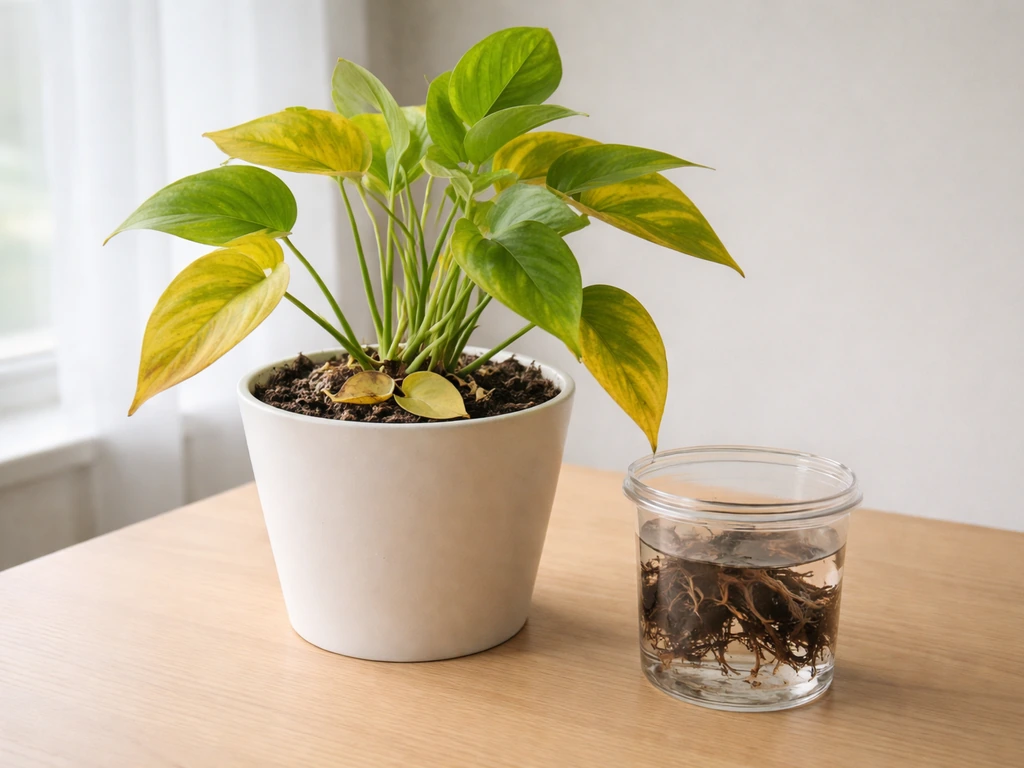
Most beginner plant failures trace back to one of four causes: too much water, wrong light, pests caught late, or transplant shock. Knowing the symptoms saves plants.
Overwatering and root rot
Yellow leaves and leaf drop on indoor plants are the classic signs of overwatering. UMD Extension describes root rot clearly: affected roots are brown to black, soft, and mushy instead of white and firm. If you catch it early, you can repot into fresh sterile mix, trim the rotted roots, and save the plant. Prevention is simple: use pots with drainage holes, let soil dry between waterings, and use a light, well-draining potting mix.
Pest watch: what to look for
The easiest pest signal indoors is sticky, shiny residue on leaves or the surface around the pot. That's honeydew, secreted by mealybugs, aphids, and scale. UMN Extension flags this as a reliable scouting signal. Left unchecked, the honeydew supports black sooty mold growth that blocks photosynthesis. Catch it early and isolate the affected plant immediately. For heavy indoor infestations, UMD Extension recommends insecticidal soap sprays, following label directions carefully.
Outdoors in June, watch squash and cucumbers closely. Squash vine borers cause sudden midday wilting, and by the time you see it the larvae are already tunneling inside the vine. UW-Madison Extension emphasizes that timing matters here: protect plants during the egg-laying window, which varies by region but often peaks in June and July. Cucumber beetles are another common pest on vine crops. Check your plants a few times a week early in the season. On tomatoes and greens, watch for powdery mildew, which appears as white powdery patches on leaves. USU Extension notes it's worse in humid conditions with poor air circulation, so space plants appropriately and water at the base.
Transplant shock
Moving plants from indoor warmth to outdoor conditions causes stress. University of Maine Extension notes that sudden moves to lower light or drier conditions can cause rapid leaf yellowing and drop. Harden off transplants gradually: set them outside for a few hours a day for about a week before leaving them out full-time. Same principle applies if you're moving houseplants between rooms or near air conditioning vents.
Pick your 3 to 5 plants and make a simple plan
The best approach is to choose a small shortlist and actually grow them well, rather than buying a cart full of plants and managing them poorly. Here's a simple framework to build your plan today.
- Identify your primary growing space: bright window, patio, backyard, or balcony. Be specific about sun hours.
- Pick one indoor plant and one or two outdoor or edible plants from the recommendations in this article that match your light and space. Resist adding more until these are established.
- Write down your local last spring frost (past now) and estimate your first fall frost. Use those dates to plan what to direct-sow now vs. what to start for fall.
- Set a simple watering reminder: check your indoor plants twice a week (stick your finger in the soil, water only if dry an inch down). For outdoor edibles, water deeply at the base once or twice a week unless it rains more than an inch.
- Do a pest check every time you water. Look at the undersides of leaves and around the base of stems. Catching problems in week one is always easier than in week four.
- Plan for one succession: if you plant lettuce now, mark your calendar to direct-sow another round in late July or early August for a fall harvest. UMN Extension confirms many vegetables can go in twice per season.
If you want to go deeper on specific plants, there's more detail in guides focused on the best plant to grow for different goals, what plants to grow by situation, and top plants to grow lists that break things down further. If you're unsure where to start, compare options against the best plant to grow for your light, space, and watering routine. But if you're starting today, stick to your shortlist. Three plants grown well beat twelve grown badly every time.
FAQ
How do I choose between starting from seeds versus buying transplants for common plants to grow?
If your growing window is short or you are late in the season, choose transplants. For example, in June most tomatoes benefit from being set out as seedlings rather than started from seed indoors, because they need time to establish before heat and pest pressure peak.
What pot size is “enough” for container growing common plants like tomatoes, herbs, or lettuce?
Use the root-depth targets as a minimum, not a guess. Lettuce generally stays productive in smaller pots, while tomatoes typically need deeper containers and more consistent moisture. If you only have shallow pots, pick compact crops like herbs or salad greens instead of tomatoes.
Can I use regular garden soil in containers if I already have it?
In most cases, no. Garden soil compacts in pots and holds too much water, which increases root-rot risk. Stick to potting mix in containers, and if your mix feels heavy, lighten it with perlite or another drainage aid.
My indoor plant looks fine but growth is slow, what should I check first?
Check light before watering. Slow growth in winter often means the plant is absorbing water more slowly, so frequent watering can quietly cause root issues. Move the plant closer to the brightest window you have and only water when the top portion of the potting mix is dry.
How can I tell whether I’m underwatering or overwatering common houseplants like pothos or snake plants?
Overwatering usually shows up as limp leaves and yellowing, often with soil that stays wet too long. Underwatering more often looks like dry, crispy edges or wilting that temporarily improves after watering. If the soil never dries between waterings, treat it as overwatering first.
What’s the easiest way to prevent pests from spreading indoors to other common plants?
Isolate newly purchased plants for about a week before mixing them with your collection. During that time, inspect the undersides of leaves and near the soil surface for sticky residue or webbing, then wipe leaves and remove any heavily infested growth.
Do I need to fertilize common plants immediately after planting them outdoors?
Not usually. After transplanting, give plants a chance to recover first. For tomatoes and other heavy feeders, start feeding when you see active flowering or clear new growth, then follow a lighter schedule rather than repeated early doses.
Why do my outdoor vine crops like zucchini or cucumbers wilt suddenly even with regular watering?
Sudden midday wilting can be a vine-borer pattern, especially if the plant looks stressed even when the soil is still moist. Keep scouting early in the season and consider protective timing around egg-laying periods, since damage often starts before you see larvae.
How often should I water outdoors in hot weather for common plants like tomatoes and lettuce?
Aim for deep, infrequent irrigation for thirsty plants like tomatoes, then adjust based on whether the soil dries quickly at the planting depth. For lettuce, prioritize steady moisture during germination and early growth, then expect shade needs in warmer months to prevent bolting.
What does “harden off” mean and how long should it take for transplants?
Hardening off is gradually acclimating plants from indoor or protected conditions to outdoor sun and wind. Plan about a week, starting with a few hours outdoors and increasing exposure daily, so leaves do not yellow and drop from sudden light and dryness changes.
How do I reduce powdery mildew on tomatoes and leafy greens?
Improve airflow and avoid wetting leaves. Space plants appropriately, water at the base, and consider pruning or supporting plants early so foliage dries faster after irrigation, since mildew often worsens in humid conditions with poor circulation.
I have very low light indoors, what are the best common plants to grow anyway?
Choose plants known for indirect-light tolerance, like snake plants and ZZ plants, and place them as close as possible to a bright window for your space. If you can only offer dim corner light, reduce watering frequency and accept slower growth rather than expecting fast leaf production.
Next Article
Top 10 Plants to Grow: Beginner Picks by Season and Light
Top 10 beginner plants matched to indoor, outdoor, and containers with light, watering, seasons, and first-care steps
