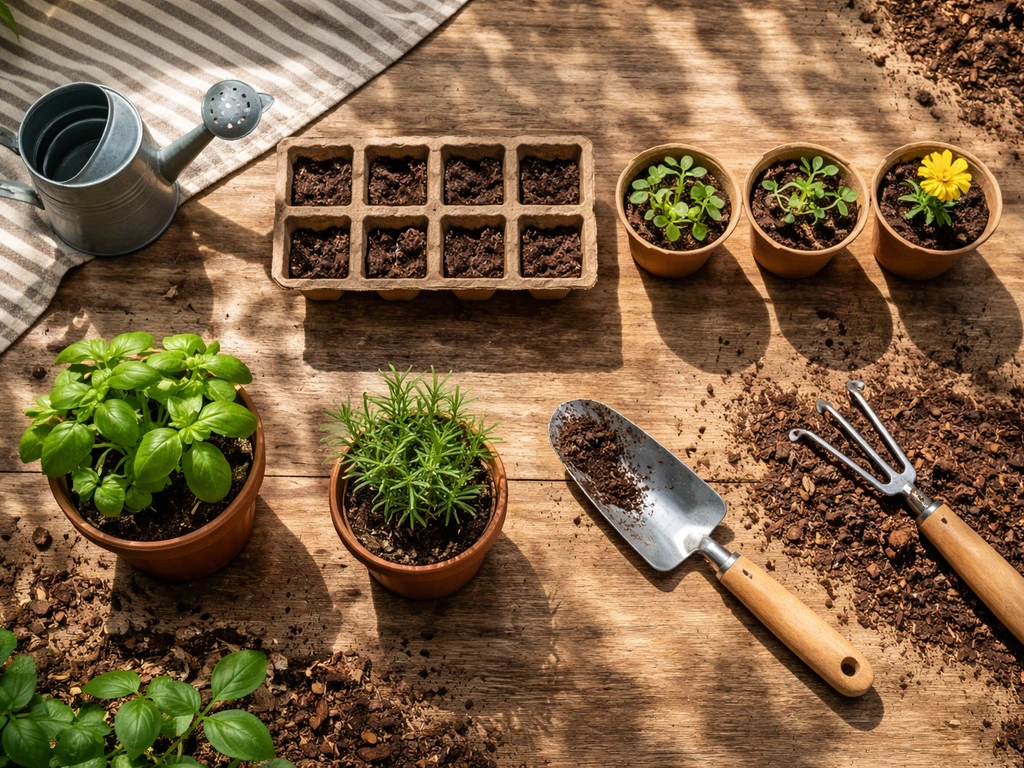
Almost any plant can grow at home if your conditions match what it needs. The trick is working backwards: figure out your light first, then your space and how much attention you realistically want to give, and the right plant picks itself. If you’re deciding what plant you will grow, start by matching your available light to what the plant needs.
Which Plant Can We Grow at Home? Easy Picks by Light
Rachel Hartley
14 Jun 2026
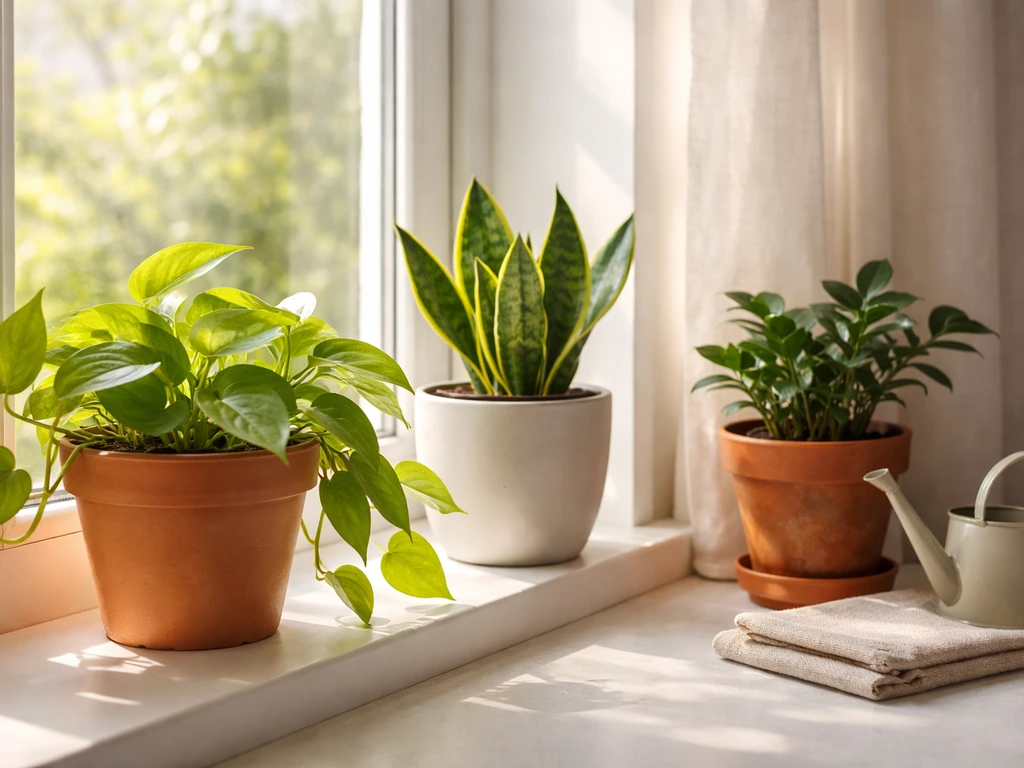
For most people starting out, the safest bets are pothos, snake plants, or ZZ plants indoors, and herbs like basil or mint on a sunny windowsill or patio. If you want food, cherry tomatoes in a 2-gallon pot or leaf lettuce in a tray are hard to beat for effort-to-reward ratio. This guide will help you narrow it down to exactly what will actually thrive where you live, right now in mid-June.
Start with your space and growing setup
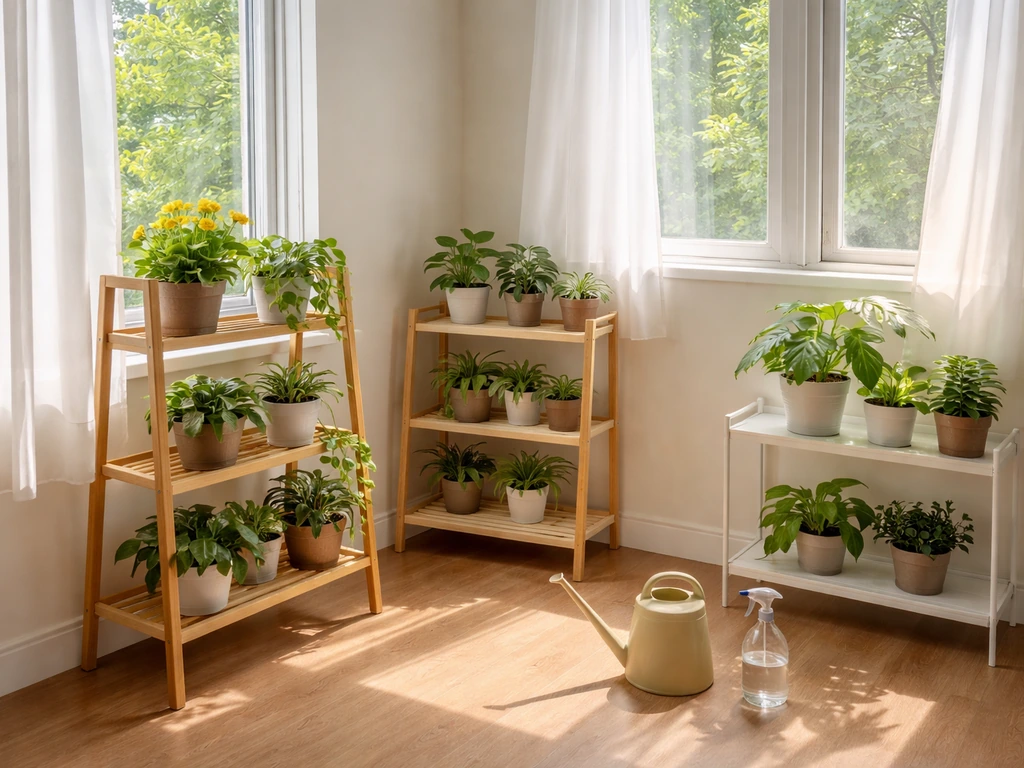
Before picking a single plant, answer three quick questions: Do you have outdoor space, or are you purely indoors? How much light does that space get? And how much time do you want to spend on care? These aren't trivial details. Matching a plant to your actual setup is the single biggest predictor of whether it lives or dies. A snake plant in a dim apartment corner will outlast a fiddle-leaf fig in the same spot every time, and a cherry tomato on a south-facing balcony will reward you all summer while the same plant in a north-facing window will just sulk.
Light is the most misread variable. The University of Maryland Extension categorizes indoor light using foot-candles (FC), where one foot-candle is the brightness of a single candle at one foot away. East- or west-facing windows typically hit 100 to 500 FC, which counts as medium-bright. North-facing windows stay under 100 FC (low light). South-facing windows in summer can exceed 1,000 FC (high/bright indirect or direct). If you want to be precise, a basic light meter that reads lux or foot-candles costs under $20 and takes the guesswork out completely. That said, the window-direction shortcut works well enough for most decisions.
| Your Setup | Best Plant Categories | What to Avoid |
|---|---|---|
| Apartment, north-facing window | Low-light houseplants (pothos, snake plant, ZZ, cast iron plant) | Herbs, tomatoes, most succulents |
| Apartment, east/west window | Medium-light houseplants, herbs, microgreens | Full-sun fruiting plants |
| House, south window or sunny patio | Herbs, cherry tomatoes, peppers, succulents | Shade plants like ferns |
| House with outdoor garden space | Vegetables, herbs, ornamentals, fruit crops | Very little is off-limits seasonally |
| No outdoor space, grow lights available | Microgreens, lettuce, herbs, seed starting | Large fruiting plants (impractical) |
Space matters too, not just for the plant's footprint but for container size. A cherry tomato needs at least a 2-gallon pot (roughly 10 inches in diameter) to produce well. Microgreens and lettuce can thrive in trays as shallow as 1 to 1.5 inches of growing media, making them ideal for tight spots. Once you know your light and space, everything else gets easier.
Best low-maintenance plants for beginners
If you want plants that forgive missed waterings, irregular attention, and less-than-ideal light, these are the ones to start with. They're genuinely hard to kill under normal home conditions, and most can be found at any garden center or hardware store for just a few dollars.
- Pothos (Epipremnum aureum): Handles low to bright indirect light, grows quickly, and practically tells you when it needs water by drooping slightly. Tolerates neglect better than almost anything.
- Snake plant (Sansevieria / Dracaena trifasciata): Thrives in low light, needs watering only every 2 to 6 weeks depending on season and container size, and is nearly impossible to overwater if you have drainage.
- ZZ plant (Zamioculcas zamiifolia): Stores water in its rhizomes, making it one of the most drought-tolerant houseplants available. Slow-growing but extremely forgiving.
- Spider plant (Chlorophytum comosum): Adaptable to a wide range of light conditions, produces offshoots ('babies') you can propagate for free, and is safe for households with pets.
- Peace lily (Spathiphyllum): One of the few flowering plants that genuinely thrives in low light. It droops dramatically when it needs water, which makes it a great plant for beginners learning to read plant signals.
- Aloe vera: Needs a bright window (south or west-facing) but minimal watering. Doubles as a first-aid plant for minor burns. Use well-draining cactus mix and a pot with a drainage hole.
The most common beginner mistake with all of these is overwatering. More houseplants die from too much water than too little. Start conservative: water less than you think you need to, and adjust based on how the soil actually feels, not a schedule.
Easy houseplants for different light levels
Matching plant to light level is where most people go wrong. The University of Maryland Extension is clear that indoor plant selection should match your available light to meaningfully improve your odds of success. Here's a practical breakdown by light category.
Low light (under 100 foot-candles, north-facing windows or interior rooms)
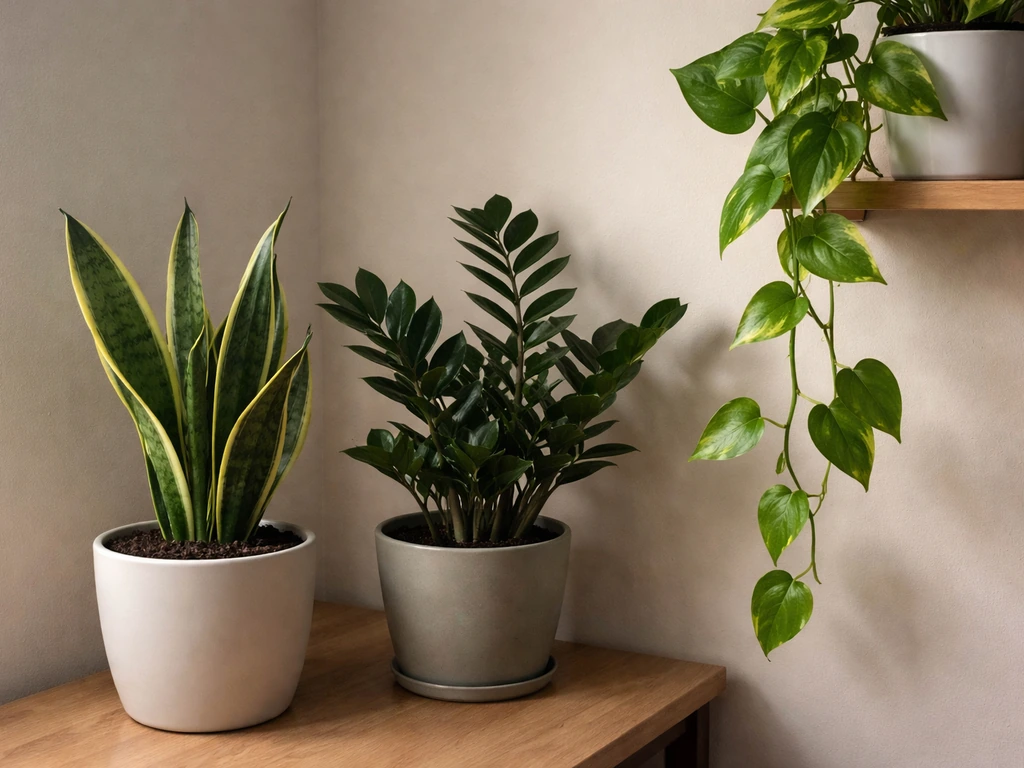
- Pothos: Survives and grows even in dim rooms, though growth slows.
- Snake plant: One of the most shade-tolerant houseplants in existence.
- ZZ plant: Genuinely comfortable in low-light offices and interior spaces.
- Cast iron plant (Aspidistra elatior): Named for its toughness, NC State Extension specifically highlights it as a strong option for low-light indoor pots.
- Peace lily: Blooms in medium light but survives low light well.
Medium to bright indirect light (100 to 500+ foot-candles, east or west windows)
- Monstera deliciosa: Iconic split leaves, happy in east or west-facing windows, low watering needs.
- Philodendrons (heartleaf, Brasil, etc.): Fast-growing, forgiving, easy to propagate.
- Rubber plant (Ficus elastica): Bold look, needs bright indirect light, moderate watering.
- Chinese evergreen (Aglaonema): Wide color range, tolerates medium light, low drama.
- Herbs like mint and chives: Can get by in a bright east or west window, though a south window is better for most culinary herbs.
Bright light or direct sun (south-facing windows, balconies, patios)
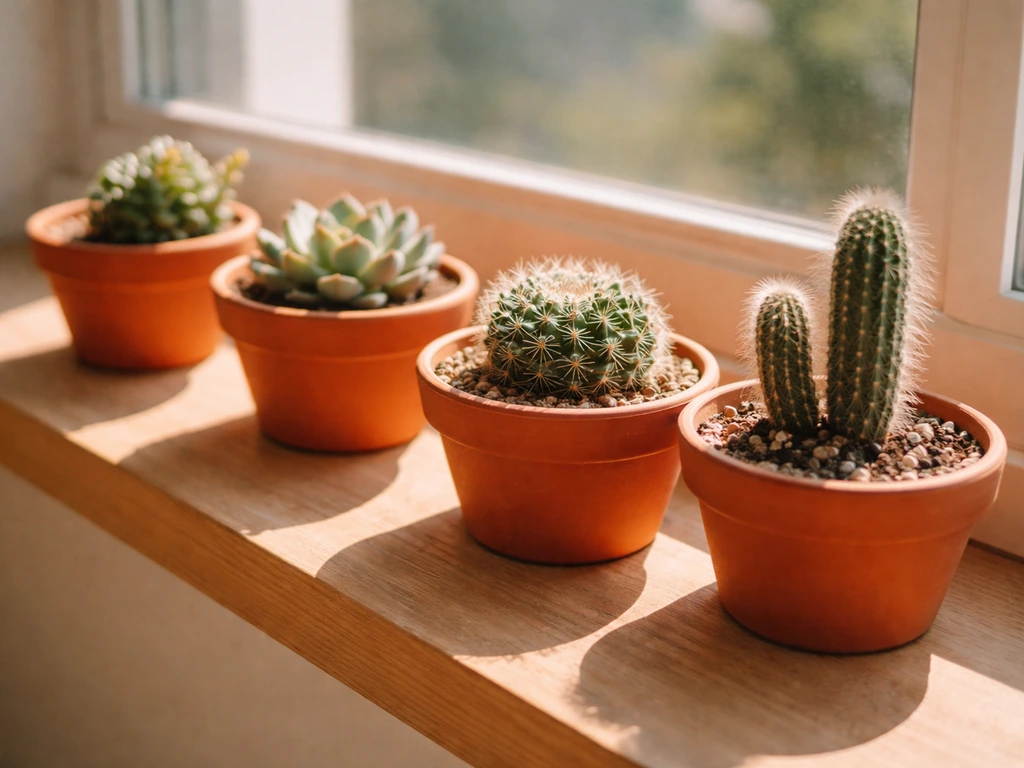
- Succulents and cacti: Need 4 to 6 hours of direct or very bright light, well-draining soil, and very infrequent watering.
- Herbs: Basil, rosemary, thyme, and oregano all want as much sun as you can give them.
- Cherry tomatoes: A south-facing balcony in June is ideal right now.
- Aloe vera: Thrives here and stays compact in a 6-inch pot.
Container-friendly plants for food at home
Growing your own food at home doesn't require a garden. Some of the most productive edible plants are perfectly suited to containers on a windowsill, balcony, or patio. For a garden even with limited space, these plants you can grow in a garden still work great on patios and balconies. The key is matching the container size to the plant's root needs and making sure you have enough light, which for food crops almost always means 6 or more hours of direct sun.
| Plant | Minimum Container Size | Light Needed | Days to Harvest |
|---|---|---|---|
| Cherry tomatoes | 2 gallons (10-inch pot) | Full sun, 6+ hours | 60 to 80 days from transplant |
| Leaf lettuce | 6-inch depth or shallow tray | Partial to full sun | As few as 45 days |
| Basil | 6-inch pot | Full sun, 6+ hours | Harvest leaves in 3 to 4 weeks |
| Mint | 6 to 8-inch pot (keep contained) | Partial to full sun | Harvest anytime once established |
| Chives | 6-inch pot | Partial to full sun | Snip as needed after 30 days |
| Microgreens | Tray with 1 to 1.5 inches of media | Bright indirect or grow light | 7 to 21 days depending on variety |
| Radishes | 6-inch depth minimum | Full sun | 22 to 30 days |
| Peppers (compact varieties) | 2 to 3 gallons | Full sun, 6+ hours | 70 to 90 days from transplant |
Microgreens deserve a special mention for anyone short on space or light. You grow them in shallow trays with just 1 to 1.5 inches of soilless media, under fluorescent or LED lights if needed, and harvest in as little as a week or two. They're nutrient-dense and you can cycle through trays constantly. If you live in an apartment with limited sun, this is probably your highest-yield food option per square foot.
For tomatoes, look for dwarf or patio varieties specifically bred for container growing. Penn State Extension clarifies that 'dwarf' refers to plant size, not fruit size, so you can still get full-sized or large fruit from compact plants that fit a 5-gallon pot on your balcony.
Seasonal picks by region and time of year
It's mid-June 2026, which changes what you should be planting depending on where you live. The growing window for warm-season crops is open across most of the US right now, but regional differences matter a lot. Here's how to think about it by climate zone.
Northern states (USDA Zones 3 to 5, e.g., Minnesota, Wisconsin, Maine)
You're in peak growing season. Last frost is behind you, and the long summer days ahead are perfect for warm-season crops. If you haven't planted tomatoes, peppers, or basil outdoors yet, do it now. Direct-sow fast crops like radishes, lettuce, and beans. Cool-season crops like spinach and peas will bolt (flower and go bitter) in the heat, so pivot to heat-tolerant alternatives. Indoors, any houseplant thrives in the increased summer light.
Mid-Atlantic and Midwest (Zones 5 to 7, e.g., Ohio, Virginia, Kansas)
Same story: warm-season planting is fully underway. June is a great time to transplant or direct-sow warm-season crops. Watch the heat, though. Lettuce and spinach planted now will need afternoon shade to avoid bolting. Cherry tomatoes, peppers, cucumbers, and herbs are all excellent choices right now. Consider succession planting lettuce every 2 to 3 weeks if you want a continuous harvest.
South and Southwest (Zones 8 to 10, e.g., Texas, Arizona, Florida)
Mid-June in Texas or Arizona is brutally hot. Cool-season crops are finished, and even heat-lovers like tomatoes can shut down fruit production above 95°F. Your best outdoor moves right now are heat-tolerant herbs like rosemary and thyme, sweet potatoes, and okra. Pepper plants will hang on through the heat and produce heavily when temperatures ease in September. Indoors, this is actually a great time to focus on houseplants since the air conditioning creates ideal temperature conditions for most tropicals.
Pacific Northwest and coastal California (Zones 8 to 10, mild and foggy)
Coastal regions with mild summers are ideal for cool-season crops even in June. Lettuce, kale, chard, and peas all do well. If you're in a warmer inland spot, the same warm-season advice applies as for the South, but with fewer heat extremes. Fog-heavy areas have less direct sun, so managing light carefully matters more here. UMN Extension's guidance around soil temperature still applies: if your soil is above 60°F, you're safe to transplant heat-loving crops.
If you're unsure of your USDA Plant Hardiness Zone, the USDA provides an official lookup tool where you enter your ZIP code to get your exact zone. This is useful for understanding your frost dates and which perennial plants will survive your winters outdoors.
Practical care essentials (watering, soil, fertilizing)
Watering: go by feel, not by calendar
Iowa State University Extension is explicit: water when the soil actually dries out, not on a fixed schedule. How fast a pot dries depends on container size, plant type, light level, temperature, and humidity, all of which vary. Stick your finger an inch or two into the soil. If it feels dry, water thoroughly. If it's still moist, wait. Oklahoma State University Extension adds that good drainage is essential: water should flow freely out of the drainage hole at every watering. This flushes out salt buildup and ensures roots get oxygen.
Always use pots with drainage holes. Decorative pots without holes trap water at the bottom and are one of the top causes of root rot. If you love the look of a decorative pot, drop a nursery pot with holes inside it, and empty the saucer after watering.
Soil: match the mix to the plant
- General houseplants: standard potting mix (not garden soil, which compacts in containers and drains poorly)
- Succulents and cacti: cactus mix, or regular potting mix amended with 50% perlite
- Herbs and vegetables: a quality potting mix with good drainage; adding perlite helps
- Microgreens: a soilless seed-starting mix or coconut coir works well in shallow trays
Fertilizing: less is more indoors
Houseplants grow much more slowly indoors than outdoors, which means they need far less fertilizer than the label suggests. Iowa State University Extension recommends using a balanced, all-purpose liquid fertilizer at half or even quarter strength compared to label directions. Over-fertilizing causes salt buildup and leaf burn, which looks like something is dying when you're actually just overdoing it. For food crops in containers, a dilute balanced fertilizer every 2 to 3 weeks during active growth works well. Skip fertilizing altogether in winter for most indoor plants.
Quick start plan and troubleshooting basics
Your first week action plan
- Identify your best light source: note which windows face which direction and how many hours of direct or indirect light they get per day.
- Pick one plant from the right light category above. If you're truly a beginner, start with just one plant, not five.
- Buy a pot with a drainage hole, appropriately sized for the plant (start smaller than you think, oversized pots hold excess moisture).
- Use fresh potting mix suited to the plant type. Don't reuse old mix from dead plants.
- Water thoroughly the first time, then wait until the top inch or two of soil is dry before watering again.
- If growing food outdoors, check your USDA zone for frost timing and plant or direct-sow based on the seasonal guidance for your region above.
Common problems and what's actually causing them
| Symptom | Likely Cause | Fix |
|---|---|---|
| Yellowing leaves | Overwatering or poor drainage | Check roots; let soil dry out; ensure drainage hole is clear |
| Wilting despite wet soil | Root rot from overwatering | Remove plant, trim black mushy roots, repot in fresh dry mix |
| Tiny flies around the soil | Fungus gnats from consistently moist conditions | Let top 2 to 3 inches of soil dry between waterings; use yellow sticky traps |
| Leggy, stretched growth | Not enough light | Move closer to window or add a grow light |
| Brown leaf tips | Low humidity, over-fertilizing, or fluoride in tap water | Use filtered water, cut fertilizer, mist occasionally |
| Plant not growing at all | Too little light or wrong season (dormancy) | Reassess light levels; fertilize only during active growth |
| Seedlings falling over | Damping off (fungal issue from overwatering seeds) | Use sterile seed-starting mix, improve airflow, water from below |
The most important troubleshooting habit to build is checking the roots when something looks wrong. Pull the plant gently out of the pot and look. Healthy roots are firm and white or tan. Mushy, black, or slimy roots mean root rot, which is almost always caused by overwatering or a pot without drainage. Catch it early and you can usually save the plant by trimming the affected roots and repotting into fresh, dry mix.
Once you've got one plant going strong, expanding is easy. You might find yourself wanting faster results, which is where fast-growing options like radishes, microgreens, or vining houseplants become fun to explore. If you want to know which plant grow fast at home, radishes and microgreens are great starters. Or if you're thinking about an outdoor setup beyond containers, garden-grown plants open up a whole other range of options worth planning around your specific region and season. Garden-grown plants open up a whole range of options beyond containers, so you can choose plants you can grow in a garden that match your light and time.
FAQ
How do I choose which plant can we grow at home if my home has both bright and dim areas?
Start with plants that match your lowest-light area, not your brightest corner. If you can only get medium-bright light for part of the day, choose lower-light-tolerant options (like ZZ or snake plant) and keep them near the best window. The quickest way to avoid disappointment is to test the spot you will actually use for months.
What’s the best way to avoid overwatering when I’m trying to grow my first plant at home?
For most beginners, the most reliable method is to water based on soil dryness, not by calendar. Stick a finger 1 to 2 inches down, if it is still moist wait, if it feels dry water thoroughly until water runs out the drainage holes, then empty any saucer.
Can I grow plants at home in decorative pots without drainage holes?
If you do not have drainage holes, you are increasing the risk of root rot. Use a nursery pot with drainage holes inside your decorative container, and empty the saucer after watering. If your plant is already in a pot without holes, repot into a draining container as soon as possible.
My plant looks unhealthy, how can I tell if it is overwatered or underwatered?
If a plant’s leaves yellow while the soil stays wet or smells sour, that often points to overwatering and poor oxygen at the roots. If the soil dries out fast and leaves curl or crisp, it can be underwatering. The decision step is to check roots and soil moisture, not just leaf color.
Can I grow edible plants at home without direct sunlight?
Yes, but only if you can provide consistent enough light. Food crops like lettuce and herbs usually need 6 or more hours of direct sun, and herbs like basil do far better in bright windows. If your light is mostly low or medium, microgreens under LED or fluorescent lights are the easiest “apartment-proof” option.
What container size should I use for tomatoes if I’m growing on a balcony?
A 2-gallon pot is a good minimum for cherry tomatoes, but you will get better results with sturdy, sunny conditions. Look for dwarf or patio varieties, and avoid undersized containers because they dry out quickly and reduce fruiting.
What should I do if my windows have low light but I still want a healthy plant?
If your window light is limited, consider adding an LED grow light positioned close enough to the leaves and run it daily on a timer. A plant can survive without extra light, but it will often grow slowly or become leggy. The practical goal is to replace missing sun hours with consistent daily light.
How do I get the best results when growing microgreens at home?
Microgreens are harvested quickly, so they are ideal for frequent, small batches. Use shallow trays (about 1 to 1.5 inches of media), keep moisture consistent during germination, and consider cycling trays so you always have something ready to harvest.
When should I transplant or start seeds in mid-June if temperatures vary where I live?
If you transplant outdoors or start warm-season plants, watch soil temperature and protect from heat spikes. As a rule, if soil is below about 60°F, heat-loving crops will stall, and in hotter areas you may need afternoon shade to prevent bolting for cool-season greens.
How often should I fertilize houseplants if I want them to stay healthy?
Indoors, many plants need much less fertilizer because growth slows and the potting mix does not get the same nutrient turnover as outdoors. Use dilute balanced liquid fertilizer at about half or quarter strength during active growth, and generally skip fertilizing in winter.
What should I do if I suspect root rot in a plant I’m growing at home?
Common red flags are mushy, black, or slimy roots, plus a sour smell and persistently wet soil. If you see this, remove the plant, trim damaged roots, repot into fresh dry mix, and adjust watering immediately.
Which plant can we grow at home outdoors year-round, and how do I know if it will survive winter?
If you are unsure which plants can survive your winters outdoors, check your USDA Plant Hardiness Zone using your ZIP code. That tells you survival risk for perennials, but remember container plants may behave differently because roots get exposed to colder temperatures.
Next Article
What Plant Will You Grow Why A Simple Choice Guide
Pick the best plant for your climate, light, space, and effort level, with simple examples and a 1 to 4 week plan.