If you want something growing and harvestable fast, radishes win. Some varieties are ready in 20 days flat. But if you want a short list of fast-growing plants you can actually grow at home right now, in April 2026, whether you're working with a windowsill, a balcony container, or a backyard patch, here's your answer: radishes, leaf lettuce, spinach, mustard greens, bok choy, and a handful of fast-growing houseplants like pothos and spider plants. The rest of this guide breaks down exactly which ones fit your specific setup and how to get the most speed out of whichever you choose.
Which Plant Grows Fast at Home: Quick Picks and Tips
Rachel Hartley
10 Apr 2026
Fast-growing plants for home (quick picks)
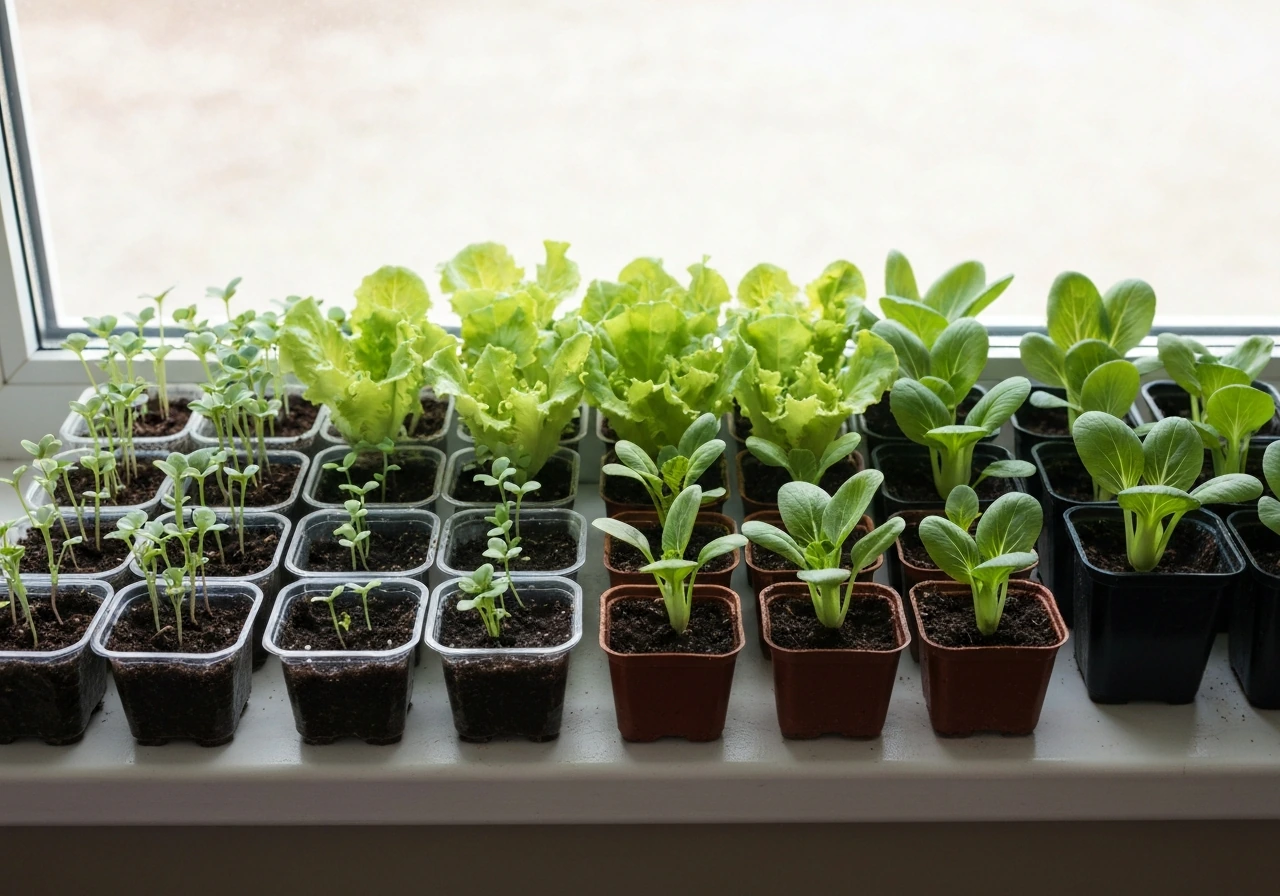
Speed depends a lot on whether you're growing edibles or ornamental houseplants. For edibles, cool-season vegetables are the clear winners in April. For houseplants, you want species that are already proven fast growers in low-to-medium indoor light. Here's the short list across both categories.
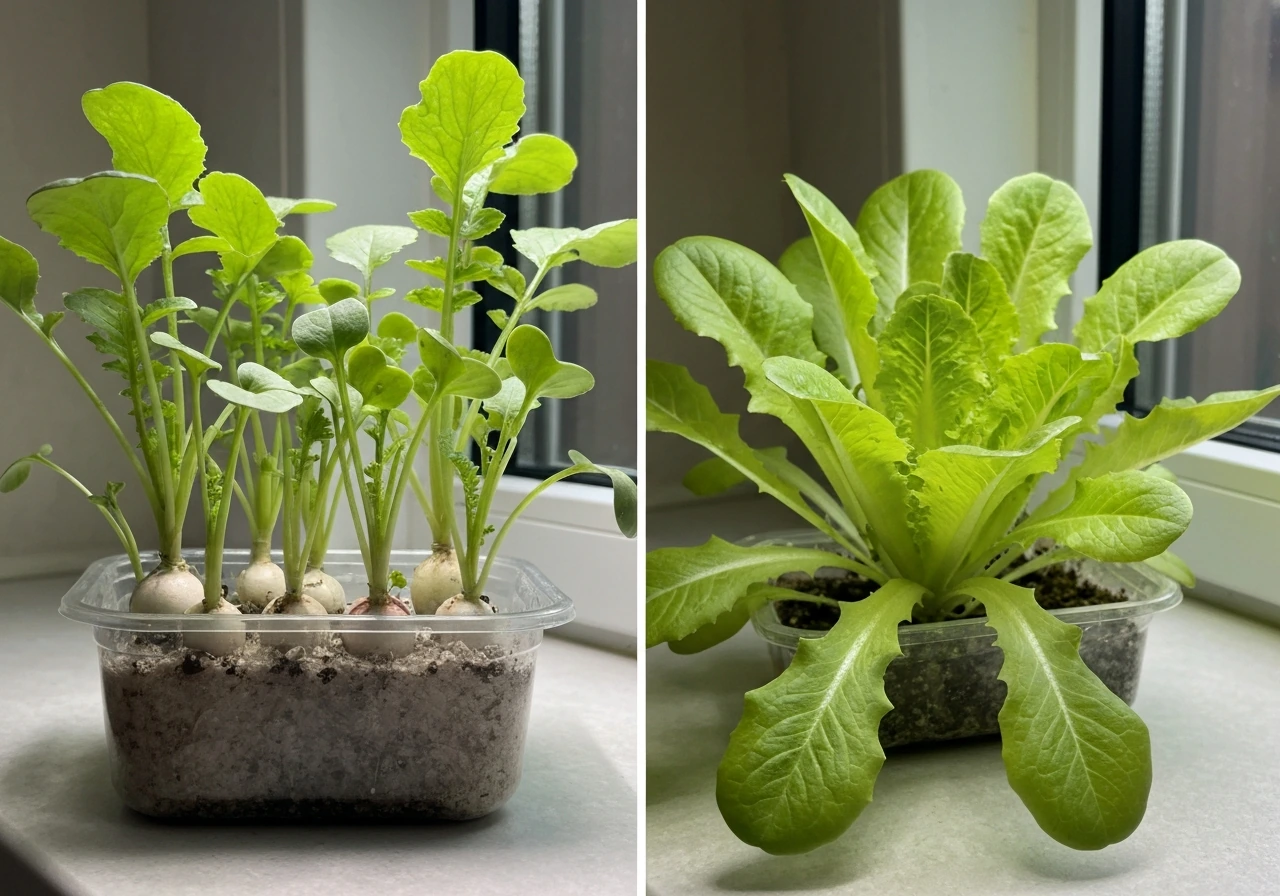
For edibles, the fastest options right now are radishes (20–35 days to harvest), leaf lettuce (35–50 days), spinach (35–50 days), mustard greens (25–35 days), bok choy and baby Asian greens (30–45 days), and green onions or scallions (which you can start pulling in about 3–4 weeks from sets). Peas are also worth starting in April since they germinate well around 50°F, though they take longer at 60–80 days.
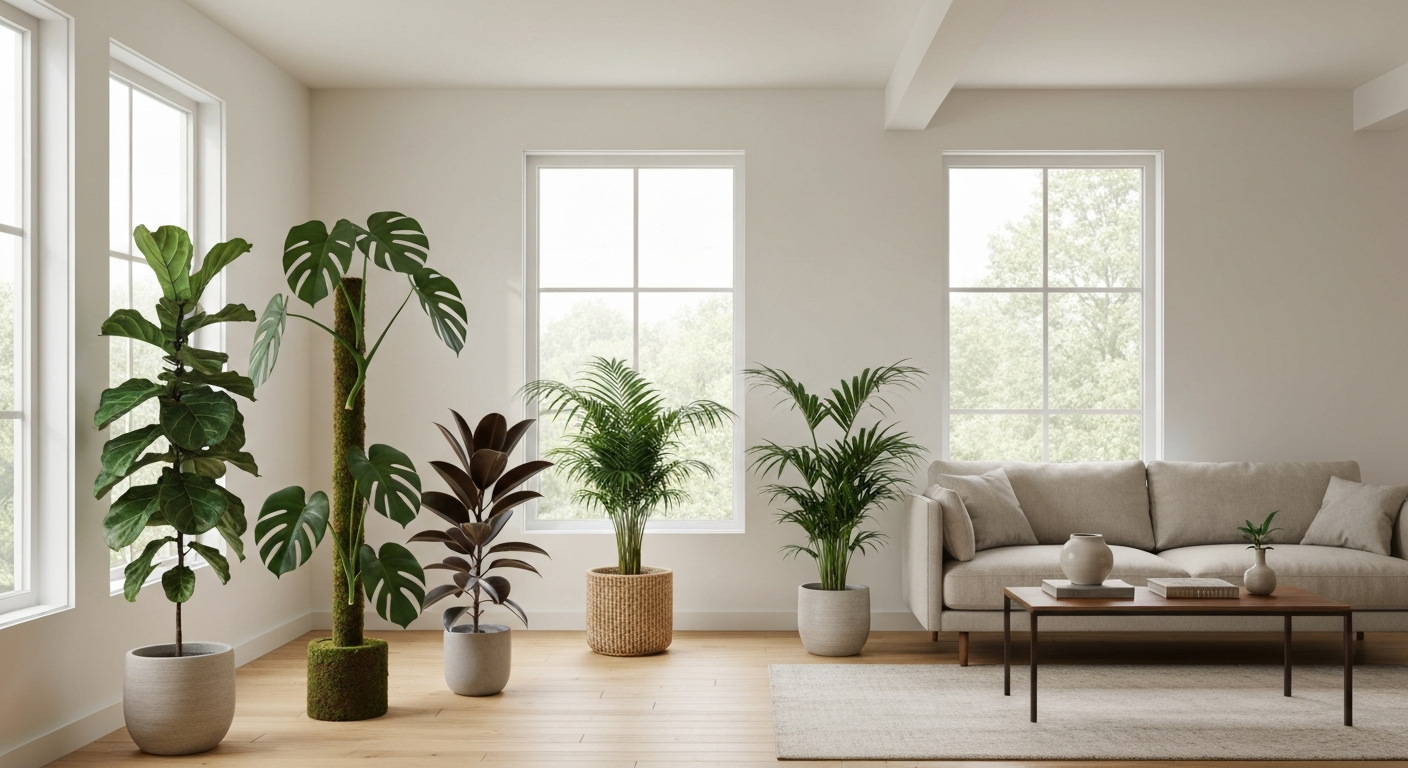
For ornamental houseplants, pothos, spider plants, and heartleaf philodendron are among the fastest growers indoors. They tolerate a wide range of light levels, need minimal fuss, and visibly grow week over week when conditions are decent. If you're thinking through which plant can we grow at home based on your specific setup, the honest answer is that edibles like radishes and lettuce will give you the most measurable, satisfying fast results.
Fast vegetables to grow at home (by season)
April is a genuinely great window for fast vegetable growing in most parts of the country. You're still in cool-season territory in a lot of zones, which is exactly where the fastest crops shine. Cool-season vegetables perform best in temperatures below about 70°F and above 20°F, so spring conditions right now are close to ideal for quick germination and rapid leafy growth.
Spring and early summer (plant right now)
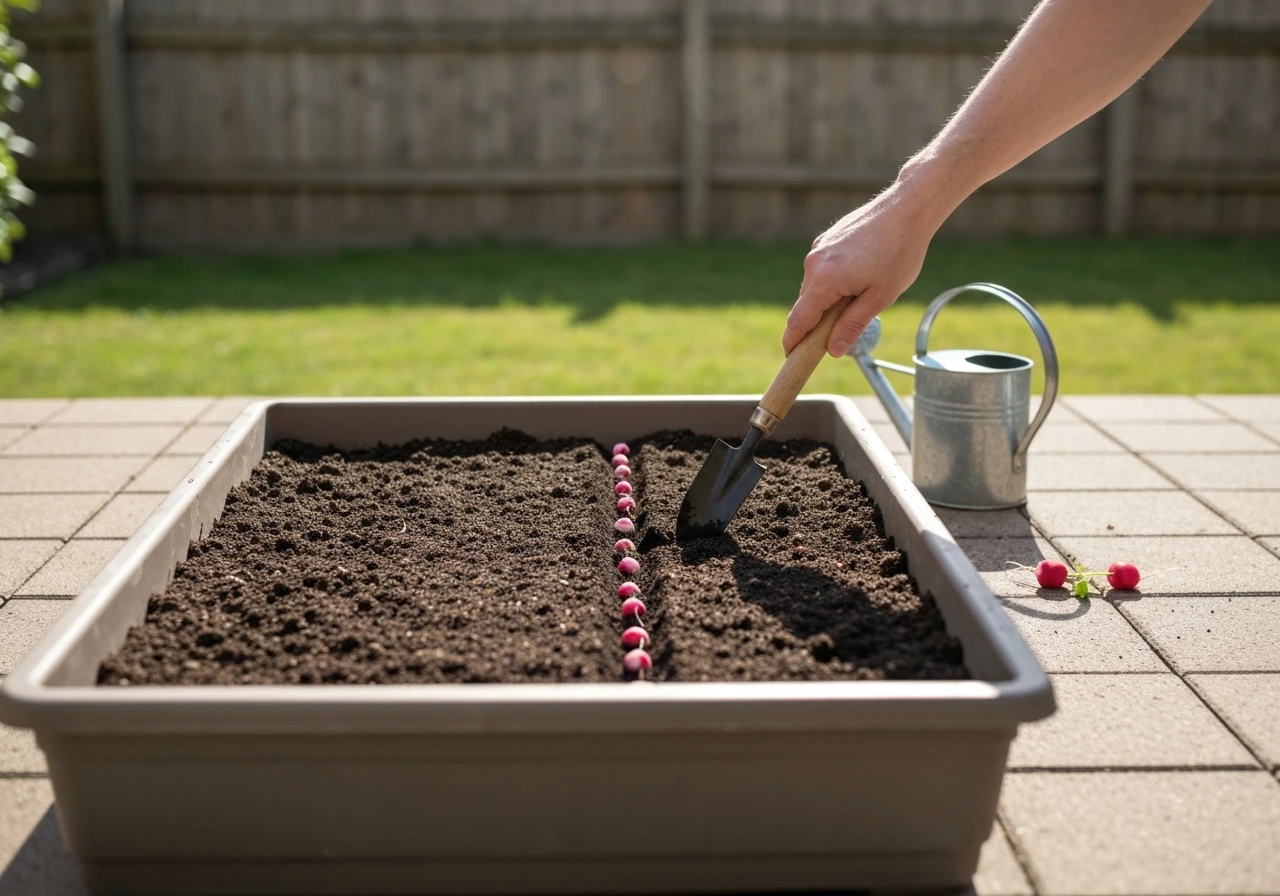
- Radishes: 20–35 days to harvest, direct sow outdoors or in containers, need cool soil (50–65°F for germination)
- Leaf lettuce: 35–50 days, can be grown indoors under lights or outdoors in partial shade, germinates best at 60–75°F soil temp
- Spinach: 35–50 days, prefers 65–75°F soil for germination, great in containers or beds
- Mustard greens: 25–35 days, one of the fastest leafy greens available
- Bok choy and baby Asian greens: 30–45 days, excellent for small containers
- Scallions/green onions: 3–4 weeks from sets, longer from seed
- Peas: 60–80 days, sow directly outdoors now while soil is still cool around 50°F
If you're in a warmer zone like Zone 9 or 10 (think coastal California, southern Texas, or Arizona), April is actually a transition month where you're wrapping up cool-season planting and beginning to prep for warm-season crops. You can still direct-sow radishes and lettuce early in the month, but as temperatures climb toward the end of April, those crops will bolt faster. Time your planting in the first two weeks of April if you're in a warmer zone.
Fall planting (plan ahead)
The exact same crops, radishes, lettuce, spinach, and bok choy, are your fall speed champions too. When you plan your fall garden, these are the ones to reach for first. A fall cool-season table puts leaf lettuce at 40–50 days, radish at 20–40 days, and spinach at 40–50 days, which lines up almost exactly with spring timelines. University of Delaware Cooperative Extension's leaf lettuce fact sheet includes cultivar timing, such as “Red Salad Bowl (50 days).” blank" rel="noopener noreferrer">leaf lettuce cultivar timing. The key difference is you're counting backward from your first frost date instead of forward from last frost.
How to choose fast growers for your space (light, container, method)
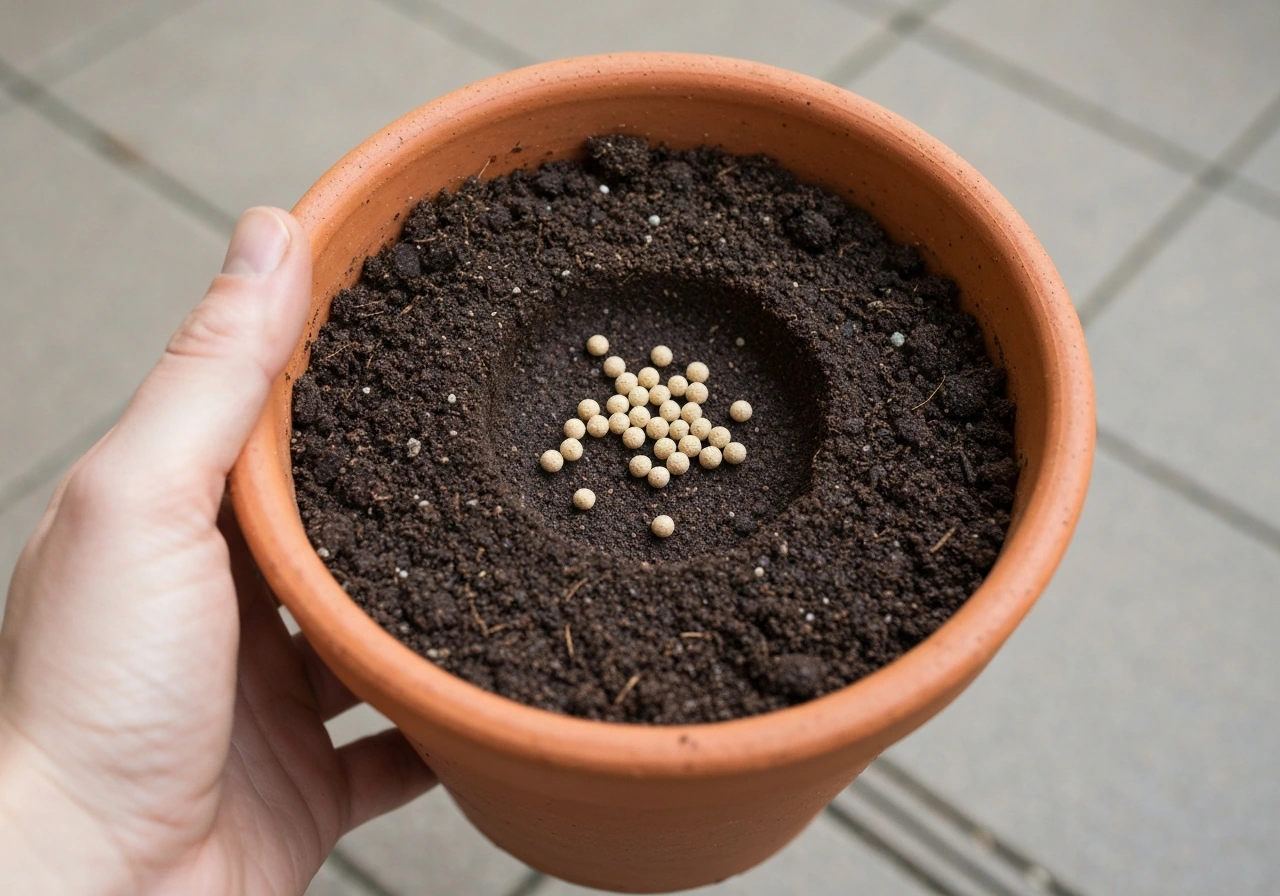
The fastest plant for your home is the one that actually fits your conditions. A radish on a poorly lit windowsill will still beat a tomato in a sunny garden for speed, but if you put it in the wrong container or give it bad soil, you'll slow everything down regardless of the variety. Here's how to match fast growers to your actual setup.
Light situation
Outdoors with full sun (6+ hours): you have the most options. All the fast vegetables above will thrive, and you can even add herbs like cilantro, which can be started basically any time and grows quickly in sun. Outdoors or balcony with partial shade: lean toward lettuce, spinach, and bok choy, which actually prefer some shade as temperatures climb.
Pure indoors with a bright south or west window: lettuce and herbs like basil work reasonably well, but radishes really need more light than most windowsills provide. Pure indoors under grow lights: this is where indoor growing gets serious. Research on lettuce cultivation shows a PPFD (light intensity) range of roughly 150–300 µmol m⁻² s⁻¹ is effective, with a daily light integral target of about 12–17 mol/m²/day.
Running lights for 14–16 hours per day at that intensity gives you the best shot at fast leaf lettuce and spinach indoors.
Container size and type
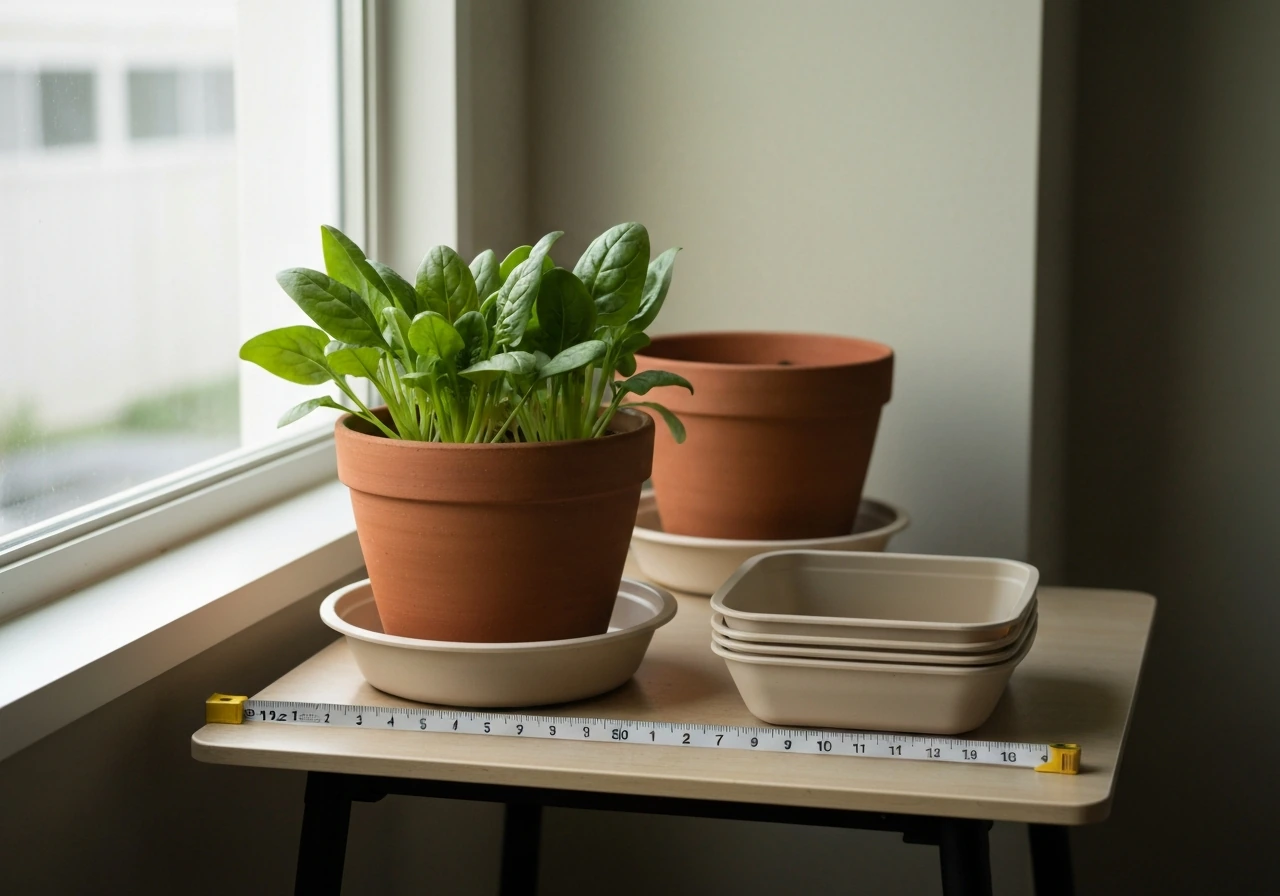
Radishes need at least 6 inches of depth. Leaf lettuce and spinach can manage in containers as shallow as 4–6 inches if drainage is good. Bok choy benefits from 6–8 inches. If you're in a small apartment, a window box or a standard 12-inch pot can easily hold a cut-and-come-again lettuce planting or a row of radishes. Avoid containers without drainage holes, because waterlogged roots are one of the top reasons plants fail to grow fast at home.
Growing method: soil vs potting mix
For containers, never use garden soil directly. It compacts, drains poorly, and will slow your plants down noticeably. Use a quality potting mix with good aeration. For outdoor beds, a loose, well-amended soil is critical for radishes especially, since compaction prevents roots from forming properly. If you're growing in a yard or raised bed, those plants you can grow in a garden will generally grow faster than container plants given comparable conditions, simply because roots have more room and there's less temperature fluctuation.
Speed up growth at home (setup, soil, watering, feeding)
Getting fast results isn't magic. It's mostly about matching germination conditions, keeping the soil consistently moist (not soggy), and giving the right amount of nutrients at the right time. Here's what actually moves the needle.
Nail your germination temperature
Soil temperature controls how fast seeds germinate, and slow germination kills your speed advantage before the plant even gets started. Lettuce germinates best at 60–75°F soil temperature. Spinach prefers 65–75°F. Radishes are a bit more forgiving but still want cool soil in the 50–65°F range. If you're starting seeds indoors, keep them off cold windowsills, which can drop soil temps significantly. A seedling heat mat set to the right temperature can cut days off your germination window.
Watering: consistent moisture is the real trick
Both overwatering and underwatering stall plant growth. For fast-growing seedlings and leafy greens, keep the soil evenly moist but never waterlogged. The goal is the consistency of a wrung-out sponge. For small containers, this might mean watering every day or every other day in warm conditions. Stick your finger 1 inch into the soil; if it feels dry at that depth, water thoroughly. Let water drain completely out the bottom of the container every time.
Soil and feeding
Fast leafy vegetables are nitrogen lovers. A balanced, slow-release fertilizer worked into your potting mix at planting time gives you steady fuel through the whole (short) growing cycle. For a quick crop like radishes that's done in 25 days, one good soil prep with compost or starter fertilizer is usually enough. For lettuce or spinach that you're harvesting over several weeks, a light liquid fertilizer every 10–14 days keeps growth moving. Nitrogen deficiency shows up as light green or yellowing leaves and visibly slower growth, so if you notice those signs, a diluted liquid nitrogen feed (fish emulsion or a balanced liquid fertilizer) will fix it quickly.
Light placement indoors
If you're growing indoors without a grow light, place pots as close to your brightest window as possible, ideally within 12 inches of the glass. Rotate containers every few days so plants don't lean and get uneven growth. If you're using a grow light, hang it 6–12 inches above seedlings and run it for 14–16 hours per day for leafy greens. That light duration and intensity is what makes the difference between spindly, slow growth and compact, fast growth.
Planting timelines and expectations (how fast, when to harvest)
Here's a realistic reference table for the fastest crops you can grow at home right now. These are ranges under good home conditions, meaning correct soil temp, adequate light, consistent watering. Add a few days if conditions are less than ideal.
| Crop | Days to Germination | Days to Harvest (from seed) | Best Growing Spot | Notes |
|---|---|---|---|---|
| Radish | 3–7 days | 20–35 days | Outdoors, containers | Speed champion; cooler soil = faster |
| Mustard greens | 4–7 days | 25–35 days | Outdoors, containers, indoor grow light | Very fast; harvest young for best flavor |
| Baby spinach | 5–9 days | 30–45 days | Outdoors, containers, bright indoor | Prefers soil temps 65–75°F |
| Bok choy / Asian greens | 4–7 days | 30–45 days | Containers, outdoors | Compact, great for small spaces |
| Leaf lettuce | 6–8 days | 35–50 days | Outdoors, containers, indoor grow light | Cut-and-come-again works well |
| Scallions (from sets) | N/A | 21–28 days | Containers, outdoors | Fastest from sets, not seed |
| Peas | 7–14 days | 60–80 days | Outdoors (needs trellis) | Slower but worth it; sow in April only |
If you're working on a school or science project with a tight deadline, radishes and mustard greens are your go-to choices. In fact, what plants grow fast for science projects is a slightly different question than what grows fast for your kitchen, but the answer overlaps almost completely: radishes, fast lettuce varieties, and mustard greens are the top picks in both contexts because of their short, measurable germination and growth cycles.
For indoor houseplants (non-edible), pothos can put out several inches of new growth per week in warm conditions with decent indirect light. Spider plants produce new offshoots (called spiderettes) within a few weeks of being well-established. Neither is on a harvest schedule, but if visible fast growth is the goal, these two rarely disappoint.
Common mistakes that slow plants down (and quick fixes)
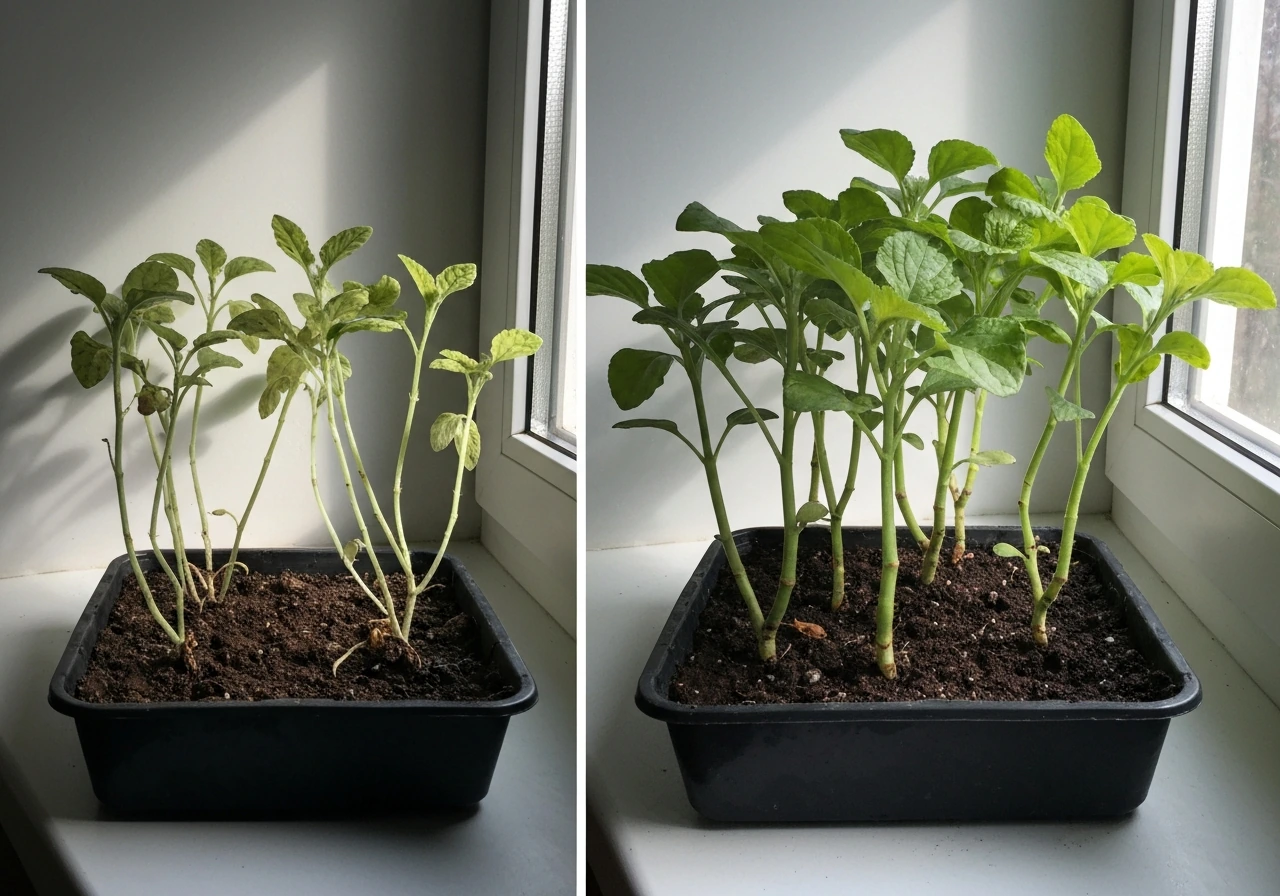
Most slow or struggling plants at home come down to a short list of fixable problems. Here's what actually kills speed and what to do about each one.
- Low light indoors: The single biggest growth killer for indoor edibles. Fix: move to your brightest window or add a basic LED grow light. Even a $20 clip-on grow light run 14 hours a day makes a measurable difference for lettuce and herbs.
- Inconsistent watering: Both overwatering and underwatering stall growth. Overwatering also causes root rot, which destroys the plant's ability to absorb nutrients. Fix: check soil moisture daily with your finger and water only when the top inch is dry. Always drain excess water from saucers.
- Wrong soil for containers: Garden soil in pots compacts over time and suffocates roots. Fix: use a quality potting mix and never reuse old, compacted mix from a previous season without refreshing it with compost.
- Planting in the wrong season: Cool-season crops like radishes and spinach planted in July heat will bolt immediately instead of growing. Fix: match crops to the current season. In April, cool-season crops are your fastest option.
- Skipping fertilizer on containers: Container plants exhaust potting mix nutrients faster than garden beds. Fix: add a slow-release fertilizer at planting and supplement with a liquid feed every two weeks for longer-growing crops.
- Starting seeds in cold soil: Cold soil delays or prevents germination, meaning you lose days before the plant even sprouts. Fix: check soil temperature with an inexpensive thermometer and wait (or use a heat mat) until temps are in the right range for your crop.
- Crowding plants: Overcrowded seedlings compete for light, water, and nutrients, and all of them grow slower. Fix: thin radishes to 2 inches apart, lettuce to 4–6 inches, spinach to 3–4 inches. Thinning feels counterproductive but it genuinely speeds up the survivors.
One mistake that's easy to overlook: poor sanitation and reusing old, disease-laden soil. Root diseases can set in silently and cause weak, slow growth that looks like a light or water problem. If you're getting repeated slow growth in the same container, dump the old soil, clean the pot with a dilute bleach rinse, and start fresh.
What to plant right now and your next steps
It's April 10th. Here's the most direct action plan based on your space type. If you have outdoor space, direct sow radishes and leaf lettuce today. Both germinate fast in current spring soil temps and you'll have something harvestable within 3–5 weeks. Add a row of mustard greens or spinach alongside them. If you only have containers on a balcony or patio, a 12-inch pot with radishes and a window box with cut-and-come-again lettuce is genuinely enough to get you harvesting before the end of May. If you're purely indoors, get a grow light and plant leaf lettuce or baby spinach in a shallow tray. You'll be harvesting in 5–6 weeks.
Before you commit to what you're planting, it helps to be intentional about your reasons and goals. Thinking through what plant you'll grow and why can sharpen your choices, especially if you're balancing limited space, time, or budget. The fastest plant is always the one you're actually set up to grow well right now. Pick one or two from this list, set them up correctly, and you'll have visible results within a week of sowing.
FAQ
Can I start fast-growing plants indoors right now, even if I do not have a grow light?
Yes, but choose the right crop and method. For the fastest results, radishes and fast leaf lettuce are usually the easiest to start from seed indoors, using a shallow tray, warm soil (roughly 50–70°F depending on the crop), and bright light. If you have a grow light, you will get more predictable speed than relying on an average windowsill.
How do I water so my fast plants grow quickly instead of stalling?
To maximize speed, keep the soil evenly moist and prevent drying between waterings, but never let it sit waterlogged. A practical check is the “wrung-out sponge” test, if the top inch dries, water thoroughly and let excess drain fully. For shallow containers, this often means watering daily during bright weather, while deeper pots may need every other day.
What should I do if my radishes or lettuce are bolting too fast?
Yes, and it can be the biggest reason fast crops fail. Many leafy greens and radishes bolt faster when temperatures rise, especially in late spring. In warmer zones, sow early in April, use partial shade or a simple shade cloth outdoors, and consider succession sowing every 7 to 10 days so some plants mature before heat peaks.
Which fast plants are best for repeated harvesting (not just one harvest)?
If your goal is a noticeable harvest quickly, choose cut-and-come-again lettuce and mustard greens over baby bok choy. These let you start harvesting outer leaves, keeping the plant producing over weeks. Bok choy can also be fast, but it is more often harvested as a whole rosette or head, so you get fewer “multiple harvests” per planting.
Do fast-growing greens need fertilizer, or can I skip it?
For speed, it helps to match fertilizer timing to the crop cycle. Radishes typically do not need repeated feeding because they finish quickly, so good compost or a starter fertilizer at planting is usually enough. For lettuce and spinach, add a light nitrogen source every 10 to 14 days (diluted) once you see steady leaf growth, and stop if the leaves get overly dark and lush.
Can I plant multiple fast crops together in the same pot?
Yes. Lettuce and spinach can be sown in the same container in many cases because both prefer cool conditions and similar moisture needs. Avoid mixing very tall crops like peas with small containers. If you do combine, keep spacing generous and thin early, because overcrowding slows leaf expansion.
Why are my fast seeds not sprouting quickly?
If you consistently get poor germination or slow growth, check soil temperature first, then seed freshness. Radish and spinach seed viability drops if stored improperly, and cold windowsills can slow germination even when air feels warm. Using a seed-starting heat mat set to the preferred soil range can cut days off germination, especially indoors.
How can I keep harvesting over several weeks instead of all at once?
Use succession planting, not one big sowing. For many of the fastest crops, sow small batches every 7 to 10 days for cool-season leaves, and every 10 to 14 days for radishes if you notice heat or faster bolting. This keeps you harvesting while the first batch finishes.
What container mistakes slow down fast plants the most?
Most fast crops tolerate containers well as long as drainage and depth match the plant. Radishes need deeper rooting than many people expect, and shallow, no-drainage containers are a common failure point. Aim for drainage holes, use potting mix instead of garden soil, and do not let trays trap water.
Next Article
Best Indoor Plants That Grow Tall: Top Picks & Care Guide
Best tall indoor plants by light, care and season, real heights, potting, pruning, pests, plus a quick picker's guide.