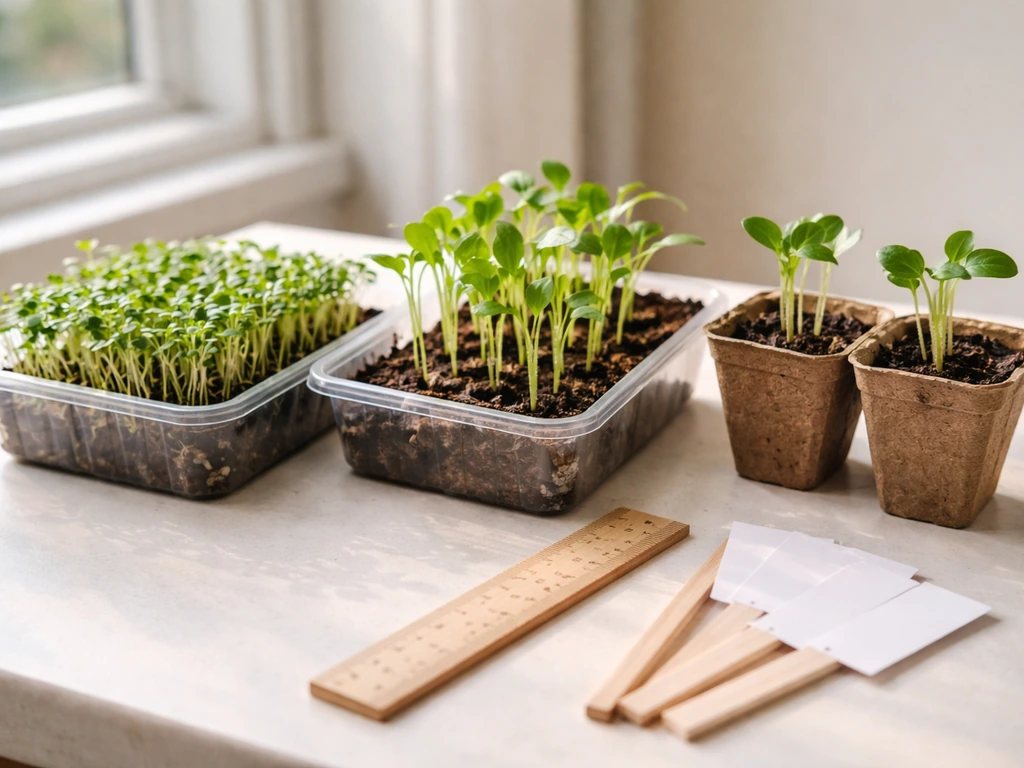
The best plant to grow right now is the one that actually fits where you are, what season you're in, how much light you have, and how much effort you're willing to spend. That sounds obvious, but most people skip the matching step and just pick something they like the look of, then wonder why it dies. Pick a plant that fits your real conditions and you'll succeed almost every time. Pick one that doesn't, and you'll fight it the whole way. This guide walks you through exactly how to make that match, then commit to one plant and get it in the ground (or a pot) this week.
What Plant Will You Grow Why A Simple Choice Guide
Rachel Hartley
12 May 2026
Start with your constraints: place, season, light, and space
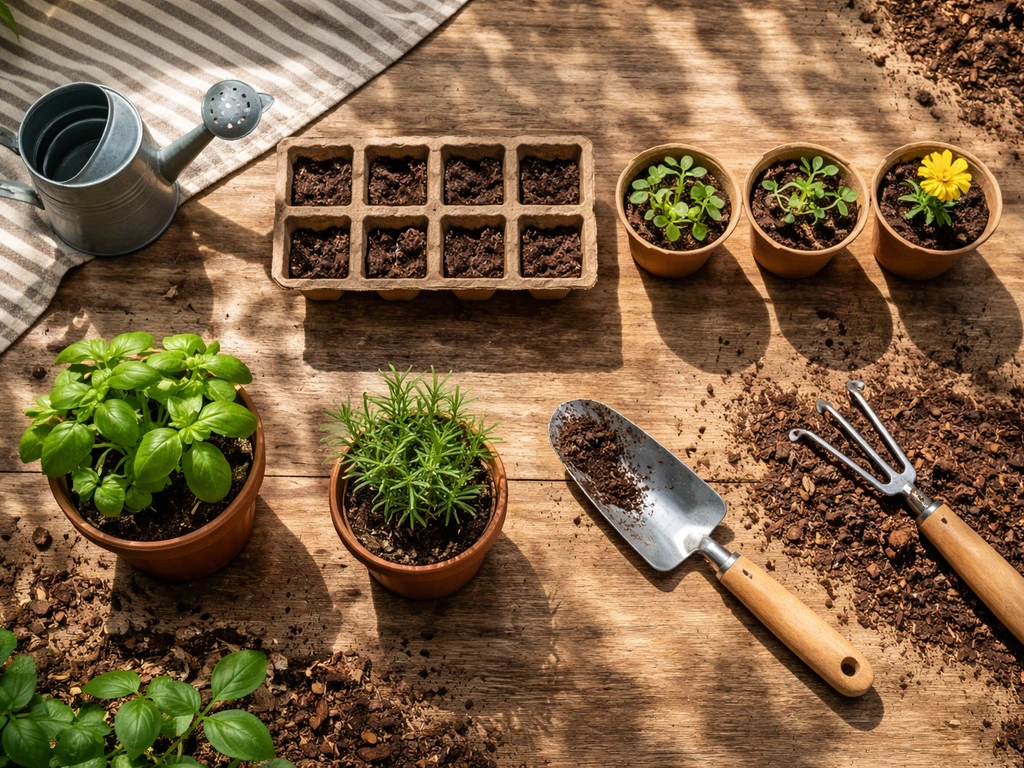
Before you pick any plant, answer four quick questions. Where are you located, and what's your last frost date? It's mid-May right now, which means most of the continental US is past the last frost or within days of it. What light does your spot actually get? Count the hours of direct sun on a clear day. Fruiting crops like tomatoes, peppers, squash, and cucumbers need at least 6 to 8 hours of direct sun per day. Leafy greens like spinach, kale, chard, and mustard can do well with just 4 to 6 hours or even constant dappled shade. Nothing grows well in full dense shade, so be honest here. Finally, are you growing in the ground, a raised bed, or containers? Container depth matters: something like radishes only need a 4 to 6 inch deep pot, while tomatoes need at least a 5-gallon container. These four answers narrow your options down fast.
Pick a plant goal: food, flowers, herbs, medicine, or low-maintenance
Once you know your constraints, decide what you actually want out of this plant. That shapes everything else. Here are the five most common goals and what they mean for your choice.
- Food: You want to eat something you grew. Think vegetables and herbs—tomatoes, basil, radishes, kale, beans, zucchini. These reward effort with tangible results and tend to motivate beginners to keep going.
- Flowers: You want color, pollinators, or cut flowers. Sunflowers, zinnias, and marigolds are all beginner-friendly, seed-direct options that bloom fast and look great.
- Herbs: You want something useful in the kitchen with minimal space. Basil, mint, chives, and parsley grow well in small containers and give you a return every time you cook.
- Medicine or wellness: You want plants with traditional or practical wellness uses. Calendula, echinacea, and lemon balm are approachable options that also double as ornamentals.
- Low-maintenance: You want something alive in your space that you don't have to fuss over. Succulents, pothos, and snake plants for indoors; marigolds or native wildflowers for outdoors.
Be honest about your goal because it changes which plant makes sense even for the same light and space. A south-facing balcony could host tomatoes (food), zinnias (flowers), basil (herbs), or a mix. Knowing your goal prevents you from growing six things at once and harvesting nothing.
Match plants to your conditions
Sun vs. shade
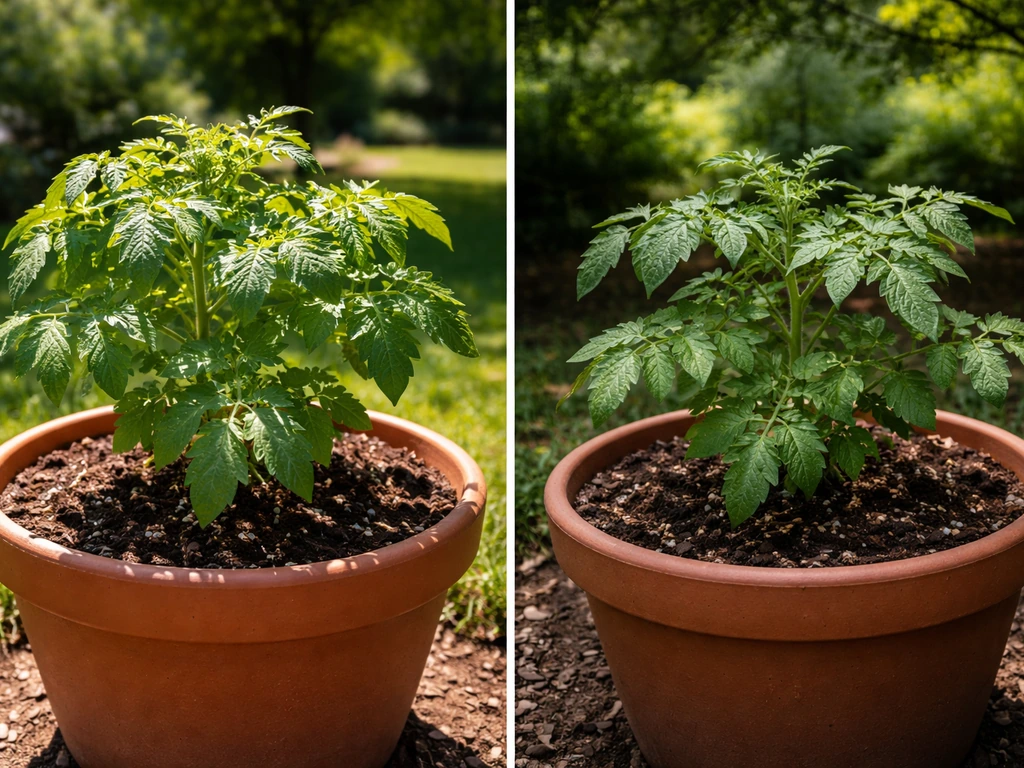
This is the single biggest factor in whether a plant survives. If you have 6-plus hours of direct sun, you can grow almost anything on the vegetable and flower list. If you have 4 to 6 hours or dappled light, stick to leafy greens, herbs like parsley and chives, impatiens (for flowers), or ferns and hostas. If you're indoors starting seeds, plan on giving seedlings 16 to 18 hours of light per day from a grow light for strong, non-leggy growth. A sunny windowsill alone usually isn't enough for seed starting.
Container vs. ground
Container growing is totally viable for most plants, but you have to match the pot to the plant. Look for varieties labeled 'bush,' 'miniature,' or 'patio' since these are bred to stay compact. Whatever container you use, it must have drainage holes. Empty any saucer under the pot after watering so roots aren't sitting in standing water. Use a quality lightweight potting mix, not garden soil, which compacts and kills drainage in containers. UMN Extension also warns that overwatering and using garden soil in seedling trays can introduce damping-off pathogens, so avoid garden soil and don't reuse potting mix for starting seeds not using garden soil and not reusing potting mix when starting seeds. Water when the top quarter inch of soil feels dry, and water thoroughly until it drains out the bottom. This sounds basic but it's where most container plants die.
Beginner-easy picks at a glance
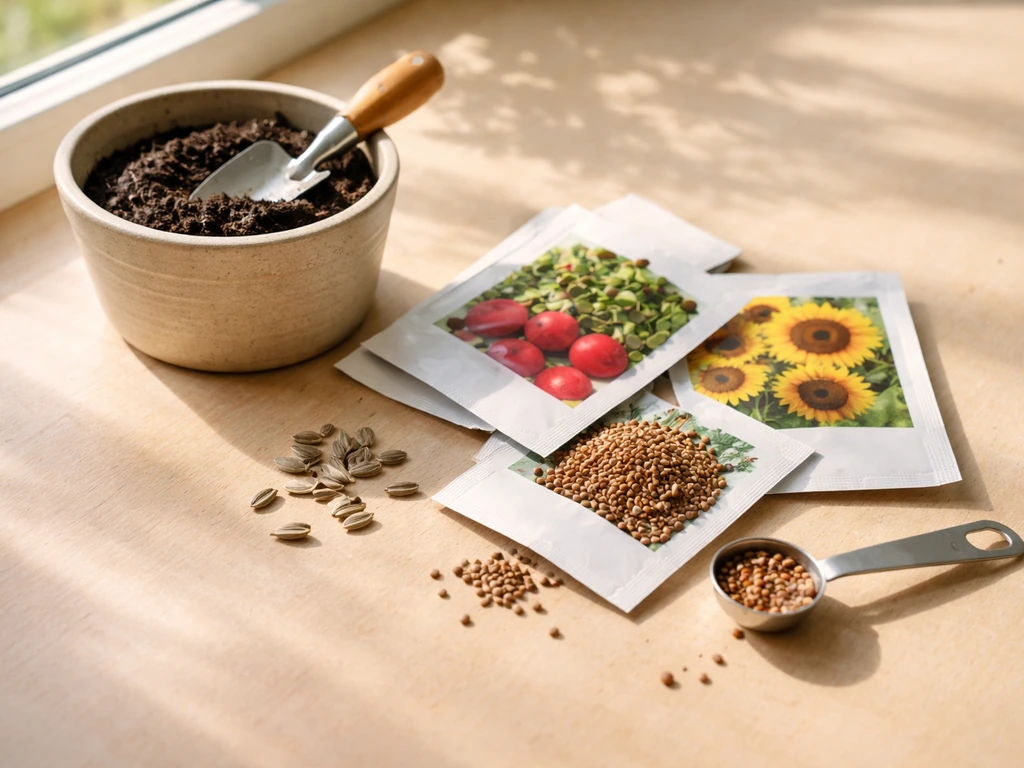
| Plant | Sun needed | Container or ground | Skill level | Days to harvest or bloom |
|---|---|---|---|---|
| Radishes | 6-8 hrs (4 min) | Container (4-6" deep) or ground | Total beginner | 25–35 days |
| Sunflowers | 6+ hrs | Ground or large container | Beginner | 70–120 days to bloom |
| Kale / spinach | 4–6 hrs or dappled | Container or ground | Beginner | 30–60 days |
| Basil | 6+ hrs | Small container or ground | Beginner | Harvest leaves in 3–4 weeks |
| Zinnias | 6+ hrs | Ground or large container | Beginner | 45–70 days to bloom |
| Impatiens | Shade to part shade | Container or ground | Beginner | Blooms at transplant |
Choose the right timing: what to plant now, next, and skip
It's mid-May 2026. For most of the US, this is prime time for warm-season planting. If you're in zones 5 through 8, you're right at or just past your last frost window. Tomatoes, peppers, eggplants, summer squash, and basil should wait until after your local last frost date before going outside. Colorado State University Extension notes that warm-season crops are typically planted about 2+ weeks after the average last spring frost date wait until after your local last frost date. Most of those dates have passed by now in zones 6 and up, but check your local frost calendar if you're in the northern Midwest or higher elevations. For cool-season crops like radishes, spinach, and kale, mid-May is actually the tail end of spring window in warmer zones (they'll bolt in summer heat), but it's still prime time in zones 4 to 5.
A useful rule: count backward from your first fall frost date using the plant's days-to-maturity number. That tells you the latest you can plant something and still get a harvest before the season ends. Radishes at 25 to 35 days can be planted in successions every 10 days or so to extend your harvest window. Sunflowers need 70 to 120 days depending on variety, so planting in May still gives you a bloom before September in most zones.
- Plant NOW (mid-May): warm-season transplants (tomatoes, peppers, basil, squash) in zones 6+, radishes and kale in zones 4–5, sunflower seeds direct in ground, zinnias from seed.
- Plant NEXT (June onward): second round of beans and squash, succession radishes, fall crops like broccoli (start seeds indoors 8–10 weeks before first fall frost).
- Avoid planting now: cool-season crops like peas and spinach in zones 7+ (they'll bolt in summer heat), frost-tender tropicals if you still have cold nights.
Best plants for common real-life scenarios
Here are five scenarios that cover most readers. Find yours and you have your answer. Once you match your constraints to your goals, you can choose the plants you can grow in a garden that will actually thrive where you are.
| Your situation | Best plant pick | Why it fits |
|---|---|---|
| Apartment balcony, 6+ hrs sun, small pots | Basil or cherry tomato (patio variety) | Both thrive in containers, basil needs minimal depth, cherry tomatoes stay compact in 5-gal pots |
| Backyard with full sun, first-time gardener | Sunflowers or zinnias from seed | Direct sow, germinate in 7–10 days, nearly impossible to mess up, fast visual reward |
| Shady yard or north-facing bed | Kale or impatiens | Kale handles 4 hrs of light, impatiens are made for shade and bloom continuously |
| Want to eat something in under a month | Radishes | Ready in 25–35 days, grow in containers as shallow as 4–6 inches, easy succession planting |
| Indoor grower, low light, low maintenance | Pothos or snake plant | Tolerates neglect, low water needs, thrives in indirect light, nearly indestructible |
Why this plant: linking benefits to your actual situation
Generic plant benefits don't help you decide. What helps is connecting the plant's traits to your specific problem. Here's how to think about it. If you have a shady spot, planting tomatoes there isn't ambitious, it's a setup for failure. The right call is kale or chard, which genuinely perform in lower light and give you edible leaves in 30 to 60 days. If you want fast results to stay motivated, radishes are your answer, not because they're exciting but because harvesting something in less than a month keeps you going. If you travel or forget to water, a succulent or snake plant isn't a consolation prize, it's the genuinely correct match. If you have a 6-plus-hour sunny yard and want to attract pollinators, sunflowers and zinnias do more for local bees than almost anything else you could plant, and they cost almost nothing as seeds. Match the plant's actual traits to your real constraint, and the 'why' becomes obvious.
Planting and first-steps checklist
Once you've picked your plant, here's what to do in the next 7 days to get it established correctly.
- Confirm your last frost date has passed (or is within the next few days) if planting warm-season crops outdoors.
- Choose the right container size or garden bed spot based on your plant's mature size and root depth needs.
- Get a quality potting mix for containers (not garden soil), or amend your bed with compost if the soil is poor.
- Make sure containers have drainage holes and that no saucer will hold standing water under the pot.
- Plant seeds at the depth listed on the packet, or plant transplants at the same depth they were growing in their nursery pot (tomatoes are the exception: bury them deep).
- Water thoroughly right after planting until water runs out the drainage holes. Then check daily by pressing a finger into the top quarter inch of soil.
- If starting seeds indoors, set up a grow light at 16 to 18 hours per day. A windowsill alone usually produces leggy, weak seedlings.
- Label your plant with the variety name and the date planted so you can track days-to-maturity.
Quick troubleshooting and your backup option
Common problems and fast fixes
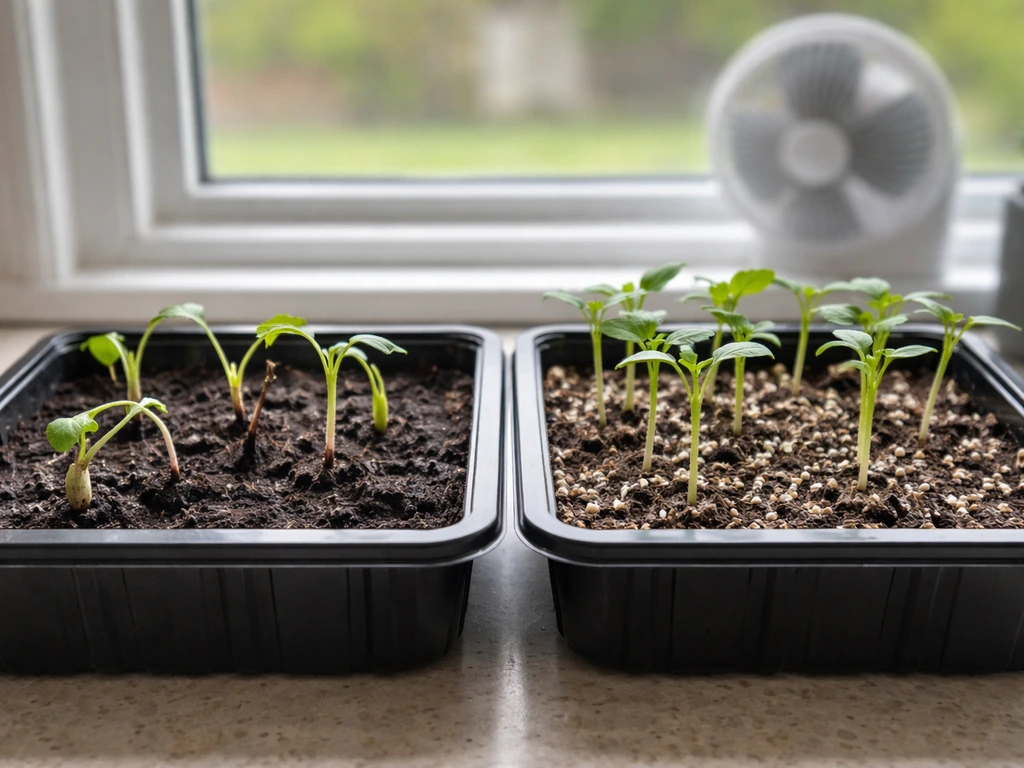
- Seedlings flopping over or rotting at the base: This is damping-off, a fungal problem. It almost always traces back to using non-sterile soil, overwatering, or poor airflow. You can't save infected seedlings. Toss them, sanitize the tray, and restart with a sterile potting mix. Never use garden soil in seed-starting trays.
- Yellow leaves and slow growth: Could be too little nitrogen, too little light, or overwatering. Check light hours first. If light is adequate, get a soil test through your local extension office before adding fertilizer blindly.
- No germination after 2 weeks: Seeds may be too old, soil too cold, or planted too deep. Check soil temperature (most warm-season seeds want 60°F or above). Replant fresh seeds at the correct depth.
- Leaves scorching or wilting midday in containers: The pot may be drying out too fast. Move to slight afternoon shade, water more frequently, or size up your container to hold more moisture.
- Plant bolting (going to seed suddenly): Usually caused by heat or day length. This is common with spinach and cilantro in late spring. Your backup is to switch to a heat-tolerant crop like basil or beans.
Choosing a backup plant
If your first choice isn't working, don't start over from scratch with research. Just step one category simpler. If tomatoes are struggling (not enough sun, too much to manage), switch to basil in the same pot. If kale bolted, swap in chard which handles heat better. If sunflowers aren't germinating, try zinnias which are faster and more forgiving. The backup rule is: same light requirement, lower days-to-maturity, simpler care. That usually means you can still get something out of the current season without waiting for next year.
If you're still deciding between a few options, think about which plant will teach you the most or keep you most interested. A fast crop like radishes builds momentum. A bigger project like tomatoes or sunflowers builds skill. If you're curious about growing more varieties at home, looking into fast-growing plants suited to your indoor or outdoor space can help you fill the gaps between seasons and keep things going year-round. If you're looking for which plant grow fast at home, radishes, basil, and leafy greens are usually the quickest wins fast-growing plants.
FAQ
What plant should I choose if I’m not sure how much sun my spot gets?
If you cannot get at least 4 hours of light, choose shade-tolerant greens or herbs, and expect slower growth. With dense shade, even the “right” plant may look okay for a week and then stall, so consider moving the container to the brightest spot you have (windowsill, porch rail, or near a reflective wall) before buying more plants.
Do morning sun hours count the same as afternoon sun for deciding what plant will grow well?
Do a quick reality check, subtracting time lost to obstructions. If a tree, railing, or building blocks morning sun but you get bright afternoon light, it still counts as usable hours for sun-lovers. When in doubt, lean toward leafy greens and herbs, because they tolerate partial light better than fruiting crops.
How can I keep harvesting if the season window is short where I live?
Use succession planting, not just one sowing. For short windows (cool seasons or early spring), plant fast crops in batches every 7 to 14 days, depending on how quickly the variety matures, so a heat wave or missed watering does not wipe out your entire harvest.
What if a plant “fits” my dates, but I’m worried I won’t keep up with care?
Match the maturity period to your calendar first, then your effort level second. A plant can technically fit by days-to-maturity but still fail if it needs daily care (consistent moisture, staking, or protection). If you cannot commit to frequent checking, prioritize varieties with shorter maturity and lower input.
Can I start seeds indoors on a sunny windowsill instead of using grow lights?
Yes, but you have to decide whether you want fruiting or foliage success. Indoor seedlings usually need intense light hours to grow properly, a sunny window typically produces weak, leggy starts unless you add a grow light or you have very strong, direct exposure.
What are the most common container mistakes that make a plant fail even if it’s the right choice?
For containers, drainage and soil mix matter as much as depth. If your pot holds water or the mix stays soggy, roots suffocate and plants look like they are “not the right one.” Always use a container with drainage holes, lightweight potting mix, and water based on the top layer drying, not the calendar.
How do I choose between a fast plant and a bigger project when I want results quickly?
If your “fast harvest” goal is about motivation, prioritize crops that you can harvest continuously, like leafy greens cut-and-come-again, or quick roots like radishes. If you want fewer but bigger harvests, choose fruiting plants and plan for longer wait times and extra care.
If my first plant choice doesn’t work, what’s the best way to adjust without starting over?
Pick a backup that shares the same light setup and similar watering needs, then you can swap without reworking everything. Examples include switching between leafy greens in similar light, or swapping one sun-tolerant flowering choice for another, instead of changing the entire sun category (shade to full sun) mid-season.
How do I choose a plant for pollinators if the blooming season might not match my timing?
When pollinators are the goal, choose plants that match the season they need to bloom. Planting sunflowers and zinnias works when they are timed to your local temperatures, but if it’s too early or too cold they may stall. If you’re planting later than planned, choose varieties and sowing times that align with warm weather bloom.
Next Article
What Plants Grow Fast for a Science Project: Quick Picks
Fast science-project plants with timings, step-by-step planting, measurement tips, and best choices by season and setup