Right now, in mid-June 2026, you can grow warm-season crops that love the heat (tomatoes, basil, beans, zucchini), start planning your fall garden with cool-season crops like kale and lettuce seeded in July, and fill in with flowers and herbs that thrive all summer with minimal fuss. The best plants for your garden depend on four things: how much sun you get, what your soil and drainage are like, how much space and time you have, and what you actually want out of the garden. Work through those four things and picking plants gets a lot easier.
Plants You Can Grow in a Garden: What to Plant Now
Rachel Hartley
17 Jun 2026
Quick checklist to match plants to your site
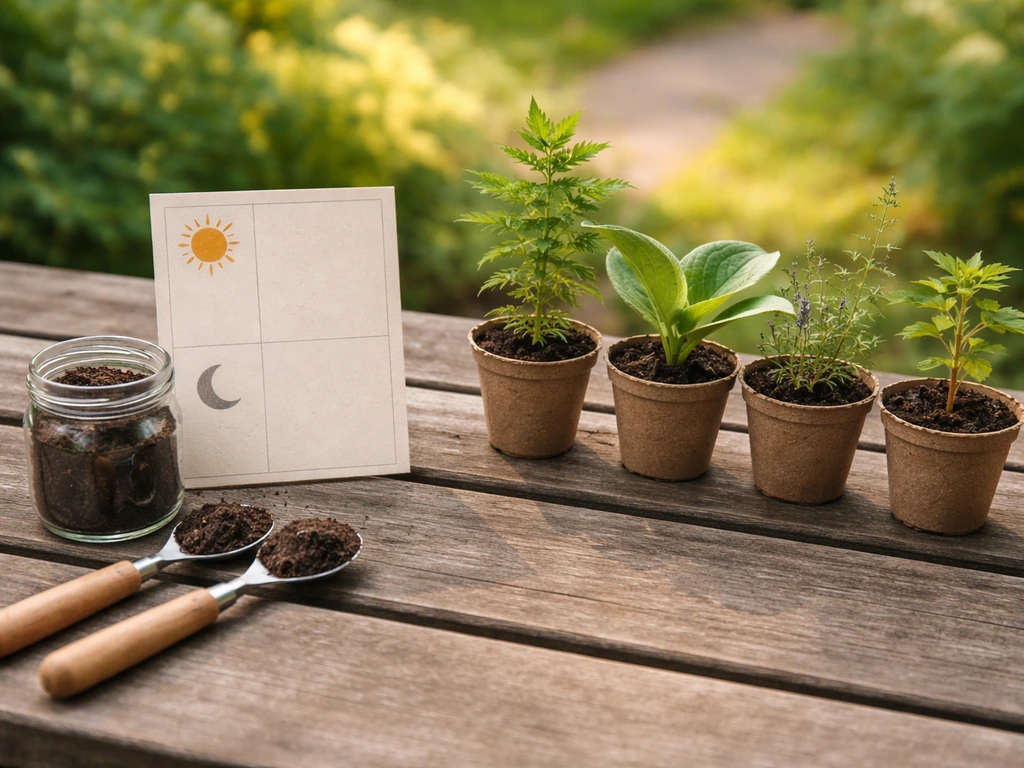
Before you pick a single plant, spend five minutes answering these questions. They'll cut your list down fast and save you from buying something that'll struggle in your yard.
- How many hours of direct sun does your spot get? Count honestly. Six or more hours is full sun. Two to four hours is partial shade. Less than two hours with no direct sun is dense shade. Most vegetables and herbs need that six-hour minimum to actually produce.
- What does your soil do after heavy rain? If water sits for more than an hour or two, drainage is poor and you'll need to amend, build raised beds, or use containers. Good drainage (water gone within an hour) works for almost everything.
- What's your soil pH? Aim for 6.0–7.0 for most vegetables and ornamentals. A simple soil test from your county extension office costs a few dollars and tells you exactly where you stand.
- How much space do you have? A 4x8 raised bed, a 10-foot in-ground row, or a collection of pots all call for different plant choices and quantities.
- What's your first expected frost date? Work backward from that date using the days-to-maturity on your seed packets to figure out what can still realistically be planted now.
- How much time do you want to spend? Be honest. Some plants need daily attention; others basically grow themselves.
Once you've answered those, you're not guessing anymore. You're matching plants to real conditions, which is the only way to reliably get something to grow.
Best plants to grow by season (what to plant now)
It's mid-June, which means you're right at the seasonal pivot point. Warm-season crops are either already in the ground or going in now, and the smart move is to start thinking about fall at the same time. Here's how to split your planting attention:
Plant right now (mid-June through July)
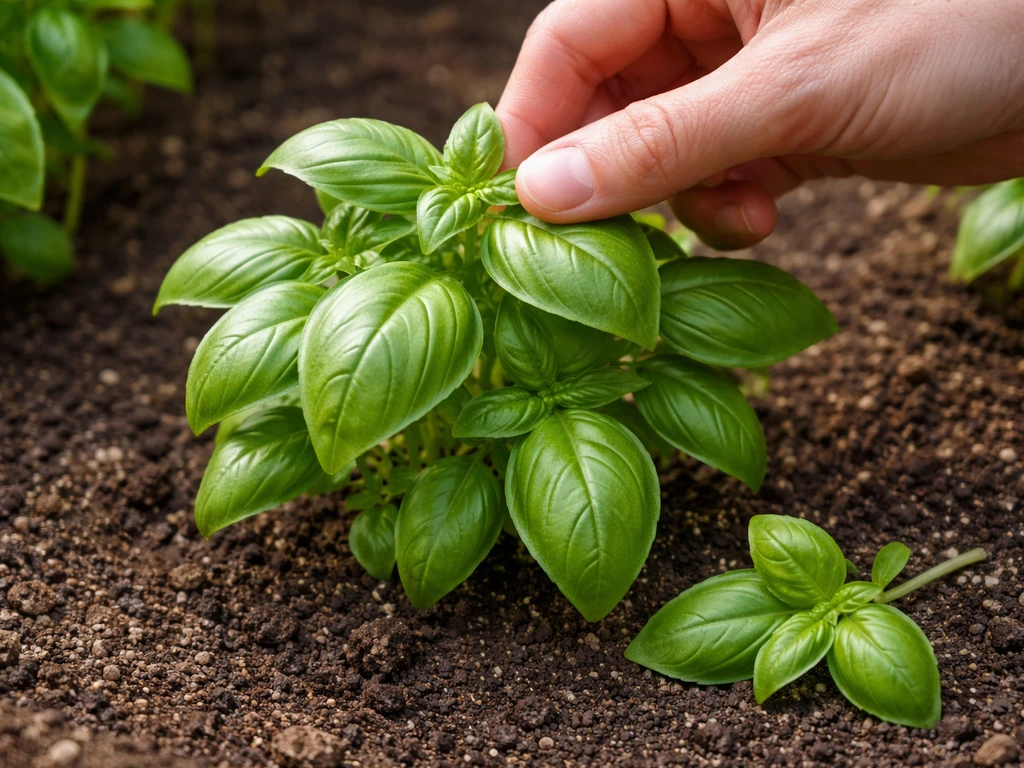
- Basil: One of the best plants you can start in June. It needs at least six to eight hours of sun and well-drained soil, and it's ready to harvest in about a month. Start pinching flowers the moment they appear or the plant goes woody and stops producing leaves.
- Bush beans and pole beans: Fast, forgiving, and productive in full sun. Direct sow now for a summer harvest.
- Summer squash and zucchini: If you haven't planted yet, get them in this week. They produce heavily and fast.
- Cucumbers: Still have time for a full harvest before frost in most regions. Plant in full sun, keep them watered consistently.
- Cilantro: Like basil, it's ready in about a month. It bolts fast in heat, so plant in a spot with some afternoon shade if you're in a hot climate.
- Sunflowers: Direct sow now for late-summer blooms. They're low-effort and excellent for pollinators.
- Marigolds and zinnias: Still very much in season for direct sowing. Both bloom fast and keep going all summer.
Start these in July for a fall harvest
This is where a lot of gardeners leave food on the table. University extension programs across the country (Minnesota, Maryland, Iowa, Nebraska) all recommend using mid-to-late summer to seed cool-season crops for fall. The heat does the germination work for you, and the plants mature as temperatures drop, which actually improves flavor in most of these crops.
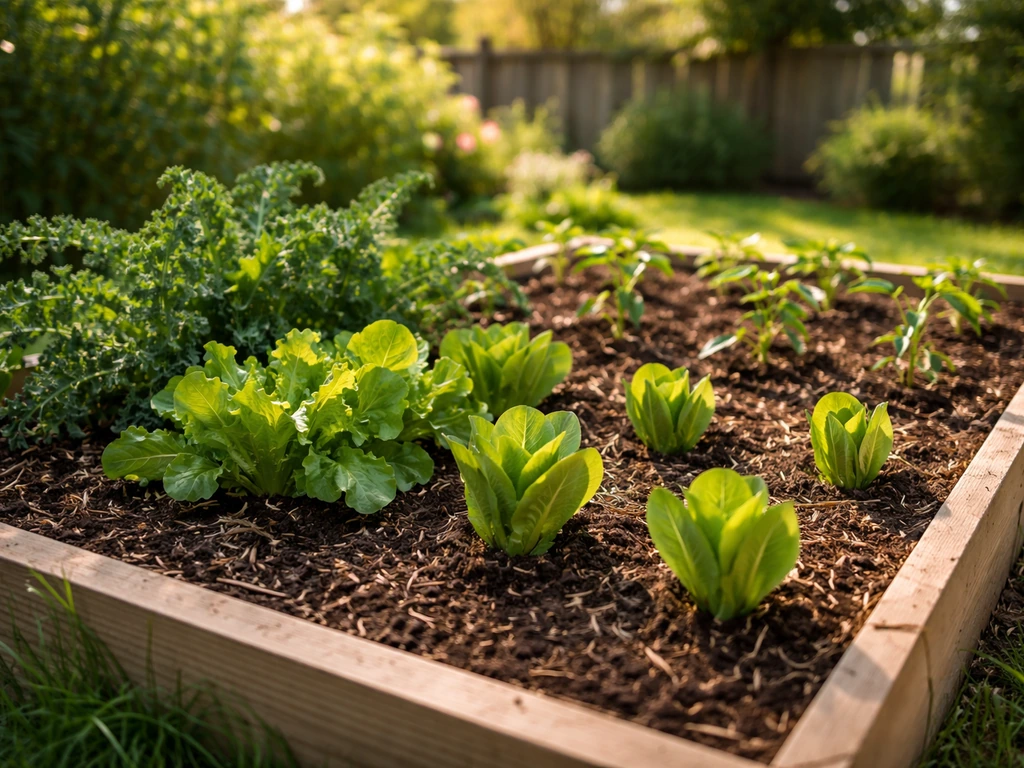
- Kale: Seed directly in the ground from early July through early September depending on your region. Kale can be harvested as baby greens in about 30 days and reaches full maturity in 55–75 days. It gets sweeter after a frost.
- Lettuce: Sow in mid-July for fall harvest. In hot climates, give it afternoon shade and choose heat-tolerant varieties. It bolts when stressed by heat or inconsistent watering, so keep moisture consistent.
- Spinach: Great for late August seeding toward a September/October harvest.
- Root vegetables (radishes, beets, turnips, carrots): Most have short enough days-to-maturity to work from a late July or August start.
- Broccoli and cabbage transplants: Start seeds indoors in late June/early July for transplanting in August.
The rule for fall planting is simple: take your average first frost date, count back the days-to-maturity listed on the seed packet, and add about two weeks as a buffer. That's your latest safe planting date.
Sun and shade plant picks
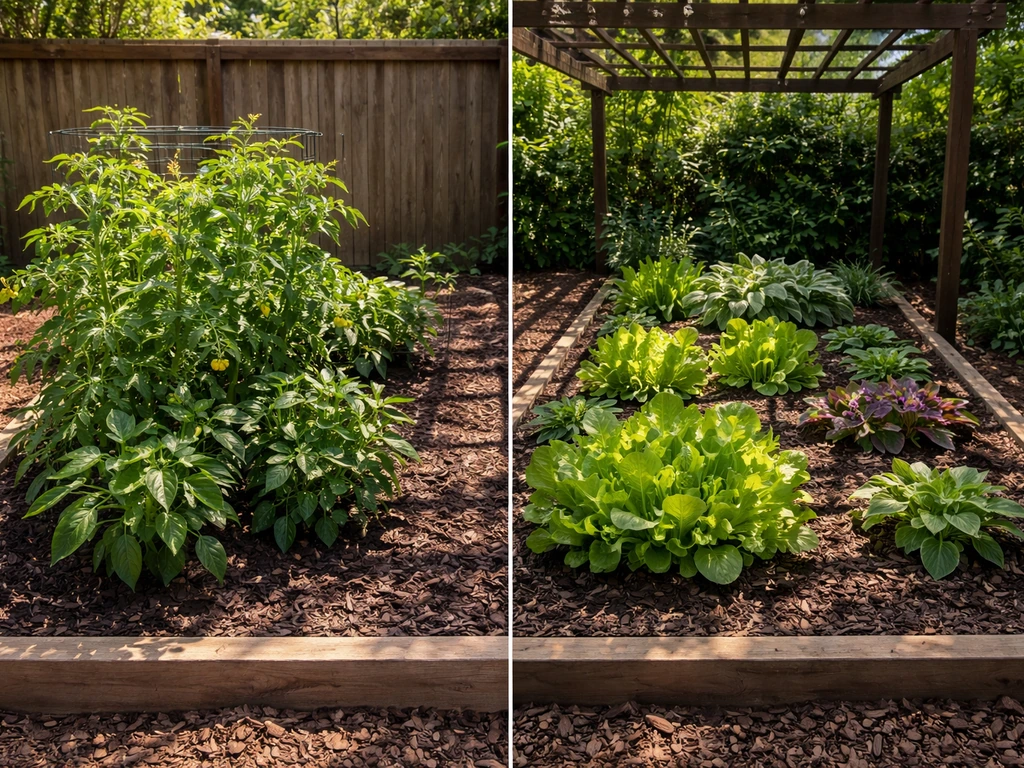
Your light situation narrows the list more than almost anything else. Full sun means six or more hours of direct sunlight daily. Partial shade is two to four hours. Dense or heavy shade means little to no direct sun. Here's what works where:
| Light Level | Good Edibles | Good Flowers/Ornamentals | Notes |
|---|---|---|---|
| Full sun (6+ hrs) | Tomatoes, peppers, basil, beans, squash, cucumbers, most herbs | Zinnias, marigolds, sunflowers, coneflowers, black-eyed Susans | Fruiting vegetables need at least 6–8 hrs; less light means fewer fruits |
| Partial shade (2–4 hrs) | Lettuce, kale, spinach, cilantro, parsley, mint | Impatiens, begonias, astilbe, columbine | Salad greens actually prefer afternoon shade in summer heat |
| Dense shade (<2 hrs) | Very limited; possibly some mint or chives | Hostas, ferns, bleeding heart, lungwort | Edibles rarely produce well; focus on ornamentals or improve light |
One practical note on shade and summer heat: even plants listed as 'full sun' like lettuce can benefit from afternoon shade in July and August if you're in a hot climate. A little shade from a taller plant or row cover can keep lettuce from bolting. Inconsistent watering also triggers bolting, so keep moisture steady if you're growing greens in warm weather.
Soil type and drainage
Most vegetables prefer a slightly acidic pH around 6.5, which is right in the sweet spot where nutrients are most available. If your soil is outside the 6.0–7.5 range, plants can show nutrient deficiencies even if you're fertilizing. A soil test is worth the few dollars it costs. For drainage: if water pools in your spot after rain and stays for hours, roots will sit in saturated soil and rot. The fix is to either raise your planting area (raised bed, mounded rows), add organic matter to break up compaction, or redirect water away from the planting zone. If improving drainage isn't realistic, containers are your best friend.
Low-maintenance picks for beginners
If you're newer to gardening, or just want plants that won't require daily babysitting, these are the ones I'd point you to first. They're forgiving, productive, and don't require a lot of special knowledge to get going. If you're wondering which plant can we grow at home first, start with a forgiving option that matches your light and watering habits.
- Kale: Almost indestructible. It tolerates heat, cold, some shade, and mediocre soil better than most vegetables. Seed it now for fall and basically ignore it until harvest.
- Zucchini and summer squash: A little too easy, honestly. One or two plants will feed a family. The only real failure mode is not harvesting often enough and letting fruits get enormous.
- Bush beans: No staking, no pruning, no fuss. Direct sow, water regularly, harvest in 50–60 days.
- Marigolds: Plant them once, and they bloom from now until frost. They also discourage some pests around vegetables, which is a bonus.
- Mint: If you're growing herbs, mint is nearly impossible to kill. Keep it in a container though, because it spreads aggressively in the ground.
- Sunflowers: Seed directly in the ground, water occasionally, done. They're also excellent for attracting pollinators.
- Chives: Perennial in most climates, meaning they come back every year. Minimal care required.
One strategy worth knowing: let some of your herbs go to seed at the end of the season. Cilantro, dill, and basil will self-seed in many climates, which means free plants next spring with no effort on your part. It's a beginner-friendly way to build momentum over time.
Edible and herb plants for your garden
Growing food is one of the most satisfying things a garden can do, and you don't need much space to get real results. Here's how to think about edibles by category:
Summer vegetables to grow now
Tomatoes, peppers, cucumbers, beans, and squash are all in their prime planting window right now. They all need full sun (six to eight hours minimum) and about an inch of water per week from April through September. The biggest mistake with summer vegetables is inconsistent watering, which causes issues like blossom drop in tomatoes and bitter cucumbers. Water deeply at the base of the plant rather than spraying the foliage, and you'll avoid most disease problems.
Herbs for full sun
- Basil: Needs 6–8 hours of sun, well-drained soil, and consistent pinching to prevent flowering. Harvest frequently to keep it bushy and productive.
- Rosemary: Drought-tolerant once established, loves heat and sun. Great in containers or in-ground in mild climates.
- Thyme and oregano: Both very low maintenance, tolerate dry conditions, and thrive in full sun.
- Dill: Grows fast and works well alongside tomatoes and cucumbers. Let some go to seed for next year.
Herbs for partial shade
- Cilantro: Prefers cooler temperatures and tolerates partial shade, which actually slows bolting in summer.
- Parsley: Does fine in partial shade and is one of the most reliable herbs for beginner gardeners.
- Mint: Thrives in partial shade and moist soil. Keep it in a pot to contain spreading.
Herbs generally don't demand much. Good drainage, adequate light, and decent airflow are the main requirements. NC State Extension puts it plainly: herbs rarely suffer serious pest or disease problems when those basics are in place. They're some of the best plants to start with if you want edible results without a steep learning curve.
Flowers and pollinator-friendly plants that actually deliver
Not all pollinator mixes and wildflower packets are created equal. NC State Extension's IPM program warns specifically that many commercial seed mixes are broad-adaptation blends that may not match your region, may include invasive species, and often don't provide forage across the whole season. If you want to actually support pollinators, pick specific plants rather than dumping a generic mix in the ground.
The University of Maine recommends aiming for at least nine different native plant species that cover three seasonal windows: early (April–June), mid (July–August), and late (September–October), with at least three species per window. Penn State Extension advises that pollinator-friendly gardens should include plants that provide pollen and nectar all year round. That's a practical target whether you have a big bed or a few pots on a patio.
Reliable pollinator plants for summer planting
- Coneflower (Echinacea): Native, drought-tolerant, blooms mid-to-late summer, and perennial in most climates. One of the best investments for a pollinator garden.
- Black-eyed Susan (Rudbeckia): Native wildflower, extremely easy to grow, blooms July through September, and attracts bees and butterflies.
- Zinnias: Annual but spectacular for pollinators. Butterflies especially love them. Direct sow now for blooms through frost.
- Sunflowers: Double duty as a pollinator plant and a visual anchor. Native bees go wild for them.
- Marigolds: Consistent nectar source all summer. Not the most exciting pollinator plant, but reliable and easy.
- Lavender: Full sun, drought-tolerant once established, and a magnet for bees. Works in-ground or in large containers.
- Anise hyssop: Native, easy to grow, blooms mid-to-late summer, and extremely attractive to bumblebees.
- Goldenrod (Solidago): Often unfairly blamed for allergies (ragweed is the real culprit). One of the most important late-season nectar sources for pollinators before winter.
Native plants earn a special mention here. OSU Extension notes that native trees, shrubs, and wildflowers often provide the best nectar and pollen for native pollinators because they've coevolved together. If you can include even a few native species, you'll get more pollinator activity than the same number of non-native ornamentals.
Containers vs. in-ground: what to choose and how to make it work
Both methods work well, but they have genuinely different demands. Understanding the trade-offs helps you pick the right one for your situation rather than fighting a losing battle.
| Factor | In-Ground | Containers |
|---|---|---|
| Best for | More plants, larger crops, perennials | Patios, renters, poor soil or drainage, mobility |
| Watering | About 1 inch per week; less frequent | Daily or even twice daily in hot weather |
| Fertilizing | Amend soil at start, less ongoing feeding | Every 2–3 weeks with liquid or controlled-release fertilizer; nutrients leach out quickly |
| Soil | Amend native soil with compost | Always use potting mix, never garden soil |
| Drainage | Needs good native drainage or amendments | Critical: must have drainage holes; elevate pot slightly |
| Plant size | Fewer limits | Match pot depth to root depth of mature plant |
| Setup cost | Lower long-term | Higher per plant due to mix and fertilizer costs |
Container gardening done right
The single most important thing with containers is drainage holes. UGA Extension calls this the most critical container feature, and they're right: without them, your roots will sit in water and rot no matter what you do. Don't put gravel at the bottom of the pot thinking it helps, it doesn't actually prevent the saturated zone from forming in the potting mix above it. Just make sure your container has holes, and elevate it slightly so water can flow out freely.
Always use potting mix in containers, not soil from your garden. Garden soil gets compacted and can hold too much moisture in the confined space of a pot. Wet or dampen dry potting mix before you plant into it. Then plan on fertilizing: nutrients leach out quickly with repeated watering, so even if you used a slow-release fertilizer at planting, you'll likely need to supplement with liquid fertilizer every two to three weeks through the season.
Container watering in summer is a real commitment. On hot days, smaller pots may need water twice a day. If that's too much, go bigger. Larger containers hold more soil volume, dry out more slowly, and give roots more room to grow. Choose pot depth based on what you're growing: shallow-rooted herbs and lettuce can get by with 6–8 inches, but tomatoes and peppers need at least 12–18 inches of depth.
Best plants for containers right now
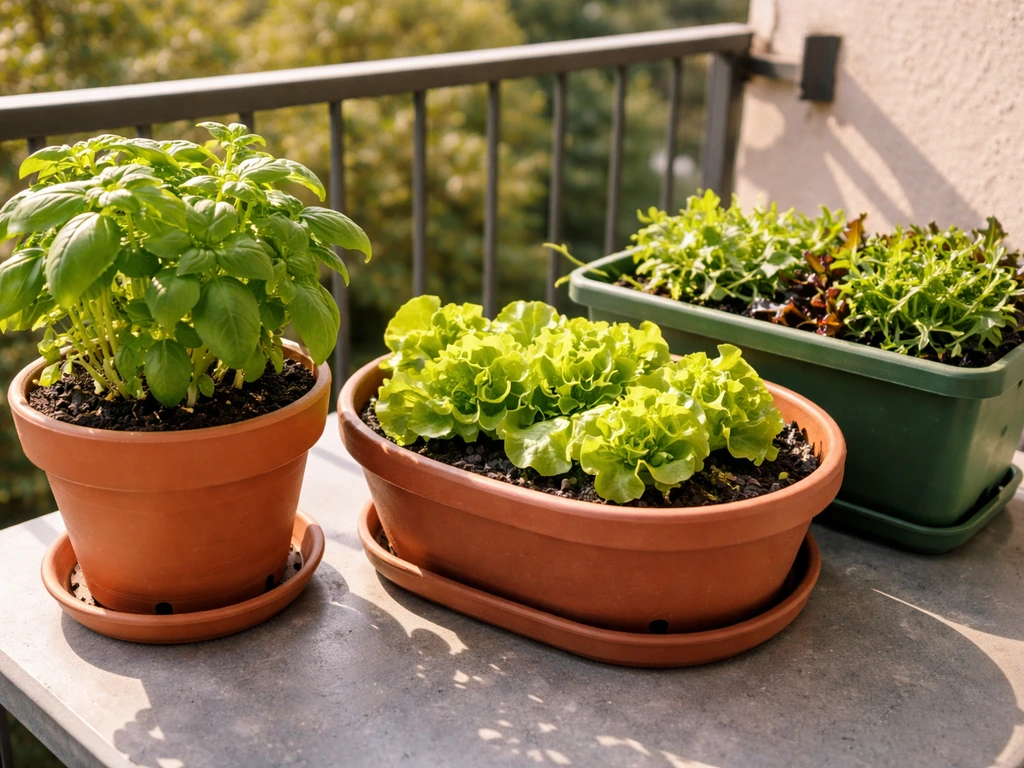
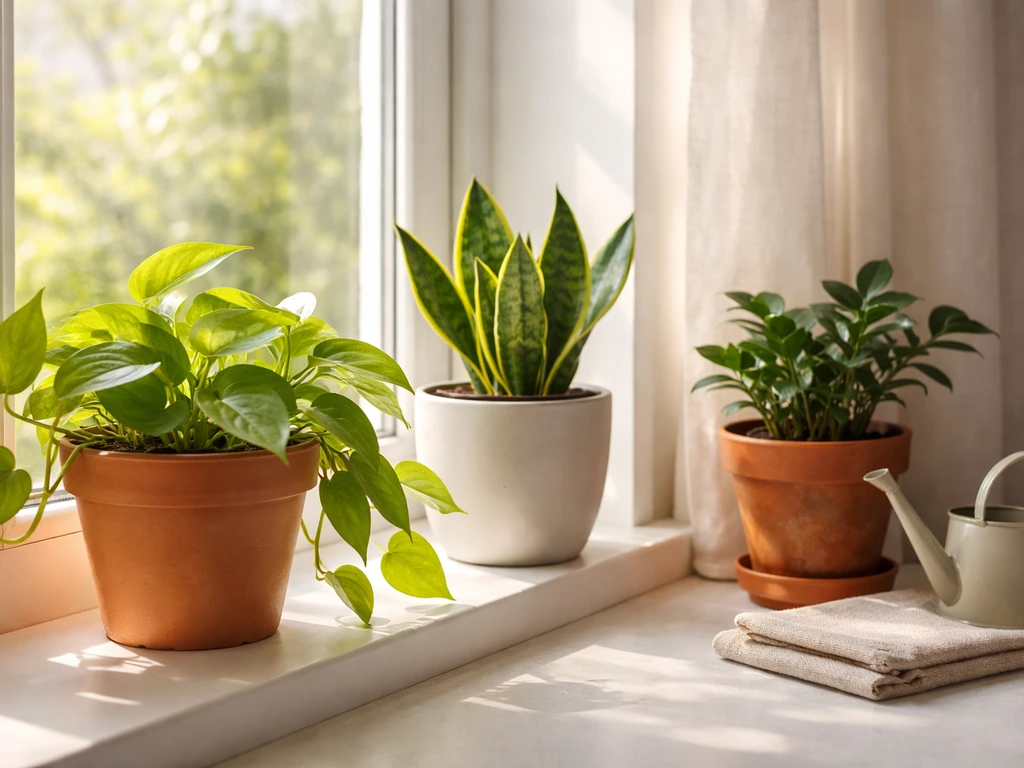
- Basil: Perfect container herb. Grows fast, needs sun and drainage, and you can keep it on a sunny windowsill or balcony.
- Lettuce and salad greens: Shallow roots, quick harvest, and partial shade tolerance makes them ideal for smaller pots.
- Cherry tomatoes: More forgiving in containers than large slicing varieties. Go for a compact or dwarf variety in at least a 5-gallon pot.
- Herbs generally (thyme, parsley, chives, oregano): Most herbs are practically designed for container life.
- Peppers: Compact, productive, and they love the heat that containers tend to amplify.
- Zinnias and marigolds: Low-water annuals that bloom all summer in containers and look great on a patio.
Your next steps based on where you are today
If you're standing in your yard or on your patio right now in mid-June wondering where to start, here's the honest short version: put warm-season crops in the ground this week if you haven't yet, pick up kale and lettuce seeds to start in July for fall, grab a few herb transplants if you want results faster than seeds provide, and choose plants specifically suited to your actual light and drainage situation rather than what looks appealing at the garden center. Clemson HGIC also advises choosing seed varieties adapted to your area and intended use, and avoiding planting related crops in the same location year after year blank" rel="noopener noreferrer">Clemson HGIC advises choosing seed varieties adapted to your area and intended use. A plant that matches your conditions beats a more exciting plant that fights your site every single time. When you ask yourself what plant will you grow and why, this simple fit is the deciding factor matches your conditions.
If you're curious about which plants grow fastest (useful if you're working with a short season or impatient kids), or want to explore what else you can grow at home beyond the garden, those are worth looking into separately. The principles stay the same: match the plant to the conditions, start at the right time, and keep it simple until you know what works in your specific spot.
FAQ
What should I grow if I only get a few hours of sun each day?
Focus on plants that tolerate lighter conditions, then adjust with shade timing. In summer, try leaf crops like lettuce or spinach under partial shade, and use taller neighbors or row cover to create afternoon protection. Also prioritize steady moisture, because lower light combined with heat can increase stress and bolting.
How do I choose between starting from seed vs buying transplants right now?
If you need speed or your fall timing is tight, transplants usually reduce risk, especially for tomatoes and peppers. For crops you can direct sow easily, like beans or many herbs, seed is often more reliable. As a rule of thumb, if the seed packet’s days to maturity plus your buffer pushes past the latest safe date, switch to transplants.
Can I plant fall crops too late even if I count back from the first frost date?
Yes, because seed packets assume ideal germination and steady growth. If your area has hot late-summer temperatures, heavy shade, or poor soil, add more buffer than two weeks. You can also improve odds by using faster-maturing varieties and starting indoors for a head start when heat is still intense.
Why do my warm-season vegetables flower but not set fruit?
Common causes are inconsistent watering, heat stress, and nutrient imbalance. Water deeply at the base and avoid cycles of dry then drenched. If plants look lush but fruit is scarce, check for excess nitrogen. For heat, consider providing temporary shade cloth during the hottest stretches to reduce flower drop.
What’s the easiest way to prevent bolting in lettuce and other greens during July and August?
Use consistent watering and give some afternoon relief. Even “full sun” greens often bolt sooner in hot climates, so aim for part of the day with shade. If you can’t manage shade, try light row cover to moderate temperature and keep moisture more even.
How often should I water, and how do I know I’m overwatering?
Water based on whether the soil dries slightly at the top, not on a fixed schedule. Overwatering shows up as slow growth, yellowing, or persistent sogginess, especially in heavy soil. Your drainage test is a quick decision aid: if water pools after rain and stays for hours, adjust with raised beds, organic matter, or containers.
Do I need a soil test if I’m using compost or fertilizer?
It’s optional, but it prevents common “wasted inputs” problems. If pH is outside the roughly 6.0 to 7.5 range, plants can show deficiencies even when you fertilize. A soil test is also the best way to decide how much amendment to add, rather than guessing.
Are herbs really low-maintenance, or do they have hidden needs?
They’re generally forgiving, but airflow and drainage still matter. If herbs stay wet or crowded, problems like mildew can appear. Keep herbs in well-drained soil, avoid constant wet feet, and water at the base rather than misting foliage.
What’s a good way to support pollinators without buying a generic wildflower mix?
Instead of one broad blend, plant a short list of region-appropriate species that bloom across multiple months. Aim for coverage in early, mid, and late seasonal windows so pollinators have forage when temperatures shift. This also reduces the chance of ending up with plants that don’t perform well in your climate.
If I want native plants, how many do I need to make a difference?
You don’t need a huge bed to see activity. A practical approach is to include several native species that cover different parts of the growing season. Prioritize species that flower at different times, and don’t worry if you cannot convert an entire yard at once.
Can I grow in containers year-round, or do I need to switch plants?
You can grow many things in containers through much of the year, but you will typically rotate crops with the seasons. Warm-season plants will slow or fail when cold hits, while cool-season crops often thrive as temperatures drop. Plan rotations based on your last frost and first frost windows, and remember that container roots cool faster than in-ground soil.
What container mistakes cause the most failures?
The biggest are missing drainage holes, using garden soil in pots, and underestimating summer watering demands. Gravel at the bottom does not fix poor drainage. Use potting mix, confirm water drains freely, and choose container sizes large enough to avoid daily water stress if you’ll be away.
Should I fertilize container plants even if I use a slow-release product?
Often yes. Nutrients leach out with repeated watering, and plants in heat can use fertilizer quickly. A useful strategy is to supplement with liquid fertilizer every couple of weeks once growth is active, then adjust based on whether plants look pale or excessively leafy.
How do I keep track of what to plant next if I’m overwhelmed by timing?
Use the latest safe planting date as your anchor, then work backward from it for each crop’s days to maturity. Write down three lists: what goes in now, what goes in mid-July for fall, and what you can start later in small batches. This reduces the “all at once” rush and helps you avoid planting something after it can no longer mature in time.
Next Article
Which Plant Can We Grow at Home? Easy Picks by Light
Find the best easy plants for your home by light level, plus beginner care tips and troubleshooting to help them thrive.