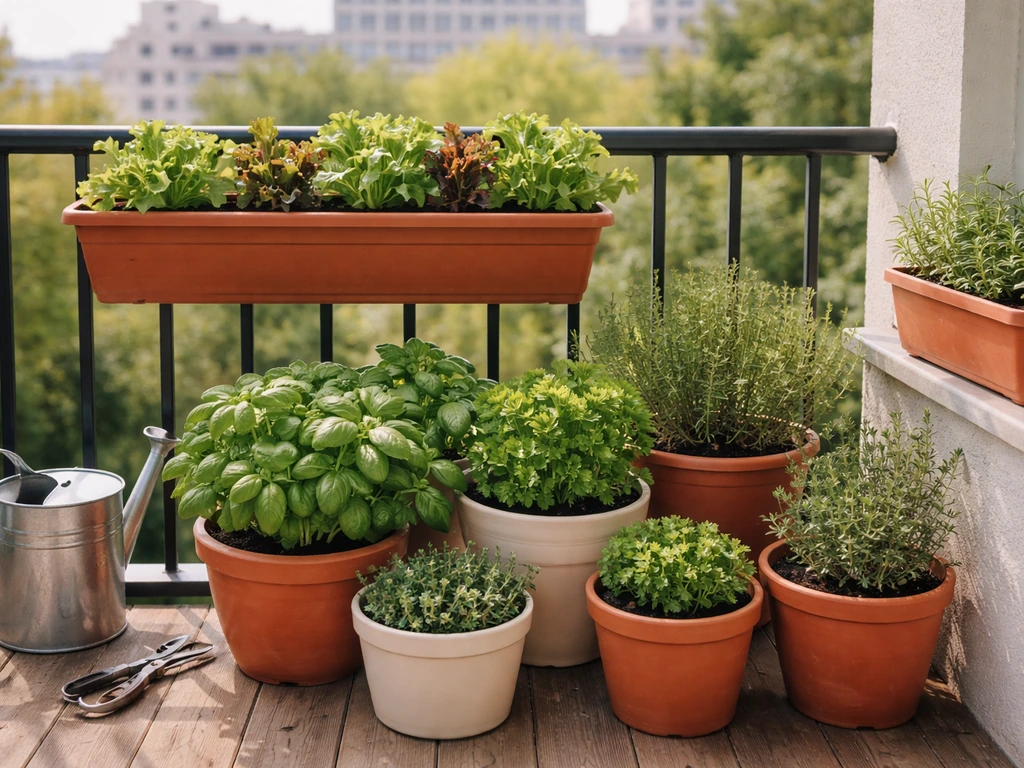
Chennai is one of the toughest cities to garden in, but also one of the most rewarding once you know what works. The plants that thrive here are ones that can handle intense heat from April through June, high humidity almost year-round (averaging around 75%), and then a deluge from October through December when the Northeast monsoon rolls in.
Best Plants to Grow in Chennai: Seasonal Picks and Care
Rachel Hartley
28 May 2026
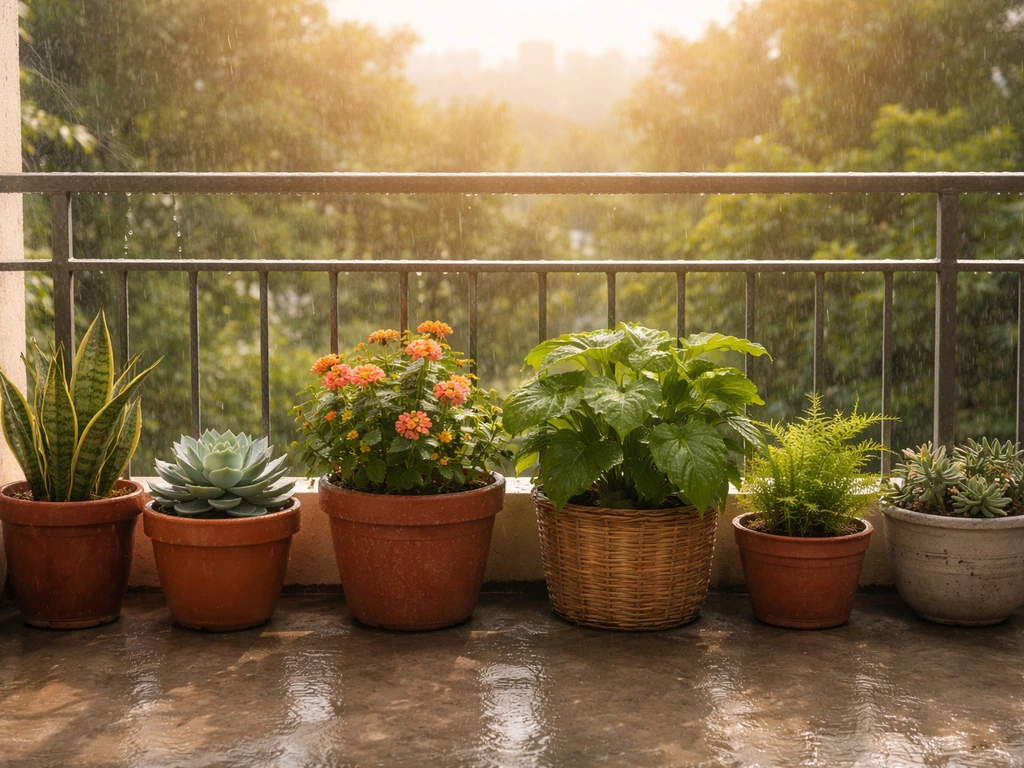
If you are wondering where money plants grow best, aim for bright but indirect light and well-draining soil so they do not struggle in heavy heat and humidity. For right now, late May 2026, you're in peak summer heat territory with temperatures regularly hitting 38–42°C. That means your immediate best bets are heat-tolerant, drought-adapted plants: curry leaf, moringa, snake plant, portulaca, and any of the South Indian vegetables like cowpea, cluster beans, or ridge gourd.
As the season shifts into monsoon and then the cooler post-monsoon window (November–February), your plant list expands dramatically.
Understanding Chennai's growing conditions
Most generic gardening advice is useless in Chennai because it assumes a temperate climate. Chennai doesn't have four seasons in the traditional sense. It has three distinct growing windows that completely change what you should be doing in your garden.
| Season | Months | Temperature | Humidity | What it means for plants |
|---|---|---|---|---|
| Summer | March–June | 35–42°C | ~65–70% | High evaporation; water daily; focus on heat-tolerant natives |
| Southwest Monsoon | July–September | 30–35°C | ~70–75% | Scanty rain; humidity rises; fungal issues begin |
| Northeast Monsoon | October–December | 25–32°C | ~75–81% | Heavy rain, cyclone risk; waterlogging is a real danger |
| Post-Monsoon/Cool | January–February | 20–30°C | ~70% | Best growing window; nearly everything does well |
The Northeast monsoon is Chennai's real rainy season, not the Southwest monsoon that drenches the rest of India. Between October and December, Chennai can receive the bulk of its [125–150 cm annual rainfall](https://www. itzchennai. com/climate-in-chennai.
html) in concentrated bursts, sometimes accompanied by cyclonic systems that cause flooding in low-lying areas. IMD research on cyclonic disturbances and rainfall over Chennai finds that the heaviest rainfall is most closely associated with the North East Monsoon months of October, November, and December (1964, 2019 study period) [heaviest rainfall over Chennai is most associated with the North East Monsoon months of October, November, and December](https://mausamjournal. imd. gov.
in/index. php/MAUSAM/article/view/1753). This matters enormously for plant choice and pot setup: anything in a flat terrace without drainage or in low ground is at serious waterlogging risk during those months. Plan for that now, not in October.
Sunlight is rarely a problem in Chennai. Most gardens and terraces get 6–8 hours of direct sun easily. The challenge is managing the intensity of that sun, especially from 11 AM to 3 PM in summer when it can scorch even heat-tolerant plants if they're young or recently transplanted. Shade cloth (30–50% density) on terraces is genuinely useful from March through June.
Best low-maintenance plants by season
Right now (May–June): heat survivors
If you're starting today, stick to plants that are already adapted to hot, semi-arid conditions. These need minimal fuss and won't die on you the moment you miss a day of watering.
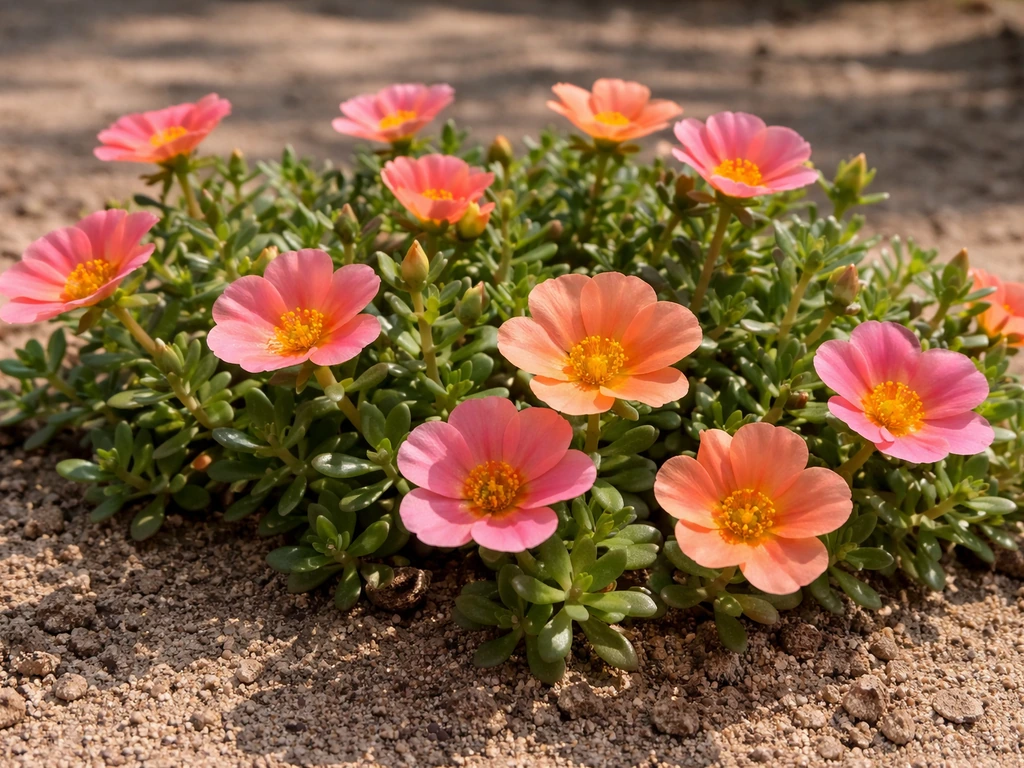
- Portulaca (moss rose): thrives in full blasting sun, flowers prolifically, needs almost no water once established
- Snake plant (Sansevieria): works indoors or in partial shade outdoors, nearly indestructible in Chennai's heat
- Curry leaf tree: a Chennai garden staple, handles heat and drought well after establishment
- Aloe vera: perfect summer plant, useful medicinally, needs well-draining sandy soil
- Cacti and succulents: low-water heroes for terraces and window sills
- Vinca (periwinkle): blooms all summer in full sun, requires almost no care
Monsoon season (October–December): rain-resilient picks
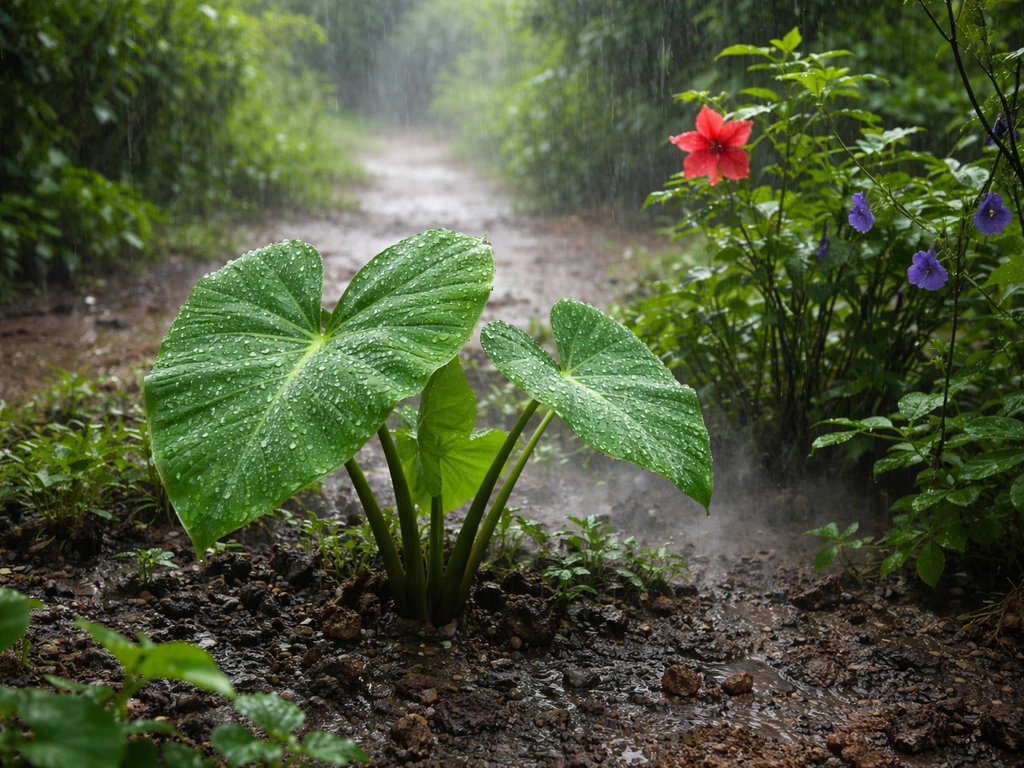
- Taro (colocasia): actually loves the wet monsoon conditions, grows vigorously
- Hibiscus: handles humidity well, though watch for aphids in wet weather
- Butterfly pea (Aparajita): a tough climber that handles rain and bounces back after storms
- Marigold: plant in October as rains ease off for a November–December bloom flush
- Coleus: thrives in the slightly cooler, wetter air of the monsoon season
Cool season (January–February): the golden window
This is Chennai's best growing season, full stop. Temperatures drop to a comfortable 20–28°C, humidity eases slightly, and you can grow things that would struggle any other time of year. Tomatoes, brinjal, capsicum, most leafy greens, beans, and almost all flowering annuals do brilliantly here from January through February. If you're a beginner, this is when to experiment and build confidence.
Container and terrace picks for balcony gardening
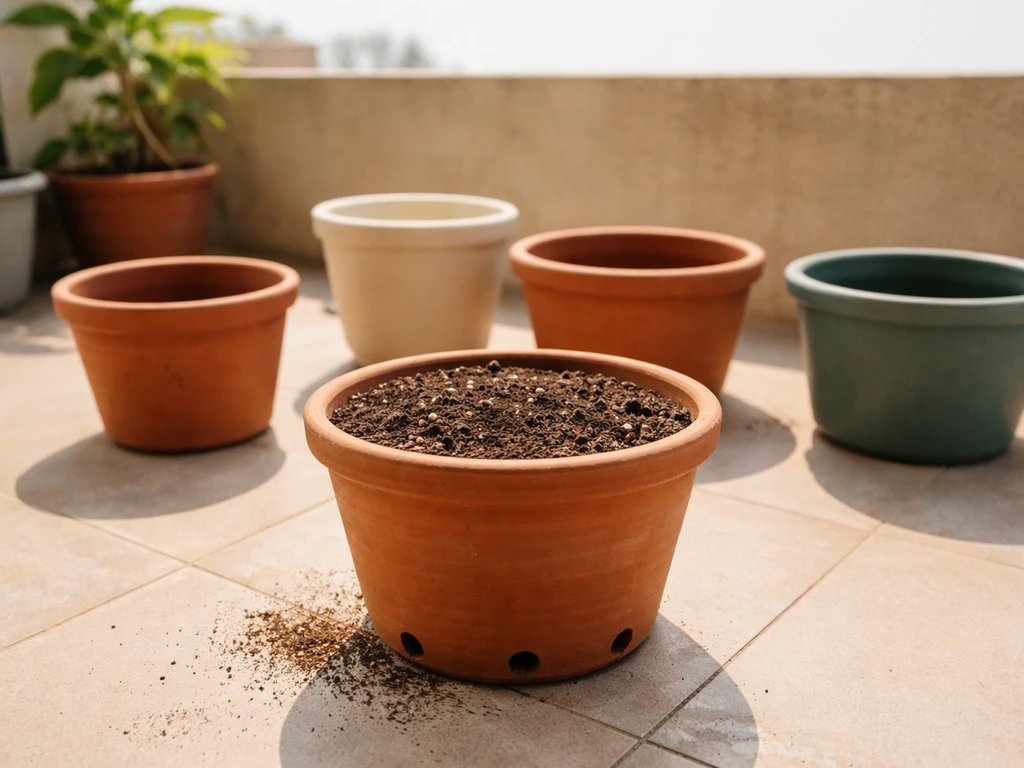
Most Chennai apartments have south or east-facing balconies or terraces, which means plenty of sun but also more heat absorption from concrete surfaces. Containers sitting on bare concrete in summer can reach soil temperatures that cook roots. Use pot feet or wooden pallets to lift containers, and choose light-colored or terracotta pots over black plastic ones in summer.
For containers, the three things that kill plants in Chennai are: small pots that dry out too fast in summer, pots without drainage that drown roots in monsoon, and heavy garden soil that compacts in containers. Use a mix of cocopeat, compost, and river sand in roughly equal parts for most container plants. It drains fast, holds enough moisture, and doesn't compact.
- Curry leaf: does well in a 12-inch or larger pot, place in full sun
- Moringa: can be kept compact in a large container (18+ inch) with aggressive pruning
- Cherry tomatoes: 12-inch pots work well in the January–March window
- Mint and basil: thrive in 8-inch pots, partial shade works for both
- Portulaca and vinca: perfect for small balcony pots and window boxes all summer
- Snake plant and ZZ plant: ideal for shaded balconies or indoor spots with indirect light
- Money plant (Epipremnum aureum): one of the most forgiving container climbers for Chennai apartments
- Bougainvillea: big enough container (15+ inch), full sun, minimal watering produces stunning blooms
For terrace gardens with more space, raised beds (30–45 cm deep) outperform single pots for vegetables. They hold more soil volume, regulate temperature better, and reduce watering frequency. If you're building a terrace setup, line the bottom of raised beds with drainage material (broken pots, gravel) before adding soil, and think about where water will drain during the Northeast monsoon.
Edible plants: vegetables, herbs, and fast greens
Chennai's climate suits many traditional South Indian vegetables remarkably well, and some of them grow so fast you'll have harvests within weeks. The trick is timing them to the right season.
Vegetables that actually thrive here
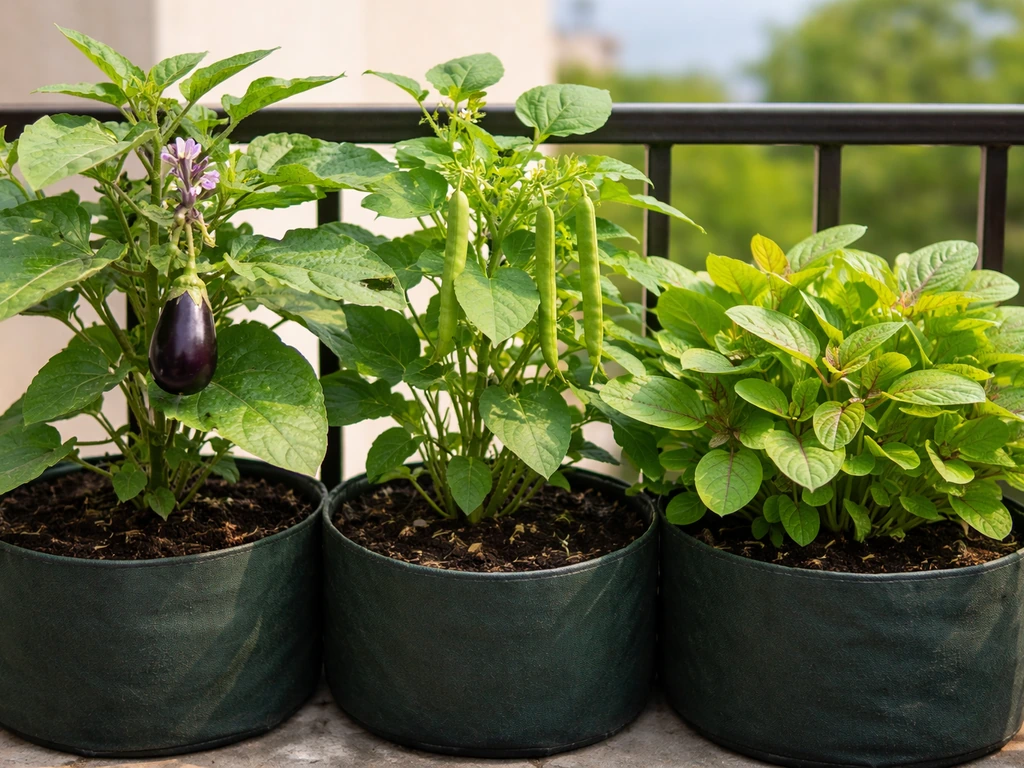
| Vegetable | Best Season | Container-Friendly? | Time to Harvest |
|---|---|---|---|
| Brinjal (eggplant) | Jan–Mar, Sep–Nov | Yes (15-inch pot) | 60–70 days |
| Cowpea (Karamani) | June–Sep | Yes (12-inch pot) | 50–60 days |
| Ridge gourd | Jun–Sep | Needs trellis | 45–55 days |
| Cluster beans (Kothavarangai) | Jun–Sep | Yes (12-inch pot) | 45 days |
| Tomato (cherry varieties) | Jan–Mar | Yes (12-inch pot) | 60–70 days |
| Amaranth (Keerai) | Year-round (avoid peak monsoon) | Yes (8-inch pot) | 25–30 days |
| Drumstick (Murungakkai) | Year-round once established | Large container only | 6 months first harvest |
Keerai (amaranth greens) deserves special mention for Chennai beginners. It's one of the fastest-growing edibles in this climate, ready to harvest in under 30 days, nutritious, and completely at home in Chennai's heat and humidity. You can grow it in almost any container with good sun, and succession-sow every two to three weeks for a continuous supply. Start this one today if you want a quick win. If you're aiming for the best plant to grow for profit, quick-turn greens like keerai help you harvest fast and keep selling or stocking fresh bunches.
Herbs worth growing at home
- Curry leaf: non-negotiable in a Chennai kitchen garden, grows in sun or partial shade
- Tulsi (holy basil): thrives year-round with adequate sun, handles heat well
- Mint: prefers partial shade in summer, grows aggressively in pots with regular watering
- Coriander: best in the November–February cool window; bolts to seed fast in summer heat
- Lemongrass: incredibly low-maintenance, handles Chennai's heat and humidity, pest-repelling
- Fenugreek (Methi): fast-growing cool season herb, sow October–February for best results
- Ginger and turmeric: plant in June at monsoon onset, harvest November–December
Flowering plants, foliage, and climbers that love Chennai
Chennai's heat and humidity actually suit many tropical flowering plants perfectly. The key is matching the plant's sun and water needs to your specific spot.
Best flowering plants
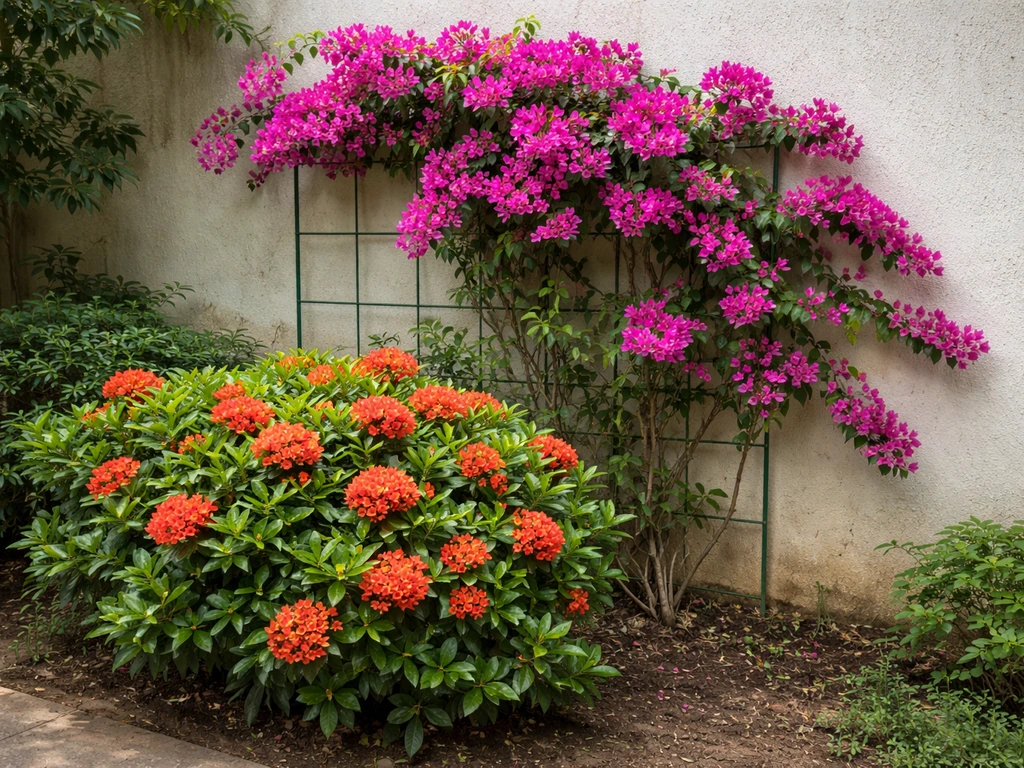
- Bougainvillea: one of Chennai's most reliable bloomers, loves neglect and full sun, stress it with low water to trigger flowering
- Ixora (Thechi): classic South Indian garden shrub, heat-tolerant, blooms nearly year-round
- Hibiscus: large tropical blooms, do well in Chennai's humidity, prune after monsoon for best flowering
- Marigold: grow from October for November–December colour, also deters pests in vegetable gardens
- Portulaca: reliable summer bloomer, comes in a range of colours, very low-maintenance
- Frangipani (Plumeria): excellent for open gardens, extremely drought-tolerant once established, fragrant
Climbers for trellises and walls
- Butterfly pea (Aparajita/Shankapushpi): fast-growing, blue flowers, handles monsoon well, used medicinally
- Rangoon creeper (Madhumalti): vigorous climber with fragrant white-to-red flowers, great for garden walls
- Money plant (Pothos): does double duty as a climber or trailer in containers, shade-tolerant indoors
- Thunbergia (Black-eyed Susan vine): prolific bloomer on trellises, thrives in Chennai's conditions
- Passion flower: grows vigorously in Chennai, edible fruit is a bonus
Foliage plants for shade spots
- Caladium: stunning coloured leaves, thrives in shade and high humidity, perfect for monsoon months
- Coleus: vivid foliage, easy to grow from cuttings, does well in partial shade
- Peace lily (Spathiphyllum): ideal indoor plant for Chennai apartments with low light
- Areca palm: excellent for semi-shaded terraces or indoor corners, tolerates Chennai's humidity well
- Croton: bold multicoloured foliage, thrives in full to partial sun, very common in Chennai gardens for good reason
Medicinal and utility plants for your home garden
Chennai's climate is ideal for many plants with real medicinal or household utility. These aren't just nice to have; they're practical additions that pay back their space quickly. Several of them are also among the easiest plants to grow here, making them perfect beginner choices.
- Tulsi (Ocimum tenuiflorum): antiviral, antibacterial, widely used in South Indian households. Grows easily in a 6-inch pot in full sun
- Aloe vera: gel has well-known uses for burns, skin care, and digestion. Thrives in sandy, well-drained soil in full Chennai sun
- Neem: powerful medicinal tree, pest deterrent in the garden, can be grown in a large container when young; needs open ground eventually
- Moringa (Drumstick): extremely nutritious leaves, pods, and flowers. Grows fast in Chennai's climate, highly drought-tolerant
- Butterfly pea (Aparajita): flowers used in herbal teas, traditional medicine, and natural food colouring
- Lemongrass: antifungal, used in teas and aromatherapy, naturally repels mosquitoes in the garden
- Turmeric: plant in June, harvest in November. Fresh turmeric from your own garden is genuinely superior to dried powder
- Ginger: same planting window as turmeric, grows well in partial shade, excellent in containers
If you're limited on space and can only pick three medicinal plants to start, go with tulsi, aloe vera, and curry leaf. All three are practically indestructible in Chennai's conditions, fit in small pots, and you'll use them every week.
Quick-care checklist and troubleshooting for Chennai
Everyday care basics
- Water container plants once daily in summer (April–June), preferably in the early morning or after 5 PM to reduce evaporation
- In monsoon, skip watering on rainy days and check that all pots drain freely within 30 minutes of rain
- Mix cocopeat, compost, and river sand (roughly 1: 1:1) for container soil; avoid using plain garden soil in pots
- Add a 2–3 cm layer of dry leaf mulch or coconut husk to the top of containers and garden beds to reduce moisture loss in summer
- Feed vegetables and flowering plants a light dose of compost or diluted liquid fertiliser every 2–3 weeks during the growing season
- Prune shrubs and climbers after the monsoon season (December–January) to encourage fresh growth in the cool season
Troubleshooting common Chennai problems
| Problem | Likely cause | What to do |
|---|---|---|
| Leaves wilting in afternoon even with watering | Heat stress, not drought | Provide afternoon shade (cloth or position near a wall); don't overwater thinking it's thirst |
| Yellow leaves with wet soil | Waterlogging/root rot | Check drainage immediately; repot in fresh mix with added sand; elevate pot |
| White powder on leaves | Powdery mildew (common in humid monsoon months) | Spray diluted neem oil (5 ml per litre water) every 5–7 days; improve air circulation |
| Sticky leaves, small insects clustering on new growth | Aphids or mealybugs (worse in high humidity) | Neem oil spray or diluted dish soap solution; wipe leaves manually for heavy infestations |
| Plants looking scorched or bleached on edges | Sunscald in peak summer heat | Move to partial shade 11 AM–3 PM; use 30–50% shade cloth on terrace setups |
| Stem rot at soil level | Fungal infection from overwatering or poor drainage | Remove affected plant, treat remaining soil with diluted copper fungicide, improve drainage before replanting |
| Monsoon flooding damage in open garden | Poor drainage or low-lying beds | Raise beds 15–20 cm; add gravel or broken pot pieces at the base; avoid planting in known flood zones |
Your starter plan for this week (late May 2026)
Right now in late May, you're at the tail end of summer heading into the Southwest monsoon months. It's hot and it's about to get wetter. That combination actually opens up a useful planting window from June onward for certain crops.
- This week: Plant keerai (amaranth greens) seeds in any pot with morning sun. You'll have greens in under a month. Also set up or buy a curry leaf plant and an aloe vera for instant low-maintenance wins.
- In June: Sow cowpea, ridge gourd, and cluster beans as monsoon moisture arrives. These are traditional summer-monsoon vegetables in Tamil Nadu and need that humidity to do well.
- Also in June: Start ginger and turmeric rhizomes in deep pots or raised beds. They'll be ready to harvest around November–December.
- In October: As the Northeast monsoon begins, hold off on new plantings until mid-October when you can assess rain levels. Then sow marigold and fast greens for the November–December cool flush.
- January–February: This is your main vegetable season. Plan for tomatoes, capsicum, brinjal, and any herbs like coriander and fenugreek that struggled in the heat.
One last honest note: Chennai gardening rewards patience and adaptation over rigid planning. Your first monsoon might flood a bed you didn't expect. A heat wave might kill seedlings you thought were established. That's normal here.
The experienced Chennai gardener keeps backup plants, seeds close at hand, and doesn't treat every loss as a failure. Start with easy, resilient plants, build confidence, and then layer in more ambitious options like fruiting trees, climbing gourds, or larger vegetable setups as you learn your specific microclimate. If you're also thinking about growing plants for income or to save on household costs, the edible and medicinal plants on this list pull double duty nicely on both fronts.
If you’re aiming for profit, focus on the best plants to grow and sell that match Chennai’s heat and monsoon rhythm. Once you know what grows well in your conditions, picking the best plant to grow for profit becomes much easier.
FAQ
Can I grow “normal” garden plants in Chennai, or do I have to pick heat-tolerant species only?
Yes, but only if they match Chennai’s sun intensity and drainage needs. In peak summer, keep seedlings under 30 to 50% shade cloth from 11 AM to 3 PM, and harden them off over 7 to 10 days. In monsoon (Oct to Dec), avoid starting new seedlings in ground that stays soggy after rainfall, use raised beds or well-drained large containers.
What should I do about waterlogging on a terrace during the Northeast monsoon?
If your pots sit in water during Northeast monsoon, switch to raised or elevated setups. Use pot feet or pallets, ensure every container has drainage holes, and add a coarse bottom layer (gravel or broken clay pieces). For terrace areas that flood, consider planting only after you confirm water drains within about 6 to 12 hours.
How often should I water plants in Chennai if there is intense heat and then heavy rains?
A simple rule is to treat frequent watering as a sun and pot-size problem, not a “calendar” problem. In summer, check soil daily by finger test (top 2 to 3 cm). In small pots, you may need watering once or twice per day, while raised beds often need less. In monsoon, reduce watering and rely on rainfall, only topping up if the root zone feels dry.
What’s the biggest container mistake people make in Chennai?
Choose pot size based on root stability. Very small pots dry out quickly in April to June and also overheat on concrete. For most container vegetables, go for at least 20 to 25 cm diameter (or the equivalent volume) and use a lighter, fast-draining mix so roots do not sit in stagnant moisture later.
How do I prevent containers from overheating on a south or east-facing balcony?
Black plastic can raise root-zone temperatures on sunny terraces, and compacted soil reduces drainage. Prefer terracotta or light-colored containers, use a cocopeat-based mix, and keep containers off bare concrete with pot feet. If your terrace gets direct sun all day, consider adding shade cloth even for hardy plants while they establish.
If I’m starting with a limited budget and space, what beginner combo works best in Chennai?
Start with one edible and one medicinal if you want quick wins. For easy harvesting, keep keerai in a succession plan (sow every 2 to 3 weeks). For beginner reliability, grow tulsi, aloe vera, or curry leaf, placing them where they get bright light but can still be protected during the harshest midday months.
How can I tell whether a plant problem in Chennai is from heat stress or too much rain?
Use a weather-based approach. After heavy monsoon bursts, wait for the top layer to dry before resuming watering, and look for yellowing, soft stems, or fungus-like growth. In late summer, watch for sun scorch on new transplants, and delay fertilizer until seedlings recover, since heat stress plus fertilizer can burn roots.
What’s the right way to set up a raised bed for Chennai rains?
For raised beds, 30 to 45 cm depth helps, but drainage planning matters more. Line the bottom with coarse material (broken pots, gravel) and keep an outlet path so water can escape during torrential rains. Also avoid compacting soil when filling, since it creates a waterlogged layer.
Is it better to keep backup plants in Chennai, or should I just replant during the next season?
Yes, and it’s usually the safest strategy for beginners. Keep a small “backup shelf” of extra seeds or seedlings of your easy performers (like greens and curry leaf) so you can replace losses after heat waves or floods. This reduces the frustration of losing a whole batch during unpredictable weather.
Which crops on this kind of list are best for saving time and producing frequent harvests (for household use or extra sales)?
If you want returns for eating or small-scale income, focus on crops that are fast, reliable, and harvestable in batches. Keerai and many common South Indian vegetables give quick turnover, while curry leaf and aloe vera can be used repeatedly. For best results, size your planting to weekly demand and plan succession sowing rather than one-time planting.
Next Article
Best Plants to Grow to Save Money: Smart Picks
Location-aware plant picks for small spaces, drought tough edibles, and money-saving tips for repeat harvests and low co