
The most profitable plant to grow depends almost entirely on three things: your growing space, your local market, and how you define 'profit' for your situation. If you're working with a small indoor setup, microgreens can return more per square foot than almost anything else. If you have outdoor beds and a farmers' market nearby, cut flowers or specialty herbs often beat vegetables on margin.
Best Plant to Grow for Profit: Top Picks by Season

Rachel Hartley
22 Apr 2026

If you want a practical shortlist of the best plants to grow to make money for your setup, compare options like cut flowers or specialty herbs against your local farmers' market demand. And if you're in a region with strong festival or wedding demand, certain ornamentals can be genuinely lucrative.
This guide cuts through the generic lists and helps you figure out which high-profit plant actually makes sense for where you are, what you're working with, and what time of year it is right now.
What 'profit' actually means for your situation
Before you pick a plant, you need to decide what kind of profit you're after. There are four real categories, and they work very differently.
- Cash crops for direct sale: You grow a product (microgreens, cut flowers, seedlings, herbs) and sell it directly to consumers at a farmers' market, roadside stand, or online. Margins depend on volume, price per unit, and how fast you can turn inventory.
- Seedling and transplant sales: You grow plugs or starter plants and sell them before full maturity. Bedding plant flats, herb starters, and vegetable transplants fit here. The cash cycle is fast but competition from big-box stores is real.
- Specialty produce for chefs or grocers: You grow unusual or high-demand items (edible flowers, microgreens, specialty herbs) and sell wholesale to restaurants or local stores. Lower per-unit price than farmers' market, but higher consistent volume.
- Houseplants for resale: You propagate or grow common or trending houseplants and sell them locally. Lower infrastructure cost, but market prices have softened since the 2020-2022 houseplant boom, so research your local demand before leaning hard on this one.
The reason this matters: a plant that's 'most profitable' in one category can be a money-loser in another. Lavender sounds glamorous, but if you're growing it for dried bundles and your local market isn't there, you're sitting on inventory. Meanwhile, radish microgreens grown in your spare bedroom can sell for $2 to $3 per ounce at a farmers' market with a 7-to-10-day production cycle. Matching your profit model to your space and market is the first decision, not the last.
The most profitable plant categories, ranked by realistic ROI

These rankings are based on typical return per square foot of growing space, speed of production cycle, and ease of finding buyers, not theoretical maximums. Every category has a ceiling and a floor depending on your execution.
- Microgreens: Highest ROI per square foot of any category. Production cycles run 7 to 21 days from seeding to harvest depending on species and environment. A standard 10x20-inch tray yields roughly 8 to 12 oz of product. Sell in 4-oz clamshells at farmers' markets or direct to restaurants. Low light requirements keep electricity costs down for indoor setups.
- Cut flowers (specialty/high tunnel): Excellent margins when quality is high. Snapdragons, for example, can sell for $1.20 to $5.00 per stem depending on quality grade and market. High tunnels extend your season by 4 to 6 weeks in spring and fall, protecting your most profitable selling windows.
- Bedding plant transplants and seedlings: Fast cash cycle if you have greenhouse or indoor light capacity. The key metric is 'finish time' from plug to saleable size, which varies by species, container size, temperature, and photoperiod. Timing your production to hit peak spring demand (late March through May in most of the US) is critical.
- Specialty herbs (fresh): Basil, cilantro, lemongrass, and specialty varieties (Thai basil, shiso) command strong farmers' market prices and are popular with restaurant buyers. Succession planting keeps supply consistent and prevents gaps in your sales.
- Edible flowers and gourmet garnishes: Small volume, high price point. Nasturtiums, borage, and violets are relatively easy to grow and sell well to restaurants and at premium farmers' markets. Best as a supplemental income stream alongside other crops.
- Propagated houseplants: Lower barrier to entry, but do your market research first. Trending varieties like pothos, monsteras, and hoyas still sell, but the post-pandemic houseplant surge has cooled in most markets.
Best high-profit plants by growing method
In-ground growing
In-ground beds favor crops that need room to sprawl or that benefit from soil depth. Cut flowers shine here. Sunflowers, zinnias, dahlias, and snapdragons all produce high stem counts per row foot when given proper spacing, nutrients, and irrigation. The profit driver with in-ground cut flowers is quality: marketable stems need to meet length and blemish standards before you can sell them. Plan for some percentage of culls, especially in your first season. If you're in a region with a strong wedding or event market (think late spring through early fall in most of the US), this channel can be extremely lucrative.
Raised beds
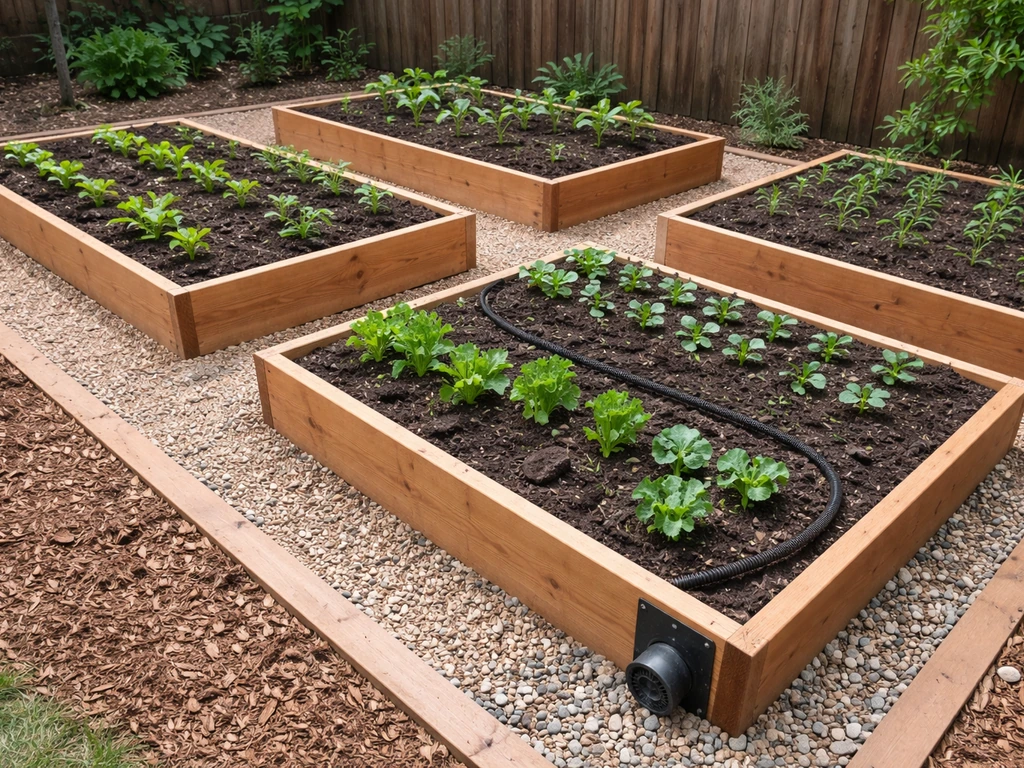
Raised beds are the sweet spot for intensive specialty vegetable and herb production. The soil warms faster in spring, drainage is better, and you can pack more plants per square foot than in-ground rows. For profit, focus on cut-and-come-again crops: basil, salad mix, arugula, chard, and specialty herbs. These give you multiple harvests from one planting, which dramatically improves your return on seed investment. Succession planting every 2 to 3 weeks keeps your supply steady through the season rather than drowning in one big harvest.
Container growing
Containers are ideal for starting seedlings and transplants for sale, growing microgreens, and producing compact herbs. Money plants are typically grown best in bright, indirect light with consistently moist, well-draining soil where do money plants grow best. If you're selling bedding plant starts, your finish time from plug to saleable size in containers depends heavily on temperature and light. A cooler space slows things down; supplemental lighting speeds them up. For herbs in containers, focus on varieties that transplant well and that customers can take home and use immediately. Potted herb bundles and 4-inch pots of culinary herbs sell consistently at farmers' markets throughout the growing season.
Hydroponic and indoor growing
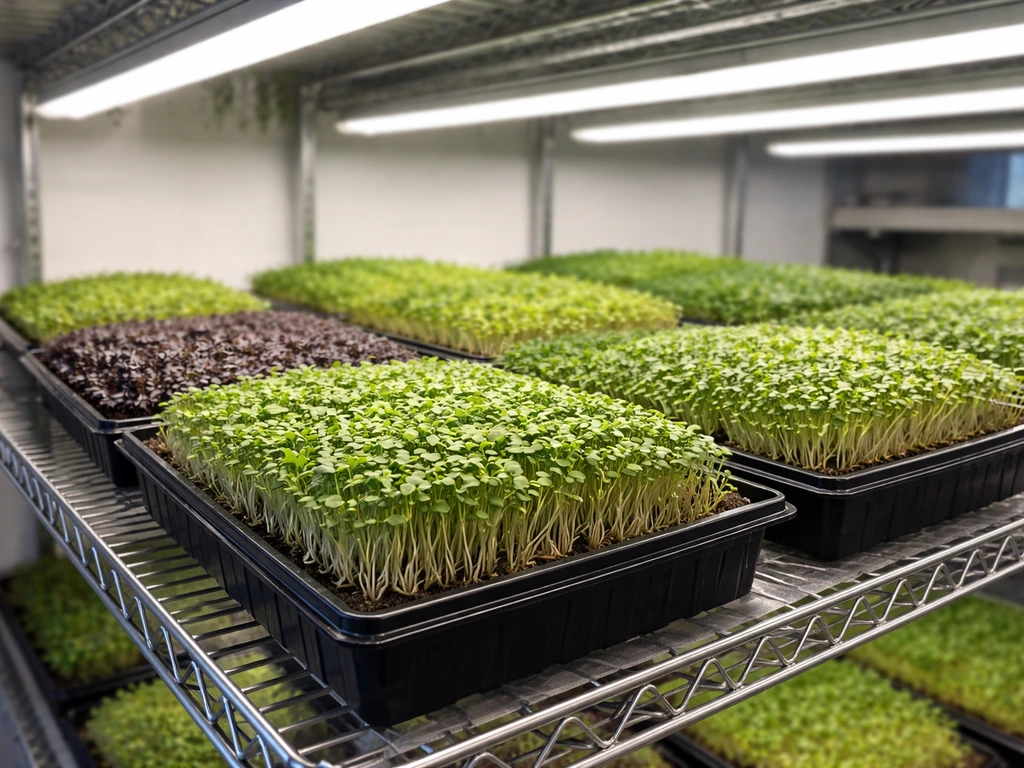
Microgreens are the standout crop for indoor and hydroponic setups. They're grown in standard 10x20 trays filled with soilless potting media, require relatively low light (which keeps electricity costs manageable), and have a production cycle as short as 7 days for fast-growing varieties like radish or sunflower. Pea shoots, sunflower, radish, broccoli, and arugula microgreens are consistently popular sellers.
Because Penn State Extension and university enterprise budgets model this crop at a per-tray level, it's easy to scale your math: figure out your seed cost per tray, packaging cost per tray (4-oz clamshells are a common format), and your selling price, then work out how many trays you need to hit your income target. A shelf unit holding four 10x20 trays is a reasonable starting unit to model your first enterprise budget around.
Matching your profitable plant to your climate and calendar
Profitability is seasonal. The same crop that makes great money in April can be worthless in August if your market dries up or your region gets too hot to produce quality. Here's a practical framework for thinking about timing.
| Climate / Season Window | Best Profit Crops | Notes |
|---|---|---|
| Cool-season spring (Zones 5-7, March-May) | Snapdragons, pansies, bedding plant transplants, cool herbs (cilantro, parsley) | Spring bedding plant demand peaks late March to Mother's Day. Get transplants to saleable size in time for this window. |
| Warm-season summer (Zones 6-9, June-August) | Zinnias, basil, sunflowers, dahlias, microgreens (indoors) | Outdoor cut flowers peak. Indoor microgreens avoid summer heat stress and sell year-round. |
| Fall shoulder season (Zones 5-8, September-October) | Mums, kale transplants, cool-season herbs, specialty greens | High tunnels extend the cut flower season by 4-6 weeks into fall. Farmers' markets still active. |
| Year-round indoor (any zone) | Microgreens, herb starters, houseplant propagation | Not climate-dependent. Profit tied to market access and production cycle speed. |
| Tropical/subtropical (Zones 9-11, year-round) | Tropical herbs, cut flowers, edible flowers | Demand peaks around festivals, weddings, and cultural events. Research local seasonality. |
If you're in a region with strong cultural or religious festival demand, like parts of India or the US Southeast with large South Asian communities, certain ornamentals (jasmine, marigold, roses) see dramatic demand spikes around weddings and festivals. Tamil Nadu, for example, is a major loose-flower producer, with jasmine and roses dominating commercial cultivation and demand tied closely to the festival and wedding calendar.
If your local market has similar patterns, timing your production to peak demand windows can double your effective margin. For readers focused specifically on growing for Indian or South Asian markets, the dynamics around profitable plants in those regions deserve their own deeper look. If you are specifically aiming for Chennai conditions, you can narrow the choices by comparing what crops perform well there and when you can plant them best plants to grow in Chennai.
For anyone searching for the best profitable plants to grow in India, you can start by comparing crop timing with local wedding and festival demand.
Season extension tools, like row covers, cold frames, and high tunnels, directly protect your profit by giving you earlier spring and later fall crops when competition is lower and prices are higher. blank" rel="noopener noreferrer">A high tunnel can push your cut flower season 4 to 6 weeks earlier in spring and keep production running later into fall. That early spring window, before field-grown flowers flood local markets, is often your highest-margin selling period. Penn State Extension notes that high tunnels can increase the production season by as much as 8 weeks prior to field production season high tunnels, directly protect your profit.
How to actually calculate profit before you plant anything

The biggest mistake new growers make is skipping the math. Here's a simple framework that works for almost any crop. You need five numbers: your input cost per unit, your yield per unit of space, your time-to-first-sale, your realistic selling price, and your labor cost. Let's walk through two examples.
Microgreens example (per tray)
| Line Item | Example Value | Notes |
|---|---|---|
| Seed cost per tray | $1.50 - $3.00 | Varies by species; radish and sunflower are cheaper, specialty mixes cost more |
| Growing media per tray | $0.50 - $1.00 | Soilless potting mix; reuse trays to reduce cost |
| Packaging (4-oz clamshell) | $0.20 - $0.40 | Per unit; buy in bulk to reduce |
| Other inputs (water, labels, etc.) | $0.25 | Estimate |
| Total cost per tray | $2.45 - $4.65 | Before labor |
| Yield per tray | 8 - 12 oz | Depending on species and growing conditions |
| Revenue at $2.50/oz (4-oz clamshell = $10) | $20 - $30 per tray | At farmers' market or direct-to-consumer pricing |
| Gross margin per tray (before labor) | $15 - $25 | Labor is the main remaining cost; track your hours |
| Days to harvest | 7 - 21 days | Faster species = faster cash cycle |
Labor is where margins get eaten. If it takes you 45 minutes to seed, tend, harvest, pack, and sell one tray, and you value your time at $15/hour, that's another $11.25 off your margin. Be honest about this. The growers who make microgreens work profitably do it through batching (seeding 20 trays at once instead of 2), efficient packing, and a reliable buyer relationship that cuts down on market time.
Cut flowers example (snapdragons, high tunnel)

University budget models for snapdragons in a high tunnel context show selling prices around $1.20 per stem for high-quality product and $0.75 for lower-quality stems at wholesale, with direct-market pricing going as high as $5.00 per stem for premium stems. Your net income depends heavily on the percentage of stems that hit quality standards (proper stem length, no blemishes, no deformity). A first-year grower should budget conservatively on quality percentage until they have their production dialed in. Track your cull rate from the start so you know your real marketable yield, not just your total stem count.
For any crop you're seriously considering, build a simple enterprise budget spreadsheet before you plant. Include seed or plug cost, soil/media, containers or bed preparation, packaging, transportation to market, market fees if applicable, and a realistic labor estimate. Gross sales need to cover all of those costs before you're actually profitable. University extension tools (from Missouri, Penn State, Utah State, and others) publish free enterprise budget templates for microgreens, cut flowers, and bedding plants that you can adapt to your own numbers.
Your first 90 days: what to plant, what to avoid, and how to run a real trial
Pick one crop and one market channel
The single most reliable piece of advice for a first-season profit grower: do not diversify immediately. Pick one crop that matches your space and season, and one market channel (farmers' market, restaurant account, roadside stand, or online local delivery). Running a focused trial gives you clean data on what actually sells and what your real costs are, without the complexity of managing multiple crops and channels at once.
A simple 90-day trial plan
- Weeks 1-2: Set up your growing space, source seeds or plugs, build your simple enterprise budget spreadsheet. Identify your sales channel and confirm demand (call a restaurant, visit a farmers' market, post in a local buy/sell group).
- Weeks 3-6: Plant your first batch. For microgreens, this means your first tray run. For cut flowers or transplants, this is your first seeding or plug purchase. Track every cost from day one.
- Weeks 7-10: First harvest or saleable product. Make your first sales. Note what sold, what didn't, and what price the market accepted. Adjust your next batch based on feedback.
- Weeks 11-13: Run a second, slightly larger batch with the adjustments from round one. Start succession planting if your crop supports it, so you have continuous supply rather than feast-or-famine harvests.
- Week 14+: Do a full profit review. Compare your actual numbers to your enterprise budget. Decide whether to scale, adjust, or pivot to a different crop.
Common mistakes that kill margins
- Growing without a confirmed buyer: Don't plant 50 trays of microgreens and then look for customers. Line up at least one reliable buyer before you scale.
- Ignoring labor in your profit math: This is the number-one budget error. Track your hours from the start. Even at a low hourly rate, labor can turn a 'profitable' crop into a break-even or loss.
- Skipping quality control: For microgreens, inspect every tray for mold, pests, and uniform growth before packing. For cut flowers, cull stems that don't meet length and quality standards. Selling subpar product damages your reputation and repeat business.
- Not succession planting: One big harvest with no follow-up means a gap in income and disappointed customers who move on. Stagger your planting every 1 to 3 weeks depending on crop.
- Timing production to the wrong market window: Bedding plants that hit saleable size in June miss the peak Mother's Day rush. Cut flowers ready in late July face maximum competition. Work backward from your peak selling window to set your planting date.
- Underpricing to move product: Cutting prices to clear inventory trains buyers to wait for deals and erodes your margin. Know your cost-per-unit and hold your price.
- Overinvesting in infrastructure before proving the market: A $5,000 greenhouse expansion makes sense after your first season proves demand. Before that, start lean.
The bottom line recommendation
If you have any indoor space at all, start with microgreens. They have the fastest cash cycle (as little as 7 days), the lowest startup cost, and the most forgiving light requirements of any high-profit crop. A single shelf unit running four 10x20 trays is enough to test your market and build a buyer relationship before you commit to more space or infrastructure.
If you're primarily an outdoor grower with beds or in-ground space, specialty cut flowers paired with a high tunnel or row covers give you the best combination of margin and season length. And if you have greenhouse or indoor light capacity and want a faster cash cycle than full-grown plants, bedding plant transplants timed to your spring market peak are a reliable, repeatable income source. Start with one, prove the numbers in your first 90 days, and then expand.
That's how profitable growers actually build sustainable plant businesses, one season at a time.
Once you've decided on your crop and market model, the logical next questions are usually about the best plants to actually grow and sell in your specific context, how to keep your costs down so more of that revenue becomes take-home profit, and, if you're outside North America, what the most profitable crops look like in your specific region. If your goal is the best plants to grow to save money, start by choosing crops with the quickest cash cycle and the lowest setup costs for your space. Each of those paths deserves its own focused look once you've got your first trial running.
FAQ
How do I tell if a crop that looks profitable on paper will stay profitable for me after culls and market time?
Use your closest pricing not your target price. For each crop, estimate (1) the portion that meets your buyer’s grade, (2) the net price after fees and packaging, and (3) how many harvests you will actually complete within your selling window. If you cannot reliably deliver the grade and timing, your “best plant” will change even if the crop has high per-unit yields.
What labor costs do most new growers miss when choosing the best plant to grow for profit?
Treat labor as two separate lines: production labor (seed, water, harvest) and sales labor (driving, setup, waiting, texting, invoicing). Many first-year growers underestimate sales labor, especially for farmers markets. If sales labor is high, the crop can become unprofitable even with good margins per tray or per stem.
Should I plant more before I have buyers lined up, or can I test demand safely?
Run a pilot with a fixed buying schedule. Decide ahead of time who you are selling to, your pickup or delivery days, and the minimum volume your buyer expects. Without buyer commitments, you may end up discounting or composting inventory, which breaks the cash-flow advantage of fast crops.
How can I avoid planting at the right time for the crop but the wrong time for my buyers?
If you are using a farmers market, plan your crop timing around the market calendar, not just growing time. Heat spikes, rain, or holiday demand can shift what sells quickly. Build an “availability calendar” by working backward from each sale day so you harvest into demand, not right before it.
What metrics should I track weekly to know whether profitability is improving?
Track conversion rate from “units grown” to “units sold.” For example, with cut flowers, count stems that meet length and blemish standards, and also separately track stems lost after cutting due to breakage or wilting. With microgreens, track clamshells sold vs trays produced. This tells you whether the bottleneck is growing conditions or customer acceptance.
If I start with microgreens, what is the safest way to expand beyond the first test?
For microgreens, reduce risk by scaling packaging and seed first, not infrastructure. Start with a single consistent tray size, a single clamshell format, and a short test of two or three varieties rather than many. If one variety underperforms, you still keep the rest of the system stable.
How should I handle price fluctuations during the season when calculating profit?
Expect price swings and plan for a price floor. Create a conservative price scenario and a best-case scenario in your budget. If you cannot hit positive margins under your conservative selling price, the crop is not “best” for profit in your location even if it can occasionally sell at premium rates.
How do I compare crops fairly when their production cycles are very different?
A quick feasibility check is to estimate “turns per week” for your space. Microgreens convert fastest, bedding plugs convert in weeks, and cut flowers convert per harvest cycle with quality grading. If your time-to-first-sale is longer than your ability to keep the space running (lighting, irrigation, rent, utilities), margins can shrink.
Is it okay to grow two plants at once, or should I strictly avoid diversification?
Staying focused matters, but only if you choose complementary complexity. For example, you might add one additional microgreen variety with the same tray and packaging, or add one herb sold in the same pot or bundle. Avoid adding new crops that require new equipment, new media, or a new selling channel until your first crop’s numbers are proven.
When growing seedlings or herbs in containers, what costs can silently erase profit?
Budget for temperature and light as “cost drivers,” not just growth requirements. If your seedlings need supplemental light or if your finishing time stretches in cool conditions, your effective labor per unit rises. Include electricity or heating estimates if you are operating indoors.
How do restaurant or CSA customers change which crop is “best for profit”?
If you serve restaurants, emphasize reliability over variety. Offer a limited list with consistent pack sizes, delivery days, and quality specs. Restaurants usually require steadier supply than markets, so a crop can be profitable in theory but fail in practice if production cannot match repeat orders.
Why do festival-driven ornamentals sometimes underperform for beginners?
Yes, depending on your region. Festival-driven ornamentals can spike demand, but they also create a tight timing window and stricter presentation expectations. If you cannot control harvest timing, grading, and supply continuity around those peak weeks, you may end up stuck with inventory.
Should I buy season-extension tools (row covers, cold frames, high tunnels) to increase profit, or test first?
Before you invest in high tunnels or row covers, test whether your local prices actually rise in the shoulder weeks you target. Extension-style gains assume you can sell into earlier and later demand at acceptable prices. If your market stays flat, the equipment payback may not pencil out.
Next Article
Best Pot Plants to Grow Indoors: Practical Guide for Apartments
Best pot plants to grow indoors: apartment-friendly picks with light, pot, watering, difficulty and seasonal tips.