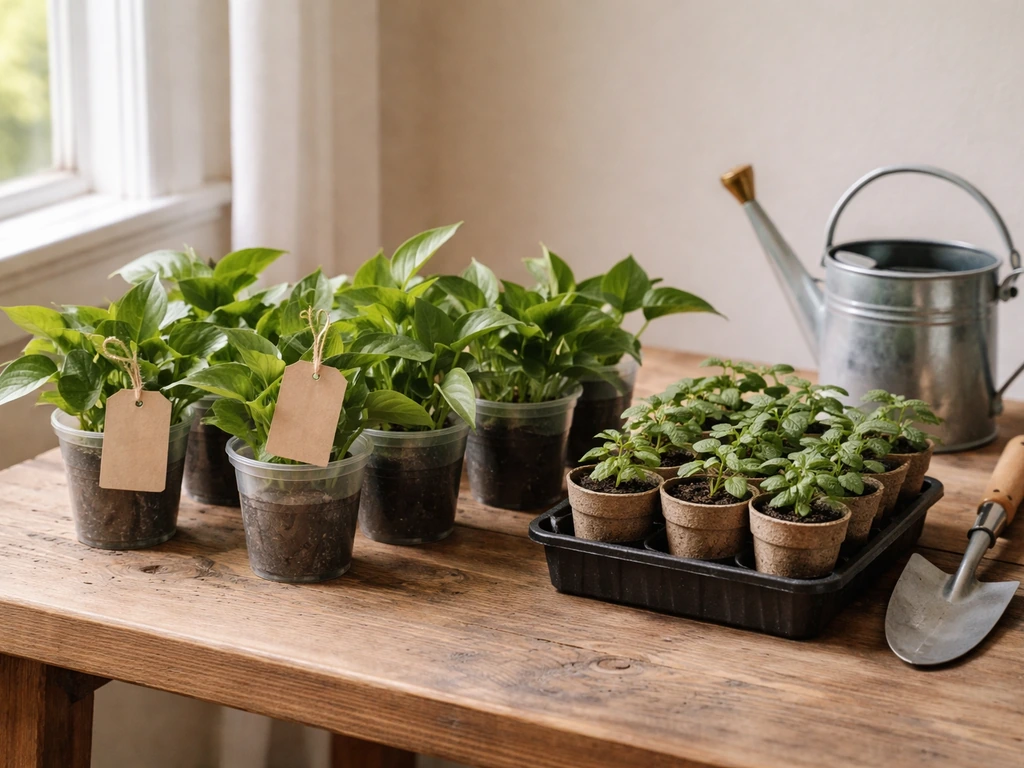
The plants that save you the most money are the ones you actually eat, that grow fast enough to beat the grocery store on timing, and that keep producing without you having to buy more seeds or plants every season. For most people, that means starting with herbs like basil, chives, and mint, then adding cut-and-come-again greens like lettuce and spinach, and layering in a few perennials like Egyptian walking onions or asparagus that come back on their own year after year. The exact list shifts a little depending on your season and space, but the logic stays the same: low input costs, long harvest windows, and high grocery-store price tags on what you're replacing.
Best Plants to Grow to Save Money: Smart Picks
Rachel Hartley
7 May 2026
What 'saving money' actually means in a garden
University of Florida Extension puts it plainly: your savings depend on three things, your gardening costs, the size of your harvest, and what you would have paid for those vegetables at the store. An EDIS resource from UF/IFAS Extension uses a cost-and-benefits framework to help consumers estimate those gardening costs versus the value of homegrown harvest [your gardening costs, the size of your harvest, and what you would have paid for those vegetables at the store](https://blogs. ifas. ufl.
edu/news/2021/04/23/want-to-grow-your-own-vegetable-garden-new-uf-ifas-guide-helps-estimate-costs-savings/). That framing is useful because it forces you to think about all three levers, not just 'what's cheap to grow. ' A $2 seed packet that gives you one small harvest isn't a win. A $2 seed packet that feeds you salads for three months is a very big win.
In practical terms, 'saving money' with plants breaks into three categories. First is food savings: replacing grocery purchases with homegrown produce, especially items that are expensive per pound or that you use constantly. Second is supply savings: cutting what you spend on soil amendments, water, and replacement plants by choosing resilient varieties and propagating what you already own. Third is maintenance savings: avoiding plants that need constant attention, pest control, or frequent replanting. The best money-saving plants score well on all three.
One more thing worth naming: yield per effort matters more than yield per square foot. Tomatoes technically produce a lot, but they also need staking, pruning, pest management, and consistent watering. Lettuce asks for almost nothing. If you're starting out or working with limited time, lean toward plants with a high yield-to-effort ratio first, then add the higher-maintenance crops once you have a system.
Quick wins: the edibles and herbs that pay off fastest
These are the plants that give you a return within weeks, cost very little to start, and replace expensive grocery items. If you grow nothing else, grow these.
Cut-and-come-again greens
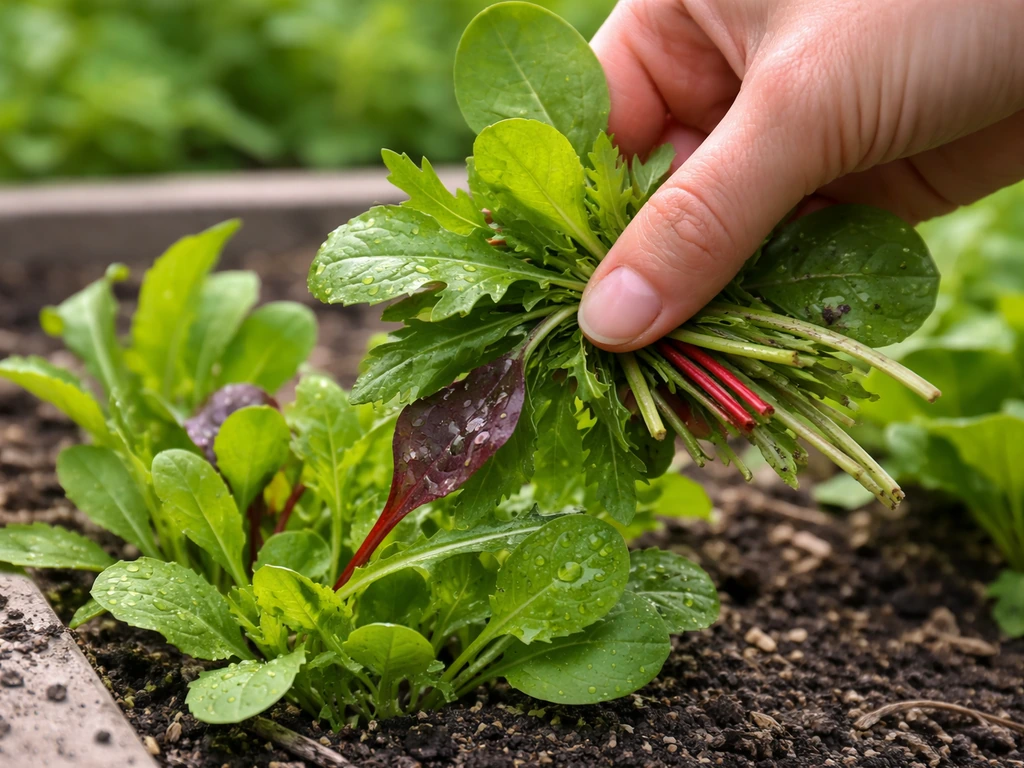
Mesclun salad mix, spinach, arugula, and Swiss chard are your best early investments. UNH Extension confirms that cut-and-come-again crops can be harvested every few days when properly watered and fertilized, which means one planting can produce for weeks or even months. A $3 packet of mesclun mix can replace $20 to $30 in bagged salad over a season. Cut the outer leaves, leave the center, and the plant keeps growing. These also germinate fast, usually within 5 to 10 days, so you see results quickly, which keeps motivation high.
Herbs that replace expensive store purchases
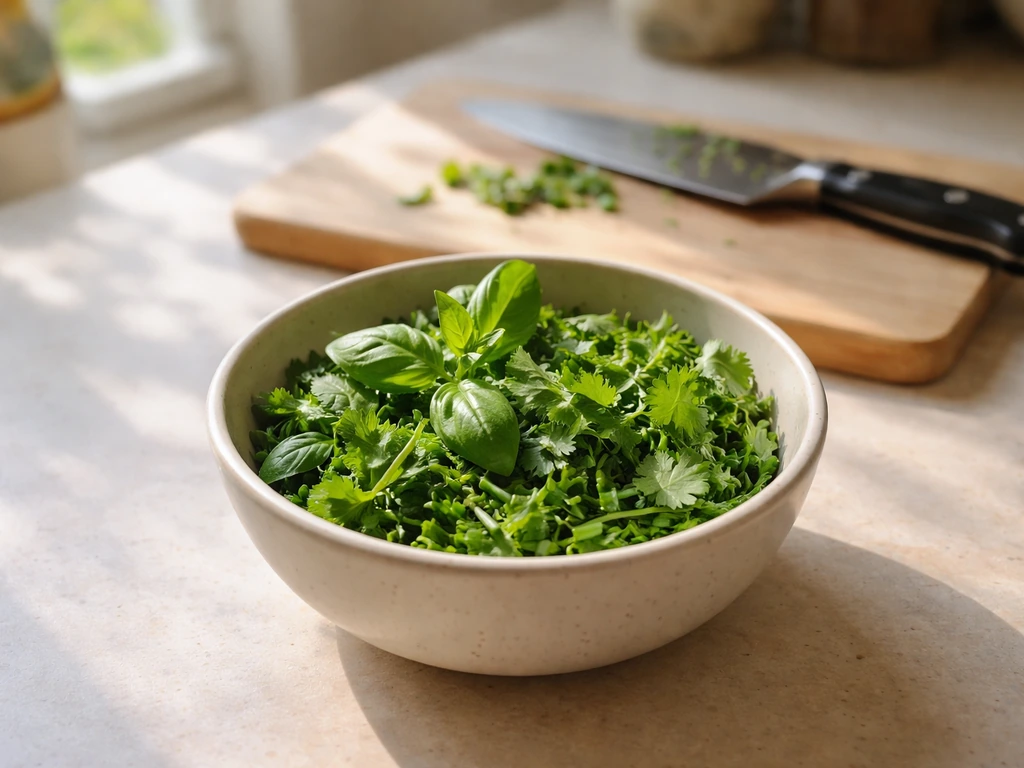
Fresh herbs are where home growing almost always beats the store on cost. A clamshell of fresh basil costs $3 to $4 and wilts in three days. A basil plant costs about the same and produces for months. Chives, parsley, and cilantro follow the same logic. Mint is even better because it's practically indestructible and spreads aggressively, so one pot becomes a permanent supply. Money plants typically do best in bright, indirect light with evenly moist, well-draining soil where do money plants grow best. Rosemary and thyme are perennial in most climates (zones 6 and warmer), meaning you plant them once and harvest for years. These are the highest ROI plants in most home gardens, full stop.
Staple vegetables with strong grocery savings
Beyond greens and herbs, a few vegetables consistently justify the input cost because of how much they replace at the store. Cherry tomatoes produce heavily per plant and can cost $4 to $6 a pint at the market. Bush beans give you multiple pickings from one planting. Kale and chard produce over a very long season and are expensive when organic. Zucchini is almost embarrassingly productive, one or two plants will outpace what most families can eat. Garlic is worth mentioning too: you plant individual cloves in fall, ignore them all winter, and pull full bulbs the following summer. At $8 to $12 a pound at the store, the math is excellent.
Apartment and small-space savings: container-friendly picks
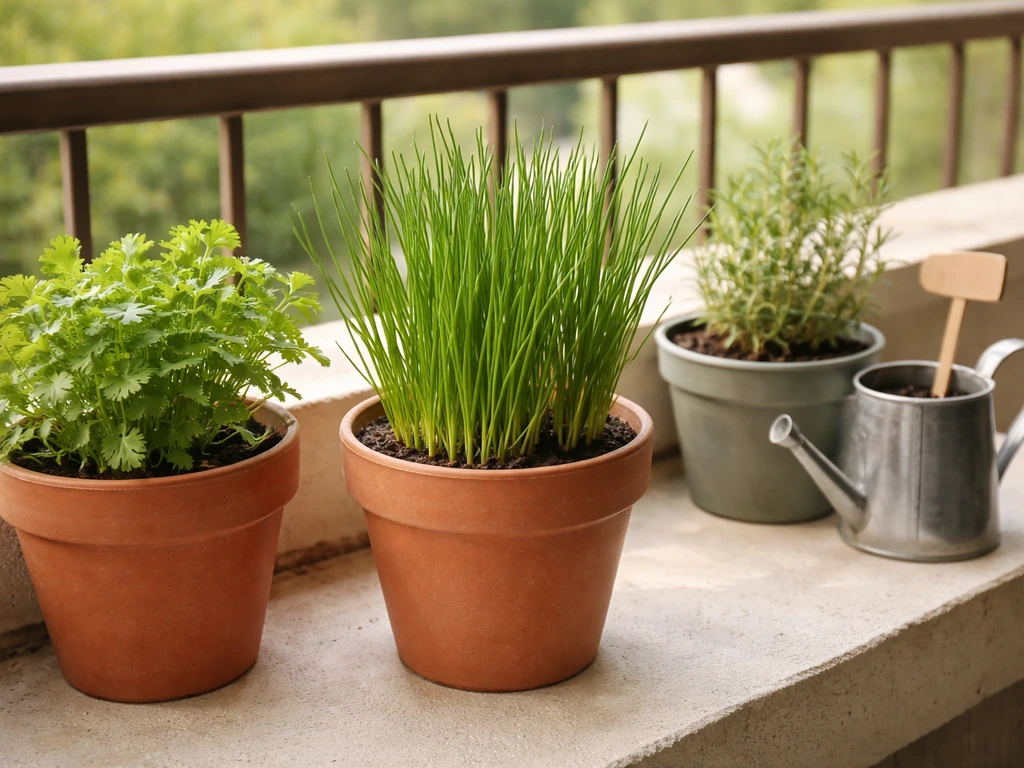
Limited space doesn't mean limited savings. It just means choosing plants that are productive in containers and don't require deep beds or a lot of square footage. The key is matching plant size to container size and picking varieties bred for compact growing.
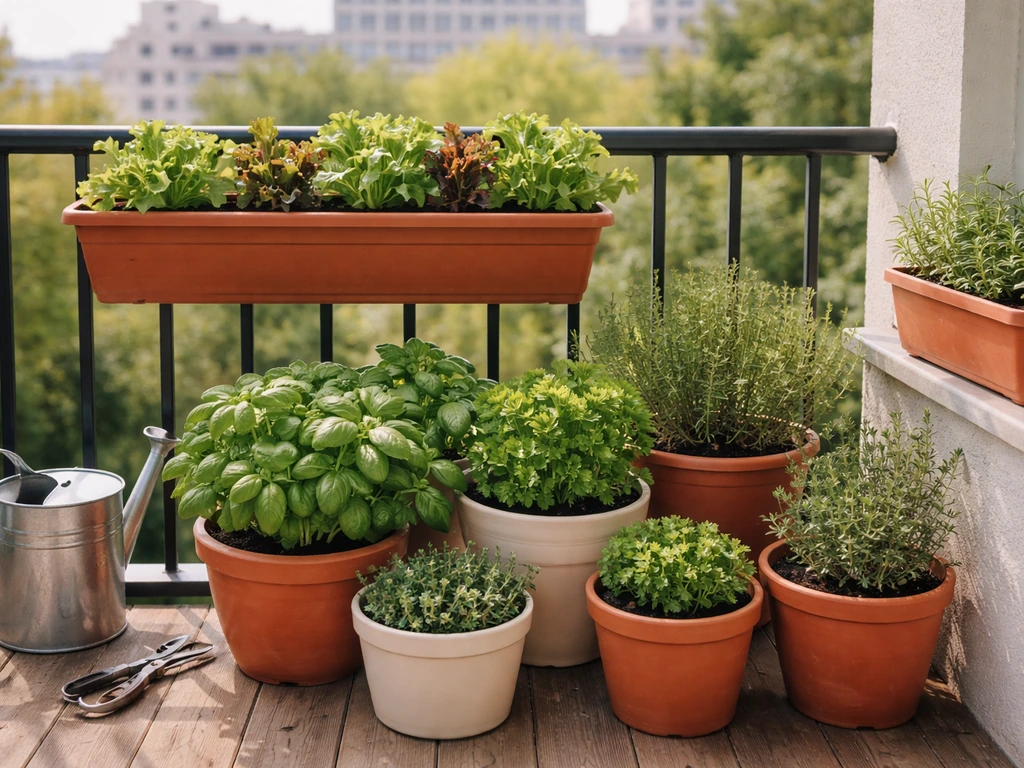
For a balcony or windowsill, start with herbs. A 6-inch pot of chives or a 10-inch pot of basil is enough to keep a household supplied. Add a window box or a 12-inch container of lettuce mix and you've covered salads. For Chennai gardeners, choosing container-friendly herbs and leafy greens is a practical way to get reliable results best plants to grow in chennai. For anything that fruits (tomatoes, peppers, cucumbers), look for specifically bred patio or dwarf varieties: 'Patio' tomato, 'Bush Pickle' cucumber, or 'Lunchbox' peppers all work in 5-gallon containers and don't need staking systems.
Radishes and green onions are underrated for apartment growers. Radishes mature in 25 to 30 days and grow in 6 inches of soil. Green onions (scallions) regrow from the white root end you'd normally throw away. Just set the cut roots in a glass of water on your windowsill and they'll produce new tops within a week. That's about as close to free food as gardening gets.
Sunlight is usually the limiting factor in small spaces. Most edibles need 6 hours of direct sun. If you're below that, stick to greens, herbs like mint and parsley, and spinach, which tolerate partial shade better than fruiting crops. Trying to grow tomatoes in a dim corner is the fastest way to spend money on plants that produce nothing.
Season- and climate-aware picks: what to plant now vs. later
It's early May 2026, which puts most of North America at a pivotal point. In cooler regions like the Pacific Northwest, upper Midwest, and New England, you're right at the edge of last frost, which means cool-season crops are still going strong and warm-season transplants are just becoming safe to put out. In warmer regions like the Southeast, Texas, and Southern California, cool-season crops like lettuce and spinach are wrapping up or already bolting, and you're firmly in warm-season territory.
| Climate/Region | Plant Now (May) | Plant Later (July–Aug for fall) | Skip Until Fall |
|---|---|---|---|
| Cool climates (zones 3–6) | Lettuce, spinach, kale, peas, cilantro, transplant tomatoes/peppers | Bush beans, basil, zucchini, cucumbers | Garlic, broccoli, cabbage |
| Moderate climates (zones 7–8) | Tomatoes, peppers, basil, beans, squash, herbs | Heat-tolerant greens, fall broccoli starts | Garlic (plant October) |
| Hot climates (zones 9–11) | Heat-tolerant herbs (rosemary, thyme), sweet potatoes, okra | Start seeds indoors for fall garden in late July | Lettuce, spinach (wait for October) |
If you're in the middle of a hot summer already, don't try to force cool-season crops. Lettuce that bolts in the heat is wasted money and effort. Instead, focus on what thrives now and use the cooler months ahead for your leafy greens. In Texas or Arizona in August, okra, sweet potatoes, and heat-tolerant herbs are your friends. In Minnesota in May, get your cool-season crops in the ground now before temperatures climb, then follow with warm-season transplants once the soil is consistently above 60°F.
Succession planting is one of the best techniques for getting more from your space over time. Oregon State Extension describes it as staggering plantings so one crop follows another in the same bed across the season. West Virginia University Extension recommends planting fast-maturing crops like lettuce every two weeks to keep the harvest continuous rather than getting one big glut. UNH Extension suggests replanting fast-growing herbs and greens every 3 to 4 weeks. This approach stretches your savings across more of the calendar instead of concentrating them in one short window.
Drought- and weather-resilient plants that cut ongoing costs
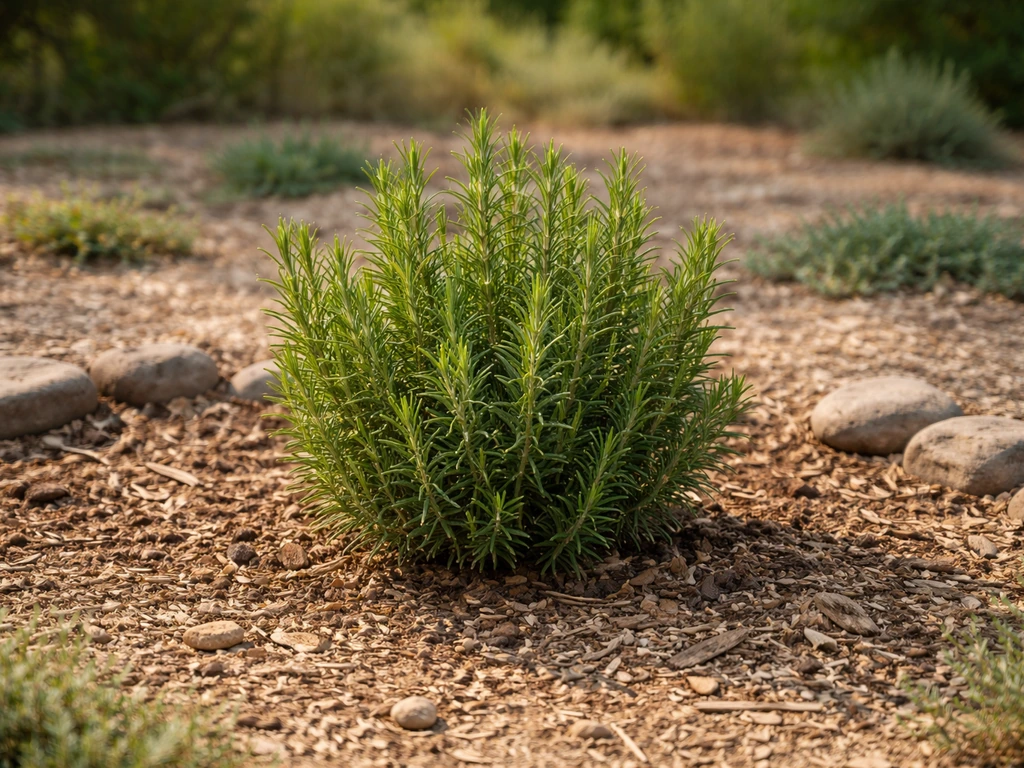
Replacing plants that died from heat, drought, or frost is one of the silent costs that eats into garden savings. The fix is building your plant list around things that survive your local conditions without constant intervention. These plants cost you less in water, less in replacements, and less in time.
- Rosemary: drought-tolerant, perennial in zones 6+, extremely low maintenance once established, and replaces expensive fresh rosemary at the store
- Thyme: same story as rosemary, handles dry conditions well, grows in poor soil, perennial in most temperate climates
- Sage: drought-resistant, perennial, and one plant provides more than most households use in a year
- Chives: almost impossible to kill, come back every spring, tolerate heat and drought reasonably well
- Sweet potatoes: thrive in heat and poor soil, need very little water once established, and produce heavily in warm climates
- Okra: one of the most heat- and drought-tolerant edibles you can grow, produces continuously in summer heat
- Kale: handles light frost, heat, and irregular watering better than most greens, and produces over a very long season
- Egyptian walking onions: perennial onions that multiply and 'walk' across the bed on their own, zero replanting needed
For container growers dealing with drought or irregular watering, self-watering containers and adding water-retaining polymer crystals to potting mix can cut watering frequency significantly. Mulching the surface of containers also helps. These are one-time investments that reduce your time and your water bill across multiple seasons.
Propagation and reuse: how to grow more for almost nothing
The biggest recurring cost in most home gardens isn't seed or soil. It's replacement plants. Learning a few basic propagation techniques lets you multiply what you already have instead of buying new plants every season.
Start from seed
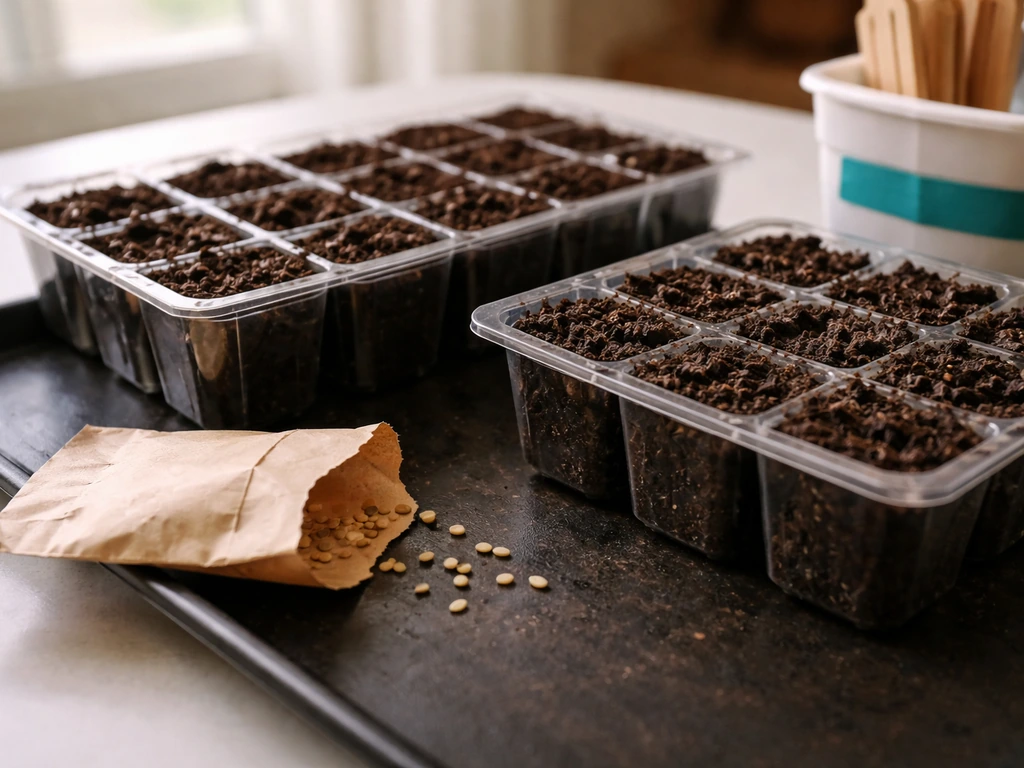
Seeds cost a fraction of nursery transplants. A packet of tomato seeds at $3 to $4 contains 20 to 30 seeds. A single tomato transplant at a garden center costs $5 to $8. Starting your own seeds indoors 6 to 8 weeks before your last frost date pays for itself quickly. Lettuce, herbs, beans, squash, and most greens are easy from seed directly sown in the garden and don't even require indoor starting. The learning curve is low, and the savings compound over time.
Cuttings from herbs
Basil, mint, rosemary, and sage all root easily from stem cuttings placed in water or moist soil. Cut a 4-inch stem just below a leaf node, strip the lower leaves, and set it in a glass of water on a bright windowsill. Basil roots in about a week. This means one purchased basil plant can become five or ten plants for free. At the end of the season, take cuttings from your outdoor basil, root them indoors, and you carry the plant through winter without buying again in spring.
Division and regrowing from scraps
Clump-forming perennials like chives, mint, lemongrass, and Egyptian walking onions can be divided every two to three years, turning one plant into four or five. This is free propagation that also keeps the plants healthier. On the kitchen scrap side, green onion roots regrow in water, celery stumps will sprout new growth in a shallow dish, and lettuce cores will sometimes push out a few new leaves if kept moist. These won't replace a full harvest, but they extend what you already have.
Saving seeds
Open-pollinated and heirloom varieties let you save seeds from year to year. Let a few beans dry on the vine, save the seeds from a ripe tomato (rinse and dry them), or let cilantro bolt and collect the coriander seeds. This breaks the annual cycle of buying seed packets entirely for those crops. Hybrid varieties (labeled F1 on seed packets) won't breed true from saved seed, so stick to open-pollinated types if seed saving is part of your plan.
Long-term planning: perennials, soil health, and repeatable harvests
Annuals like tomatoes, basil, and lettuce give you quick returns but need to be replanted every year. Perennials cost more upfront but pay dividends for years or decades. Building a mix of both is the smartest long-term strategy for keeping costs down.
| Plant Type | Examples | Upfront Cost | Long-Term Savings | Best For |
|---|---|---|---|---|
| Annual edibles | Tomatoes, basil, lettuce, beans | Low (seed) to moderate (transplants) | High per season, but replanted each year | Beginners, flexible gardens, succession planting |
| Perennial herbs | Chives, rosemary, thyme, mint, sage | Low to moderate | Very high over 3–10+ years | Everyone, especially small-space growers |
| Perennial vegetables | Asparagus, Egyptian walking onions, artichokes (zones 7+), rhubarb | Moderate, slow first year | Extremely high over 5–20 years | Gardeners with permanent beds or space |
| Fruit bushes/trees | Blueberries, strawberries, dwarf fruit trees | Higher upfront | Very high once mature (3–5 years) | Long-term planners, homeowners |
Asparagus is worth a special mention. It takes two to three years to establish before you get a real harvest, and that patience puts a lot of people off. But a well-maintained asparagus bed produces for 20 to 30 years with almost no annual input. Over that timeline, the cost per pound of asparagus you harvest approaches zero. Plant it once and largely forget it.
Soil fertility is where long-term savings really compound. WSU Extension is clear that adding compost regularly and rotating crops reduces your need for purchased fertilizers. A $5 bag of compost worked into your beds each season is far cheaper than buying synthetic fertilizers repeatedly and replacing plants that suffered from depleted soil. If you have the space, a simple compost bin from kitchen scraps and yard waste cuts your amendment costs to nearly nothing after the first year.
For repeatable harvests, think in systems rather than individual plants. A 4x8 raised bed or a cluster of containers that runs on a succession-planting schedule, with perennial herbs in permanent spots, a rotating annual section, and a compost source feeding the soil, becomes a low-cost food system rather than an ongoing expense. That's the goal: get the system running well once, then let it do most of the work.
One final note: if you're interested in growing plants that other people will buy, the economics shift a bit. One final note: if you're interested in growing plants that other people will buy, the economics shift a bit best plant to grow for profit. If you want to turn a garden into income, you'll want to focus on the best plants to grow to make money If you're interested in growing plants that other people will buy.
If your goal is the best plants to grow and sell, you should focus on crops with consistent demand, reliable harvest timing, and good per-plant profitability growing plants that other people will buy. Crops that save money at home aren't always the same ones that earn money when sold. That's a separate question worth exploring, but the propagation and perennial skills you build saving money at home transfer directly to that path if you ever want to go further.
If you want a location-specific shortlist, look up the best profitable plants to grow in India for crops that match your climate and market demand saving money at home transfer directly to that path.
FAQ
How do I calculate whether a plant is actually saving me money (not just “cheap” to start)?
To figure out the real money saver, compare your cost per harvest week, not just the upfront price. Pick one candidate plant you can grow locally, track (1) total costs for the season (seed or plant, soil amendments, fertilizer, water if you pay for it), and (2) the pounds or usable servings you actually harvested per week. A $6 plant that gives you usable harvests for 12 weeks often beats a $1 seed packet that only gives you two small meals.
What are the most common mistakes that make money-saving plants stop saving money?
Avoid buying “high-yield” crops that don’t match your schedule. If you cannot water consistently, prioritize herbs and leafy greens you can harvest repeatedly (like chives, mint in contained pots, and cut-and-come-again greens). If you can water and monitor pests only 1 to 2 times per week, skip demanding fruiting crops (tomatoes, cucumbers) until you have a simple routine for pruning, checking undersides of leaves, and early pest control.
I have less than 6 hours of sun, what should I grow to save money instead of forcing tomatoes?
With limited sun, your best bet is leafy greens and shade-tolerant herbs, and you should set expectations about fruiting crops. Use a simple rule: if you get under about 4 to 5 hours of direct sun, focus on greens (lettuce, spinach) and herbs that tolerate partial shade (mint in a pot, parsley). Fruit vegetables usually need 6+ hours to perform well enough to justify their higher inputs.
How do I avoid wasting money when growing in containers (spacing and pot size issues)?
Plan your plant spacing around containers and growth habits, because crowded plants often cost more in the long run (more pests, more failures, more replacements). For containers, use compact or dwarf varieties when possible, and keep a consistent pot size (for example, most patio-type tomatoes do better in larger containers, around 5 gallons). For greens, do tight succession planting, but do not plant so densely that air cannot circulate.
How can I extend the life of fast-wilting herbs like basil so I do not replace them constantly?
Basil and mint are where many people overspend by replanting. Instead, treat basil as something you manage, pinch regularly, and take cuttings to root, so you keep a continuous supply. For mint, never put it in the ground where it can spread and force removals, use a pot, and harvest often to prevent it from weakening. This reduces both replacement costs and herb “waste” from wilting.
What should I do with succession planting when the weather swings and my lettuce bolts?
Succession planting works best when you link it to your climate timing, not a calendar guess. In cool periods, sow or transplant in small batches every 1 to 2 weeks for greens so you always have something harvestable. When heat arrives and lettuce bolts, stop that schedule and switch to warm-season plants, then restart cool-season sowings when temperatures drop. If you keep sowing lettuce into hot weeks, that is a common way to lose savings.
Which money-saving plants are the best for beginners who want reliable results with minimal effort?
If you are new, choose “starter-friendly” crops that tolerate beginner watering and produce quickly. Leafy greens, mesclun mixes, radishes, green onions, chives, and parsley are usually reliable. Save high-effort crops for later once you have a system for watering and pest checks, because tomatoes and peppers can look successful for weeks and then fail abruptly (blight, pests) that trigger replacement purchases.
What propagation method gives the biggest savings for home gardeners who want the lowest effort?
Propagation saves the most money when you propagate from plants you already paid for and then plan for overwintering. Root herb cuttings indoors on a bright windowsill before temperatures drop, and then keep the plants alive rather than buying new starts next season. For clump perennials, divide every couple years and replant promptly. For green onions, save the root and regrow, but treat it as an add-on, not a full replacement for all meals.
When does seed saving actually work for saving money, and when is it likely to backfire?
Seed saving only pays off if you grow open-pollinated varieties and you actually have enough plants to get viable seed. Start with crops that commonly produce seed easily (beans and cilantro) and label plants so you do not mix varieties. Also remember that hybrids labeled F1 will not breed true, so saving seed from those is a gamble that can raise replacement costs.
How do I build soil fertility cheaply without accidentally causing nutrient problems that lead to replanting?
Treat compost and soil fertility as a long-term savings lever, but it only reduces costs if it keeps plants healthy enough to avoid replacements. A practical approach is to add compost each season, rotate crops in the same bed, and only add fertilizer if plants show consistent deficiency rather than guessing. If you skip rotation and keep planting the same demanding crop, you may end up buying more inputs to compensate.
Next Article
Best Plants to Grow and Sell: Seasonal, Small-Space Picks
Seasonal small-space plant picks that sell fast, with filters for your conditions, demand, starter options, and low-effo