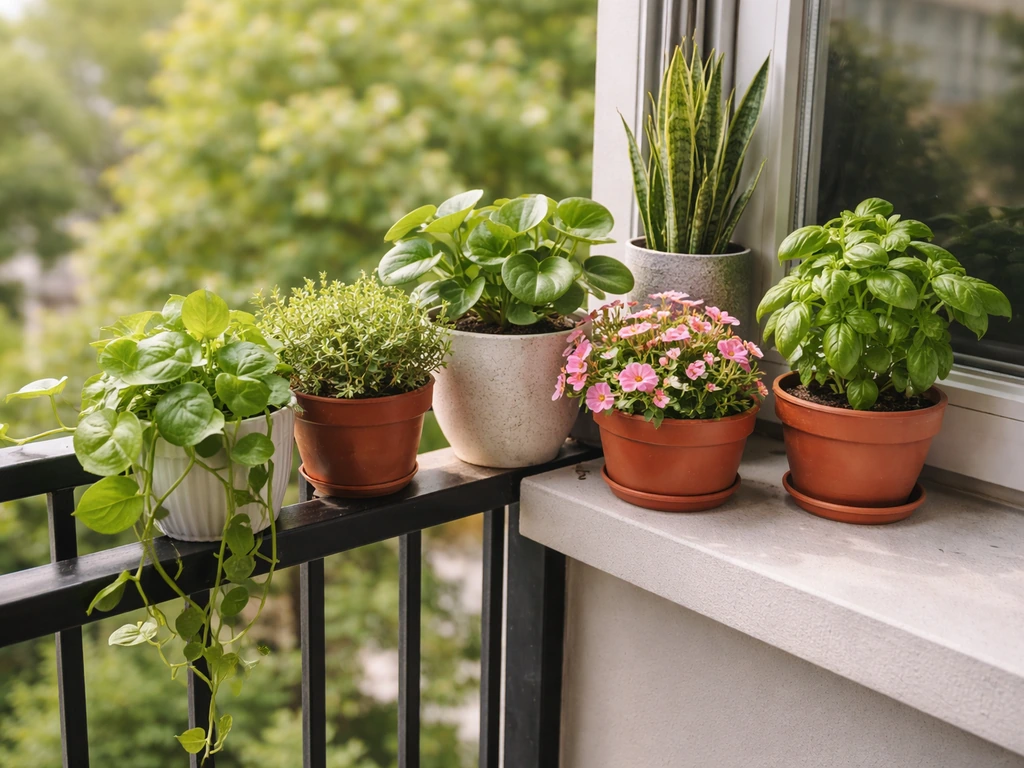
The best plants to grow in your garden right now, in early June, are the ones that match your sun, soil, space, and how much time you actually want to spend. For most gardeners in temperate climates, that means tomatoes, courgettes, beans, basil, and summer flowers like marigolds are all go right now.
What Plants to Grow in a Garden: Pick by Season, Space, Sun
Rachel Hartley
2 Jun 2026
If you're in a colder northern region (northern UK, upper Midwest US, Canada), you may have just cleared your last frost and this is exactly the moment to get warm-season crops in the ground. If you're somewhere hotter and drier, you're shifting toward heat-tolerant herbs, sweet potatoes, and drought-resilient flowers. This guide walks you through how to figure out your specific situation and gives you a concrete shortlist you can act on today.
Quick checklist: the four things to sort before you pick any plant
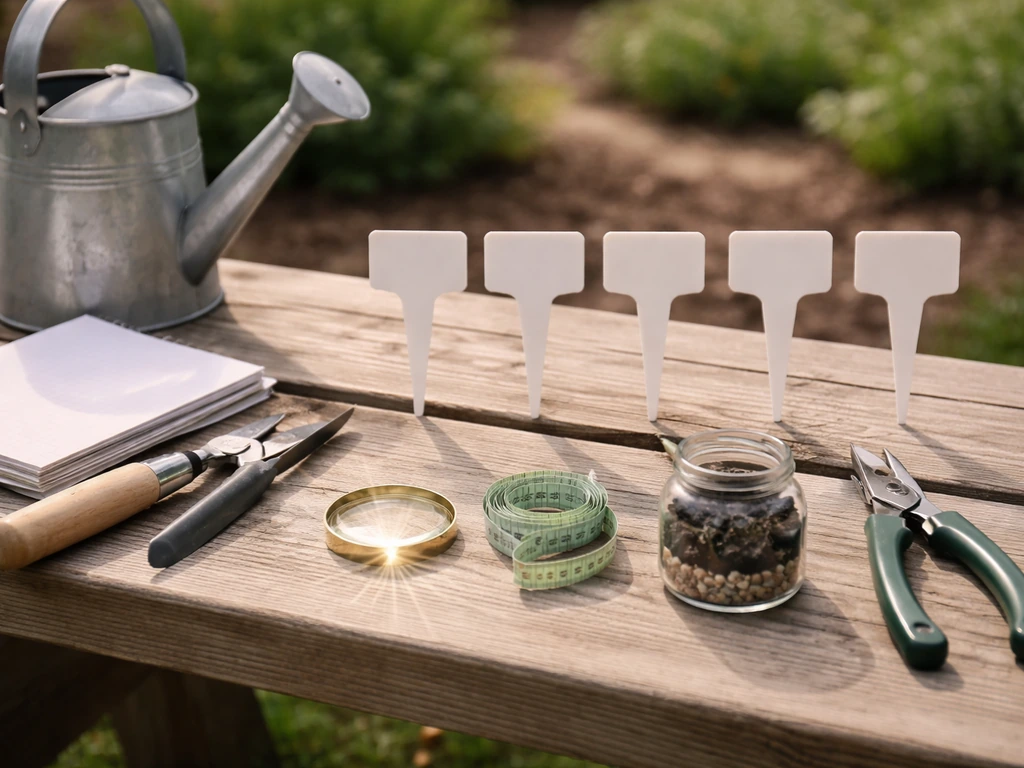
Before you browse seed catalogues or grab whatever looks good at the garden centre, spend ten minutes answering these four questions. They'll cut your options down from hundreds to a manageable shortlist that will actually work in your space.
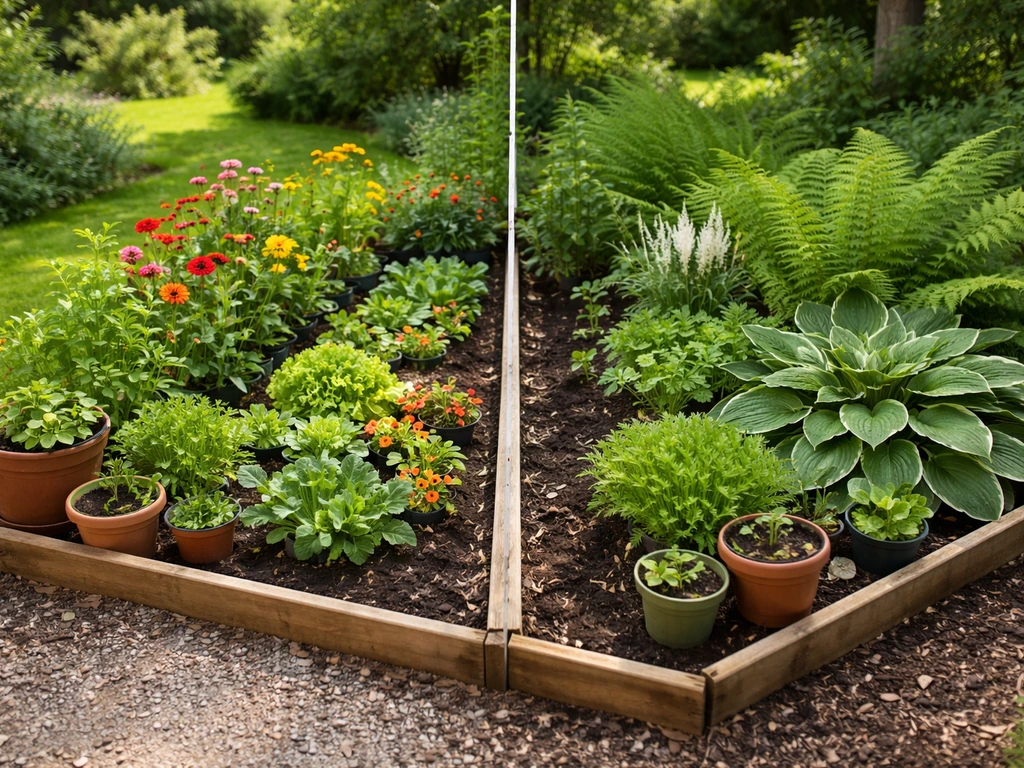
- Sun: Count the hours of direct sun your plot gets on a clear day. Six or more hours means full sun — you can grow almost anything. Three to six hours is partial shade — salad leaves, herbs, and some flowers thrive here but tomatoes will struggle. Under three hours is deep shade — you're looking at ferns, hostas, and woodland plants rather than edibles.
- Soil: Dig down about 15cm (6 inches). Does it look dark and crumbly, or pale and sticky? Clay soil drains poorly and can leave roots sitting in water, which causes root rot — USU Extension research confirms this is a major plant killer. Sandy or loamy soil drains well and suits most vegetables and herbs. If you're unsure about drainage, pour water into a hole about 30cm deep and time how fast it disappears. Soils that drain more than 4 inches per hour are very well-drained; less than an inch per hour means you have a drainage problem to fix or work around.
- Space: Measure your actual growing area. A 1m x 2m bed sounds small but can fit a dozen lettuce plants, a courgette, and a row of radishes. Know whether you're working with open ground, a raised bed, or containers — the answer changes which plants make sense.
- Time: Be honest with yourself. A vegetable garden with tomatoes, squash, and beans needs watering most days in dry weather (about 1 inch of water per week is the standard rule of thumb). Herbs and perennial flowers need far less. If you have one hour a week, plan accordingly.
Season-first: what to plant right now vs. what to plan for later
It's early June, which is one of the most useful planting windows of the year in temperate climates. Warm-season crops that were started indoors in March or April are ready to go out now. In the UK, the RHS explicitly lists June as the time to plant out tomatoes and other warm crops that were started indoors, and notes that courgettes, marrows, and pumpkins can still be direct-sown outdoors in early June in southern England and south Wales. In the upper Midwest US, University of Minnesota Extension puts mid-May to early June as the window for beans, pumpkins, squash, tomatoes, melons, and celery, so if you haven't planted those yet, you're right at the edge of the window, not too late.
One important note if you're moving seedlings outside: harden them off first. That means setting them outside in a sheltered spot for increasing periods over 7 to 10 days before planting them in the ground. Skipping this step causes transplant shock, the leaves wilt, growth stalls, and sometimes the plant just gives up. Transplant on a cool, cloudy afternoon if possible.
| Plant | Plant now (early June) | Wait until later | Notes |
|---|---|---|---|
| Tomatoes | Yes — transplant outdoors now | No | Harden off first; needs full sun |
| Courgettes / Zucchini | Yes — direct sow or transplant | No | Sow until mid-June in cooler climates |
| Beans (French, Runner) | Yes — direct sow | No | Fast; harvest in 8–10 weeks |
| Pumpkins / Squash | Yes — last chance to sow | No | Need a long season; sow now or not at all |
| Radishes | Yes — direct sow | Yes (again in late summer) | Avoid sowing in peak heat; they bolt |
| Salad leaves / Lettuce | Yes — but choose heat-tolerant varieties | Yes (autumn sowings are easier) | Bolt in high heat; use partial shade |
| Carrots | Yes — direct sow | No (mid-April to early June is the window) | Don't transplant; direct sow only |
| Winter squash | Yes — last chance | No | Needs 100+ days; sow immediately |
| Kale / Chard | Yes | Yes (succession sow) | Highly forgiving; good for beginners |
| Summer flowers (marigolds, zinnias) | Yes — transplant or direct sow | No | Marigolds deter pests; great companion plants |
| Herbs (basil, parsley, coriander) | Yes — transplant or direct sow | No | Basil loves heat; coriander bolts quickly |
For later in the season, start thinking about autumn crops. In mid-to-late June you can sow brassicas (kale, cabbage, broccoli) for autumn harvest. In July and August you can sow winter radishes, RHS guidance recommends sowing those in July or August, about 2cm deep, thinning to 15–20cm apart. Keep notes on what you plant and when, and you'll have a clear roadmap for succession planting.
Best plants to grow by goal
Edible plants: grow your own food
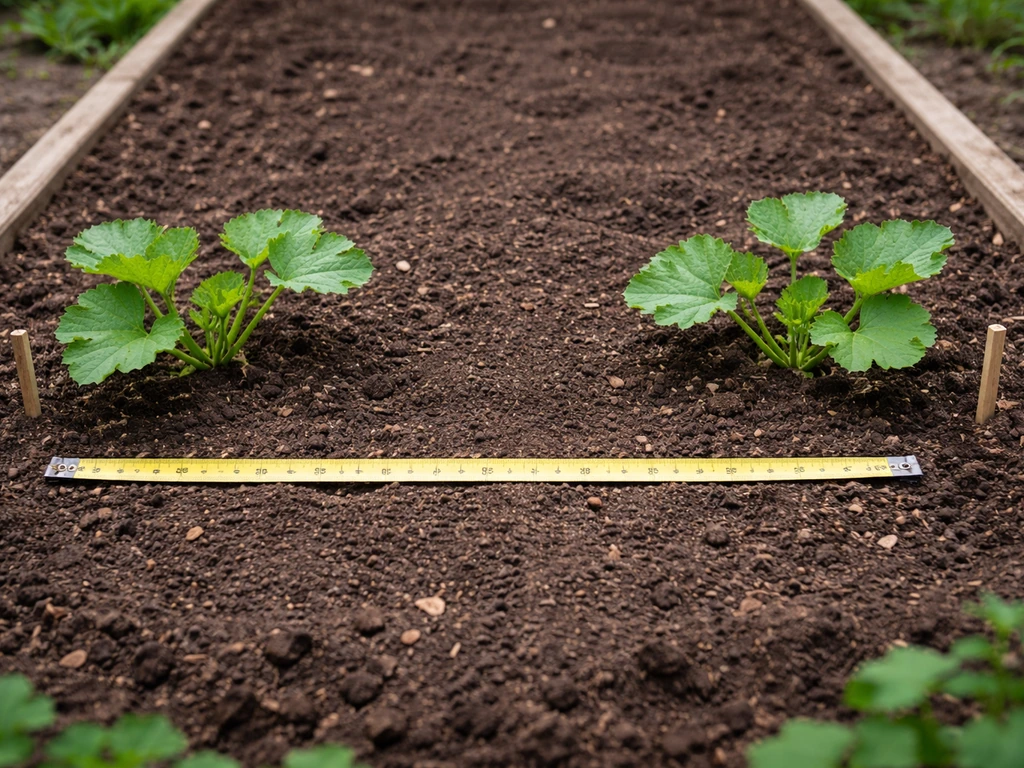
For food production in early summer, focus on high-yield, relatively fast crops. Courgettes are possibly the most rewarding vegetable for effort, one plant can produce more than you can eat. Beans are nearly foolproof if you water consistently. Tomatoes take more attention but the payoff is huge. If you want fast results, radishes germinate in 7 to 10 days and are ready to harvest in about 4 weeks. Carrots are straightforward in loose, sandy soil but can fork badly in clay, if your soil is heavy, grow them in a raised bed or deep container instead. Salad leaves give you continuous harvests if you cut the outer leaves rather than pulling the whole plant.
- Courgette / zucchini — one or two plants is plenty; space them 90cm apart
- French beans or runner beans — direct sow in full sun, provide support for climbers
- Cherry tomatoes — more forgiving than large varieties; less prone to blossom end rot
- Lettuce and salad leaves — pick heat-tolerant varieties in summer, or grow in light shade
- Radishes — ideal gap-filler between larger plants; sow a few every two weeks
- Kale and Swiss chard — nearly indestructible; harvest outer leaves repeatedly
- Carrots — easy in light soil, tricky in clay; try 'Short 'n Sweet' or 'Chantenay' varieties in heavier ground
Flowers and aesthetics: making the garden look good
Planting for looks in June is satisfying because results come fast. Marigolds (both French and African types) are the workhorse of the summer garden, they flower continuously, deter aphids and whitefly, and look great alongside vegetables. Zinnias thrive in heat and produce an almost absurd number of flowers if you deadhead regularly. For something that self-seeds reliably and comes back year after year with minimal effort, nasturtiums are hard to beat, and they're edible too. If you have a shadier spot, impatiens and begonias do well where other flowering annuals fail. For longer-term structure in sunny beds, lavender, echinacea (coneflower), and rudbeckia are perennials that establish themselves over a season and return every year.
- Marigolds — full sun, drought-tolerant once established, great companion plant
- Zinnias — love heat, deadhead for continuous bloom, easy from seed
- Nasturtiums — grow in poor soil, edible flowers and leaves, self-seeds freely
- Lavender — needs full sun and excellent drainage; long-lived perennial
- Echinacea (coneflower) — pollinators love it, drought-tolerant perennial
- Impatiens or begonias — for partial to full shade spots where little else flowers
Herbs and medicinal plants: useful and low-maintenance
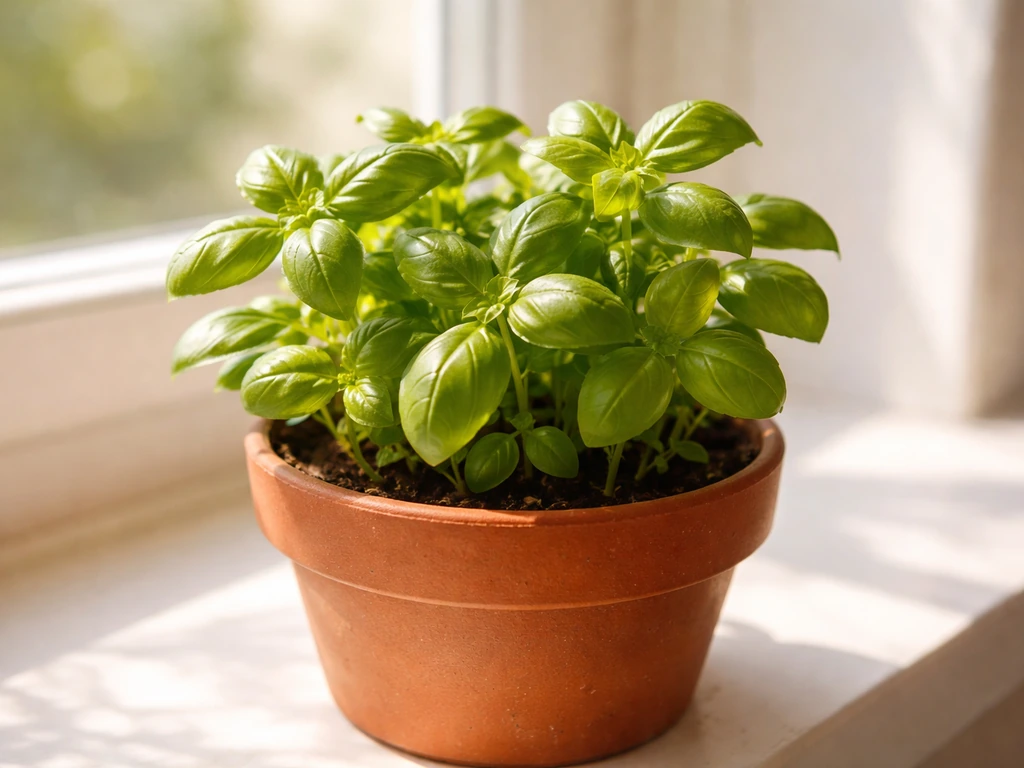
Herbs are the most practical thing most gardeners can grow. They're useful in the kitchen, most are easy, and they work in tiny spaces including windowsills. If you need ideas for what plants grow in small spaces, start with herbs and compact vegetables like basil, salad leaves, and radishes tiny spaces. The RHS confirms all commonly used culinary herbs are broadly easy to grow and do best in full sun with well-drained, fertile soil.
Basil is the June priority, it hates cold and really comes into its own once temperatures settle above 15°C (60°F). Parsley, chives, and thyme are more forgiving and can tolerate partial shade. One strong caution: mint. It's incredibly useful and easy, but it spreads underground aggressively and will take over a bed if you let it.
Grow mint in its own container. The RHS is explicit about this, and anyone who's tried to remove mint from a border will agree.
- Basil — needs heat and full sun; perfect for containers near a south-facing wall
- Mint — grow in a pot to prevent it taking over; great for tea and cooking
- Thyme — low-growing, drought-tolerant, excellent in rock gardens or container edges
- Chives — easy perennial; divide clumps every couple of years
- Parsley — biennial; sow fresh seed each year for best results; tolerates partial shade
- Echinacea — grown both for its flowers and its traditional medicinal use; a tough perennial
- Lavender — calming fragrance, attracts bees, used in teas and aromatherapy
Best plants for beginners and low-maintenance gardeners
If you're new to gardening or just don't have a lot of time, the worst thing you can do is start with fussy plants that need daily attention. The list below is based on what actually survives neglect, recovers from irregular watering, and still produces something worth having. These aren't consolation prizes, they're genuinely good plants that experienced gardeners grow too.
- Courgette — almost aggressively easy; the main risk is forgetting to harvest and finding a marrow-sized courgette hiding under a leaf
- Radishes — fastest return in the vegetable garden; results in under a month
- Kale — cold-hardy, pest-resistant compared to other brassicas, and you can harvest it for months
- Cherry tomatoes — 'Tumbling Tom' or 'Gardener's Delight' varieties are much more forgiving than beef tomatoes
- Marigolds — basically grows themselves in any reasonable soil with sun
- Chives — perennial herb that regrows after cutting; almost impossible to kill
- Nasturtiums — thrives in poor, unfed soil; give it rich compost and it produces fewer flowers
- Sunflowers — sow direct, water occasionally, enjoy a guaranteed result
Matching plants to your climate and region
Climate is probably the biggest variable in garden success, and it's the one most guides gloss over. In the US, the USDA Plant Hardiness Zone Map is the standard reference, it divides the country into zones based on average annual minimum temperatures. Your zone number tells you which perennials will survive winter in your area. If you're in Zone 5 (like Minnesota or Chicago), lavender and rosemary may not overwinter reliably; if you're in Zone 9 (like parts of California or Texas), you're growing year-round and your summer garden starts in February. Check your current zone because the map was updated recently and some areas have shifted.
In the UK, the RHS uses its own hardiness rating system with temperature ranges (H1 through H7, down to below -20°C for the hardiest). Most annual vegetables are H1 or tender, which is why you don't direct-sow tomatoes in March in the UK, they'd get frosted. The RHS notes that gardeners in northern UK areas should wait until after the last frost before planting out summer bedding and seed-raised plants, which in some parts of Scotland can mean late May or early June.
| Region / Climate | Good plants for June | Watch out for | Notes |
|---|---|---|---|
| Northern UK / Scotland | Courgettes, kale, beans, hardy annuals | Late frosts until late May | Harden off transplants carefully |
| Southern England / South Wales | Tomatoes, courgettes, pumpkins, basil, flowers | Dry spells; water stress causes bolting | Sow courgettes directly in early June |
| Upper Midwest US (Zones 4-5) | Tomatoes, beans, squash, melons (edge of window) | Short growing season; first frost in Sept/Oct | Get warm-season crops in now |
| Pacific Northwest US | Brassicas, lettuce, herbs, beans | Cool summers limit tomato success outdoors | Focus on cool-season crops; use cloches for tomatoes |
| Southeast US / Gulf Coast (Zones 8-9) | Sweet potatoes, okra, heat-tolerant herbs, zinnias | Intense heat causes cool-season crops to bolt | Plant heat-tolerant varieties; use shade cloth if needed |
| Mediterranean / Southern Europe | Tomatoes, peppers, aubergine, herbs, drought-tolerant flowers | Drought stress; irregular watering causes problems | Water deeply and less frequently; mulch heavily |
If you garden in a city, your microclimate may be warmer than surrounding rural areas due to the urban heat island effect. For a London-specific shortlist, focus on hardy varieties and choose plants that tolerate the city's microclimate and seasonal changes best plants to grow in London. That can extend your growing season but also means heat stress is a bigger issue in summer. Plants with good shade options and regular watering will do better.
City growing also opens up more container and vertical growing possibilities, which connects to a whole set of recommendations around what works in small urban plots. If you’re choosing the best plants to grow in small garden spaces, focus on compact, container-friendly varieties with reliable yields. If you want to try city-friendly growing, focus on plants that tolerate containers, limited light, and heat swings grow in cities.
Container gardening vs. growing in the ground
Containers and in-ground beds aren't interchangeable. Each has real strengths and real limits, and the best choice depends on what you're working with. If you have good garden soil with decent drainage and sun, in-ground planting is almost always more forgiving, the soil volume is large, temperature stays steadier, and you water less often. Containers are the answer when your soil is terrible (heavy clay, contaminated, non-existent), when you're on a patio or balcony, or when you want to control soil conditions precisely.
Watering is where containers really differ from ground beds. Containers dry out fast, especially in summer heat and wind, and the drainage situation matters enormously. West Virginia University Extension warns that blocked drainage holes cause waterlogging and root rot. The RHS recommends watering until you see water start to come from the drainage holes, which is a useful practical guide. University of Illinois Extension adds a critical point: never use garden soil in containers. It compacts, drains poorly, and creates exactly the waterlogged root conditions that kill plants. Use a proper peat-free compost mix.
| Plant | Works well in containers? | Better in the ground? | Container size needed |
|---|---|---|---|
| Cherry tomatoes | Yes — excellent | Yes, if space allows | Minimum 30–40 litre pot |
| Herbs (basil, thyme, chives) | Yes — ideal | Yes too | 15–20cm pot per plant |
| Mint | Yes — preferred (contains spread) | Avoid — invasive | 15–20cm individual pot |
| Courgette | Possible but needs large container | Preferred | Minimum 40–50 litre |
| Lettuce / salad leaves | Yes — great in troughs or window boxes | Yes | 10–15cm depth minimum |
| Carrots | Yes — use deep containers to avoid forking | Yes, if soil is light and loose | Minimum 30cm deep |
| Marigolds | Yes | Yes | Any reasonable pot size |
| Beans (French) | Possible in large containers | Preferred for runner beans | 20–30 litre minimum |
| Lavender | Yes — ideal in well-draining pots | Yes, if drainage is good | 25–30cm pot minimum |
For gardeners working with raised beds or garden boxes, you get many of the soil-control benefits of containers without the watering intensity. A raised bed with good compost-rich soil gives you almost perfect conditions for most vegetables and herbs. If you're thinking about what plants work specifically well in raised beds or compact growing spaces, those setups have their own nuances worth exploring separately. A raised bed or garden box setup can be a great way to grow many of the same crops in a more controlled space, as long as you choose varieties that fit the container depth best plants to grow in garden box.
How to actually get your plants growing: buying, spacing, watering, and fixing problems
Buying plants vs. growing from seed
In early June, most vegetables are still best grown from seed direct-sown into the ground, beans, courgettes, radishes, carrots, and salad leaves all go straight in. But if you missed the indoor sowing window for tomatoes and peppers, buy transplants from a garden centre now rather than starting from seed. A healthy transplant will catch up. For flowers, both options work, marigolds and zinnias grow easily from direct-sown seed, but if you want instant colour, buy plug plants or pots and transplant them out.
Spacing: don't crowd your plants
Crowding is one of the most common beginner mistakes. Plants that are too close together compete for light, water, and nutrients, get poor air circulation, and become disease-prone. As a rough guide: tomatoes need 60–90cm between plants, courgettes at least 90cm, beans about 10–15cm in the row with 45cm between rows, and salad leaves can be planted much closer at 15–20cm. For radishes, RHS guidance for winter varieties recommends thinning to 15–20cm spacing. On seed packets, the spacing guidance is usually conservative but worth following.
Watering: the one-inch rule and when to break it
The standard rule from multiple extension services (Minnesota, North Carolina, Oregon) is about one inch of water per week for vegetable gardens, delivered in a way that wets the soil to about 15cm (6 inches) deep. In practice that means watering deeply two or three times a week rather than a light sprinkle every day. Light watering encourages shallow roots that dry out fast. In dry spells, Oregon State Extension suggests going up to 1–2 inches per week. Mulching, straw, bark, or even cardboard topped with compost, dramatically reduces how often you need to water by slowing evaporation. It's probably the single most impactful thing you can do in a dry summer.
Underwatering has a clear signal: the RHS notes that water-stressed vegetables stop growing and start bolting (going to seed prematurely), or simply die. Salad leaves turn bitter, root crops fail to swell, and leafy greens flower when they should be producing leaves. If your plants look stunted or are flowering much earlier than expected, water stress is often the cause. For containers specifically, check moisture daily in hot weather and water until you see it run from the drainage holes.
Basic troubleshooting
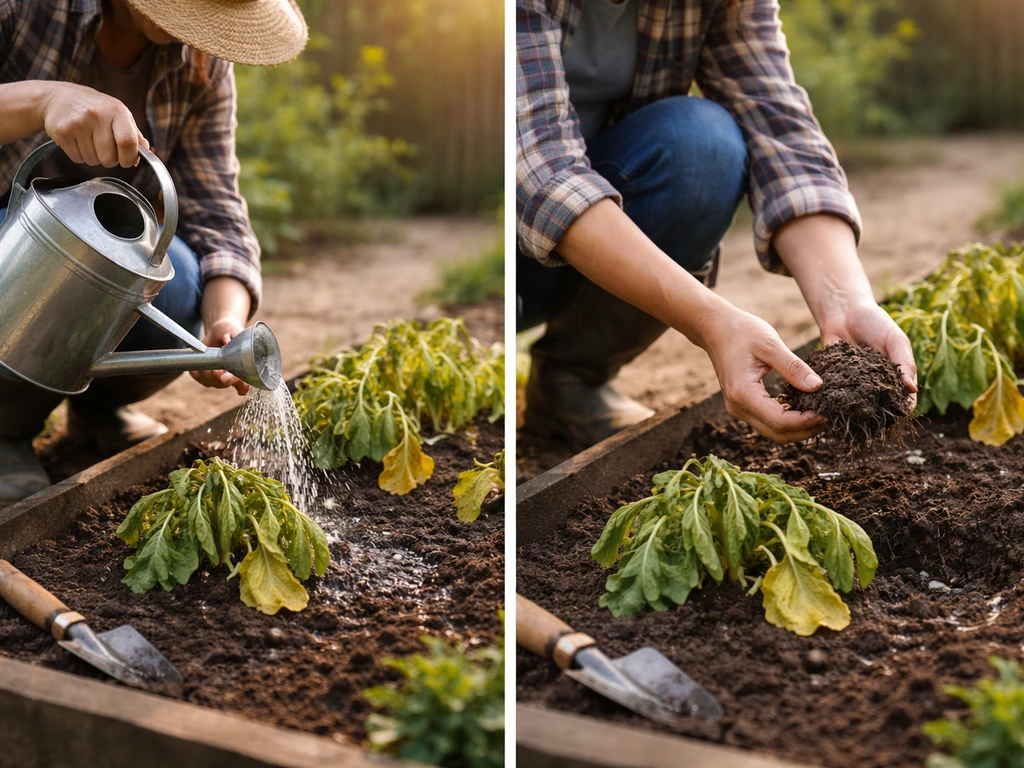
- Plant wilting in heat: water deeply in the morning or evening; don't water in full midday sun
- Yellowing leaves: could be overwatering (root rot from poor drainage), underfeeding, or pests — check drainage first
- Leggy seedlings: not enough light; move containers to sunnier spot or thin crowded plants
- Bolting (early flowering in vegetables): usually heat stress or inconsistent watering; shade cloth helps in extreme heat
- Herbs dying indoors: usually root rot from overwatering or insufficient light — UMN Extension notes root rots are the most common indoor herb problem; if growing indoors in winter, grow lights running 14–16 hours a day help (University of Maryland Extension recommendation)
- Nothing germinating: soil too cold, too wet, or seeds sown too deep — most vegetable seeds need soil above 10°C (50°F) and are sown no deeper than twice their own diameter
The single most useful habit you can build is keeping a basic garden notebook, just the date you planted something, where, and what variety. When something works or fails, you'll have something to learn from rather than trying to remember what you did differently last year. Gardening gets noticeably easier after your second or third season in the same spot, once you know your soil, your light, and your local frost dates. Start simple, observe what works, and add complexity as your confidence builds.
FAQ
How do I know when it is safe to plant out warm-season seedlings (like tomatoes and courgettes)?
For warm crops like tomatoes, courgettes, beans, and basil, transplant the seedlings only after the danger of frost has passed in your specific location, then protect them for the first week with a cloche or fleece if nights are still cool. Daytime warmth matters, but cold nights can still stunt growth even when the plants do not look frost-damaged.
What plants should I grow if I missed the early June planting window?
If you are starting seeds or plants later than the guide’s June timing, prioritize fast crops (radishes, salad leaves, herbs, bush beans) and choose varieties labeled “early,” “short season,” or “compact.” You can also sow in waves every 1 to 2 weeks so you still get harvest even if the weather turns.
What is the correct way to harden off seedlings, and what weather should I watch for?
Hardening off should be gradual and weather-dependent. On day one, give plants a few hours of protection in shade, then slowly increase sun exposure and outdoor time over 7 to 10 days, bring them back under cover if a cold snap or heavy rain is forecast, and avoid hardening on windy days that dry leaves quickly.
Can I grow the same plants closer together in containers than I would in the ground?
Yes, but it changes spacing and watering. In containers, plants often need closer attention, and overcrowding can cause fast disease spread and nutrient depletion because soil volume is small. A good rule is to follow the container-specific label instructions, then size the container and space plants so air can move around leaves and the pot drains freely.
My seeds are not germinating yet. What are the most common reasons and fixes?
If your seeds do not sprout, first check depth and soil contact. Many vegetables fail when sown too deep or on dry, powdery surfaces. Lightly firm the soil after sowing, keep the top layer consistently moist until germination, and verify you are using fresh seed because germination rates drop year to year for some crops.
What is the most common cause of tomato problems in summer, and how do I prevent it?
For tomatoes, the biggest beginner error is inconsistent watering rather than “not enough” water, which can trigger blossom-end rot and stress-related issues. Water at the base, keep moisture even, and mulch once the soil warms. If you have very wet weather, improve drainage and avoid watering the foliage to reduce fungal problems.
Will brassicas sown in June still do well in hot climates?
Broccoli, kale, and other brassicas can be sown in mid-to-late June for autumn harvest, but heat affects germination and early growth. In warmer areas, sow earlier in the day, keep seedlings shaded in the hottest week, and use shade cloth if daytime temperatures are extreme.
How do I troubleshoot when plants look healthy but produce poorly (or not at all)?
If your leaves look leggy or are pale, the plant usually needs more light. If plants are flowering but not fruiting, the issue may be pollination or stress, commonly from heat or irregular watering. Check that you planted the right crop for the season, then adjust watering first, then light, and only then add fertilizer.
Can I mix different crops together (companion planting) without increasing pest or disease risk?
Yes. Most crops can handle a bit of companion planting, but avoid mixing things that share the same pests or that compete strongly for nutrients. As a simple starting point, keep nutrient-hungry vegetables like tomatoes and courgettes separate from heavily competing roots, and use herbs like basil near warm crops mainly for beneficial cover and convenience rather than expecting magic pest control.
What is the best way to control mint so it does not take over my garden?
Mint will spread unless physically contained. Use a dedicated pot or grow it in-ground inside a root barrier that extends well below the soil surface, then manage it by harvesting regularly to keep it from becoming woody. If mint starts creeping into beds, remove runners before they fully establish.
How do I know if my plants are too crowded, and when should I thin them?
A practical way to judge spacing beyond the quick rules is air flow and mature size. If you cannot see the soil between plants at maturity, you are likely too close. Improve spacing for crops prone to mildew, keep lower leaves from staying constantly wet, and thin seedlings early so the strongest plants have room.
My plants wilt in the afternoon. Is that always underwatering, and how should I check?
If leaves wilt during the day but recover at night, it can be heat stress rather than “no water.” Check soil moisture 5 to 7 cm down, then adjust watering frequency and amount rather than watering lightly each day. For containers, also verify drainage holes are not blocked and that you are using proper compost, not garden soil.
What is the easiest way to water correctly (without overwatering or shallow watering)?
For irrigation, the goal is wetting the soil to about 15 cm (6 inches) for most vegetable beds, then allowing it to dry slightly before the next deep watering. Light sprinkling is often worse because it keeps roots shallow. If you are using mulch, you can usually water less often, but still deep-water enough to reach the root zone.
What plants should I grow if my garden gets less than full sun?
Yes, start with the plants that tolerate your light level. If you have partial shade, choose leafy greens, herbs like parsley and chives, and certain flowering plants that perform in lower light. For fruiting crops like tomatoes, prioritize the sunniest spot you have, because low light often reduces flowering and fruit set.
I live in a colder region. Should I focus on annuals or can I still grow perennials reliably?
If you garden in a colder area, protect new transplants and still consider short-season varieties. For example, you can grow leafy greens and radishes reliably, and for tender crops, wait for consistent warmth or use row cover. For perennials, focus on those rated to survive your winters, because “buying hardier” matters more than “watering harder.”
Next Article
What Plants Grow in Small Spaces: Best Choices for Pots
Find the best small-space plants for pots, windowsills, and balconies, with light, watering, and easy care tips.