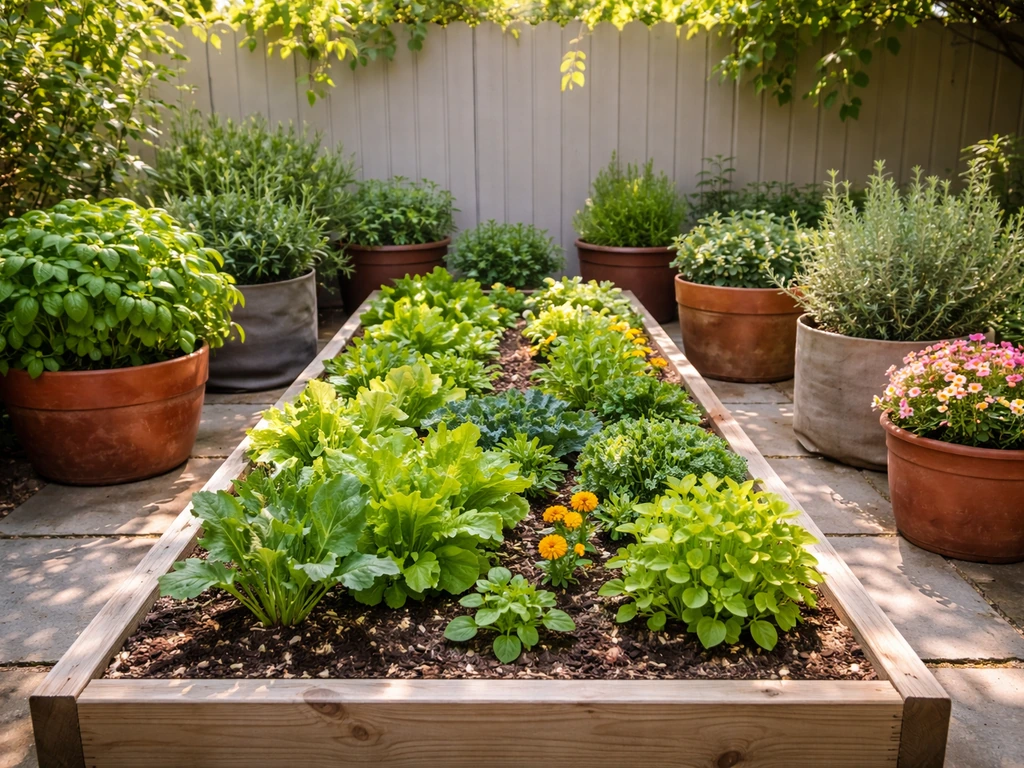
Plenty of plants thrive in small spaces, and you don't need a yard or even a balcony to grow something genuinely useful or beautiful. Herbs like basil, chives, mint, and parsley do great in 4-to-6-inch pots on a sunny windowsill. Leafy greens like lettuce and spinach grow fast in shallow containers. Houseplants like pothos, snake plant, and ZZ plant handle low light in almost any room.
What Plants Grow in Small Spaces: Best Choices for Pots
Rachel Hartley
1 Jun 2026
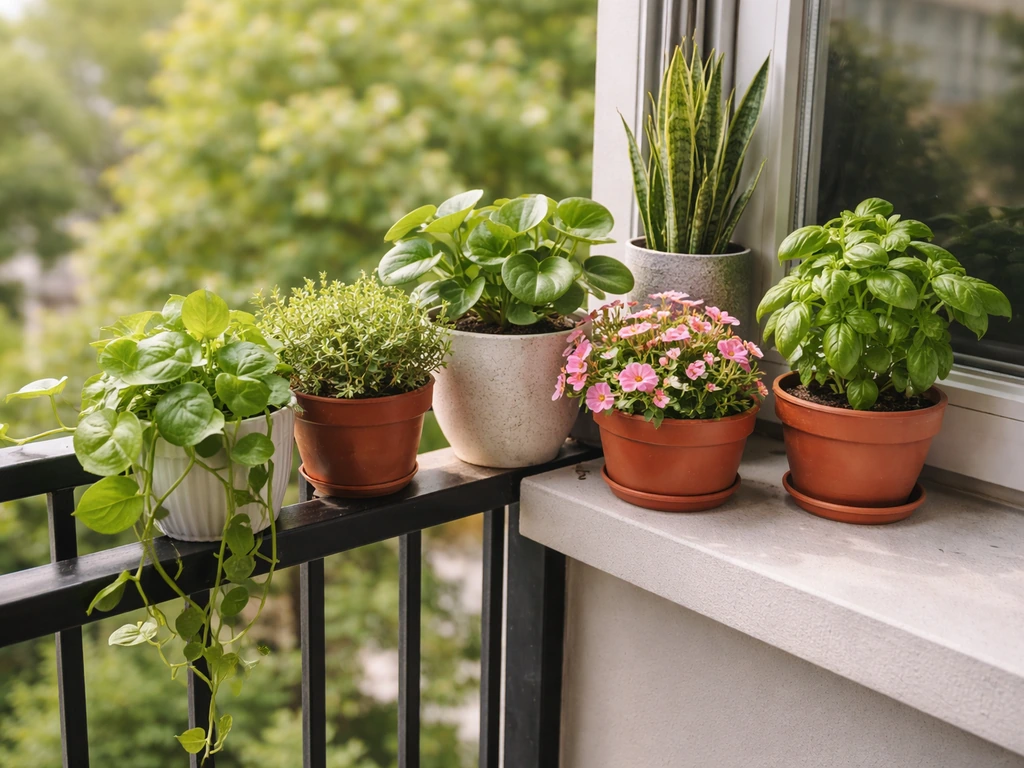
And if you're willing to go vertical with a trellis or use a hanging basket, you can multiply your growing space dramatically without taking up any extra floor area. The key is matching the plant to your actual conditions, light, pot size, and how consistently you can water, not just grabbing whatever looks good at the garden center.
How to choose plants for small spaces
Three things determine whether a plant survives in a small space: how much light it gets, how often you can water it, and whether its roots have enough room to function without stressing out. Get those three right and almost everything else is fixable.
Light is the starting point
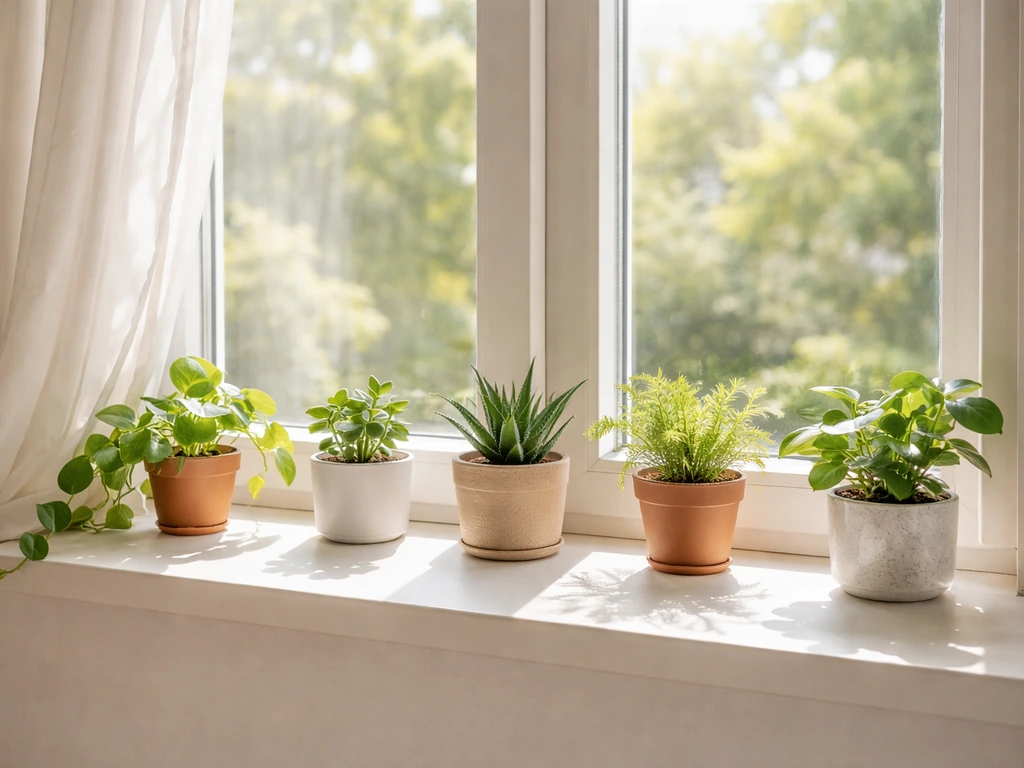
Before you pick a single plant, stand in your space at different times of day and be honest about how much direct sun you're getting. A south-facing window in a first-floor apartment might only get 2-3 hours of real sun if there's a building across the street. That's low light, and you need low-light plants. A sunny balcony facing south or west in June can hit 6-plus hours, which opens up herbs, tomatoes, and peppers.
Most people overestimate their light, which is why herbs bought at the grocery store die on the kitchen counter, they need more direct sun than most indoor spots provide. If your light is genuinely low, lean into it and grow pothos, snake plant, or ZZ plant instead of fighting it with a basil plant that's doomed.
Container size and root limits
The pot size sets the ceiling for what a plant can do. If a pot is too small, roots get restricted, the soil dries out faster, and the plant stresses constantly. If it's way too big for the plant, the extra soil stays wet for too long and root rot becomes a real risk. The sweet spot is a pot that gives the plant just enough room to grow without leaving a ton of unused soil sitting wet around it.
For herbs and small edibles, that usually means 4-to-8-inch pots. For leafy greens, a window box or shallow container 6-8 inches deep works well. Larger crops like tomatoes or peppers need at least a 5-gallon container with 12 or more inches of depth, anything smaller and you'll fight water stress all season.
Watering realities
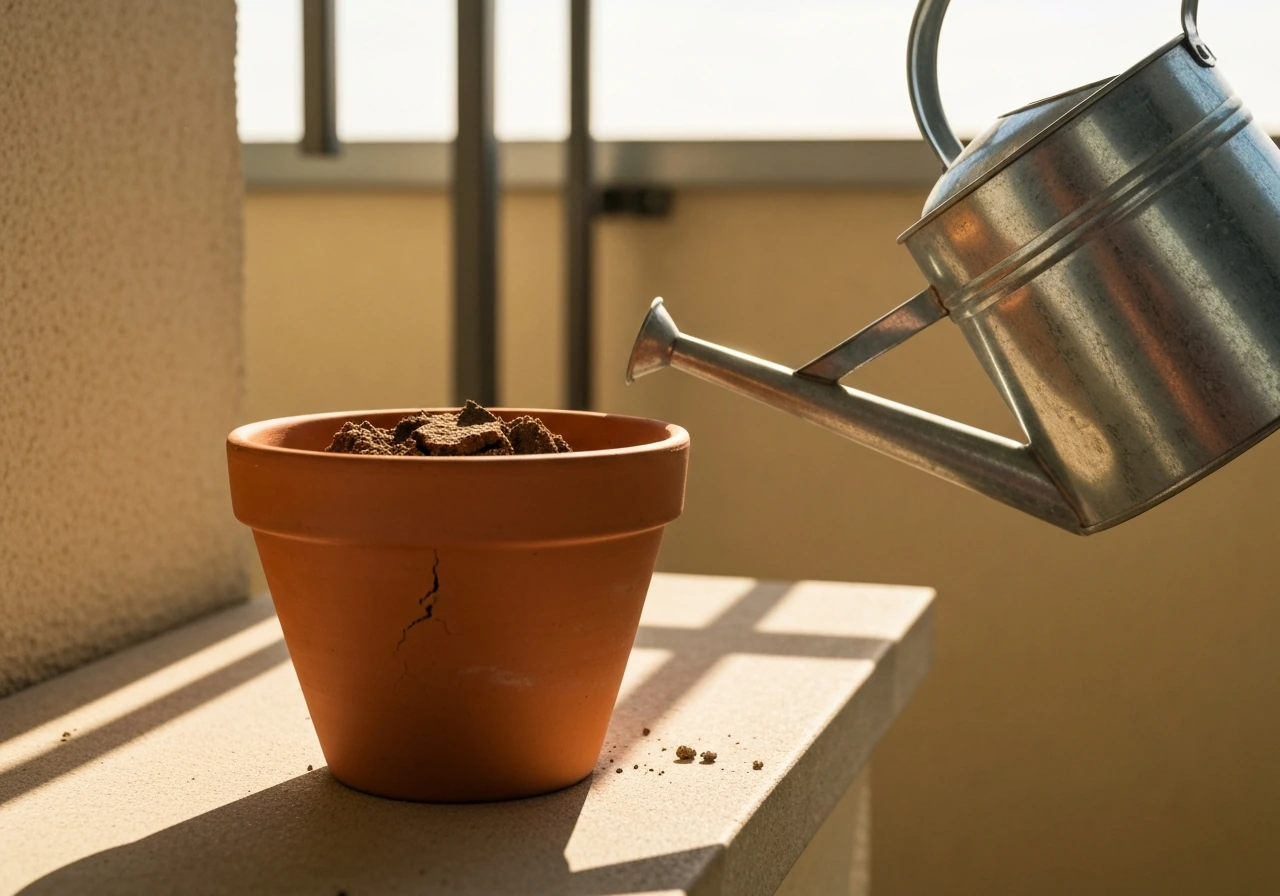
Small containers dry out fast, especially in summer heat or near a heating vent in winter. On a hot June day, a small clay pot on a sunny balcony might need water twice a day. If you travel, work long hours, or just forget, you need plants that handle some neglect, snake plant, ZZ plant, succulents, and most herbs except basil. Drainage is non-negotiable: every container needs holes at the bottom, and water should run freely out when you water. If it's sitting in a saucer, empty that saucer so roots don't stay wet. Elevating pots slightly off concrete helps with drainage too.
Best plants for small containers
These are the plants that reliably work in apartments, small rooms, and tight spots. They're forgiving, compact, and actually look good. If you want the easiest starting point, use this guide to find the best plants to grow in small garden spaces.
| Plant | Light Needed | Pot Size | Water Needs | Best For |
|---|---|---|---|---|
| Pothos | Low to medium indirect | 4-6 inch to start | Let dry between waterings | Low-light rooms, shelves, hanging |
| Snake Plant | Low to bright indirect | 4-8 inch | Very infrequent (every 2-4 weeks) | Forgetful waterers, dark corners |
| ZZ Plant | Low to medium indirect | 6-8 inch | Very infrequent | Low-light offices and rooms |
| Peace Lily | Low to medium indirect | 6-8 inch | Moderate, droops when thirsty | Humid rooms, beginners |
| Spider Plant | Bright indirect | 4-6 inch | Moderate | Hanging baskets, shelves |
| Aloe Vera | Bright indirect to direct | 4-6 inch | Infrequent, well-draining soil | Sunny windowsills, low maintenance |
| Heartleaf Philodendron | Low to bright indirect | 4-6 inch | Let dry partially between waterings | Trailing over shelves, beginner-friendly |
Pothos and philodendron are genuinely hard to kill and adapt to a wide range of light. If you've never kept a plant alive before, start with one of those. Snake plant and ZZ plant are the go-tos if you're rarely home or tend to forget to water. Aloe is a great choice for a sunny south-facing sill and pulls double duty as a minor first-aid plant. Peace lily is one of the few flowering plants that actually does well in low-light apartments.
Small-space edibles: herbs, greens, and microgreens in pots
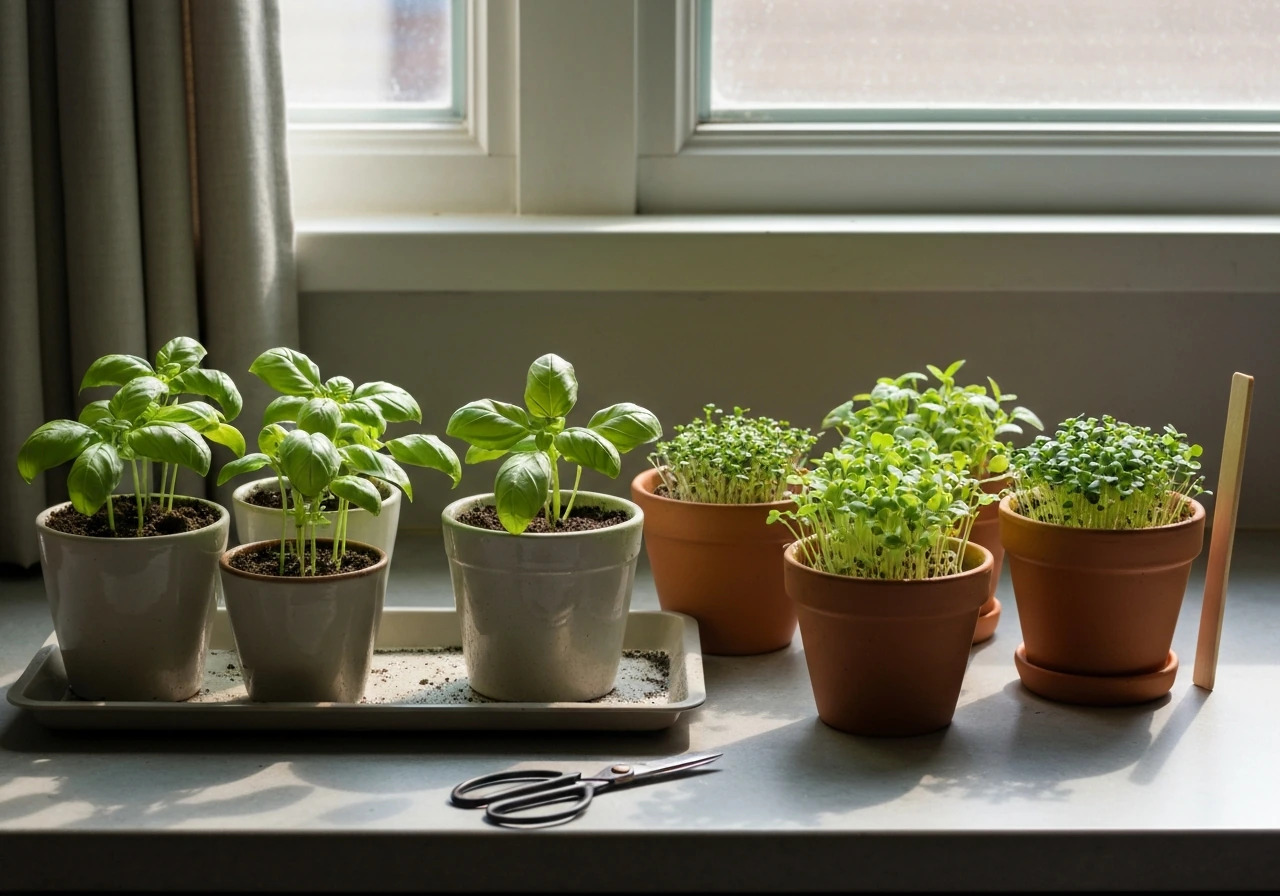
If you want to grow food in a small space, herbs are the best return on investment. They're compact, they grow in small containers, you use them regularly, and fresh herbs from a pot taste dramatically better than dried or store-bought. If you want more ideas beyond small-space herbs, exploring the best plants to grow in home garden can help you compare options for your light and container setup. Here's what actually works.
Herbs that grow well in small pots
- Basil: Needs a bright, sunny spot (6+ hours direct light). Grows well in a 4-6 inch pot. Pinch off flowers to keep leaves coming. It's the most demanding on this list for light.
- Chives: Tolerates partial shade better than most herbs. A 4-inch pot is fine. Cut them down to an inch above soil and they regrow.
- Mint: Grows aggressively—keep it in its own pot or it'll take over. A 6-inch pot works, but mint will fill it fast. Great for low-effort harvesting.
- Cilantro: Bolts (goes to seed) quickly in heat. Best in spring or fall outdoors, or on a cool indoor windowsill. Sow seeds directly in a 6-inch pot.
- Parsley: Tolerates part shade and grows slowly—plant it once and harvest for months. A 6-inch pot is sufficient.
- Oregano: Very drought-tolerant once established. A 4-6 inch pot is fine and it'll spread. Great for a sunny windowsill or outdoor balcony.
- Thyme: Similar to oregano—loves sun, tolerates dry conditions, stays compact. Perfect for a 4-inch pot on a south-facing sill.
- Sage: Grows larger than most compact herbs but can be kept pruned. Needs at least a 6-inch pot and full sun.
Leafy greens in containers
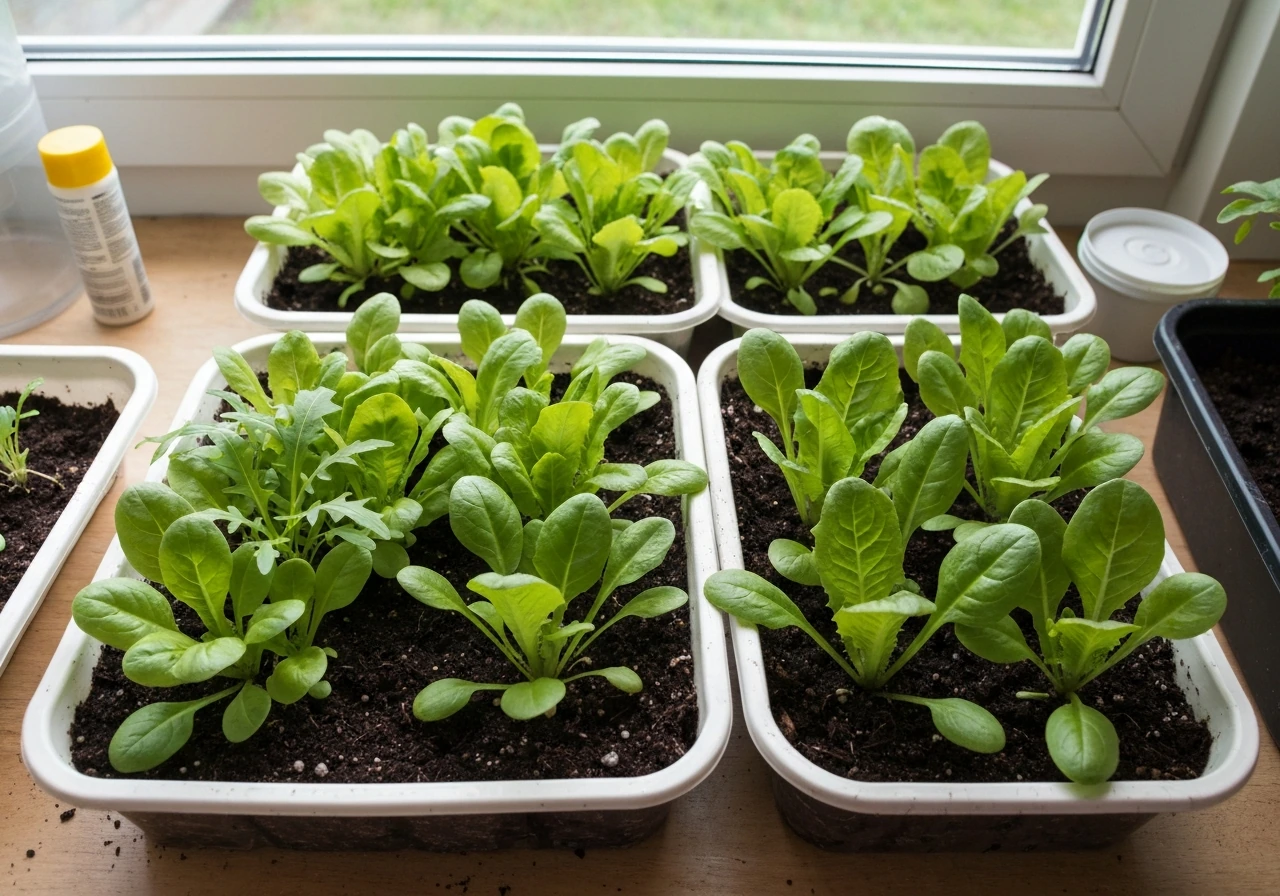
Lettuce, spinach, arugula, and kale all grow surprisingly well in shallow containers. Lettuce and spinach only need about 6 inches of soil depth, which makes them ideal for window boxes or any wide, shallow planter. In early June, lettuce is starting to bolt in hot climates, if you're in Texas, Arizona, or Florida right now, wait until September and grow heat-tolerant varieties in the meantime. If you're in the Pacific Northwest, the Upper Midwest, or New England, June is prime time for greens. Plant looseleaf varieties so you can harvest outer leaves and keep the plant producing rather than pulling the whole thing.
Microgreens: the easiest edible for any space
Microgreens are the single best option if you have almost no space and want to grow food. You can grow them in a shallow tray on any surface, they don't need much light (a bright window works), and you harvest them in 7-14 days. Radish, sunflower, pea shoots, and broccoli microgreens are the fastest and most foolproof. You're not waiting for a plant to mature, you're harvesting seedlings. No outdoor space required, no special equipment needed, and they're genuinely expensive to buy at stores. This is a good starting point for anyone new to edibles.
Vertical and space-saving options
Going vertical is the fastest way to get more growing space out of a small area. Instead of thinking in square feet of floor space, think in linear feet of wall, fence, or railing.
Trellises and climbers in containers
Pole beans, peas, and compact cucumber varieties will climb a trellis or bamboo stake setup placed directly in a large container. This lets you grow a substantial amount of food in a single 5-gallon pot. Peas especially are great for early summer in cooler climates right now. Put a trellis or cage directly in the pot so the plant has support and air can circulate around the foliage, which reduces disease pressure. If you're growing on a balcony, a freestanding trellis panel works well and doubles as a privacy screen.
Hanging baskets
Hanging baskets are underused. Trailing plants like pothos, string of pearls, spider plant, and trailing nasturtiums take up zero floor or shelf space and add a lot visually. For edibles, strawberries do surprisingly well in hanging baskets and produce fruit all season with minimal effort. Just know that hanging baskets dry out faster than floor pots because they get more airflow on all sides, check them daily in warm weather.
Window boxes and railing planters
A window box outside a south or west-facing window is one of the most productive small-space setups you can build. Pack it with herbs or trailing flowers and you'll get harvests or blooms all season. Railing planters that hook over a balcony rail work the same way, they use space that would otherwise be completely empty. Just make sure they're secured properly, especially if you're above the ground floor.
Season- and location-aware picks for right now (June 1)
What you should grow today depends on where you live. June 1 is peak growing season in a lot of the country, but it's also the beginning of conditions that kill some plants fast.
| Location / Setup | What to Plant Now | What to Wait On |
|---|---|---|
| Hot climates (TX, AZ, FL, Southern CA) | Heat-tolerant herbs (basil, oregano, rosemary), sweet potatoes in large pots, okra | Lettuce, spinach, cilantro (wait until September) |
| Mild climates (Pacific NW, Northern CA, coastal) | Basil, tomatoes (compact varieties), peas, lettuce, kale, any herbs | Nothing major to wait on—full growing season |
| Midwest / Mid-Atlantic / Northeast | All herbs, compact tomatoes, peppers, beans, leafy greens (quickly), marigolds | Cilantro (heat will bolt it fast in July/August) |
| Cold climates (upper Midwest, mountain zones) | Hardy herbs, peas, lettuce, spinach, radishes—act fast before heat arrives | Tender crops outdoors if frost risk still present |
| Indoor / no outdoor access (any climate) | Pothos, snake plant, ZZ plant, microgreens, chives, mint (bright window), spider plant | Tomatoes, peppers (not enough indoor light without grow lights) |
If you're gardening on a small balcony or patio that gets real sun, you're in the same situation as someone with a small garden bed, the main constraint is container size, not season. If you're fully indoors without grow lights, stick to the plants that genuinely handle low-to-medium indoor light rather than forcing sun-loving plants to struggle. This is one area where being honest about your conditions saves a lot of frustration.
Care basics that make small-space plants succeed
Growing in containers is different from growing in the ground, mostly because you control everything: the soil, the water, the nutrients. That's a lot of power but also a lot of responsibility.
Soil and drainage
Never use garden soil in containers. It compacts, drains poorly, and brings in pests and pathogens. Use a quality potting mix labeled for containers. For herbs and succulents, mix in some perlite (about 20-30%) to improve drainage. Make sure every pot has drainage holes and that water actually flows out freely when you water. If you're using a saucer, empty it within an hour of watering so roots don't sit in standing water.
Watering the right way
Water thoroughly until water flows from the drainage holes, then let the top inch or two of soil dry before watering again (for most plants). Light, frequent watering that never reaches the roots is a common mistake. Container size, pot material (clay dries faster than plastic), plant type, and outdoor temps all affect how often you water. Check the soil with your finger rather than following a fixed schedule. In peak summer heat, outdoor containers may need water daily or even twice daily.
Fertilizing
Potting mix nutrients get depleted quickly because you're watering frequently and there's no soil ecosystem replenishing them. For edibles and fast-growing plants, use a balanced liquid fertilizer (something like 10-10-10) every 2-4 weeks during the growing season. Slow-growing houseplants like snake plant and ZZ plant need very little, once a month at half strength during summer is plenty, and nothing in winter. Over-fertilizing is a real problem and causes its own set of issues, so follow label directions and err on the side of less.
Pruning and keeping plants compact
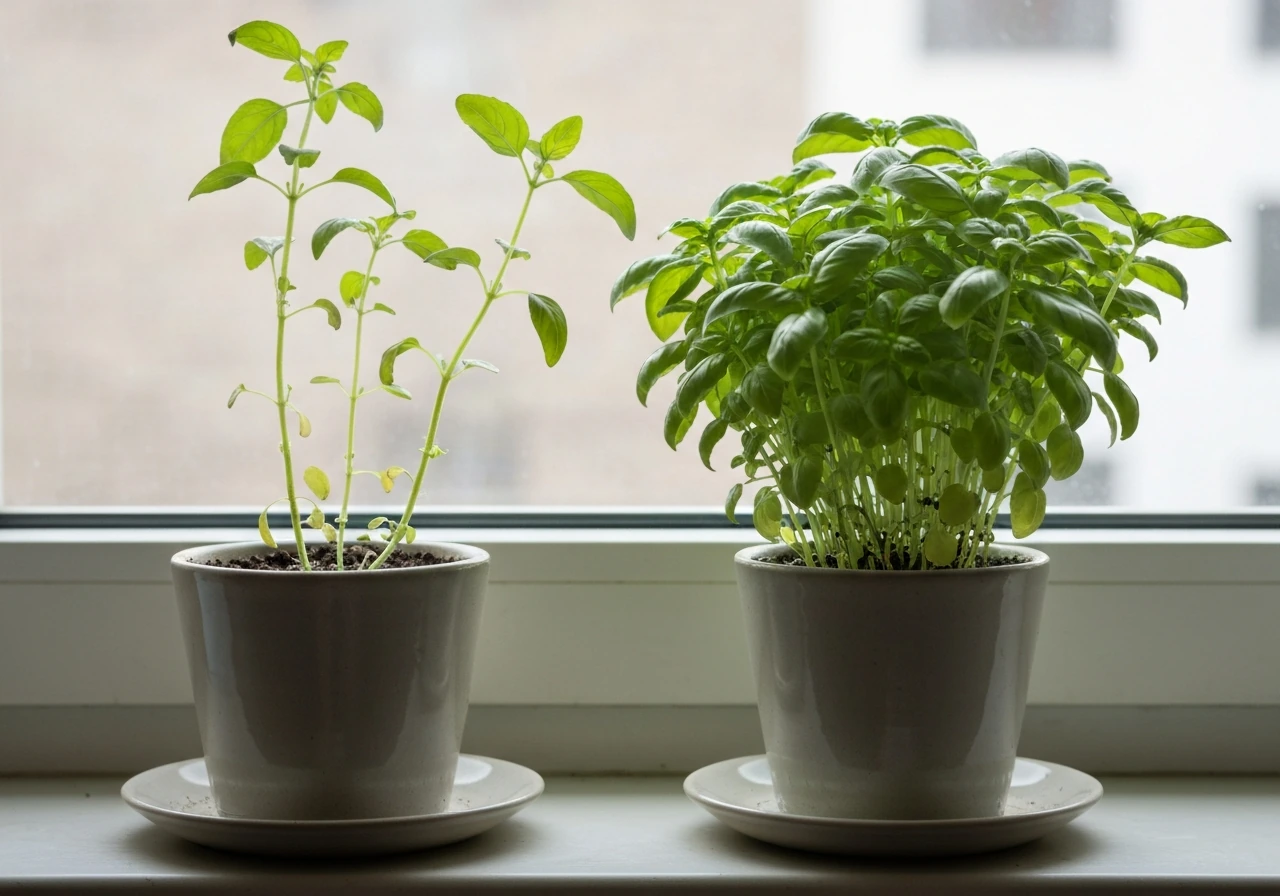
Regular pruning keeps container plants healthy and compact. Pinch basil tips every week or two to prevent flowering and encourage bushy growth. Trim back trailing pothos or philodendron if it gets unruly. Cut herbs like chives and parsley down to a couple of inches above the soil and they'll flush with new growth. Don't be afraid to cut, most plants respond to pruning by growing more vigorously.
Repotting before roots take over
When a plant becomes root-bound, roots have filled the pot and formed a tight mass. The sign that usually shows up first is water running straight through the pot without being absorbed, the root ball is so dense it repels water and the center of the roots stays dry. When you see that, it's time to repot. blank" rel="noopener noreferrer">Choose a new pot only slightly larger than the current one, going up about 2-3 inches in diameter is the standard move. Too big a jump and you'll have excess wet soil sitting around the roots. Loosen the root ball gently when you repot so roots can spread into the new space.
Common problems and how to fix them
Leggy, stretched-out growth
If your plant is tall and spindly with long gaps between leaves, it's reaching for more light. This is called etiolation and it means the plant isn't getting enough. Move it closer to your light source or add a simple grow light. You can prune back leggy stems to encourage bushier regrowth, but if you don't fix the light issue the same thing will happen again within weeks.
Root-bound and water-running-through problems
As described above, water that runs through too fast without being absorbed is usually a root-bound issue. The fix is to repot into a slightly larger container and loosen the roots. After repotting, the plant often needs a week or two to adjust before it starts growing vigorously again, that's normal.
Fungus gnats
Those tiny flies hovering around your indoor plants are fungus gnats. They breed in moist topsoil, so the main fix is letting the top inch of soil dry out completely between waterings. Yellow sticky traps catch the adult gnats and reduce the population while you correct the watering. Overwatering is almost always the root cause, if you sort out moisture levels, the gnats go away.
Other common pests
- Spider mites: Look for fine webbing and stippled leaves. They thrive in hot, dry conditions. Increase humidity and spray leaves with water or insecticidal soap.
- Aphids: Small clusters of soft-bodied insects on new growth. Blast off with water or use neem oil spray.
- Mealybugs: White cottony clusters in leaf joints. Dab with rubbing alcohol on a cotton swab and follow up with neem oil.
- Scale: Brown bumps on stems. Scrape off manually and treat with horticultural oil.
Yellow leaves
Yellow leaves are the most common distress signal and have multiple causes. Overwatering is the most frequent culprit in small containers, especially if lower leaves are yellowing and the soil has been consistently moist. Underwatering usually causes crispy, dry yellowing rather than soft yellowing. Nutrient deficiency (especially nitrogen) causes older leaves to yellow uniformly. Check your watering first, then consider whether the plant has been fed recently.
Where to start today
If you're just getting started, pick two or three plants from this list and get them in the right conditions rather than buying ten and struggling with all of them. For a sunny spot, start with basil, cherry tomatoes in a 5-gallon pot, and chives. If you're wondering what plants can people grow in cities, focus on compact options that fit your light, container size, and watering schedule.
For low light, start with a pothos, a snake plant, and a tray of microgreens. If you’re in London, you can use these small-space choices to match your typical light, containers, and watering schedule microgreens. Once those are established and you understand how they behave in your specific space, add more. Small-space gardening rewards paying attention more than it rewards buying a lot of plants.
If you're thinking about expanding to a raised bed or a larger outdoor setup, the skills you build growing in containers translate directly, the principles around drainage, soil quality, and matching plants to your light conditions all apply. If you want to move beyond containers, you can still use the same idea: match your spot and conditions to what plants to grow in a garden.
Garden boxes work the same way, so the best plants to grow in a garden box are the ones that match your light, container depth, and watering routine best plants to grow in garden box. If you want a quick shortlist, the best plants to grow in raised beds are the ones that fit your sun and container-style watering schedule expanding to a raised bed.
Starting small is actually a better education than jumping into a full garden bed with twenty different crops at once. If you’re moving beyond pots, best plants to grow in raised beds follow the same container rules for light, root space, and drainage.
FAQ
What plants grow in small spaces if I only have a north-facing window?
North-facing light is usually low and cool. Focus on low-light houseplants (pothos, snake plant, ZZ plant) and consider peace lily if you want occasional flowers. For any food, microgreens in a bright window can work better than trying to grow herbs like basil indoors.
How many hours of sunlight do I need for herbs in small pots?
Most common kitchen herbs need consistent direct light. If you get less than about 4 to 5 hours of true sun, basil often struggles, while chives and parsley are more forgiving. If your space only gets weak light, swap basil for lower-light options and use a simple grow light for a dependable result.
My small pots dry out fast, what plants tolerate irregular watering?
Choose plants that store water or prefer drying between waterings, snake plant, ZZ plant, succulents, and most oregano or thyme-type herbs. If you grow leafy greens, you will need more consistent moisture, so plan to check soil daily during hot weather.
What pot size should I use for tomatoes or peppers in a balcony container?
For a real shot at fruit, use at least a 5-gallon container with decent depth (roughly 12 inches or more). Smaller pots cause water stress and can stop flowering early. If space is tight, use vertical support and consider determinate varieties that stay more compact.
Can I reuse potting mix from last season in small containers?
It’s better not to use old mix straight from the pot. Even if it looks fine, nutrients and structure break down. For small-space gardening, refresh by replacing a meaningful portion with fresh container potting mix, then fertilize lightly during the growing season.
Why is water running through my pot too fast, is it always a root-bound problem?
Root-bound can be a cause, especially when the water seems to shoot through the center. But hydrophobic dry soil can also repel water. Before repotting, try soaking the pot thoroughly and see whether the mix re-wets; if it repeatedly stays dry inside, repot and gently loosen roots.
How often should I water small-space plants, should I follow a schedule?
Schedules usually fail in small pots because temperatures and airflow change quickly. Check by finger first, water thoroughly when the top inch or two is dry (most plants), and in extreme heat outdoors you may need daily or even twice-daily watering. Clay pots dry faster than plastic, so adjust based on pot material.
What’s the safest way to prevent overwatering and root rot in containers?
Use a potting mix made for containers, ensure drainage holes are clear, and never let water sit in a saucer. After watering, empty the saucer within about an hour. The simplest habit is to let the top portion of the mix dry before watering again.
Do hanging baskets work for edible plants, and how do they differ from floor pots?
Yes, strawberries do well in hanging baskets, and trailing plants can be productive. Hanging baskets dry out faster because air moves around all sides, so check them daily in warm weather. Plan for more frequent watering compared with window boxes.
What small-space plants are best for beginners who want low hassle?
Start with forgiving plants for your light conditions: pothos or philodendron for medium to bright spots, snake plant or ZZ plant for low light and missed waterings, and microgreens for reliable fast food. Pick a couple of plants you can realistically care for, then add more once you understand your routine.
Why do my indoor plants get tall and leggy, what should I change first?
Etiolation usually means insufficient light. Move the plant closer to the brightest window, or add a grow light, then avoid trimming repeatedly without fixing the light. If you prune leggy growth, it will regrow better once lighting improves.
How do I choose plants for small spaces outdoors if I’m worried about seasonal timing?
Match the crop to your current heat and day length. Lettuce and spinach can bolt in hot climates, so in very warm regions you may need heat-tolerant varieties or shift the planting window. If you have mixed conditions, start with microgreens or herbs that you can harvest repeatedly while you learn your local timing.
Next Article
Best Plants to Grow in a Small Garden: Easy Picks
Best small-garden plants for containers and tight beds: compact edibles, easy ornamentals, and what to plant now by seas