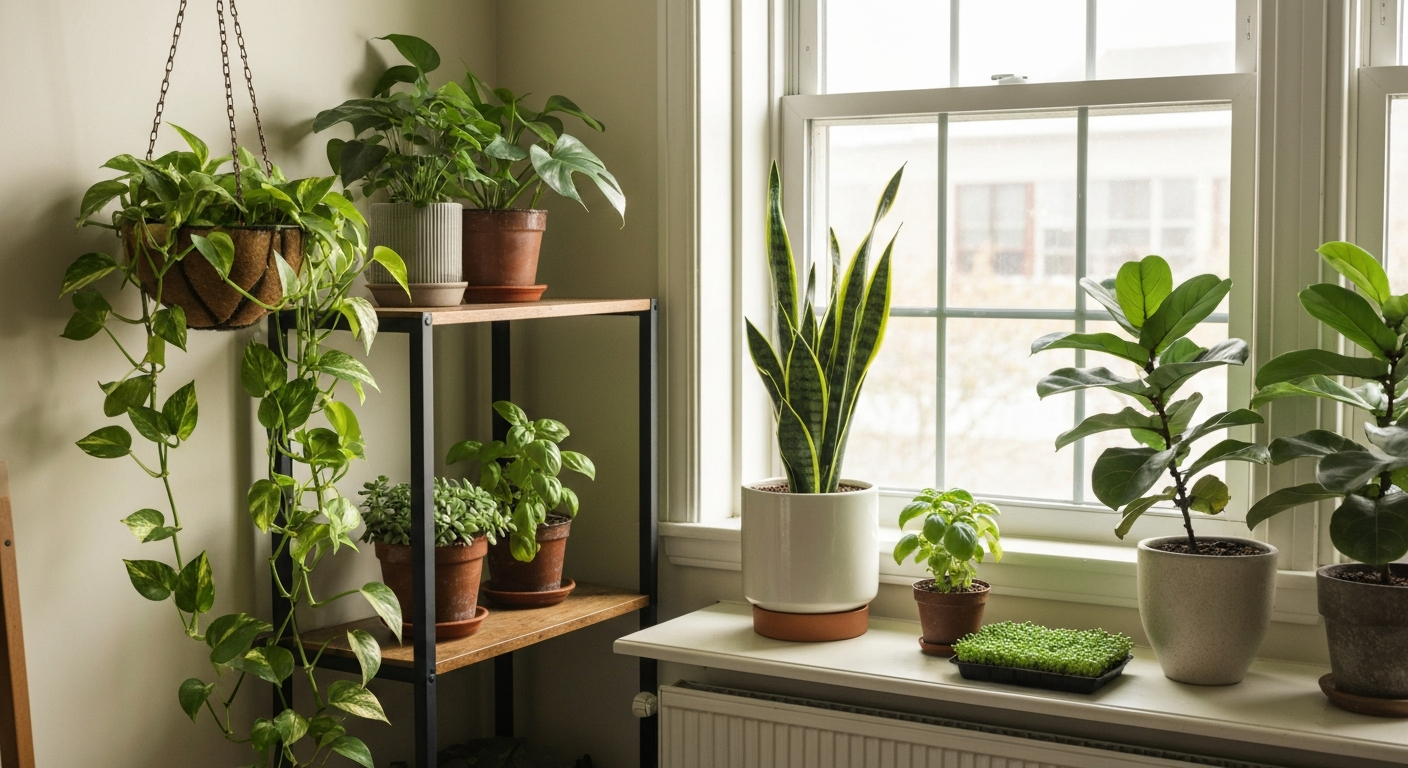
Raised beds are genuinely one of the best ways to grow food and flowers, and the reason is simple: you control everything inside them. The soil, the drainage, the depth, the amendments. That control means you can grow a wider range of plants more reliably than you often can in the ground. But it also means the choices you make upfront, which plants, what depth, how you water, actually matter. Here is a direct, practical guide to what grows best in raised beds, how to match plants to your specific conditions, and what to put in the ground right now based on the current season.
Best Plants to Grow in Raised Beds: Easy Picks by Season
Rachel Hartley
20 Apr 2026
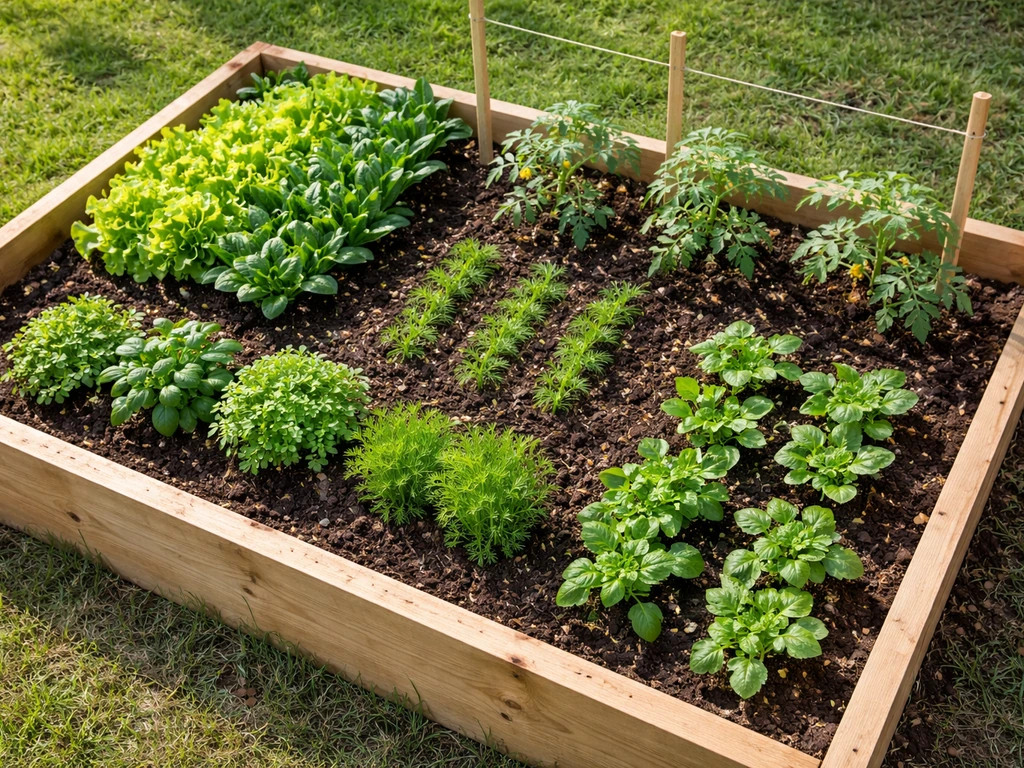
How to choose plants for your raised bed
Before picking plants, take stock of four things: sun, bed depth, soil quality, and how you plan to water. Get these right and almost anything will thrive. Get them wrong and even easy crops will disappoint.
Sun exposure

Most vegetables need at least 6 to 8 hours of direct sun per day. That is the baseline. If your bed is in a spot that gets fewer than 6 hours, you are not out of options, but you need to stick to shade-tolerant crops. In London, choosing shade-tolerant vegetables and herbs is often the key to success, especially if your garden gets fewer than 6 hours of direct sun shade-tolerant crops. Leafy greens, spinach, kale, arugula, chard, and herbs like cilantro and parsley can manage on 4 to 6 hours or steady dappled light. Tomatoes, peppers, squash, cucumbers, and beans all need that full 6 to 8 hours minimum, and honestly they perform better with more. If a fence, wall, or tree casts shadow across part of your bed, think carefully about which crops go where. Put your heavy fruiting plants on the sunniest end.
Bed depth
Depth is the most overlooked variable in raised bed planning. For leafy greens, beans, radishes, and cucumbers, you need at least 8 inches of soil depth. For deeper-rooted crops like peppers, tomatoes, carrots, and squash, aim for 12 to 24 inches. Most crops need a minimum 6 to 12 inch rooting zone, and deeper is always better because it reduces moisture swings and gives roots room to anchor. If your bed sits on hard pavement or compacted ground, 8 inches is the absolute floor for most crops, but 12 inches or more will give you noticeably better results.
Soil and drainage
The soil mix you use matters more in a raised bed than almost anywhere else. The easiest approach is to buy a purpose-made raised bed mix, which is typically lighter and more porous than standard garden soil. If you want to mix your own, use equal parts topsoil, organic matter (well-rotted compost, aged manure, or peat), and coarse sand. Avoid layering different soil types without mixing them, since distinct layers actually impede water movement and root growth. For drainage, the height of your bed helps: even a 6-inch increase above existing soil grade improves drainage significantly. Plan to add a 2-inch layer of compost every spring and fall to maintain soil health over time.
Watering

Raised beds dry out faster than in-ground beds because they have more exposed surface area and better drainage. In summer especially, you may need to water more frequently than you expect. Soaker hoses or drip irrigation are worth setting up early because they deliver water directly to roots without wetting foliage, which reduces disease. If you are hand-watering, check soil moisture at least every other day in warm weather. A finger pressed 2 inches into the soil is the simplest test. If it feels dry at that depth, water.
Best vegetables for raised beds
Raised beds are particularly well-suited to vegetables because you can tailor the soil exactly to what each crop needs. Here are the most reliable performers, starting with the easiest wins.
Easy, high-reward crops

- Lettuce (leaf varieties): Fast-growing, tolerates part shade, and can be cut and regrown multiple times. Space loose-leaf types 7 to 9 inches apart in a block layout.
- Radishes: Mature in 3 to 4 weeks, thin to about 1 inch apart. Great for filling gaps between slower crops.
- Swiss chard: Productive over a long season, handles both cool and warm weather better than spinach.
- Beets: Reliable in raised beds, and you get both the root and the greens. Performs well in wide-row or block-style layouts.
- Carrots: Benefit enormously from the loose, deep soil of a raised bed. Aim for at least 12 inches of depth for good root development.
- Bush beans: Space about 4 inches between plants in rows 12 inches apart. Productive and straightforward with minimal fuss.
- Cucumbers: Happy at 8 or more inches of depth, high sun. They grow fast in warm soil and produce prolifically.
- Kale and spinach: Both tolerate cooler temps and part shade, making them ideal for early spring and fall planting.
Crops for intermediate and experienced growers
- Tomatoes: Need 12 to 24 inches of soil depth and full sun. Rotate to a different bed section each year to avoid disease buildup. Choose determinate varieties for smaller beds.
- Peppers: Similar depth and sun requirements to tomatoes. Slower to mature but well worth the wait. Do not rush transplants out before nights stay above 50°F.
- Squash (summer and winter): Productive but space-hungry. Situate them at the edge of a bed so vines can trail out, or train vertically.
- Broccoli and cauliflower (cole crops): Space about 18 inches by 18 inches, roughly 3 plants across a standard 4-foot-wide bed. They need consistent moisture and do best in cool weather.
- Eggplant: Loves heat and deep, rich soil. Group it with tomatoes and peppers in your crop rotation plan.
One thing worth emphasizing for anyone growing tomatoes, peppers, and eggplant: rotate them to a different section of your bed (or a different bed entirely) each year. These are all in the same plant family and share the same diseases and soil-nutrient demands. Planting them in the same spot year after year is one of the most common reasons yields decline.
Best herbs and companion plants for raised beds
Herbs are among the highest-value plants you can put in a raised bed, and most of them take up very little space. They also double as companion plants, which means they can actually improve the performance of vegetables growing nearby.
- Basil: A classic companion for tomatoes. Grows fast, smells great, and is one of the most used kitchen herbs. Note that it is also known to attract whiteflies, so keep an eye on it.
- Dill: Attracts beneficial insects including ladybugs, which are natural aphid predators. Let it flower near your brassicas or beans.
- Thyme: Low-growing, drought-tolerant once established, and useful near tomatoes as a pest deterrent.
- Borage: Technically a flower-herb, but highly functional. It attracts pollinators, repels tomato hornworm, and its leaves are edible. Plant it near your tomato end of the bed.
- Calendula: Another dual-purpose plant. It draws in beneficial insects and acts as a pest-deterring companion for tomatoes and peppers.
- Cilantro and parsley: Both handle part shade, which makes them useful for filling in less-sunny corners of a bed.
- Chives: Perennial (in most zones), low maintenance, and useful as a border plant that may deter aphids near roses and other susceptible plants.
A word of honesty here: companion planting research is genuinely mixed. Some combinations have good evidence behind them, like dill attracting beneficial insects, or borage near tomatoes. Others are more anecdotal. The practical takeaway is to use companions for the verified benefits (pollinator attraction, beneficial insect habitat, weed suppression via ground cover) rather than expecting them to eliminate all pest problems on their own.
Best flowers and pollinator plants for raised beds

Adding flowers to a raised bed is not just decorative. Pollinators visiting your flowers will cross over to your vegetables, which significantly improves fruit set on beans, cucumbers, squash, and tomatoes. Flowers also break up a monoculture visually and ecologically, making your bed more resilient overall.
- Marigolds: A staple in raised beds. They repel some soil nematodes, attract pollinators, and are incredibly easy to grow from seed or transplant. French marigolds (smaller varieties) are better suited to beds than large African types.
- Nasturtiums: Edible flowers and leaves, attract aphids away from your vegetables (a trap crop effect), and thrive even in average soil. Let them trail over the bed edges.
- Zinnias: Prolific bloomers from midsummer through frost. Butterflies love them. They need full sun and are very drought-tolerant once established.
- Cosmos: Tall, airy, and attractive to a wide range of beneficial insects. Plant at the back of a bed so they do not shade shorter crops.
- Sweet alyssum: Low-growing ground-cover flower that attracts hoverflies and parasitic wasps, both of which prey on aphids and caterpillars. Great as a living border around the edges of a raised bed.
- Sunflowers: Best positioned at the north end of a bed (in the northern hemisphere) so they do not shade other plants. They attract bees and birds and their stalks support climbing insects.
Best fruits and climbers for raised beds
Fruit in raised beds is absolutely doable, and for some crops it is actually the preferred method. The key is matching the plant's root needs to your bed depth and adding vertical structure where needed.
- Strawberries: One of the best raised-bed fruits. They need only 8 to 10 inches of depth, spread via runners (which you can train or remove), and produce well for 2 to 3 years before needing to be refreshed.
- Pole beans: A productive climber that takes up minimal horizontal space in the bed. Run them up a trellis at the back of the bed, and interplant the base with faster crops like radishes or lettuce that will finish before the beans fill in.
- Cucumbers (vertical): While cucumbers work flat, training them up a trellis saves bed space and improves airflow, reducing fungal issues.
- Peas (climbing varieties): Ideal for spring in raised beds. Add a simple trellis and they will climb without much help. Sugar snap and snow pea varieties are especially productive.
- Compact blueberries: Dwarf or half-high varieties can work in deep raised beds (18 inches or more) if you amend the soil to be more acidic. This is a commitment, but blueberries are perennial and will produce for years.
- Melons (in warm climates): Technically possible in a large, deep raised bed with full sun, but they need heat, space, and strong trellis support for the fruit. Best suited to gardeners in warm regions with long growing seasons.
If you are gardening in a small space and want to maximize vertical growing, raised beds pair extremely well with a trellis or cage system at the back. Pole beans, peas, cucumbers, and even small squash can all go vertical, freeing up bed floor space for lower-growing crops in front. If small-space growing is a priority for you, this is one of the most effective strategies available.
What to plant by season
Since it is currently mid-April 2026, you are right in the spring planting window for most of the US and similar temperate climates. Here is how to think about each season for raised beds specifically.
Spring (March through May)
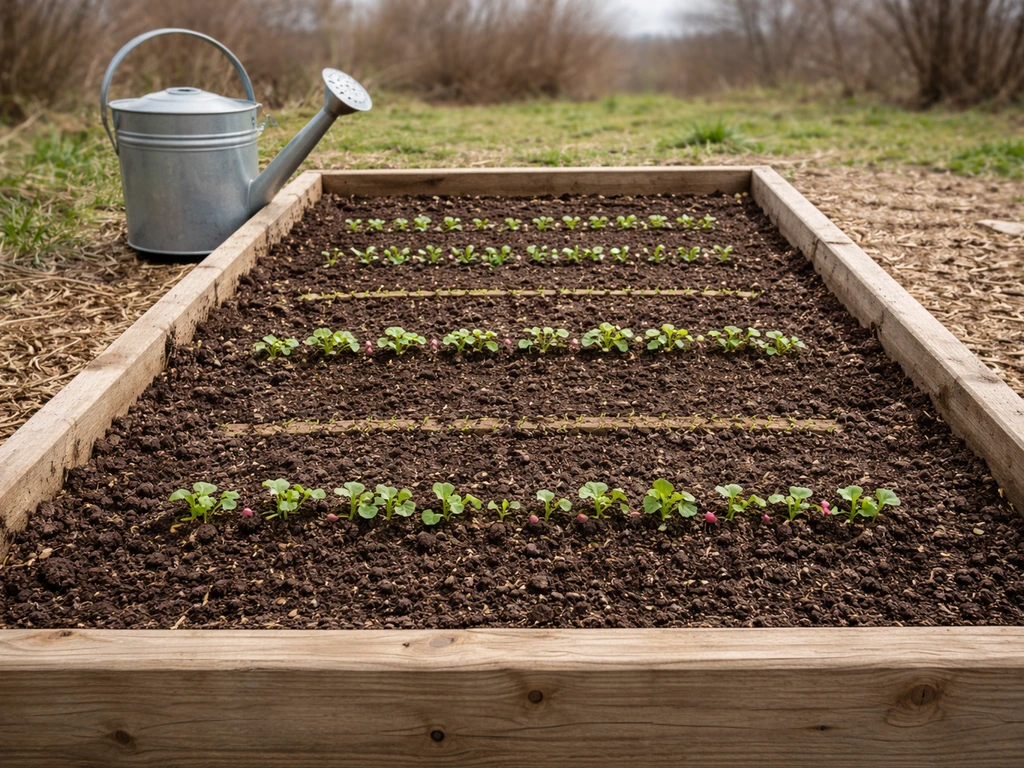
Spring is the season where raised beds really shine. Because the soil in a raised bed warms up faster than in-ground soil, you can start 2 to 4 weeks earlier than your neighbors. Right now, in mid-April, you can direct-sow or transplant a lot of crops depending on your region.
- Direct sow now (cool-season): Lettuce, spinach, arugula, radishes, beets, carrots, Swiss chard, peas, kale
- Transplant now (if frost risk is past): Broccoli, cauliflower, cabbage, Brussels sprouts
- Start indoors now for summer transplanting: Tomatoes, peppers, eggplant, basil
- Good companions and fillers: Dill, cilantro, chives, marigolds (seedlings)
- Climbers to set up: Peas on a trellis, if nights are still cool
If you are in a colder zone (Zone 4 or 5), hold off on frost-sensitive transplants for another 2 to 4 weeks. If you are in Zone 7 or warmer, you can already be putting in your first tomato and pepper transplants now.
Summer (June through August)
Summer is peak production season for warm-weather crops, but it is also when you start planning your fall succession. Once your spring cool-season crops bolt or finish (usually by June), pull them and replace immediately so bed space is never sitting idle.
- In full production: Tomatoes, peppers, eggplant, cucumbers, summer squash, pole beans, basil
- Direct sow (early summer): Beans (bush or pole), cucumbers, summer squash, zucchini
- Flowers in bloom: Zinnias, marigolds, cosmos, nasturtiums, sunflowers
- Start fall transplants indoors (late July to August): Broccoli, cabbage, kale for fall planting
One tip for summer: water consistently and mulch the surface of your raised bed to reduce evaporation. Even a 2-inch layer of straw or wood chips on top of the soil can dramatically cut down how often you need to water, which matters most on the hottest days.
Fall (September through November)
Fall is the underutilized season in most raised beds. Cool-season crops actually taste better after a light frost, and a raised bed extends your fall season by a few weeks compared to in-ground growing. Plan for this early, because fall crops need to be started in late summer.
- Direct sow (late August through September): Kale, spinach, arugula, lettuce, radishes, beets, turnips
- Transplant in (late August through September): Broccoli, cauliflower, cabbage, Brussels sprouts
- Perennials to establish before frost: Strawberries, garlic (plant in fall for the following summer harvest)
- Soil care after harvest: Add a 2-inch layer of compost to replenish nutrients for next season
Quick planning: layout, spacing, succession, and common problems
Layout and spacing
For most raised beds, a block-style layout (plants spaced evenly in a grid rather than in rows) makes the best use of space. Use the bed width to your advantage: a standard 4-foot-wide bed lets you reach the center from either side without stepping in, which keeps soil loose. Here is a quick spacing reference for common crops in block layouts:
| Crop | Spacing | Notes |
|---|---|---|
| Loose-leaf lettuce | 7–9 inches each way | Cut-and-come-again; multiple harvests |
| Head lettuce | 12 inches each way | Thin seedlings early |
| Radishes | 1 inch apart | Thin after germination |
| Bush beans | 4 inches apart, rows 12 inches | Direct sow after last frost |
| Broccoli / cauliflower | 18 inches each way | 3 plants across a 4-foot bed |
| Carrots | 2–3 inches apart in blocks | Needs 12+ inches of depth |
| Tomatoes | 18–24 inches apart | One or two per 4x4 bed section |
| Cucumbers (trellis) | 8–12 inches apart at trellis base | Train up immediately |
| Strawberries | 12 inches apart | Runners can be trained or removed |
Succession planting
Succession planting means staggering sowings of the same crop every 2 to 3 weeks so you do not have everything ready at once. It also means replacing finished crops with new ones immediately so the bed stays productive all season. A classic example: sow lettuce in April, pull it when it bolts in June, and transplant a cucumber seedling into that spot the same week. Then in August, as the cucumber winds down, direct-sow kale or spinach in its place for a fall harvest. Keep a simple notepad or phone note tracking what is in each section of your bed and when it was planted. You do not need a complicated system, just something to remind you when a section is about to open up.
Troubleshooting common problems
Even in a well-set-up raised bed, things go wrong. Here are the most common issues and direct fixes:
- Poor germination or slow growth: Usually a soil temperature problem. Cool soil slows or stops germination for warm-season crops. Use a soil thermometer and wait until temps are consistently above 60°F for beans and cucumbers, 65°F for tomatoes and peppers.
- Wilting despite watering: Check if the soil is actually dry. In a raised bed with good drainage, water can pass through quickly and the surface can look damp while lower layers are dry. Water slowly and deeply rather than quickly.
- Leggy, weak seedlings: Almost always a light problem. If seedlings are stretching toward the sun, they need more direct light. Move the bed location if possible, or prioritize it for shade-tolerant crops.
- Recurring disease on tomatoes and peppers: Rotate these crops to a different section each year. Do not plant solanaceous crops (tomatoes, peppers, eggplant) in the same spot two years in a row.
- Soil sinking or compacting: Raised bed soil settles over time. Top it up with compost each spring and fall. A 2-inch layer added twice a year keeps the soil level and nutrients replenished.
- Overrun by one pest (aphids, caterpillars): Add flowering companions like sweet alyssum, dill, or calendula to attract natural predators. Hand-pick caterpillars when you spot them. A strong jet of water knocks aphids off plants without chemicals.
The single biggest advantage of a raised bed is that it is a manageable, contained system. When something goes wrong, you are dealing with a small area, not an entire plot. That makes it much easier to fix quickly, rotate crops, adjust soil, and try something new. If you are comparing raised bed growing to in-ground beds, container gardening, or even a small backyard plot, the raised bed wins on control and flexibility almost every time, especially once you get the basics dialed in. If you are starting from scratch, these guidelines will help you pick the best plants to grow in a garden box for your space and season raised bed wins on control and flexibility. If you want broader ideas beyond a garden box, this guide will help you figure out what plants to grow in garden based on your sunlight and space best plants to grow in a garden box. If you’re limited by space, you can also use the same principles to choose the best plants to grow in small garden areas.
Your next steps right now
It is mid-April. If you have a raised bed that is empty or partly empty, here is exactly what to do this week: add a 2-inch layer of compost and work it into the top few inches of soil, then direct-sow lettuce, radishes, and spinach in any open sections. If frost is past in your area, start hardening off tomato and pepper transplants for outdoor planting in the next 2 to 3 weeks. Cornell’s tomato growing guide cautions that transplants exposed to cooler conditions, such as days around 60, 65°F and nights around 50, 60°F, are more prone to catfacing and advises not rushing transplanting until weather and soil are warm and stabilized If frost is past in your area, start hardening off tomato and pepper transplants for outdoor planting in the next 2 to 3 weeks.. Set up a trellis at the back of the bed now before plants need it, because installing one after plants are established is frustrating. Then mark your calendar for 6 weeks out to sow your first succession of beans, and for late July to start fall brassica transplants indoors. That three-step plan, cool-season crops now, warm-season crops in a few weeks, fall crops planned for late summer, will keep a single raised bed producing from now through November in most climates.
FAQ
How do I tell when to water a raised bed, especially when I mulch?
For most raised beds, you want a soil moisture check 2 inches down, then water deeply enough to wet that depth, not just the surface. If you’re using mulch, you may need to lift it briefly to test the soil under the straw or chips, and then water until the underlying soil re-wets (not until the top looks damp).
Can I grow carrots in a raised bed if my bed is only 8 inches deep?
Yes, but keep the plant depth practical. If your bed has 8 to 10 inches of usable soil, prioritize shallow-rooted crops like lettuce, radish, beets, and many herbs, and expect carrots to be shorter. For reliable long carrots, aim for 12 to 24 inches of loosened soil where the roots can grow without hitting compacted material.
What’s the best way to avoid setback damage when planting tomatoes and peppers in spring?
Avoid planting warm-season transplants too early. A common mistake is relying on “no frost expected” while ignoring cold nights, which can stunt tomatoes and peppers. If nights are still chilly, use row cover or a temporary cloche for the first week or two after transplanting, then remove during warm daytime periods.
My bed gets only 5 hours of sun, what should I grow there?
If your raised bed is in a spot that gets 4 to 6 hours of light, you can still harvest, but you’ll usually get better results from leafy greens and herbs than from fruiting crops. Put sun-lovers (tomatoes, peppers, squash) on the warmest edge, and place shade-tolerant crops in the darker portion of the bed rather than mixing everything together.
How should I fertilize a raised bed if I’m already adding compost twice a year?
If you use a raised bed mix, don’t keep feeding with random fertilizers. A simple routine is to add compost in spring and fall (as you plan in the article), then use a balanced organic fertilizer only if plants show clear nutrient stress (pale leaves, slow growth). Over-fertilizing can boost leaves while reducing flowering and fruit.
What counts as a good rotation plan for tomatoes and peppers in a small raised bed?
Crop rotation works best when it’s not just “different plants,” it’s “different families in the same zone.” For tomatoes, peppers, and eggplant, rotate them out of that area for at least one full growing year and follow with a non-solanaceous crop like legumes, brassicas, or leafy greens. Keep a quick map of bed sections to make the rotation consistent.
Should I always rely on companion planting in raised beds, or can it backfire?
You can, but pair them deliberately to reduce pest pressure and avoid crowding. Use spacing that matches the adult size, then choose companion roles you can actually support, like flowering near fruiting plants for pollinators or dill near plants that you know can handle its size. Don’t cram herbs “because they’re small,” herbs still compete for water.
What mulch type works best for raised beds and how should I apply it?
Mulch helps, but different materials behave differently. Straw and wood chips break down slowly and suppress evaporation, while fresh grass clippings can compact and create matting if applied too thickly. If you mulch right after watering, use a light layer and keep mulch a little away from plant stems to prevent rot.
When should I refresh soil in a raised bed between successions, and what should I do if plants keep failing in the same area?
Yes, especially for crops you’re repeating through succession. Before replanting a section, remove roots and debris, then top up with compost and lightly refresh the top few inches. If you notice persistent disease or stunting in that exact spot, stop using that same crop family there and consider improving drainage or soil structure.
What are the most common reasons raised bed crops underperform, even when I followed the basics?
Common “failure” causes in raised beds include too little depth for the root crop, inconsistent watering, poor sun placement, and crowding in block layouts. Also watch for compacted layers under the bed, if the bed was installed on hard ground, because roots can hit that barrier even when the bed looks deep.
Next Article
Best Pot Plants to Grow Indoors: Practical Guide for Apartments
Best pot plants to grow indoors: apartment-friendly picks with light, pot, watering, difficulty and seasonal tips.