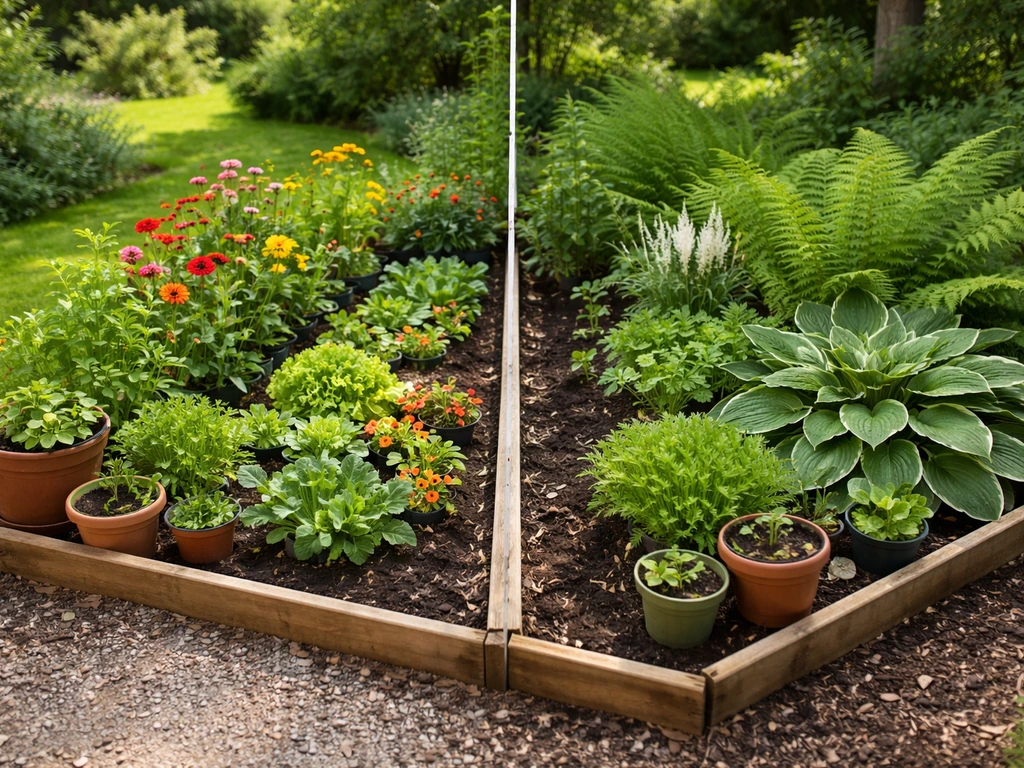
London is actually a pretty good place to garden. The climate is temperate, winters are mild compared to much of the UK, and the city itself creates a heat-island effect that nudges your growing season a few weeks longer than the surrounding countryside. For beginners, the most reliable plants to start with right now in June are summer bedding like cosmos and marigolds, fast-growing salad leaves, courgettes, tomatoes (in a warm spot), lavender, and hardy perennials like echinacea and salvia. If you have a shady balcony or a north-facing plot, swap tomatoes for lettuce, mint, and ferns. The rest of this guide breaks down exactly what works and why, by space type, season, and goal.
Best Plants to Grow in London: Easy Picks for Any Space
Rachel Hartley
8 Jun 2026
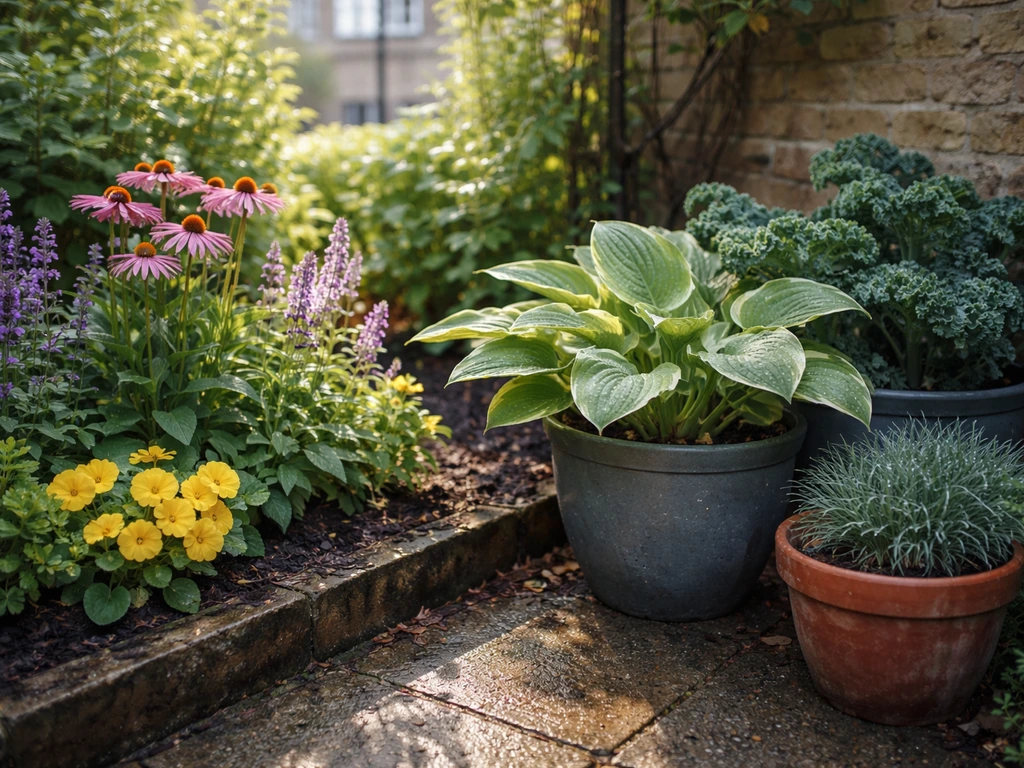
London growing conditions that actually matter

Before picking plants, there are a handful of things about London's conditions worth understanding, because they change which plants succeed and which quietly die on you.
Light and sun hours
London gets a modest amount of sunshine, typically around 4 to 6 hours a day in summer and much less in winter. Many London gardens are hemmed in by buildings, fences, or trees, which means a south-facing wall is genuinely precious. If your space gets fewer than 4 hours of direct sun, lean hard into shade-tolerant plants (hostas, ferns, astrantia, lettuce). If you have 6 or more hours of sun, you have a real choice of what to grow.
Soil and drainage

London soils are variable but often clay-heavy, especially in inner and south London. Clay holds moisture well but drains slowly, and in wet winters that can mean waterlogged roots and plants that blow over because their root systems are shallow. If your soil is heavy, work in grit or compost before planting, and take drainage seriously. The RHS is clear on this: poor drainage makes plants more vulnerable to wind and frost damage, not just root rot. A thick layer of permeable mulch helps in both summer (moisture retention) and winter (root insulation), as long as you avoid anything waterproof that blocks rain from penetrating.
Frost and winter cold
London typically sees fewer than 30 air-frost days per year, and many inner-city gardens see considerably fewer. That's a real advantage. Most hardy perennials, shrubs, and vegetables handle this without any protection. The windows to watch are November through February, when overnight frosts can catch you out. For anything borderline, moving pots close to a wall borrows reflected warmth, and a layer of horticultural fleece is cheap insurance. The RHS hardiness rating system (H1 through H7) gives you a reliable guide: blank" rel="noopener noreferrer">anything rated H4 and above will handle most London winters without help.
Microclimates and wind
Your specific microclimate matters more than the city average. A south-facing wall in Battersea can be noticeably warmer than an exposed north-facing balcony in Islington. Wind is a real issue for balconies and roof terraces, so for those spots you need wind-tolerant plants and heavier containers that won't tip. Ground-level gardens behind walls and fences are much more sheltered and give you more options.
Best easy plants for London gardens and beds
These are the plants that consistently perform well in London's in-ground conditions, whether you're an absolute beginner or just want something reliable. They all tolerate the mild-wet-variable pattern of a London year.
Perennials worth planting once and forgetting
- Salvia nemorosa (ornamental sage): drought-tolerant once established, long flowering season, brilliant for pollinators, and fully hardy to H7. Excellent for sunny borders.
- Echinacea (coneflower): handles London clay reasonably well if drainage is decent, flowers from July through September, and comes back reliably every year.
- Astrantia (masterwort): one of the best plants for partial shade, which makes it ideal for many London gardens. Flowers from June to August and self-seeds gently.
- Geranium (hardy cranesbill): virtually indestructible, tolerates shade and clay, and spreads to fill gaps. Cut back after flowering for a second flush.
- Heuchera: great for dark corners, year-round foliage interest in purples, oranges, and greens, and very low maintenance.
- Lavender: thrives in sun and poor, well-drained soil. Avoid heavy clay without amendment. 'Hidcote' and 'Munstead' are the two most reliable varieties in the UK.
Shrubs for year-round structure
- Hydrangea paniculata: flowers late summer, fully hardy, tolerates partial shade, and handles London clay better than mophead varieties.
- Deutzia: a flowering shrub with RHS AGM status that performs reliably in UK gardens, flowers in late spring, and needs almost no care.
- Mahonia: evergreen, shade-tolerant, flowers in winter (a rare quality), and effectively indestructible in London conditions.
- Viburnum tinus: evergreen, flowers January to March when almost nothing else does, tolerates shade and clay, and grows into a good screen.
Hardy annuals for quick colour
Hardy annuals are one of the most underused tricks in a London garden. You sow them directly into the soil in spring, and they get on with it. Cornflowers, calendula, larkspur, Iberis, nasturtiums, and Limnanthes douglasii (poached egg plant) are all reliable direct-sow options. Right now in June, you can still sow nasturtiums and calendula for summer and autumn colour. Towards the end of August, direct-sow hardy annuals into borders for flowering next spring.
Best plants for containers, balconies, and small spaces
Container growing is genuinely versatile. The RHS makes the point that you can grow almost any plant in a container if you get the basics right: pot size only slightly larger than the rootball (to prevent waterlogging), good drainage holes, and regular watering in dry spells. London's many balconies, patios, and courtyard gardens are well-suited to this approach. If you're thinking about small-space growing more broadly, the same principles apply whether you're using a garden box, raised bed, or a cluster of pots. If you want more ideas for the best plants to grow in small garden settings, focus on compact varieties, good drainage, and steady watering small-space growing. If you're specifically planning a garden box, focus on compact, reliable varieties and match them to your light, drainage, and watering routine. If you want a reliable harvest, choosing from the best plants to grow in raised beds can make your plan much easier to manage.
Flowers and foliage for pots

- Cosmos: sow or plant out now in June, flowers prolifically until frost, self-supporting in sheltered spots, and cheap from seed.
- Osteospermum (African daisy): sun-lover, long-flowering, compact, and excellent for south-facing balconies.
- Fuchsia: one of the best plants for shade containers, flowers all summer, and tolerates the damp mild conditions London delivers.
- Agapanthus: thrives in pots (actually prefers being slightly root-bound), spectacular blue or white flowers in July and August, and hardy enough for most London winters in a sheltered spot.
- Hostas: the ultimate shady container plant. Slug pressure is easier to manage in pots than in ground. Choose large-leaved varieties like 'Sum and Substance' for real impact.
Tips for balcony and wind-exposed spaces
- Choose compact, bushy plants over tall, floppy ones. Wind snaps stems and rocks containers.
- Use heavier terracotta or stone pots rather than lightweight plastic to prevent tipping.
- Lavender, thyme, and ornamental grasses like Stipa tenuissima handle wind and sun exposure very well.
- Move tender plants to the inside wall of a balcony in November and use fleece over anything borderline.
Season-by-season: what to grow in London now and next
It's early June 2026 right now, which puts you in a really productive window. Here's what to do now and how to keep momentum going through the rest of the year. In June, the RHS advises planting out vegetables you sowed indoors earlier, including winter brassicas and sweet peppers plant out vegetables sown indoors earlier in the season.
| Month | Key planting and sowing tasks |
|---|---|
| June (now) | Plant out summer bedding, courgettes, tomatoes, sweet peppers. Sow nasturtiums, calendula, salad leaves directly. Thin earlier direct sowings of hardy annuals. Start planning winter bedding (sow until July). |
| July | Plant out leeks and brassicas for winter supply if not yet done. Sow successional salad batches every 2-3 weeks. Keep deadheading flowers for continued display. |
| August | Towards month end, direct-sow hardy annuals into borders for spring. Continue harvesting edibles and deadheading. Watch for pest pressure on brassicas and courgettes. |
| September | Plant new perennials while soil is still warm. Sow winter salads and spring cabbages. Good time to plant shrubs and divide established perennials. |
| October | Plant spring-flowering bulbs (tulips, alliums, narcissus). Plant onion sets. Clear summer annuals and compost. |
| November | Plant broad beans for overwintering. Plant garlic cloves. Plant soft fruit like raspberries, blackcurrants, and gooseberries. Protect tender container plants. |
The key habit to build in is successional sowing for edibles: sow salad leaves in small batches every 2 to 3 weeks rather than all at once. Once lettuce bolts and forms a flower spike, it turns bitter and useless fast. Small regular sowings keep you in fresh leaves from June through October.
Edible plants that actually produce in London
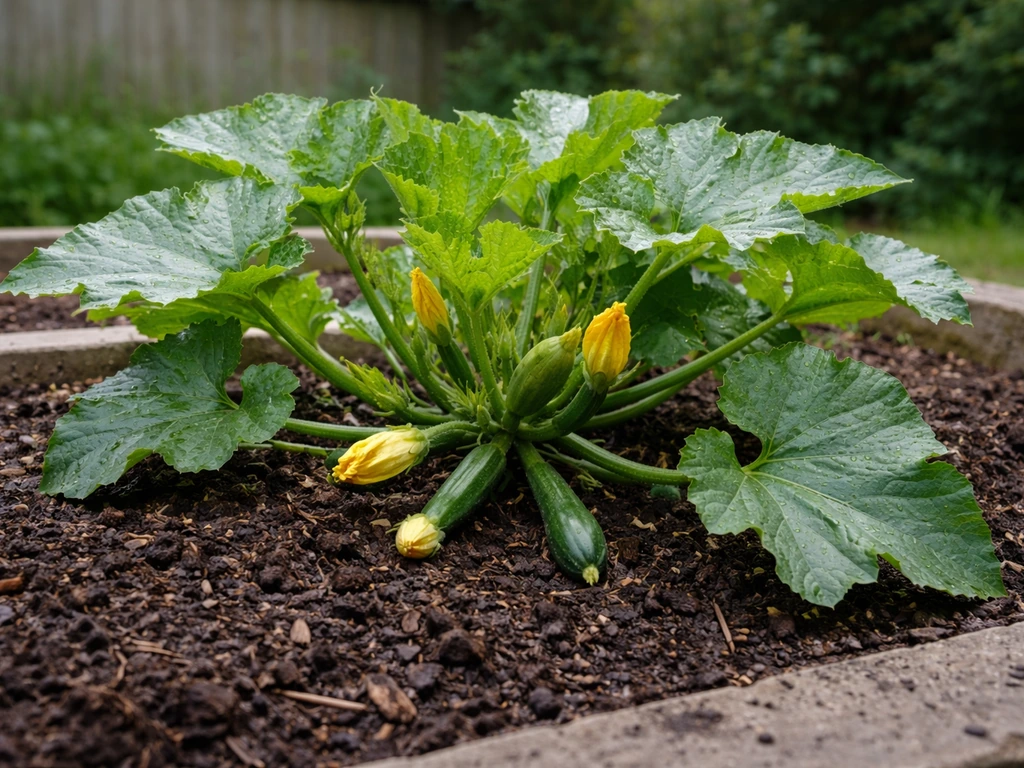
London's mild, damp conditions suit a wide range of edibles. The limiting factor is usually sunlight, not cold. Be honest about how much sun your space gets before choosing what to grow. If you're still wondering what plants to grow in your garden, start by matching plants to your available light and how much space you have what plants to grow in garden.
Best vegetables for London
- Courgettes: extremely productive in London, need a sunny spot and reasonable soil. One or two plants will feed a household from July to October.
- Salad leaves (lettuce, rocket, mizuna): the most forgiving edible for London beginners. Tolerate partial shade, grow fast, and work in containers, raised beds, and garden boxes.
- Tomatoes: need the warmest, sunniest spot you have, ideally against a south-facing wall or in a greenhouse. 'Gardener's Delight' and 'Sungold' are reliable cherry varieties with RHS AGM status that ripen even in a mediocre London summer.
- Kale and chard: virtually indestructible in London conditions, tolerate shade and cold, and provide harvests from September through winter.
- Peas: great for June planting in containers or beds, ready in 10-12 weeks, and excellent on a trellis against a fence.
- Runner and French beans: direct-sow now in June, climbing types need support, bush French beans work well in large containers.
Herbs worth growing
- Mint: grows aggressively, keep it in a pot to stop it taking over. Tolerates shade well.
- Basil: needs warmth and sun, grows best on a sunny windowsill or sheltered south-facing spot. Pick regularly to delay flowering.
- Chives: nearly indestructible, tolerate shade, and come back every year.
- Parsley: reliable in London, tolerates partial shade, biennial so sow fresh each year.
- Rosemary and thyme: both need excellent drainage and full sun, perfect for a south-facing wall or sunny raised bed.
Fruit options for smaller London spaces
- Strawberries: compact, produce well in containers and hanging baskets, and ripen reliably in London's summer.
- Raspberries and blackcurrants: plant from November onwards as bare-root plants. Need space but deliver well in a London garden with reasonable sun.
- Blueberries: grow well in large containers with ericaceous (acidic) compost, which is important because London tap water and most garden soils are alkaline.
- Fig ('Brown Turkey'): thrives against a warm London wall, produces reliably, and actually benefits from restricted roots (container or planting pocket).
Low-maintenance picks for damp and tricky conditions
If you want plants that largely take care of themselves in London's variable wet-and-mild conditions, these are the ones to reach for. They don't need perfect soil, they handle the damp winters, and they won't die if you forget to water them through a rainy July.
| Plant | Best for | Light needed | Why it works in London |
|---|---|---|---|
| Hardy geranium (cranesbill) | Borders, edging, ground cover | Sun to partial shade | Tolerates clay, self-repairs after cutting back, fully hardy |
| Astrantia | Shady beds and damp spots | Partial to full shade | Loves moisture-retentive soil, naturalises well |
| Mahonia | Year-round structure, winter interest | Shade to partial shade | Evergreen, flowers in winter, almost indestructible |
| Ferns (Dryopteris, Polystichum) | Shady damp corners | Full to partial shade | Native and adapted to cool damp conditions |
| Sedges (Carex species) | Containers or damp borders | Sun to shade depending on variety | Evergreen, minimal care, tolerates wet and dry |
| Viburnum tinus | Year-round screening | Sun to partial shade | Evergreen, winter flowers, clay-tolerant |
| Nasturtium | Containers, borders, edible ground cover | Sun to partial shade | Direct sow, no fuss, edible flowers and leaves |
For gardens that regularly waterlog in winter, improving drainage with grit and organic matter is step one. Then choose plants on the resilient list above rather than fighting the conditions with things that hate wet feet (like lavender in heavy clay without amendment).
How to choose your plants fast and get started in the next 4-8 weeks
The quickest way to narrow down what to grow is to answer three questions about your space: how much sun does it get, are you growing in-ground or in containers, and do you want edibles, flowers, or both? That gives you a shortlist in minutes.
Quick plant matcher by light level
| Your light level | Best flowers/foliage | Best edibles |
|---|---|---|
| Full sun (6+ hours) | Lavender, salvia, cosmos, agapanthus, osteospermum | Tomatoes, courgettes, basil, runner beans, strawberries |
| Partial sun (3-6 hours) | Hardy geranium, astrantia, fuchsia, echinacea | Salad leaves, chard, peas, parsley, mint |
| Shade (under 3 hours) | Hostas, ferns, mahonia, heuchera, Viburnum tinus | Mint, chives, kale, some salad leaves |
Your 4-8 week starter plan for June and July in London
- Week 1: Work out your light level (stand in your garden or on your balcony at midday, count the hours of direct sun). Check drainage by digging a 30cm hole and filling it with water: if it drains in an hour, you're fine; if it sits overnight, fix drainage before planting.
- Week 2: Buy or sow 3-5 plants from your light-level shortlist above. For edibles, buy young plants of courgettes, tomatoes (if sunny), or sow salad leaf seeds directly into a pot or bed. For flowers, buy plug plants of cosmos, salvia, or fuchsia from a garden centre.
- Week 3-4: Plant out using pots only slightly larger than the rootball, add compost to in-ground planting holes, water in well. If containers, ensure drainage holes are clear and unblocked.
- Week 4-6: Start a successional salad sowing every 2-3 weeks. Deadhead any flowers already blooming to extend display. Check for slug damage on hostas and seedlings, especially after rain.
- Week 6-8: Assess what's working and what isn't. Add one or two more plants from the resilient list if a spot is struggling. Begin planning September perennial planting and autumn bulb orders.
One practical note on plant sources: for edibles, the RHS AGM crops list (updated December 2024) is a genuinely useful shortlist to check when buying vegetable and fruit cultivars. Plants with AGM status have been trialled for performance in UK conditions, which means they're a safer bet than an unknown variety. For ornamentals, the same principle applies: AGM-rated plants are a low-risk starting point for London beginners. Keep expectations realistic in the first season and build on what works in your specific plot rather than trying to replicate someone else's garden.
FAQ
What should I do if my London garden stays wet in winter (even after adding compost)?
Treat it as a drainage problem, not a planting problem. Build in a slight mound or raised ridge for vegetables and perennials, and use grit to improve structure deeper than the surface. Also avoid planting directly against walls where runoff collects, if you have that issue.
How do I choose plants if I only get 3 hours of sun or less in summer?
Prioritise shade-tolerant foliage and crops that tolerate low light, for example lettuce and ferns, and save flowering annuals for micro-spots that get a bit more sun. If you want flowers, choose plants that can bloom with partial shade, and place containers so they capture any brief sun during the day.
Are lavender and other drought-loving plants still possible in London clay?
Yes, but only if you change the growing conditions. Put lavender in a well-drained bed or container with gritty compost, and avoid heavy clay planting unless you have amended thoroughly. In-ground, choose the sunniest, best-drained corner and use a breathable mulch so winter rain can still soak in without creating a waterlogged layer.
What is the easiest way to prevent pots and containers from drying out on windy balconies?
Use larger containers than you think you need, because small pots swing between dry and waterlogged quickly. Add a moisture-retentive compost layer plus mulch on the surface, and group pots together to reduce wind exposure. Check moisture at least twice a week in hot spells.
How can I stop tomatoes and courgettes from failing in London if I do have sun but it is not very warm?
Upgrade the microclimate rather than changing varieties first. Put them in the warmest spot you have, consider a sheltered wall or fence, and use a clear cloche or horticultural fleece during cool nights in early growth. For tomatoes, avoid overwatering in cold weather, wait until the soil warms up.
When should I sow salad leaves in London to avoid bitter, bolting plants?
Plan multiple small sowings, every 2 to 3 weeks, and start earlier in sunny windows. If warm weather triggers bolting, switch to more shade-tolerant greens and sow slightly later batches in the least sunny part of the garden or in containers with some afternoon protection.
Do I need to protect all plants during winter in London?
Not usually. Focus protection on anything borderline for hardiness (use fleece or a wall to buffer exposure) and on container roots, which freeze and thaw faster than in-ground soil. Ground-planted hardy perennials and many shrubs typically cope with London winters without cover.
Is direct sowing actually better than buying seedlings in London?
It can be, especially for hardy annuals and quick salad crops. Direct sowing avoids transplant shock, and it is simpler in small spaces. Use seedlings only when you have a short window, limited sun, or when the crop is slow to establish from seed.
How big should my container pots be for best results in London weather?
Aim for pots only slightly larger than the rootball, but not tiny. The practical rule is that too-small pots dry out fast and get stressed, while oversized pots can stay wet too long in cool conditions. Always verify you have adequate drainage holes, then adjust pot size based on the plant’s water needs and your exposure to wind.
What AGM-related tip helps when choosing vegetables or ornamentals for London?
AGM status is most helpful for reducing risk with new cultivars, but it still depends on your light and drainage. When you pick AGM plants, match them to your sun level and container or in-ground setup first, then treat AGM as a performance baseline rather than a guarantee.
Which plants are best for beginners who forget to water during rainy weeks?
Choose plants that tolerate damp-wet variability and do not hate occasional waterlogging. Many hardy perennials and several salad greens handle London’s wet spells better than drought-dependent herbs. For containers, your biggest fail point is still water management, so use good drainage and check moisture even during rainy periods.
Next Article
What Plants to Grow in a Garden: Pick by Season, Space, Sun
Season and space aware plant picks for sun, shade, soil, and low maintenance gardens, with an easy selection workflow.