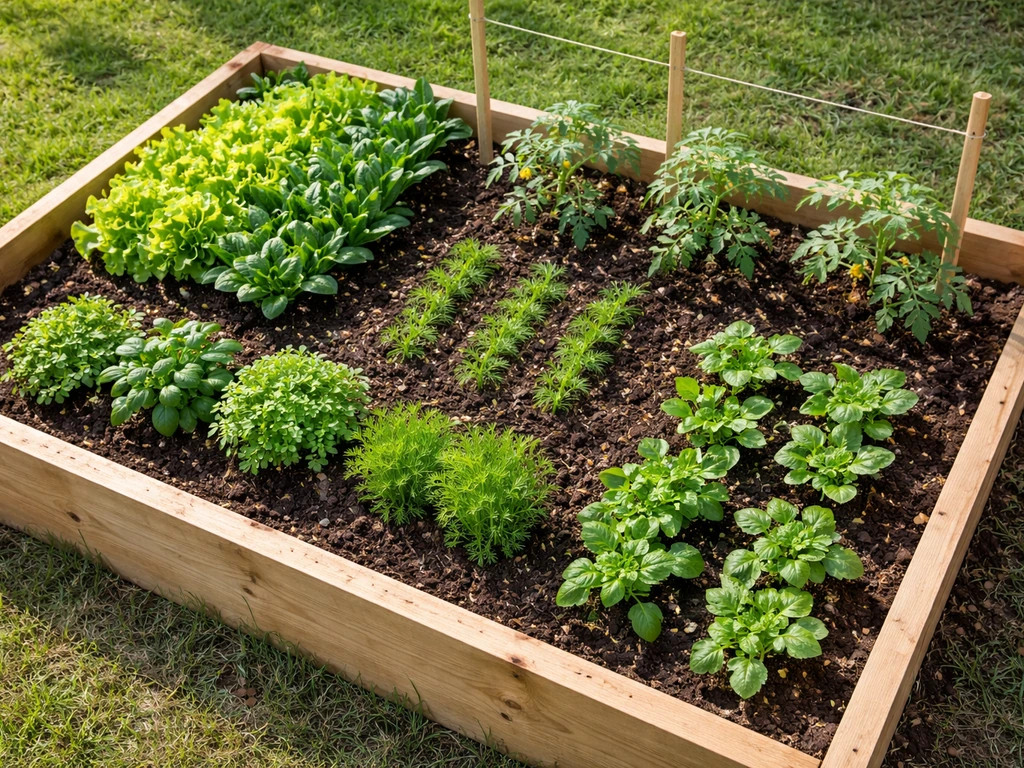
The best plants for a small garden are ones that earn their space: compact herbs like basil, chives, and parsley, cut-and-come-again greens like lettuce and spinach, dwarf bush varieties of tomatoes, cucumbers, and beans, and long-blooming ornamentals like hardy geraniums and lantana. Right now in late May, you're in the sweet spot to get most of these in the ground or into containers fast, and you'll see results within weeks.
Best Plants to Grow in a Small Garden: Easy Picks
Rachel Hartley
24 May 2026
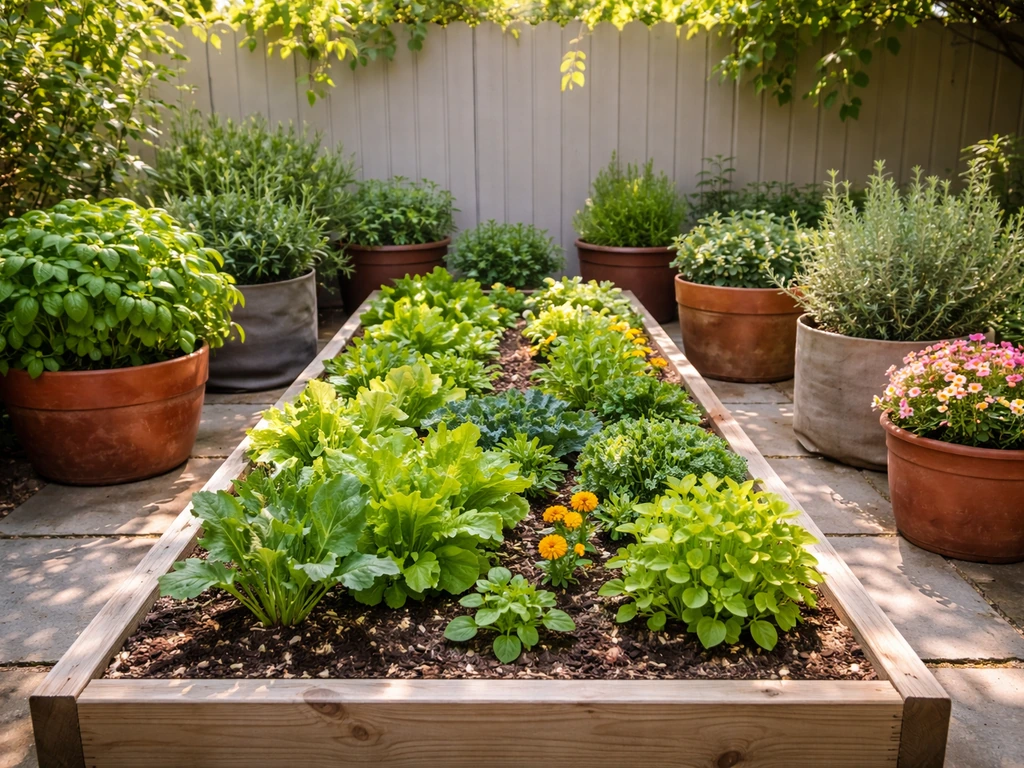
Start by knowing your actual constraints
Before you pick a single plant, get honest about three things: how much direct sun your space gets, whether you're planting in-ground or in containers, and how much time you can realistically spend watering. These three factors will eliminate more bad choices than any plant list ever will.
Sun is the biggest filter. Most vegetables need at least six hours of direct sun per day to produce well. If your garden or balcony doesn't hit that threshold, edibles become a much shorter list: leafy greens, herbs like mint and parsley, and a few flowers. If you're wondering what plants can people grow in cities, the same constraints like sun exposure, container size, and watering still apply.
Partial shade (two to four hours of sun) works for lettuce, spinach, and shade-tolerant ornamentals. Deep shade under a dense tree? You're essentially in ornamental territory only, and even then you need to pick carefully. Keep in mind that shade often reduces flowering, so plants that would bloom like crazy in full sun might be shy and slow in shaded spots.
Containers change everything about watering. A pot sitting in summer sun can dry out completely in 24 hours, sometimes faster on a hot windy day. If you travel or can't water daily during summer, you need drought-tolerant plants, self-watering containers, or both. In-ground beds hold moisture better and give roots room to run, but drainage still matters. Compacted or waterlogged soil will kill plants faster than drought will.
Container size matters more than most beginners realize. Peppers, for example, need a pot at least 8 inches deep and about 2 to 5 gallons in volume to produce well. Cramming full-size varieties into undersized containers is one of the most common reasons small gardens underperform. Stick to compact 'miniature' or 'bush' or 'determinate' varieties labeled for containers and you'll avoid most of this frustration.
Best small-garden plants for beginners
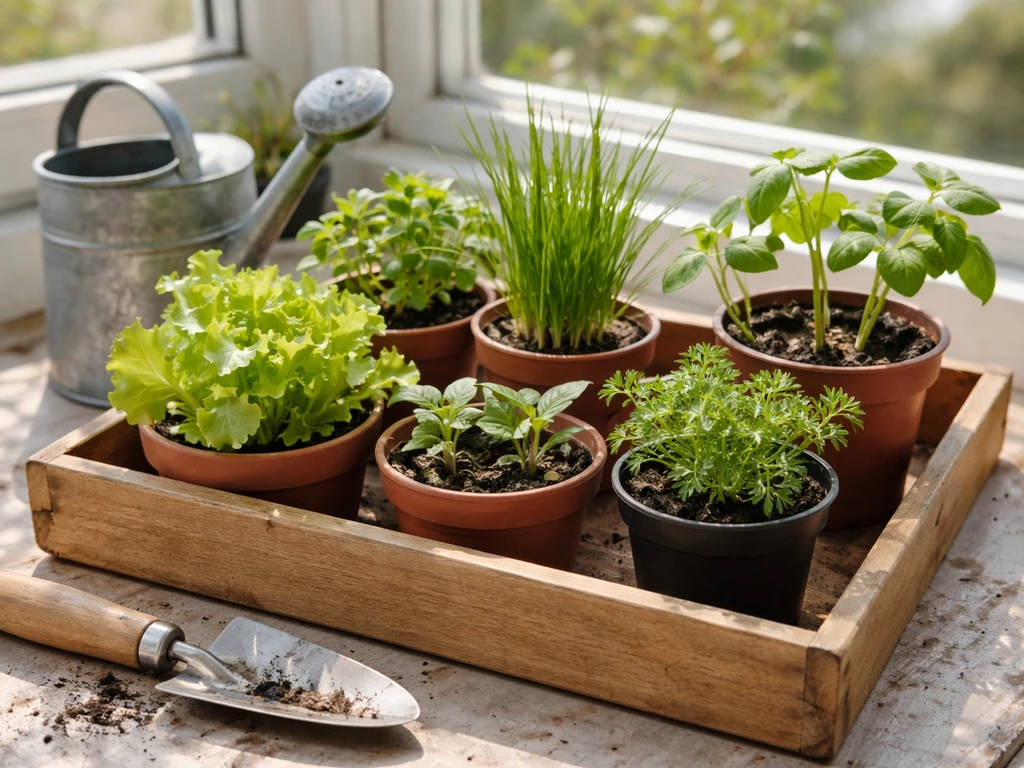
If you want reliable, hard-to-kill plants that give you something to show for your effort quickly, these are the ones I'd put in every beginner's garden first.
| Plant | Light Needed | Container Friendly? | Why It Works |
|---|---|---|---|
| Lettuce (cut-and-come-again) | Partial to full sun | Yes | Harvest in 30 days, keeps regrowing, tolerates light shade |
| Radishes | Full sun | Yes | Ready in 25 days, great for filling gaps between slower crops |
| Chives | Full sun to partial shade | Yes | Virtually indestructible, regrows after cutting, perennial |
| Dwarf bush beans | Full sun | Yes (large pot) | No staking needed, heavy yield in small footprint |
| Hardy geraniums (cranesbill) | Full sun to light shade | Yes | Long-lived, easy, blooms for months, minimal care |
| Nasturtiums | Full sun | Yes | Edible flowers, self-seeds, no fertilizer needed |
| Lantana | Full sun | Yes | Heat-tolerant, low-maintenance, attracts pollinators |
| Strawberries (alpine or day-neutral) | Full sun | Yes | Compact, fruit in first season, great in hanging baskets |
Hardy geraniums are worth calling out specifically. They're long-lived, easy to grow in most garden situations, tolerate a bit of shade, and many cultivars bloom for an impressively long stretch of the season. Lantana is another one I keep coming back to: once it's established, it handles dry spells well, it blooms continuously through summer heat, and the main care note is to water the soil rather than the plant itself to reduce the chance of mildew.
Compact edibles: herbs and vegetables built for small spaces
Herbs that punch above their weight
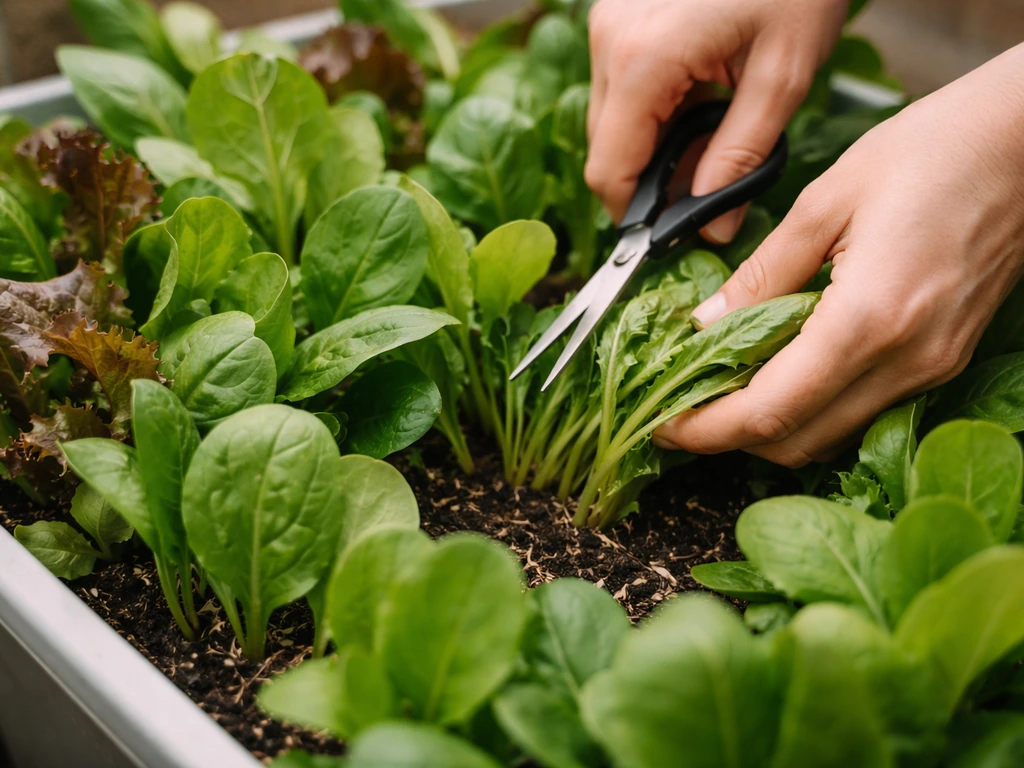
Herbs are the uncontested champions of small-space gardening. They're productive, useful, compact, and most of them thrive in containers. Basil, parsley, chives, cilantro, and thyme can all live happily in a window box or a row of 6-inch pots on a sunny step. Mint is the exception: grow it in its own container because it spreads aggressively and will crowd out everything nearby if you let it into a shared bed.
Cut-and-come-again greens
Mesclun mixes, spinach, Swiss chard, arugula, and loose-leaf lettuce are all cut-and-come-again crops, meaning you harvest outer leaves and the plant keeps producing. For tight containers, you can space these just a couple of inches apart and harvest individual leaves as they reach usable size. This style of growing gives you a continuous harvest from a very small footprint. Many of these same greens work well in city gardens, where containers and limited space are the norm grow in cities. Sow a small batch every two to three weeks through the season and you'll never run out.
Dwarf and bush vegetable varieties
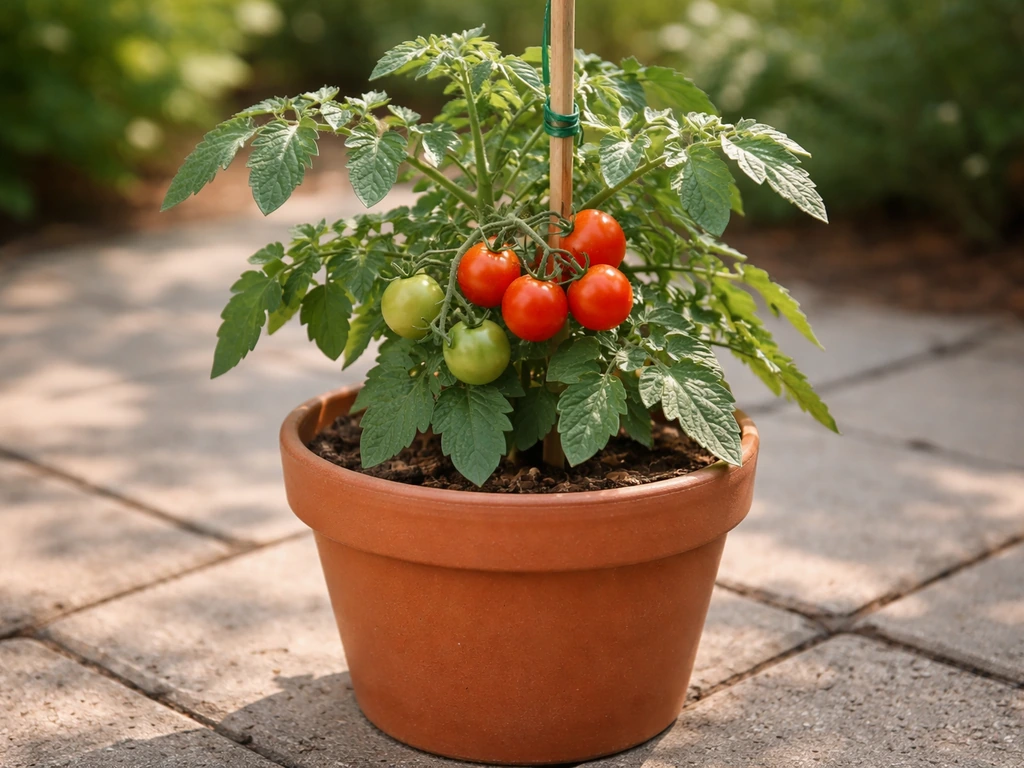
For anything beyond greens and herbs, look specifically for 'bush,' 'dwarf,' 'patio,' or 'determinate' varieties. These have been bred to stay compact and produce well in limited soil volumes. Bush cucumbers, patio tomatoes, dwarf peppers, and bush beans are all genuinely productive in containers or small raised beds. Vine crops like cucumbers and squash can also be grown vertically on a trellis to reclaim ground space. Train the vine at the base of a 3 to 4 foot support and it'll climb rather than sprawl, producing straighter fruit as a bonus.
- Tomatoes: look for 'Tumbling Tom,' 'Tiny Tim,' 'Patio,' or other compact determinate types
- Cucumbers: bush types or varieties bred for trellis growing (plant when soil hits 65°F)
- Peppers: almost any variety works if given a deep enough container (8+ inches) and full sun
- Beans: 'Provider' and other bush beans need no staking and produce heavily in small spaces
- Strawberries: alpine or day-neutral varieties fruit in their first season and work well in hanging baskets or tiered planters
- Radishes and turnips: fast (25 to 45 days), good for filling gaps in the planting calendar
Space-smart ornamentals for colour and structure
Small ornamental gardens benefit most from plants that do double or triple duty: long bloom season, attractive foliage, and compact habit. The RHS Award of Garden Merit (AGM) list is a reliable shortcut here. Plants that earn the AGM have been tested and shown to thrive in average garden conditions with minimal fuss, meaning you get reliable performance without babying them.
Perennials worth the permanent real estate
Hardy geraniums (cranesbill) are ideal for small beds: they're compact, come back every year, and many varieties bloom from late spring well into summer. Sedums and echinacea (coneflower) are also excellent picks for sunny small gardens. They're drought-tolerant once established, attract pollinators, and take up very little space relative to their visual impact. For partially shaded spots, astilbe and heuchera give you reliable colour and attractive foliage without needing much sun.
Dwarf shrubs for year-round structure
Dwarf lavender varieties like 'Hidcote' or 'Munstead' stay under 18 inches, bloom for weeks in summer, and hold their shape without heavy pruning. Dwarf boxwood gives you evergreen structure in a container or edging a small bed. If you want a flowering dwarf shrub, consider potentilla or compact spirea for reliable summer colour with minimal intervention.
Annuals for quick seasonal impact
Petunias, marigolds, and calibrachoa fill containers and borders with colour all summer. Marigolds have the added benefit of deterring some pest insects, which makes them a smart companion plant alongside vegetables. Nasturtiums do everything: they trail beautifully, produce edible flowers and leaves, need almost no fertilizer, and will self-seed for next year.
What to plant right now, by season
It's late May 2026. Night temperatures in most temperate regions have moved past freezing, which means you're in the prime planting window for warm-season crops and summer ornamentals. Here's how to think about timing through the rest of the year.
Right now: late spring into early summer
- Direct sow or transplant: basil, beans, cucumbers (soil at 65°F+), zucchini, and corn
- Transplant out: tomatoes, peppers, eggplant (after hardening off if started indoors)
- Sow greens for a second round: lettuce, arugula, spinach (before summer heat sets in)
- Plant out: annual flowers like marigolds, petunias, and nasturtiums
- Divide or plant hardy geraniums, sedums, and other perennials before summer heat peaks
Midsummer (July to August)
- Sow fast crops for fall harvest: radishes, salad greens, bush beans (count back from first frost)
- Start brassicas indoors for fall transplanting: kale, broccoli, cabbage
- Keep successions of lettuce going in a shadier spot where it won't bolt as fast
- Deadhead ornamentals to extend bloom; plant lantana and calibrachoa if you haven't yet
Fall (September to October)
- Direct sow: spinach, arugula, mâche, and overwintering garlic
- Transplant fall brassicas: kale, chard, and collards handle light frost and often improve in flavour after it
- Plant spring-flowering bulbs: tulips, daffodils, alliums into beds and containers
- Cut back and divide perennials; plant new hardy geraniums and sedums before the ground freezes
Winter (November to February)
- Grow indoors: microgreens, herb pots on a sunny windowsill (chives, parsley, mint)
- Plan and order seeds for next season while stock is good
- In mild climates: plant hardy winter greens like mâche, spinach, and overwintering brassicas under fleece or a cloche
- Protect container plants from freezing; move tender perennials inside or insulate pots
How to arrange plants for maximum impact in a tight space
Go vertical whenever you can
Vertical growing is the single biggest upgrade for small gardens. A 3 to 4 foot trellis, obelisk, or fence section turns a 2-square-foot footprint into a productive growing wall. Cucumbers, beans, peas, and even some squash will climb rather than sprawl if you give them something to grab onto. Train the vine at the base of the support and it'll do the rest. This also improves airflow around plants, which reduces powdery mildew and other fungal problems.
Use companion planting to fill space smarter
Companion planting in a small space isn't just about pest control. It's about making every square inch productive while plants support each other. The classic combo: tall plants (like tomatoes or climbing beans) shade the base, low-growing herbs or lettuce fill the gaps underneath, and marigolds or nasturtiums at the edges deter pests and attract pollinators. This creates a layered, self-supporting planting that uses space efficiently and reduces the bare soil where weeds take hold.
Succession planting keeps the harvest continuous
Instead of sowing an entire packet of lettuce or radishes at once, sow small batches every two to three weeks. This staggers the harvest so you're not drowning in lettuce one week and then waiting two months for the next batch. For very small gardens, this is the difference between a garden that feeds you consistently and one that only produces in occasional overwhelming bursts. Radishes sown in three separate batches two weeks apart will give you a six-week window of harvests from the same small patch.
A simple layout that works for a 4x4 foot bed or large container cluster
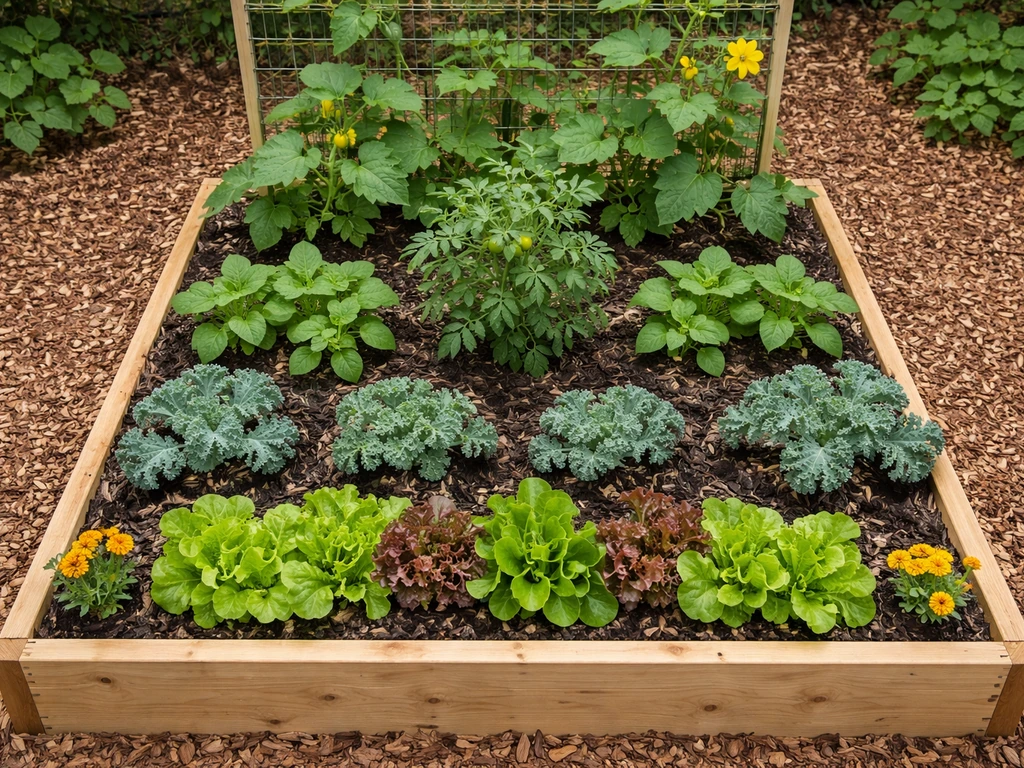
- Back row or trellis side: climbing cucumbers or beans on a vertical support
- Middle zone: one compact tomato or pepper plant, flanked by bush beans or dwarf kale
- Front edge: a continuous sowing of cut-and-come-again lettuce or herbs
- Corners or gaps: marigolds or nasturtiums to fill space and attract beneficial insects
Quick fixes for the most common small-garden problems
Plants wilting or drying out too fast
This is almost always a container problem. Small pots in direct sun can dry out completely within a day, sometimes faster in wind or heat. Check containers at least once a day during summer, and twice on very hot or windy days. If you're consistently behind on watering, switch to self-watering containers, move pots to a slightly shadier spot during peak afternoon heat, or top-dress with mulch to slow evaporation. For in-ground beds, mulching the surface reduces moisture loss dramatically and also suppresses weeds.
Powdery mildew showing up on cucumbers or squash
Powdery mildew thrives when humidity is high around the plant canopy and airflow is poor. The fix is mostly cultural: space plants properly, use vertical supports to open up the canopy, and water at the base of the plant rather than overhead. If you see infected leaves starting at the base, remove them promptly and dispose of them rather than composting. Choosing resistant varieties when you buy seed is the easiest long-term solution.
Slugs eating seedlings overnight
Slugs are the nemesis of the small damp garden, especially in spring. Iron phosphate bait (like Sluggo) is an effective, low-toxicity option that's safe to use around pets and wildlife. Scatter it around vulnerable seedlings at dusk when slugs are active. Clearing debris and dead plant material from beds also removes their daytime hiding spots.
Containers not producing despite lots of effort
Container vegetables exhaust nutrients fast because they're growing in a limited soil volume with frequent watering that leaches fertilizer out. Feed container vegetables every three to four days with a water-soluble all-purpose fertilizer at half the label strength. This sounds frequent but it matches how quickly nutrients move through a pot. In-ground beds need much less feeding but benefit from compost worked in before planting.
Lettuce bolting before you can harvest it
Heat makes lettuce and spinach bolt (go to seed) fast, turning leaves bitter. In a small garden you can delay this by growing greens in the shadiest part of your space during summer, sowing heat-tolerant varieties labeled 'slow to bolt,' or using taller plants nearby as improvised shade. Once a plant has bolted it's done, so succession sowing every two weeks means you always have a fresh batch coming in while the bolted plants get pulled.
FAQ
How do I choose the right container size when I’m limited on space?
Most “small garden” beds and pots fail for the same reason, too little soil. As a practical rule, start with at least 2 to 3 gallons of pot volume for compact tomatoes and peppers, and 6 to 8 inches of depth for herbs. If you cannot scale up container size, prioritize naturally compact varieties labeled patio, bush, dwarf, or miniature.
What’s the correct way to harvest lettuce and mesclun in a small garden?
For cut-and-come-again greens, harvest outer leaves and leave the inner crown intact, then stop once leaves get tiny or the plant starts sending up flower stalks. If you harvest too aggressively (removing the crown or cutting too low), production drops and regrowth slows.
Can I still grow vegetables if my garden only gets partial shade?
Yes, you can grow “in small gardens,” but shade changes success rates. In partial shade (2 to 4 hours of sun), focus on lettuce, spinach, parsley, mint (in its own pot), chives, and hardy geraniums, then expect less bloom from flowers compared with full sun. In deep shade under dense trees, plan on ornamentals and hardy foliage more than heavy fruiting.
How often should I water the plants in my small garden, especially in containers?
It depends on the plant, but the safest approach is to water the soil thoroughly, then let the top inch start to dry before watering again. This is especially important for lantana (to reduce mildew risk) and for containers, where a pot can dry out within a day in hot conditions.
What should I do if powdery mildew keeps coming back in a small garden?
To reduce disease, water at the base and avoid wetting foliage, especially in the evening. If you already see powdery mildew starting on lower leaves, remove those leaves promptly (do not compost infected material). Also, check spacing and vertical training, because airflow is often the real fix.
How can I prevent pests in a small garden without spraying everything?
Because small spaces concentrate problems, start with pest prevention. Hand-check plants daily at the hottest or most active times, use edges like marigold or nasturtium as a border, and remove any yellowing or damaged leaves early. For slug risk, place iron phosphate bait around vulnerable seedlings at dusk and clear plant debris so slugs have fewer hiding spots.
Can I plant mint with other herbs in the same container?
Yes, but don’t mix vigorous spreaders with other herbs. Keep mint in its own pot (even if it sits inside a decorative planter), because it can invade shared soil quickly. Basil, parsley, chives, and thyme usually play well together in larger containers if you give each enough space.
My lettuce bolts fast. What can I change to keep harvesting longer?
Bolting is mostly a temperature and light-speed issue. If greens bolt early, shift sowings toward the shadiest area you have in summer, choose varieties labeled slow to bolt, and use taller plants as live shade. Also, pull bolted plants promptly and keep succession sowing every couple of weeks so you are not waiting on a single batch.
How do I know if container plants need fertilizer, and how often should I feed them?
It’s normal to see nutrient issues first in pots. If plants look pale, stop growing, or produce small fruit, switch to a feeding schedule that matches how fast the pot dries and drains, usually every 3 to 4 days for container vegetables using half-strength water-soluble fertilizer. In-ground beds generally need less frequent feeding if you pre-amend with compost.
What are the best ways to grow tall or vining plants without taking over a small garden?
Look for compact, trained, or space-efficient growth habits. Choose bush, dwarf, patio, or determinate varieties for “no trellis” success, and for vines use a 3 to 4 foot support so they climb instead of spreading. This also improves airflow and keeps fruit off the ground, which helps reduce rot and mildew.
Next Article
Best Plants to Grow in Raised Beds: Easy Picks by Season
Pick the best plants for raised beds by sun, soil, depth and season, with easy lists, spacing and succession tips.