Planter boxes are one of the most forgiving ways to grow both food and flowers, and a surprisingly wide range of plants thrive in them: herbs like basil, thyme, and chives; salad greens like lettuce, arugula, and spinach; compact vegetables like peppers, cherry tomatoes, and radishes; and ornamentals like petunias, marigolds, and calibrachoa. The key is matching the plant to your light level, planter depth, and the current season, rather than just grabbing whatever looks good at the nursery.
What Plants Grow Well in Planter Boxes: Best Picks by Light, Season
Rachel Hartley
12 Jun 2026
How to Choose Plants for Your Planter Box
Before you buy a single plant, check four things: how much direct sun your planter spot gets, how deep and wide your box is, what kind of soil you're filling it with, and whether it drains properly. Get these four right and almost anything will work. Skip them and even the toughest plants will struggle.
Sun: be honest about what you actually have
Most fruiting crops, including tomatoes, peppers, cucumbers, and squash, need 6 to 8 hours of direct sun per day. Leafy greens and most herbs are more flexible: lettuce, spinach, kale, and cool-season vegetables can get by on 3 to 5 hours and will actually appreciate some afternoon shade in hot climates. Root crops like radishes and beets sit in the middle. If your planter spot gets fewer than 3 hours of direct sun, stick to shade-tolerant ornamentals or leafy greens, and don't fight it by trying to grow tomatoes.
Container size and depth: the rule nobody reads until it's too late
Root space is the most commonly underestimated factor in container gardening. A plant can't perform well if its roots run out of room. As a practical guide: herbs, lettuce, and radishes can get by in 1 to 2 gallon containers or boxes at least 6 to 8 inches deep. Peppers and compact tomatoes need at least 8 inches of depth and 2 to 5 gallons of volume per plant. Larger tomatoes, eggplants, cucumbers, and squash want 5 gallons minimum and 12 to 18 inches of depth. One tomato or pepper plant per container is the right call, not two.
| Crop | Minimum Depth | Minimum Volume |
|---|---|---|
| Lettuce / Spinach | 8 inches | 1–2 gallons |
| Green onions | 6 inches | 1–2 gallons |
| Herbs (basil, thyme, etc.) | 6–8 inches | 1–2 gallons |
| Radishes / Beets | 8–10 inches | 1–2 gallons |
| Peppers | 8 inches | 2–5 gallons |
| Compact / cherry tomatoes | 12 inches | 2–5 gallons |
| Tomatoes, cucumbers, eggplant | 12–18 inches | 5+ gallons |
Soil mix and drainage: skip the gravel layer myth

Never fill a planter with straight garden soil. It compacts in containers and kills drainage. [Use a quality potting mix made from materials like sphagnum peat moss, perlite, vermiculite, or coconut coir. ](https://extension.
illinois. edu/container-gardens/soil) A good DIY mix is one part garden soil, one part peat moss, and one part perlite or coarse sand. If you want to add compost for nutrients, keep it between 15% and 40% of the total mix. Some growers add up to 50% compost at planting for nutrient startup and then switch to weekly diluted liquid fertilizer after about 3 to 4 weeks.
One thing to skip: putting gravel at the bottom of your planter as a drainage layer. It doesn't work the way most people think. What actually helps drainage is multiple holes in the bottom, not a single one, and filling the container all the way to the top with your mix.
Best Edible Plants for Planter Boxes
Herbs: the easiest win in any planter
Herbs are the single best starting point for planter boxes, especially if you're new to container growing. Basil, chives, thyme, oregano, parsley, cilantro, and mint all do well in 6 to 10 inch containers. One caveat with mint: keep it in its own box because it spreads aggressively. Basil loves heat and full sun and is one of the most productive things you can grow through summer. Cilantro and parsley are cooler-season herbs that bolt (go to seed and turn bitter) quickly in hot weather, so plant them in spring or fall. For continuous harvests, make a new sowing of fast-bolting herbs like cilantro every 3 to 4 weeks.
Salad greens: fast, productive, and great for small boxes
Lettuce, arugula, spinach, mesclun mixes, and mustard greens are all ideal for planter boxes. They grow quickly, don't need deep containers (8 inches works fine), and tolerate partial shade better than most edibles. These are cool-season crops, meaning they perform best in spring and fall and will bolt or turn bitter in summer heat. In most of the US, you can get two solid harvests per year: one in early spring and one in early fall. In mild climates like coastal California or the Pacific Northwest, you can grow them year-round. For continuous harvests, plant new seeds every 2 to 3 weeks rather than one big batch.
Compact vegetables: bigger payoff, bigger commitment
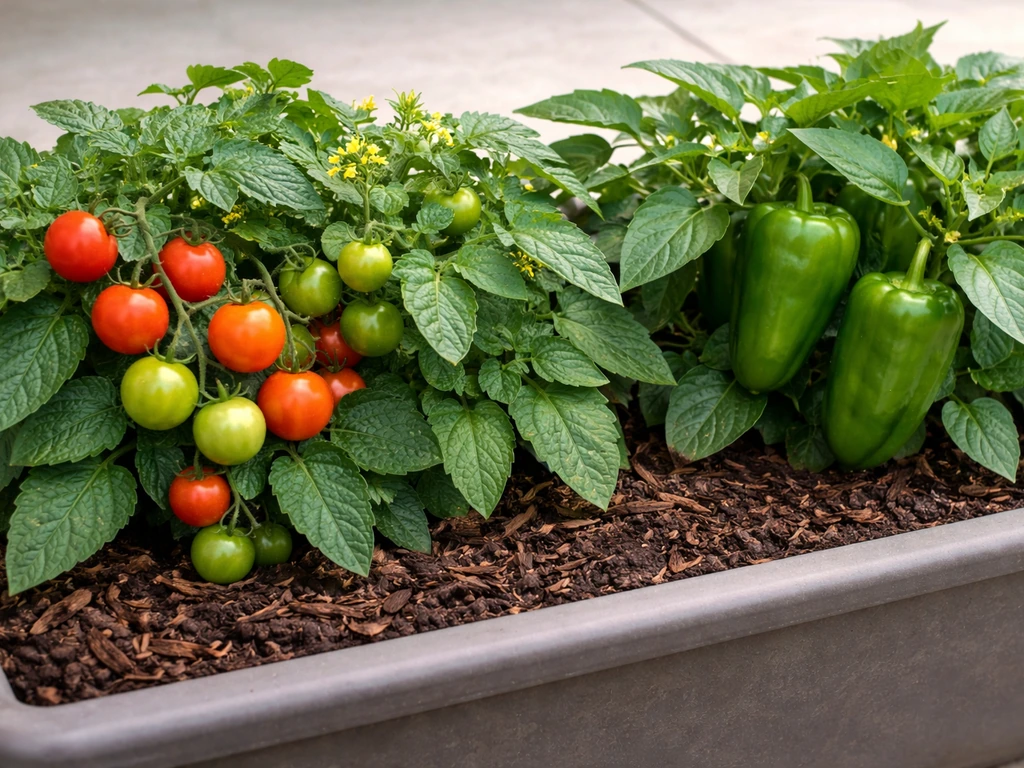
Tomatoes, peppers, and cucumbers can absolutely succeed in planter boxes, but they need the right variety and enough root space. Always look for labels like 'dwarf,' 'bush,' 'patio,' or 'determinate' when buying tomatoes for containers. Good container tomato varieties include 'Patio Princess,' 'Container Superbush,' and 'Tumbler.' For peppers, compact options like 'Cajun Belle,' 'Gypsy,' 'Lady Belle,' and 'Sweet Golden Baby Belle' work great. Cucumbers labeled 'Bush Champion,' 'Patio Snacker,' or 'Salad Bush' are the ones to reach for. Radishes are an underrated quick win: they're ready in about 25 days, need minimal depth, and are perfect for succession planting in spring and fall.
Best Flowering and Ornamental Plants for Planter Boxes
If your goal is color, pollinators, or just a beautiful outdoor space, planter boxes are fantastic for annuals and low-growing perennials. The principle that applies to edibles applies here too: match the plant to your light. Most of the showiest container flowers want full sun, but there are genuinely great options for shade.
Full-sun ornamentals

- Petunias: prolific bloomers that love heat; available in trailing varieties perfect for planter edges
- Marigolds: reliable, pest-deterring, and great for pollinators; compact varieties stay tidy in boxes
- Calibrachoa (Million Bells): low-maintenance cascading flowers in dozens of colors
- Zinnia: drought-tolerant and a magnet for butterflies and bees; grow from seed for best value
- Salvia: tall and upright, excellent for back-of-box height and loved by hummingbirds
- Vinca (periwinkle): tough in heat and humidity, flowers all summer with minimal fuss
Part-shade and shade ornamentals
- Impatiens: the classic shade container flower; compact and continuously blooming
- Torenia (wishbone flower): compact and bushy, thrives in part to full shade, underused and underrated
- Begonias (wax or tuberous): work in shade to part sun with almost no maintenance
- Coleus: grown for foliage rather than flowers; stunning color combinations in low-light spots
- Fuchsia: dramatic hanging-style blooms; ideal for deeper shade in cool, moist climates
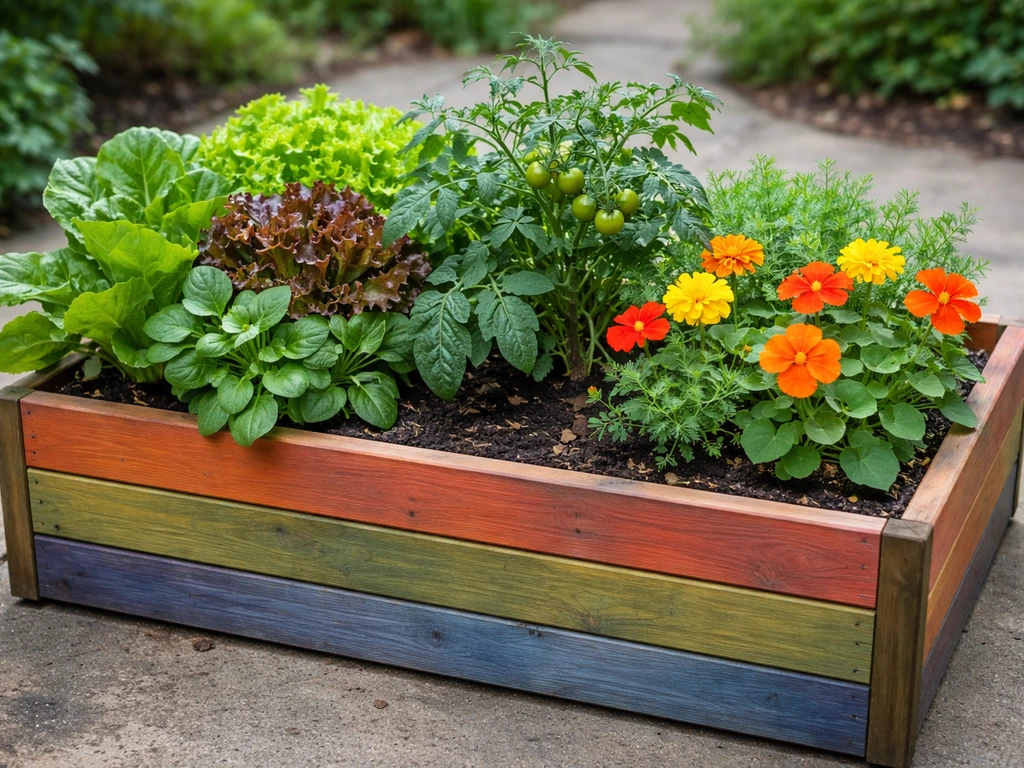
For pollinator impact, plant flowers in clumps rather than single specimens. A planter box with five marigolds draws far more bees and butterflies than one marigold surrounded by other plants. Mixing heights also helps: taller salvia or snapdragons in the back, mounding petunias in the middle, and trailing calibrachoa or lobelia at the front edge is a classic combination that looks intentional and works beautifully. Trailing vines can also be a great way to use the vertical space when you want the best plants to grow down a wall.
Low-Maintenance Options for Beginners
If you're just getting started or don't want to babysit your planter, these are the plants that forgive the most neglect and still look good:
- Chives: nearly indestructible, tolerate irregular watering, and you can snip them repeatedly all season
- Thyme and oregano: Mediterranean herbs that prefer slightly dry conditions, perfect if you tend to underwater
- Lettuce: fast to grow, harvests in 4 to 6 weeks, and tolerates partial shade
- Marigolds: plant them, water them occasionally, and they bloom without much help
- Vinca: handles heat, drought, and humidity better than almost any other annual
- Coleus: thrives in shade with consistent watering; hard to kill and looks impressive
- Radishes: ready in 3 to 4 weeks, require almost no care, great for impatient growers
The best setup for a beginner is a planter box with at least 8 inches of depth filled with quality potting mix, placed somewhere that gets 4 to 6 hours of sun, planted with a mix of herbs and one low-maintenance annual for color. That combination is hard to fail and easy to build on.
What to Plant by Season
Because planter boxes can be moved and swapped out, they're actually better than in-ground beds for seasonal rotation. Here's how to think about timing through the year:
Spring (March to May in most of the US)
This is prime time for cool-season crops: lettuce, spinach, arugula, kale, radishes, peas, and herbs like cilantro and parsley. Start these outdoors once nighttime temps stay consistently above freezing. For warm-season crops like tomatoes and peppers, wait until after your last frost date before transplanting. In most of the northern US, that's mid to late May. If you start seeds indoors, count back from your last frost date by the number of weeks your seed packet specifies to find your start date.
Summer (June to August)
Warm-season crops take over: basil, tomatoes, peppers, cucumbers, beans, and eggplant. This is peak season for most full-sun ornamentals too: zinnias, petunias, marigolds, calibrachoa, and salvia. In the South or Southwest (think August in Texas or Arizona), the real challenge is heat stress, not cold. Leafy greens will bolt and die in that kind of heat, so focus on heat-tolerant vegetables and drought-resistant flowers. Move containers to spots with afternoon shade if temperatures regularly exceed 90 to 95°F.
Fall (September to November)
Cool-season crops come back: replant lettuce, spinach, arugula, kale, and radishes about 6 to 8 weeks before your first expected frost. In warmer zones (Zone 8 and south), fall is actually the best season for many of these crops because summer heat finally breaks. Marigolds and zinnias often keep flowering through mild falls. When frost threatens, you can bring containers inside or cover them to extend harvest by several weeks.
Winter (December to February)
In cold climates, planter boxes move indoors near a sunny window or under grow lights. Herbs like chives, thyme, and parsley do reasonably well indoors if they get 6 or more hours of bright light. In mild climates (Zones 9 to 11), you can grow lettuces, kale, and cool-season flowers like pansies and snapdragons outdoors through winter without much protection.
Common Container Problems and How to Avoid Them
Overwatering and underwatering
These are the two most common ways planter gardens fail, and both stem from the same issue: not checking the soil before watering. The rule is simple: stick your finger about an inch into the soil. If it feels dry, water thoroughly. If it still feels moist, wait. Don't let the container dry out completely between waterings (that causes flower and fruit drop), but don't keep it soggy either (waterlogged roots suffocate). Containers dry out faster than in-ground beds, especially in heat, so check them daily in summer.
Poor drainage
Drainage problems usually show up as yellowing leaves starting at the bottom, poor vigor, or wilting even when the soil is wet. The fix is almost always structural: make sure your box has multiple drainage holes, not just one, and that none are blocked. If you're drilling your own box, err on the side of more holes. Heavy potting mix without enough perlite also causes drainage problems, which is why the soil mix matters from day one.
Root binding

A pot-bound plant looks like it's drought-stressed even when you're watering regularly. That's because roots so dense and tangled that water runs straight through without soaking the root ball. The telltale sign is roots growing out of the drainage holes or spiraling around the inside of the container. Prevention is easier than the cure: choose a container large enough for the full-grown root system from the start, and don't skip up to see what happens with a too-small box.
Heat stress and salt buildup
Dark-colored planter boxes absorb heat and can cook roots in direct summer sun. If you're in a hot climate, light-colored or insulated boxes help significantly. Salt buildup from fertilizer is a less obvious problem: it shows up as brown, scorched-looking leaf edges. The fix is to thoroughly drench the container with water (called leaching) to flush excess salts out through the drainage holes.
Pests
Aphids, spider mites, and fungus gnats are the most common container pests. Aphids and mites show up in clusters on new growth and undersides of leaves; knock them off with a strong jet of water or treat with insecticidal soap. Fungus gnats breed in consistently wet, organic-rich potting mix. The best prevention is letting the top inch of soil dry out between waterings. Grouping plants in containers with similar moisture requirements (as mentioned above) also helps you avoid creating consistently wet conditions that invite pests.
Quick Plant Lists by Setup
Use these as your starting point based on your actual conditions right now:
Full sun (6+ hours), outdoors
- Edibles: cherry tomatoes (compact/determinate variety), basil, peppers, cucumbers (bush type), green onions, zucchini (bush variety in a large 5-gallon+ box)
- Ornamentals: petunias, marigolds, zinnias, calibrachoa, salvia, lantana
Part shade (3 to 5 hours), outdoors
- Edibles: lettuce, spinach, arugula, kale, cilantro, parsley, chives, radishes, beets
- Ornamentals: impatiens, begonias, torenia, coleus, fuchsia
Full shade (fewer than 3 hours), outdoors
- Edibles: limited options, but some lettuces and spinach will manage with grow lights or reflected light
- Ornamentals: coleus, ferns, caladiums, torenia, impatiens
Indoors, sunny window (south or west-facing)
- Edibles: herbs (basil, thyme, chives, parsley), lettuce and spinach, microgreens
- Ornamentals: pothos, succulents, dwarf citrus, herbs with ornamental value like variegated thyme
Indoors, low light (north-facing or away from windows)
- Edibles: microgreens under a grow light are your most reliable option
- Ornamentals: pothos, snake plants, peace lilies, ZZ plants
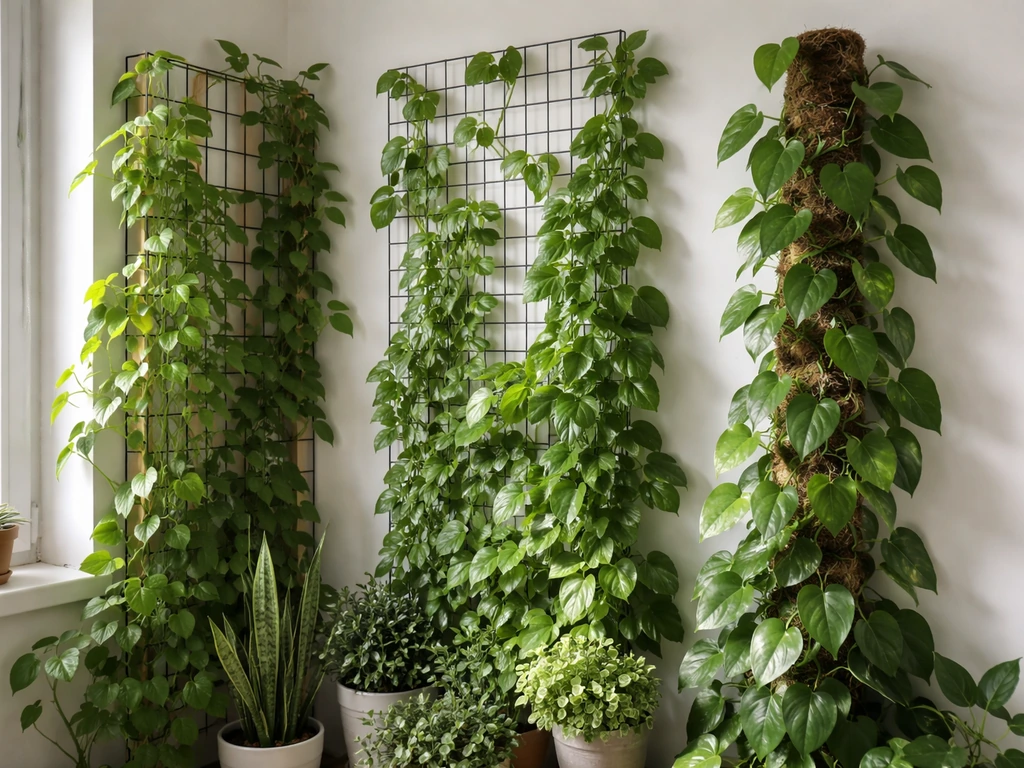
Planter boxes are a genuinely flexible way to grow, and the setups that work best are rarely complicated. Get the depth right, use good potting mix, match the plant to your light, and pay attention to watering. Everything else is fine-tuning. If you're interested in expanding beyond boxes, many of the same plant selection principles apply to wall planters and vertical garden setups, which open up even more space for both edibles and trailing ornamentals.
Vertical gardens also work well with many of these same herbs, greens, and compact crops, as long as each plant gets the light and root space it needs vertical garden setups. Wall planters and vertical gardening let you grow upward, so you can choose trailing and climbing plants for a lush look.
FAQ
Can I grow food in planter boxes that are less than 6 inches deep?
Yes, but only for short crops and when you manage moisture closely. Containers dry out quickly, so shallow boxes tend to be best for lettuce, arugula, radishes, and herbs, then swapped out. If you use a shallow planter, avoid fruiting crops like tomatoes or peppers, and set a daily watering check during hot weather.
What happens if my planter boxes are smaller than the recommended depths?
You can, but you need to size by the mature plant, not the label size. For example, several herbs tolerate smaller pots, but cilantro and parsley will bolt in heat, so they often fail in small containers faster because they dry out sooner. If you go smaller than the article’s depth guidance, expect more frequent watering and more bolting risk for cool-season plants.
Is it okay to combine herbs, salad greens, and flowers in the same planter box?
Mixing too many plants with different water needs is a common reason a “good” planter fails. Keep plants grouped by moisture level, for example, basil and tomatoes together, or lettuce and arugula together, instead of pairing thirsty sun-lovers with drought-tolerant ornamentals. A practical method is to choose one “thirsty anchor” plant per box and select companions that can handle the same watering rhythm.
How do I know when to start fertilizing planter-box plants?
Fertilizer frequency depends on how much compost you used and how fast the plants are growing. If your potting mix is mostly potting mix with limited compost, switch to a diluted liquid fertilizer about 3 to 4 weeks after planting (as mentioned), then continue at a steady interval rather than waiting for yellowing. If you used a higher starting compost percentage, use lighter feedings earlier to avoid overly leafy growth.
How often should I water planter boxes, and how do I avoid under or overwatering?
Aim for deep, infrequent watering that fully wets the root zone, then let the top inch start to dry before watering again. In very hot weather, that can mean watering daily, but still only until runoff (not a constant trickle). Use the finger test plus observation, if leaves wilt by late afternoon but rebound overnight, you may be watering too lightly rather than too rarely.
What’s the best way to water to prevent fertilizer salt buildup in planters?
Because pots can warm up and dry unevenly, a simple rule is to use one watering cycle until you see runoff, then stop and let excess drain. If you see fertilizer salt scorch (brown leaf edges), do a leaching soak occasionally to flush salts through the holes. Avoid repeated small drinks, they can leave salts concentrated in the upper layer even if the lower roots stay dry.
Do I need to replace planter mix every year, or can I reuse it?
Container soils do not buffer pH and nutrients like in-ground soil, so hard water and frequent feeding can shift the chemistry over time. If growth slows even though you water correctly, or leaves develop persistent odd discoloration, consider refreshing the top few inches each season or fully repotting with fresh potting mix for long-lived herbs.
Can I keep plants alive through winter in planter boxes, or should I replant each season?
For perennials, it depends on winter severity and container size. Many compact ornamentals can overwinter only if the root ball is insulated from freeze-thaw cycles, which is harder in small boxes. If you want to keep plants through winter, use larger containers (more root mass), move them to a protected spot, and avoid using gravel layers that reduce effective drainage.
How do I rotate crops if I want to reuse the same planter boxes year after year?
Yes, particularly for annual flowers and fast greens, and it helps avoid pest buildup. The easy rotation approach is to follow heavy feeders with lighter crops, for example, tomatoes followed by lettuce and radishes, and to avoid planting the same family in the same box back-to-back if you had pest or disease issues. Label each box and track what you planted so you can rotate without guessing.
When I transplant, how can I avoid transplant shock in planter boxes?
A common mistake is assuming the first day of warm weather means plants are safe. Use nighttime temperature as your trigger, and harden off seedlings started indoors by gradually increasing time outdoors over several days. Also watch for wind exposure, windy spots can dry containers and cause early leaf drop even when the sun looks perfect.
Next Article
Best Plants to Grow Vertically: Easy Picks for Any Space
Best plants to grow vertically, from edible climbers to indoor vines, with supports, training, and maintenance tips.