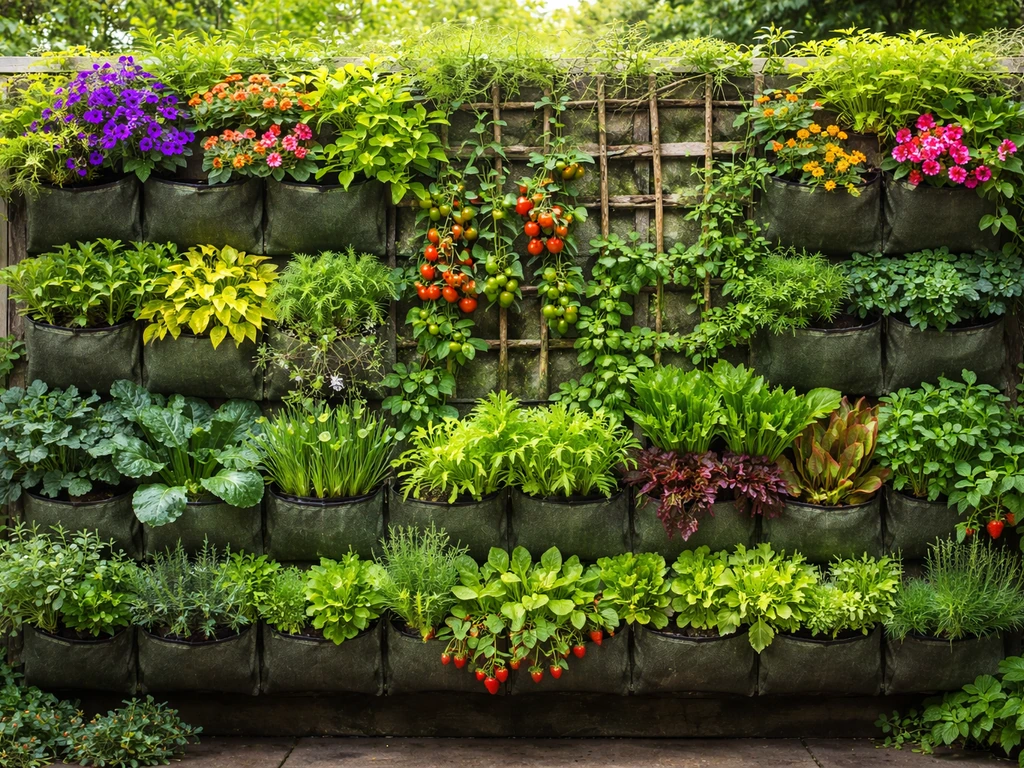
The best plants to grow vertically are pole beans, cucumbers, peas, clematis, climbing roses, pothos, and heartleaf philodendron. These cover edible gardens, ornamental displays, and indoor spaces, and they all climb or trail reliably with the right support. Which one is right for you depends on whether you're growing outside or inside, how much sun you get, and whether you want food or beauty (or both).
Best Plants to Grow Vertically: Easy Picks for Any Space
Rachel Hartley
30 May 2026
Best vertical-growing plants: quick picks
If you want a fast answer before diving into the details, here are the top picks across all three situations: outdoor edibles, ornamental climbers, and indoor verticals.
| Plant | Type | Best For | Support Needed | Sun |
|---|---|---|---|---|
| Pole beans | Edible | Beginner outdoor growers | Trellis or twine | Full sun |
| Cucumbers | Edible | Small-space vegetable gardens | Wire trellis or netting | Full sun |
| Sugar snap peas | Edible | Cool-season vertical growing | Netting or string lines | Full sun to part sun |
| Clematis | Ornamental | Fences, arbors, walls | Trellis or wire frame | Full to part sun |
| Climbing roses | Ornamental | Arbors, pergolas, tall fences | Heavy trellis or wire | Full sun |
| Passionflower | Ornamental | Bold tropical look | Fence or lattice | Full sun |
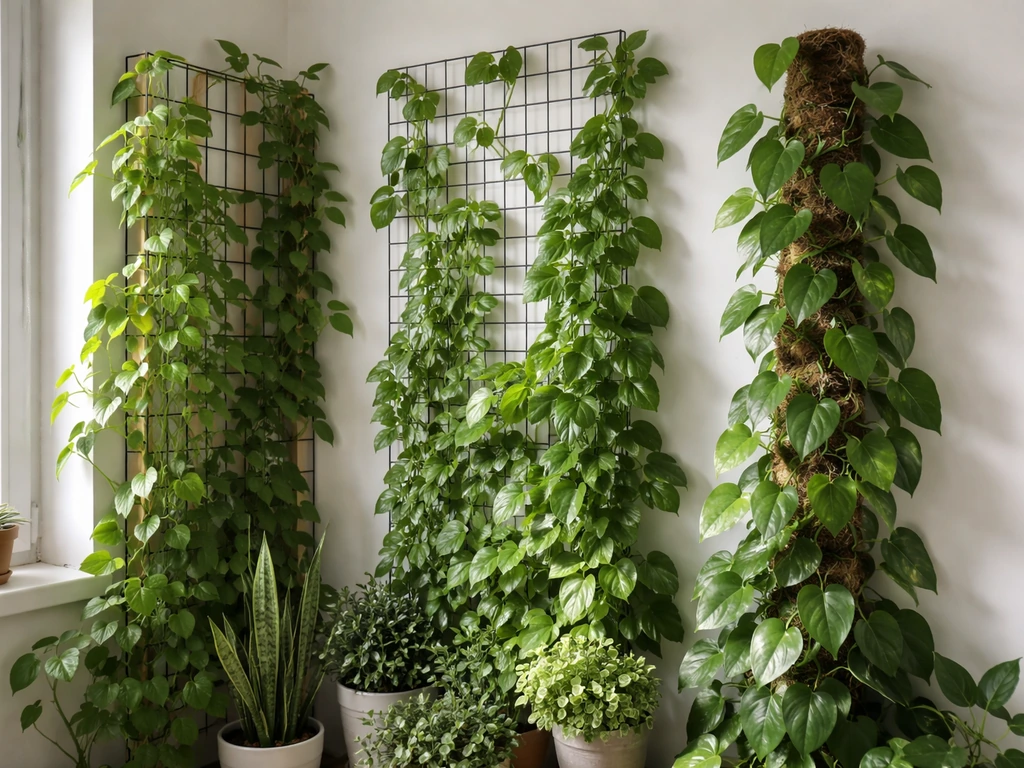
| Pothos | Houseplant | Apartment moss poles, shelves | Moss pole or shelf | Low to bright indirect |
| Heartleaf philodendron | Houseplant | Low-light indoor verticals | Moss pole or trellis | Low to moderate indirect |
Best edible vertical plants: vegetables and herbs
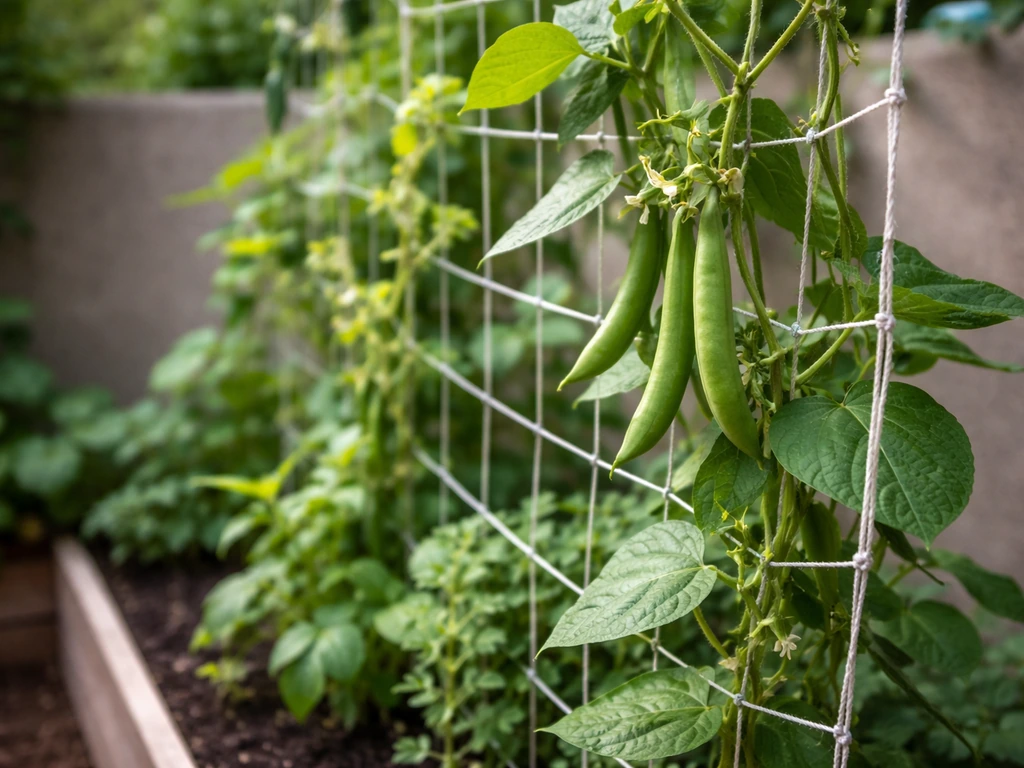
Growing food vertically is one of the smartest moves you can make in a small garden. You get more yield per square foot, better air circulation (which means fewer fungal problems), and easier harvesting. These are the edibles that do it best.
Pole beans
Pole beans are probably the single easiest vertical vegetable you can grow. They twine naturally around supports, they produce all season long (unlike bush beans that give one big flush and quit), and they're genuinely forgiving for beginners. Space seeds about 4 inches apart at the base of your trellis and let them do their thing.
Space seeds about 4 inches apart at the base of the trellis, and plant vines at the foot of the trellis using the same spacing they would have grown on the ground, as UMN Extension advises plant vines at the foot of the trellis using the same spacing they would grow on the ground. Varieties like 'Kentucky Wonder' and 'Blue Lake Pole' are reliable performers.
Plan for a trellis at least 6 to 7 feet tall because these vines climb fast.
Cucumbers
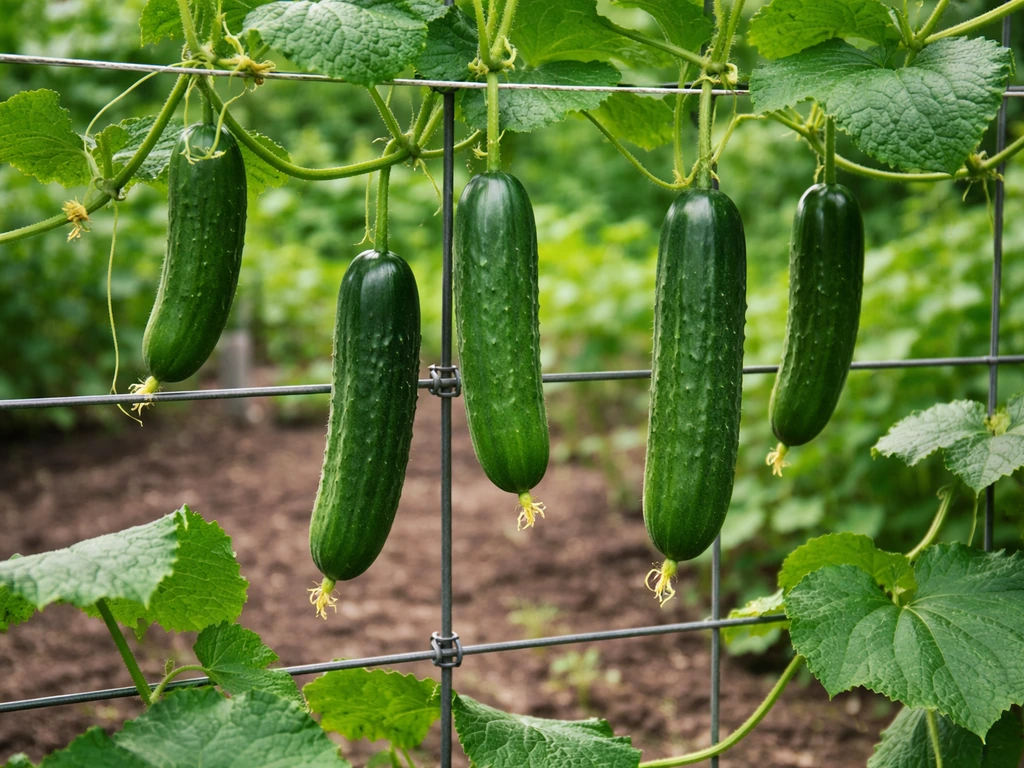
Cucumbers grown vertically produce cleaner fruit, take up far less ground space, and are easier to spot and harvest. Train them up a wire trellis by stretching horizontal wires at your desired heights and using plastic twine to guide stems upward. Slicing and pickling types both work, but vining varieties like 'Marketmore' or 'Spacemaster' (despite the name, it's a viner) do better than bush types. Start training early, once plants hit about 6 inches tall.
Sugar snap and snow peas
Peas are a cool-season crop, which means they're one of the first vertical plants you can get going in spring (or in fall in warmer zones). They grab onto netting and string naturally using their tendrils, so minimal training is needed. A simple frame of mesh netting stretched between two posts is all they need. Varieties like 'Sugar Snap' and 'Oregon Sugar Pod' are classics. Get them in the ground while it's still cool because once temperatures hit the mid-70s consistently, they're done.
Vining herbs: malabar spinach and nasturtiums
Most herbs don't climb, but a couple of plants work as edible verticals. Malabar spinach (not a true spinach but used the same way) is a heat-loving vine that produces prolifically on a trellis during summer heat when regular spinach bolts. Nasturtiums can sprawl or be trained upward on a frame and the flowers, leaves, and seeds are all edible. Both are low-maintenance and add color while delivering something you can actually eat.
Best flowers and ornamental climbers for real visual impact
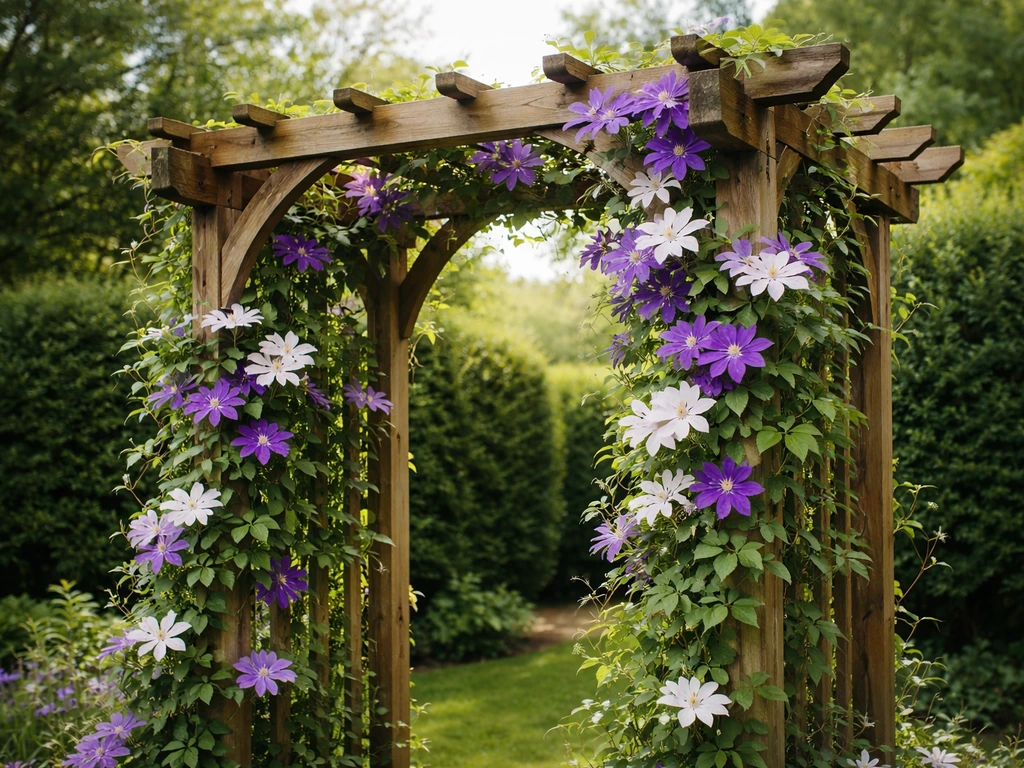
Ornamental climbers are where vertical gardening really gets dramatic. A well-grown clematis or climbing rose on an arbor transforms a plain garden into something that looks like it took decades of effort. These are the ones worth planting.
Clematis
Clematis is the workhorse of vertical ornamental gardening. There are varieties that bloom in early spring, late spring, summer, and even fall, so you can have something going almost all season. They climb using leaf tendrils that wrap around supports, which means they need a trellis or wire frame rather than a flat wall. The key thing most people get wrong with clematis is pruning: there are three pruning groups based on when plants set their flower buds.
Group 1 varieties (spring bloomers) need minimal pruning and should be left alone after flowering. Group 2 and Group 3 types need pruning at different points in the season. Before you buy, check which group your variety belongs to or you'll prune at the wrong time and lose the blooms. [Heights range from about 2 feet to 30 feet depending on the variety](https://extension.
illinois. edu/sites/default/files/hkmw-_clematis. pdf), so match the plant to your structure.
Climbing roses
Climbing roses don't actually twine or grip on their own: you have to tie them to their support manually. The payoff is enormous, though. A well-established climbing rose on a pergola or fence is genuinely hard to beat. Use heavy-gauge wire or a robust timber trellis because mature plants are dense and heavy. 'New Dawn', 'Fourth of July', and 'Don Juan' are reliable climbers. Train the main canes horizontally as much as you can because horizontal canes produce more flowering side shoots than vertical ones.
Passionflower (Passiflora)
If you want something that stops visitors in their tracks, grow passionflower. The blooms are unlike anything else in the garden, and the vines grow aggressively once established. In warmer climates (Zones 6 and above for some species, Zones 8 and above for tropical types), passionflower can be perennial. It climbs using tendrils and does well on a fence or heavy lattice. Native species like Passiflora incarnata are surprisingly cold-tolerant and also attract wildlife.
Trumpet vine and wisteria (with a warning)
Trumpet vine (Campsis radicans) and wisteria are stunning and incredibly vigorous. They'll cover a fence, arbor, or pergola in a few seasons. The warning: both can become aggressive spreaders and wisteria's weight can destroy lightweight structures. If you plant them, go in with heavy-duty supports and a plan for consistent pruning. They're genuinely great plants for the right situation, but they're not beginner-friendly in small spaces.
A note on holdfast climbers
Some ornamental vines, including Boston ivy and Virginia creeper, climb using adhesive holdfasts that cling directly to surfaces without any additional support. This looks effortless, but there's a real trade-off: once established, holdfast climbers are very difficult to remove, and they can damage wood siding. If you're putting something on a masonry wall you'll never change, they're fine. On a painted wooden fence or siding, train them to a separate trellis structure instead, or skip them altogether.
Best houseplants for vertical spaces (apartment-friendly)
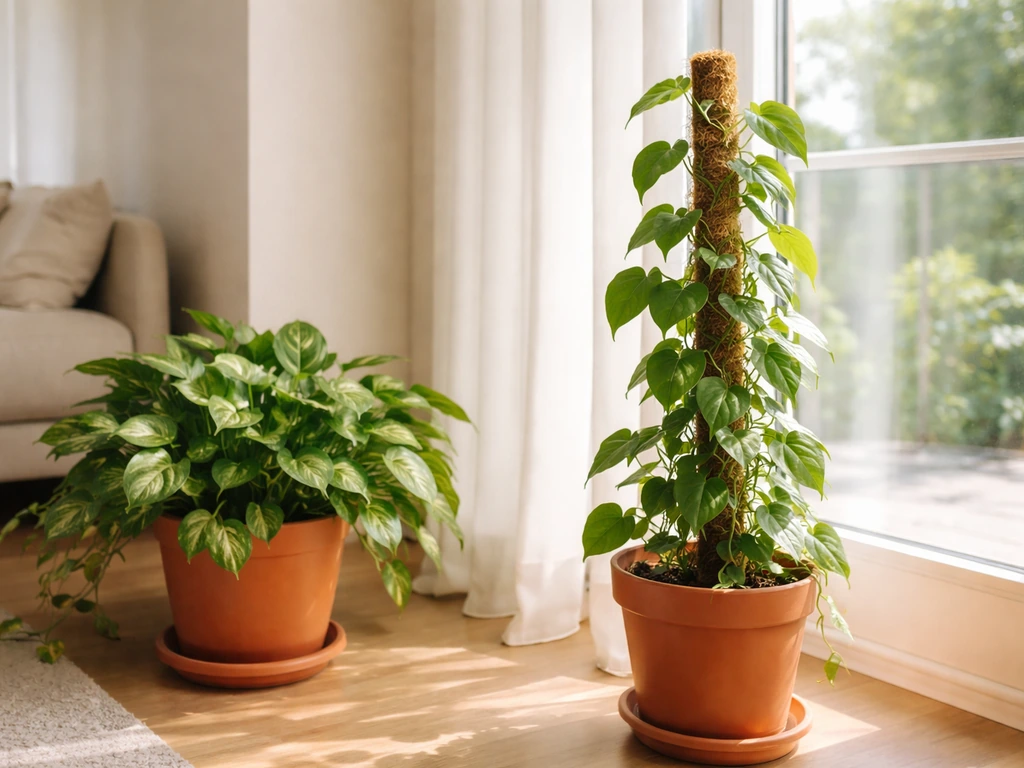
You don't need a garden to grow vertically. These indoor plants genuinely thrive when given something to climb or trail along, and most of them are forgiving enough for people who aren't experienced growers.
Pothos
Pothos is probably the most adaptable vertical houseplant you can grow. It trails beautifully from a shelf, or it can climb a moss pole using its adhesive aerial roots. On a moss pole, the leaves get significantly larger over time, which is a nice bonus. Care is simple: bright indirect light (though it tolerates low light, the leaves lose color in deep shade), and water when the soil dries out moderately between waterings. Fertilize occasionally during the growing season and it'll reward you with fast, dramatic growth.
Heartleaf philodendron
Heartleaf philodendron is one of the best low-light vertical plants you can grow indoors. Trailing types can climb a moss pole or trellis using their aerial roots, and some varieties are quite tolerant of dim conditions, making them useful in apartments that don't get great light. The growth habit is similar to pothos: it'll trail off a shelf or climb a support, and it responds well to being trained upward. It's also one of the fastest-growing indoor vining plants, so you'll see results quickly.
Monstera and climbing aroids
Monstera deliciosa and its relatives are natural climbers in the wild. Indoors, a moss pole gives them something to attach to and encourages the plant to produce its characteristic split leaves in full size. Without a support, they sprawl and the leaves stay smaller. If you're working with a very small space and want the vertical look, Monstera adansonii (the Swiss cheese plant) is faster-growing and works well on a smaller frame or coir pole.
Tradescantia and string-of options for trailing verticals
If you want trailing verticals on shelves or hanging planters rather than climbing poles, Tradescantia zebrina, String of Hearts (Ceropegia woodii), and String of Pearls (Senecio rowleyanus) are excellent. They cascade beautifully, need minimal intervention, and work in apartments where wall-mounting is complicated. String of Pearls is the most drought-tolerant of the group, which matters if you're an occasional forgetter of watering schedules.
How to actually grow plants vertically: supports, training, and setup
Knowing which plant to grow is only half the work. Setting up the right support system and training your plants correctly is what makes the difference between a climber that races upward and one that collapses in a heap.
Choosing the right support structure
Match the support to the plant's climbing mechanism and ultimate weight. Here's how to think about it:
- Twining plants (pole beans, peas, morning glories): need something they can wrap around, like twine lines, netting, thin wire mesh, or wooden lattice. A flat smooth wall won't work for these.
- Tendril climbers (cucumbers, peas, clematis, passionflower): do well on netting, wire mesh, or open lattice with gaps they can grip.
- Tie-in climbers (climbing roses, some climbers with no natural grip): need manual tying to horizontal wires or trellis bars. Use garden twine, soft plant ties, or silicone clips.
- Adhesive/holdfast climbers (Boston ivy, trumpet vine): can go on bare masonry but need a separate frame on wood or painted surfaces.
- Indoor climbers (pothos, philodendron, monstera): use a moss pole, coir pole, or a simple bamboo stake grid.
Building or setting up your trellis
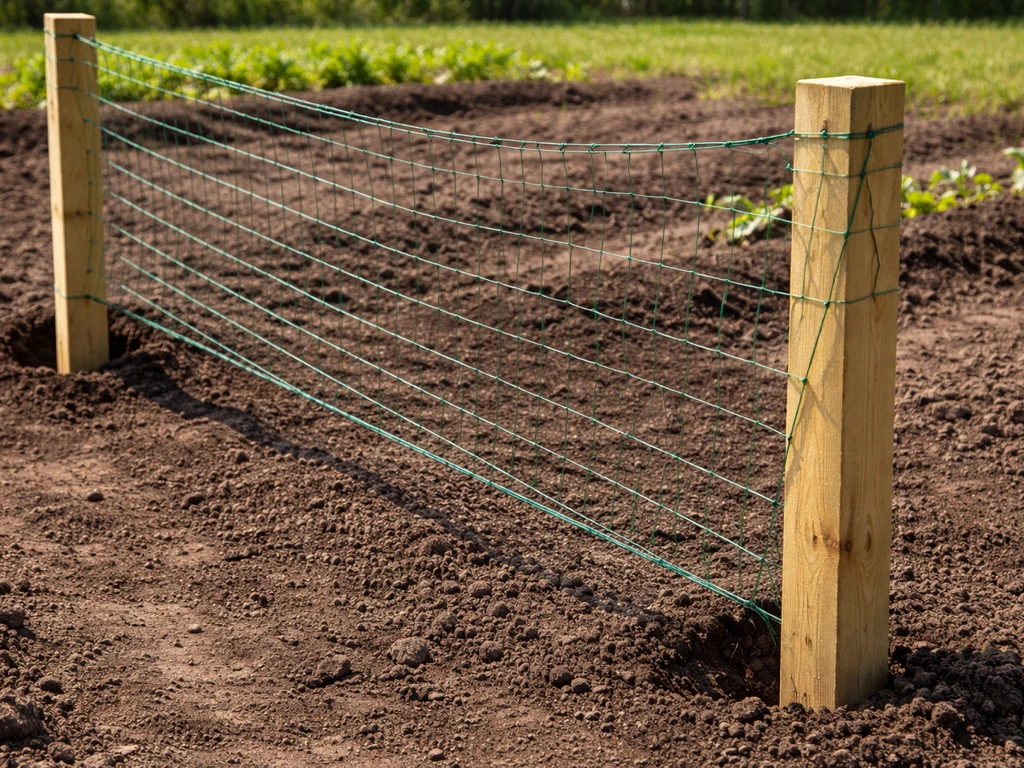
For outdoor vegetable trellises, set support posts at least 2 feet into the ground so they're stable under the weight of a full-season crop. Stretch your mesh, wire, or netting between the posts. You can also use the drop-twine method: run a horizontal wire or rod across the top, then hang individual vertical twine lengths down to each plant. As plants grow, wrap or clip stems to the twine every few days during rapid growth phases. For decorative climbers, make sure your structure is rated for the eventual weight. A fully established climbing rose or wisteria can weigh hundreds of pounds when wet and in full leaf.
Training plants upward
Start training early. For most vegetables, begin when plants are about 12 inches tall. Weave the first horizontal line of twine between stakes at about 10 inches off the ground to give young stems something to grab. From there, gently guide stems toward the support as they grow. For tying, place ties just above a leaf node or side shoot so the stem doesn't slip downward. Use soft ties (not tight wire) and leave a little slack to avoid cutting into the stem as it thickens. If a stem doesn't quite reach the support, bridge the gap with a temporary bamboo cane and tie it across, then tie the stem to the cane.
Indoor vertical setup
For a moss pole setup with pothos or philodendron, push the pole into the pot before the plant gets root-bound (doing it after risks root damage). Keep the moss moist, which encourages aerial roots to attach. For a shelf trailing setup, no training is needed at all: just pot the plant at a high point and let gravity do the work. If you're in an apartment with genuinely low light, consider supplemental grow lighting. Consistent, uniform light at plant level makes a real difference in growth rate and leaf size, regardless of what the plant packet says about tolerating low light.
Picking the right plant for your specific space
The best vertical plant for someone in a sunny Arizona backyard is completely different from the best option for a Brooklyn apartment facing north. Here's how to match plant to situation.
Sun and light availability
Edible vertical plants (beans, cucumbers, peas) all need at least 6 hours of direct sun daily. There's not much wiggle room there: fewer than 6 hours and yields drop significantly. Most ornamental climbers (clematis, roses, passionflower) also prefer full to partial sun, though some clematis varieties are more shade-tolerant than others. For shadier outdoor walls, climbing hydrangea (Hydrangea anomala subsp. petiolaris) is one of the best options. Indoors, low light is manageable for pothos and heartleaf philodendron, but even these will grow faster and look better with bright indirect light.
Space and container growing
You can absolutely grow many vertical plants in containers, though you need to be realistic about root space. Best plants to grow in planters include compact climbers and vining varieties that fit your pot size and drying schedule. Pole beans and cucumbers in containers need large pots (at least 12 to 15 inches deep and wide per plant) and consistent watering because containers dry out fast.
Dwarf or compact climbing varieties like 'Patio Snacker' cucumber or 'Provider' bean are better suited to container life. For ornamental climbers in containers, clematis does well with a large pot and good drainage. Vertical gardens growing in planter boxes along a wall or fence can extend your space significantly, and trailing houseplants work beautifully in those setups too.
Wind exposure
Wind is the enemy of tall vertical plantings. A cucumber vine or a heavily-flowered clematis in a consistently windy spot will shred, break stems, and dehydrate fast. If your space is exposed, choose more robust climbers (climbing roses, trumpet vine) that can handle buffeting, or create a windbreak before planting. Secure your trellis properly regardless: a 7-foot trellis covered in dense vine can act like a sail in a storm if the posts aren't anchored well.
Season and growing zone
Since it's the end of May right now, here's where things stand across different climates. In most of the US (Zones 5 through 8), you're in the sweet spot for planting warm-season verticals: pole beans, cucumbers, and climbing squash can go in now if they haven't already. Peas are winding down in warmer zones but may still have a few weeks in cooler northern areas.
In hot southern climates (Zones 9 and 10), focus on heat-tolerant verticals like malabar spinach and yard-long beans rather than cucumbers, which can struggle once temperatures consistently push above 90°F. For ornamental climbers, late spring is an excellent time to plant container-grown clematis and roses. They'll establish their root systems through summer and reward you with a strong showing next season.
Keeping your vertical garden healthy: watering, pruning, and common problems
Vertical gardens have some specific maintenance quirks that flat-bed gardening doesn't prepare you for. Here's what actually matters.
Watering vertical plants
Vertical plants in containers and vertical garden systems dry out faster than ground-level beds, especially in wind. For container-grown climbers, check soil moisture daily in hot weather. For outdoor trellis vegetables like beans and cucumbers, consistent moisture at the root zone is key: inconsistent watering causes blossom drop in beans and bitter, misshapen cucumbers. Drip irrigation at the base of the trellis is genuinely worth the setup time. For indoor verticals like pothos, the rule is to let the soil dry out moderately between waterings rather than keeping it constantly wet, which leads to root rot.
Pruning and training frequency
Fast-growing verticals need attention every few days during peak season, not once a week. Cucumber vines can put on several inches a day in warm weather. If you miss a few training sessions, you'll end up with a tangled mass that's hard to sort out without breaking stems. For clematis, pruning group determines timing (as noted above): get it wrong and you lose flowers for a season. For climbing roses, removing spent blooms encourages reblooming in repeat-flowering varieties. Prune lightly through the season and do the main structural pruning in late winter or early spring.
When plants won't climb
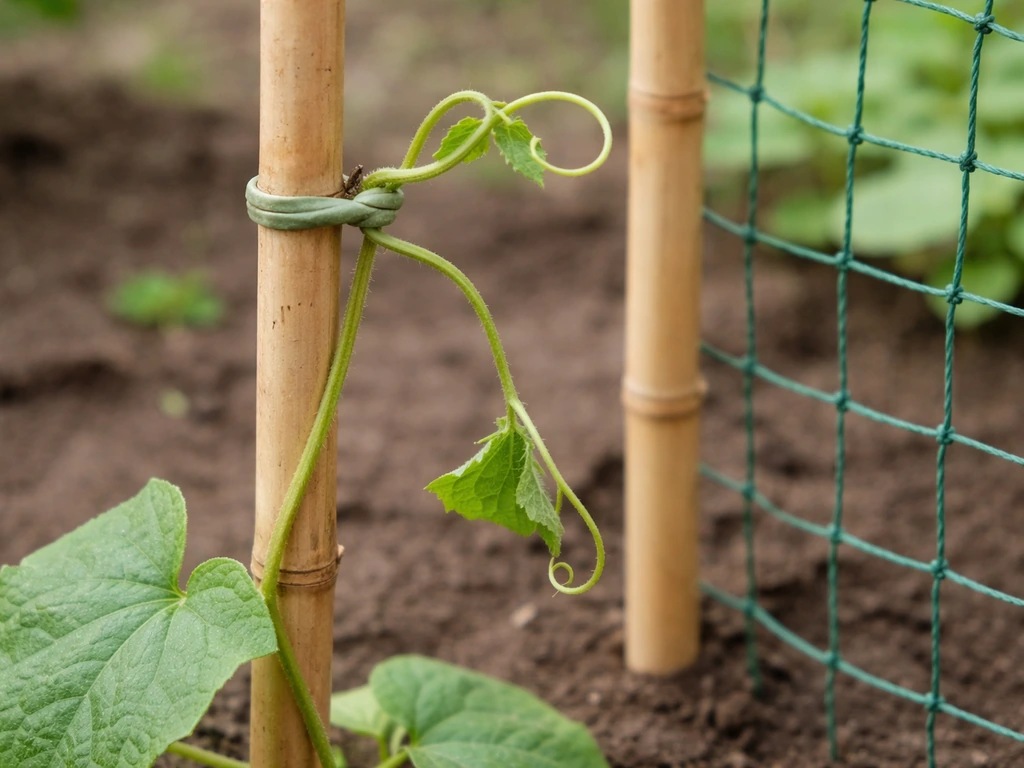
If a plant isn't climbing, usually one of three things is happening: the support is too smooth or too far away for the plant to grip, the plant isn't getting enough light to put on vigorous growth, or you've started training too late. If you want the wall version of these troubleshooting steps, also see the guide on the best plants to grow down a wall for reliable climbers and adjacent alternatives. Fix it by bringing the support closer (or adding a bridging cane), improving light if possible, and manually wrapping or clipping the stems. Don't force stems into positions they don't want to go: if a stem resists being moved, it's probably too stiff and will snap.
Common pests and diseases on trellised plants
The good news about growing vertically is that air circulation reduces fungal problems significantly compared to sprawling ground plants. Powdery mildew, which attacks both cucumbers and clematis, is still a risk in humid conditions, but trellised plants get it less severely. Check the undersides of leaves regularly for aphids and spider mites, both of which cluster there and can build up fast before you notice. On beans, watch for Mexican bean beetles in late summer. For indoor vertical plants, fungus gnats are the most common problem and are almost always caused by overwatering. Let the top inch or two of soil dry out and the population will drop on its own.
Drooping and stem damage
Drooping on a trellised plant almost always means one of two things: underwatering (especially in containers) or ties that are too tight and are cutting off circulation. Check both before reaching for anything else. If a stem has been cut into by a wire tie, loosen or remove it immediately and support that section with a softer material. Wilting that doesn't recover after watering can point to root rot or a soil disease, in which case you'll need to pull the plant and investigate the root system before it spreads.
FAQ
How do I choose the right trellis type, wire, netting, or a flat wall?
It depends on what the plant grips. Tendril climbers (peas, beans, cucumbers) usually need a trellis they can wrap around, wire works but netting is often easiest. Leaf-tendril climbers like clematis need a wire frame or trellis with gaps the tendrils can catch, not smooth wall panels. Roses and most philodendrons do not grip by themselves, so you must tie them, and thicker supports (timber or heavy-gauge wire) prevent sagging as the plant gets dense and heavy.
My vertical trellis wobbles in wind, what’s the safest fix?
For outdoor edibles, aim for anchoring that can handle wind and full-season weight. A simple rule is to set posts at least 2 feet deep, then consider heavier anchoring in exposed spots. For tall systems, add a cross brace or tension the top line, so the whole trellis does not wobble, which can break stems and cause uneven training.
What if I waited too long to start training my plants?
Do it when the plant is small enough to guide without forcing. The article’s general timing (start around 12 inches tall for most vegetables, and begin training when plants hit about 6 inches tall for cucumbers) matters because stems get stiffer quickly and can snap if you try to redirect later. If you realize you started too late, use temporary canes to bridge gaps rather than yanking stems into position.
Can I grow the “vertical plants” in containers without sacrificing yield or health?
Yes, but only if the variety and container size match the root load. Pole beans and cucumbers need large containers, at least about 12 to 15 inches deep and wide per plant, plus frequent moisture checks because container soil swings faster. For ornamental climbers like clematis, prioritize a large pot with good drainage, and avoid small planters that dry out between waterings.
What’s the most common mistake people make with clematis pruning?
Watch for the pruning group. Clematis blooms are largely determined by when buds form, so pruning at the wrong time can remove next season’s flower points. If you do not know the group for your clematis, do not do a hard prune immediately after flowering, instead identify the variety’s pruning group first.
How should I tie climbing roses so they actually bloom more?
For climbing roses, tie habits matter more than how often you prune. Train main canes horizontally as much as possible because it encourages flowering side shoots. Use soft ties placed just above a leaf node, leave slight slack as stems thicken, and avoid tight ties that cut into the cane.
My climber isn’t climbing anymore, what are the first things to check?
If your plant stops climbing or refuses to keep its position, treat it as a support and placement problem first, not a “needs fertilizer” problem. Check whether the support is too smooth or too far away to grip, increase light if growth is weak, and confirm you started training early. Forcing a stiff stem usually leads to breakage, so bridge with a temporary cane and guide gently.
Do trellises eliminate powdery mildew completely, or is it still a risk?
In humid conditions, powdery mildew risk is real even with trellising. Reduce the chance of outbreaks by improving airflow (keep leaves spaced where possible), water at the root zone, and inspect undersides regularly. If mildew appears, remove heavily affected leaves and address humidity and watering consistency rather than only treating symptoms.
What happens if I skip training for a week during peak growth?
Yes, especially when you use fast-growing vines. If you miss training sessions during peak growth, vines can tangle and become difficult to untangle without breaking stems. Plan on checking every few days in warm weather, and in extreme spurts consider using extra twine lines to give stems alternative routes.
How often should I water indoor vertical plants like pothos and heartleaf philodendron?
For indoor verticals, watering mistakes are the biggest cause of trouble. Keep pothos and philodendron on a “dry out moderately” schedule rather than staying wet, and remember that brighter indirect light speeds growth and helps plants look fuller. If leaves yellow or the plant smells sour and stays wet, adjust the watering frequency and ensure adequate drainage.
Where should I look for pests on vertical gardens, and what are the usual culprits?
Insect control is easier with trellises because you can scout visually, but the hotspots are predictable. Check leaf undersides for aphids and spider mites regularly, because they cluster there. For beans, late-summer Mexican bean beetles are a specific watch item, so inspect foliage when plants start setting and ripening pods.
My vertical plant is drooping, how can I tell underwatering from a tie problem?
Drooping can come from two very different causes. Underwatered container plants often droop and look limp, ties that are too tight can also restrict flow, and cutting into stems can worsen damage. If drooping does not improve after watering, it can indicate root rot or another root problem, then you should check roots and soil before troubleshooting anything else.
Next Article
Best Plants to Grow in Vertical Gardens by Sun and Season
Best vertical garden plants by sun and season, with easy picks, trained climbers, and troubleshooting for success.