The best plants to grow in planters are ones that match your specific conditions: your light, your season, your container size, and honestly, how much time you want to spend on them. The short answer is that herbs, compact vegetables, flowering annuals, and trailing foliage plants are the most reliable planter performers. But the longer, more useful answer is that your success depends far more on matching the plant to the pot than on picking the "right" plant from a list. This guide walks through both.
Best Plants to Grow in Planters: Easy Picks by Season
Rachel Hartley
4 Apr 2026
How to choose the right planter before you even buy a plant
Most planter failures start with the container, not the plant. Get the container right first and you remove the biggest variables working against you.
Size: bigger is almost always better
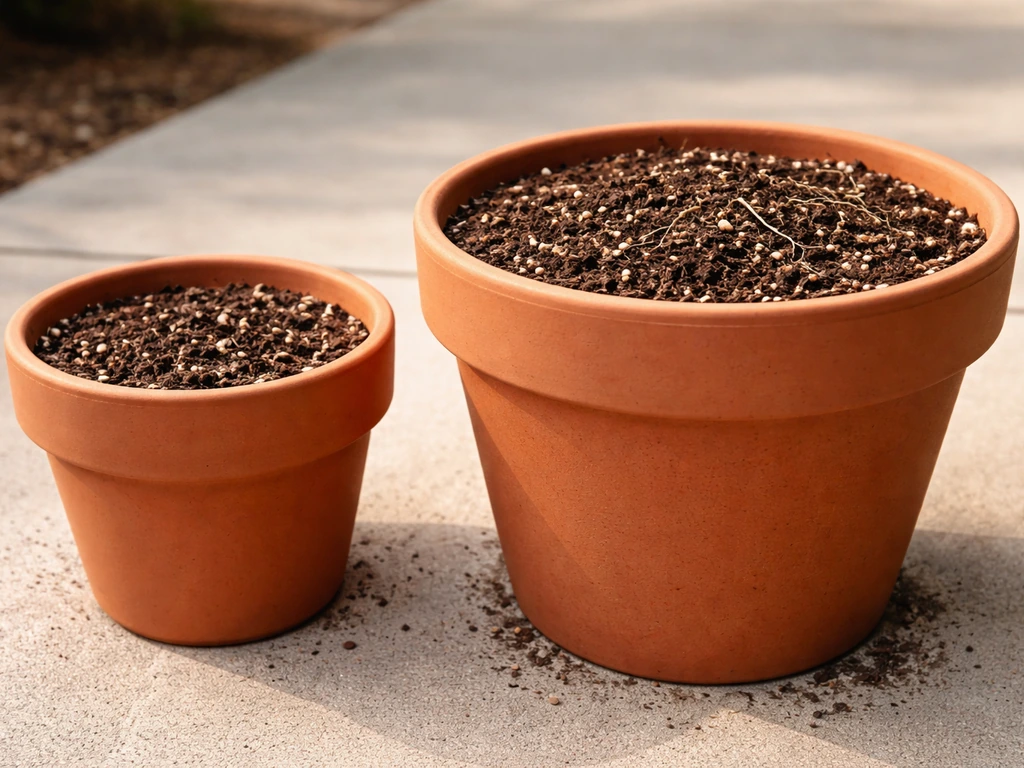
Container size directly determines how much soil volume and root space a plant has, which controls both how much water it can hold and how big the plant gets. For vegetables, the research is pretty consistent: most vegetables do best in containers that hold at least 2 to 5 gallons of soil and are a minimum of 12 inches deep. That's a solid baseline for crops like lettuce, radishes, and most herbs. But larger crops need more. Tomatoes need at least a 20-inch-wide pot (roughly 15 to 20 gallons), and even peppers and eggplants want something in the 14 to 16-inch range with at least 12 to 16 inches of depth. A pepper crammed into a 1-gallon nursery pot will survive but produce almost nothing. Give peppers a 3 to 4 gallon pot at minimum and they'll actually reward you. The rule I use: if you're unsure, go one size up.
Drainage: the non-negotiable
Every planter needs drainage holes. This is not negotiable. A pot without drainage turns into a slow-death swamp for almost any plant. If you fall in love with a decorative pot that has no holes, either drill them yourself (a standard drill bit works on most ceramic and terracotta) or use it as a cachepot: drop a plain nursery pot with drainage holes inside it and empty the outer pot after watering. Gravel at the bottom of a pot does not substitute for drainage holes. It's a persistent myth. The gravel just raises the saturated zone higher into the root zone.
Sun exposure: match the plant to the spot, not the wish
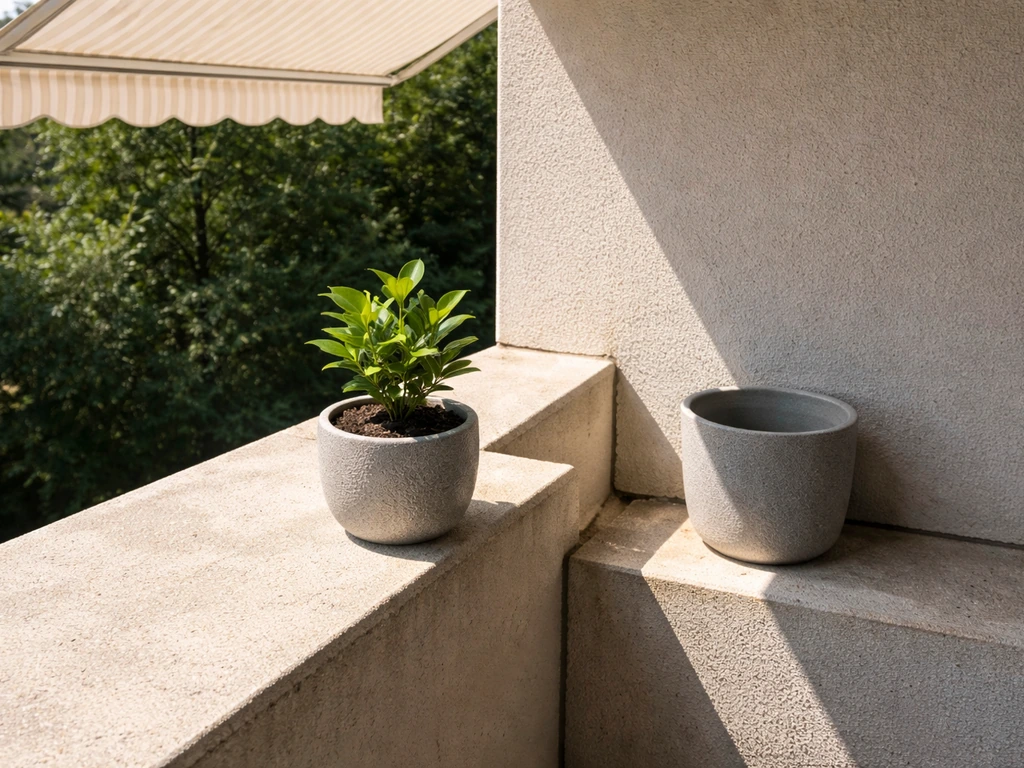
Before you buy anything, figure out how many hours of direct sunlight your planter location actually gets. Measure it on a clear day. Full sun means 6 or more hours of direct sun. Part shade is 3 to 6 hours. Full shade is under 3 hours. Vegetables and most flowering annuals need full sun. Herbs like mint, parsley, and chives tolerate part shade. Ferns, hostas, and many foliage plants thrive in shade. Trying to grow tomatoes on a north-facing balcony is a waste of effort and money. Match the plant to the spot you actually have.
Weight: a real consideration for balconies and rooftops
A large planter filled with wet soil can weigh 50 to 100+ pounds. If you're gardening on a balcony, rooftop, or deck, check the load rating before stacking up heavy ceramic pots. Lightweight alternatives like fabric grow bags, fiberglass planters, and foam-core pots dramatically cut weight without sacrificing root space. Fabric grow bags in particular have become a favorite for balcony vegetable gardening because they're light when dry, encourage healthy root pruning, and drain excellently.
Best planter plants by category
Edible vegetables
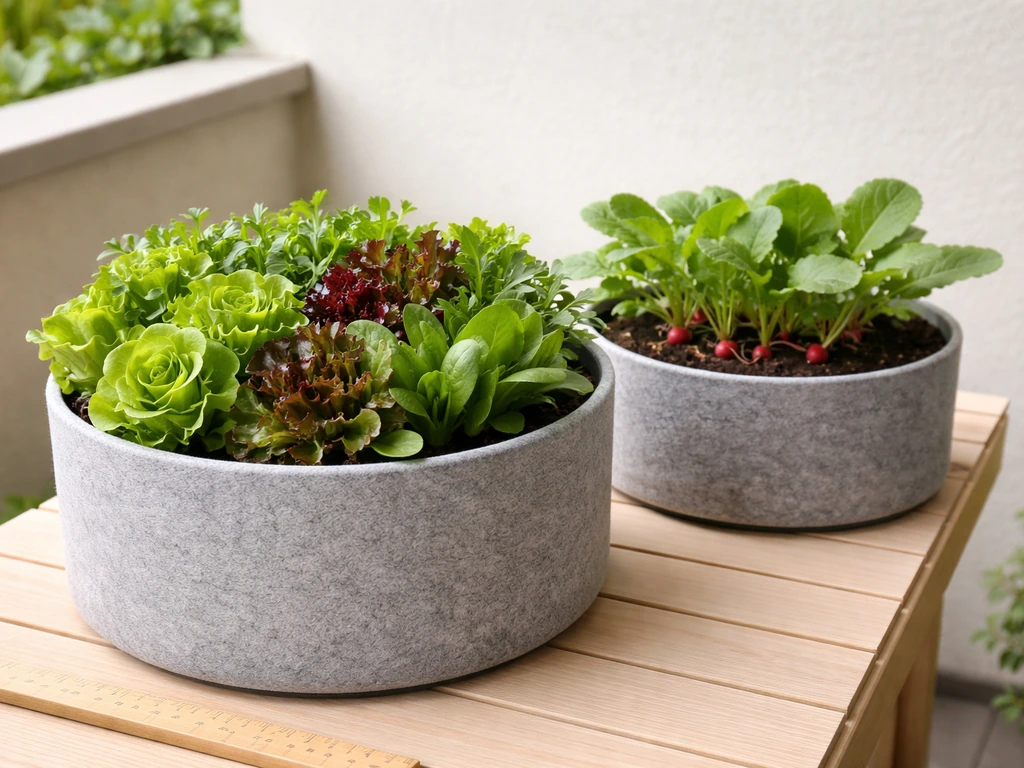
Vegetables are completely achievable in containers when you pick the right crops and size the pot correctly. The winners are compact, fast-producing varieties. Lettuce and salad greens are arguably the easiest food crop you can grow in a planter: they tolerate part shade, grow quickly, and can be harvested cut-and-come-again for weeks. Radishes are done in 25 to 30 days and need just 6 inches of depth. Bush beans, cucumbers (bush varieties), and peppers all work well in 5-gallon containers or larger. Tomatoes are doable but demand the most: at least a 20-inch-wide container, full sun all day, consistent watering, and a sturdy support structure. Illinois Extension's Gardeners Corner Spring 2021 newsletter provides tomato container sizing guidance that ties the recommended pot dimensions to tomato growth blank" rel="noopener noreferrer">at least a 20-inch-wide container. Cherry tomato varieties like 'Tumbling Tom' or 'Patio' are far more forgiving in containers than large beefsteak types. If you're thinking about what goes in long window-style containers, the guide on what plants grow well in planter boxes covers salad greens, herbs, and compact edibles in rectangular formats specifically.
| Vegetable | Minimum Pot Size | Minimum Depth | Sun Needed |
|---|---|---|---|
| Lettuce / Salad Greens | 1–2 gallons | 6–8 inches | Part shade to full sun |
| Radishes | 1 gallon | 6 inches | Full sun |
| Peppers | 3–4 gallons | 12–16 inches | Full sun |
| Bush Beans | 5 gallons | 12 inches | Full sun |
| Cucumbers (bush) | 5 gallons | 12 inches | Full sun |
| Tomatoes (cherry) | 15–20 gallons | 20 inches wide | Full sun (6+ hrs) |
| Eggplant | 5 gallons | 12–14 inches | Full sun |
Herbs
Herbs might be the single best return on investment in container gardening. Basil, thyme, oregano, rosemary, parsley, and chives all grow happily in 6 to 8-inch pots or grouped in a wider container. One real-world tip: don't mix mint with other herbs. Mint is an aggressive grower and will take over a shared container within a season. Give mint its own pot. Rosemary and thyme are drought-tolerant and actually prefer slightly dry conditions, so they pair well together. Basil wants more consistent moisture and does best in its own pot or with moisture-loving companions. A sunny windowsill or balcony rail with a few herb pots is genuinely one of the most useful planter setups you can have.
Flowering annuals and perennials
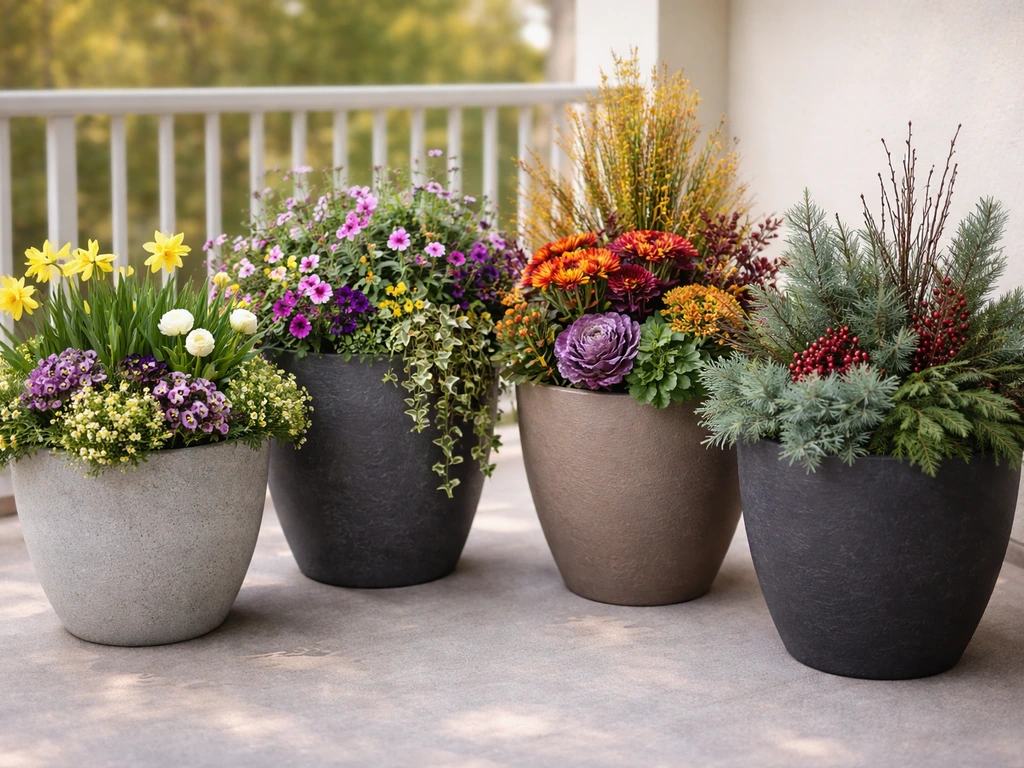
For color and curb appeal, flowering annuals are hard to beat in containers. Petunias, marigolds, calibrachoa ('Million Bells'), and zinnias are workhorses for sunny spots and bloom from late spring through first frost. Begonias and impatiens are the go-to choices for shaded planters where most flowering plants struggle. For a trailing effect over the edge of a planter or down a wall, bacopa, sweet potato vine, and trailing verbena are excellent choices. If you want to extend that trailing planter concept further, there's a lot of overlap with what works as the best plants to grow down a wall, where cascading habit really shines.
Attractive foliage plants
Not everything needs to flower to look great. Coleus delivers spectacular leaf color in shade to part shade and stays compact in containers. Sweet potato vine (in lime green or deep purple) adds bold trailing foliage. Caladiums bring tropical drama with almost no effort in shaded planters. For a more structural look, ornamental grasses like 'Hameln' dwarf fountain grass work well in larger pots in full sun and survive heat that would cook softer annuals. If you're stacking planters vertically or using pocket panels, many of these foliage plants also translate well to vertical garden setups where space is the main constraint.
Indoor planter plants
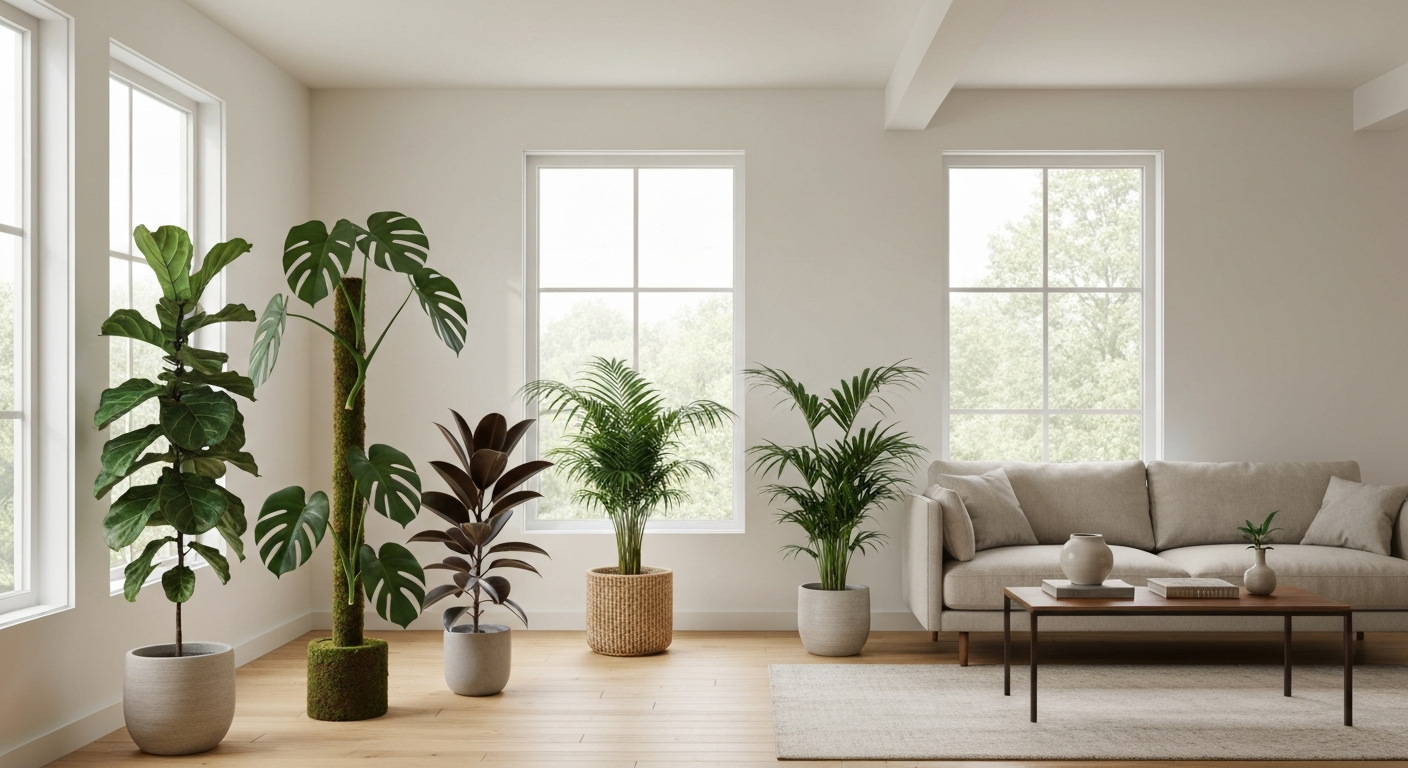
For indoor planters, the priority shifts to plants that tolerate lower light and inconsistent watering. Pothos is the most forgiving indoor planter plant you can buy: it tolerates low light, survives missed waterings, and trails beautifully over the edge of a pot. Snake plants (Sansevieria) are nearly indestructible in bright indirect to low light. Peace lilies bloom in shade conditions that would starve most flowering plants. ZZ plants and cast iron plants are solid choices for genuinely dark corners. For indoor herbs near a bright south-facing window, basil and chives are both doable year-round.
What to plant by season
Since today is early April 2026, you're right at the sweet spot for spring planting across most of the US. But season-aware planting matters a lot in containers because pots heat up and dry out faster than garden beds, which compresses the productive window for cool-season crops and demands timing adjustments.
Spring (March through May)
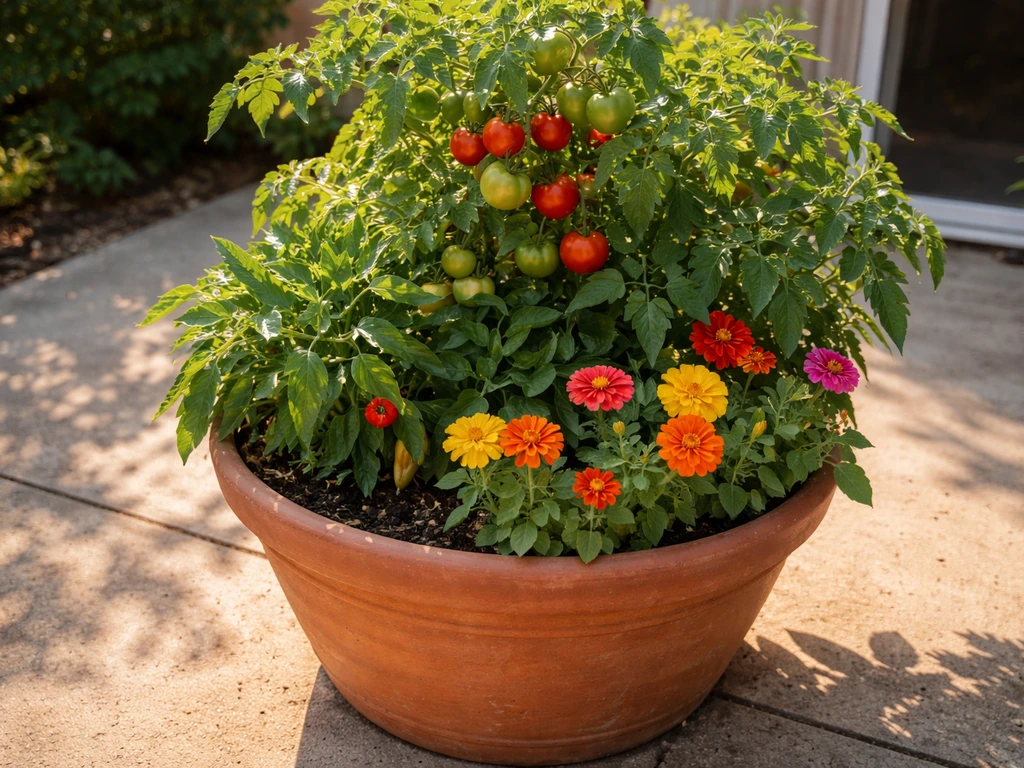
Right now is the best time to get cool-season crops going: lettuce, spinach, arugula, radishes, peas, and kale all thrive in the mild temperatures of spring and will bolt (go to seed and turn bitter) once summer heat arrives. In zones 7 and warmer, you can also start transplanting warm-season seedlings like tomatoes, peppers, and basil once nighttime temperatures are consistently above 50°F. Spring is also ideal for planting flowering annuals like pansies and snapdragons, which love cool weather and will fade out by summer.
Summer (June through August)
Summer is the high season for heat-loving plants in containers: tomatoes, peppers, basil, zinnias, petunias, marigolds, and sweet potato vine. In hot climates like Texas or Arizona, summer can actually be brutal for container plants because pots heat up faster than the ground, which can cook roots. In those regions, moving containers to afternoon shade, using light-colored or double-walled pots, and watering daily (sometimes twice daily) during peak heat is not optional, it's survival. For cooler-summer climates like the Pacific Northwest, summer is when most warm-season crops finally hit their stride.
Fall (September through November)
Fall is a second spring for cool-season crops in containers. Lettuce, kale, spinach, and Swiss chard all bounce back beautifully when temperatures drop below 75°F again. In zones 8 and warmer, fall planting can extend the harvest well into December. For ornamentals, ornamental kale, mums, and pansies are the classic fall planter plants and hold up through light frosts. Fall is also the time to start thinking about overwintering perennial herbs like rosemary and thyme by moving them to a sheltered spot or bringing them indoors.
Winter (December through February)
In most of the US, outdoor container gardening pauses in winter unless you're in zone 9 or warmer. Cold hardiness in containers is lower than in the ground because roots have no soil insulation buffer, so a plant rated hardy to zone 7 might only survive to zone 8 in a pot. The practical move in winter is to shift attention indoors: this is the season for houseplants, indoor herb gardens under grow lights, and overwintered tender perennials. In mild climates, pansies, violas, and ornamental cabbages can carry outdoor planters through the coldest months.
Low-maintenance picks for beginners (and busy people)
If you're new to container gardening or just don't have much time, these plants are the ones I'd point you toward. They're forgiving of inconsistent watering, tolerant of a range of light conditions, and unlikely to fail on you in the first season.
- Pothos (indoor): almost impossible to kill, trails beautifully, tolerates neglect
- Snake plant (indoor): handles low light and infrequent watering with no complaints
- Marigolds (outdoor, full sun): pest-resistant, drought-tolerant once established, bloom all season
- Zinnias (outdoor, full sun): fast-growing, heat-loving, rewarding blooms with minimal input
- Lettuce (outdoor, spring/fall): fast harvest, tolerates partial shade, easy to succession-sow
- Chives (outdoor/indoor): nearly indestructible herb, regrows after cutting, handles part shade
- Sweet potato vine (outdoor, spring/summer): grows aggressively in sun or part shade, hard to overwater or underwater once established
- Thyme (outdoor, full sun): drought-tolerant, low-maintenance, productive for years in the same pot
If you're drawn to the idea of growing plants in a more structured vertical format because you're tight on floor space, many of these beginner-friendly picks also translate directly to growing plants vertically, which opens up walls, fences, and railings as growing space.
Soil, watering, and feeding: the basics that actually matter
Use real potting mix, not garden soil
This is probably the most common beginner mistake: filling planters with garden soil or topsoil from a bag. Garden soil compacts in containers, blocks drainage, and creates the exact waterlogged root environment that kills most container plants. Always use a quality potting mix formulated for containers. A good potting mix is light and loose, drains well, and usually contains perlite or vermiculite to maintain aeration. For vegetables, look for mixes labeled for vegetables or tomatoes, which typically have added nutrients. For succulents and drought-tolerant plants, use a cactus and succulent mix or add extra perlite to a standard potting mix.
Watering: consistent is the key word
Container plants dry out significantly faster than in-ground plants because the volume of soil is limited and terracotta or fabric pots lose moisture through their walls. In summer, most outdoor containers need daily watering, sometimes more. The best way to check is simple: stick your finger an inch into the soil. If it's dry at that depth, water thoroughly until it drains from the bottom. If it's still moist, wait. The two failure modes to avoid are inconsistent watering (alternating bone-dry and soggy kills roots) and watering too shallowly (surface-only watering encourages shallow root growth and actually makes the plant more drought-stressed). Self-watering planters and drip irrigation timers are genuinely helpful if you travel or forget.
Feeding: potting mix runs out
Most potting mixes come with a starter charge of fertilizer that lasts about 4 to 6 weeks. After that, container plants need regular feeding because nutrients leach out every time you water. For vegetables and flowering plants, a balanced slow-release fertilizer worked into the soil at planting, supplemented with a liquid fertilizer every 2 weeks during the growing season, is a reliable approach. For foliage plants and herbs, a monthly dose of liquid fertilizer at half strength is usually enough. Don't skip feeding in containers the way you might get away with in a rich garden bed. The soil volume is too small to sustain a plant long-term on its own.
How to pick your shortlist for your specific situation
Rather than a generic list, here's a quick decision framework. Answer these three questions: What light do you actually have? What season is it (and what's your climate zone)? How much maintenance can you realistically commit to? From there, the choice narrows fast.
| Your Situation | Best Planter Plants to Start With |
|---|---|
| Sunny patio, spring/summer, moderate effort | Cherry tomatoes, peppers, basil, zinnias, marigolds |
| Sunny patio, spring/fall, low effort | Lettuce, radishes, chives, pansies, dwarf kale |
| Shaded balcony, spring/summer, low effort | Impatiens, begonias, ferns, coleus, mint |
| Indoor, bright indirect light, very low effort | Pothos, snake plant, peace lily, chives |
| Indoor, low light, very low effort | ZZ plant, cast iron plant, snake plant |
| Winter outdoor (zone 8+), low effort | Pansies, violas, ornamental kale, rosemary |
| Vertical or wall planter, sun, moderate effort | Strawberries, herbs, calibrachoa, sweet potato vine |
The overarching principle: start with fewer plants done well rather than many plants done poorly. A single well-chosen tomato plant in the right-sized pot with good soil, consistent water, and regular feeding will outperform six tomato plants crammed into undersized containers with neglect. Pick two or three plants that match your conditions, get those right, and expand from there next season.
FAQ
Can I reuse old potting soil or should I always use fresh mix in planters?
Aim for potting mix that stays loose and drains fast, then top off with fresh mix if the container is old and compacted. If you reuse containers, rinse out salts, remove dead roots, and refresh with new potting mix rather than topping with garden soil, which can reintroduce compaction and drainage problems.
What should I put under a planter with drainage holes so water doesn’t ruin my deck or balcony plants?
Use a light-colored tray, or set the pot on risers so air can circulate and water can escape. If you use a cachepot, always empty excess water after watering, because leaving the inner pot sitting in runoff can starve roots of oxygen even when drainage exists.
If I can’t meet the exact pot depth listed, how do I decide what to compromise for veggies?
Start with the same baseline container depth and volume, then adjust by root behavior. Leafy greens can handle shallower depth if they’re cut-and-come-again, but fruiting crops need more depth because their root systems expand as they produce, so “minimum depth” matters more than “minimum width” for tomatoes and peppers.
Are self-watering planters worth it, and do they prevent overwatering?
Yes, especially in heat. However, use it as a tool, not a solution: continue checking soil moisture at an inch deep, because self-watering wicks can still mislead you if the reservoir is too large or poorly positioned. Also be careful with containers that hold plants with different water needs, keep them separated by watering zone when possible.
How do I tell if I’m overfertilizing my planter plants?
Yes, and it’s a common reason plants fail despite correct light and pot size. Too much fertilizer can burn roots and trigger lots of leafy growth with fewer flowers or fruit. If you see dark green, fast foliage but weak blooming, pause feedings and switch to a lower-nitrogen option until the plant stabilizes.
What’s the best way to water planters in hot weather without killing plants?
For summer heat, don’t rely on a “daily watering schedule” alone. Combine a soil-finger check with weight, lift the pot occasionally, if it feels light, water deeply until it drains, then wait to water again when the top inch or two dries, depending on plant type.
Why does watering my planter “a little each day” often make plants more drought-stressed?
To avoid shallow roots, water thoroughly until runoff and then stop, let excess drain, and only rewater when moisture drops back to your check depth. Surface-only watering keeps the top layer wet but leaves roots searching for water too close to the heat-drying surface.
Can I combine multiple herbs or veggies in one large planter without them competing too much?
Yes, but match the container size to the plant’s mature spread and root needs, and ensure each plant has its own airflow space. A practical rule is to group plants by similar light and watering needs, like basil with moisture lovers and rosemary with drier companions, rather than just mixing by color.
When should I add supports for tomatoes or cucumbers in planters?
Use a trellis or support early, before stems get heavy. For tomatoes in particular, install cages or stakes at planting time so you don’t damage roots later, and choose a stable support rated for wind, especially on balconies.
How do I move container plants outdoors after winter without shocking them?
Expect a change in color and growth when moving between indoors and outdoors, even if temperatures seem fine. Harden off by increasing outdoor time over a week, protect from late-day sun for the first few days, and keep watering consistent during the transition to reduce transplant shock.
What’s the real trick to keeping herbs like rosemary alive through winter in containers?
Overwintering in pots often fails due to freeze, not just cold. Wrap the pot, protect from wind, and consider clustering containers together near a wall, if you leave tender herbs out, expect partial dieback, you can cut back and give them shelter indoors or in an unheated garage.
Next Article
Best Indoor Plants That Grow Tall: Top Picks & Care Guide
Best tall indoor plants by light, care and season, real heights, potting, pruning, pests, plus a quick picker's guide.