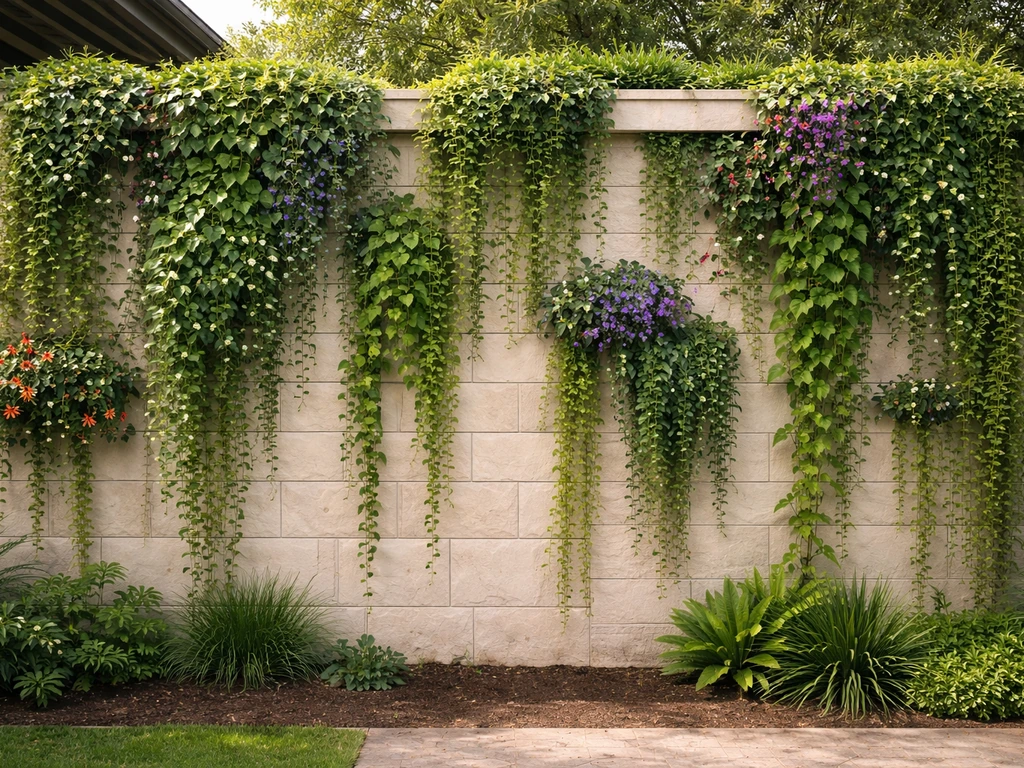
The best plants for vertical gardens are lettuce, herbs (basil, mint, parsley, chives), strawberries, nasturtiums, and compact climbers like peas and cucumbers. If you want the broader list beyond vertical towers, explore the best plants to grow in planters for your space and light level. If you want purely ornamental, go with pothos, ferns, English ivy, or climbing hydrangea. That covers about 80% of vertical gardens out there. But which ones will actually thrive for you depends on three things: how much sun your wall or structure gets, what growing system you have (pockets, trellis, planter boxes), and what season and climate you're working with right now.
Best Plants to Grow in Vertical Gardens by Sun and Season
Rachel Hartley
15 May 2026
How to choose the right plants for your vertical setup
Before you buy anything, nail down your light situation. This is the single most common mismatch in vertical gardening. A south-facing wall in full sun is completely different from a shaded north-facing fence, and plants don't forgive the error. Count real hours of direct sun: six or more hours means full sun, three to five is part sun or part shade, and fewer than three is shade. Edible crops like lettuce and herbs can work in part sun, but fruiting crops (cucumbers, tomatoes, strawberries) need full sun to actually produce.
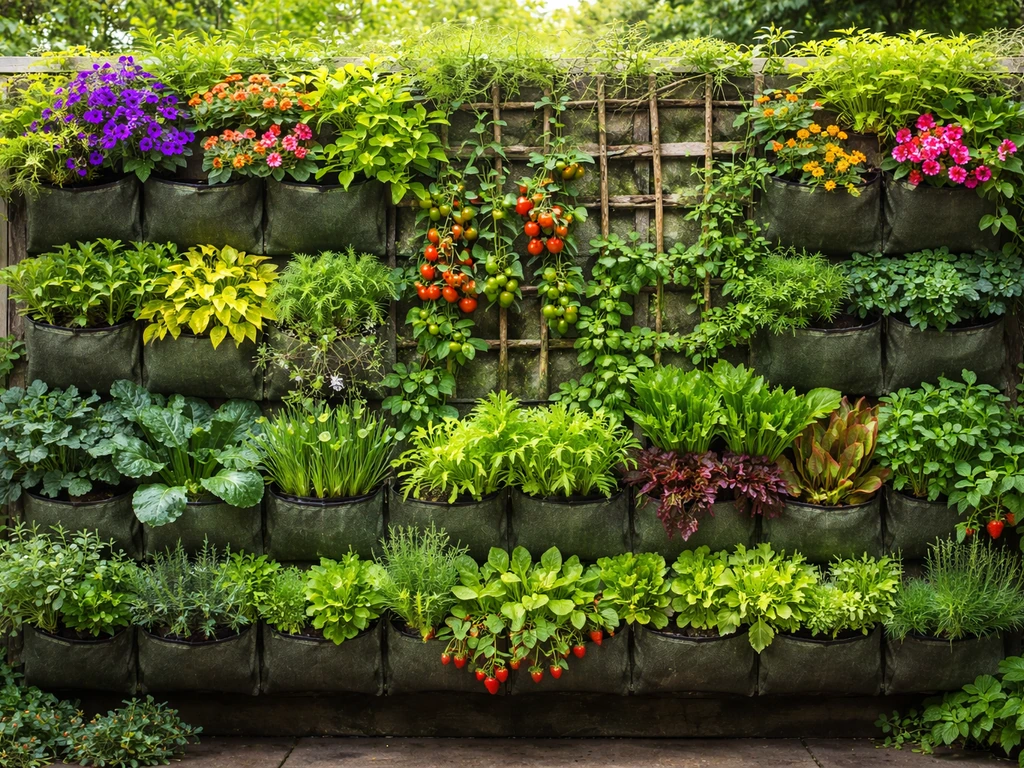
Next, think about your structure type. Trellis and wire systems are built for climbers that grip, twine, or need training. Wall pocket systems (felt, fabric, or hard-sided pocket planters) suit compact root systems best, which rules out deep-rooted crops but is perfect for lettuce, herbs, and trailing flowers. Living-wall planters and modular systems split the difference, but the pockets are still typically small, so you're looking at plants that don't mind confined root space. Balcony rail planters work well for trailers and compact edibles.
Finally, match your plant to your available maintenance time. Climbers like cucumbers and pole beans need regular training and pruning. Pocket plants like lettuce and herbs are more forgiving and mostly look after themselves once established. If you're newer to vertical gardening, start with herbs and greens before adding fruiting crops that need more hands-on attention.
Best edible plants for vertical gardens
Herbs
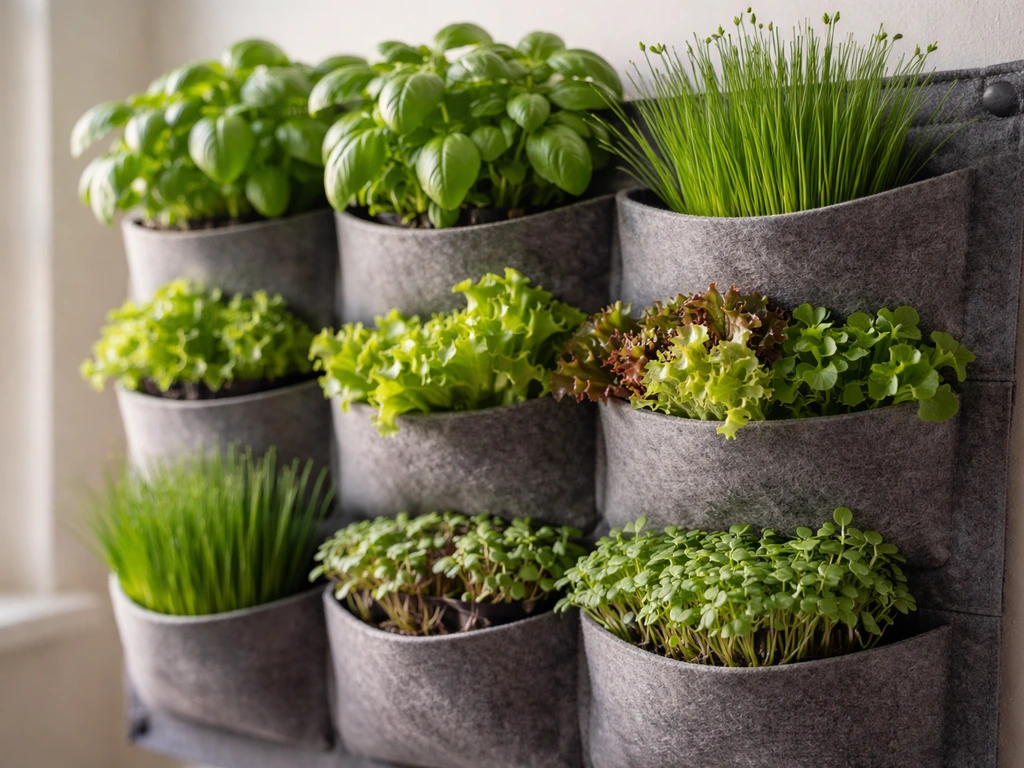
Herbs are the easiest win in any vertical garden. Basil, mint, chives, parsley, cilantro, and thyme all work well in pocket systems and shallow planters. Mint is aggressive so always give it its own pocket or it will crowd everything else. Basil wants full sun and consistent moisture. Thyme, rosemary, and oregano prefer it a little drier and actually do better in the naturally drier upper pockets of a vertical system. One practical tip: group herbs by their water needs. Thirsty herbs (basil, cilantro) go lower in the pocket system where it stays wetter, and drought-tolerant herbs (thyme, oregano, rosemary) go higher where it dries out faster.
Salad greens and microgreens
Lettuce, spinach, arugula, kale, and Swiss chard are ideal pocket plants. They have shallow roots, tolerate part shade (which is rare for edibles), and grow fast enough to give you multiple cuts per season. Looseleaf lettuce varieties outperform head types in pockets because you can harvest outer leaves repeatedly without pulling the whole plant. If you want something even faster, microgreens can be harvested as early as 7 to 14 days after germination for fast growers like pea shoots, or up to 21 days for slower species. Penn State Extension notes that microgreens are commonly harvestable about 7 to 21 days after germination, depending on species or cultivar and growing conditions microgreens can be harvested as early as 7 to 14 days after germination for fast growers like pea shoots, or up to 21 days for slower species.. They work well in shallow horizontal trays but can be adapted into vertical tray systems too.
Strawberries
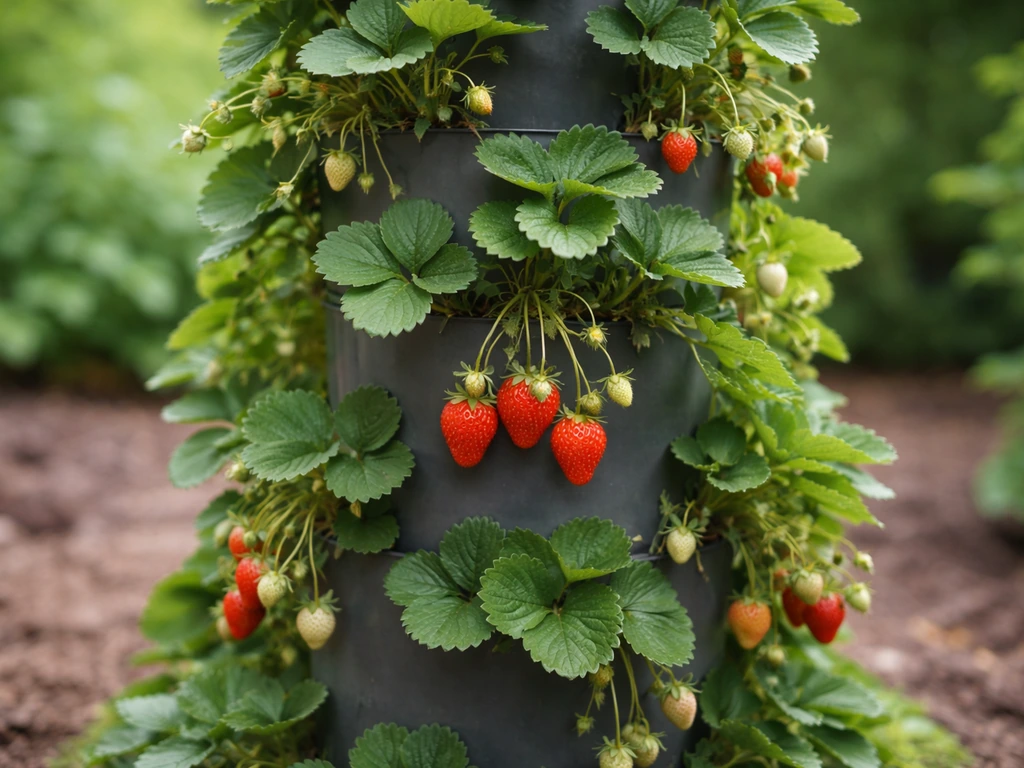
Strawberries were practically designed for vertical tower planters. They trail attractively, produce runners that look great cascading, and the fruit hangs away from the soil which reduces rot. Use containers at least 6 to 8 inches deep per pocket, ideally 10 to 12 inches if your system allows, for a healthier root zone. The real trick with vertical strawberry towers is getting water to the bottom pockets. One reliable method is to insert a perforated pipe down the center of the tower so water distributes evenly from top to bottom instead of just soaking the top. Plant everbearing varieties like 'Albion' or 'Seascape' for continuous fruiting rather than one big flush.
Compact fruiting crops on a trellis
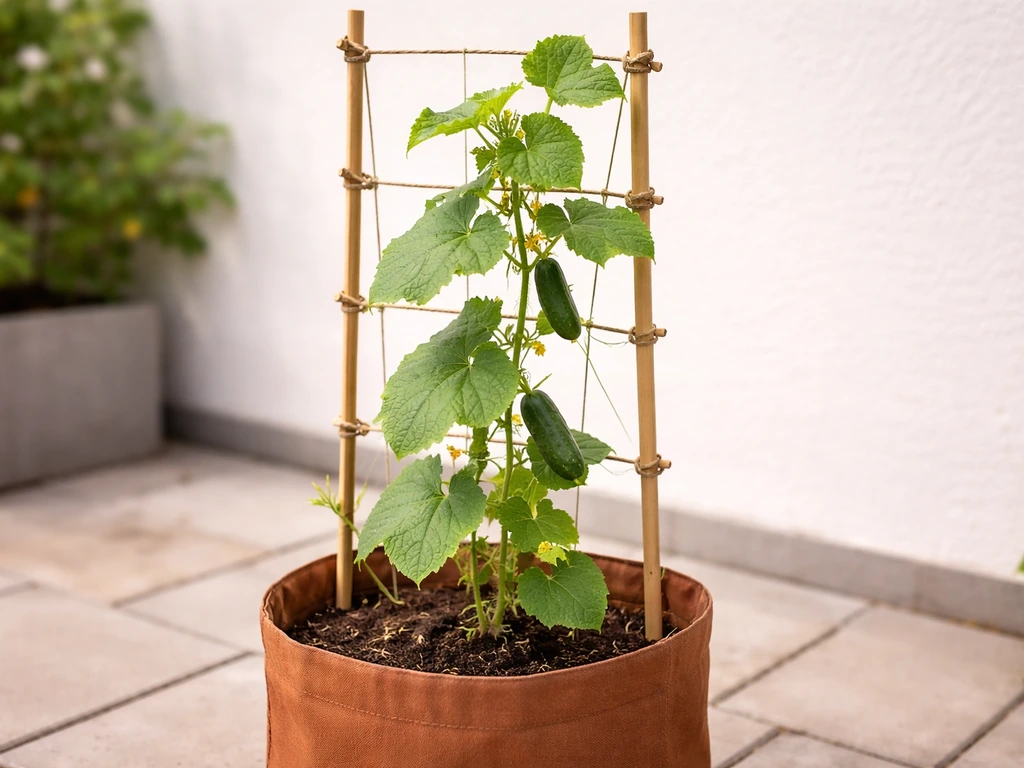
Cucumbers, pole beans, peas, and compact tomatoes are all genuinely vertical-garden-friendly, but they need the right setup. For cucumbers, choose bush types for containers and use a trellis for support and airflow. If you're growing a vining cucumber type, position the container right next to a trellis so the vine can climb freely. Same principle applies to summer squash: stick to bush varieties and stake them. Pole beans and snap peas are actually some of the easiest climbers to manage, since they twine naturally without much training from you. Cherry tomatoes trained up a single stake or cage work better than large indeterminate types, which become unwieldy in tight vertical setups.
Best ornamental and low-maintenance plants for vertical gardens
If you're going for looks over food production, you have a much wider range to work with. Pothos is practically bulletproof in shaded indoor vertical systems and trails beautifully. Ferns (Boston fern, maidenhair) do well in humid, part-shade conditions. Nasturtiums pull double duty as edible and ornamental, with bold orange and yellow flowers that trail from pocket planters. Impatiens and begonias perform well in shaded or part-shade walls where most other flowering plants would sulk.
For outdoor walls and fences, English ivy is one of the most adaptable options. It's hardy from Zone 4 through 9 depending on cultivar and handles everything from full sun to full shade, though it can get leaf scorch in intense winter sun. Wintercreeper (Euonymus fortunei) is another tough evergreen clinging vine that works in Zones 4 through 9, great for year-round green coverage on a wall or fence. For something more dramatic, climbing hydrangea is a showstopper. It prefers morning sun with afternoon shade, which makes it perfect for east-facing walls, and it tolerates all-day sun if you keep moisture consistent.
Trailers vs. climbers vs. pocket plants: choosing by growth habit
Understanding how a plant grows tells you exactly where to put it in your vertical system. These three categories map cleanly to the most common setup types.
| Growth Habit | Best System Type | Top Plant Picks | Key Requirement |
|---|---|---|---|
| Trailers (cascade downward) | Wall pockets, rail planters, tower pots | Strawberries, nasturtiums, sweet potato vine, pothos, creeping Jenny | Adequate pocket depth; regular watering |
| Climbers (grow upward with support) | Trellis, wire, pergola, vertical poles | Pole beans, peas, cucumbers, climbing hydrangea, English ivy | Sturdy anchor point; occasional training |
| Pocket/compact plants (stay contained) | Felt/fabric pocket systems, modular living walls | Herbs, lettuce, spinach, chives, ferns, impatiens | Shallow but consistent moisture; good drainage |
Mixing all three types in one vertical garden usually gives the best visual result and the most efficient use of space. Put climbers on a trellis behind or above a pocket system, trailers at the edges and mid-levels, and compact pocket plants filling the center. For walls you want to grow plants down (rather than up), trailers and self-clinging vines like ivy or wintercreeper are the right call.
Container, soil, and watering setup that actually works
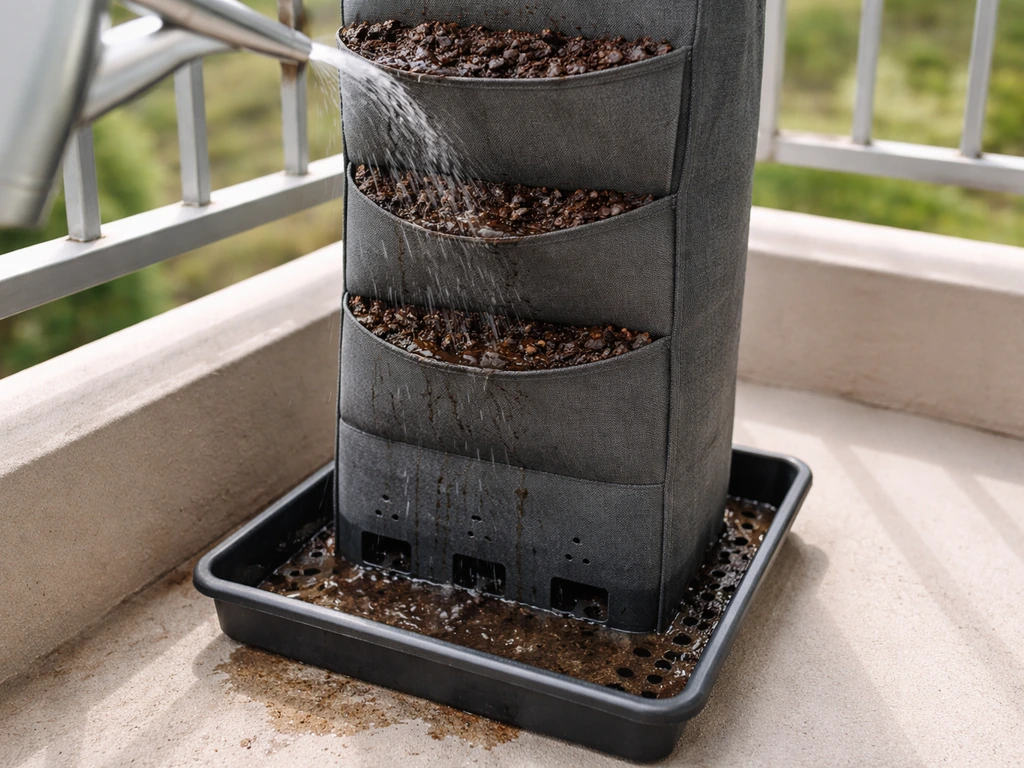
Drainage is non-negotiable in vertical gardening. Every pocket, planter, or container must have drainage holes so water can exit freely. Waterlogged soil starves roots of oxygen and kills plants fast in confined spaces. One thing to skip: don't bother putting gravel at the bottom of pots. Research from University of Illinois Extension shows it's a myth that gravel improves drainage. It actually raises the point where the soil stays saturated. Just use a quality potting mix and make sure the holes are there and unobstructed.
Use a proper potting mix, not garden soil or topsoil. Garden soil is too heavy and holds too much moisture in containers, which leads to compaction and root disease. Most vegetables in container setups do well in pockets or containers that hold at least 2 to 5 gallons of soil and reach at least 12 inches deep, though herbs and greens can get away with less.
Watering in vertical systems is trickier than in flat containers because gravity works against you. The top pockets dry out faster and the bottom ones can stay wet longer. Water slowly and check moisture at multiple levels, not just the top. Let the soil get partly dry between waterings rather than keeping it constantly wet. For vertical strawberry towers, that center pipe trick mentioned earlier genuinely makes a difference for even hydration.
Fertilizing matters more in vertical setups because nutrients leach out faster with frequent watering. At planting, work in a slow-release fertilizer. Then supplement every two to four weeks with a liquid fertilizer, especially for fast-growing crops like lettuce and basil where slow-release alone may not keep up with demand. Slow-release can be too gradual for rapid producers, so the liquid top-up keeps things on track.
What to grow right now based on season and climate
It's mid-May 2026, which puts most of North America squarely in prime planting season. Here's how to think about it by region.
- Pacific Northwest and Northern states (Zones 5-7): You're in a great window for herbs, lettuce, peas, and strawberries right now. Beans and cucumbers can go in once nighttime temps are reliably above 50°F, which should be imminent or already there. Climbing hydrangea, ivy, and ferns are ready to plant.
- Mid-Atlantic and Midwest (Zones 6-7): Full speed ahead for everything. Cucumbers, pole beans, tomatoes, herbs, and greens are all ready to go in now. Great timing for ornamental climbers too.
- Southeast and Gulf Coast (Zones 8-9): You're shifting into hot-season mode. Lettuce and spinach will bolt soon if they haven't already. Pivot to heat-tolerant herbs (basil, lemongrass), sweet potato vine, and heat-hardy trailers like nasturtiums for shadier walls. Save greens for a fall replant in September.
- Southwest and Texas (Zones 8-10): Similar to the Southeast. Shade-tolerant and drought-tolerant plants are your friends on hot walls. Consider drought-tolerant succulents like sedums in pocket systems for south-facing walls. Edibles do better on east-facing walls with morning sun.
- Canada and colder northern zones (Zone 4-5): If you're still getting frost risk, hold off on tender crops like basil, cucumbers, and beans for another two to three weeks. Herbs like chives and parsley, and greens like spinach, are frost-tolerant and fine to plant now.
- Indoor vertical gardens (any climate): Spring and summer light levels make this a great time to refresh indoor pocket walls with pothos, ferns, herbs, and trailing plants. Supplement with a grow light if your wall is more than a few feet from a window.
Common mistakes and how to fix them fast
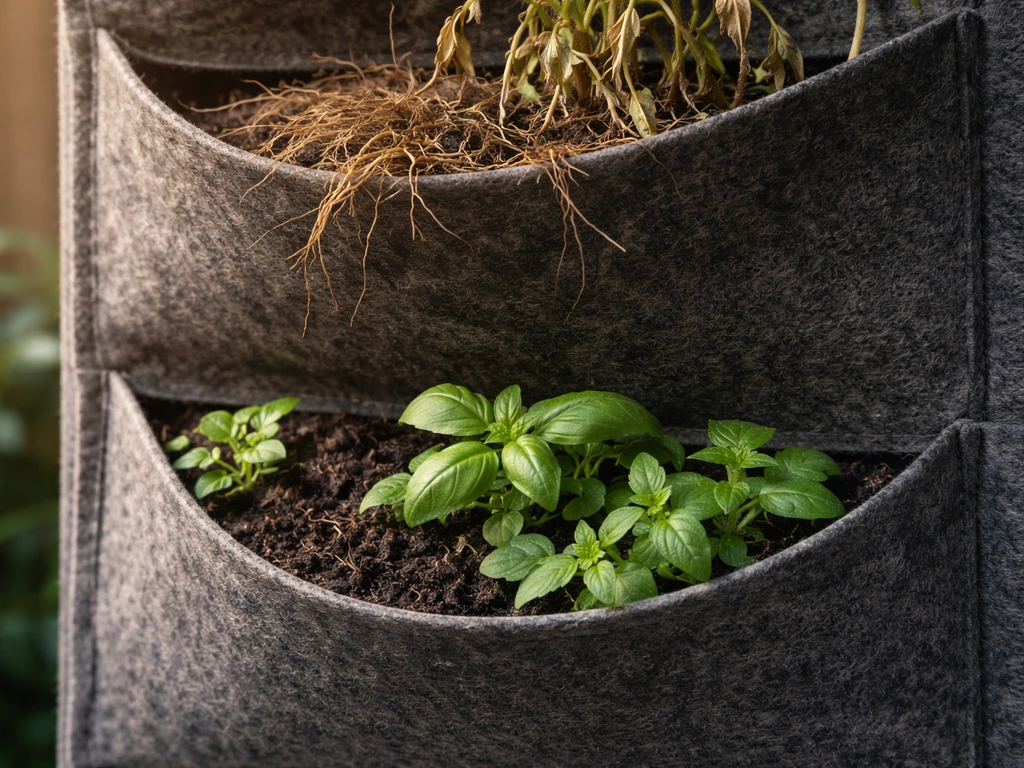
Roots drying out (especially in upper pockets)
This is the number one killer in pocket-style vertical gardens. Upper pockets lose moisture much faster than lower ones, and small root volumes dry out surprisingly quickly in warm weather. Fix it by checking upper pockets daily in summer, using a moisture-retaining potting mix, and considering a drip irrigation line if you have more than a few pockets. Self-watering inserts in pockets help a lot too.
Nutrient deficiency from leaching
Frequent watering flushes nutrients out of the small soil volumes in vertical planters faster than in ground beds. If your plants look pale, yellow, or stop growing despite good light and water, they're probably hungry. Add a liquid fertilizer every two to four weeks on top of any slow-release granules at the base.
Wrong plant for the light
Putting a sun-loving crop like tomatoes or cucumbers on a north-facing shaded wall is a guaranteed disappointment. They'll grow leggy and produce almost nothing. Flip it and put shade-tolerant lettuce or ferns in full sun and they'll bolt or burn. Do a real light assessment before buying plants, not just a guess based on which way the wall faces.
Overcrowding and training problems
One plant per pocket, no exceptions. Crowding two herbs or two lettuce plants into a single pocket creates competition that makes both underperform. For climbers on a trellis, check weekly and redirect any wayward stems before they tangle with neighboring plants. Pole beans and cucumbers especially need early training in the first few weeks to establish the growth direction you want.
Choosing plants that are too large for the system
Indeterminate tomatoes, large squash vines, and deep-rooted perennials will quickly outgrow a pocket system. Stick to compact or bush varieties for any fruiting crops. Zucchini especially sounds like a vertical garden candidate but needs a big container (at least 5 gallons) and gets enormous, so it works better in a large standalone planter than a pocket wall. Save the pocket systems for shallow-rooted plants and use a trellis or large planter for anything that sprawls or climbs aggressively.
If you're also thinking about horizontal container setups or planter boxes alongside your vertical garden, many of the same plant picks apply there too, though the spacing, soil depth, and training needs differ. Starting with a vertical herb wall and a couple of trellis-trained cucumber plants is genuinely one of the most satisfying beginner setups you can try, and it's very achievable by anyone with a sunny wall and a few hours on a weekend.
FAQ
What should I do if my vertical garden is in part shade but I still want to grow fruiting plants like strawberries or cucumbers?
Choose heat-light tolerant varieties and scale expectations. Strawberries can handle part sun with lighter yields, but cucumbers and tomatoes generally need true full sun for consistent fruiting. If your hours are closer to 3 to 5, use trellis crops higher up only where direct sun is longest, and keep greens or herbs on the shadier pockets to maintain productivity.
How can I tell whether a pocket planter is over- or under-watered without guessing?
Check two places, not one: the top pocket and the pocket halfway down (or the bottom if you can access it). Under-watered pockets feel dry below the surface and plants wilt even midday, over-watered pockets stay dark and heavy and can smell sour. If you see yellowing plus constant dampness, prioritize drainage checks and water less frequently rather than adding more fertilizer.
Can I use self-watering inserts or reservoir systems in vertical pockets, or will they cause root problems?
They can work well, especially for dry upper pockets, but only if the reservoir is designed to allow periodic drainage and the outlet never stays blocked. Use inserts that still let oxygen reach the root zone, and avoid designs where excess water has nowhere to go. If plants look limp despite wet mix, stop using the reservoir until you verify flow and drainage hole clearance.
Do I need to start seeds in a vertical garden, or is it better to transplant?
Transplanting is usually easier for vertical setups because small roots in tiny pockets dry out quickly during seedling stages. If you start from seed, begin in a separate tray, then move only when the roots are established enough to hold soil. This reduces failure from moisture swings while seedlings are fragile.
How deep should soil be for herbs and greens compared with strawberries or climbers?
For pocket greens like lettuce and arugula, shallow pockets can work because the roots stay near the surface. Herbs are similar, but strawberries need notably more room, aim for at least 6 to 8 inches per pocket and ideally more if your system allows. Climbers on trellises need a stable root volume in their container or pocket, so prioritize a properly sized pocket over filling gaps with thinner soil.
Why are my herbs (especially basil) growing tall and weak in a vertical garden?
Light shortage is the first suspect. Even if the plant survives, basil tends to stretch and decline when it does not receive enough direct sun. Also confirm that you are not overcompensating with fertilizer, nitrogen-heavy feeding without adequate light leads to weak growth. Move the basil to the brightest pockets, keep moisture more consistent, then adjust feeding to light liquid top-ups only if growth lags.
Is it true that I should never put gravel in the bottom of vertical pots?
Gravel at the bottom usually does not improve drainage, because water still saturates the soil above the gravel layer. In vertical systems, it can worsen the issue by raising the saturated zone, so focus on using a quality potting mix and making sure drainage holes are open. If you want more stability or weight, use structural inserts designed for that purpose rather than loose gravel.
How do I prevent mint from taking over in a pocket-style vertical garden?
Grow mint only in its own pocket or in a dedicated contained insert so roots cannot spread into neighboring containers. Even with careful spacing, mint rhizomes can creep through gaps and crowd adjacent herbs. If you want multiple herb pockets, separate mint into one section and treat it as its own micro-zone for watering.
What’s the best way to arrange plants so they don’t compete for water and nutrients?
Use a watering map. Place thirstier herbs and greens (like basil or cilantro) toward the areas that stay wetter, and put drier, drought-tolerant herbs (like thyme, oregano, or rosemary) higher in the system where upper pockets dry faster. For mixed gardens, keep one plant per pocket and avoid doubling up with species that have different watering needs.
Can I grow cucumbers or pole beans on the same vertical trellis as other plants?
Yes, but control the canopy early. Cucumbers and pole beans need airflow and training so they do not shade shorter pocket plants or tangle with neighboring stems. Put taller climbers above or behind the pocket section and redirect new growth weekly during the first few weeks, then thin and prune to maintain access and light.
Why are my strawberry towers only producing fruit at the top?
The most common cause is uneven watering reaching lower pockets. Even with regular top watering, water can short-circuit and never soak the bottom consistently. Use the center perforated pipe method (or an equivalent distribution approach) so water moves through the tower evenly, then verify by checking moisture levels at multiple heights after watering.
What is the most common mistake that ruins vertical gardens in summer?
Upper-pocket drying. Small soil volumes heat up and lose moisture quickly, so plants can fail even when the garden looks fine lower down. Check upper pockets daily in hot weather, consider a moisture-retaining potting mix, and add drip or self-watering inserts if you have many pockets you cannot monitor frequently.
How often should I fertilize in a vertical garden, and should I stop fertilizing once growth looks good?
Expect more frequent feeding than in-ground gardens because nutrients leach out with repeated watering. Use slow-release at planting, then plan liquid fertilizer top-ups every two to four weeks for most fast growers. Do not stop early just because leaves look green, if production stalls (few flowers or poor fruit set), you may need consistent feeding rather than less.
Next Article
Best Plants to Grow Down a Wall: Practical Guide
Discover the best plants to grow down a wall, matched to sun, wall type, support, and seasonal timing.