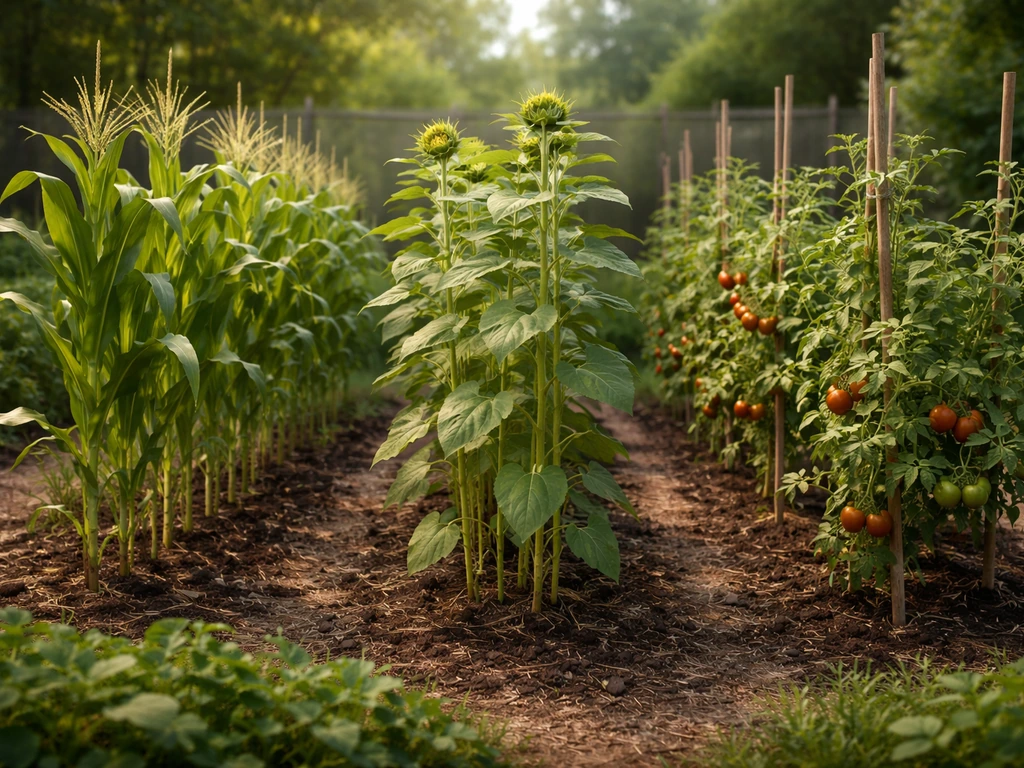
In the Roblox game Grow a Garden, Hinomai is a mythical-rarity, multi-harvest crop classified as a Flower, Zen, and Stalky type plant. It was introduced during the Zen Event and can only be obtained by opening Zen Seed Packs or Exotic Zen Seed Packs, with roughly a 4.5% drop chance per pack. Because it's both rare and multi-harvest, it's one of the more valuable event crops in the game.
What Type of Plant Is Hinomai in Grow a Garden?

Rachel Hartley
5 Jul 2026
What 'Hinomai' Actually Is (and Why the Name Causes Confusion)
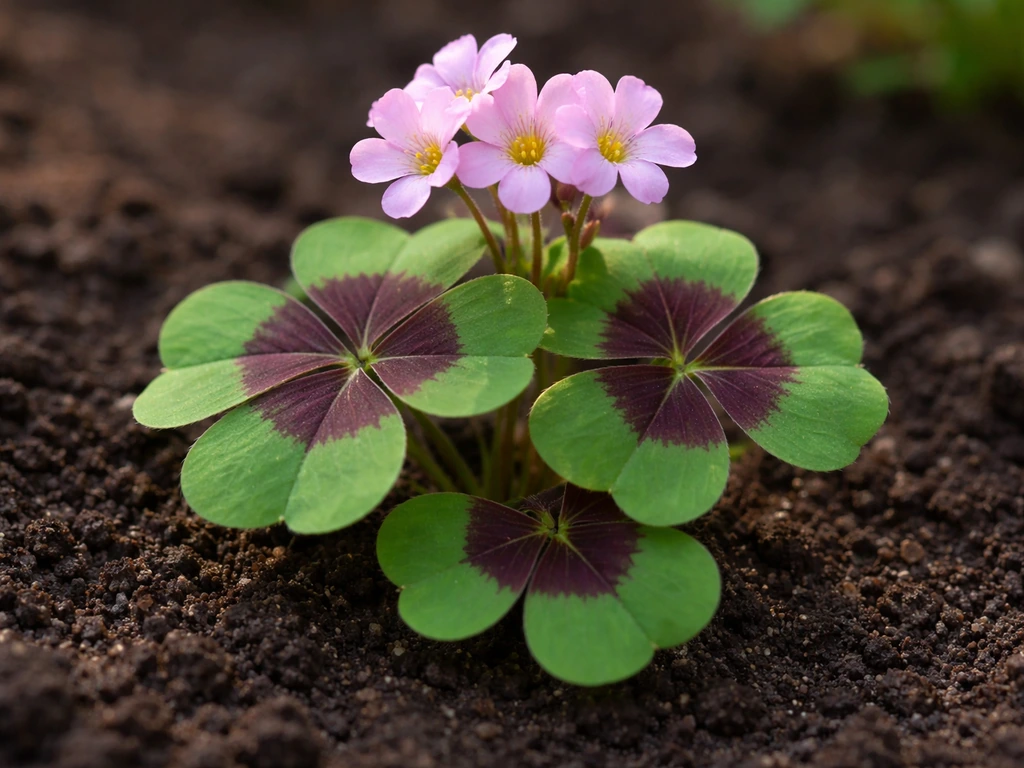
Hinomai is a game-specific crop name from Grow a Garden, not a real-world plant cultivar or species. If you searched hoping to find it at a nursery or in a seed catalog, you won't. The name belongs entirely to the game's Zen Event content. That said, Hinomai's in-game appearance is directly inspired by real-world plants: it's described as having a stem similar to Boneboo with white spine-like sticks, and its produce is a distinctive four-leaf pink flower.
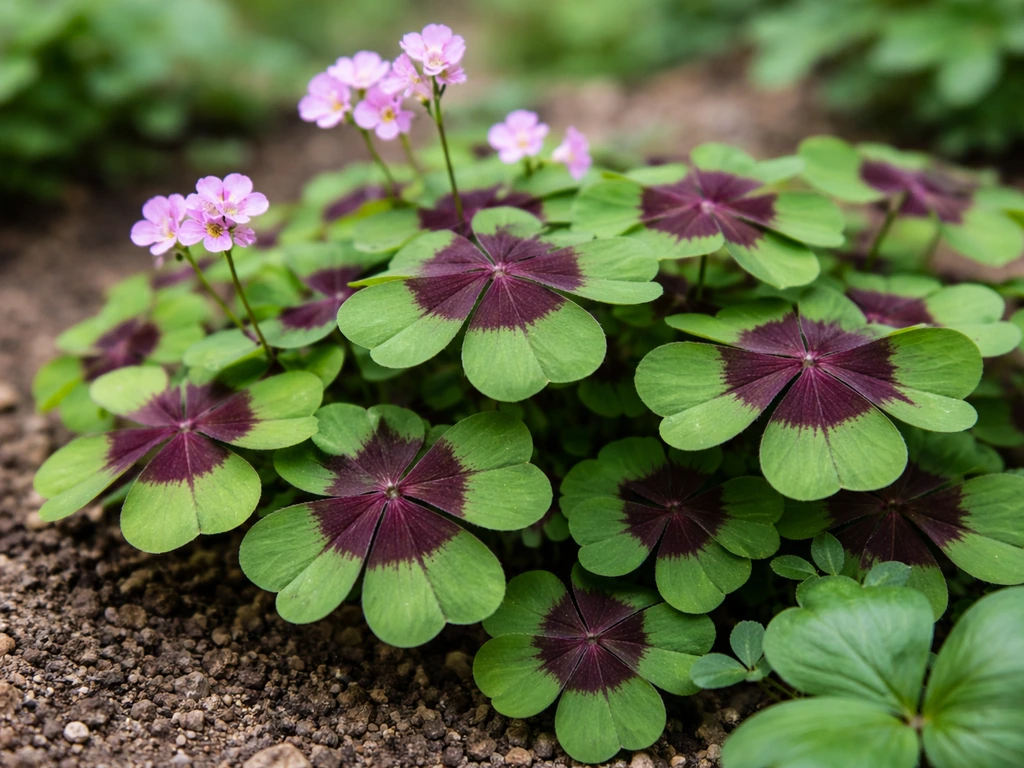
That visual closely mirrors Oxalis tetraphylla, the iron cross oxalis or four-leaf pink sorrel, which is sometimes sold under the synonym Oxalis deppei. So if you're trying to grow something in real life that matches what Hinomai looks like in the game, Oxalis tetraphylla is your best match.
The confusion often comes from players seeing the four-leaf pink flower look and searching for a real-world equivalent, or from gardeners who heard the name Hinomai and assumed it was a cultivar of something. It's neither. Within the game, Hinomai is a Stalky-type flower, which is relevant if you're comparing it to other crops in your in-game garden layout. If you're interested in how Hinomai compares to other stalky plants in Grow a Garden, those comparisons are worth exploring separately. If you want a quick comparison point for planning your in-game layout, check the guide to best stalky plants grow a garden for extra ideas on similar Stalky-type crops.
How to Confirm You Have the Right Plant (In-Game and Real-World)
Identifying Hinomai in Grow a Garden
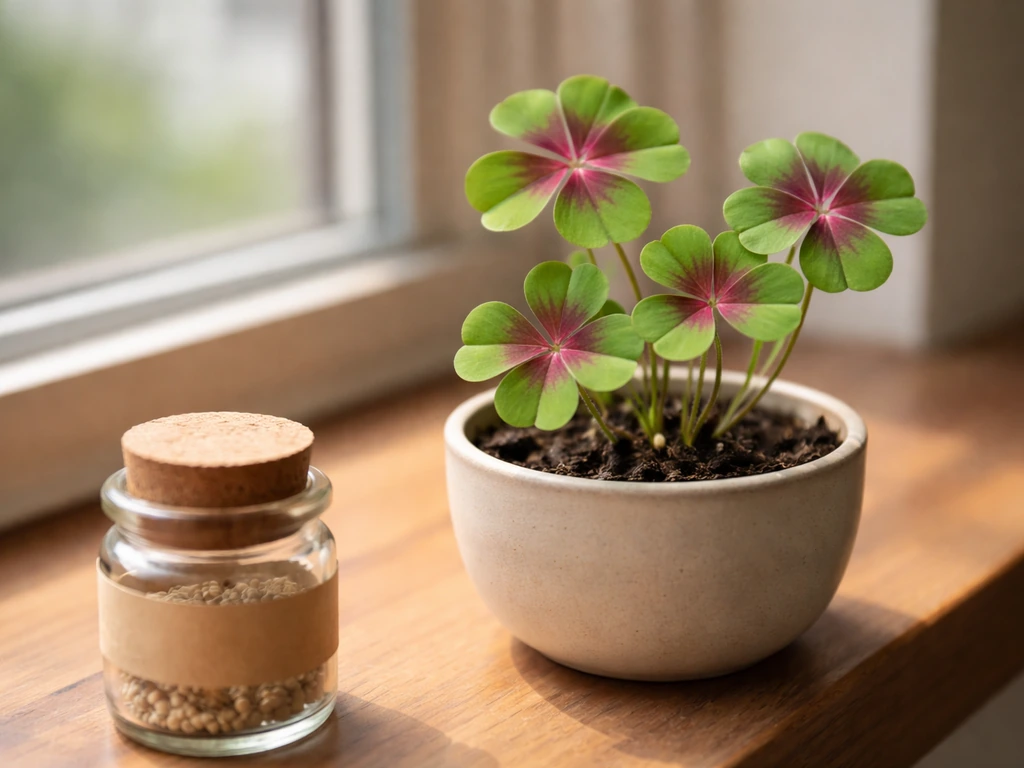
Inside the game, confirming you have Hinomai is straightforward. The seed will be labeled as 'Hinomai Seed' in your inventory, and it's only obtainable from the Zen Seed Pack or Exotic Zen Seed Pack. Once planted, look for the white spine-like stalks as the plant grows. The fruit/produce stage shows the four-leaf pink flower. If you're not sure what you planted, check the Garden Guide feature in-game, which lists Hinomai among its daily-lookup crop entries. The classification in the guide will confirm it as a Flower, Zen, and Stalky type.
Identifying the Real-World Equivalent (Oxalis tetraphylla)
If you want to grow the real-world plant that inspired Hinomai's look, here's how to confirm you've got the right thing at the nursery or in your garden. Oxalis tetraphylla has four heart-shaped leaflets per leaf, often with a dark purple or maroon cross-shaped marking in the center of each leaf cluster. That's the 'iron cross' pattern the name refers to. Flowers are small, funnel-shaped, and pink to purple, appearing in clusters above the foliage.
The plant grows from small, somewhat irregular bulbs rather than seeds in most commercial sales. On nursery labels, look for: Oxalis tetraphylla, Oxalis deppei, 'Iron Cross' oxalis, or four-leaf sorrel. The plant tops out at around 20 to 30 cm (8 to 12 inches) tall and spreads as a low clumping ground cover.
- Four leaflets per leaf, not three (unlike common shamrock-type oxalis)
- Dark maroon or purple cross/chevron markings on each leaflet
- Pink to purple small funnel-shaped flowers in clusters
- Grows from small, scaly bulbs (not seeds in most nursery stock)
- Label may say Oxalis deppei — this is the same plant as O. tetraphylla
Best Growing Conditions for Oxalis tetraphylla (Hinomai's Real-World Match)
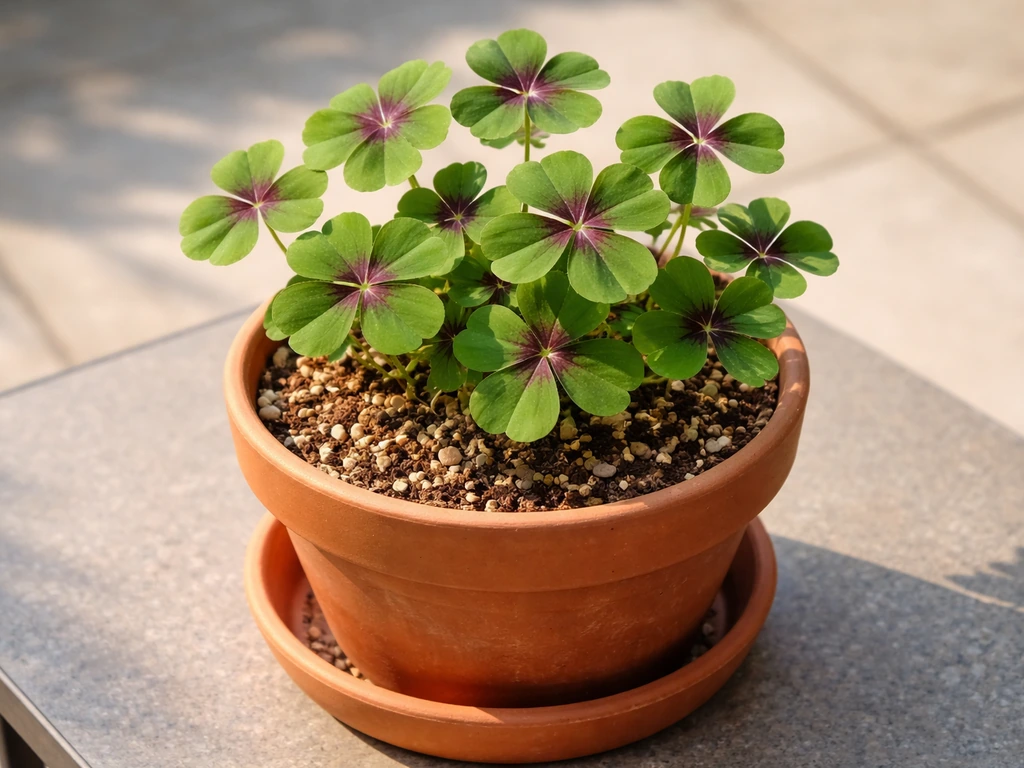
Getting conditions right makes the difference between a plant that barely survives and one that flowers reliably for months. Here's what Oxalis tetraphylla actually needs. For a practical light and watering schedule reference, Greg also summarizes Oxalis tetraphylla care needs and provides a simple care-format to follow blank" rel="noopener noreferrer">here's what Oxalis tetraphylla actually needs. So, if you are wondering is pitcher plant tropical in grow a garden, that question is really about climate and growing conditions rather than the plant’s game name Oxalis tetraphylla actually needs.
| Factor | Ideal Conditions | Notes |
|---|---|---|
| Light | Full sun to partial shade | Flowers open in sun and close at night or on cloudy days; afternoon shade helps in hot climates |
| Soil | Well-drained, moderately fertile | Does not tolerate soggy or waterlogged soil; mix in compost if soil is heavy clay |
| Watering | Water when top 1-2 inches of soil are dry | Overwatering is the most common killer; reduce watering significantly during dormancy |
| Temperature | USDA Zones 8-9 outdoors year-round | Treat as a tender bulb in Zones 7 and below; lift and store bulbs before frost |
| Humidity | Average; not fussy | Good air circulation helps prevent fungal issues |
One thing worth calling out on light: intense afternoon sun in hot climates (think July in Arizona or Texas) can fade the iron cross leaf markings and scorch the foliage. If you're in a hot region, a spot with morning sun and afternoon shade is the sweet spot. Indoors, bright indirect light works well.
Planting and Care Steps
Container vs. Ground: Which Is Better?
Oxalis tetraphylla works well in both containers and ground planting, but containers give you a big advantage in colder climates: you can bring them indoors before frost without digging up bulbs. If you're in Zone 7 or colder, containers are the practical choice. In Zones 8 to 9, ground planting is fine and the plant can stay put year-round. In very warm climates (Zone 10 and above), the plant may go summer-dormant in extreme heat, so partial shade and consistent moisture matter more.
Step-by-Step Planting Guide
- Plant after the last frost date in your area, typically April to May in most of the US. In mild climates (Zones 8-9), you can plant in early spring.
- Choose a container with drainage holes (at least 6 inches deep) or prepare a well-drained garden bed by working in compost to a depth of 6 to 8 inches.
- Plant bulbs shallowly: cover with about 1 to 1.5 inches of soil. Deeper planting delays emergence and risks rot in heavy soils.
- Space bulbs about 4 to 6 inches apart. They'll fill in and create a dense clump, which is the look you want.
- Water in gently after planting, then let the soil partially dry before watering again. Resist the urge to keep it constantly moist.
- Expect foliage to emerge within 2 to 3 weeks. Flowering typically begins 6 to 10 weeks after planting and continues through summer into fall.
- Feed with a balanced, low-nitrogen fertilizer once a month during the active growing season. Too much nitrogen pushes leafy growth at the expense of flowers.
- In Zones 7 and below, dig up bulbs after the first frost kills the foliage, let them dry for a few days, and store in a cool, dry, frost-free location (paper bag or cardboard box) until spring.
Common Problems and How to Fix Them
Overwatering and Root Rot
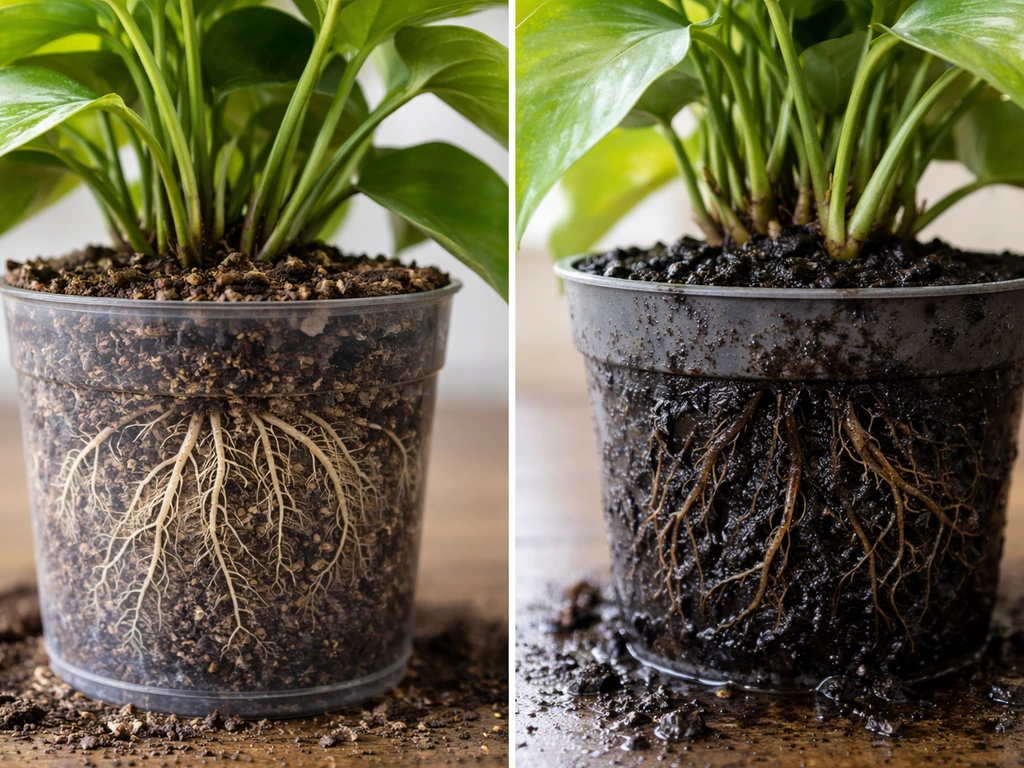
This is by far the most common problem. If your plant looks droopy despite regular watering, overwatering is almost always the cause, not underwatering. The symptoms look similar, which trips people up. Stop watering, let the soil dry out completely, then check the bulbs. Mushy bulbs are rotten and won't recover. Firm bulbs just need better drainage going forward. Switch to a well-draining mix and a pot with proper drainage holes.
Pests
Spider mites are the main pest to watch for, especially on plants kept indoors or in hot, dry conditions. Look for fine webbing on the undersides of leaves and a stippled, dusty appearance on the foliage. A strong spray of water knocks them back, or use neem oil or insecticidal soap for more persistent infestations. Aphids occasionally visit but are easy to deal with: just spray them off with water or use insecticidal soap.
Leaf Scorch and Fading Markings
If the iron cross leaf markings fade or leaf edges look crispy and brown, the plant is getting too much intense direct sun or isn't getting enough water during hot spells. Move it to a spot with some afternoon shade and check watering frequency. This isn't fatal; the plant often recovers when conditions improve.
No Flowers
If you're getting plenty of leaves but no blooms, it's usually one of three things: too much shade, too much nitrogen fertilizer, or the plant going through a dormancy period. Cut back on fertilizer, make sure it's getting at least a few hours of direct sun, and be patient. Flowering naturally slows and stops as the plant approaches dormancy in late fall.
Dormancy Confusion
Oxalis tetraphylla goes dormant, and when it does, the foliage dies back completely. A lot of people think the plant is dead and throw it out. Don't. Reduce watering dramatically, stop fertilizing, and wait. The bulbs are still alive. Once temperatures and light conditions trigger regrowth, new foliage will emerge.
What Hinomai (and Its Real-World Counterpart) Is Grown For
In Grow a Garden
In the game, Hinomai is grown primarily for its value as a multi-harvest mythical crop. Unlike single-harvest plants, you don't have to replant it each cycle, which makes it efficient for in-game coin farming once you've secured a seed. If you're also comparing real-world gardening options, look at the best single harvest plants to round out your garden plan.
The plant has specific growth time and fruit growth time stats that determine how quickly you can harvest, and mutations (including 'Huge' variants) can significantly increase its value. Because it's a Zen Event plant, it's also a status item, having one in your garden signals to other players that you either got lucky with pack RNG or invested in Exotic Zen Seed Packs.
In Real-World Gardening
Oxalis tetraphylla is primarily an ornamental plant, grown for the combination of its striking iron cross leaf markings and its cheerful pink flower clusters. If you’re wondering how many tropical plants to grow in your garden, remember that Oxalis tetraphylla is a real-world inspiration for Hinomai rather than a true tropical species ornamental plant. It works well as a container specimen on a patio, a border edging plant, or a ground cover in warm climates.
It's not a food plant in any mainstream sense, though technically Oxalis species have edible leaves with a tart, lemony flavor (the sourness comes from oxalic acid). Flowering begins in late spring and can continue through summer and into fall, giving you several months of color.
In-Game: How to Actually Get Hinomai Seeds
Getting Hinomai in Grow a Garden comes down to pack luck. Your main routes are the Zen Seed Pack (free or earnable in-game) and the Exotic Zen Seed Pack (the Robux-based premium version). The Exotic Zen Seed Pack page lists Hinomai with a 4. 5% chance in its seed table [Exotic Zen Seed Packs](https://growagarden.
wiki/ExoticZenSeed_Pack). Both have approximately a 4. 5% chance per pack of dropping Hinomai. There's no way to guarantee it, it's pure RNG.
Community players report varying luck, with some getting it in early packs and others opening many packs without a drop. If you're farming for Hinomai, open as many Zen Seed Packs as you can accumulate during the Zen Event window, since it's a limited-time crop and won't be available indefinitely.
Buying the Real-World Plant: What to Look For
If you want to grow the real-life Oxalis tetraphylla that inspired Hinomai's look, the best time to shop is late winter through early spring, when bulb suppliers stock them. You have two main buying routes: nursery transplants (usually in 4-inch pots) or dormant bulbs from bulb specialists or online retailers.
| Option | Pros | Cons | Best For |
|---|---|---|---|
| Nursery transplants | Already growing, easier to identify correctly | More expensive per plant, limited availability | Beginners, one or two plants for a container |
| Dormant bulbs (online/specialty) | Cheaper per bulb, can buy in quantity, better selection | Requires correct planting timing, slight ID risk | Filling a border, buying in bulk, experienced growers |
| Seeds | Very inexpensive | Slow to establish, less reliable for this species | Rarely the best choice for Oxalis tetraphylla |
When buying bulbs, look for firm, plump bulbs with no soft spots or visible mold. Labels to search for: Oxalis tetraphylla, Oxalis deppei, 'Iron Cross', or four-leaf sorrel. Avoid anything labeled just 'shamrock oxalis' without the tetraphylla or Iron Cross identifier, as there are many Oxalis species and they have different growth habits and hardiness. For regional suitability: if you're in Zones 8 to 9, any supplier works fine. If you're in Zone 7 or colder, look for suppliers that specifically mention container growing or indoor overwintering for this variety, since you'll need to treat the bulbs as tender and bring them in before hard freezes.
If you've been exploring what types of plants make sense for your garden in Grow a Garden generally, Hinomai sits in interesting company alongside other event-based and mythical crops. If you are asking whether the poseidon plant is good in Grow a Garden, compare its role and harvest behavior against Hinomai and other event crops. Its classification as both a Flower and Stalky type means it counts toward multiple garden category bonuses, which is worth factoring in when you're planning your plot layout.
FAQ
Can I grow Hinomai without buying Zen Seed Packs or Exotic Zen Seed Packs?
In Grow a Garden, Hinomai is tied to the Zen Event content, so you cannot get it through normal farming or crafting. If you have no option to buy seeds from the Zen Seed Pack menu, you are likely outside the event window, and the only way forward is to wait for the Zen Event return or use any available Exotic Zen Seed Packs during that period.
How do I double-check I actually planted Hinomai and not a different Zen crop?
No, the game uses item labels to confirm identity. If your inventory shows “Hinomai Seed,” you have the correct crop, and the Garden Guide entries should categorize it as Flower, Zen, and Stalky type. If the seed name is different or the guide entry does not list Hinomai, stop and verify before spending resources on planting.
Does “multi-harvest” mean I can ignore Hinomai after planting?
Even though Hinomai is multi-harvest, that does not mean it never needs attention. In practice, its value comes from completing repeated harvest cycles as long as you maintain the required in-game growth and care timing for the crop stage. If you miss cycle windows, your output drops even though you do not replant each cycle.
What nursery label wording most reliably identifies the real-world plant that looks like Hinomai?
If you are trying to match Hinomai to a real plant, the easiest confirmation is the “iron cross” marking, which is typically a dark cross or maroon center on each leaf cluster. Many sellers use broad “oxalis/shamrock” names, so rely on the specific labels Oxalis tetraphylla, Oxalis deppei, “Iron Cross” oxalis, or four-leaf sorrel rather than just common “shamrock oxalis.”
My Oxalis looks droopy, how can I tell overwatering from underwatering?
If your Oxalis tetraphylla is drooping despite regular watering, don’t increase water. Check bulbs for softness, because rot from overly wet soil is the most common cause of persistent droop. Use a well-draining potting mix and make sure the container has drainage holes, then water only after the soil partially dries.
If the leaf markings fade or scorch, what should I change first?
For the real plant, choosing morning sun with afternoon shade is mainly about protecting the leaf markings and preventing scorch in heat. If you notice crisp, brown leaf edges or fading patterns, move it to slightly more shade and adjust watering for hotter days, since recovery usually depends on reducing stress rather than changing fertilizer.
My Oxalis died back completely, is it actually dead?
It is normal for Oxalis tetraphylla to fully die back during dormancy. When that happens, reduce watering dramatically and stop fertilizing rather than discarding the plant. The bulbs should remain alive, and regrowth typically returns when temperatures and light levels improve.
Why does my Oxalis have leaves but no pink “four-leaf” flowers?
If you are getting lots of leaves but no flowers, first check light level, then fertilizer. Too much shade commonly stops blooms, and heavy nitrogen can push leaf growth over flowering. Also consider seasonal timing, since flowering naturally slows as the plant approaches dormancy in late fall.
What pest is most likely to hit indoor Oxalis tetraphylla, and how do I spot it early?
For indoor or hot, dry conditions, spider mites are the most common issue. Look for fine webbing on leaf undersides and stippled, dusty-looking foliage. A forceful water rinse can knock them down, and for repeat infestations you can switch to insecticidal soap or neem oil, following label directions.
What is the smartest way to farm Hinomai during the Zen Event if I care about value and time?
In Grow a Garden, Hinomai’s rarity and multi-harvest nature make it high-value, but it is also an RNG-limited drop. Community strategy is to open as many Zen Seed Packs as you can accumulate during the Zen Event window, then use Exotic Zen Seed Packs if you are prioritizing speed over cost, since there is no deterministic method to guarantee a drop.
Next Article
Best Stalky Plants: Grow a Garden of Upright Stems
Pick the best stalky plants for your garden, with planting dates, spacing, care tips, and a staggered schedule.