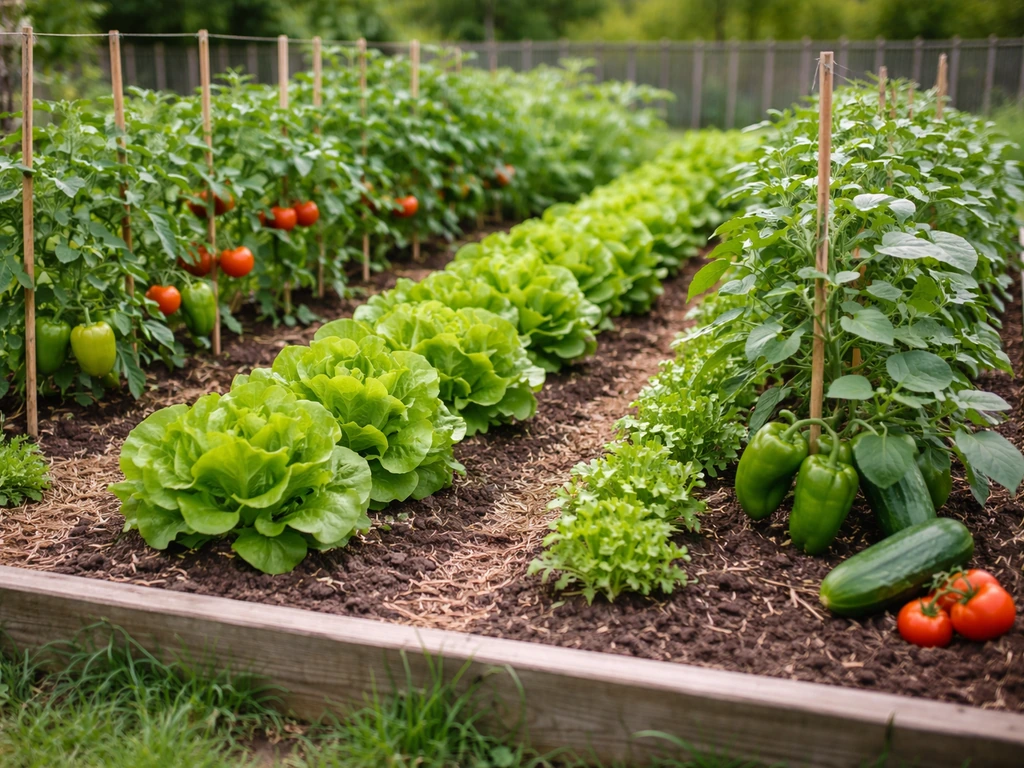
The best stalky plants to grow in a garden right now are sunflowers, corn, dahlias, hollyhocks, tomatoes, and fennel. If you are also wondering what type of plant is Hinomai in Grow a Garden, it helps to match it to the right growing conditions so it performs like the stalky plants in this guide.
Best Stalky Plants: Grow a Garden of Upright Stems
Rachel Hartley
31 May 2026
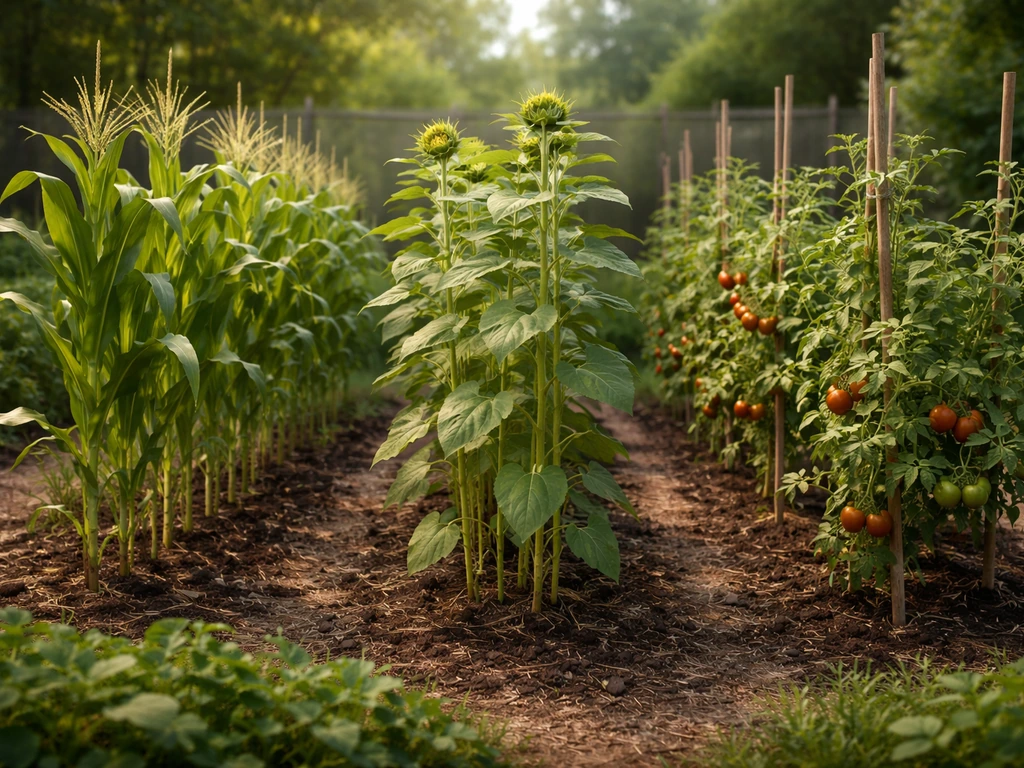
These are upright, stem-forward plants that grow tall, produce thick or distinctive stalks, and deliver real results whether you want food, cut flowers, or a bold visual structure in your beds. Which ones you should actually plant depends on where you live, what your soil and sun situation looks like, and whether you're feeding your family or just want something dramatic to look at.
If you're wondering whether the Poseidon plant is a good choice for your grow a garden setup, pick based on your sunlight, soil, and how tall and upright you want your plants to be Which ones you should actually plant. This guide walks through all of it.
What 'stalky' means in garden terms (and why it matters)
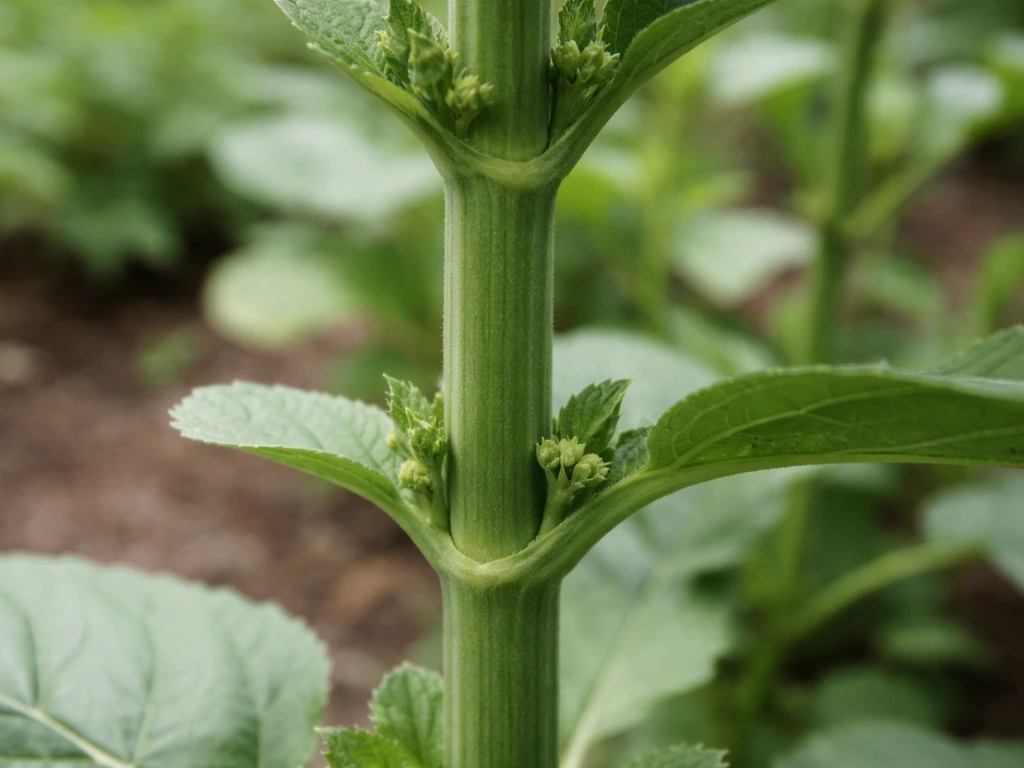
In garden terms, a stalky plant is one where the stem itself is a defining feature. These are plants that grow upright, often tall, with thick or rigid central stems that give the plant a column-like or architectural quality. Think of a 6-foot sunflower, a corn stalk, a bamboo cane, or a hollyhock that climbs past your fence. The stalk isn't just support structure. It's often the whole point.
Botanically, stems are made up of nodes (where leaves and flowers attach) and internodes (the segments in between). The length of those internodes is what determines whether a plant looks lush and stacked or stretched and spindly. When a plant gets too little light, it elongates its internodes trying to reach the sun. That's called etiolation, and it's the enemy of a good stalky plant. The goal is always compact internodes, which you get from full sun, good fertility, and appropriate spacing.
Why grow stalky plants? A few reasons. They add vertical height that most gardens desperately need. They draw the eye upward and make a small space feel intentional rather than flat. Many of the best edible plants (corn, tomatoes, peppers, fennel) are stalk-forward growers. And taller plants can double as natural windbreaks or privacy screens. If you've been growing low, spreading plants and your garden feels like a flat carpet, adding a few strong verticals changes everything.
Quick picks: the best stalky plants sorted by what you want
Before getting into the details, here's a practical shortlist. Your specific choices should narrow down from here based on your region and season, which we cover next.
For edible harvests
- Corn (Zea mays): The classic stalk plant. Grows 5 to 8 feet, needs full sun and a block planting for pollination. Harvest in about 60 to 100 days depending on variety.
- Tomatoes (indeterminate varieties): Roma is compact; beefsteak and cherry varieties can hit 6 feet or more. These need staking or caging but reward you with months of fruit.
- Fennel (Foeniculum vulgare): Grows 4 to 6 feet with hollow, ridged stalks and feathery tops. Both bulb fennel and herb fennel qualify. Drought-tolerant once established.
- Kale and Brussels sprouts: Both develop a central woody stalk over the season. Brussels sprouts especially become a slow, towering producer with tight nodal clusters up the stem.
- Leeks: Tall, upright alliums with thick white stalks. Very low maintenance once planted, and they don't mind partial shade as much as most stalky crops.
For flowers and aesthetics
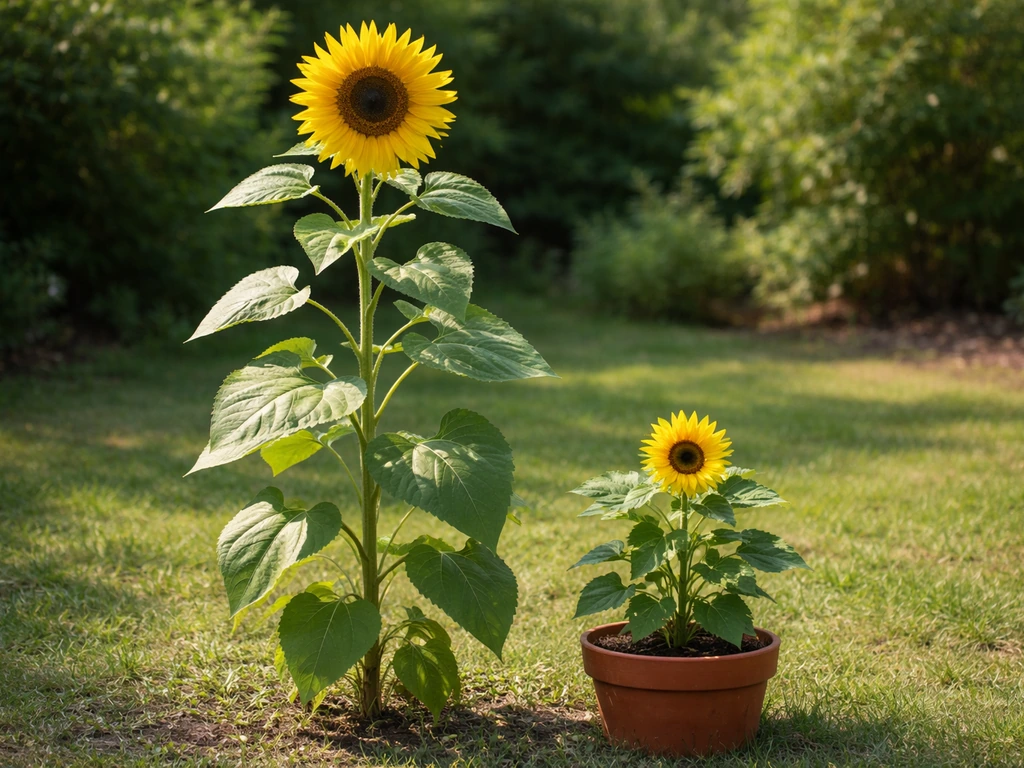
- Sunflowers (Helianthus annuus): 3 to 12 feet depending on variety. Mammoth varieties hit 10 to 12 feet; dwarf types like 'Little Leo' stay at 3 feet for containers. Fast-growing and nearly foolproof.
- Dahlias: Grow from tubers, reach 4 to 6 feet in taller 'dinnerplate' varieties. Bold, showy flowers on rigid upright stems. Excellent as cut flowers.
- Hollyhocks (Alcea rosea): Old-fashioned and gorgeous. Single-stalk biennials or short-lived perennials that hit 6 to 8 feet. Great against fences and walls.
- Delphiniums: Tall, spire-forming perennials with dense flower columns. Prefer cooler climates. Reach 4 to 6 feet and are classic English cottage garden plants.
- Foxglove (Digitalis purpurea): Biennial with dramatic 4 to 5 foot flower spikes. Self-seeds freely, so plant once and it keeps coming back.
For low maintenance
- Ornamental grasses (Miscanthus, Pennisetum): Many varieties reach 4 to 6 feet. Barely need watering once established, require almost no feeding, and look great from summer through winter.
- Bamboo (clumping varieties like Fargesia): Extremely low maintenance, creates a dense vertical screen. Use clumping, not running varieties unless you want it everywhere.
- Joe Pye Weed (Eutrochium purpureum): Native North American perennial reaching 5 to 7 feet. Tolerates poor soil, drought, and partial shade. Pollinators love it.
- Rudbeckia (Black-eyed Susan, taller varieties): Some species grow to 5 feet. Drought tolerant, deer resistant, blooms late summer when most other things are fading.
How to pick the right stalky plants for your region and the current season
It's late May 2026. In most of the continental US, that means you're past the last frost in Zones 5 through 9, the soil is warming up, and you're squarely in prime planting season for warm-season crops and summer flowers. UMN Extension’s planting guidance also provides a seasonal planting calendar by month, which makes it easier to plan when to plant each crop for your region and conditions. In Zone 4 and colder, you may still be a week or two out from safe outdoor planting. In the Deep South (Zones 8b to 10), you're heading into the brutal heat window, so some plants like delphiniums and foxglove are already past their sweet spot until fall.
Here's how to think about this by region right now in late May:
| Region / Zone | Best stalky plants to plant now | What to skip until fall |
|---|---|---|
| Pacific Northwest (Zone 7-8) | Dahlias, sunflowers, corn, fennel, delphiniums | Hollyhocks (plant as seedlings now, flower next year) |
| Northern US / Midwest (Zone 5-6) | Sunflowers, corn, tomatoes, dahlias, ornamental grasses | Delphiniums (start from seed indoors for transplant) |
| Mid-Atlantic / Southeast (Zone 7-8) | Sunflowers, corn, dahlias, fennel, ornamental grasses | Delphiniums, foxglove (too hot now, start in September) |
| Deep South / Gulf Coast (Zone 9-10) | Sunflowers (heat-tolerant varieties), ornamental grasses, fennel | Corn (already getting hot; try again in late summer), dahlias |
| Southwest / Desert (Zone 8-10) | Ornamental grasses, sunflowers, Joe Pye Weed | Dahlias (too hot; start in containers you can move) |
| Northern Canada / Zone 3-4 | Sunflowers (short-season varieties), kale, leeks, ornamental grasses | Corn (season too short unless you use transplants) |
Sun exposure is just as important as zone. All of the edible stalky plants and most of the flowering ones want at least 6 hours of direct sun per day. Less than that and internodes stretch out trying to reach light, giving you a tall, floppy, structurally weak plant instead of the solid upright form you're after. Ornamental grasses and Joe Pye Weed are exceptions and will tolerate 4 hours of sun reasonably well.
For containers, choose dwarf or compact varieties specifically. 'Dwarf Sunspot' sunflowers, patio tomato varieties, and clumping bamboo all work in large pots (15 gallons or more). Don't try to grow standard corn or full-size dahlias in containers unless you have very large raised beds.
Planting guide: depth, spacing, timing, and soil for each type
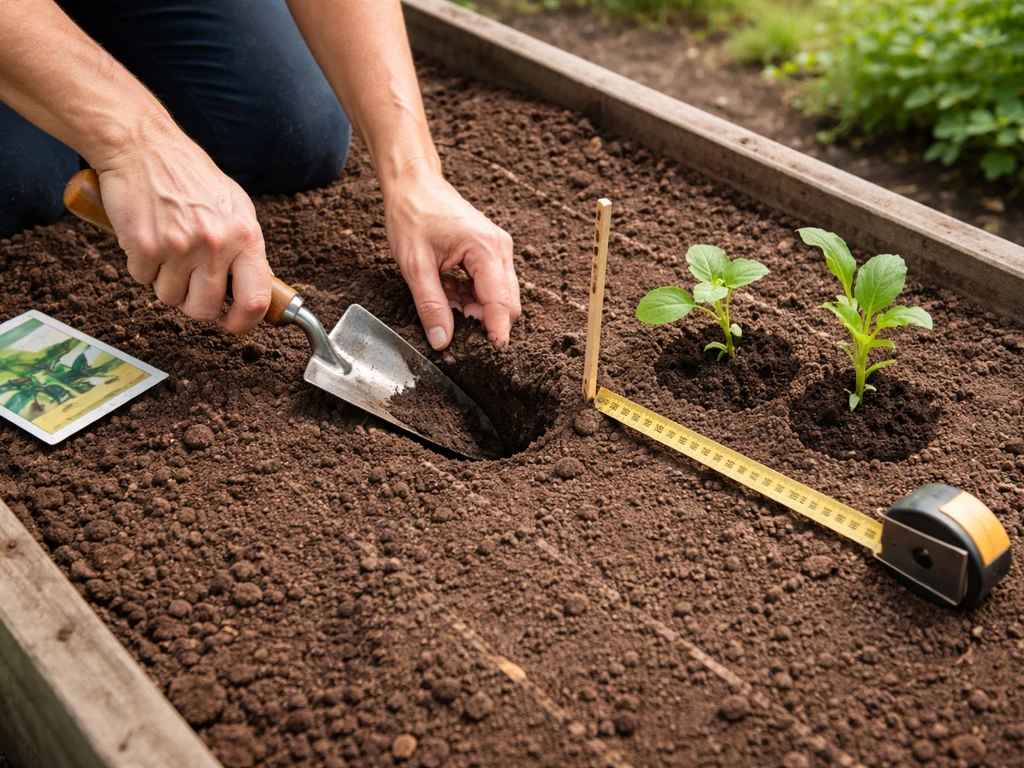
Getting the planting basics right upfront saves enormous trouble later. Stalky plants in particular are sensitive to overcrowding. Too tight and they compete for light, which stretches internodes and creates weak stems. The spacing numbers below are real minimums, not suggestions. University of Illinois Extension recommends spacing corn about 30 to 36 inches between rows and 9 to 12 inches in the row spacing numbers below are real minimums.
| Plant | When to plant (Zone 5-8, late May timing) | Spacing | Planting depth | Soil / Sun |
|---|---|---|---|---|
| Sunflowers | Direct sow now through mid-June | 12-24 inches (dwarf to giant) | 1 inch deep | Full sun, any well-drained soil |
| Corn | Direct sow now (soil above 60°F) | 9-12 inches in rows 30-36 inches apart | 1-1.5 inches deep | Full sun, fertile loamy soil |
| Tomatoes (indeterminate) | Transplant now (after last frost) | 24-36 inches | Deep: bury stem up to lowest leaves | Full sun, rich amended soil |
| Dahlias | Plant tubers now through June | 18-24 inches | 4-6 inches deep, eye facing up | Full sun, well-drained loam |
| Hollyhocks | Transplant seedlings now for next year bloom | 18-24 inches | Surface sow or 1/4 inch deep | Full sun to part shade, any soil |
| Fennel | Direct sow or transplant now | 12-18 inches | 1/4 inch deep | Full sun, well-drained soil |
| Ornamental grasses | Plant now through July | 24-48 inches depending on variety | Same depth as nursery pot | Full sun to part shade, tolerates poor soil |
| Delphiniums | Transplant established starts now (cool zones) | 18-24 inches | Same as nursery pot depth | Full sun, rich well-drained soil |
| Leeks | Transplant seedlings now | 6 inches | 4-6 inches deep (blanch lower stem) | Full sun to part shade, fertile soil |
Soil prep matters more for stalky plants than for ground-hugging ones because they're pulling water and nutrients up through a long vertical stem. Before planting, work in 2 to 3 inches of compost or aged manure. For corn and tomatoes especially, a balanced slow-release fertilizer at planting makes a real difference. Sandy soils dry out fast and need more organic matter. Heavy clay soils need loosening (raised beds or added grit) so roots can establish and water doesn't pool around the crown.
Caring for stalky plants: watering, feeding, and when to stake
Watering
Most tall plants need consistent moisture while they're actively growing and pushing up stem height. Inconsistent watering is one of the main causes of weak or hollow stems. For sunflowers and corn, that means about 1 inch of water per week from rain or irrigation. Dahlias prefer slightly more, especially in hot weather. Fennel and ornamental grasses are drought-tolerant once established but need regular water for the first 4 to 6 weeks after planting. The rule of thumb: water deeply and less often rather than shallow and frequent. Deep watering encourages roots to go down rather than sitting near the surface, which gives tall plants better anchoring.
Feeding
For edible stalky plants, feed at planting and then again when they're about knee-high. Corn is a heavy nitrogen feeder and benefits from a side-dressing of balanced fertilizer when it reaches 12 inches tall. Tomatoes need consistent feeding throughout the season, but switch from high-nitrogen to a bloom-and-fruit formula once flowers appear. Dahlias benefit from a low-nitrogen, high-phosphorus fertilizer after the plant reaches 12 inches. Avoid over-fertilizing with nitrogen on flowering plants. Too much nitrogen pushes lush leafy stems but at the expense of flowers and fruit. Ornamental grasses and Joe Pye Weed need almost no supplemental feeding if your soil is reasonably decent.
Staking and trellising
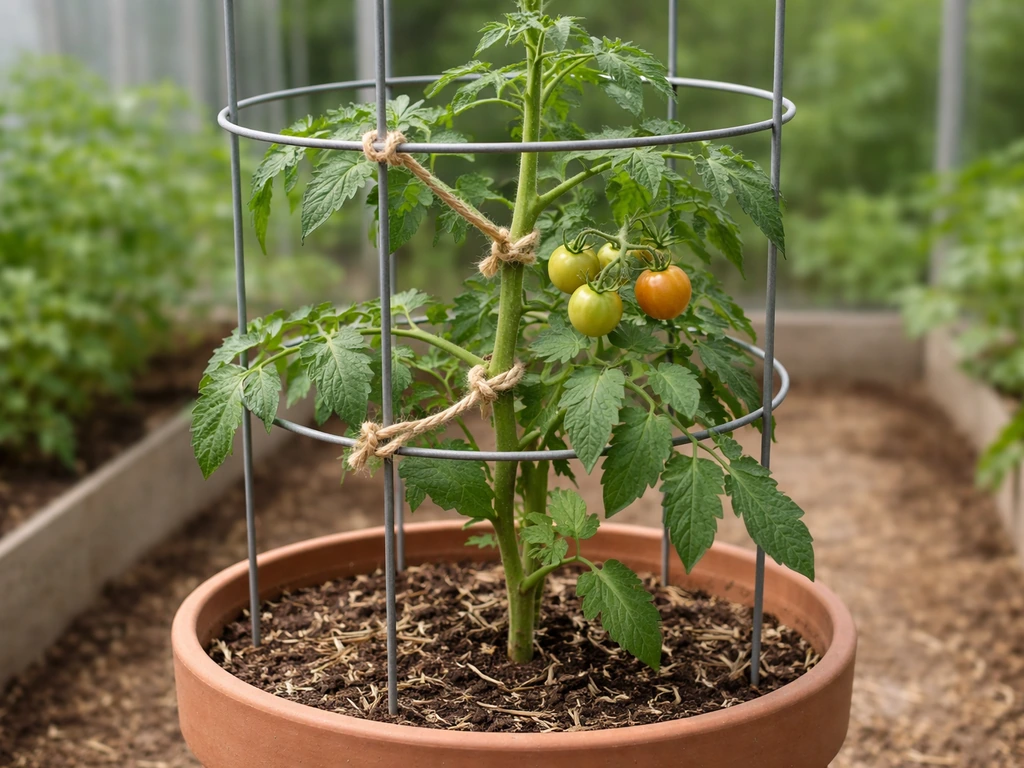
Not every stalky plant needs staking, but some definitely do. Tomatoes almost always need support. Use heavy-duty cages for indeterminate varieties rather than the flimsy wire cones from the hardware store. Dahlias over 3 feet tall need a stake placed at planting time before the tuber sends up growth, so you don't stab through the root later. Delphiniums and hollyhocks in windy spots need a single stake per stem. Corn generally doesn't need staking if you plant in a block rather than a single row. The block formation creates mutual windproofing. Ornamental grasses rarely need support unless you choose a variety that's too large for your climate.
When you do stake, tie loosely. You want the stem to flex slightly in wind because that micro-movement actually strengthens stem tissue. Tied too tight and the stem never develops its own structural strength. Use soft ties, fabric strips, or commercial velcro plant ties rather than wire.
Common problems with tall stem plants (and how to fix them fast)
| Problem | Likely cause | Fix |
|---|---|---|
| Stems stretching and flopping (spindly) | Not enough sun (etiolation) | Move to a sunnier spot, or thin surrounding plants to open up light |
| Stems snapping in wind | Planted in single rows, tied too tight, or soil too loose | Plant in blocks, stake loosely, mound soil around base |
| Yellowing lower leaves on tall plants | Nitrogen deficiency or overwatering/root rot | Check soil drainage first; feed with balanced fertilizer if draining well |
| No flowers on tall plants (lush leaves only) | Too much nitrogen | Stop feeding with nitrogen; wait or switch to low-N formula |
| Corn not producing ears / poor pollination | Planted in a single line instead of a block | Always plant corn in a grid block of at least 4x4 plants |
| Dahlia stems hollow or collapsing | Boron deficiency or inconsistent watering | Water consistently and add trace mineral fertilizer |
| Aphid clusters on stem nodes | Common on fennel, dahlias, and tomatoes | Blast off with hose; use neem oil spray if persistent |
| Powdery mildew on stems (dahlias, delphiniums) | Poor air circulation, humid nights | Space plants farther apart; spray with diluted baking soda solution |
One gotcha worth calling out specifically: if your tall plants look fine in early summer but suddenly develop short, stubby new growth and stop adding height as the season progresses, that's normal. As days shorten and energy shifts toward flower and fruit production, internodes naturally compress and new growth slows. This is the plant's built-in response to seasonal change, not a disease. It's actually a sign the plant is maturing and redirecting its energy correctly.
Build your garden plan: staggered planting and a simple layout
The best stalky gardens aren't planted all at once. Staggering your plantings every 2 to 3 weeks means you get continuous height, color, and harvest across the season instead of everything peaking at once and then going quiet. Here's a practical approach for Zones 5 to 8 starting right now in late May:
- Late May (right now): Plant sunflower seeds directly (succession 1), transplant tomatoes and dahlias, plant corn in a block if your soil is at least 60°F.
- Early June (2 weeks out): Plant a second round of sunflowers for succession blooms, add leek transplants and fennel seeds, get ornamental grasses in the ground.
- Mid-June (4 weeks out): Third sunflower succession, side-dress corn with fertilizer when it reaches 12 inches, add hollyhock transplants to fence lines or back borders.
- Late June to early July: Add Joe Pye Weed and delphiniums (transplants from nursery) if they're available. Stake dahlias as they hit 18 inches.
- August onward (cool-season follow-up): In Zones 7 and warmer, start foxglove and hollyhock seeds for fall transplanting and spring/next-year blooming.
For layout, the basic rule is tallest in the back (or center for island beds), medium in the middle, and low plants at the front. A practical example for a 10x10 foot in-ground bed: plant a 4x4 block of corn or a back row of 3 to 4 sunflowers along the north or east edge, dahlias in the middle zone, and fennel or leeks toward the front where their feathery texture softens the border. This order ensures taller plants don't shade out shorter ones and gives the whole bed a layered, intentional look.
If you're in the game 'Grow a Garden' and exploring what stalk-type plants work best in that context, many of these same plant categories appear there too. If you're comparing specific plant types like tropical stalky plants or single-harvest options, those are worth looking at separately because the growing logic differs meaningfully from the perennial or multi-harvest stalky plants covered here.
Start with two or three plants from the quick picks list that match your region and sun situation. Get those in the ground this week if you're in Zones 5 through 8. Add a second succession in 2 to 3 weeks. Keep the soil consistently moist for the first 4 weeks. After that, most of these plants do the heavy lifting themselves. Pitcher plants are tropical and will only do well in warm, humid conditions, so plan your care and placement accordingly tropical pitcher plants.
FAQ
How can I tell if my stalky plants are getting enough light without guessing by eye?
Check the internode length weekly, if the spaces between leaf nodes visibly stretch (long gaps, leaning, or drooping), it usually means light is short or spacing is too tight. Rotate container plants toward the sun and remove any leaves shading neighboring stems so each stalk receives consistent direct light.
What spacing should I use if I’m mixing stalky plants in the same bed (for example, corn with tomatoes)?
Treat spacing as two separate rules, the tall crop needs its own minimum clearance to prevent internode stretch, and the shorter crop needs enough airflow to avoid damp, disease-prone foliage. If you cannot keep the tall plant in full-sun exposure without crowding the smaller one, use a staggered layout or plant in separate zones of the bed.
Can I grow stalky plants from seed and still get sturdy stems, or is transplanting better?
Both work, but transplants often produce stronger early structure because the plant starts with developed root mass. If you direct-sow corn or sunflowers, keep the soil consistently moist for germination, then thin promptly to the strongest seedlings so the remaining stalks do not compete for light.
Why do my stems look hollow or too flexible even though I watered regularly?
Inconsistent moisture during active height growth is a common cause, but another is uneven fertilization. If you feed lightly early then suddenly boost nitrogen, you can get fast, weak growth. Use the article’s timing approach (planting, then about knee-high) and keep watering deep, then less often.
Do I need to pinch, prune, or deadhead stalky plants to keep them upright?
Usually, avoid heavy pruning that removes too many stems early, because it shifts energy away from structural growth. For tomatoes, remove suckers only as your variety’s type requires (indeterminate vs determinate), for flowering stalks like hollyhocks you can deadhead spent blooms to tidy appearance, but don’t strip the plant down before it builds height.
When should I stake, and how early is early enough?
Stake at planting time for crops like dahlias that are sensitive to root disturbance, and for tomatoes as soon as you can reliably locate the main stem. For wind-prone ornamentals, stake when stems reach the height where bending begins, typically once they are a few inches taller than adjacent plants, so the stem can learn to flex while still being guided.
My tall plants grow well, but later they stop adding height. Is that always normal?
It can be normal when new growth becomes shorter and height slows as days shorten and the plant prioritizes flowering or fruiting. If you also see yellowing, leaf drop, or stunted growth that starts while days are still long, then troubleshoot for nutrient deficiency, root stress, or too little water rather than assuming it is only seasonal maturing.
What’s the best way to water tall stalky plants to support anchoring, especially in heat?
Use slow, deep irrigation that wets the root zone, then wait until the top few inches begin to dry before watering again. In extreme heat, mulch lightly with compost or straw (not thick against the crown) to reduce surface evaporation while still letting the soil breathe, and avoid frequent splash watering that encourages shallow roots.
Can I use nitrogen-heavy fertilizer on flowering stalky plants if I want tall growth first?
Be cautious. Too much nitrogen late can reduce blooms or delay fruiting by pushing leafy growth instead of reproductive growth. A safer approach is to apply balanced or lower-nitrogen feeds for ornamentals, and if you notice lush foliage with fewer flowers, pause nitrogen and switch to a bloom-supporting formula.
How do I plan succession planting if my zone has hot summers (for example, Zones 8b to 10)?
Stagger plants, but prioritize timing windows when plants can grow vegetatively without heat stress. In hot zones, consider a smaller second round or switch to heat-tolerant varieties, and be ready to increase shade management or mulch to prevent rapid moisture loss during establishment.
Next Article
Best Single Harvest Plants: Grow a Garden with One Main Crop
Pick the best single harvest plants for one main flush. Planting timing, spacing, care, and top crop picks by season