The best single-harvest plants for a home garden are root crops and brassicas: carrots, beets, radishes, turnips, cabbage, broccoli, and cauliflower. Each one grows to a peak moment, you pick it once, and that's the whole story for that plant. If you want one big, satisfying harvest window instead of picking something every few days all season long, these are your plants. Radishes are ready in as little as 25 days. Beets and carrots come in around 60 to 80 days. Broccoli, cabbage, and cauliflower take 60 to 90 days depending on your timing. Pick the right ones for your season and you can have a clean, organized harvest rather than an endless chase around the garden.
Best Single Harvest Plants: Grow a Garden with One Main Crop
Rachel Hartley
23 May 2026
What 'single harvest' actually means in a garden
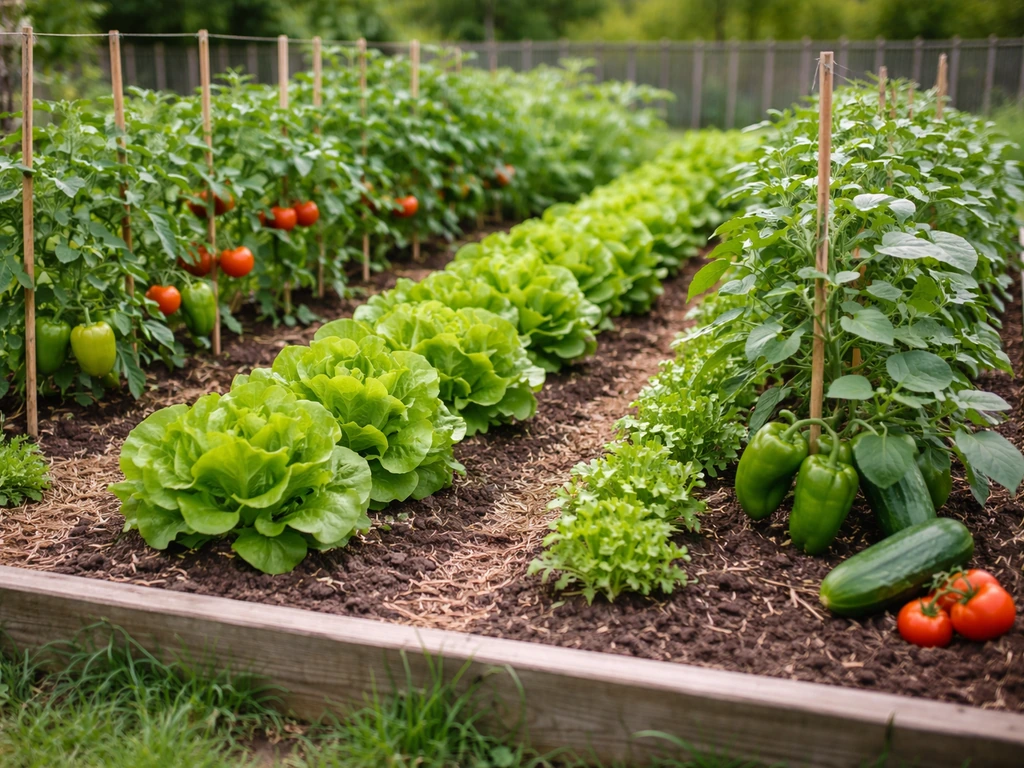
In federal crop insurance language, a 'multiple-harvested crop' is one harvested more than once from the same plant during the same crop year. That definition maps cleanly onto the garden distinction: crops like lettuce or kale can be cut and picked repeatedly, while crops like carrots or cabbage give you one harvestable thing per plant and then they're done. That's the single-harvest model. The plant grows, it reaches peak quality inside a specific window, and you pull it or cut it. Miss the window and quality drops fast. Cabbage heads split. Broccoli florets open into yellow flowers. Cauliflower curds loosen and discolor. The urgency is real, which is actually what makes single-harvest crops satisfying: you have a clear target.
It's worth knowing that some crops blur the line. Peas can be picked multiple times, but if you're growing a bush-type pea variety and time it right, the whole plant tends to produce in one tight window of a week or two, making it feel like a single harvest in practice. Bush beans work similarly: they produce over two to three weeks, which is compressed enough that many gardeners treat it as one harvest rush. Pole beans stretch over five to six weeks, which is more of a continuous-harvest situation. This guide focuses on crops that genuinely concentrate their production into one clear moment.
Top single-harvest vegetables by garden type
In-ground beds
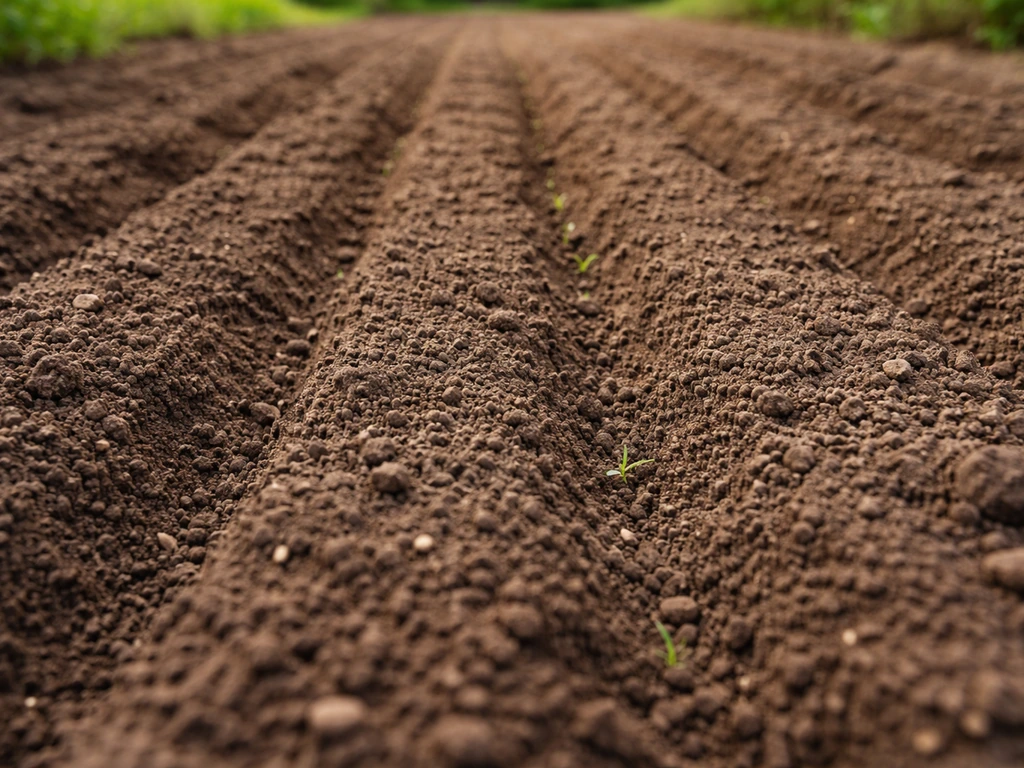
In-ground beds give you the most flexibility for root crops because you're not limited by container depth. Carrots need at least 10 to 12 inches of loose, rock-free soil to develop properly, and in-ground beds let you work in organic matter to loosen clay or sandy soil before you sow. Beets and turnips are just as forgiving in-ground and mature in 60 to 80 days. Rutabagas need 90 or more days but produce a big, sweet root worth waiting for: plant them in late May or early June for a fall harvest. UMN Extension recommends planting rutabagas from late May to early June for a fall crop so they have enough time to mature in cool weather late May to early June for a fall harvest. Cabbage, broccoli, and cauliflower all do well in-ground where you can space them 12 to 18 inches apart and let them spread out.
Raised beds
Raised beds are ideal for single-harvest crops because the loose, well-draining soil gives roots perfect conditions and heats up faster in spring. Radishes are the easiest starting point: sow directly, thin to about 2 inches apart, and you can pull them in 25 to 55 days depending on variety. Beets thrive in raised beds, as do turnips and carrots as long as the bed is at least 10 inches deep. Broccoli and cauliflower work well in raised beds too, though you'll need to plan for their 18-inch spacing requirement, which means a 4x4 raised bed realistically holds about four to six plants.
Containers
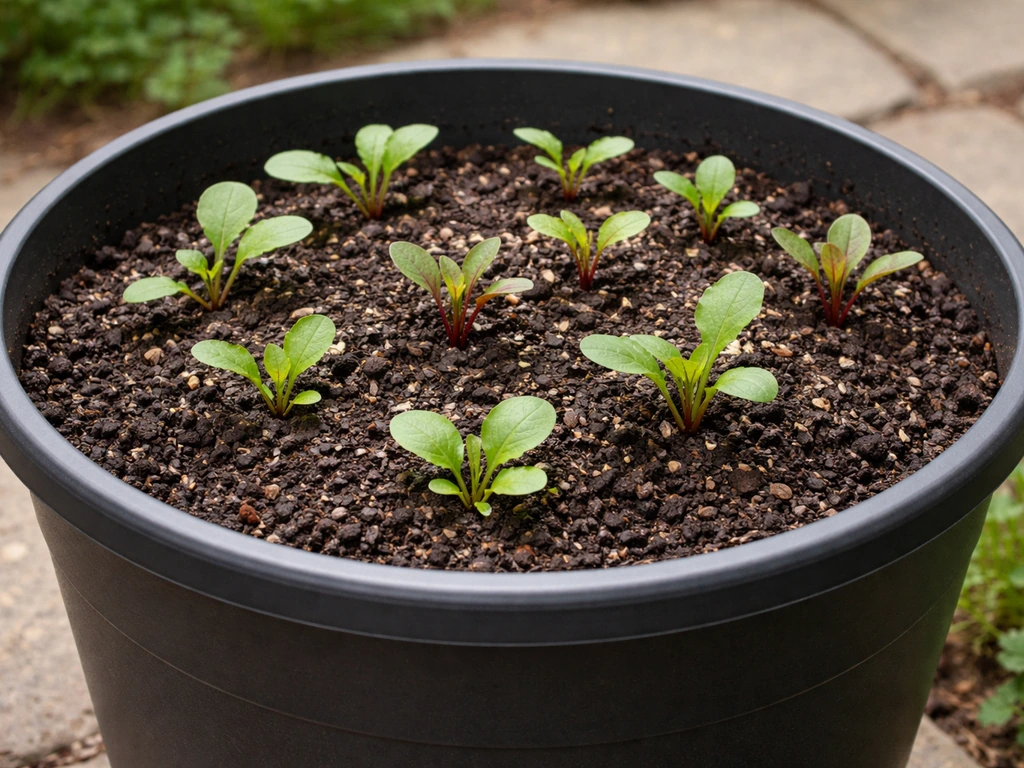
Containers limit your root depth, so choose accordingly. Radishes and small beet varieties like 'Little Ball' or 'Chioggia' do fine in containers that are at least 8 to 10 inches deep. Mini-head broccoli varieties ('De Cicco' is a classic) can work in a 5-gallon container per plant. Avoid growing carrots in shallow containers because misshapen, stunted roots are the typical result. If you want a single clean harvest from a container, radishes are your best bet for speed and turnips for substance. Peas grow well in a deep container with a trellis and give you that compressed harvest window without needing much horizontal space.
How to choose the right ones for your season and region
Your first filter is temperature. Brassicas (broccoli, cauliflower, cabbage) and root crops (radishes, carrots, beets, turnips) are all cool-season vegetables. Broccoli and cauliflower heads develop best below 75°F and fail outright above 85°F because heat prevents the head from forming tightly. That means in most of the country these are spring or fall crops. In Zone 5 and 6, you can start transplants indoors in late February for spring planting after the last frost, or sow seeds in late July for a fall harvest. In warmer climates like Zone 8 or 9, the fall window is your primary growing season for all of these, typically planting in September and October.
Cool-season crops also carry a bolting risk. Many brassicas are biennials that need some winter chilling (a process called vernalization) to complete their life cycle. If your plants experience a long cold stretch as seedlings, they can bolt to flower early instead of making the head you want. This is why transplant size matters: move broccoli and cauliflower when they're small (4 to 6 weeks old, not older) so they haven't accumulated enough cold hours to trigger bolting prematurely. Start your planning from your last frost date in spring or your first frost date in fall, then count backward using your crop's days to maturity.
| Crop | Days to Maturity | Best Season | Direct Sow or Transplant | Min. Container Depth |
|---|---|---|---|---|
| Radish | 25–55 days | Spring / Fall | Direct sow | 8 inches |
| Beet | 60–80 days | Spring / Fall | Direct sow | 10 inches |
| Carrot | 70–80 days | Spring / Fall | Direct sow | 12 inches |
| Turnip | 40–60 days | Spring / Fall | Direct sow | 10 inches |
| Broccoli | 60–80 days | Spring / Fall | Transplant preferred | 5 gallons per plant |
| Cauliflower | 65–90 days | Spring / Fall | Transplant preferred | 5 gallons per plant |
| Cabbage | 70–90 days | Spring / Fall | Transplant preferred | 5 gallons per plant |
| Rutabaga | 90–100 days | Fall only (most zones) | Direct sow | Not ideal for containers |
Planting plan: when to sow or transplant for one big harvest
The simplest way to plan is to work backward from either your last spring frost date or your first fall frost date. For spring crops, count the days to maturity and add two weeks as a buffer. For fall crops, count forward from when you want to harvest. If your first fall frost is October 15, and you're growing cabbage (80 days), you need to have transplants in the ground by late July. That means starting seeds indoors in early to mid-July.
For root crops that must be direct-seeded (carrots, beets, and radishes don't tolerate transplanting and will fork or stunt if their roots are disturbed), sow seeds directly in the bed as soon as soil is workable in spring, usually two to four weeks before your last frost date. Radishes can even handle a light frost once germinated. Beets and carrots do fine with soil temperatures above 45°F. The key rule: don't transplant root crops. Sow them where they'll grow, thin carefully, and let them develop undisturbed.
- Find your last spring frost date (USDA Plant Hardiness Zone map or local extension office).
- Choose your crops and note their days to maturity.
- For transplants (brassicas): start seeds indoors 4 to 6 weeks before your outdoor planting date.
- For direct-sow crops (root vegetables): sow in the ground 2 to 4 weeks before last frost for spring, or count backward from first fall frost.
- Mark your expected harvest window on a calendar so you're not caught off guard.
Care that actually gets you a clean harvest
Light and soil
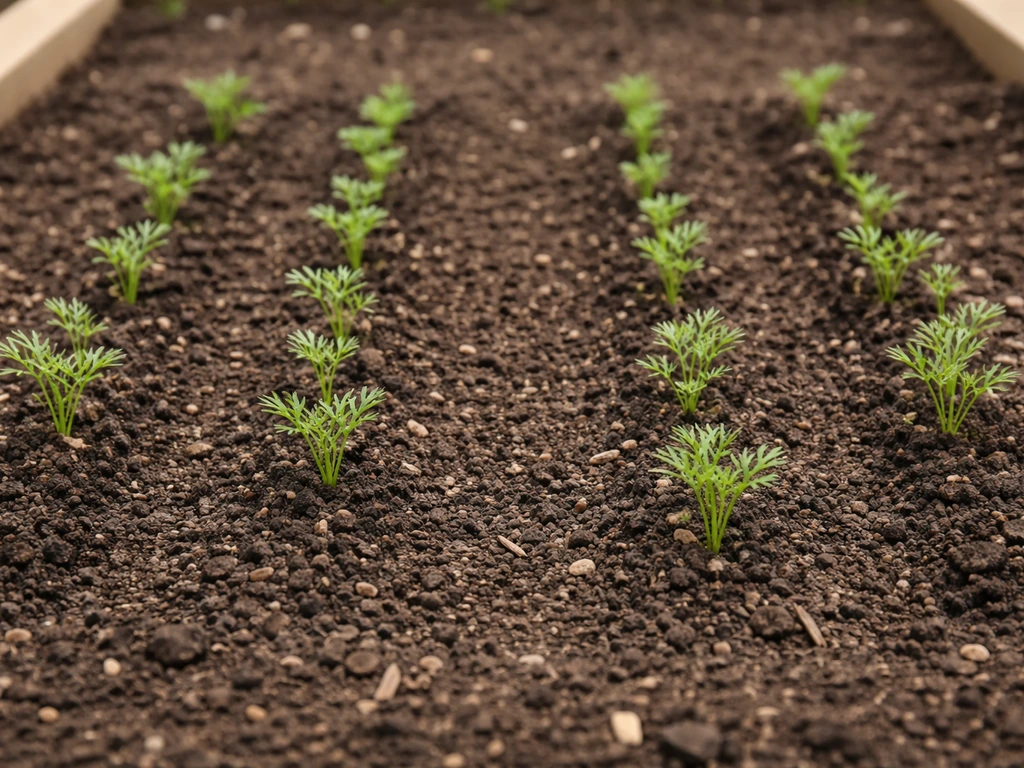
All of these crops want full sun: at least 6 hours per day, 8 is better. Less light means slower growth and looser, less flavorful heads and roots. For soil, aim for a pH of 6.5 to 7.5. Brassicas are especially sensitive to soil pH because low pH limits their access to calcium and boron, both of which affect head quality. Amend heavy clay soil with compost before planting, and if you're growing root crops, remove rocks and break up any compaction to at least 12 inches deep. A smooth, loose seedbed is what separates nicely shaped carrots from forked, ugly ones.
Spacing
Don't skip thinning. Carrot seedlings need at least 2 inches between them or roots will be small and twisted. Beets and turnips need 3 to 4 inches. Brassicas are the most space-hungry: 12 to 18 inches between plants, sometimes more for large cabbage varieties. Crowded plants compete for nutrients and water, and the result is exactly what you're trying to avoid with single-harvest crops: small, poor-quality produce that doesn't justify the wait.
Watering
Consistent moisture is non-negotiable, especially once brassicas start forming heads. Inconsistent watering around heading time causes misshapen broccoli and cauliflower, and it triggers cabbage head splitting. Aim for about 1 inch of water per week, and try to water at the soil level rather than overhead to reduce disease risk. A layer of mulch (2 to 3 inches) helps retain moisture and keeps soil temperature stable, which matters a lot for roots like carrots and beets that are temperature-sensitive.
Feeding
Mix compost and a balanced fertilizer into the soil before planting. Side-dress brassicas with a nitrogen fertilizer about four weeks after planting to push leaf growth and plant size. Then stop nitrogen feeding once heads begin to form. This is a real gotcha that catches a lot of gardeners: too much nitrogen late in the season causes soft, loose heads and can make cabbage heads split before you're ready to harvest. For root crops, too much nitrogen promotes lush tops and weak, small roots, so don't over-fertilize. A light side-dressing once midseason is usually enough.
Harvest timing and what to do after
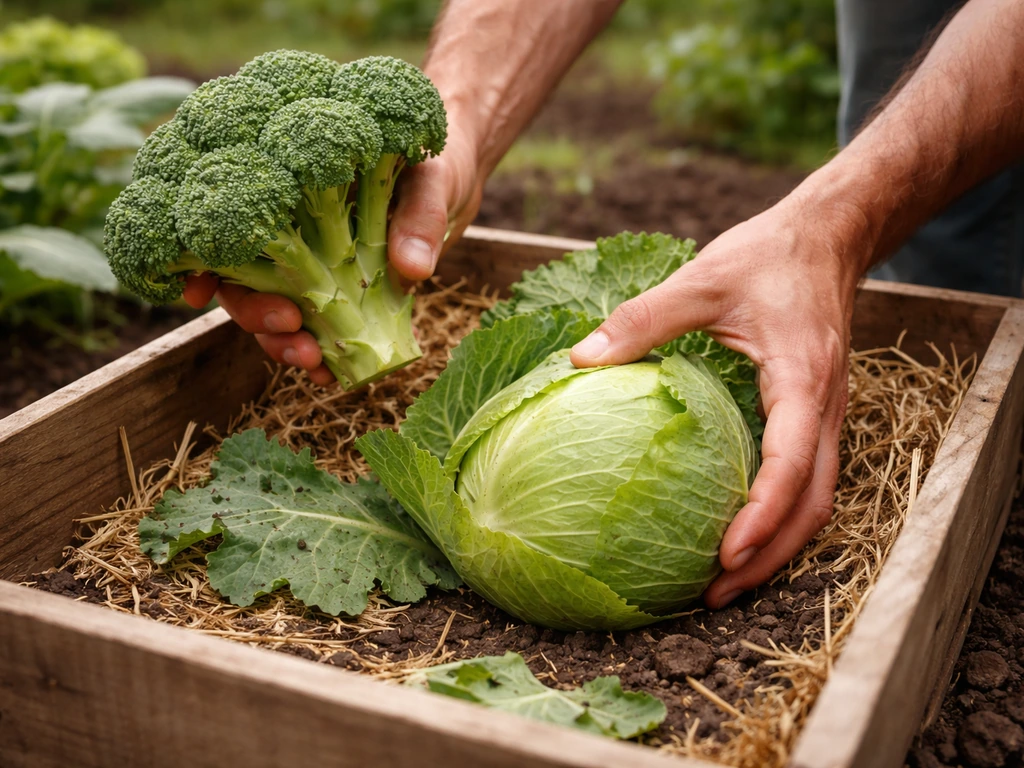
Each crop has tells that signal peak harvest time, and with single-harvest plants, you really do need to act on those signals promptly. Broccoli heads should be harvested while flower buds are tight and deep green. The moment you see any yellow, you've waited too long and quality drops fast. Cauliflower is similar: harvest when the curd is compact and white, before it starts to open or discolor. Cabbage should be harvested as soon as the head feels firm and solid when you press it. Once it reaches mature size, it can split within days, especially after rain. Carrots and beets are ready when they've reached their expected size: for most varieties that's about 3/4 inch in diameter for radishes, 1 to 3 inches for beets, and 1/2 to 3/4 inch for carrots. Don't leave them in the ground too long after maturity or they turn woody and lose sweetness.
If you genuinely can't harvest cabbage at peak time, there's a practical emergency trick: push the plant sideways to break some of the roots on one side. This slows water uptake and buys you a few extra days before the head splits. It's not a long-term solution, but it's useful if you're going out of town for a long weekend.
After the harvest, your options are to pull the spent plant, compost it, and replant with a succession crop, or let the bed rest. Root crops leave a nice loose bed ready for a quick second sowing if your season allows. A radish bed cleared in May is perfectly positioned for a fall beet or turnip planting. Broccoli plants often produce small side shoots after the main head is cut, which is technically a second harvest, but those side shoots are small and the main event is already done. If you want tidy beds and clear timelines, pull the plants after the main harvest and move on.
Quick starter lists for every situation
Container gardeners
- Radishes (any variety): 8-inch deep container, harvest in 25 to 55 days
- Small beet varieties ('Chioggia', 'Little Ball'): 10-inch deep container
- Mini broccoli ('De Cicco'): 5-gallon container per plant
- Peas (bush type): deep container with a small trellis, one compressed harvest window
Small-space or small-bed gardens
- Radishes: fastest crop you can grow, take almost no space, and are ready before anything else
- Turnips: quick, compact, and the greens are edible too
- Beets: dense planting works well, thin and eat the thinnings as microgreens
- One or two broccoli plants: one big main head per plant, takes 18 inches but pays off
Cool-season (spring and fall) top picks
- Radishes: first in, first out, can be sown before last frost
- Carrots: sow early, thin well, and harvest before summer heat sets in
- Broccoli: spring or fall crop, time planting so heads mature below 75°F
- Cabbage: reliable and stores well after harvest
- Cauliflower: trickier than broccoli but rewarding, needs steady water and temperatures
Warm-season gardeners (Zones 8 to 10)
- Fall/winter is your primary window for all brassicas and root crops
- Plant broccoli and cauliflower transplants in September or October
- Sow radishes and beets in October for a December to January harvest
- Avoid trying to grow brassicas in summer heat: above 85°F they simply will not form heads
Total beginners
- Start with radishes: nothing teaches the single-harvest concept faster, and failure is cheap and quick
- Add beets next: they tolerate more mistakes than carrots and taste great
- Try one broccoli transplant from a nursery: skip starting from seed your first time and focus on timing and watering
- Avoid cauliflower your first season: it's the least forgiving of temperature swings and inconsistent watering
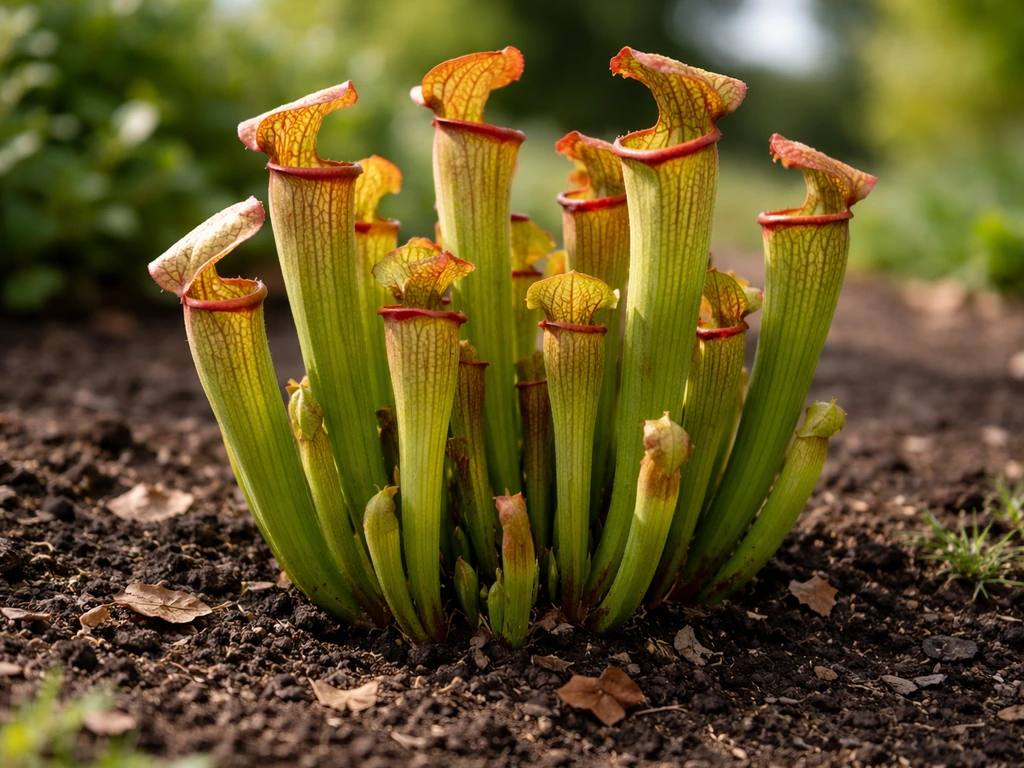
If you're exploring beyond these core single-harvest vegetables, some of the more unusual plants in the garden world operate on completely different harvest logic. Is the Poseidon plant good in Grow a Garden? It depends on whether you want a true single-harvest style result and what growing conditions you can provide single-harvest vegetables. Tropical and specialty plants, for example, often have very different seasonal rhythms that don't map onto the spring-fall planting framework here. If you’re wondering whether pitcher plants are tropical in Grow a Garden, it helps to check their specific humidity and temperature needs before planting Tropical and specialty plants. To figure out how many tropical plants you can grow in your garden, start by choosing which ones match your heat and humidity, then plan spacing and container or bed setup accordingly. Stalky or structural plants are another category worth understanding separately, since their 'harvest' can mean very different things depending on what you're growing them for. For now, if your goal is one clean, satisfying harvest window, the crops above are your clearest path to getting there. Hinomai is best thought of as a plant with a single, clean harvest window that fits the same planning logic as the other single-harvest crops in this guide.
FAQ
What’s the safest way to choose “single harvest” varieties if I’m not sure about my local timing?
Start with the days-to-maturity ranges and then pick a variety whose maturity window fully lands before your local first fall frost (for fall crops) or before your spring heat arrives (for spring crops). If a variety’s listed days-to-maturity assumes ideal conditions, add extra buffer days, and prioritize shorter-maturity options for your first attempt.
Do I need to sow everything all at once to get the “one main harvest” effect?
Not necessarily. You can stagger planting of the same single-harvest crop (for example radishes) in 7 to 14 day intervals, then harvest each batch cleanly. This keeps the “single rush” feel per batch while preventing the entire bed from hitting peak on the same day.
How can I tell the difference between “not ready yet” and “already past the peak” for broccoli and cauliflower?
Watch the color and the bud openness rather than just calendar days. For broccoli, once you see any yellowing or visible loosening of tight buds, quality is declining quickly. For cauliflower, a compact, white curd is the target, and any loosening, discoloration, or beginning opening means you should harvest immediately.
Is there a way to reduce bolting risk beyond transplant timing for broccoli and cauliflower?
Yes, avoid stress. Keep moisture consistent and don’t let plants swing between very dry and very wet, because stress can push premature flowering behavior. Also, don’t oversize transplants, and harden off transplants gradually so they don’t experience temperature shock right after planting.
Can I grow carrots, beets, or radishes in raised beds and still keep them “single harvest” quality?
Yes, as long as the soil is properly prepared in depth. For carrot success, keep the bed deep enough and rock-free, because roots will deform when they meet resistance. Single harvest quality depends on uninterrupted growth until harvest, so focus on removing rocks and breaking compaction before sowing.
What’s the biggest mistake people make when trying to harvest cabbage without it splitting?
Late nitrogen and irregular watering around head formation. If you keep pushing nitrogen after heads start forming, you can get softer growth that is more prone to splitting. Then, if rainfall or watering is inconsistent during the final weeks, heads expand unevenly and crack, sometimes within days of maturity.
How deep should my container be for radishes versus carrots, and what does that mean for “single harvest” planning?
Radishes are forgiving and do well in about 8 to 10 inches of soil, so containers are easy to manage for a quick, predictable peak. Carrots typically need deeper, unrestricted soil, and shallow containers often produce stunted, misshapen roots, which undermines the whole “harvest at peak size” goal. For one main container harvest, radish is usually the most reliable choice.
If I miss the harvest window for brassicas, can I salvage anything?
Sometimes, but quality drops sharply. You might still harvest if heads have not fully opened, but flavor and texture degrade quickly once broccoli florets start yellowing or cauliflower begins loosening. If cabbage splits after rain, you can still eat it, but the head won’t store or hold crisp quality the way an on-time harvest will.
Do single-harvest plants need crop rotation differently than repeatedly harvested crops?
They often do. Even though the harvest is “one main event,” the bed remains in use for a full season and then gets cleared. Rotate brassicas away from the same family each year, and avoid replanting root crops in the exact same soil too soon to reduce pest and disease buildup, especially if you had issues like clubroot or forked roots.
What should I plant after the main harvest if I want a tidy schedule but another crop too?
Use fast, season-compatible follow-ups. A radish bed cleared in late spring can fit a fall beet or turnip planting, and root beds are usually ready for another direct-sown crop because you are not dealing with leftover plant structure. If your main crop ended early, choose a crop that matures before your next frost rather than assuming the calendar will cooperate.
Can I increase my harvest reliability by managing mulch and watering differently?
Yes. Mulch helps keep soil temperature steady, which supports roots and prevents brassicas from getting stressed during temperature swings. For watering, aim for soil-level irrigation and consistent weekly totals, then avoid sudden soaking right before expected harvest, since that can contribute to splitting for cabbage.
Next Article
Is Pitcher Plant Tropical? Outdoor Garden Guide
Learn if pitcher plants are tropical, and how to grow yours outdoors or in containers by climate and season.