Most pitcher plants are not truly tropical. A peer-reviewed review of Nepenthes (PMC) summarizes key pitcher leaf structures such as the lamina plus tendril, peristome, and lid (operculum), supporting the idea that Nepenthes forms a consistent “tropical pitcher plant” group with recognizable morphology consistent structural traits. Only Nepenthes (the Asian pitcher plant) carries a genuine tropical label, and even many of those need cool nights to thrive. The American pitcher plants you are most likely to find at a garden center, Sarracenia, Darlingtonia, and Cephalotus, are temperate or subtropical species that need seasonal cooling or outright winter dormancy. If you have been treating your pitcher plant like a warm, humid houseplant year-round, that is probably why it is struggling.
Is Pitcher Plant Tropical? Outdoor Garden Guide
Why "tropical" is such a confusing label for pitcher plants
The word "tropical" gets slapped onto pitcher plants at nurseries and in casual gardening advice because the whole group looks exotic and dramatic. That creates real confusion, because there are actually several unrelated genera that all share the pitcher-trap shape but come from completely different climates.
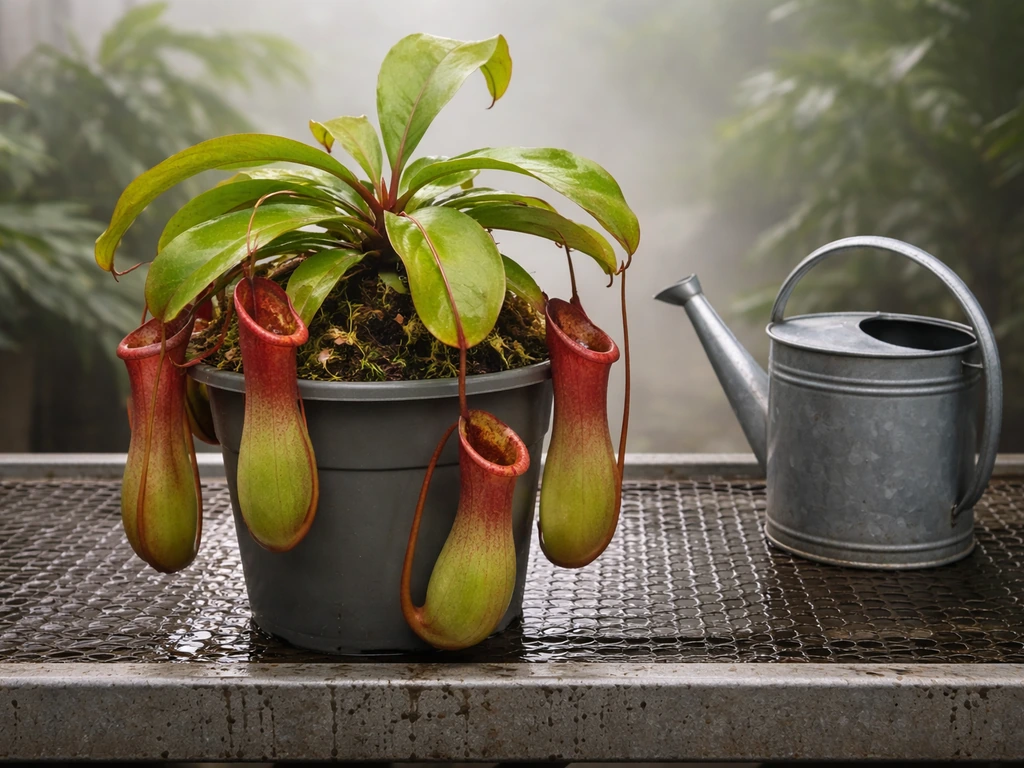
Nepenthes, sometimes called monkey cups or tropical pitcher plants, are the ones native to Southeast Asia, particularly the Malay Archipelago, and the Philippines. NC State Extension classifies them as a tropical genus, and geographically that is accurate. But here is the catch: a huge number of Nepenthes species are highland plants that live on mountain slopes where nights are genuinely cool. Tom's Carnivores puts the typical requirement at 20 to 25 degrees Celsius (68 to 77°F) during the day and 10 to 15°C (50 to 59°F) at night. Without that nighttime drop, many Nepenthes slow their growth and stop producing pitchers. Research on Nepenthes burbidgeae found that keeping night temperatures above 18°C (65°F) noticeably impaired growth. So even "tropical" pitcher plants are not the warm-all-the-time houseplants the label implies.
Then there are the North American pitcher plants. Sarracenia is native to the eastern U.S. and Canada and is explicitly described as a cold-hardy perennial that needs full sun and a real winter dormancy. Darlingtonia californica (the cobra lily) grows in cool, wet mountain seeps along the West Coast and actively struggles if its roots get warm. Cephalotus follicularis is a southwestern Australian species from a Mediterranean-type climate, with mild, cool, wet winters that rarely drop below 40°F (5°C). None of these are tropical.
How to figure out which pitcher plant you actually have
Before you do anything else, confirm the genus. The care rules are genuinely different enough that mixing them up will cost you the plant. Here is a straightforward visual ID guide:
| Genus | What it looks like | Where it comes from | Tropical? |
|---|---|---|---|
| Nepenthes | Vining or climbing plant; pitchers hang from tendrils on long leaves; has a lid (operculum) and a flared rim (peristome) | Southeast Asia, Philippines, Borneo | Yes (but many highland forms need cool nights) |
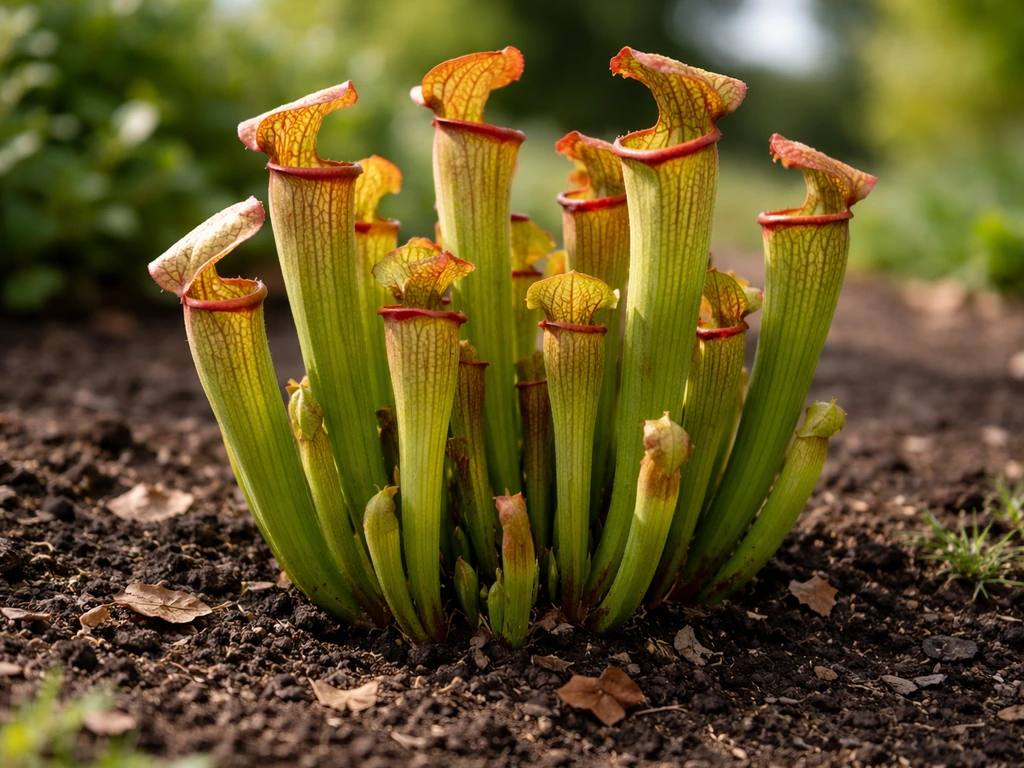
| Sarracenia | Upright tubular pitchers growing from a crown at soil level; no vines; pitchers are the leaves themselves | Eastern North America (mostly southeastern U.S.) | No — temperate/subtropical, needs winter dormancy |
| Darlingtonia | Cobra-hooded pitchers with a forked 'tongue' hanging from the opening; grows from a rhizome | Northern California and Oregon mountain bogs | No — cool-climate species, needs cold roots |
| Cephalotus | Small rosette; squat pitchers with a ribbed lid; grows low to the ground | Southwestern Australia | No — Mediterranean climate, mild cool winters |
If you bought a plant labeled just "pitcher plant" at a hardware store or garden center in North America, it is almost certainly a Sarracenia or a Sarracenia hybrid. If you ordered online from a carnivorous plant specialist, check your receipt for the species name. If it says Nepenthes followed by a species name, you have the tropical one, but still check whether that species is a lowland or highland type, because that changes how you grow it.
Growing outdoors vs. in containers: what actually works
Sarracenia outdoors (the best case)
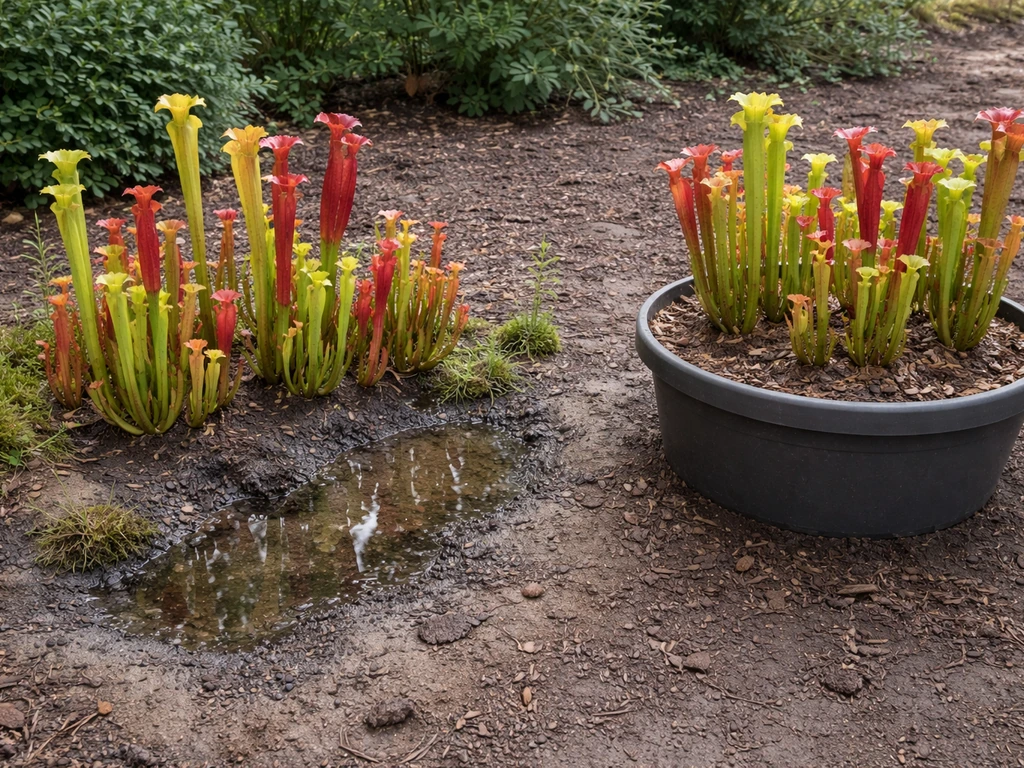
Sarracenia is your best candidate for genuine outdoor garden growing in much of North America. If you are also thinking about a broader setup of best stalky plants grow a garden, Sarracenia is the pitcher plant that most closely fits true outdoor garden growing. It is a cold-hardy perennial, handles frost, and needs at least 6 hours of direct sun to grow vigorously. The key constraint is soil: it needs acidic, nutrient-poor bog mix (typically 50/50 peat and perlite or pure sphagnum moss), never regular garden soil or compost. Most growers keep Sarracenia in containers outdoors so they can control the soil and water. You can also use a bog garden setup sunk into the ground. Sarracenia purpurea is particularly tough and survives subzero temperatures during dormancy. Most other Sarracenia species are fine down to around 20°F (-6°C) when dormant. If you are in USDA zones 6 through 10, you can leave Sarracenia outside year-round, ideally with some frost cloth for the coldest nights.
Nepenthes indoors or in a controlled environment
Nepenthes are almost always container plants grown indoors or in a greenhouse in North America, because replicating their native conditions outdoors is difficult outside of very mild coastal climates. Lowland Nepenthes (species from sea-level tropical forests) are the closest to true "keep it warm" tropicals and tolerate indoor temperatures of 75 to 95°F (24 to 35°C) year-round. Highland Nepenthes need that 10 to 15°C (50 to 59°F) nighttime drop and will gradually decline without it, placing them on a cool windowsill, in an unheated spare room at night, or in a grow tent with a temperature controller can work. The worst thing you can do with a highland Nepenthes is put it on top of a warm refrigerator or near a heat vent.
Darlingtonia and Cephalotus: the tricky ones
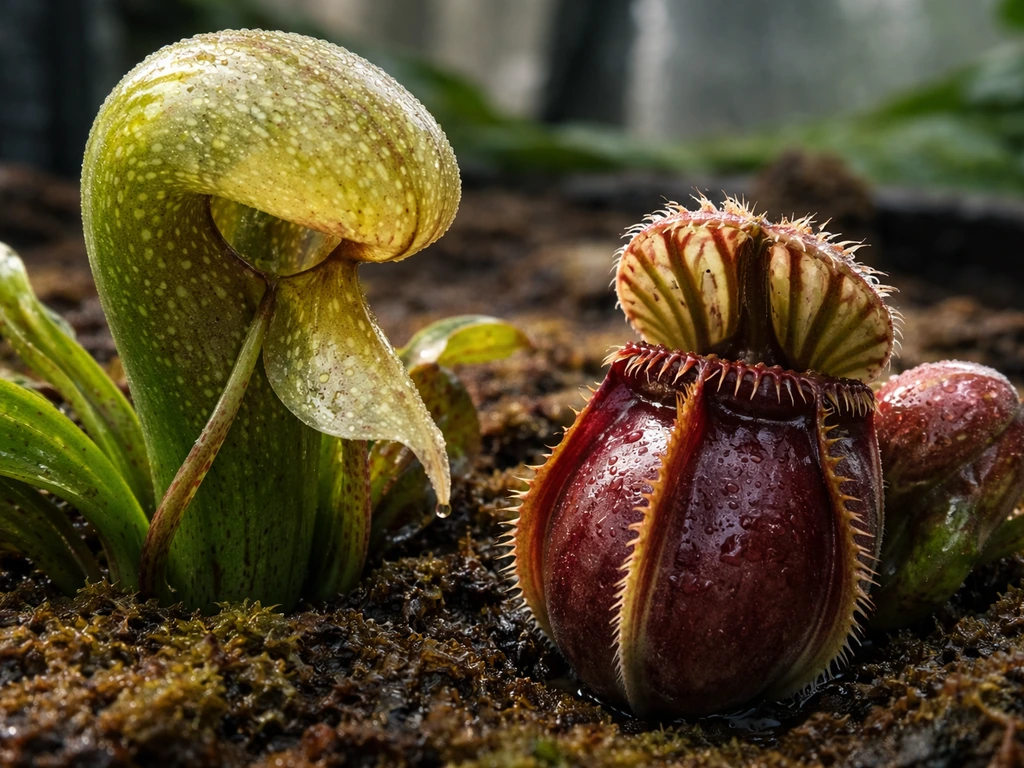
Darlingtonia californica is probably the most demanding pitcher plant for home growers. It needs cool roots even in summer. The International Carnivorous Plant Society recommends using ice cubes made from pure distilled or RO water poured over the soil during hot weather to keep root temperatures down. If you live somewhere with hot summers (July in Phoenix, August in Atlanta), Darlingtonia is a serious challenge. Cephalotus is more manageable: it handles mild winters and summers, does not need extreme cold, but does slow down and shift to non-carnivorous leaves in winter as part of its seasonal cycle.
Temperature and seasonal needs by genus
This is where getting the genus right really matters. All North American pitcher plants (Sarracenia, Darlingtonia) require a cold winter dormancy between roughly November and February. That is not optional for long-term health, it is how they are built. During dormancy, you reduce watering, stop fertilizing if you ever do that, and let temperatures drop. Sarracenia pitchers die back and the plant looks dead; that is normal. Cephalotus does not go fully dormant but does slow significantly and produces flat, non-carnivorous leaves in winter. Nepenthes have no dormancy requirement, but highland species genuinely need consistent night cooling year-round. If you are building a garden plan, you can also estimate how many tropical-style plants you can keep healthy by matching their temperature needs to your space highland species genuinely need consistent night cooling year-round..
| Genus | Winter handling | Min temp (dormancy/rest) | Year-round outdoor growing (temperate North America) |
|---|---|---|---|
| Sarracenia | Full cold dormancy required | Survives below 0°F when dormant (S. purpurea); most species fine to ~20°F | Yes, zones 6–10 (container or bog garden) |
| Nepenthes (lowland) | No dormancy; keep warm | No lower than ~60°F (15°C) | Only in frost-free zones (10–12) |
| Nepenthes (highland) | No dormancy; cool nights required year-round | Nights 50–59°F (10–15°C) ideal | Only in cool-mild coastal climates |
| Darlingtonia | Partial cool-down in winter; roots must stay cool | Tolerates light frost; roots must not overheat in summer | Pacific Northwest only; container elsewhere |
| Cephalotus | Seasonal slow-down; mild cool winter | No lower than ~40°F (5°C) typically | Mild Mediterranean-type climates only |
Light, humidity, and water: matching your setup to your climate
Light
Sarracenia wants maximum sun, at least 6 hours of direct sunlight daily, and more is better. It is one of those plants that will tell you when it is not getting enough light by producing short, pale pitchers instead of tall, vibrantly colored ones. Nepenthes is more flexible: lowland species appreciate bright indirect light or filtered sun; highland species also do well with filtered bright light and should avoid the intense midday direct sun that raises temperatures too high. Darlingtonia and Cephalotus both prefer bright light with some direct morning sun, but Darlingtonia must be shaded from intense afternoon sun that heats the roots.
Humidity
Nepenthes, especially highland species, prefer 60 to 80 percent relative humidity. In a typical home that means a humidifier near the plant, a pebble tray with water, or a terrarium/grow tent setup. Sarracenia handles normal outdoor humidity in most of the eastern and southeastern U.S. without any intervention. In the arid Southwest, it can struggle outdoors in summer without supplemental misting or a more humid microclimate. Darlingtonia and Cephalotus also appreciate higher humidity but are not as demanding as Nepenthes.
Water quality and watering method
All pitcher plants share one non-negotiable: they need mineral-free water. Tap water with dissolved minerals will kill them over time by raising the soil conductivity. Use rainwater, distilled water, or reverse osmosis water exclusively. For Sarracenia and Darlingtonia, the tray method works well: sit the pot in a tray of pure water about an inch deep so the plant can wick up what it needs. For Nepenthes, keep the soil moist but not waterlogged, and water from above. Darlingtonia specifically benefits from cool water poured over the roots in summer heat, some growers literally pour a cup of ice-cold distilled water over the pot on hot afternoons.
What to do today: check your plant and take action
It is mid-May 2026, which is a good time to act. Most of North America is heading into the growing season, which means Sarracenia should be waking up from dormancy and starting to push new pitchers, while Nepenthes indoor plants are entering their most active growth window. Here is what to do right now:
- Confirm your genus. Check the plant tag, your receipt, or do a quick image search. Is it Nepenthes (vining, hanging pitchers with a lid and flared rim)? Or is it Sarracenia (upright tubular pitchers growing from a crown in the soil)? This single question determines every care decision that follows.
- Check where your plant has been living. If it is a Sarracenia that spent winter in a warm, well-lit room, it may have missed its dormancy period. It will likely survive, but plan to give it a proper outdoor winter dormancy this coming November through February.
- Move Sarracenia outside now if overnight temps are consistently above 35°F (2°C). Put it in the sunniest spot you have — full south-facing sun is ideal. Set it in a tray with an inch of distilled or rainwater.
- Check your Nepenthes nighttime temps. If it is a highland species and your nights are above 65°F (18°C), find a cooler spot: a basement window, an unheated garage room, or a grow tent with a night-mode temperature controller. Lowland Nepenthes can stay where it is as long as it is warm and humid.
- Switch to pure water immediately if you have been using tap water. Flush the soil with a few passes of distilled or RO water to help clear any mineral buildup.
- Check light levels. Sarracenia getting less than 6 hours of direct sun needs to move. Nepenthes should have bright, indirect light without being blasted by afternoon sun that spikes temperatures.
- Do not fertilize through the soil. Pitcher plants get nutrients from insects. If you want to give them a boost, drop a small dead insect or a pinch of fish flakes into one or two pitchers every few weeks during the growing season.
Once you have the genus confirmed and the basic setup right, pitcher plants are genuinely rewarding to grow. Sarracenia in particular is tough, dramatic, and surprisingly low-maintenance once it is in the right spot with the right water. The confusion around whether they are tropical is really just a labeling problem, and now that you know the real breakdown by genus, you can stop treating every pitcher plant like a finicky tropical houseplant and give yours exactly what it actually needs. If you are exploring other unusual plants in your garden, the same principle applies to plants like Poseidon plant or Hinomai, where the right growing conditions depend heavily on what the plant actually is, not just what it looks like. If you want a simple, reliable way to pick plants for a harvest, start by choosing species that match your growing conditions and then plan around their single main harvest timing Poseidon plant.
FAQ
I bought a “pitcher plant” from a garden center, but the label only says pitcher plant. How can I tell if it’s suitable for outdoor growing?
If you’re in North America, a bare “pitcher plant” label at a typical garden center is usually Sarracenia or a Sarracenia hybrid. The quickest confirmation is to look for a species/genus tag on the pot or receipt. If it does not list Nepenthes, plan on seasonal outdoor care with winter cooling and acidic bog soil, not warm houseplant care.
Can I grow a tropical pitcher plant outdoors if I live in a warm climate?
Only some “tropical” Nepenthes are realistic outdoors, and even then it depends on whether it is a lowland or highland type and how cool nights get. A practical test is night temperature: highland types need a consistent nighttime drop. If your nights stay warm all year, growth often slows and pitchers stop, even if daytime temperatures look correct.
My Nepenthes is making few or no new pitchers. What are the most common causes?
Two big ones are incorrect night temperatures (especially for highland types) and temperature spikes from heat sources (vents, heaters, warm appliances). Second, overly hot midday sun can raise root-zone temperatures too much, reducing pitcher production. Finally, using mineral-heavy water can weaken the plant over time.
Do pitcher plants need fertilizer, or can I just rely on the pitcher trap?
Most growers of Sarracenia and related outdoor types do not use regular houseplant fertilizer. Instead, they focus on nutrient-poor, acidic bog media and mineral-free water, because fertilizer can disturb the nutrient-poor balance and worsen performance. If you do add anything, use only specialized, very light feeding for carnivorous plants and only after the plant is well-established.
What should I do during winter if my Sarracenia looks dead?
That dieback is normal. Treat it as true dormancy: reduce watering, stop any fertilizing, and let it experience cold temperatures consistent with your plant’s hardiness. Do not try to “rescue” it by moving it to a warm indoor spot, because warmth can interrupt dormancy and weaken the plant over multiple seasons.
My Sarracenia pitchers are pale and short. Does that mean it needs more water or more sun?
Short, pale pitchers usually point to insufficient light, not lack of water. Sarracenia is a maximum-sun plant, aim for at least 6 hours of direct sun and more when possible. Overwatering in low light can also cause problems, so prioritize light first, then adjust watering to keep the bog mix consistently wet, not submerged.
Can I use peat-based potting mix or regular garden soil if it’s acidic?
Avoid regular garden soil and compost even if it seems acidic. The key is nutrient-poor media and mineral-free watering. Sarracenia and Darlingtonia are typically grown in acidic bog mixes like sphagnum or peat plus perlite, or pure sphagnum, and regular soil usually introduces minerals that accumulate and eventually damage the plant.
How do I keep Sarracenia from overheating in summer if my weather is very hot and dry?
Two targeted adjustments help: increase humidity around the pot (for example, a more humid microclimate or a tray setup) and ensure you are using mineral-free water. Also make sure the roots stay cooler, especially if you notice stress symptoms during peak heat. In extreme heat, Darlingtonia is usually the harder case, often requiring active root cooling.
Is distilled or RO water required for all pitcher plants, or just Nepenthes?
For long-term success, mineral-free water matters for all pitcher plants. Mineral buildup raises soil conductivity and can gradually damage or kill plants, even if they look fine at first. Use rainwater, distilled, or reverse osmosis water, and if you use a tray method, keep the standing water mineral-free too.
How often should I water pitcher plants, and should I water from the top or use a tray?
It depends on genus. For Sarracenia and Darlingtonia, many growers water via a tray so the plant can wick up what it needs. For Nepenthes, water from above to keep the growing media consistently moist but not waterlogged. A reliable rule is to match the water method to the plant’s natural root zone, wet bog for Sarracenia types and consistently moist media for Nepenthes.
Does Cephalotus need a full cold winter dormancy like Sarracenia?
No, Cephalotus does not usually go into the same full dormancy. It typically slows down in winter and may produce flatter, non-carnivorous leaves as part of its seasonal cycle. That said, you still need seasonal temperature changes, so don’t keep it warm indoors year-round and expect normal production.
If I want the easiest pitcher plant for outdoor growing in most of North America, what should I choose?
For most gardeners, Sarracenia is the best starting point because it is adapted to winter dormancy and can handle frost when it is planted in the right bog-style media. Choose a cold-tough species or hybrid (for example, purple pitcher types are often very forgiving) and place it in maximum sun with mineral-free water.
Best Indoor Plants That Grow Tall: Top Picks & Care Guide
Best tall indoor plants by light, care and season, real heights, potting, pruning, pests, plus a quick picker's guide.