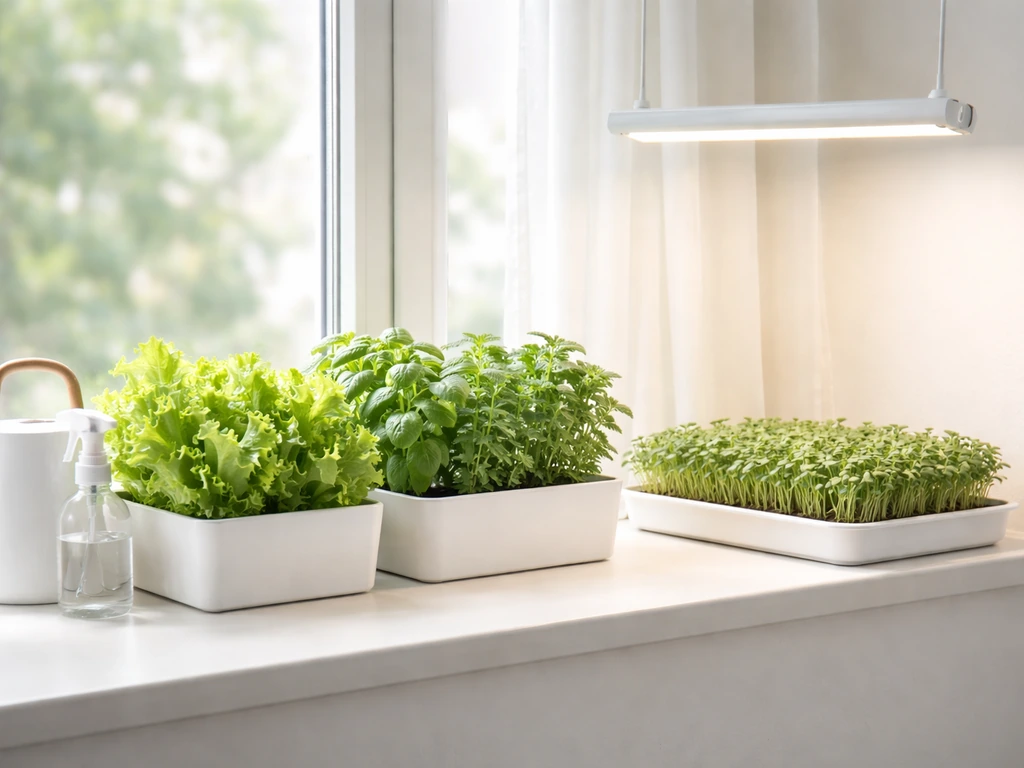
The best small plants to grow indoors right now are pothos, spider plants, peperomia, ZZ plants, and compact herbs like basil, thyme, and oregano. Each one works in a different set of conditions, so the right pick depends on your light, how often you want to water, whether you have pets, and whether you want something to look at or something to eat. Run through the sections below and you'll know exactly what to buy this week.
Best Small Plants to Grow Indoors: Easy Picks by Light
Rachel Hartley
4 Jun 2026
Best small indoor plants by light level

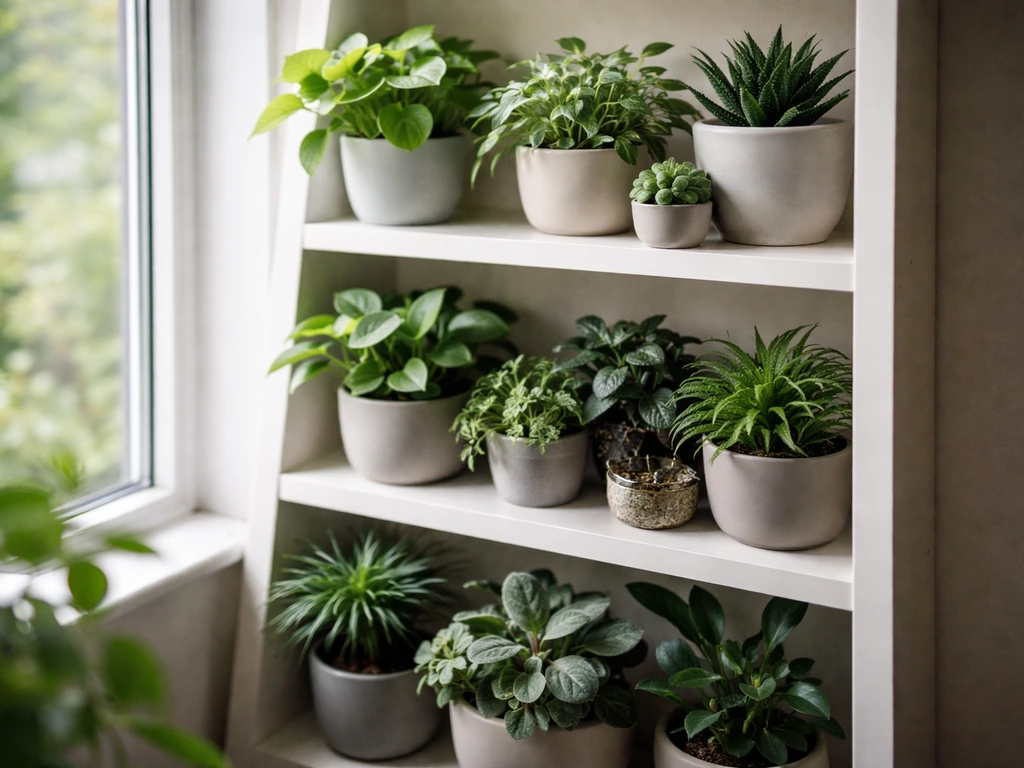
Light is the one thing you can't fake, so start here. Before you buy anything, figure out what kind of window situation you're working with. South-facing windows get the most direct sun. East-facing windows get gentle morning light, which is great for medium-light plants. West-facing windows are similar but with stronger afternoon sun. North-facing windows are low light, full stop. If you're in an office or a room with only fluorescent lighting, you're in the low-light category.
| Plant | Light Level | Notes |
|---|---|---|
| Pothos | Low to bright indirect | Leaf color fades in low light but it survives fine |
| ZZ Plant | Low to indirect | One of the most forgiving low-light plants you can get |
| Spider Plant | Medium to bright indirect | Adapts to medium light; east window is ideal |
| Peperomia | Low to medium indirect | Stays compact even with less light |
| Basil | Bright (6–8 hrs/day) | Needs a south window or grow light to thrive |
| Thyme / Oregano | Bright indirect to direct | South or west window; dry out slightly between waterings |
| Parlor Palm | Low to medium indirect | Slow-growing, pet-safe, works in dim corners |
If you've got a north-facing window or just overhead fluorescent lights, your realistic options are ZZ plant, pothos, and peperomia. Don't try to force basil or thyme in that situation without a grow light. Those herbs need at least 6–8 hours of real brightness and will just stretch, pale, and die slowly in low light. If you want herbs and only have fluorescent lighting, place them 6–12 inches from two 40-watt cool-white bulbs running 14–16 hours a day. That's the workaround that actually works.
Low-maintenance small plants for beginners
The number one beginner mistake is overwatering. Most indoor plants don't die from neglect, they die from too much water. The plants below are specifically good at surviving inconsistent watering and forgiving mistakes.
- Pothos: Water thoroughly, then let the soil dry out moderately before watering again. Note that devil's ivy (golden pothos) can dry out more between waterings, while silver pothos prefers to stay barely moist at all times. Either way, don't keep it constantly wet.
- ZZ Plant: Let the soil dry slightly between waterings. These have rhizomes that store water, so they're built to handle your forgetting about them for a couple of weeks.
- Spider Plant: Thick, fleshy roots store moisture, so inconsistent watering won't kill it quickly. Let the soil dry slightly between deep waterings. Fertilize every 3–4 months at most.
- Peperomia: Slow-growing and compact, it tolerates low light and infrequent watering. Fertilize lightly in spring and summer only, and don't rush to repot it.
- Succulents and cacti: Allow soil to dry out completely between waterings. These are the hardest plants to overwater if you actually follow that rule.
One genuinely useful tip: stop watering on a schedule. There is no single watering calendar that works for all indoor plants. Instead, check the soil by pressing your finger an inch into the mix. If it's still damp, wait. If it's dry, water thoroughly until it drains from the bottom. Pot weight is another good cue. A dry pot feels noticeably lighter than a watered one. This one habit prevents more plant deaths than anything else.
Plants that stay compact and won't take over your shelf
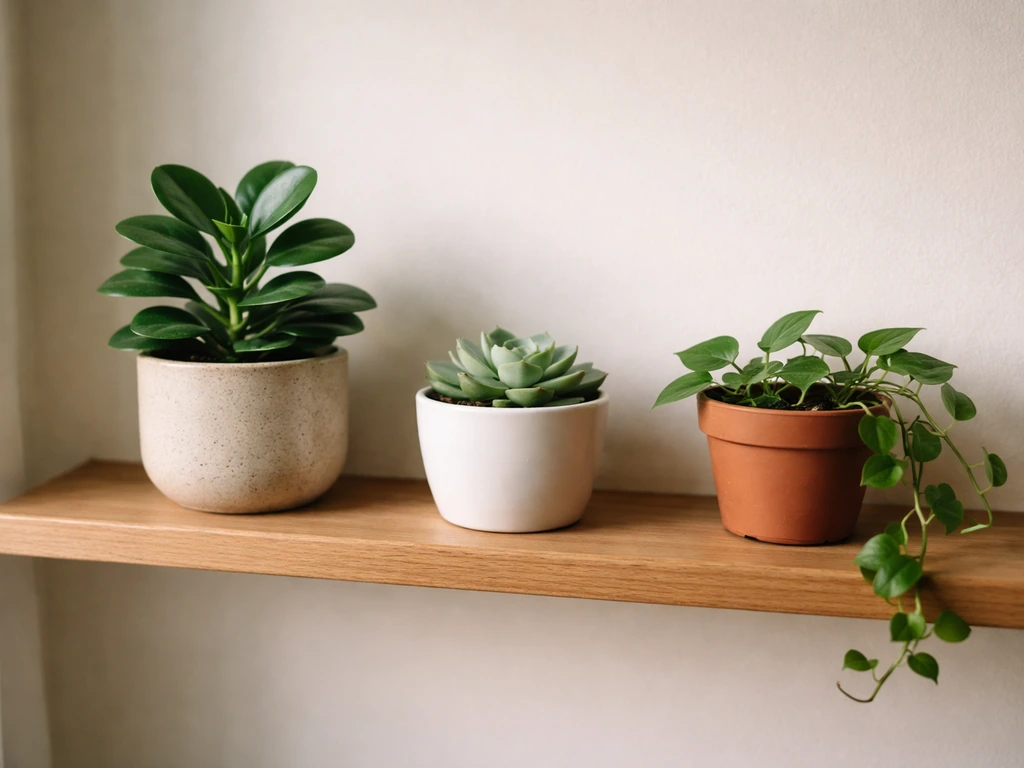
Some "small" plants are only small when you buy them. Pothos, for example, will trail several feet if you let it. Others stay genuinely compact for years. If you need plants that won't outgrow a windowsill or shelf, focus on these.
- Peperomia: Described by extension horticulturists as compact and slow-growing. It genuinely stays small. Prune sparingly, repot only when truly rootbound, and rotate it regularly for even growth.
- ZZ Plant: Slow grower. A small ZZ plant stays manageable in a 4–6 inch pot for a long time.
- Spider Plant: Produces plantlets (little offsets on long stems) when it gets potbound, which is normal and not a sign something's wrong. You don't need to rush to repot it, and trimming the plantlets keeps it tidy.
- Small succulents (haworthia, echeveria): Stay compact by nature. Haworthia tolerates lower light than most succulents, making it a better indoor choice than echeveria if your window isn't especially bright.
- Parlor Palm in a 4-inch pot: One of the slowest-growing palms available. It will stay desktop-sized for years with minimal intervention.
Matching small indoor plants to your actual goal
If you want to grow food or herbs
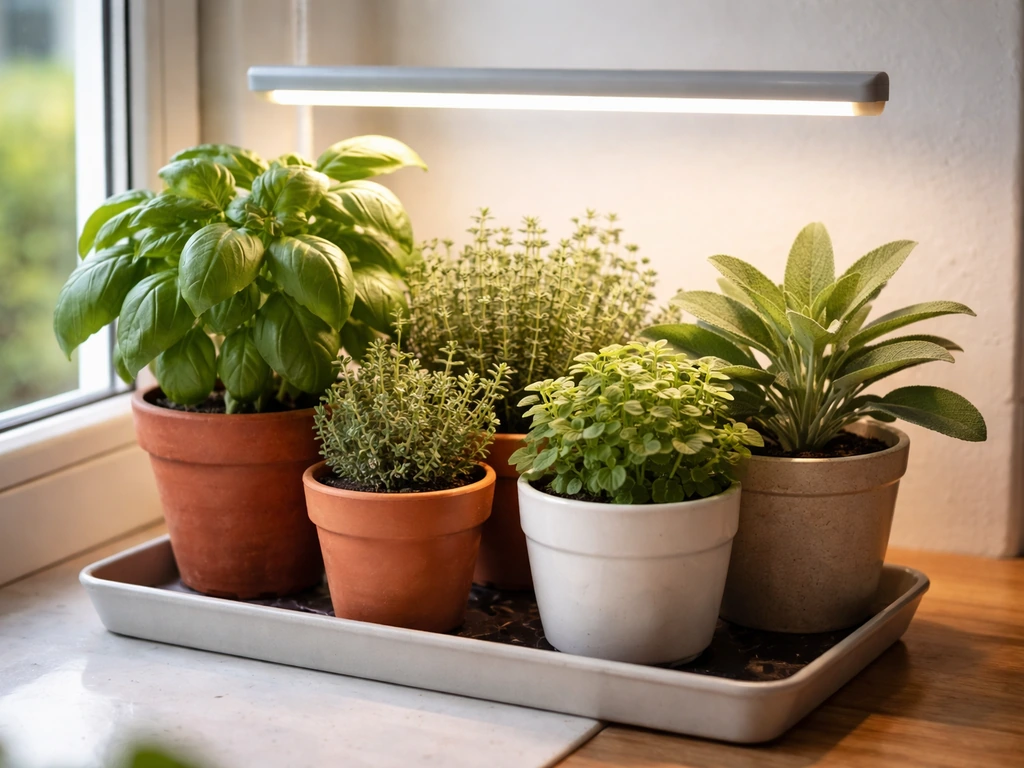
Compact herbs are the easiest way to get edible results from a small indoor setup. Basil, thyme, oregano, sage, and marjoram all work on a sunny windowsill or under grow lights. The key difference between them is water tolerance. Thyme, oregano, sage, and marjoram prefer to dry out slightly between waterings.
Basil is thirstier and needs consistent moisture. Use a south or west window that gets at least five hours of sun, or supplement with grow lights running 14–16 hours a day in winter. One practical gotcha: basil is an annual. It will eventually bolt (flower and go bitter) and die even indoors.
Treat it like a consumable you replace every few months, not a permanent fixture. For a deeper look at edible options beyond herbs, there's a separate guide on the best edible plants to grow indoors that covers more options like microgreens and compact vegetables. If you want something that smells amazing while you grow, choosing the best smelling plants to grow indoors can be a great next step best edible plants to grow indoors.
For more ideas, see the best edible plants to grow indoors, including microgreens and compact vegetables.
If you want something decorative
Pothos, spider plants, peperomia, and ZZ plants all bring strong visual interest without much fuss. Pothos with variegated leaves (golden, marble queen, neon) adds color to shelves and hanging spots. If you want trailing options specifically, this guide to the best hanging plants to grow indoors will help you choose varieties that fit your space and light. Peperomia comes in a huge range of leaf textures and colors. ZZ plants have glossy, deep green leaves that look genuinely elegant on a desk or side table. If you're leaning into hanging or trailing displays, the best hanging plants to grow indoors covers that angle in more detail.
If you want cleaner air

Spider plants and peace lily have both been studied for interior air quality improvements. The research often cited is NASA's Clean Air Study, which evaluated plants like spider plant, English ivy, and peace lily for indoor air pollution reduction. These plants are worth having anyway for other reasons, so they're a reasonable choice even if the real-world air-cleaning effect in a lived-in home is modest. Just keep in mind that peace lily is toxic to pets (more on that below).
Small indoor plants by growing conditions
If you tend to underwater (or travel a lot)
ZZ plants, succulents, cacti, and pothos are your best friends. ZZ and succulents are genuinely drought-adapted. Pothos bounces back from dry spells faster than almost any other leafy plant. Spider plants are also forgiving due to their water-storing roots.
If you tend to overwater
If you know you have the urge to water constantly, succulents and cacti will punish you for it. Counterintuitively, ZZ plants are a better choice for overwatering-prone growers in low light because they store water in their rhizomes but also handle occasional extra moisture better than a cactus would. The practical fix for overwatering is simple: water from the top until it drains out the bottom (this also flushes excess fertilizer salts), then don't water again until the soil has dried. If you're getting fungus gnats (those tiny flies hovering around your soil), that's almost always a sign of overwatering or consistently damp potting mix. Let the soil dry out more between waterings and the problem usually resolves itself.
If you have pets
This is where you need to be careful. Several of the most popular small indoor plants are toxic to cats and dogs. Pothos (devil's ivy), peace lily, philodendron, dieffenbachia, and jade plant are all on the ASPCA's toxic plant lists for cats and/or dogs. If you have pets, the safest compact options are spider plants, peperomia, haworthia, and parlor palm, which the ASPCA lists as non-toxic to both dogs and cats. Always verify the exact cultivar name against the ASPCA's current toxic plant database before buying, especially with succulents, since toxicity varies by species.
If your home is dry (low humidity)
Good news: most of the best small indoor plants actually prefer or tolerate low humidity. Pothos, ZZ plants, peperomia, spider plants, dieffenbachia, and most herbs all do fine in average to dry home conditions. Illinois Extension notes that pothos grows best in bright, indirect sunlight and that leaf color can fade in low light. You don't need a humidifier or pebble trays for these. Tropical plants that demand high humidity (like calathea or ferns) are a different story and tend to be harder to maintain long-term in a typical heated home.
Container and setup tips to keep small plants thriving

The container matters more than most people think. For almost every plant on this list, use a pot with a drainage hole. Period. No exceptions. Without drainage, excess water sits at the bottom of the pot and roots rot. Decorative pots without holes work fine as outer covers if you keep the plant in a functional nursery pot inside.
- Pot size: Go one size up from the nursery pot when repotting, not dramatically larger. Oversized pots hold too much moisture and increase rot risk.
- Potting mix: Use a well-draining mix suited to the plant type. A standard indoor potting mix works for most foliage plants. Add perlite (about 20–30%) if drainage is sluggish. Succulents and cacti need a coarser, fast-draining cactus mix.
- Rotation: Rotate your plants a quarter turn every week or two. This keeps growth even on all sides instead of one-sided toward the light source.
- Watering method: Water from the top until water runs out the drainage hole. This flushes salt buildup from fertilizer. Bottom-watering (letting the pot soak in a saucer) works too but should be alternated with top-watering occasionally to clear salts.
- Saucers: Empty saucers after watering so roots aren't sitting in pooled water.
- Herbs specifically: Annual herbs like basil need fresh potting mix yearly. Perennial herbs like thyme and oregano benefit from repotting or dividing once they get crowded, usually once a year.
For small plants on shelves or window ledges, keep in mind that light drops off quickly as you move away from the glass. A plant that's 3 feet from a window can be receiving significantly less light than one sitting right on the sill. If you're placing plants on shelving units away from windows, a small supplemental grow light (even a clip-on LED panel) makes a real difference for anything that needs more than low light.
What to buy right now, given the season
It's early June, which is one of the best times of year to start or expand an indoor plant collection. Days are long, natural light levels indoors are at their peak, and most foliage plants are entering their active growing season. Plants you buy now will have months of strong light ahead of them to establish well before the darker winter months arrive.
If you want herbs, now is the ideal time to start. Basil especially thrives in the long bright days of summer. Pick up a small basil plant (rather than growing from seed indoors, which takes longer) and put it in your sunniest window. Thyme and oregano started now will be well-established and producing by late summer. Just remember that as daylight shortens heading into fall, you may need to add a grow light to keep herbs productive through winter.
For decorative plants, pothos and spider plants bought in June will root in quickly and produce new growth fast. ZZ plants are slower regardless of season, but starting them now gives them the best growing window. Peperomia is a great June buy because the active growing season means it'll fill out a small pot within a few months.
One practical tip for this time of year: garden centers and big-box stores are fully stocked right now, so you'll have the best selection you'll see all year. If you're comparing options in person, check the leaves for pests (look under the leaves for spider mites or sticky residue), check that the soil isn't bone dry or soaking wet, and avoid plants that already look leggy or yellowed. A healthy plant at purchase makes the whole thing easier from the start.
To summarize the fastest path to a successful small indoor garden: pick one or two plants that match your actual light level (not your ideal light level), choose a pot with drainage, water based on soil condition not a calendar, and rotate your plants regularly. Start with pothos or a spider plant if you're unsure. If you want a broader shortlist, check our guide on the best pot plants to grow indoors for your space and light level pothos. Add herbs at a south window if you want something edible. From there, you'll know your setup well enough to experiment with more specific options.
FAQ
Can I grow these best small indoor plants in decorative pots without drainage holes?
Yes, but only if the pot and plant can drain. Use a nursery pot with drainage inside the decorative cachepot, and avoid letting water sit in the decorative outer pot. Also rotate the plant every 1 to 2 weeks so new growth doesn’t lean toward the light.
What should I do if I’m not sure whether my plant needs watering?
If you cannot tell whether the soil is damp, wait longer rather than watering. Aim for the “dry fingertip” method (about 1 inch down), then water thoroughly until it runs out the bottom. Consistently moist soil is the main setup for root rot and fungus gnats.
Which of the best small plants to grow indoors tolerate north-facing windows without a grow light?
It depends on the plant’s light needs. In low or north-facing light, stick to ZZ plant, pothos, and peperomia. For herbs like basil, thyme, and oregano, expect stretching and slow decline unless you add a grow light or place them in a reliably bright window.
My plant’s leaves are yellowing, how do I figure out whether it’s water or light?
Start by reducing water and increasing light, not by fertilizing. Yellowing plus mushy stems or foul smell usually means too much water, while yellowing with firm stems and pale new growth can be low light. For most of these plants, pause fertilizer for a few weeks and adjust lighting before adding nutrients.
Are peperomia plants more forgiving than people think, or do they need a tighter watering routine?
Peperomia can be a bit picky if you swing between soaked and bone-dry. Keep it slightly on the drier side, water only when the soil has partially dried, and make sure the pot drains well. If you water too often, leaf drop and soft stems can follow.
How can I make sure a plant is genuinely safe for cats or dogs, not just “generally non-toxic”?
Trim off yellow or damaged leaves and check pet safety before you bring it home. Some “safe” lists can vary by cultivar, so confirm the exact plant name. If you have cats or dogs, prioritize spider plant, peperomia, haworthia, and parlor palm, and keep toxic plants out of reach.
How do I estimate whether my shelf distance from the window is enough light?
Many small plants will look healthy but not thrive if there is too little direct brightness. A practical rule is that plants needing more than low light should be no more than a short distance from the window, and anything farther back usually benefits from a supplemental LED placed close enough to reach the leaves.
If I’m growing herbs indoors, what are the most common reasons basil fails compared with thyme or oregano?
Basil and most compact herbs can suffer when the soil stays wet or when light fades. Water basil when the top layer is starting to dry, but avoid soggy soil, and be ready to run a grow light as days shorten. Thyme and oregano usually handle slight dry-down better than basil.
Do variegated pothos plants need different care than solid green pothos?
Choose a variegated pothos only if you can provide brighter light than you would for solid green. Variegation can dull or revert in low light, and leaves may get smaller. If growth slows, increase light before watering changes.
What’s the best way to stop fungus gnats without harming my plants?
Yes, but keep a close eye on symptoms. Since overwatering often causes fungus gnats, let the soil dry more between waterings, then consider a sticky trap setup to reduce adults. Avoid bottom-saucer water and ensure the pot drains fully.
Will these small indoor plants stay small for years, or should I expect regular outgrowing?
Not always. Snake-like trailing growth from pothos, spider plant babies, or fast leaf expansion from peperomia can outgrow small shelves and window ledges over time. If you truly need “stay small,” prioritize plants noted for compact growth and plan occasional trimming or repotting.
Can I propagate plants like pothos or spider plants to get more without buying new ones?
Yes. Many of these plants can be propagated easily in water or soil, but do it during active growth if possible. For pothos, take a cutting with at least one node, change water if it clouds, and plant once roots are several inches long to improve survival.
What’s the simplest starter combination if I don’t know my light level yet?
Yes, and it’s a good strategy for beginners. The safest starting set is usually one plant for your actual light level and one for your higher light spot, or two forgiving plants like pothos and spider plant. If you’re unsure, start there, then add herbs only after you confirm you have enough brightness.
Next Article
Best Edible Plants to Grow Indoors: Easy Food Options
Curated best edible plants to grow indoors by light and space, with easy picks, setup tips, and troubleshooting.