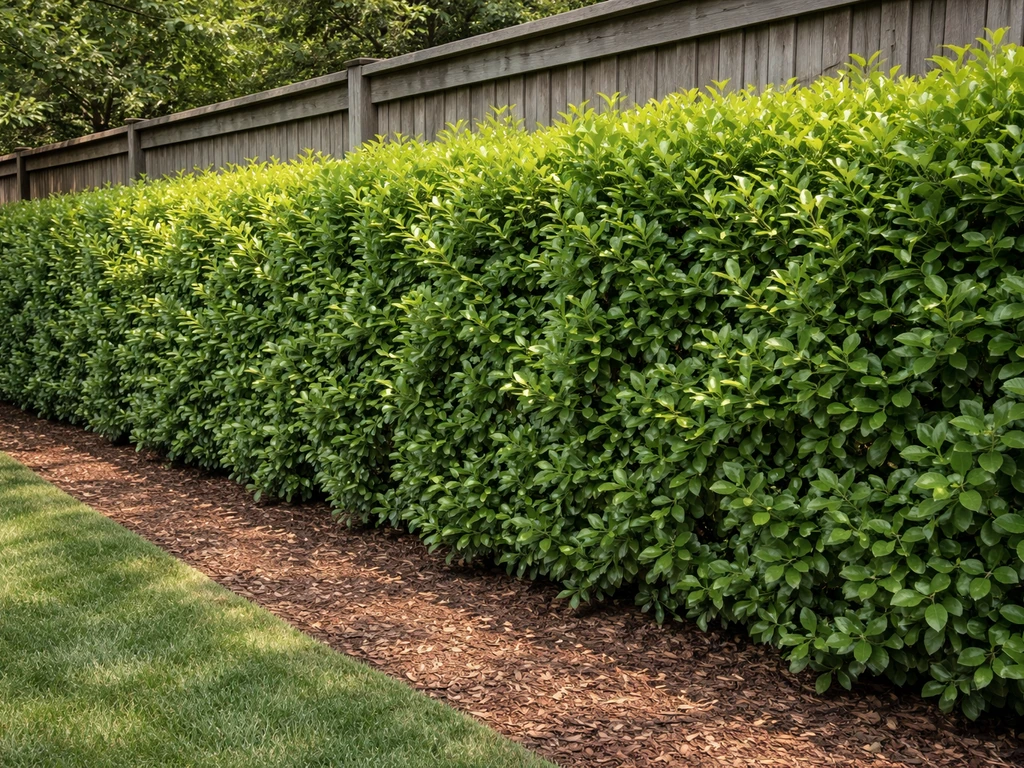
The best ground covers for hard-to-grow areas depend on what specifically makes your spot difficult. For dry shade under trees, go with native wild ginger (Asarum canadense) or Pachysandra procumbens. For hot, sunny slopes, creeping phlox (Phlox subulata) or sedum are hard to beat. For compacted, weed-prone ground, creeping thyme or buffalo grass fill in fast and smother competition. There is no single answer because 'hard to grow' covers a wide range of problems, but the right pick exists for almost every situation if you start by naming the actual obstacle.
Best Ground Cover for Hard to Grow Areas: A Guide
Rachel Hartley
10 Jul 2026
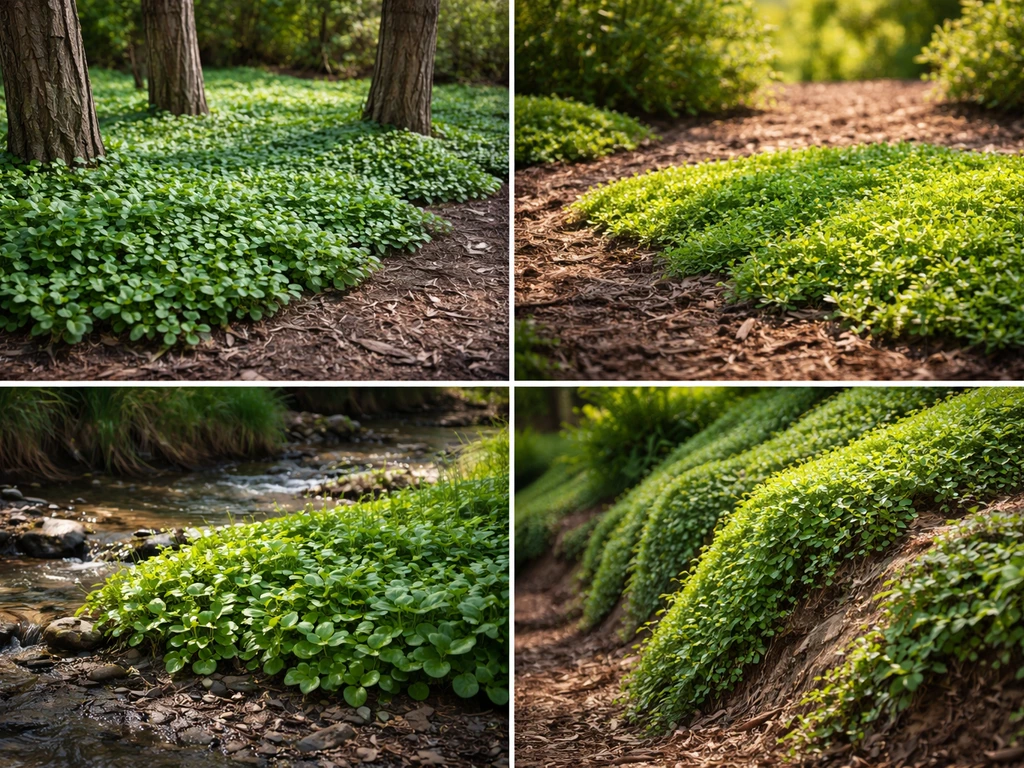
What 'hard to grow' actually means (and why it matters for picking the right plant)
Most trouble spots fall into a handful of categories, and your plant list should follow from whichever one you are dealing with. Mixing these up is the most common reason ground covers fail. Here is how to read your space before you shop.
- Dry shade: Areas under dense tree canopies or on the north side of structures where both light and water are limited. Roots from nearby trees steal moisture, and rain rarely penetrates the canopy. Most plants struggle here because they cannot photosynthesize enough to survive drought at the same time.
- Full-sun heat and drought: South- and west-facing slopes, hell strips between curb and sidewalk, or gravel beds that bake in afternoon sun. Soil dries out quickly, reflected heat can scorch foliage, and ordinary plants wilt or die by midsummer.
- Poor or compacted soil: Heavy clay, hardpan, or fill soil left after construction. Water pools on the surface or runs off, roots cannot penetrate, and nutrients are often absent. This is different from plain drought — the problem is soil structure, not just moisture.
- Slopes and erosion: Bare banks, steep berms, and hillsides where water runs off before soaking in. Exposed soil washes away in rain, making establishment hard and weed seed easy to land.
- Heavy foot traffic: Paths through garden beds, edges near play areas, or anywhere people cut across. Most ornamentals cannot handle repeated crushing; you need either a tough, resilient plant or a design that steers traffic.
- Weed-prone open ground: Beds that have been cleared but not planted, or thin turf areas where weeds moved in. The problem is not the soil itself but the absence of competition. Weeds win by default in any open space.
Many spots combine more than one of these. A shaded slope under a maple, for example, is dealing with root competition, low light, and erosion risk all at once. Knowing which combination you have lets you filter your plant list quickly instead of guessing.
How to pick the right ground cover (the criteria that actually matter)
There are hundreds of plants marketed as ground covers. Four practical criteria cut through the noise and tell you whether a plant will actually work in your problem spot.
Coverage speed and mature spread
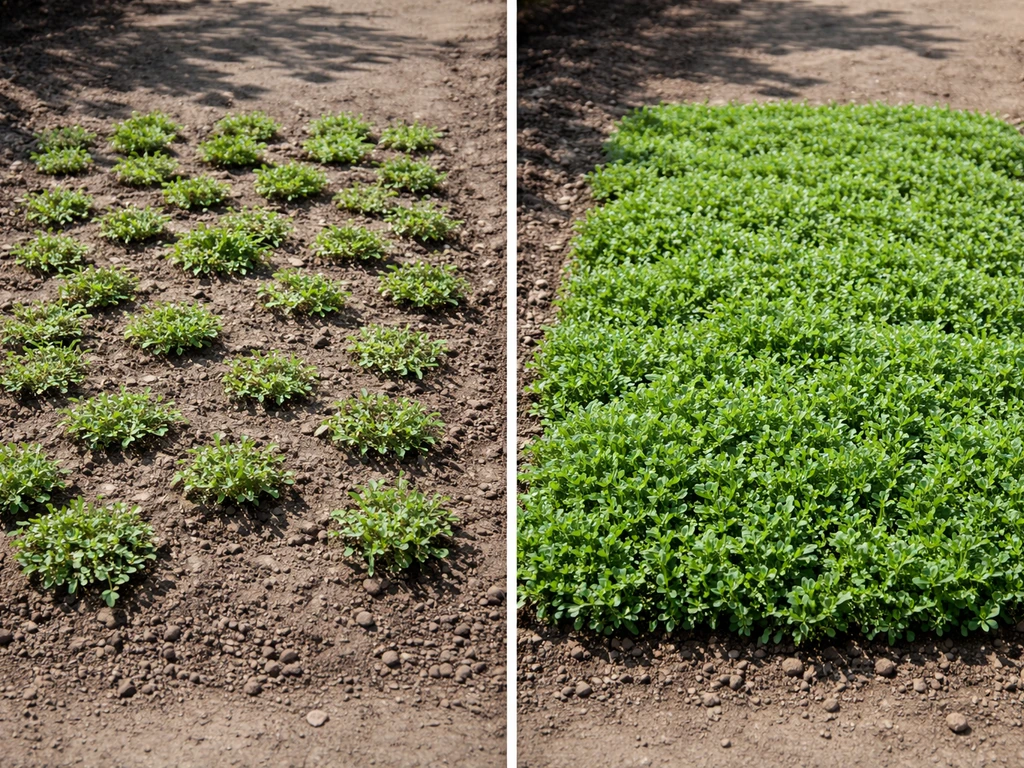
Some ground covers take three to four years to fill a bed; others close gaps within a single season. If you are dealing with erosion or heavy weed pressure, slow coverage works against you. Look for plants that spread by stolons, rhizomes, or self-layering because those fill ground faster than clumping varieties that only expand a few inches per year. Spacing plants closer at the start helps too, even though it costs more upfront. Close planting reduces the open soil where weeds can get a foothold.
Rooting and weed suppression
A dense canopy of foliage at or near ground level blocks light from weed seeds. Plants that knit together tightly at 6 to 12 inches tall are usually more effective than tall, airy ones. If you want privacy screening, you can pair this with fast-growing tall plants like arborvitae, bamboo, or leyland cypress to create height quickly. Once a ground cover is fully established, weed pressure drops significantly on its own. The tricky window is the first one to two years, when gaps are still open and you will need to hand-weed fairly regularly.
Maintenance demands
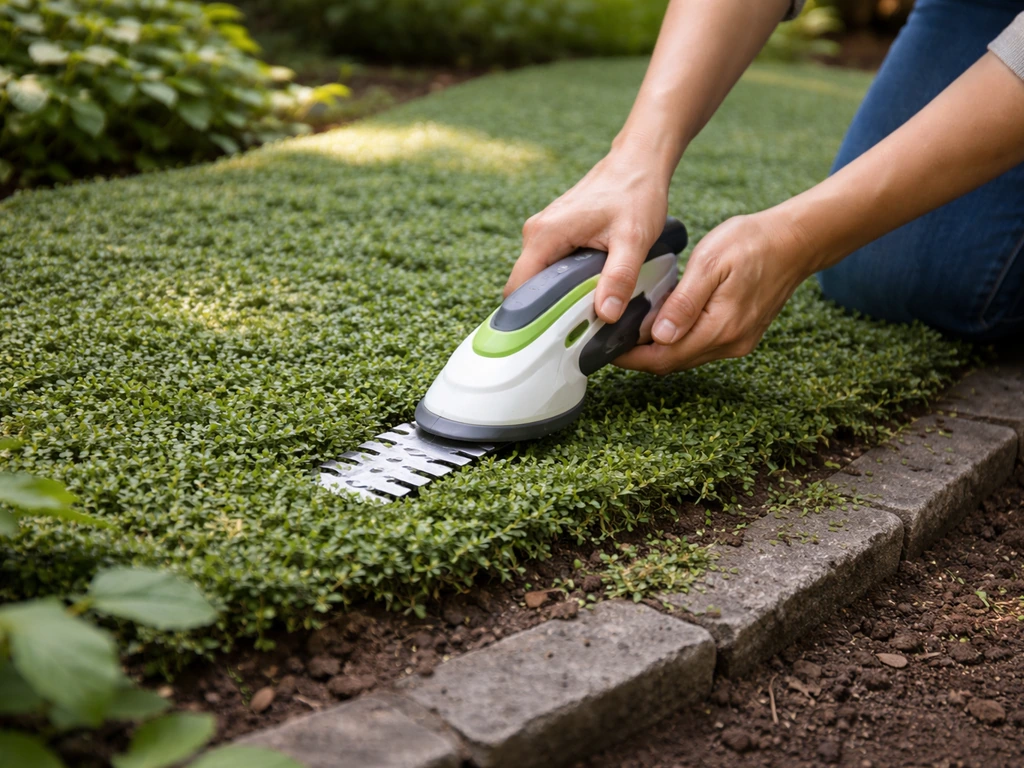
True low-maintenance ground covers need very little once established: no deadheading, minimal fertilizer, and at most one annual cutback. Be realistic about what your spot requires. A plant that technically survives your conditions but looks ratty without constant attention is not a solution. The goal is to fill the space, suppress weeds, and mostly leave it alone after year two.
Invasiveness risk
This one bites a lot of gardeners. Some of the most effective ground covers spread so aggressively that they escape into natural areas and displace native plants. Vinca minor (periwinkle) and Pachysandra terminalis (Japanese pachysandra) are common examples that are now considered invasive in many parts of the eastern United States. [Liriope spicata is listed as invasive in Tennessee and Georgia.
](https://extension. illinois. edu/landscaping/creeping-lily-turf) Before you plant anything, check your state's prohibited or watch-list species. The USDA PLANTS Database has a search tool for this, and most state cooperative extension services maintain their own lists.
If a plant is flagged in your region, do not plant it regardless of how well it might work in your yard, the risk to natural areas is real.
Best ground covers by problem type
Here are the picks that consistently perform in each category. Each one is chosen for reliability, reasonable availability at garden centers, and a track record of actually solving the problem.
For dry shade under trees
- Native wild ginger (Asarum canadense): A clumping native that handles dry to medium shade well, spreads steadily without being invasive, and has attractive heart-shaped leaves. Slower to establish than some, but reliable and well-behaved.
- Allegheny pachysandra (Pachysandra procumbens): The native alternative to Japanese pachysandra. Semi-evergreen, handles dense dry shade, and does not spread into natural areas the way its invasive cousin does. It is a better long-term choice for most eastern US gardeners.
- Barrenwort / Bishop's hat (Epimedium spp.): Genuinely tough in dry shade. Once established, it outcompetes weeds even in the worst root-competition zones under maples and beeches. Slow the first year, then takes off.
- Pennsylvania sedge (Carex pensylvanica): A fine-textured native that works like a grass substitute in dry, shaded areas. Drought-tolerant once established, deer-resistant, and mow-optional.
For hot, sunny, dry spots
- Creeping phlox (Phlox subulata): Blooms heavily in spring, then stays as a low mat of evergreen foliage all year. Handles poor, rocky, well-drained soil and full sun. Cut it back by about a third after flowering to keep it dense.
- Sedum (Sedum spurium, S. kamtschaticum, or stonecrop hybrids): Nearly indestructible in sun and drought. Spreads moderately, suppresses weeds once established, and adds color. Note that foliage can recede to the plant base in winter and regrows reliably in early spring, so do not assume it is dead if it looks sparse in January.
- Creeping thyme (Thymus serpyllum): Low, fragrant, handles foot traffic better than most ground covers, and works in heat and poor soil. Excellent between stepping stones and on low slopes.
- Prickly pear cactus (Opuntia humifusa, native species): For truly brutal, dry, sunny areas in the Southeast and Midwest. Not a typical ground cover but a practical one where nothing else works.
- Lantana (Lantana camara, in frost-free climates): Fast-spreading, heat-loving, and nearly drought-proof once established. Not hardy north of Zone 8, and should not be used in Florida or coastal areas where it is invasive.
For slopes and erosion control
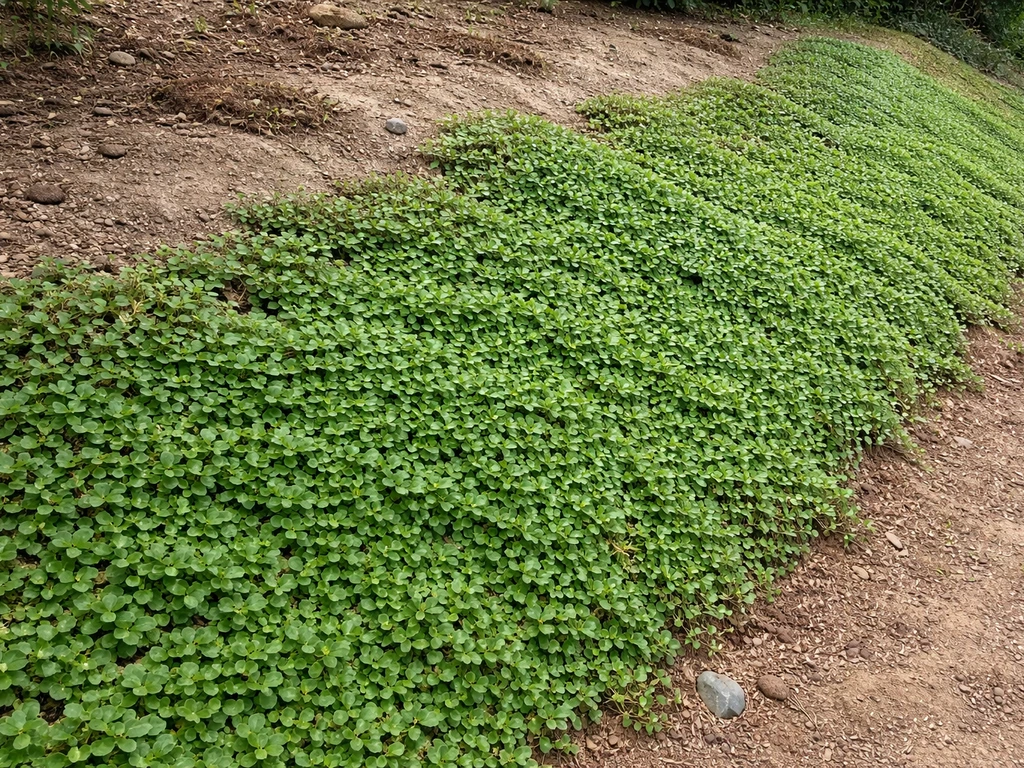
- Crown vetch (Coronilla varia): Extremely aggressive on slopes, fixes nitrogen, and establishes fast. However, it is invasive in many states — confirm it is legal to plant in your region before using it. Use native alternatives where possible.
- Native creeping juniper (Juniperus horizontalis): Excellent for sunny, dry slopes. Deep rooting helps with erosion, handles poor soil, and stays evergreen.
- Buffalo grass (Bouteloua dactyloides): Drought-tolerant native grass for sunny, flat to gently sloped areas in the central US. Once established, it crowds out weeds and rarely needs mowing.
- Switchgrass or prairie dropseed (smaller-scale slopes): Clumping natives with deep roots that anchor soil on moderate slopes while providing wildlife habitat.
For wet or poorly drained spots
- Creeping Jenny (Lysimachia nummularia 'Aurea'): Thrives in moist to wet soil and spreads quickly. Check invasiveness in your state before planting — the straight species can be aggressive.
- Blue star creeper (Isotoma fluviatilis or Pratia pedunculata): Works in moist, part-shade conditions and handles light foot traffic. Good between pavers near downspouts.
- Native blue flag iris (Iris virginica) and swamp rose mallow (Hibiscus moscheutos): For consistently wet or boggy edges rather than general ground cover, but extremely effective at colonizing wet problem spots.
For foot-traffic areas
- Creeping thyme: Handles moderate foot traffic, stays under 3 inches tall, and fills gaps between stepping stones beautifully.
- Dwarf mondo grass (Ophiopogon japonicus 'Nanus'): Tough, dense, and handles occasional traffic. Not for heavy daily use but great for lightly used paths.
- Corsican mint (Mentha requienii): Tiny, fragrant, and tolerates foot traffic in cool, moist climates. Not for hot, dry areas.
Shade vs. sun choices and how to layer ground covers with other plants
Ground covers rarely live in isolation. Many ground covers can also be trained to grow on a lattice if you choose vigorous, trailing varieties and provide enough soil and support grow well on lattice. In most gardens, they are the lowest layer under shrubs, small trees, or larger perennials, and choosing compatible plants at multiple heights makes the whole planting more resilient.
In shaded beds, pair a shade-tolerant ground cover with an understory shrub that provides similar conditions over time. Native serviceberry (Amelanchier) or oakleaf hydrangea above a carpet of Epimedium or Pennsylvania sedge, for example, creates a system where the shrubs eventually deepen the shade the ground cover already tolerates. This combination also suppresses weeds far more effectively than either layer alone.
In sunny areas, the logic is similar but the goal is often drought resilience. A low-water native shrub like native sumac (Rhus aromatica 'Gro-Low') paired with creeping phlox or sedum at the base creates layers that share the same soil moisture budget. The shrub shades the root zone of the ground cover in afternoon heat, reducing moisture loss, while the ground cover keeps weeds from establishing around the shrub's base. This is a common setup on sunny berms and hell strips.
If you are designing a planting near a fence or structure where both vertical and horizontal coverage matter, consider how a ground cover interacts with climbing plants or taller privacy shrubs. For privacy, you can use a dense ground cover near fencing plus taller privacy shrubs to create layered screening along the boundary best plants to grow for privacy. The ground layer and the vertical layer need to share compatible light and moisture requirements, or one will outcompete the other within a few seasons.
| Condition | Ground cover pick | Compatible understory partner |
|---|---|---|
| Dry shade | Epimedium or Pachysandra procumbens | Serviceberry or witch hazel |
| Full sun / hot and dry | Creeping phlox or sedum | Gro-Low sumac or native juniper |
| Moist part shade | Pennsylvania sedge or Creeping Jenny | Oakleaf hydrangea or native ferns |
| Sunny slope / erosion | Creeping juniper or native grasses | Dwarf shrub dogwood or native viburnum |
| Foot traffic path | Creeping thyme or dwarf mondo | Low ornamental grasses at edges |
Dealing with hard soil before you plant
Planting into compacted clay or construction fill without prep is one of the most reliable ways to watch a ground cover struggle for years. The good news is that even modest prep makes a big difference and you do not need to rototill the whole bed.
Start with a soil test at least a month before planting. Most state cooperative extension services offer affordable tests that tell you pH, organic matter, and nutrient levels. This takes the guesswork out of amendment choices. Many hard soils are not depleted of nutrients so much as they are compacted and low in organic matter, and adding compost solves both problems better than fertilizer alone.
For compacted or clay-heavy ground, loosen the top 6 to 8 inches with a garden fork or broadfork rather than a rototiller. Rototilling clay breaks up the structure in a way that often leads to worse compaction after a season or two. Work in 2 to 3 inches of compost and rake it level. If the area has persistent weeds, use a tarp or thick black plastic to solarize the bed for 4 to 6 weeks before planting during summer heat. This kills weed seeds in the top layer of soil and reduces your first-year weeding burden significantly.
On slopes, the window between clearing weeds and getting plants in the ground is risky. Bare soil on a slope erodes quickly, and weed seeds move in fast. If you cannot plant immediately after clearing, cover the slope with a biodegradable option like untreated burlap or paper-based weed barrier to hold the soil and limit weed germination until planting day. This is not a permanent solution but buys you time without the microplastic concerns that come with synthetic weed fabric.
For fast establishment, space plants closer than the plant tag suggests. Most ground cover labels give spacing for the plant's mature spread, which might mean two to three years of open soil. Half that spacing costs more plants upfront but closes coverage in one season instead of three. The tradeoff is worth it in weed-prone or erosion-prone areas.
When and how to plant: a season-by-season plan
Spring and fall are the best times to plant ground covers. In sunny areas, the logic is similar but the goal is often drought resilience pool landscaping choices by season. Mild temperatures and more reliable rainfall take stress off newly planted roots, and plants have time to establish before either summer heat or winter cold arrives. If you are planting in midsummer because that is when you bought the plants or noticed the problem, you can still succeed, but you will need to water more aggressively and mulch immediately.
Spring planting (March through May, depending on your region)
Plant after the last frost date once soil is workable. Dig holes to fit each rootball, set plants at the same depth they were growing in their container, fill in around the roots, and tamp the soil firmly to eliminate air pockets. Water immediately after planting. Apply 2 inches of mulch between plants to suppress weeds and hold moisture, keeping mulch an inch or two away from the plant crown to prevent rot. Check soil moisture at least once a week by pushing your finger 3 to 4 inches into the soil near a plant, water when it feels mostly dry at that depth.
Summer planting (June through August)
This is doable but demanding. Water every two to three days for the first few weeks in hot weather, then taper off as plants show new growth. Drip irrigation or soaker hoses are more efficient than overhead sprinklers during summer because less water is lost to evaporation. Shade cloth over new transplants for the first week or two helps reduce heat stress in regions with brutal afternoon sun. Avoid fertilizing newly planted ground covers in midsummer heat, as this pushes tender new growth that can burn.
Fall planting (September through October)
Often ideal because soil is warm, air is cool, and rainfall is usually more consistent. Roots establish without the energy demand of summer top growth. Plants go into winter with a better root system and jump ahead of spring-planted competitors. In cold climates, apply a light layer of straw or shredded leaves over new plantings after the ground freezes to prevent frost heaving.
What to expect during the first growing season
Do not panic if plants look static for the first month or two. Most ground covers put energy into roots before they spread. You will start to see real lateral movement in year two. Keep mulch topped up between plants to suppress weeds during this window, and hand-pull anything that gets through. The weeding burden is highest in years one and two and drops off considerably once the planting canopy closes.
Long-term care and what to do when things go wrong
Once established: ease off the mulch and let plants spread
Once your ground cover is filling in well, stop adding mulch between plants. A thick mulch layer at this stage can actually prevent the stolons and creeping stems from rooting into the soil, slowing the coverage you want. The plants themselves become the weed suppressor now, and they work better when they can reach bare soil. Reserve mulch for any gaps that open up.
Handling gaps and dieback
Winter dieback, especially in sedums and some phlox varieties, is normal and not a reason to replant. Give plants until mid-spring before declaring them dead. Sedum in particular retreats to its base in winter and regrows quickly in early spring. If a patch genuinely fails to regrow or has died back in a localized area, dig out the dead material, loosen the soil, and replant with fresh starts. Most ground covers can be divided from healthy sections of the same bed at low cost.
Managing weeds in established beds
Even in well-established beds, aggressive weeds like bindweed, ground ivy, or nutsedge can work through a ground cover layer. Hand-pulling while roots are young is far more effective than waiting and trying to use herbicide around plants you want to keep. For persistent perennial weeds, paint glyphosate directly onto the weed leaves with a small brush rather than spraying, to avoid hitting desirable plants. Avoid pre-emergent herbicides in beds where your ground cover spreads by layering or stolons, as they can prevent the ground cover from rooting as well.
Thinning and renovating overgrown beds
Fast-spreading ground covers like creeping phlox can get thick and woody in the center after four or five years, which leads to dieback in the middle of the planting. Trim creeping phlox back by about a third right after it finishes blooming in spring. For broader thinning or renovation, divide the mat in early spring or fall, removing woody sections and replanting healthy growth at wider intervals with fresh compost worked in. Most ground covers respond well to hard rejuvenation cuts every three to five years.
When to start over
If a ground cover has become a problem rather than a solution, such as a spreading species that is escaping into a lawn or natural area, the time to act is now rather than later. The longer an aggressive spreader is in place, the harder removal becomes. Pachysandra terminalis and Vinca minor are genuinely difficult to eradicate mechanically or chemically once established, which is exactly why checking invasiveness before planting saves years of work later. If you are in that situation, a multi-season effort combining manual removal, solarization with black plastic in summer, and replanting with a better-suited native is the most reliable path forward.
The most important takeaway is that hard-to-grow areas are not hopeless, they just need a plant matched to the actual obstacle. Name the problem first, check invasiveness for your region before you buy, prep the soil even a little, plant closer than the label says, and expect the first two years to require some weeding. If you are dealing with narrow gaps between pavers, the best plants to grow between stepping stones are often the same kinds of ground covers that handle foot traffic and fill quickly without constant maintenance. After that, a well-chosen ground cover genuinely takes care of itself.
FAQ
What’s the best ground cover for hard to grow areas when you’re not sure if the issue is shade, drought, or root competition?
Pick based on the worst-case constraint first. If you have tree roots, assume root competition and prioritize a plant known for root-friendly shade or dry shade (for example wild ginger or pachysandra), then confirm light level by observing direct sun for 2 to 3 hours during the day. Adjust only the planting density and mulch type after you start.
How close should I plant to get ground cover to fill in fast without creating disease problems?
Use the “half the tag spacing” idea, but keep airflow in mind. If you are in very humid conditions or foliage stays wet, reduce crowding slightly from true half spacing and keep mulch a little away from crowns. Also avoid planting too deep, air pockets make dieback more likely.
Can I use landscape fabric or weed barrier under ground covers?
Usually skip synthetic fabric if your ground cover spreads by stolons, rhizomes, or self-layering, because it can block rooting and slow fill-in. For weed-heavy sites, the better approach is soil prep (compost plus loosening) and short-term suppression like solarization, then mulch after planting.
What should I do if my soil test shows poor drainage, not just low nutrients?
Amend with compost, but also address structure. In areas that stay soggy, choose ground covers that tolerate periodic wetness and avoid heavy foot traffic plants. If water sits for more than a day after rain, incorporate coarse organic matter or improve grade, because fertilizing alone will not fix root stress.
My ground cover is spreading, but weeds are still popping through. Why, and what’s the fix?
Common cause is insufficient ground contact early on. Thin mats, wide spacing, and too much bare soil reduce canopy closure, so weeds get light. Add compost and mulch to close gaps while plants are small, then resist adding thick mulch once the mat is dense, because that can prevent further rooting.
Is it normal for creeping phlox or sedum to look thin or dead in winter?
Yes, winter dieback is common for several ground covers, especially sedums and some phlox types. Wait until mid-spring to decide a patch failed. If it regrows from the original base, keep it covered lightly with straw or leaves until growth starts, then remove excess debris so crowns can dry.
When is the best time to divide or renovate an overgrown ground cover mat?
If you need to thin an aggressive planting or remove woody centers, divide in early spring or fall so pieces establish before extreme heat. Remove dead or woody sections, replant into amended soil with slightly wider spacing, and plan for extra weeding for the first year.
How do I control aggressive weeds that won’t quit even after ground cover is established?
Treat it as a timing problem. Pull or spot-treat weeds when they are young and roots are small, hand-pulling is usually most effective then. For persistent perennials, paint herbicide directly onto the weed leaves with a brush rather than broadcast spraying, and avoid pre-emergent herbicides that could stop your ground cover’s rooting.
What’s the safest way to handle invasiveness risk beyond checking a list?
In addition to your state and USDA watch lists, verify whether the plant escapes locally by checking neighboring natural areas or regional garden forums, then choose sterile or slower alternatives if available. If you plant an aggressive option, plan containment, routine edge removal, and never let it seed or run into lawn margins.
How much water do newly planted ground covers need in hot weather, and how fast should I taper off?
Water frequently right after planting (often every 2 to 3 days during heat), then taper as soon as you see consistent new growth. Switch to deeper, less frequent watering once the plant starts to knit, because shallow watering can encourage weak surface rooting and makes plants fail during later dry spells.
What should I do for narrow gaps between pavers where the site is both dry and compacted?
Aim for plants that tolerate foot traffic and establish quickly, then increase plant contact with the surrounding soil. Amend with compost where you place each plant, press roots firmly to eliminate air pockets, and use light mulch around the area without burying crowns. Expect early hand-weeding until canopy closure, the gaps fill faster when you use tighter spacing than the label.
My ground cover is thriving, but I don’t want it to invade a lawn. What’s the simplest boundary strategy?
Create a physical edge so stolons and runners have to cross an interruption. Install an edging barrier (metal or plastic) at the boundary and keep the soil line consistent, then remove any runners that appear before they root. This is much easier than trying to reverse invasion after several seasons.
Next Article
Best Plants to Grow for Privacy Fence Screening
Choose fast fence privacy plants for your zone, sun, and space with spacing, timing, and care for quick density.