The easiest plants to start growing at home right now are pothos, ZZ plants, basil, mint, cherry tomatoes, and microgreens. Which one is right for you depends on three things: how much light you actually get, how much space you have, and what you want out of it (something pretty, something edible, or both). If you have a dim corner and zero patience for fussing, a ZZ plant will outlast almost anything. If you have a bright south- or west-facing windowsill and want fresh herbs in two weeks, basil or microgreens are your move. This guide walks you through the exact matchups.
Plants You Can Grow at Home: Starter Guide by Light, Space, and Season
Rachel Hartley
13 Jun 2026

The shortlist: easiest plants to grow at home, indoors and out
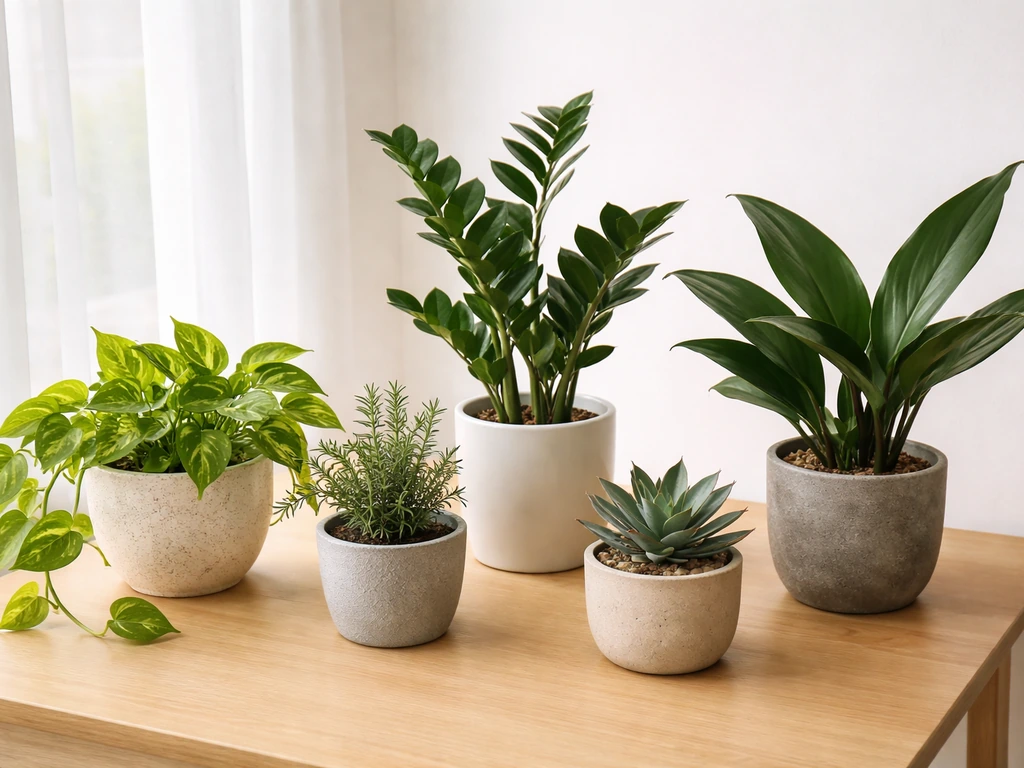
These are the plants that genuinely forgive beginner mistakes. They survive irregular watering, less-than-perfect light, and the occasional week of being ignored. This list covers both indoor houseplants and easy outdoor/balcony options so you can pick based on what you're working with.
| Plant | Best For | Light Needed | Space Required | Skill Level |
|---|---|---|---|---|
| Pothos | Low-maintenance decor, trailing shelves | Low to medium (even fluorescent) | Any pot, any room | Total beginner |
| ZZ Plant | Very dim rooms, neglect-proof greenery | Low light | Medium pot, low space | Total beginner |
| Cast Iron Plant | Heat, dust, and low light | Low to medium | Medium pot or garden bed | Total beginner |
| Basil | Fresh herbs, sunny windowsill | Bright (6+ hours) | Small pot (4–6 in.) | Beginner |
| Mint | Easy edible, spreads fast | Medium to bright | Container (keep contained!) | Beginner |
| Chives | Snip-and-go herb, nearly unkillable | Medium to bright | Small container | Beginner |
| Cherry Tomatoes | Balcony/patio edibles | Full sun (8+ hours) | 5-gallon container minimum | Intermediate |
| Radishes | Fastest edible crop (25–35 days) | Full sun (6–8 hours) | 10-inch container or garden bed | Beginner |
| Microgreens | Indoor food growing, no outdoor space needed | Bright window or grow light | Shallow tray, any countertop | Beginner |
A few of these (pothos, ZZ plant, cast iron plant) are so forgiving that they've earned a reputation as nearly indestructible. The edibles need more light and a bit more attention, but nothing here requires advanced skill. If you want more ideas, there's a whole deeper dive into plants that are easy to grow indoors specifically, which goes further on low-maintenance houseplant picks.
Match your plants to your actual light and space
blank" rel="noopener noreferrer">Light is the single most important factor for home growing success. Before you buy anything, figure out what you're actually working with. Stand in your space mid-morning and look at where sunlight lands and for how long. A rough rule: low light is more than 8 feet from any window, medium light is 4 to 8 feet from a south or east-facing window, and bright or high light is within a few feet of a south-facing window or on a sunny balcony. West-facing windows usually count as medium-bright, especially in summer.
Low light (dim rooms, north-facing windows, more than 8 feet from glass)
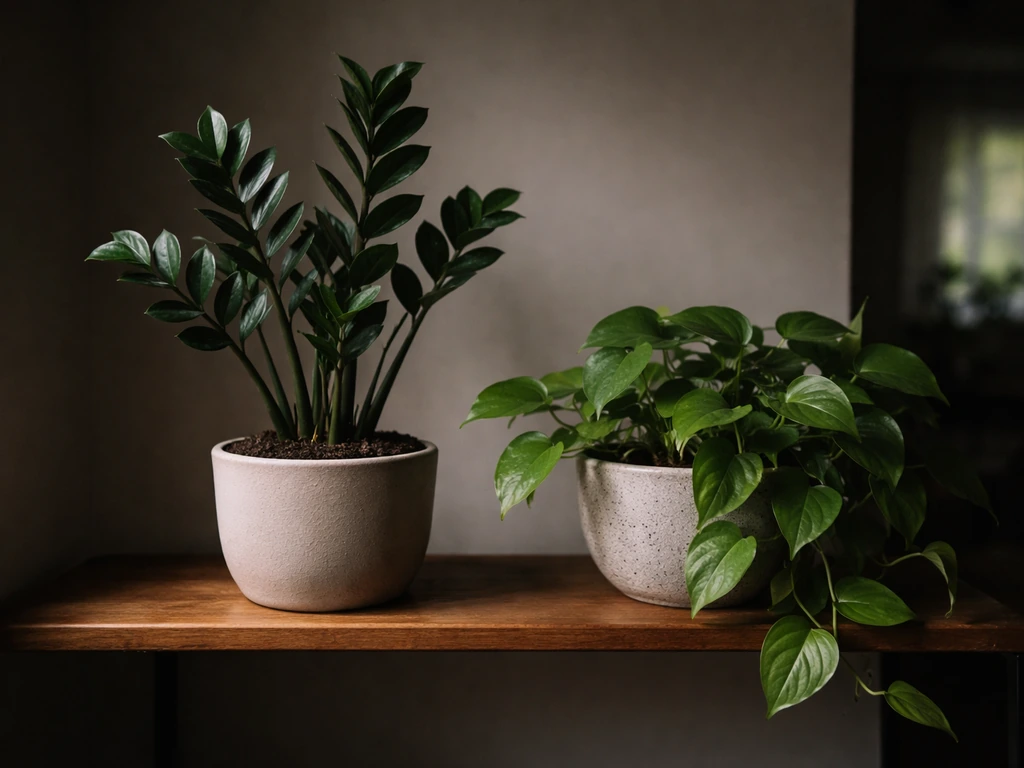
Your best friends here are pothos and ZZ plants. The ZZ's thick, fleshy rhizomes store water underground, which is why it tolerates both low moisture and low light so well. Pothos is happy under fluorescent office lighting, which means it'll do fine in a dorm room or a windowless kitchen corner. Cast iron plant earns its name by handling heat, dust, and dim light simultaneously. Avoid any edibles in low-light spots: they'll stall, stretch toward the light, and rarely produce anything worth eating.
Medium light (east or west-facing windows, 4–8 feet from a south window)
Medium light opens up more options. Chives, mint, and parsley can work here, especially on an east-facing windowsill that gets a few hours of direct morning sun. Most common foliage houseplants also thrive. If your east or west window gets at least four hours of direct light, you can try herbs. Just don't expect basil to perform here: it really needs that bright direct sun to stay bushy and productive.
Bright light and outdoor spaces (south windows, balconies, patios, yards)
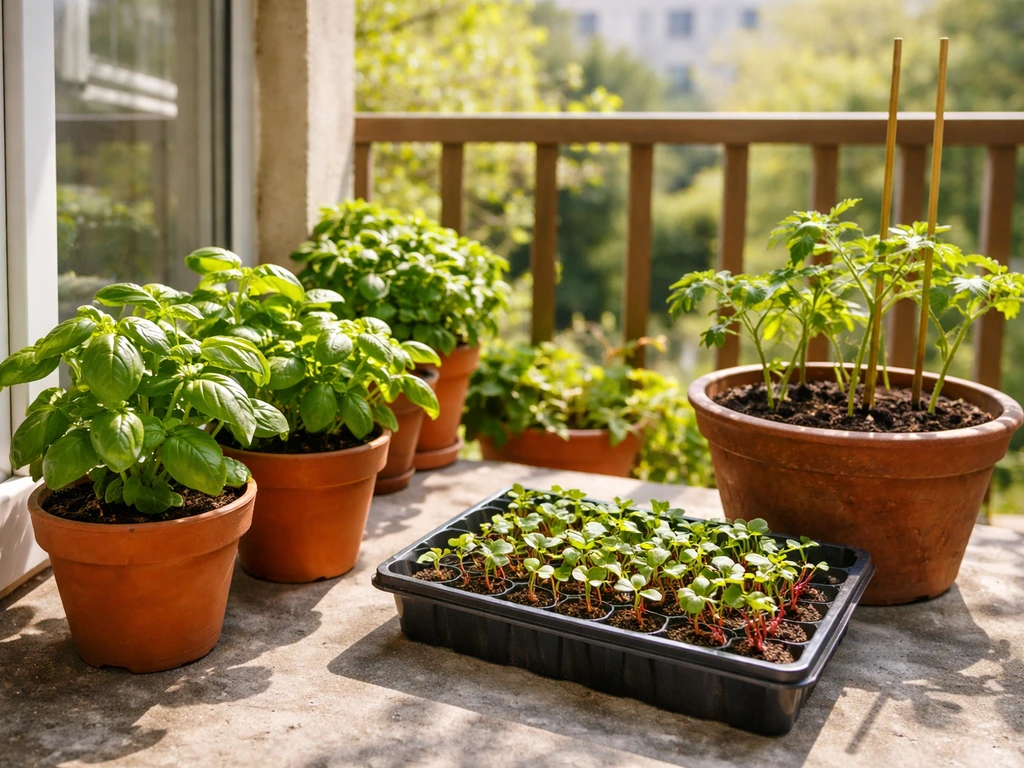
A south-facing window or an outdoor balcony is where the real fun starts. Basil, tomatoes, and radishes all need at least 6 hours of direct sun, with tomatoes preferring 8 or more. Leafy greens and herbs manage on about 4 hours, but root vegetables and fruiting crops like tomatoes or peppers want full sun. If you're on a balcony, containers are your garden: a 5-gallon pot handles one cherry tomato plant, a 10-inch pot works for radishes or herbs, and a 2-to-5-gallon container covers most vegetables. Make sure every container has drainage holes.
Pick by goal: decor, herbs, or food
If you want low-maintenance decor
Go with pothos, ZZ plant, or cast iron plant. These three are the backbone of beginner houseplant collections for good reason. Pothos trails beautifully from a shelf or hanging basket. ZZ plants have glossy, architectural leaves that look great with minimal intervention. None of them need regular fertilizing to stay healthy, and all of them bounce back after some neglect. Start with pothos if you have any doubt at all: it's probably the most forgiving houseplant in existence.
If you want fresh herbs

Basil, chives, mint, parsley, thyme, oregano, and sage all grow well in containers. Mint is the fastest and most aggressive: always grow it in its own pot, because it will crowd out everything else. Chives are nearly foolproof and regrow after every harvest. Basil needs warmth and bright light but rewards you fast. For a starter herb setup, get a 6-inch pot per herb, use potting mix with perlite for drainage, and put them on your sunniest windowsill or balcony. Snip frequently: harvesting regularly actually encourages more growth.
If you want to grow vegetables or fruit
Radishes are the fastest payoff: 25 to 35 days from seed to harvest, and they work in a 10-inch container. Cherry tomatoes are the most satisfying balcony crop, but they need a 5-gallon container minimum, full sun, and consistent watering. Microgreens are the best option if you have no outdoor space: grow them in a shallow tray on a bright countertop using seed-starting mix or coconut coir, and you can harvest edible greens in 7 to 14 days depending on the variety. They're one of the few genuinely practical indoor food crops you can do without a garden or even a balcony. If you're curious about starting from things you already have at home, grocery store plants are a surprisingly viable source for some of these. For example, the plants you can grow from grocery store produce include herbs and some vegetables that sprout with simple care.
What to start right now, by season and region
It's mid-June 2026. Depending on where you live, the growing window for different crops varies a lot. Here's a practical breakdown for right now:
| Region | Best to Start Now (June) | What to Wait On | Indoor Options Anytime |
|---|---|---|---|
| Northeast / Midwest (Zones 5–6) | Basil, cherry tomatoes, cucumbers, herbs, microgreens | Cool-season crops (wait for fall) | Pothos, ZZ plant, microgreens |
| Southeast / South (Zones 7–9) | Heat-tolerant herbs (oregano, thyme), microgreens indoors, sweet potatoes | Tomatoes (too hot to set fruit in July–Aug); wait for fall planting | Pothos, ZZ plant, microgreens |
| Pacific Northwest (Zones 8–9) | Tomatoes (get them in now), basil, beans, herbs | Root vegetables (better in fall) | Any houseplants, microgreens |
| Southwest / Hot Arid (Zones 9–11) | Move edibles indoors or to shade cloth; microgreens, herbs on shaded patio | Full-sun vegetables (brutal now) | ZZ plant, pothos, cast iron plant |
| All regions | Microgreens, pothos, ZZ plant, herbs on sunny windowsills | Garlic (plant in October) | ZZ plant, pothos, cast iron plant |
If you're in the South or Southwest right now, summer heat makes outdoor food growing genuinely difficult. Your best move is to shift edibles indoors (microgreens, herbs under a grow light) and wait for September to start cool-season crops like radishes, lettuce, and spinach outside. If you're in the Northeast or Midwest, you're in the heart of the warm season: get tomatoes and basil in containers outside immediately if you haven't already. For garlic, every region plants in mid-to-late October, about 2 inches deep, 4 to 8 inches apart in rows. Don't try to rush it into spring: fall-planted garlic produces much larger bulbs.
Setup and care basics that actually matter
Soil and pots
Use all-purpose potting mix that contains perlite or vermiculite, not garden soil from outside. Garden soil compacts in containers and kills drainage. Every pot must have a drainage hole at the bottom: if you're using a decorative outer pot without holes, drill one or use the inner nursery pot as a liner and empty the outer pot after watering. Avoid containers that are dramatically too large for the plant: a lot of empty soil around a small root system stays wet too long and invites root rot.
Watering
The number one killer of home plants is overwatering, not underwatering. When you water, water thoroughly until it drains from the bottom, then wait until the top inch or two of soil is dry before watering again. Don't water on a fixed schedule: check the soil. Pothos likes to dry out between waterings. ZZ plants can go weeks between drinks because of those water-storing rhizomes. Herbs and vegetables need more consistent moisture, but still need to drain. Always water at the base of the plant, not on the leaves, to reduce fungal issues and keep pests away.
Fertilizing
Most houseplants don't need much feeding. For decorative plants, a balanced slow-release granular fertilizer (something like 10-10-10) applied once at the start of the growing season is usually enough. For herbs and vegetables in containers, nutrients leach out with every watering, so you'll need to supplement more often: a liquid fertilizer every two to four weeks during the growing season works well. If leaves turn yellow and the plant is otherwise healthy, that's often a nitrogen deficiency: a quick-acting liquid fertilizer addresses it faster than slow-release. During winter, most houseplants slow down and don't need feeding at all.
When to repot
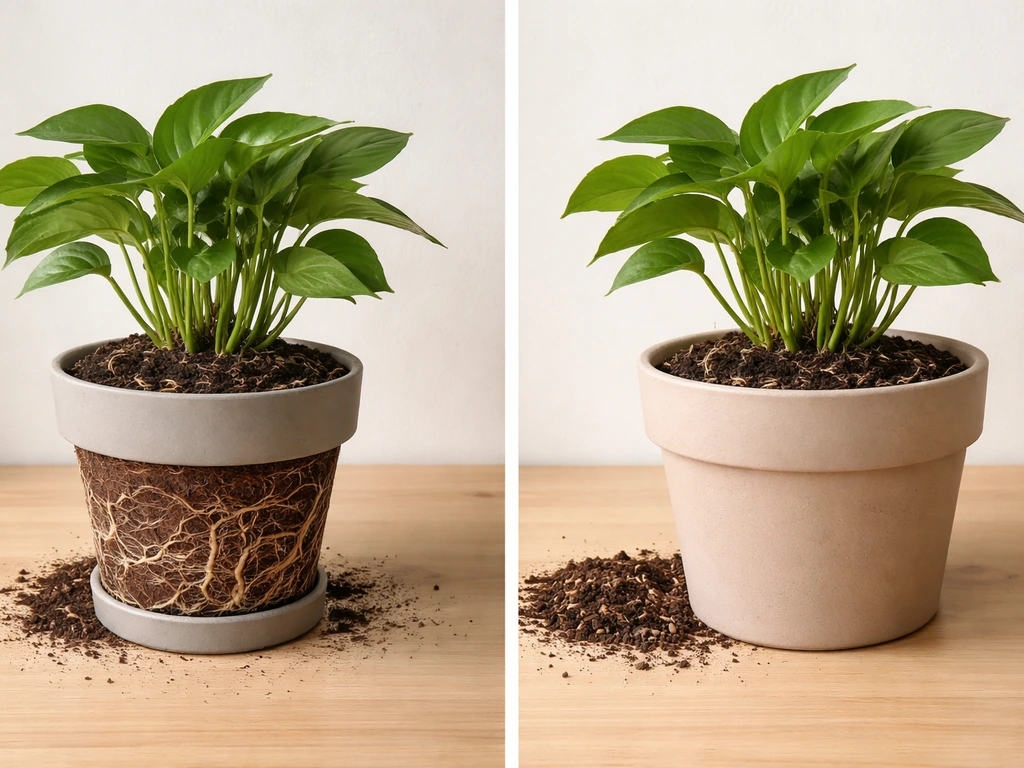
Repot when roots start circling around the bottom of the root ball or you can't see any potting mix in the lower third of the container because it's all root. Go up one pot size at a time, not dramatically larger, to avoid the overwatering problem that comes with too much empty soil.
When things go wrong: common problems and honest fixes
Most plant problems come down to a handful of recurring issues. Here's how to read the symptoms and what to do:
| Symptom | Likely Cause | Fix |
|---|---|---|
| Yellowing leaves | Overwatering, root rot, or low nitrogen | Check drainage and let soil dry; use liquid fertilizer if roots look healthy |
| Brown leaf edges | Low humidity, inconsistent watering, or salt buildup from fertilizer | Increase humidity, water more evenly, flush soil occasionally |
| Wilting despite wet soil | Root rot from overwatering or poor drainage | Remove plant, trim rotten roots, repot in fresh mix with better drainage |
| Tiny dots and webbing on leaves | Spider mites (common on stressed plants in dry air) | Wipe leaves with damp cloth; apply insecticidal soap; increase humidity |
| Small flies around soil | Fungus gnats from consistently wet topsoil | Let soil dry more between waterings; use yellow sticky traps to monitor |
| Leggy, stretched growth | Not enough light | Move closer to window or add a grow light; consider switching plant species |
| Aphids on new growth | Aphid infestation | Wash off with water; follow up with insecticidal soap if they return |
The honest truth about troubleshooting: if a plant keeps struggling despite your best efforts, sometimes it's just the wrong plant for your conditions. A pothos that's stretching and losing leaves in a dark corner isn't sick, it just needs more light than you have. If you can't change the light, change the plant. A ZZ plant will thrive in that same corner. There's no shame in swapping to something better suited to your space.
Where to get your plants and how to get started today
Buying vs. propagating
The fastest path is buying a small nursery plant or a seed packet. Local garden centers and big-box stores carry pothos, ZZ plants, and herb starter plants year-round. For seeds, microgreens and radishes are the cheapest entry point: a $3 seed packet gives you dozens of harvests. Propagating from cuttings is a great next step once you have plants: pothos roots in water within a week or two, making it ideal for sharing and expanding your collection. Some edibles like herbs and certain vegetables can even be started from grocery store produce, which is a fun experiment worth trying.
Your next-steps checklist
- Assess your light: walk through your space mid-morning and categorize each window as low, medium, or bright.
- Pick one plant from the shortlist that matches your light level and goal (decor, herbs, or food).
- Get the right container: make sure it has a drainage hole, and size it appropriately (10 inches for herbs/radishes, 5 gallons for tomatoes).
- Buy all-purpose potting mix with perlite, not garden soil.
- Plant or pot your plant, water thoroughly until it drains, then wait before watering again.
- Check soil moisture every few days rather than watering on a schedule.
- For edibles: start fertilizing with a liquid fertilizer every two to four weeks once the plant is established.
- Watch for the warning signs above (yellowing, wilting, webbing) and act early.
- Once you're comfortable with one plant, add a second one from a different category.
- If you want to expand: try propagating your pothos in water, starting a microgreens tray, or planning your fall garlic planting for October.
You don't need a yard, a big budget, or any prior experience. A pothos in a $5 nursery pot, a sunny windowsill with a basil plant, or a shallow tray of microgreens on your kitchen counter are all legitimate, rewarding starting points. Pick one, get it set up this week, and build from there. Once you've got one plant thriving, everything else gets easier.
FAQ
I don’t know my light level, what plants that you can grow at home should I buy first?
Start by matching plants to the light you measured (mid-morning sun spot, plus duration). If you are unsure, choose pothos or ZZ first, then add edible plants only after you can reliably give them the hours of direct sun the article calls out.
What should I do if my herbs look leggy or aren’t producing?
Herbs and vegetables in low light often grow tall but weak and may not set fruit. If you cannot increase light, switch expectations, grow shade-tolerant options for foliage, or use a grow light for daily hours (aim for consistent, not occasional, light).
Can I grow plants that you can grow at home outside year-round on a balcony?
Yes, but the easiest path is to use containers with drainage holes and a tray underneath, then keep watering based on soil dryness rather than the calendar. Also, select crops that fit your season, for example radishes and leafy greens in cooler windows.
How do I water correctly if I’m tempted to follow a schedule?
Do not rely on “a little water every day.” Water thoroughly until it drains, then wait until the top inch or two dries before watering again. For pothos and ZZ plants, longer gaps are normal.
Why does my mint take over my herb container?
Mint spreads fast, so you should keep it in its own pot (even indoors). For edible containers, use separate pots for each herb or at least avoid mixing mint with slow growers.
Can I use garden soil in containers for plants that you can grow at home?
Use potting mix designed for containers (with perlite or similar drainage). Avoid garden soil because it compacts, drains poorly, and increases root-rot risk in pots.
What’s the right way to use decorative pots that don’t have drainage holes?
If your outer decorative pot has no drainage holes, either drill holes or use it only as a cover for an inner nursery pot, then empty any standing water after watering. Standing water is a common cause of yellowing and dying.
Can I really grow microgreens indoors without a garden or balcony?
Yes. Microgreens can be grown in trays on a bright countertop, but they still need even moisture in the seedling stage. Expect the fastest turnaround with radish and similar quick greens, and plan for frequent harvests rather than one long crop.
What container size do I need for cherry tomatoes when growing at home?
A 5-gallon pot is a practical minimum for one cherry tomato plant, smaller containers often limit roots and reduce yield. Pair that with consistent watering and full sun to avoid blossom drop and poor fruit set.
My plant’s leaves are turning yellow, how can I tell nitrogen deficiency from watering problems?
Yellow leaves can be overwatering, poor drainage, or nutrient imbalance, not only nitrogen deficiency. Before fertilizing, check soil dryness and drainage first, then if the plant is otherwise healthy and in active growth, consider a quick-acting liquid fertilizer.
When is the right time to repot beginner plants that you can grow at home?
If roots are circling or the potting mix has mostly disappeared from the lower third, it is time to repot. Move up only one pot size to reduce excess wet soil that can trigger root rot.
What if I can’t increase light, but my current plant keeps failing?
If you cannot improve the light, try switching the plant rather than forcing it. Pothos or ZZ can suit dim corners better than edibles, and your stress-free approach is often choosing the plant that fits the room.
Why does my plant get worse in a bigger pot?
Avoid dramatic container over-sizing. A small root system in a large pot stays wet too long, which increases rot risk. When in doubt, choose the container sizes listed in the article for each crop.
How often should I fertilize plants that you can grow at home?
Feeding depends on the plant type. Houseplants usually need little to no feeding in winter, while container herbs and vegetables often need extra nutrients during active growth because frequent watering leaches nutrients.
How do I troubleshoot when nothing seems to improve?
If the problem persists after correcting light, watering, and drainage, it can be a mismatch. The quickest “fix” is often swapping to a plant that naturally fits your conditions, for example choosing ZZ for dim areas instead of insisting on basil indoors.
Can I propagate or restart plants at home from grocery store items or cuttings?
Yes, for many beginner plants. Pothos can be rooted from cuttings in water, and some herbs and vegetables can regrow from store produce with proper care. Use this to expand your collection without buying new nursery plants each time.
Next Article
Plants That Are Easy to Grow Indoors: Best Picks for Beginners
Best easy indoor plants for beginners matched to light, watering, and space, with care tips and quick troubleshooting.
